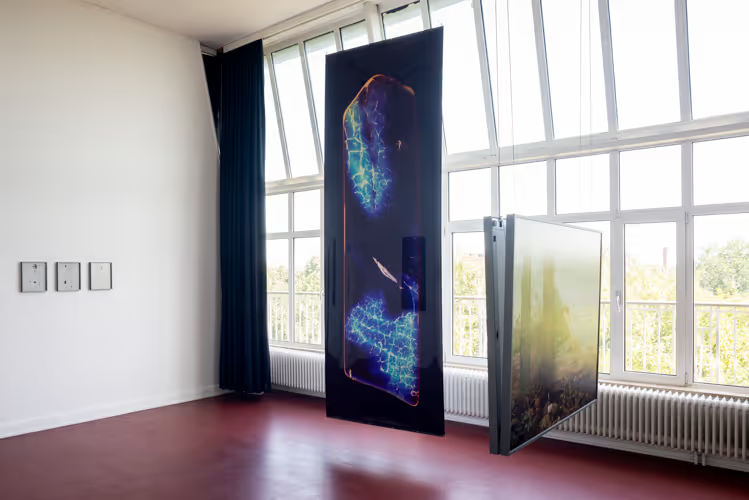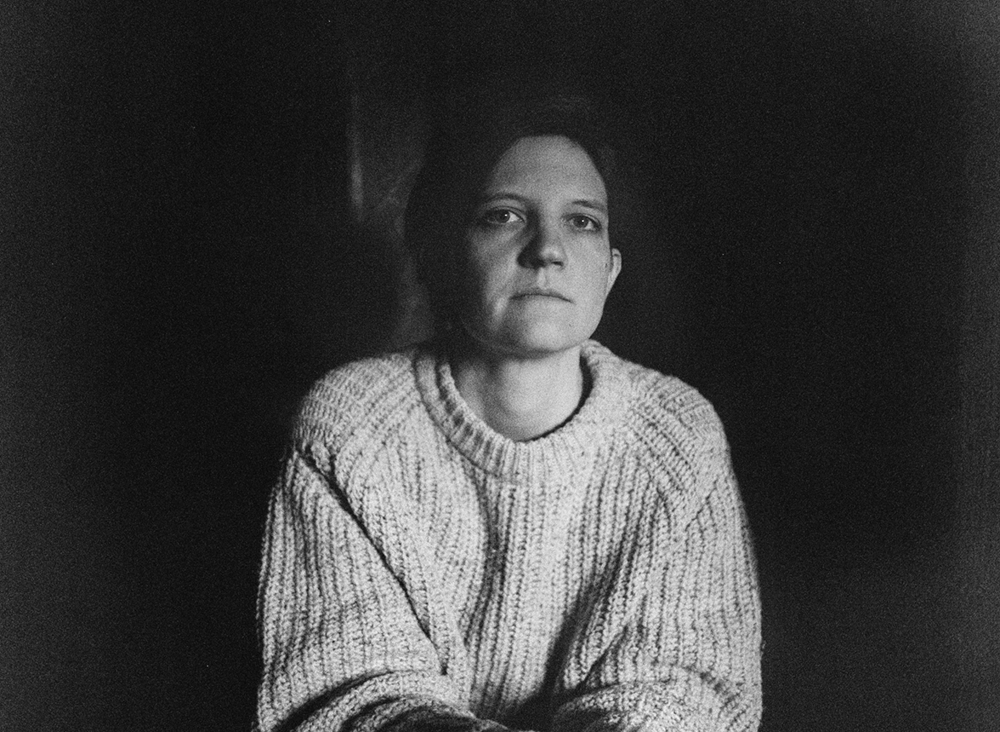
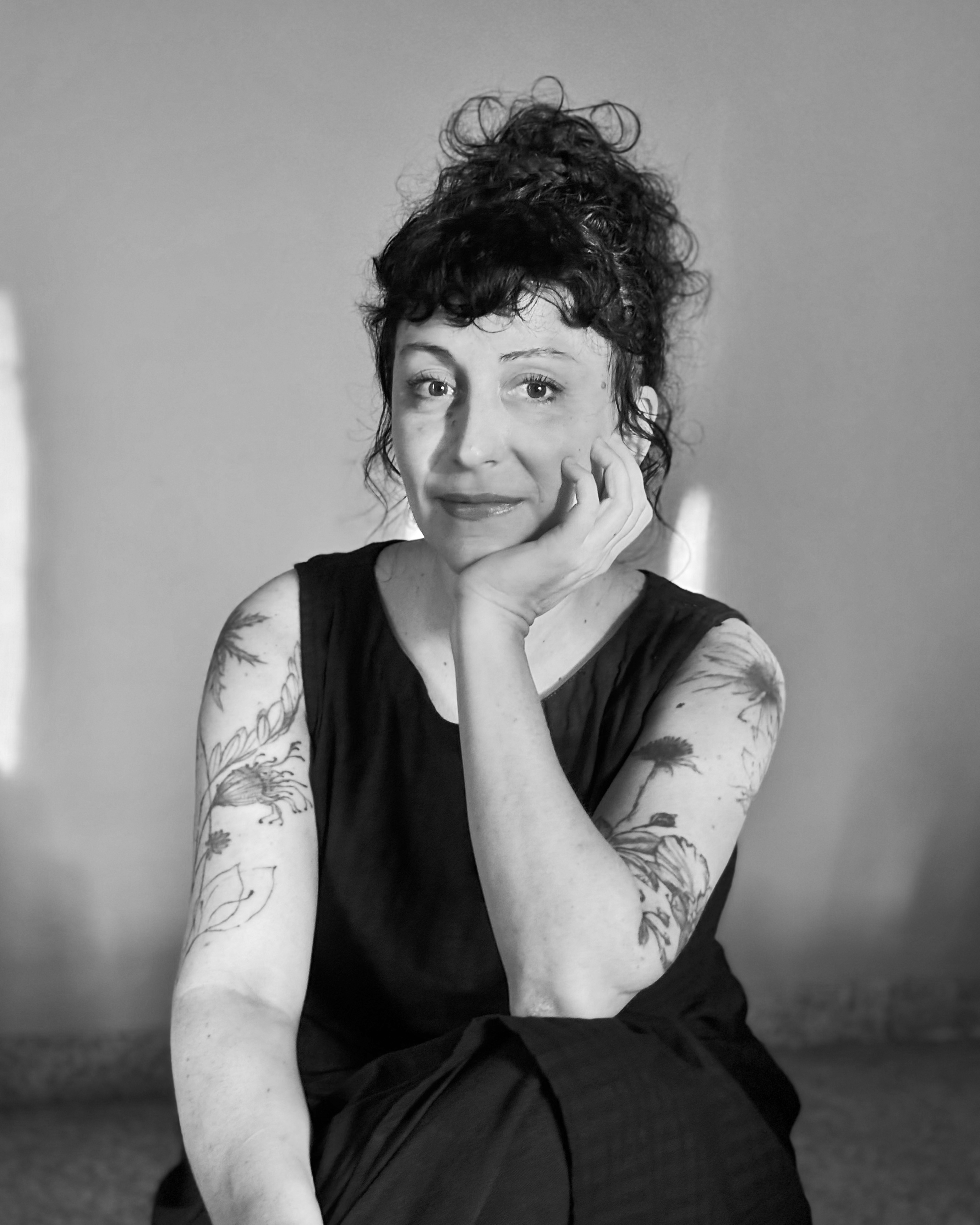
Simone C. Niquille is a designer and researcher whose work investigates how contemporary technologies shape the production, circulation, and interpretation of images. Through a practice that spans computer vision, machine learning, simulation, and digital infrastructures, she reveals the hidden assumptions embedded within the systems that increasingly mediate our understanding of the world.
As the lecturer of New Image Lab, Niquille invites participants to move beyond the surface of images and examine the technological, political, and cultural frameworks through which they are produced. In this conversation, we discuss image literacy, emerging technologies, and why artists today need to understand not only how images look, but how they operate.
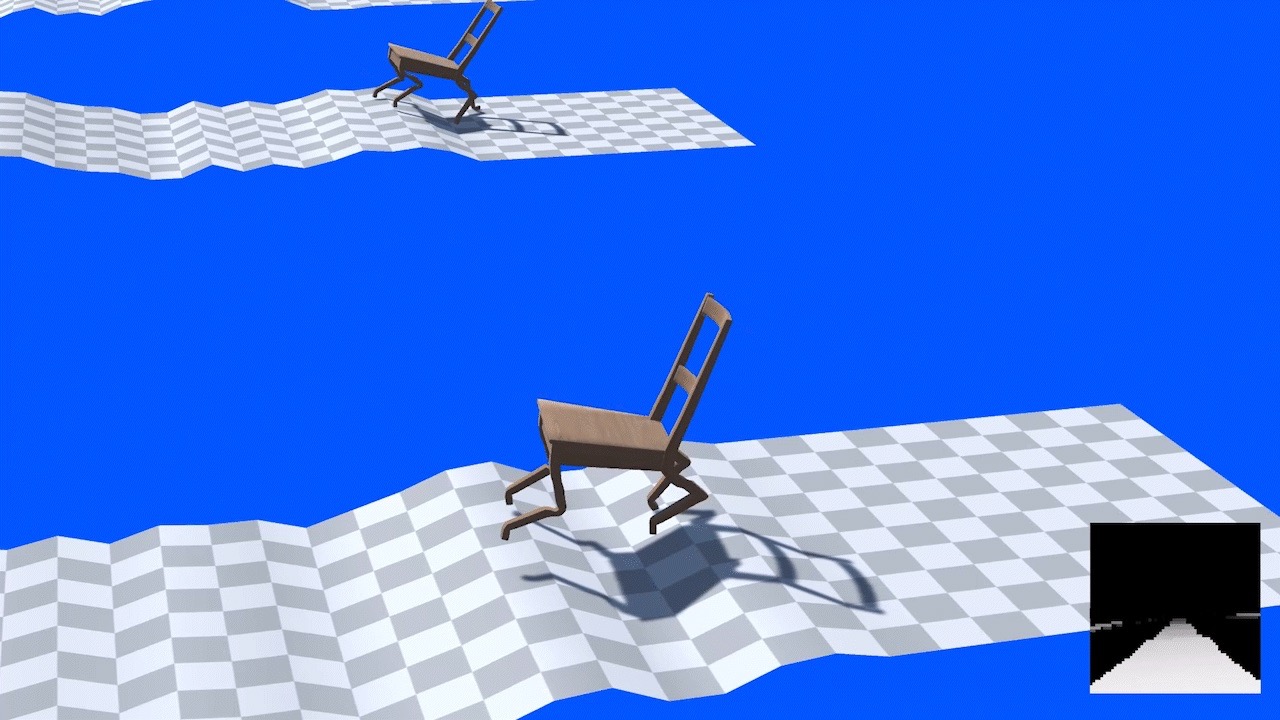
Your work often investigates images not as representations, but as operational systems that actively shape how the world is perceived. How did you get to this way of thinking about images, and why do you think it is important for artists and photographers today?
I was curious as to how the tools worked I used to tell my (research) stories which were about the limited ways a digital body could be created with avatar builder and 3D software as well as the way the body is read by machines. This led me to work with image training datasets for facial recognition and later on training data for domestic spaces.
I wouldn't say that having an understanding of the technology that surrounds us is necessary, it's impossible for everyone to have that kind of time or access, but I do think we should all hold a certain curiosity and suspicion towards the magical fable with which technology, specifically artificial intelligence, is sold to us.
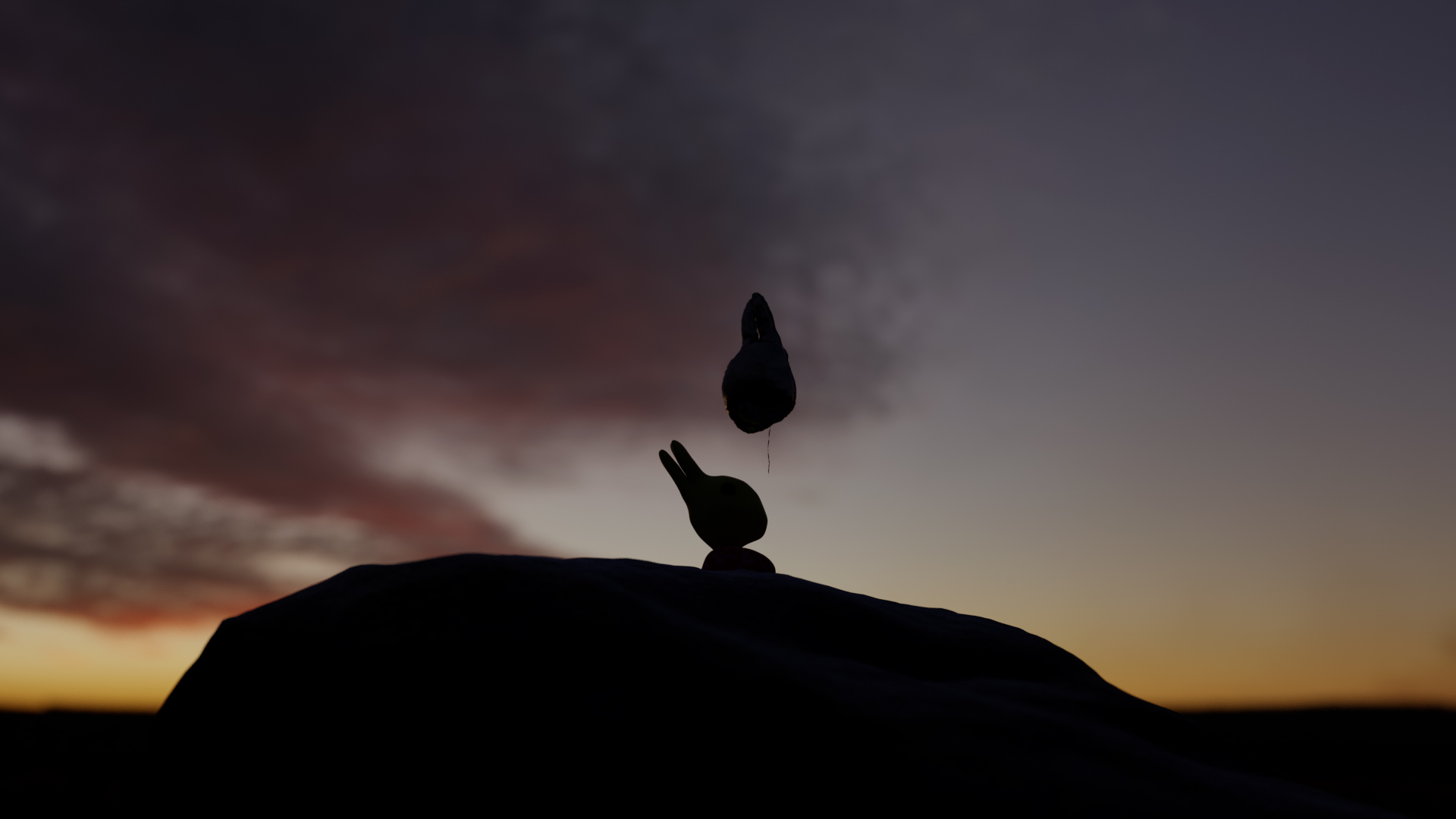
From computer vision and synthetic images to 3D models and machine learning, your research focuses on the infrastructures that sit behind contemporary image-making. What do you think most artists still misunderstand about the technologies they use every day?
I can only speak to my own path, which is about treating software as a material. We use it to shape the world and should hold it up to as much scrutiny as any other ingredient in creating and building the future we want. Once we do that, off the shelf might not always cut it, or the instruction manual shouldn't always be faithfully adhered to. One of the most inspiring questions I got after a lecture was full of upset, about why I 'misused' a 3d scanning app. It hadn't occurred to me that there was a right and wrong way to use this particular software, but working with it and putting it to work taught me a lot about the assumptions baked into the tool. This question stayed with me but as a driving force rather than a critique.
Many technologies are built around hidden assumptions about who we are and how we should behave. How can artists challenge these assumptions instead of reinforcing them?
I am not sure there is a such a clear dichotomy to be drawn between practices that challenge or reinforce assumptions, nor would I judge any one else's practice on this binary. It's about finding your own voice, how cliche that sounds. By being nuanced, specific, intentional any work is already different from the story told by dominant technology.
Many artists feel both fascinated and overwhelmed by the rapid transformation of image technologies. What skills, sensibilities or forms of literacy do you think are most urgent to develop today?
Just because the technology changes doesn't mean your practice has to. Everyone should use the tools they are most drawn to and the ones which help them best tell their story. It's not necessary to chase the latest gadgets or gimmicks to make relevant work or reflect on the contemporary condition, on the contrary!
Why do you think someone should apply to New Image Lab? What would make someone a good participant, regardless of whether they come from photography, design, moving image, research or another field?
I think you need to have an unrelenting wonder to question the world around you, technological or otherwise.
New Image Lab is not a technical course in AI or software training. Instead it proposes a critical investigation of how images are produced, circulated, and made operative. What can participants expect from the masterclass and what kinds of questions will they be encouraged to ask and react to?
In New Image Lab the focus doesn't lie on a how-to of the newest cutting-edge technology; chasing it won't necessarily make us understand it any better. As someone that has endless questions and loves a deep dive into origin stories, I believe it is important to understand why you use a material, a software, a technology, and where that thing comes from. Accumulating this knowledge embeds technology in its creation context, the cultural history around technology that tends to be difficult to access as the focus mostly is on hero founder narratives, efficiency and productivity. Uncovering the culture around these technologies is crucial in understanding them better, the ambition, assumptions, worry and wishes that inspired their conception. Sometimes they can be prosaically banal, but these contexts matter for they make these technologies subjective.
.jpg)

.jpg)
.avif)




.avif)

%2520Unseen-campaign-2024-square-forweb.jpeg)

.avif)


.avif)





.avif)





.jpeg)





.jpg)
.jpg)













%252C%25202015.jpeg)