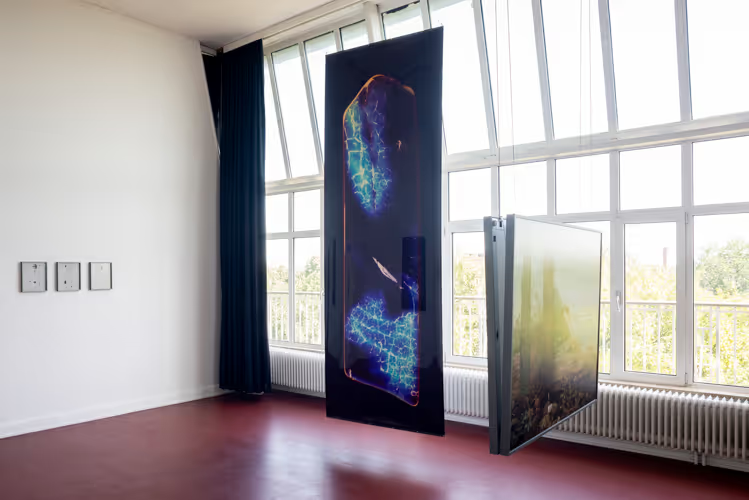
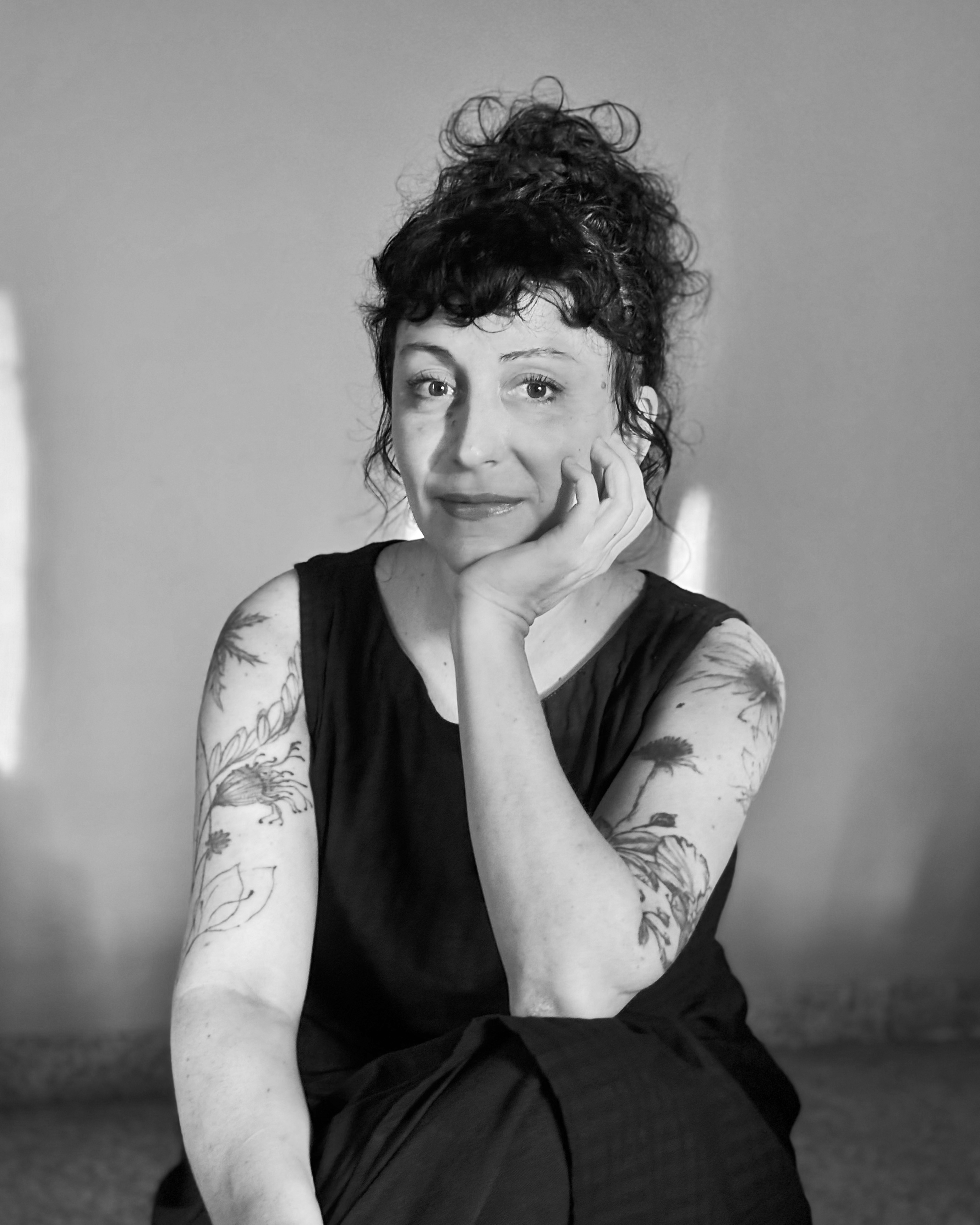
Ugo Woatzi’s artistic practice goes around queer narratives and imaginaries. The artist’s background is in photography, but their practice has moved from the medium, towards installation. Even though he has moved beyond photography, he always starts from images, but then the image can become moving image, or it can develop into sculptures, including natural elements. No matter the medium, all of their practice centralizes queer narratives.
.avif)
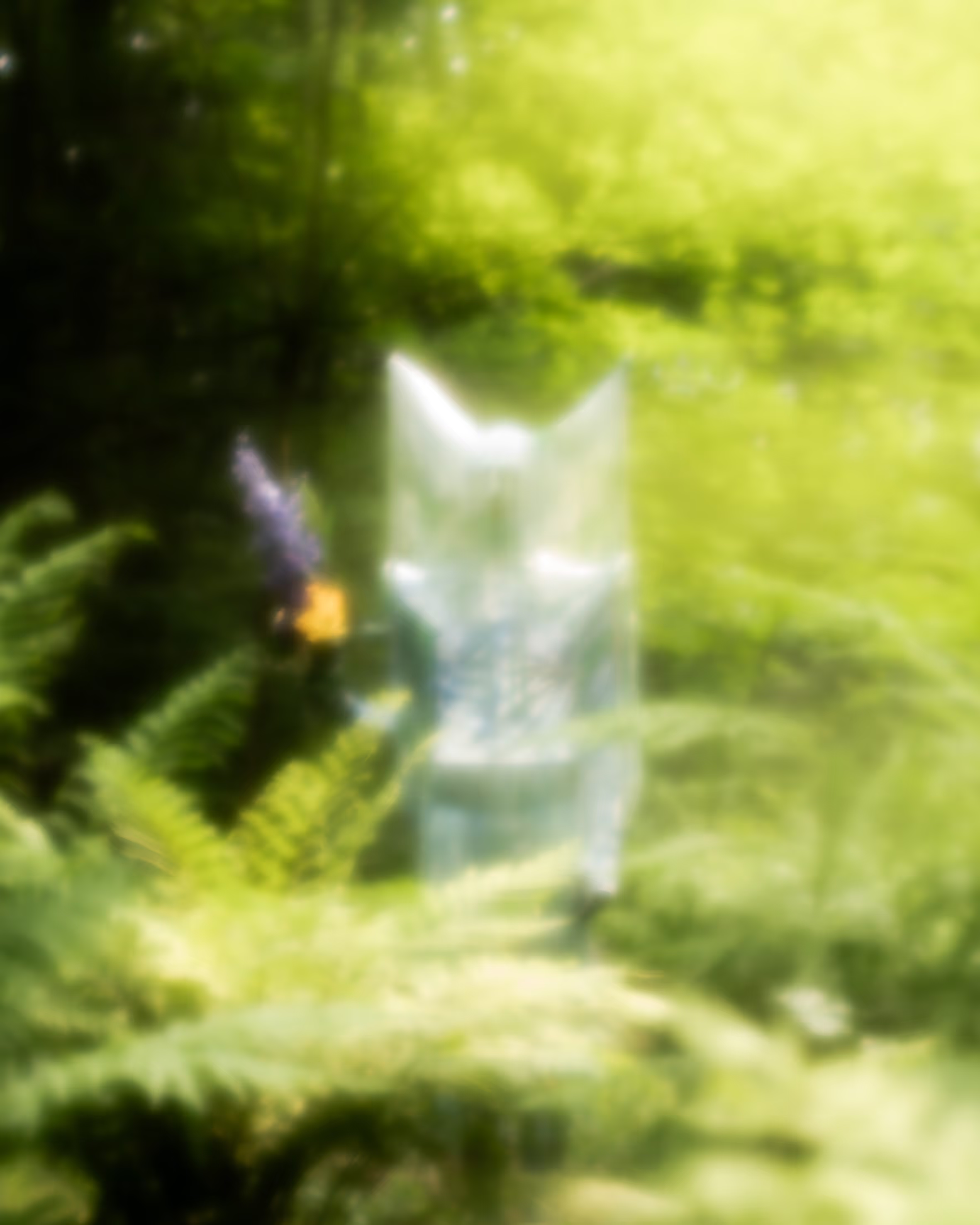
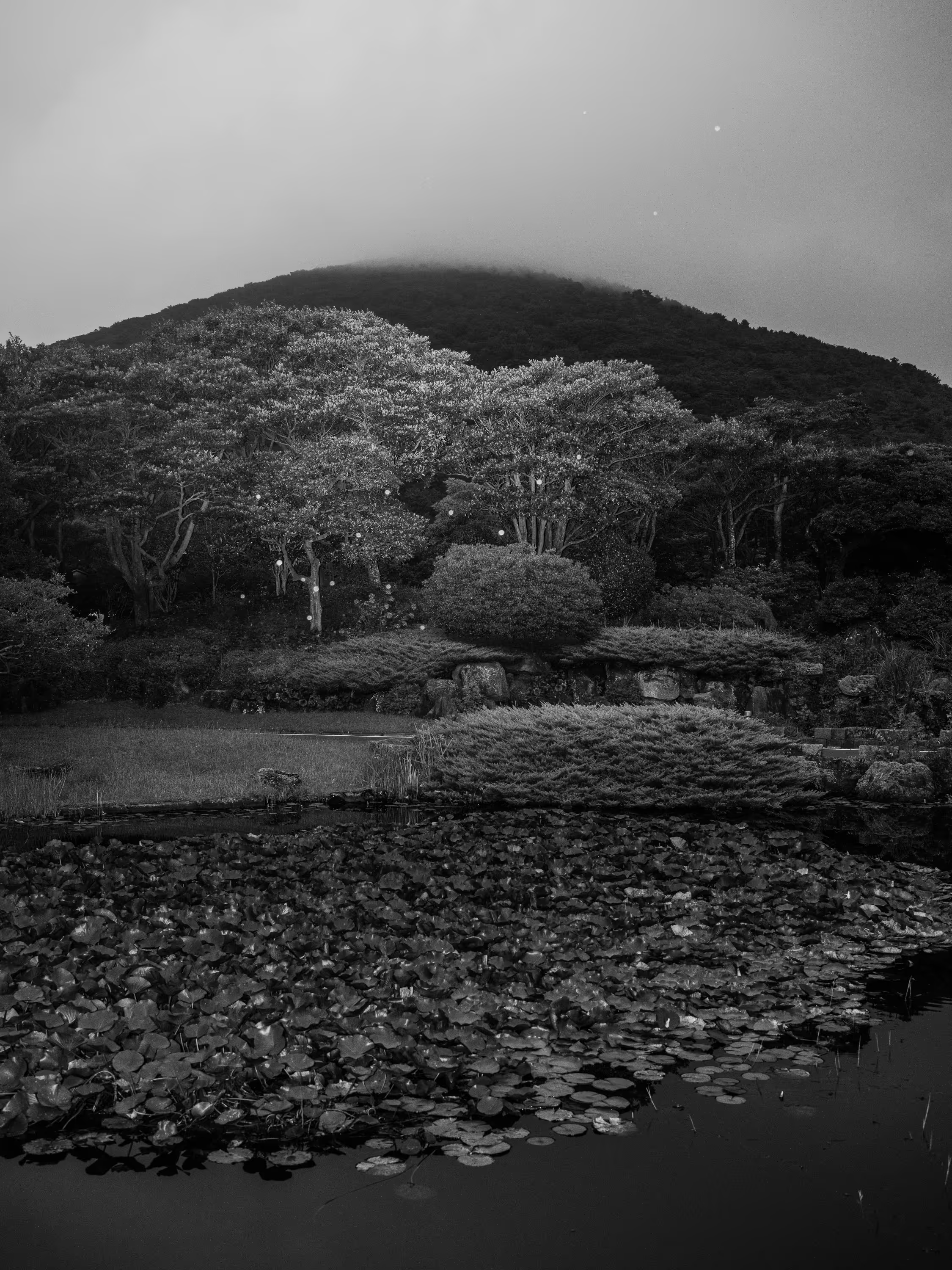
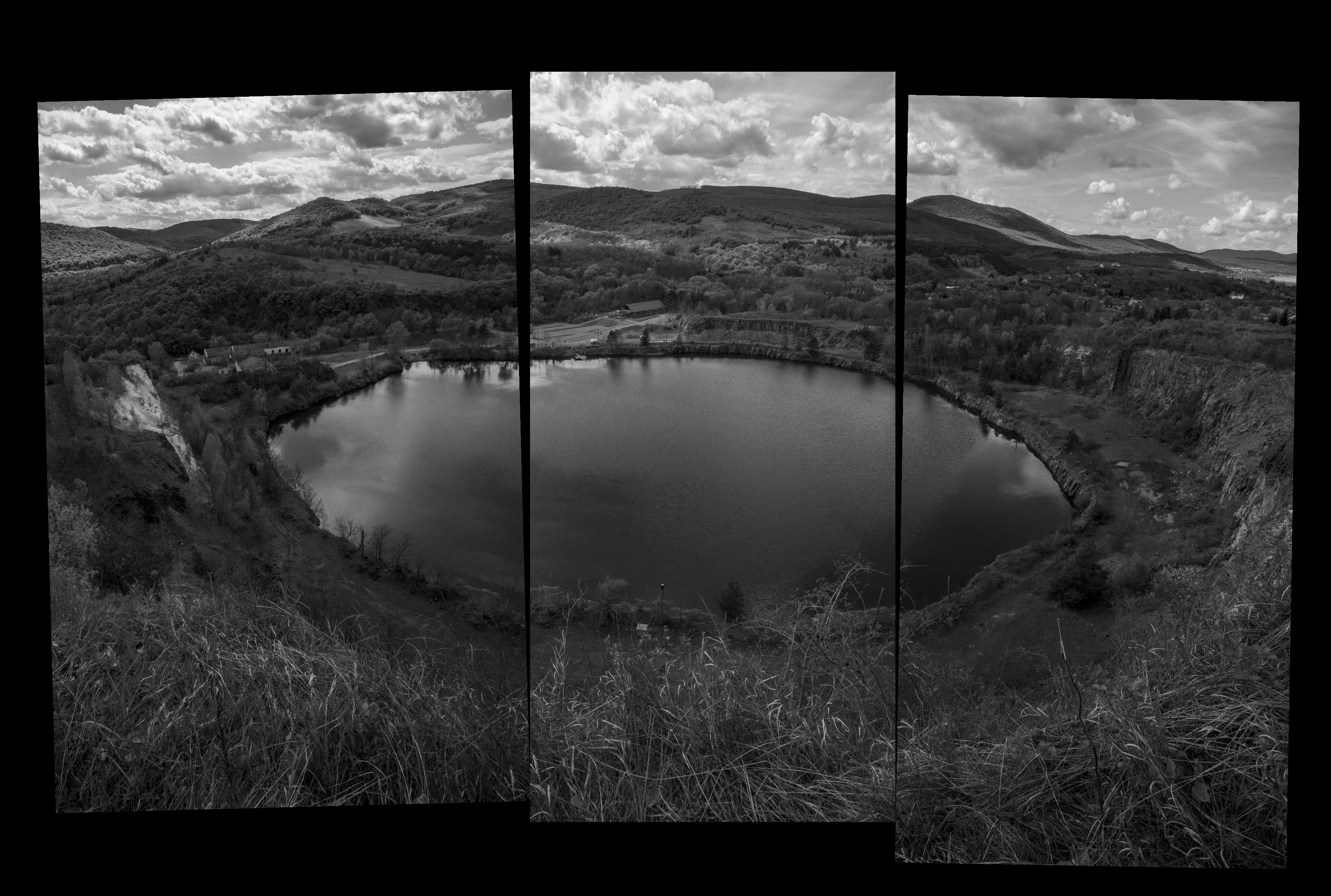
When making a new artwork, they always start from their own perspective. For his latest artwork Alzou, they are returning to the place where they grew up, the rural area around the Alzou river. The area and the village of Rocamadour have an important role for Catholicism. Pilgrims from around the world come to the village to look at the Black Madonna that resides there.
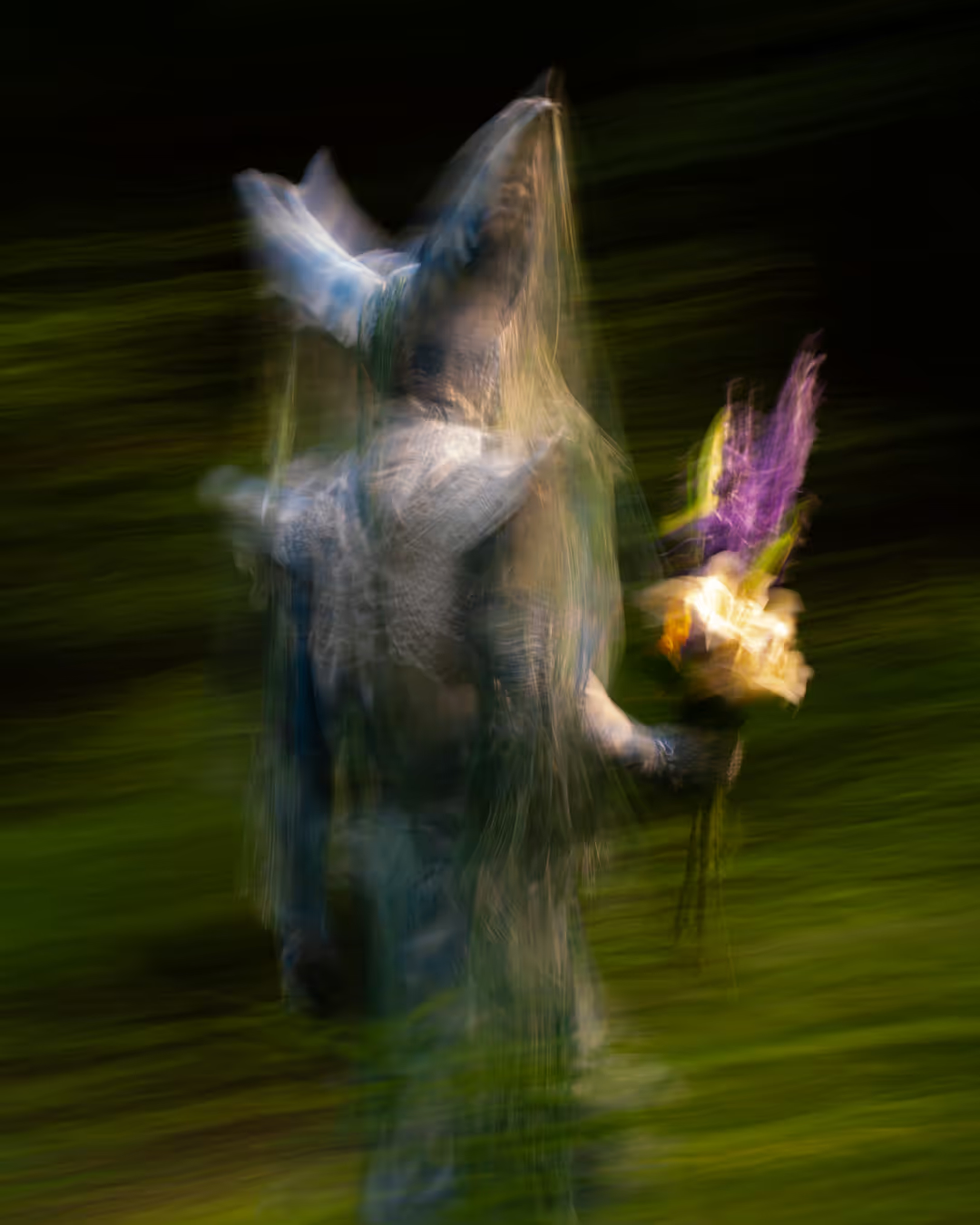
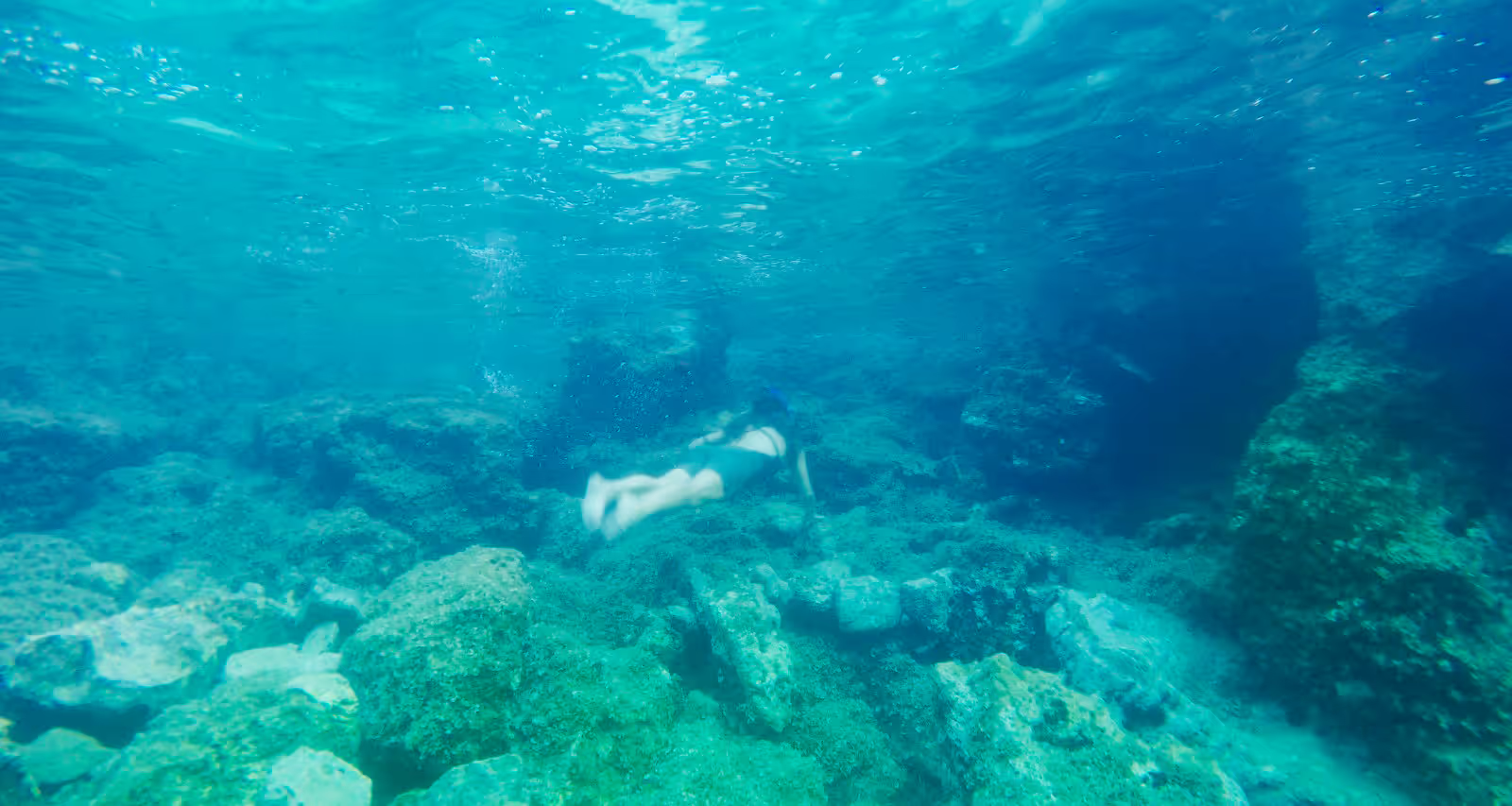
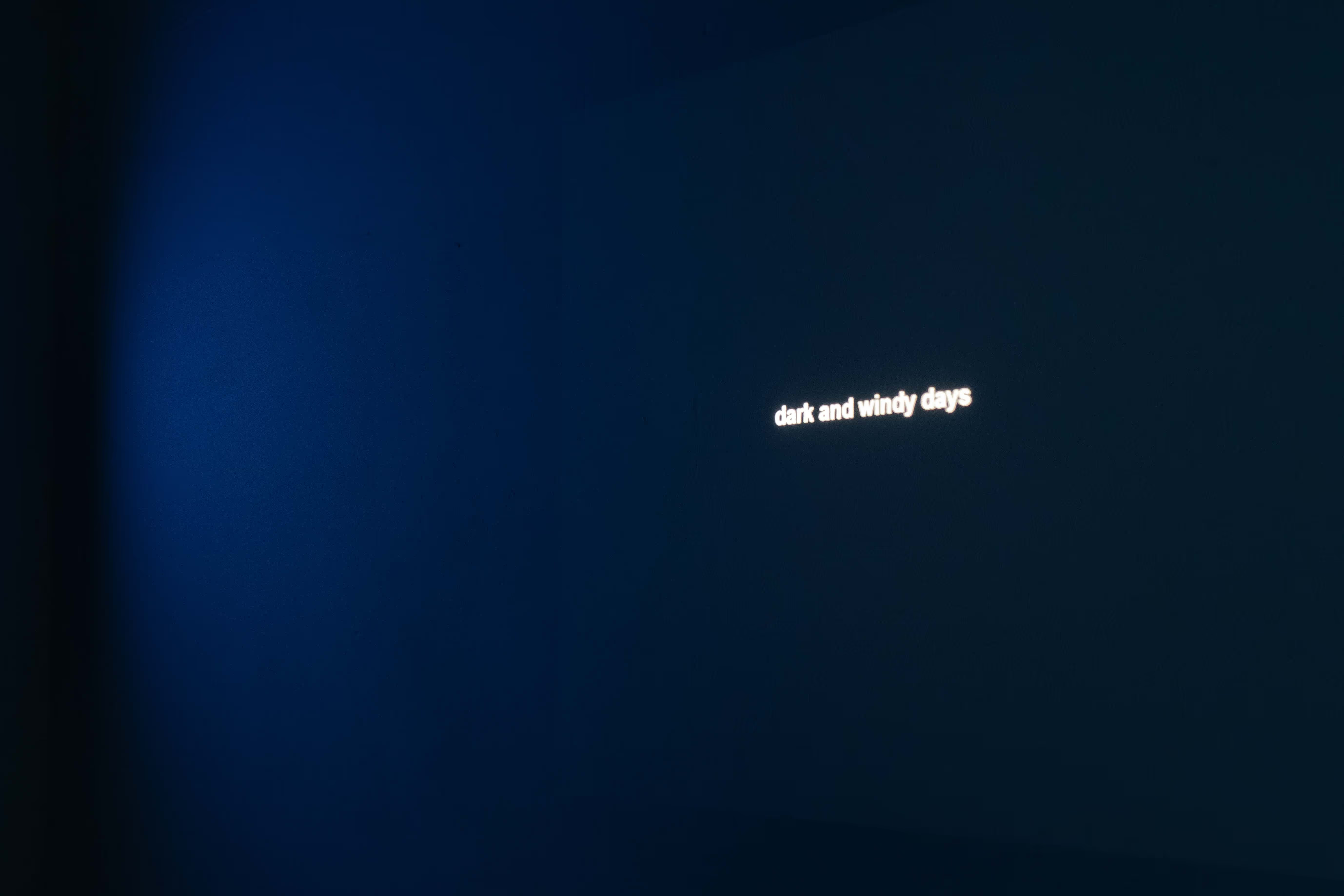
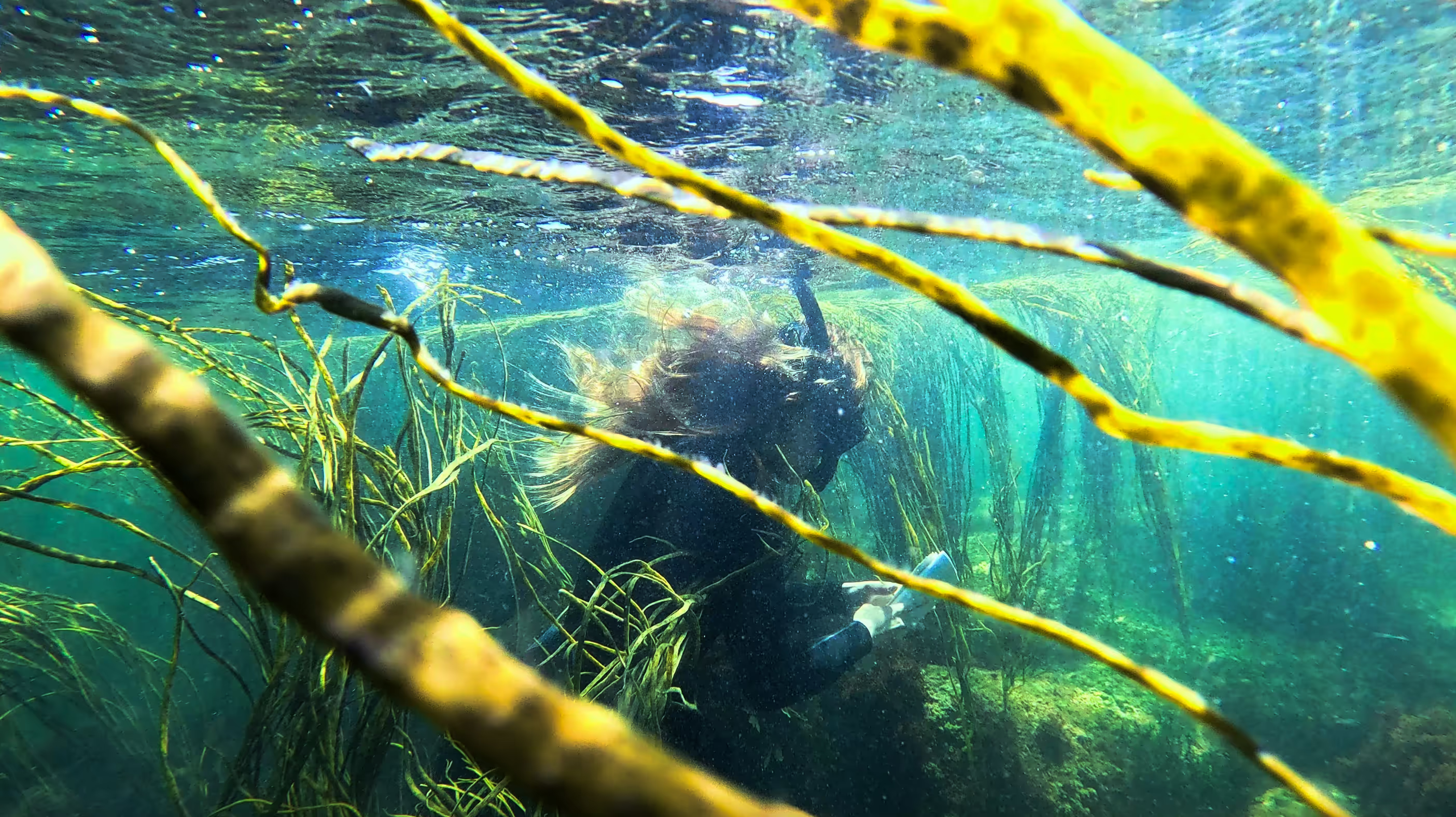
Alzou is a short film about a fictional divinity living around the river, going by that same name. Rural areas are generally not a haven for the queer community, and with this film the artist tries to imagine otherwise: by speculating about a transformative water divinity, they show what a queer future could look like. Central are the concepts of “queer futurity” from José Esteban Muñoz and “oddkin” from Donna Haraway. “Oddkin” refers to the idea that we can have kinship not only with humans, but also with spirits, plants, and nature. In the speculation of the queer future, the connection to the past and the present are very important: Woatzi uses myths and legends from Rocamadour to imagine different futures, making the past of the area reflect in the future and to rewrite the narrative.
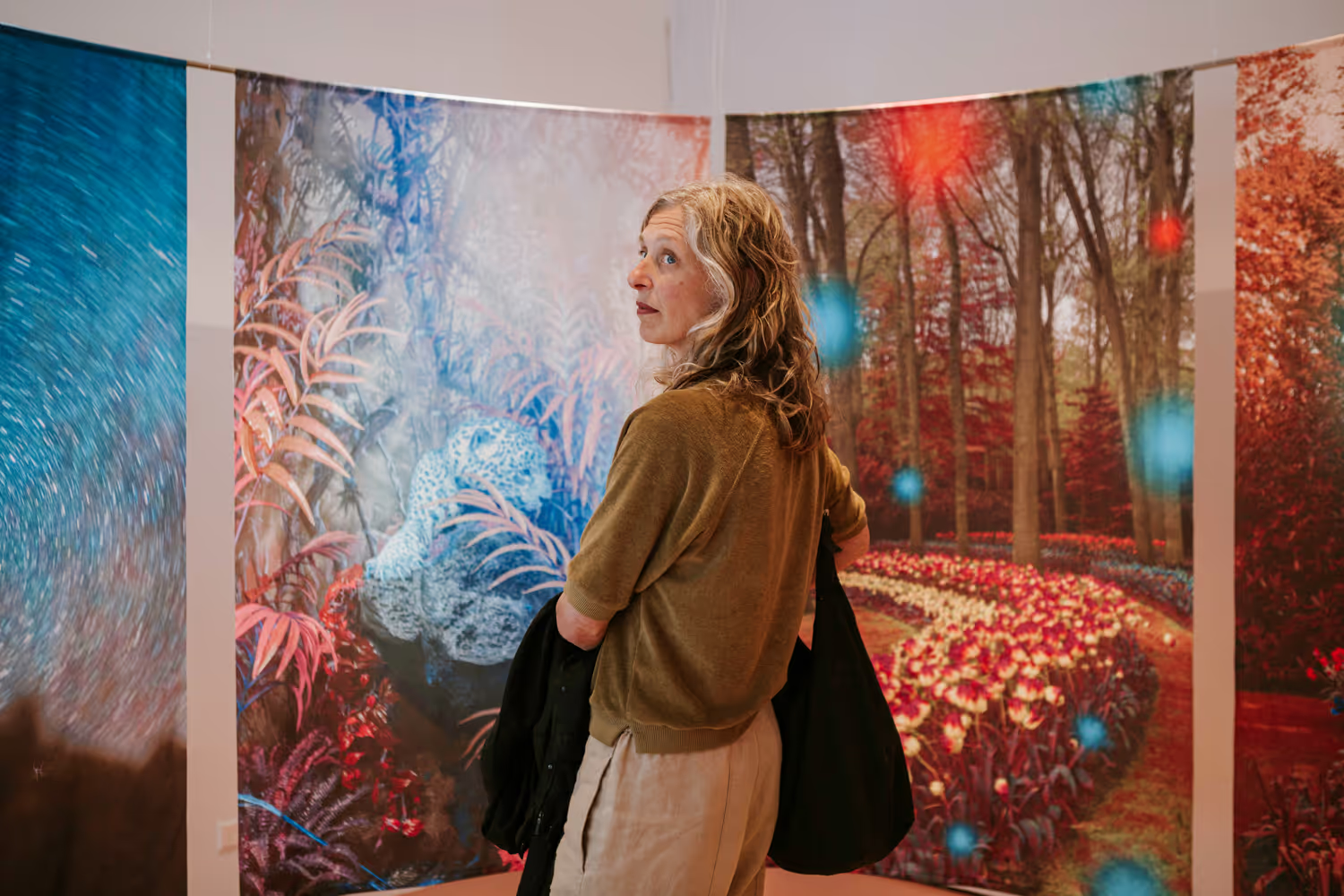
In Alzou, the divinity drinks a potion to get in a state of trance, and she slowly turns into water again. This refers to alchemy, but also to intoxication. In her dance, she is calling for the return of the community, after many years of exile. Dusk sets and suddenly much more is possible. The night is a time for imagination: within the queer community, nightlife is seen as a place to come together; a place where it is possible to live otherwise. This is also why water is such a central theme: it signifies transformation, care, healing, fluidity and rebirth. The divinity is shaped as a genderless, blue entity with two horns, wearing a blue costume, with photographs of the river printed in the textile.

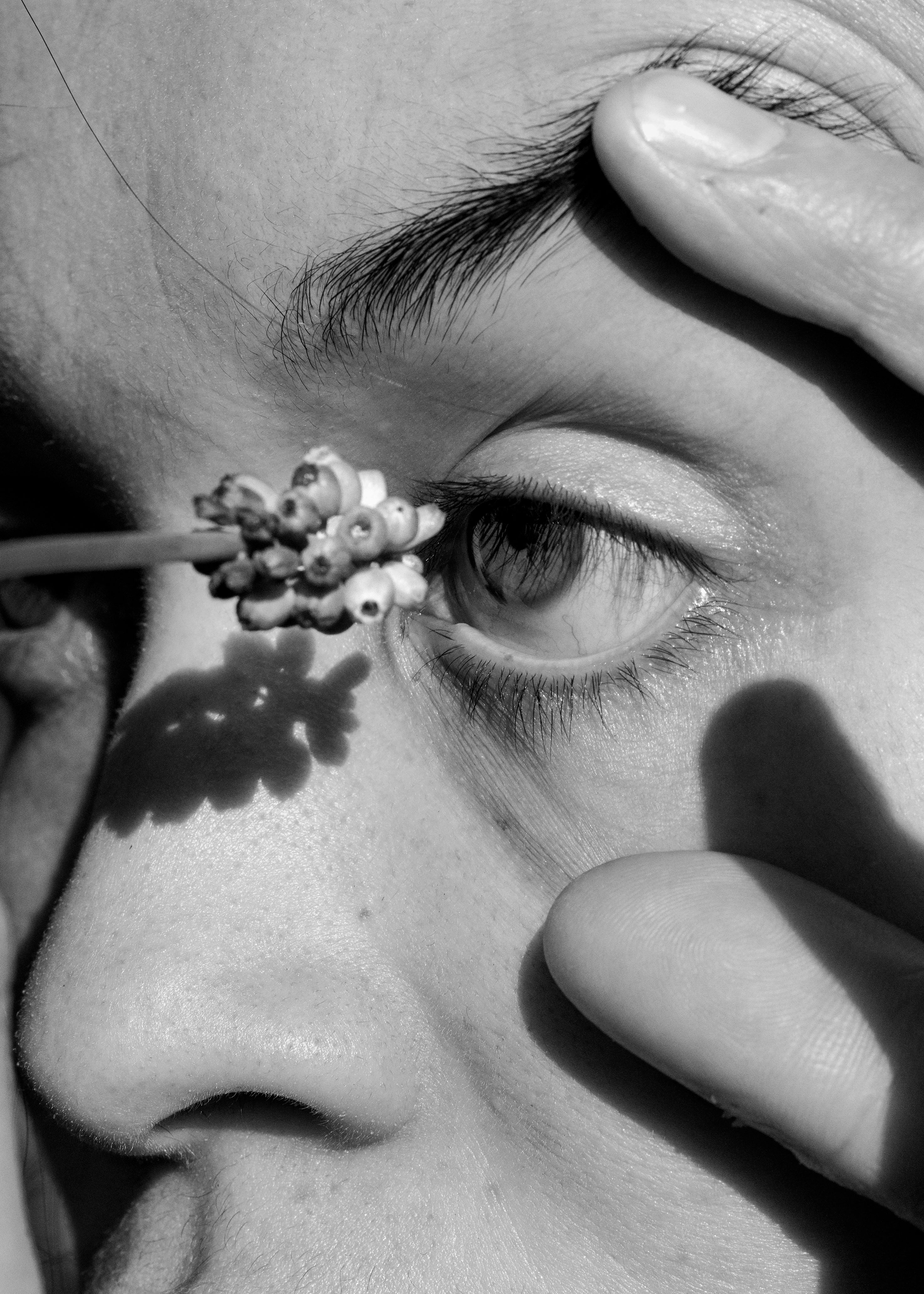
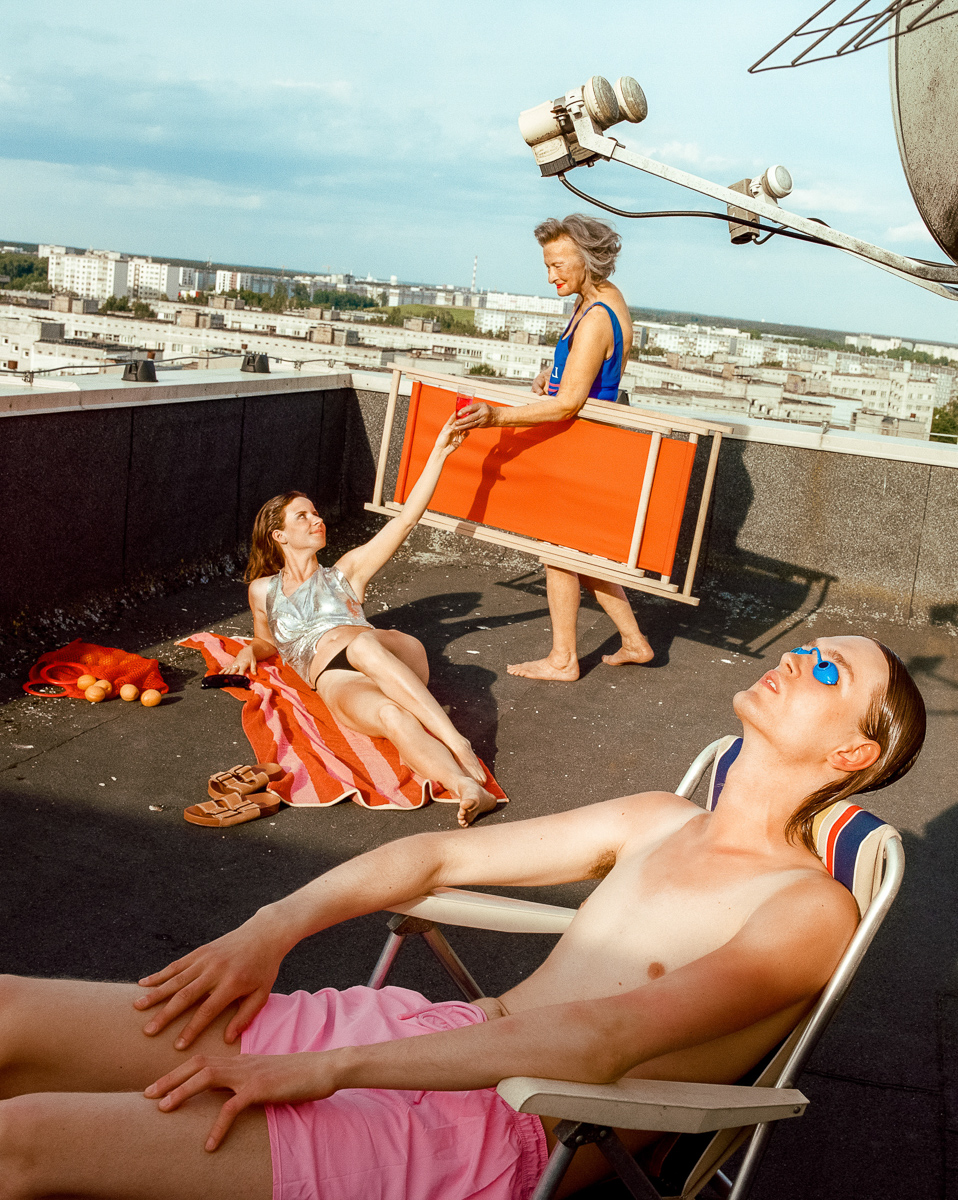
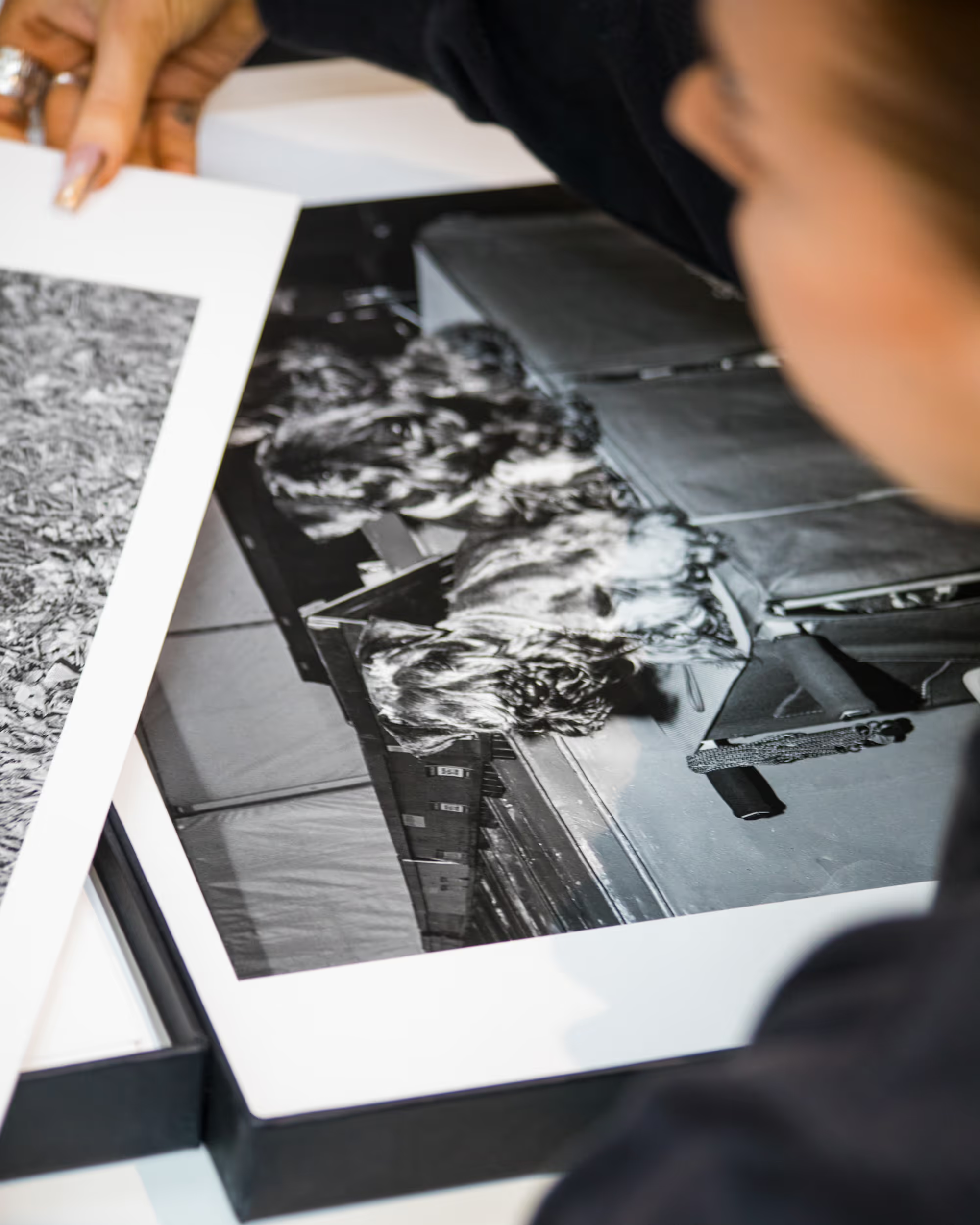
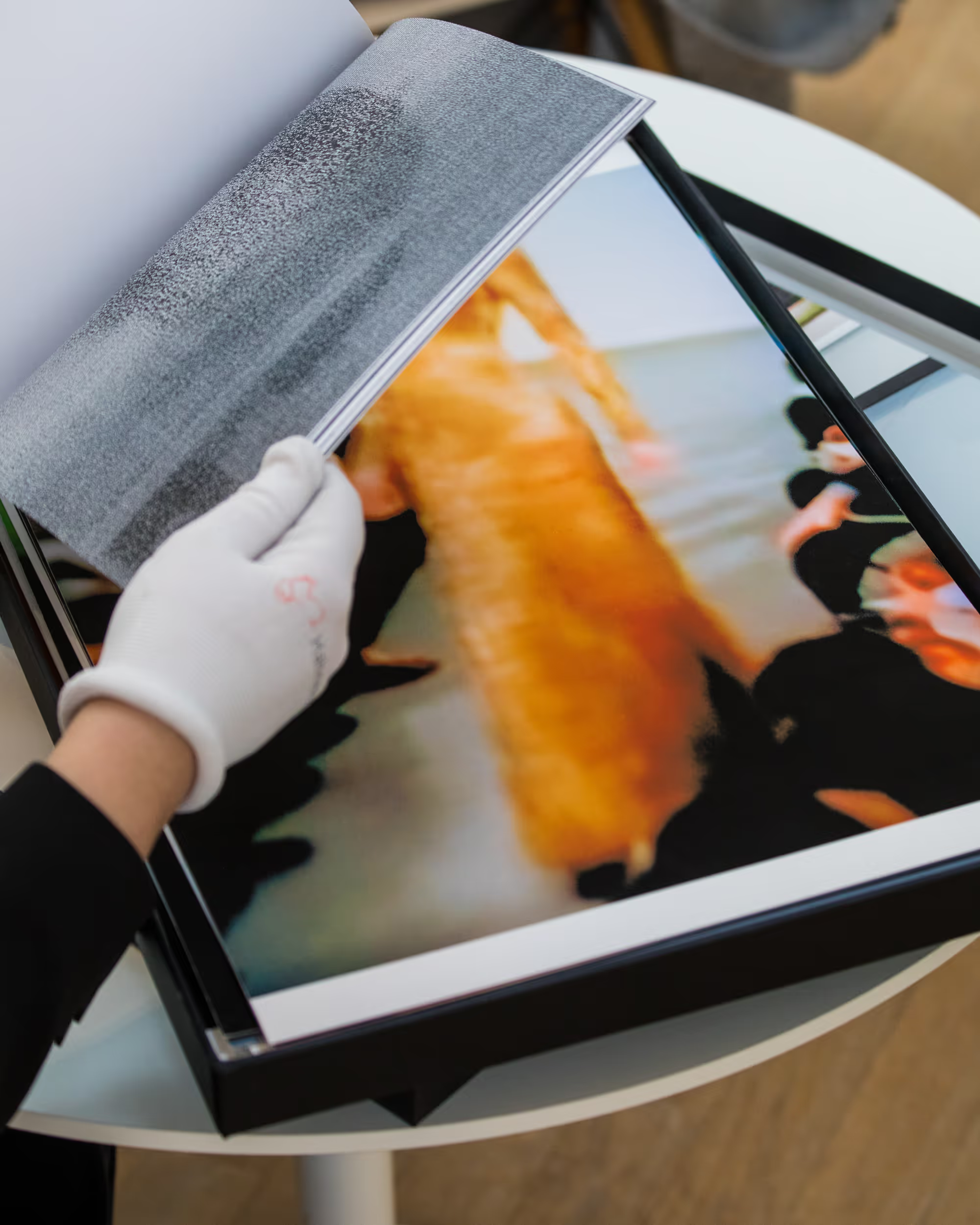
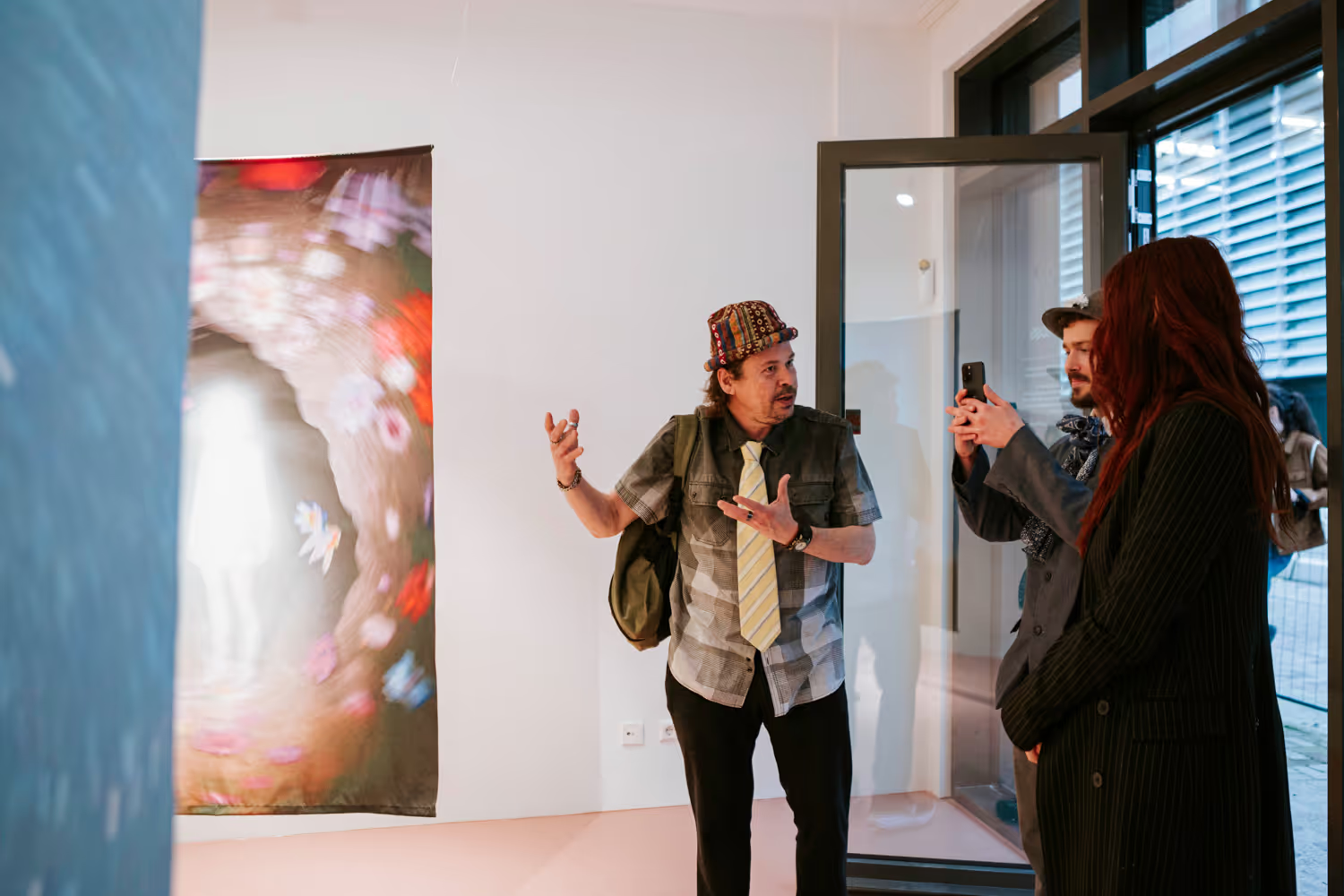
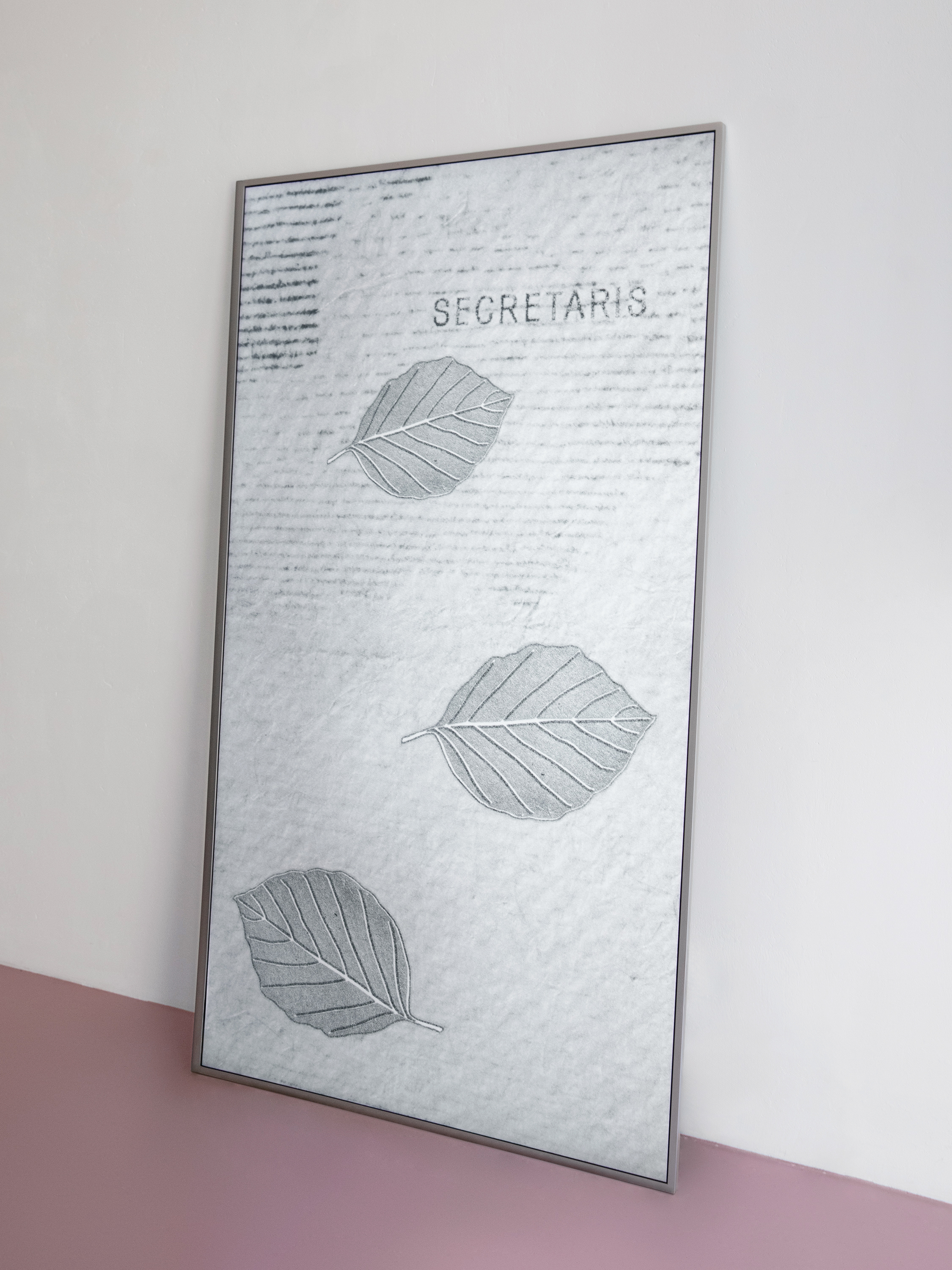
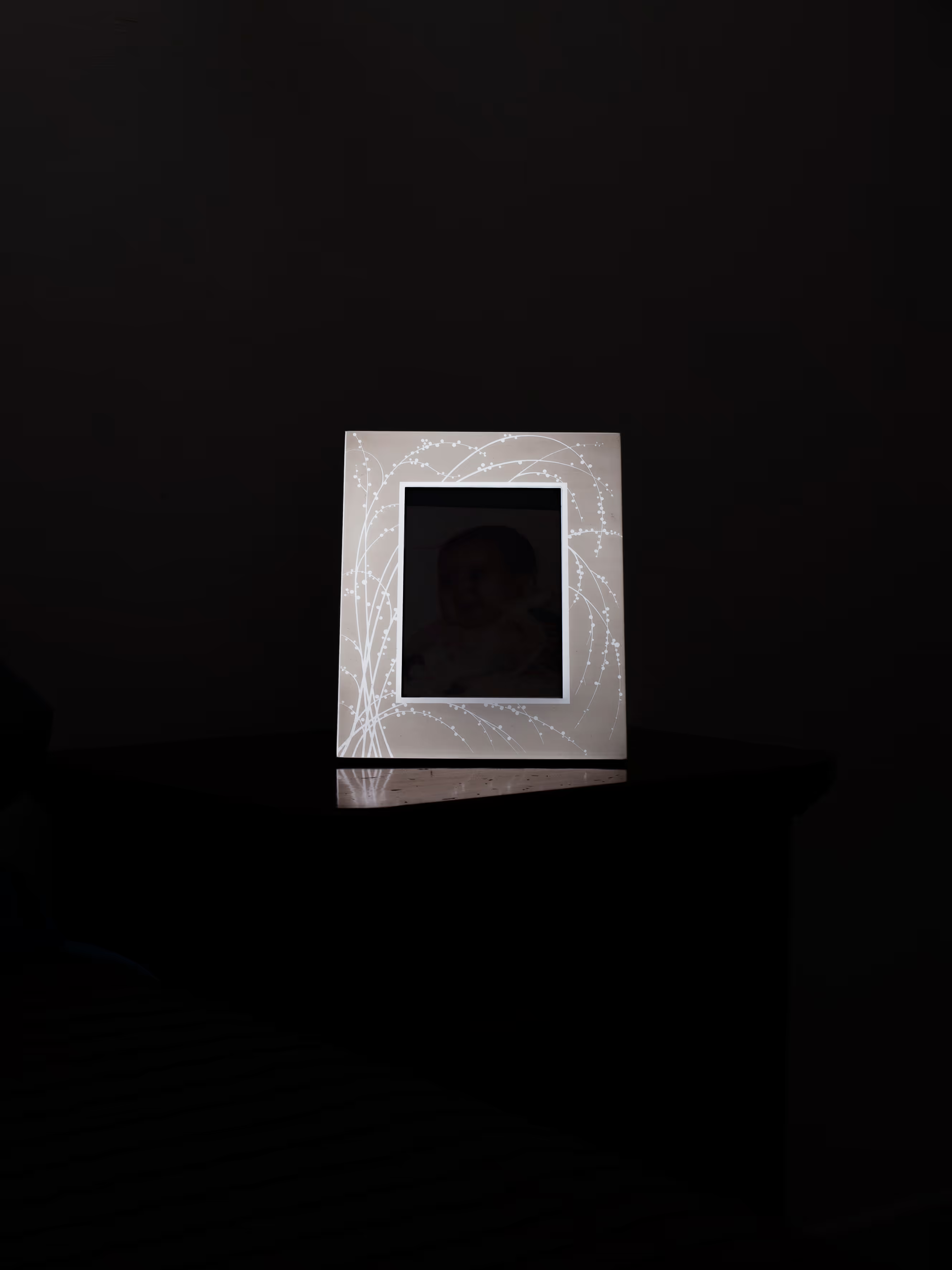
At the FUTURES residency, Ugo Woatzi is working on l’eau brille aussi la nuit, a research project built forth on Alzou, and around new imaginations of what the nighttime can bring. With this installation, they give more background to the queer community that divinity Alzou is calling back with her dance. Woatzi imagines this community, which used to live around the river. It isn’t clear when exactly they lived there, but they have been built from myths and legends from the area. The artist created speculative archives around this community, using pictures from his own childhood, but also from his own artistic practice: he has taken many images of the valley of Alzou. They put this archive in Adobe Firefly, the artificial intelligence tool from Adobe, to create images of the community living around Alzou. He selected them, edited them and printed them into a physical archive. While we are doing the interview, I have the possibility to have the photographs in my hands, and browse through them. It feels as if I am browsing through the past of a lost society: there are images of people bathing in the river, lying in the sun around it. There are group pictures of people posing in front of the camera. The fact that these people come from the artist’s imagination, doesn’t mean that they didn’t exist.
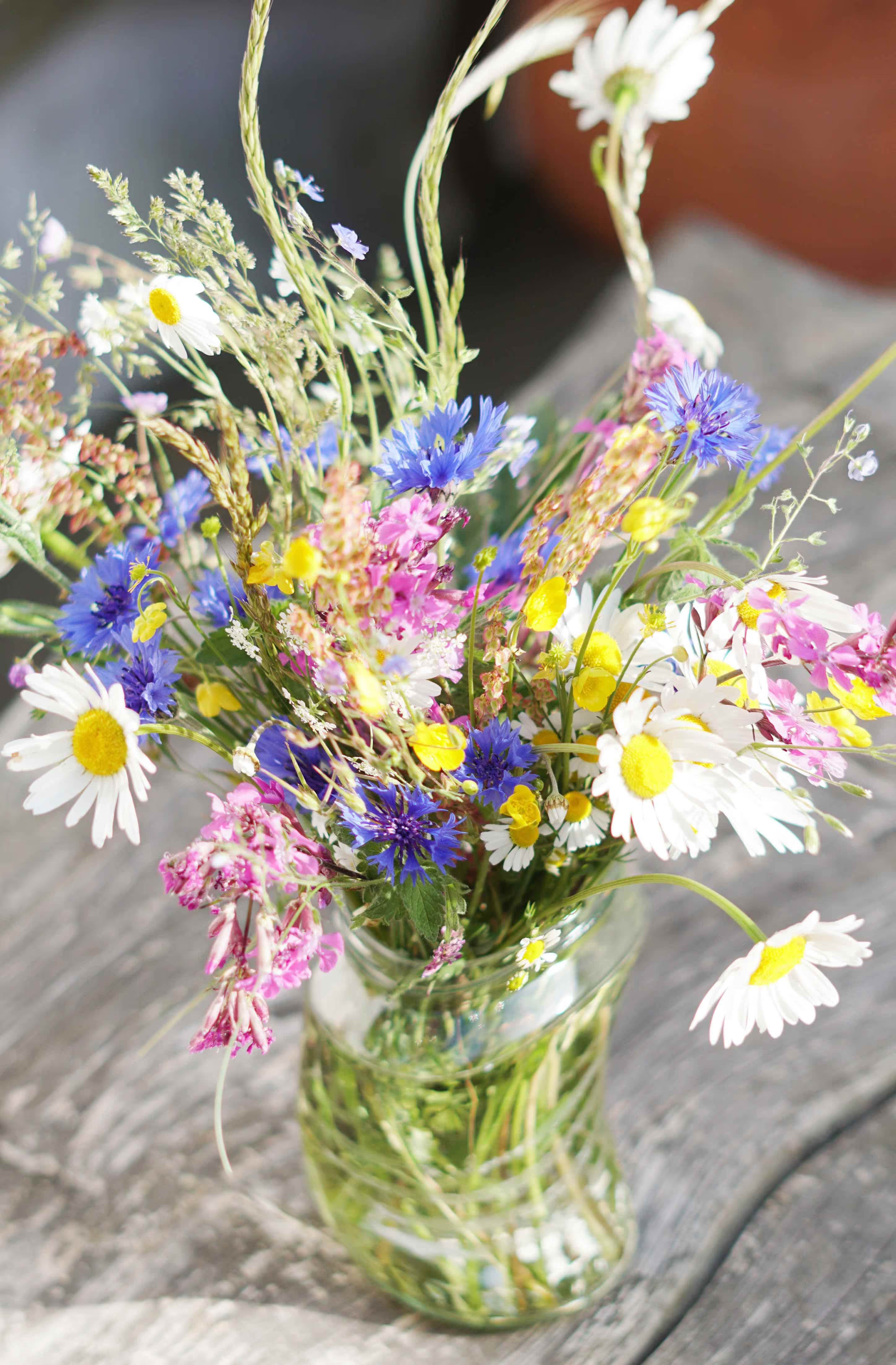
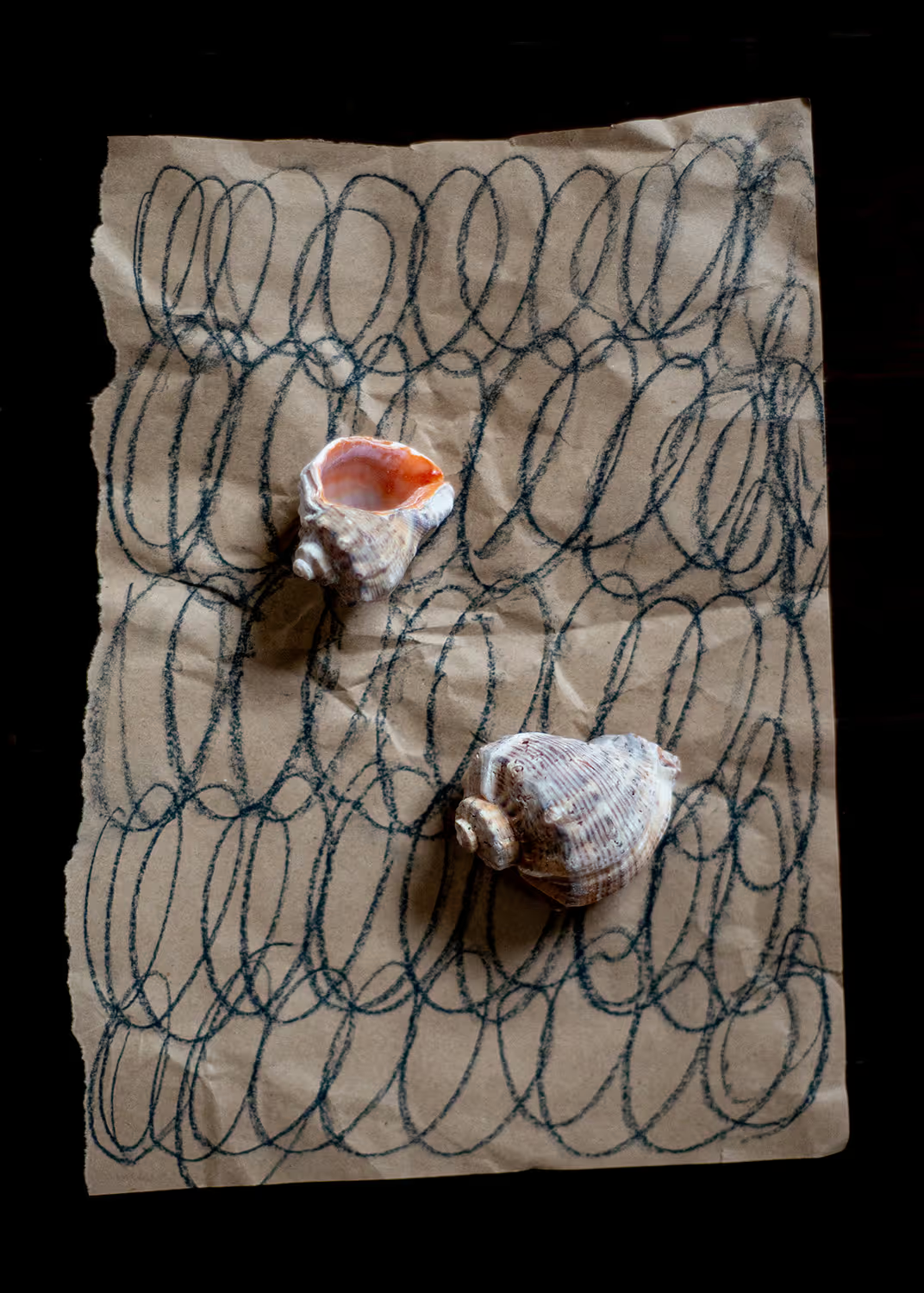
They are now offering the images to the river, which is related to the memories Woatzi had growing up there, the tradition of offering flowers to the river. The artist is not part of a religious or spiritual current, but that doesn’t mean that they don’t believe. That is why he decided to stipulate this water divinity; to centralize the queer narrative.
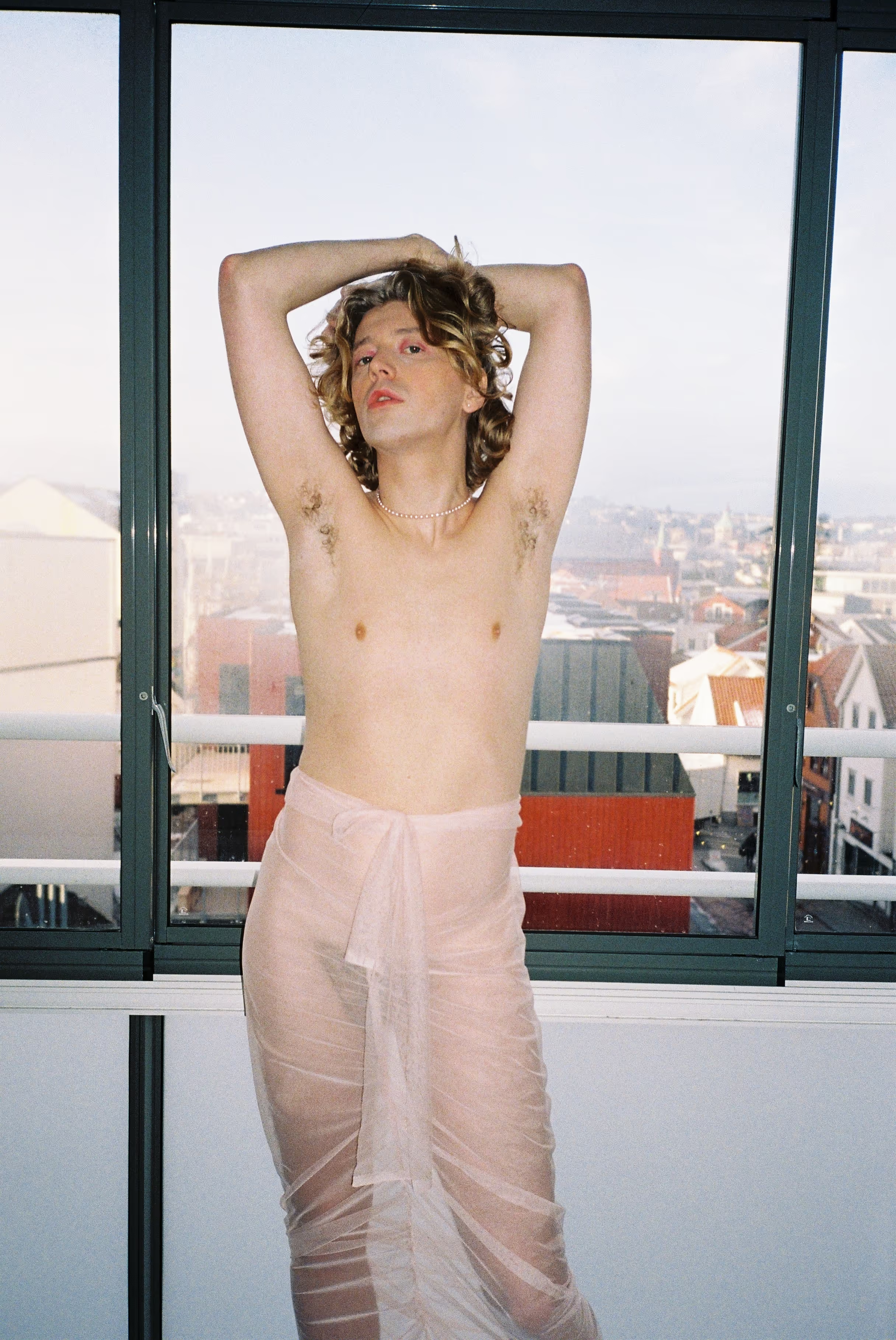
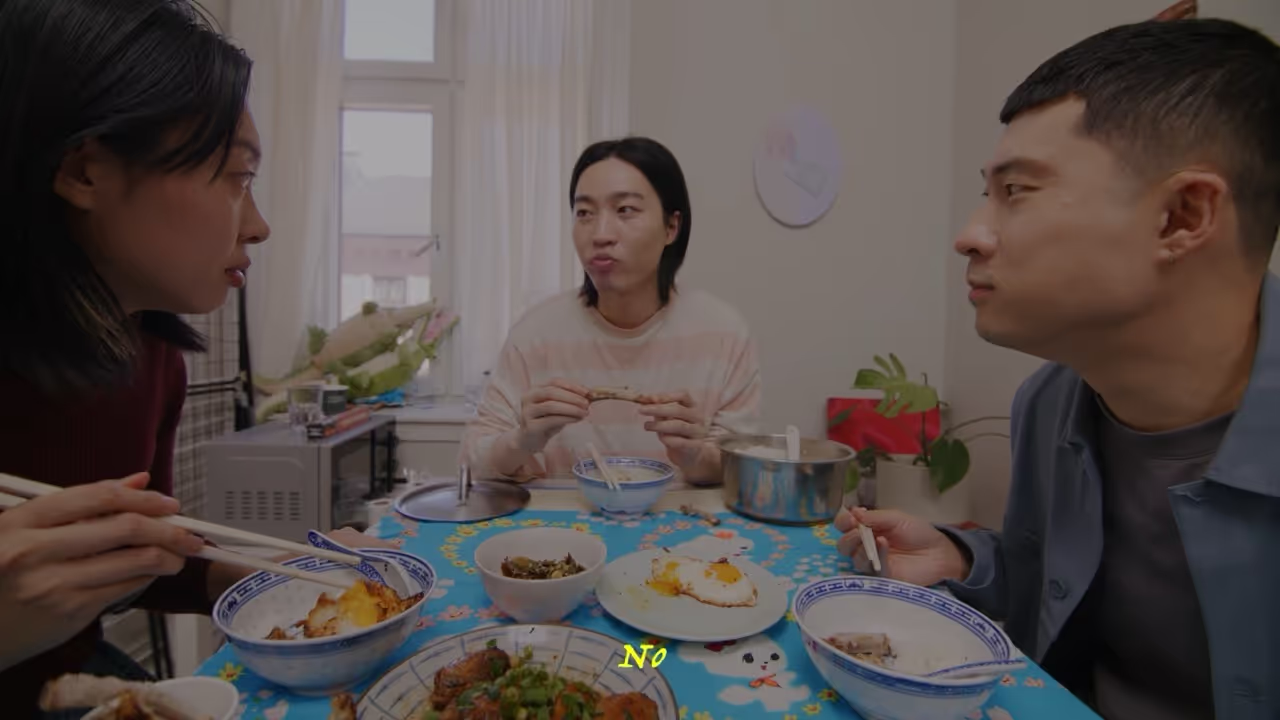
Although Ugo Woatzi doesn’t usually work in “set” collectives, they are hardly ever working alone. All the theory and the books they read are part of their collective as well. The personal perspective is the starting point, but it expands into the collective and the political. In the end, they are always working with their community and friends. For other projects, they have photographed people around them, friends and friends of friends. This might sound like a solo project, but it was also collective work: the person in the picture was always part of the process as well. How would they like to show themselves?
Woatzi tells me that he doesn’t always enjoy working by himself: they can be very unsure about themself, and then it is really nice to have people around you. This collaborative aspect is what he really loves about working with film: everybody has their own speciality, their own expertise. After the residency, they will continue to work with film and with archives.

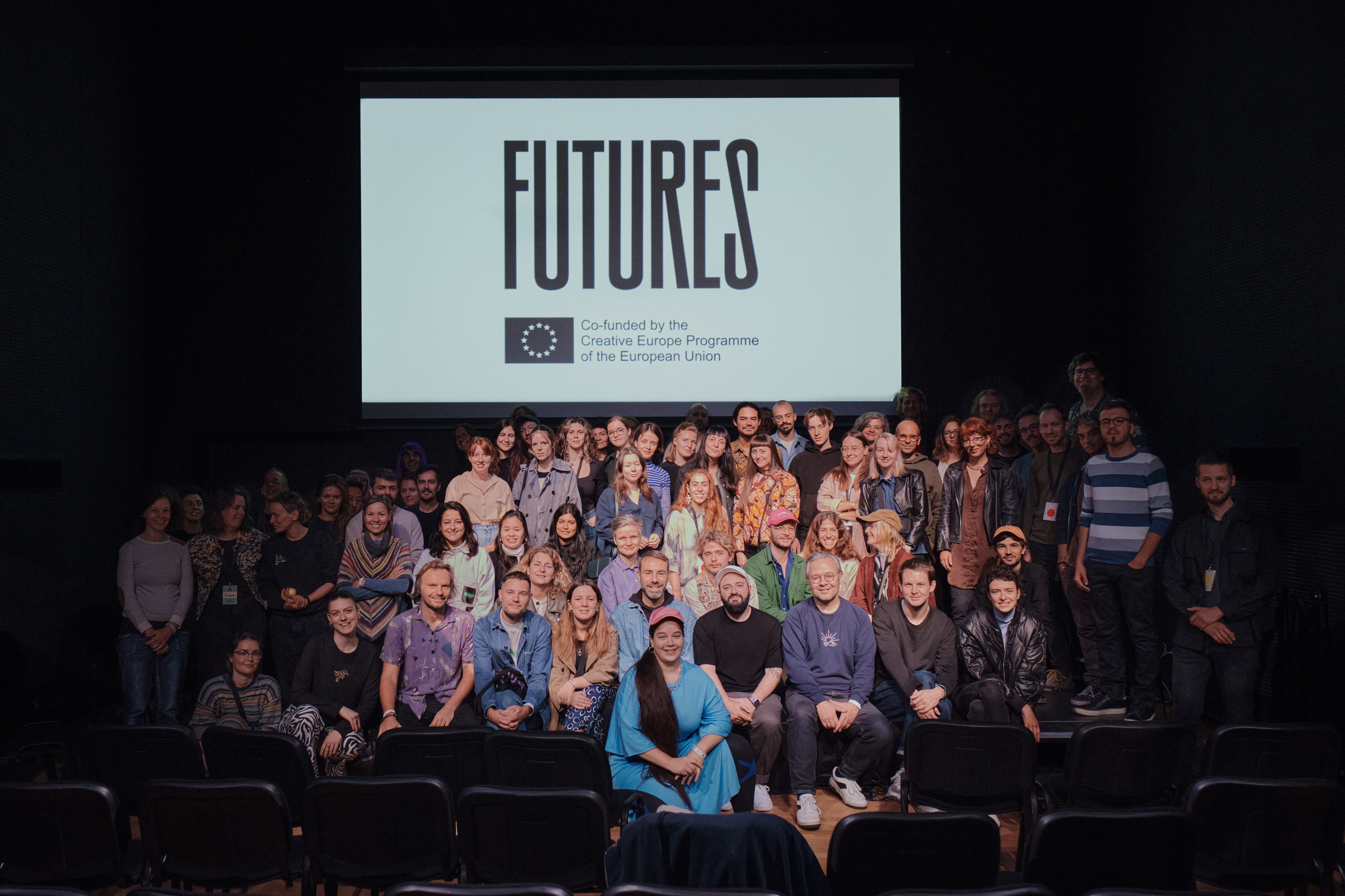
The Residency is part of FUTURES X MPB residency, supported by MPB, the largest global platform to buy, sell and trade used photo and video kit.
Supported by Amsterdams Fonds voor de Kunst (AFK).
Images credits
thumbnail © Johan Poezevara
image #1 © Johan Poezevara
image #2 © Johan Poezevara
image #3 © Ugo Woatzi
image #4 VFX created by Nadim Choufi
image #5 © Ugo Woatzi
.jpg)
.jpg)
.avif)



.avif)

%2520Unseen-campaign-2024-square-forweb.jpeg)

.avif)


.avif)





.avif)




.jpeg)




.jpg)
.jpg)








%252C%25202015.jpeg)