Who has come here?
Agate Tūna
Nominated by
Agate Tūna
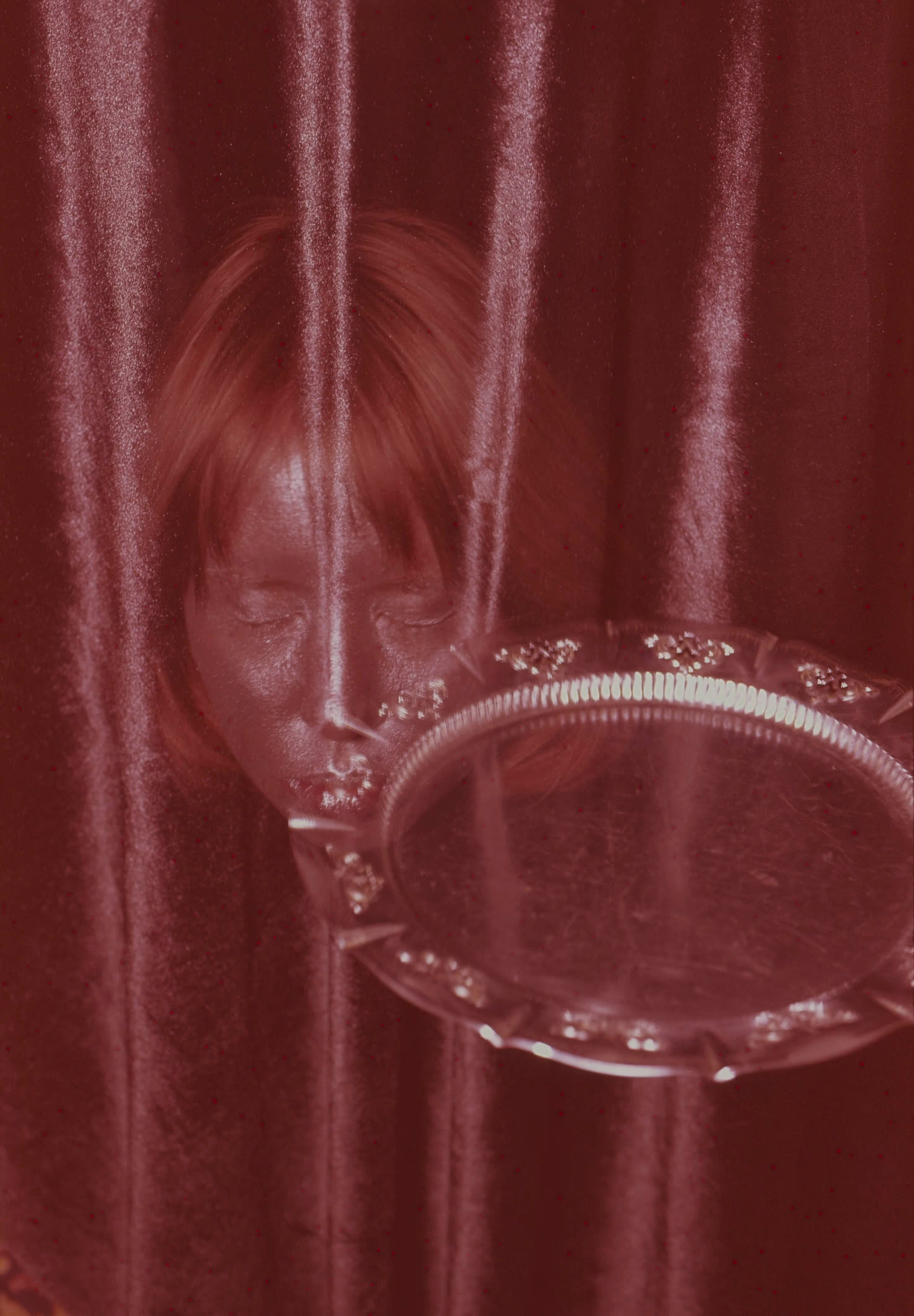
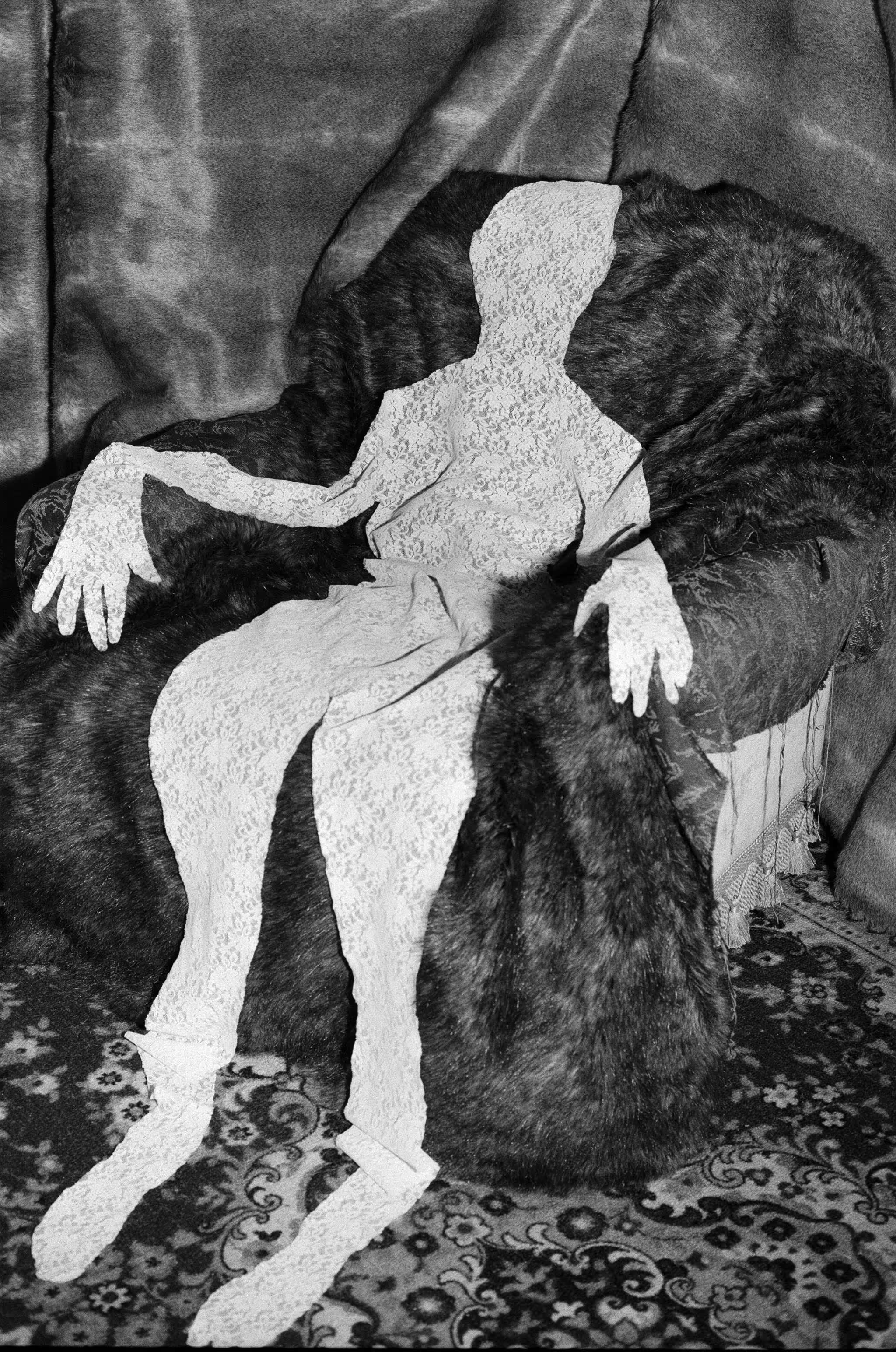
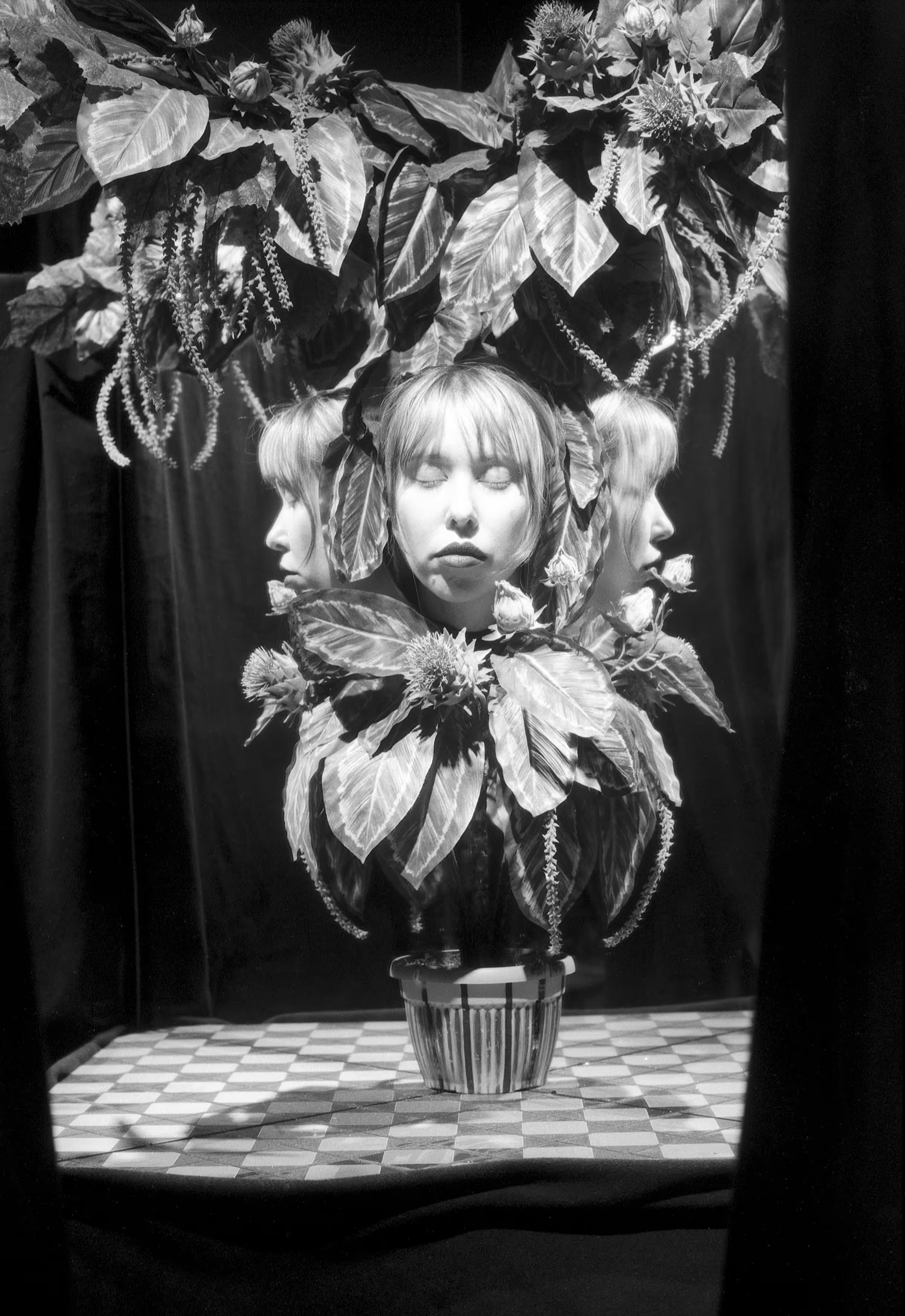
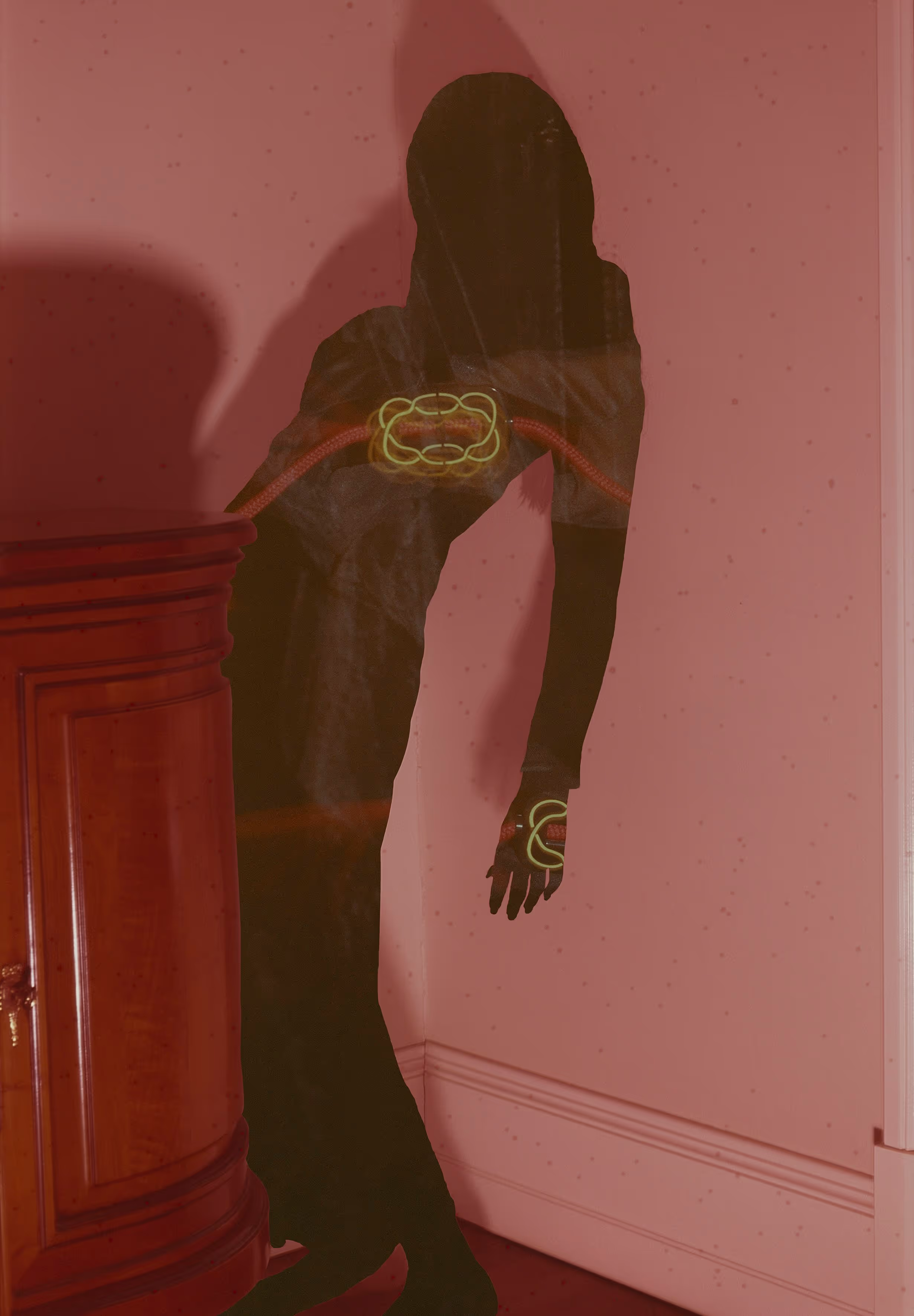
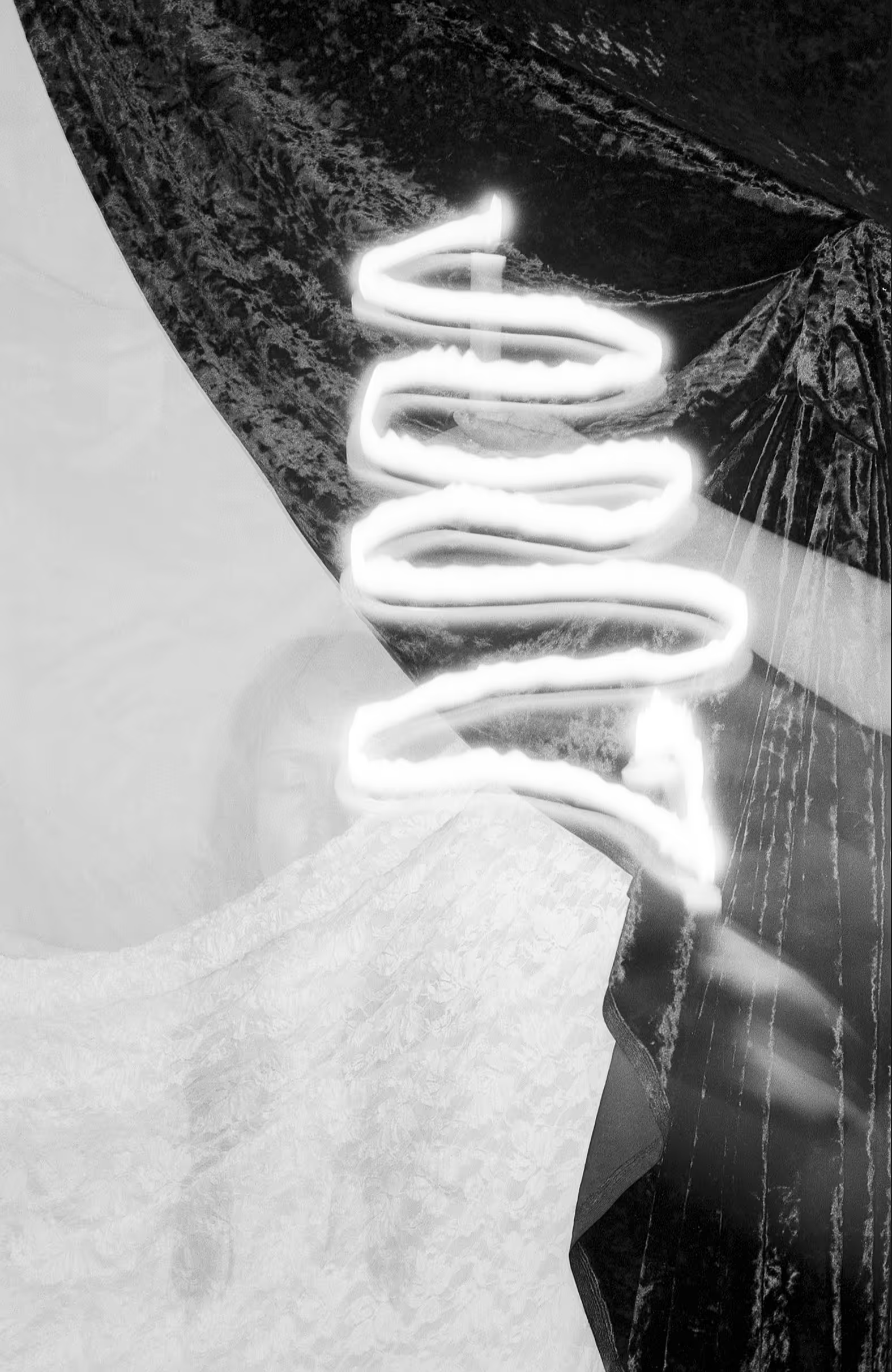
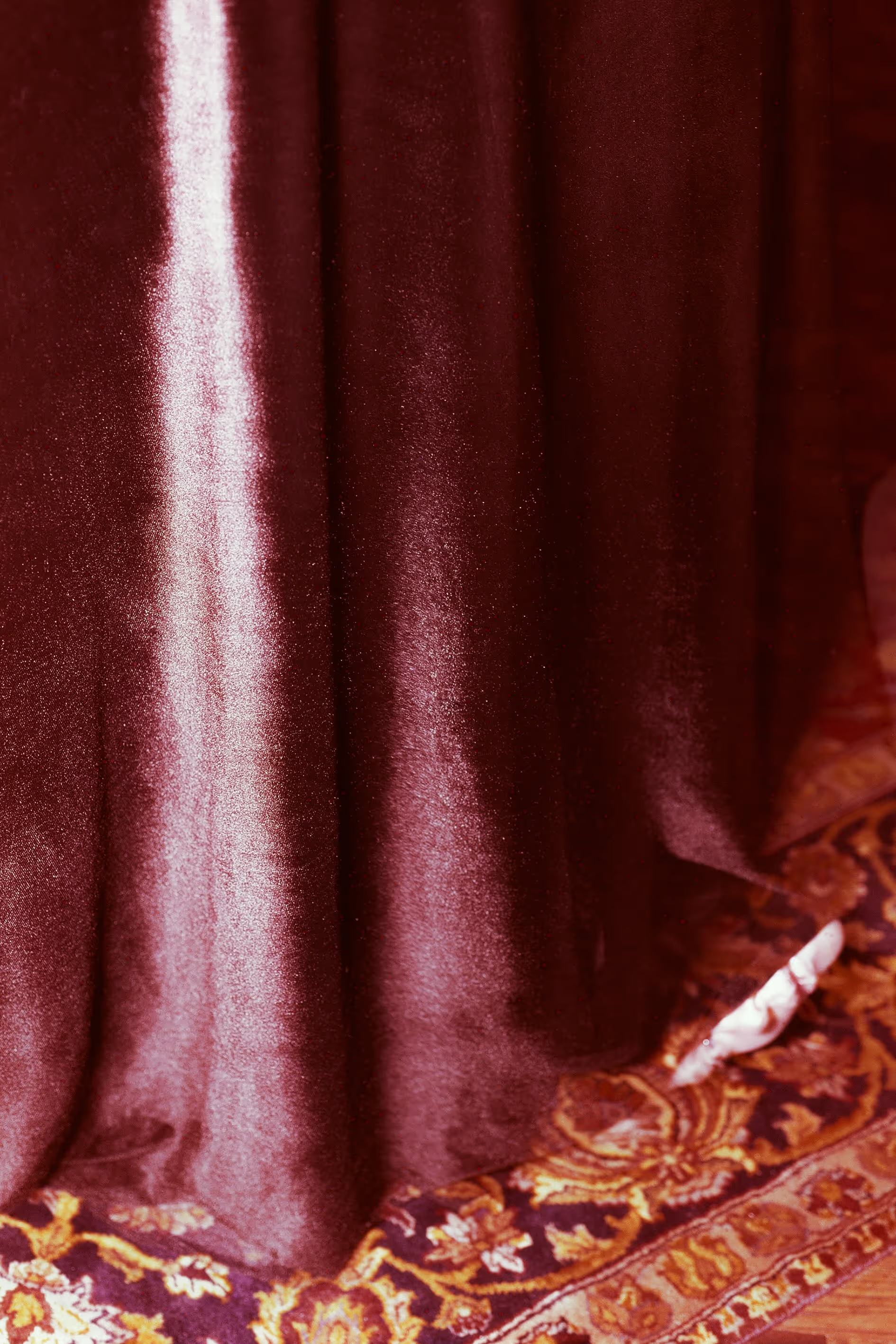
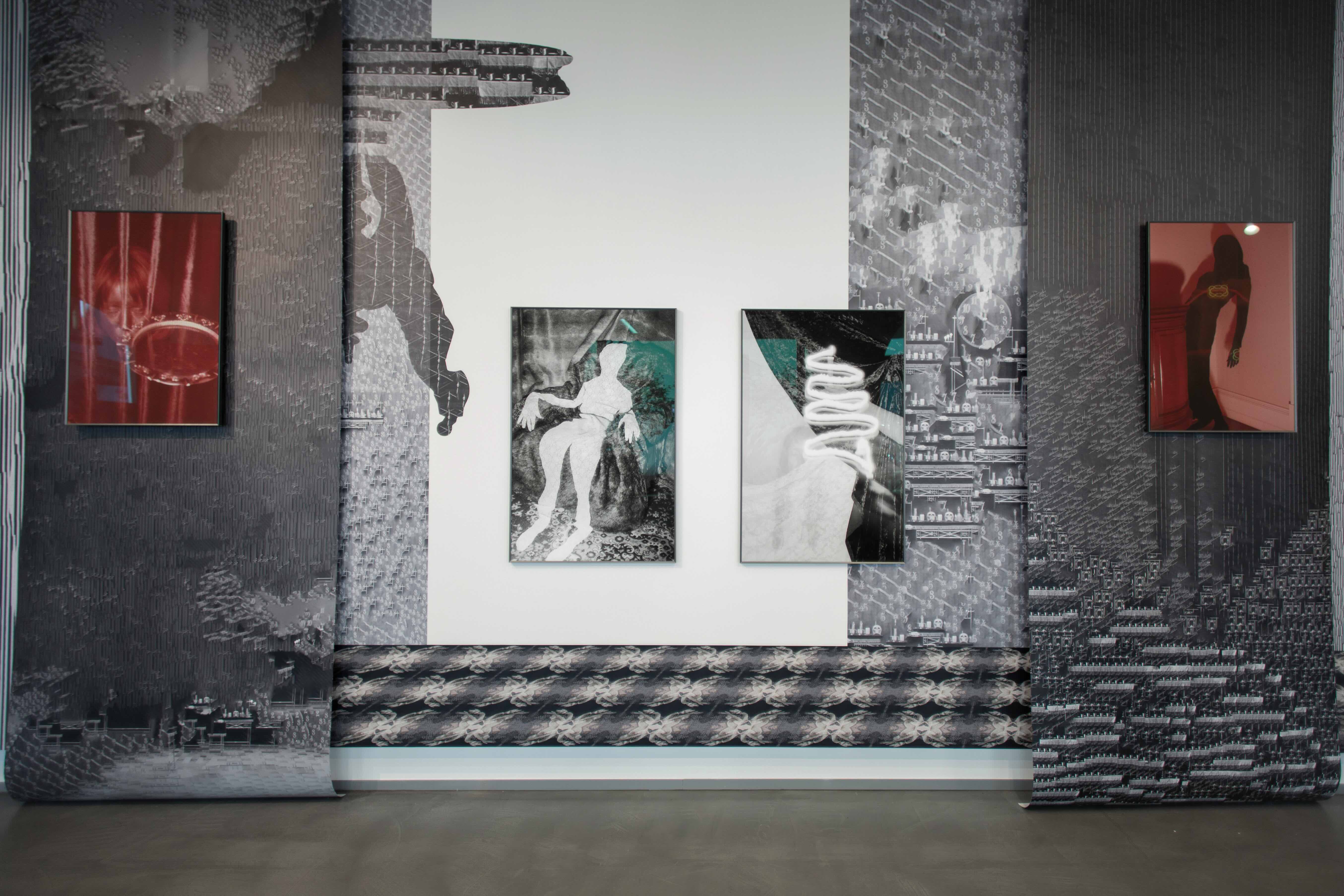
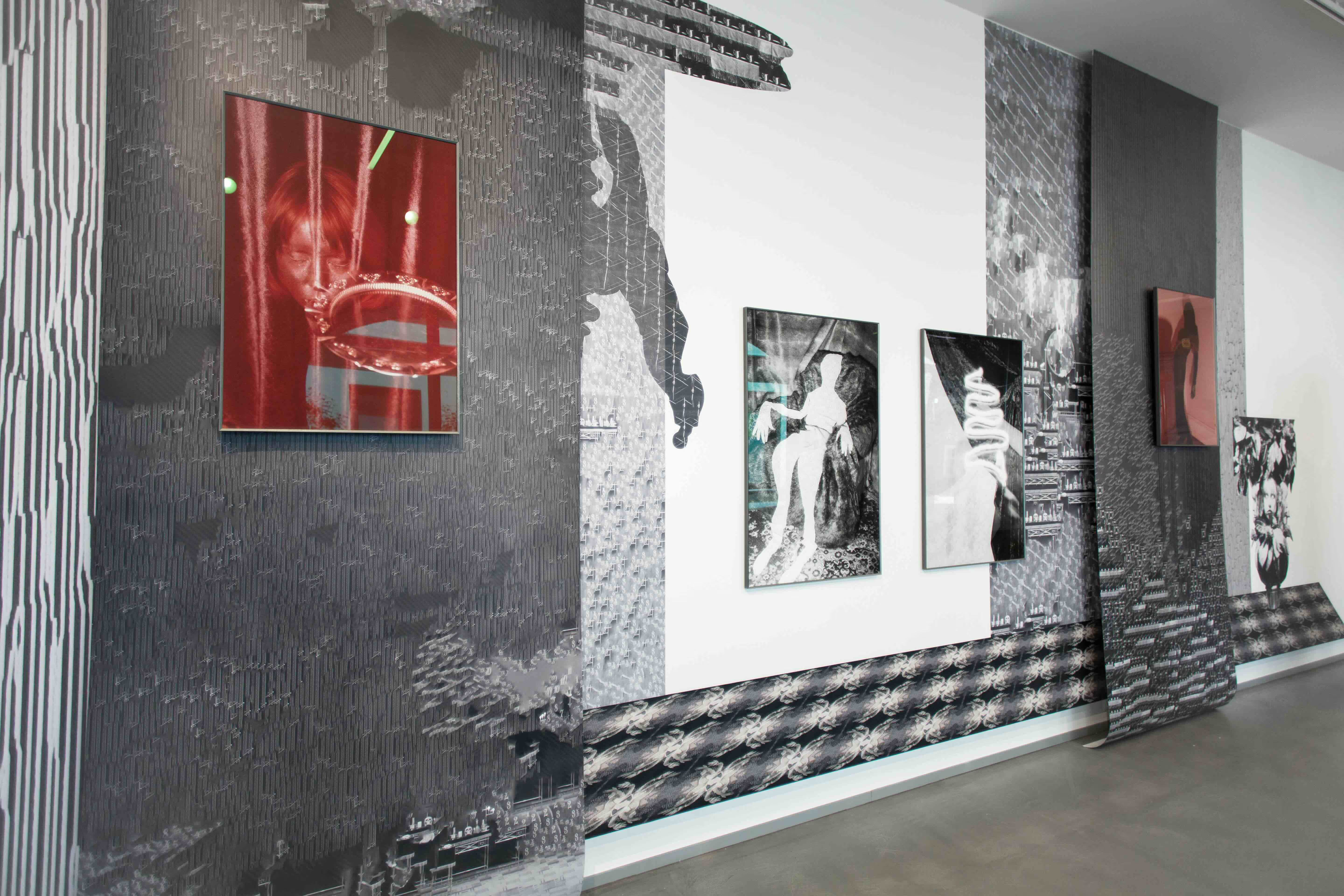
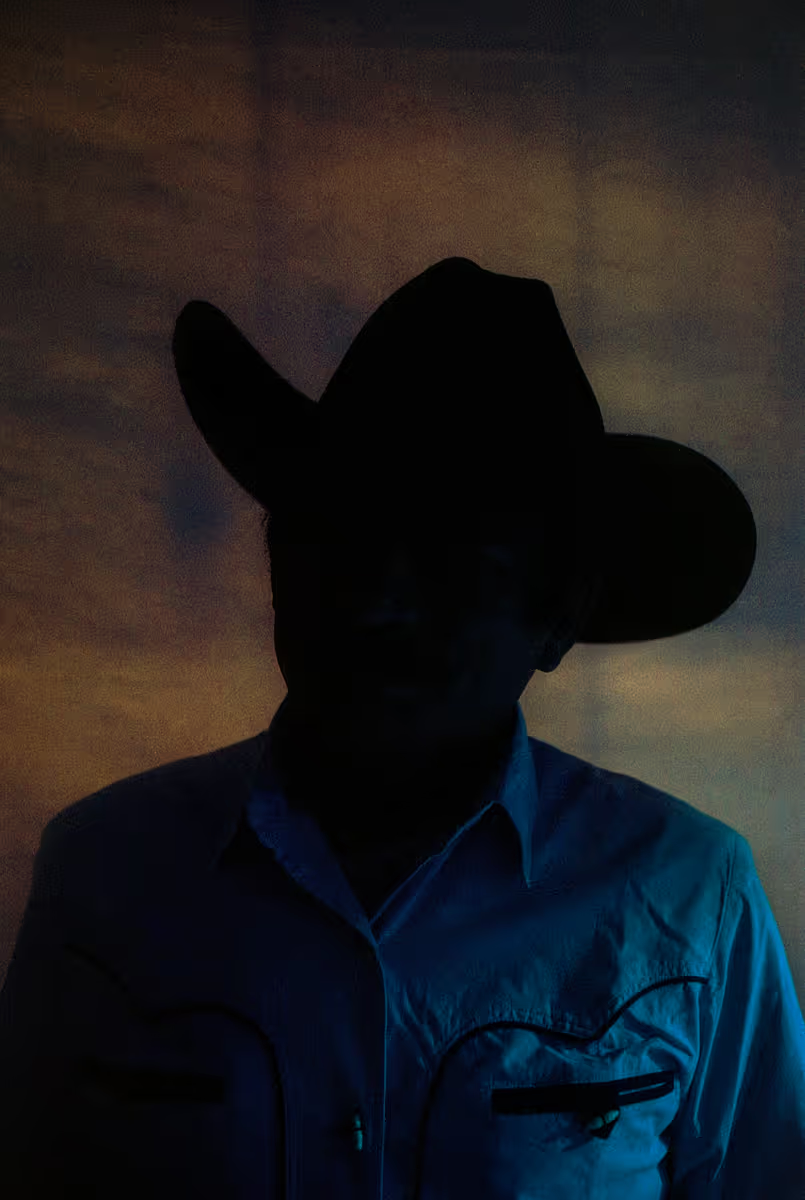
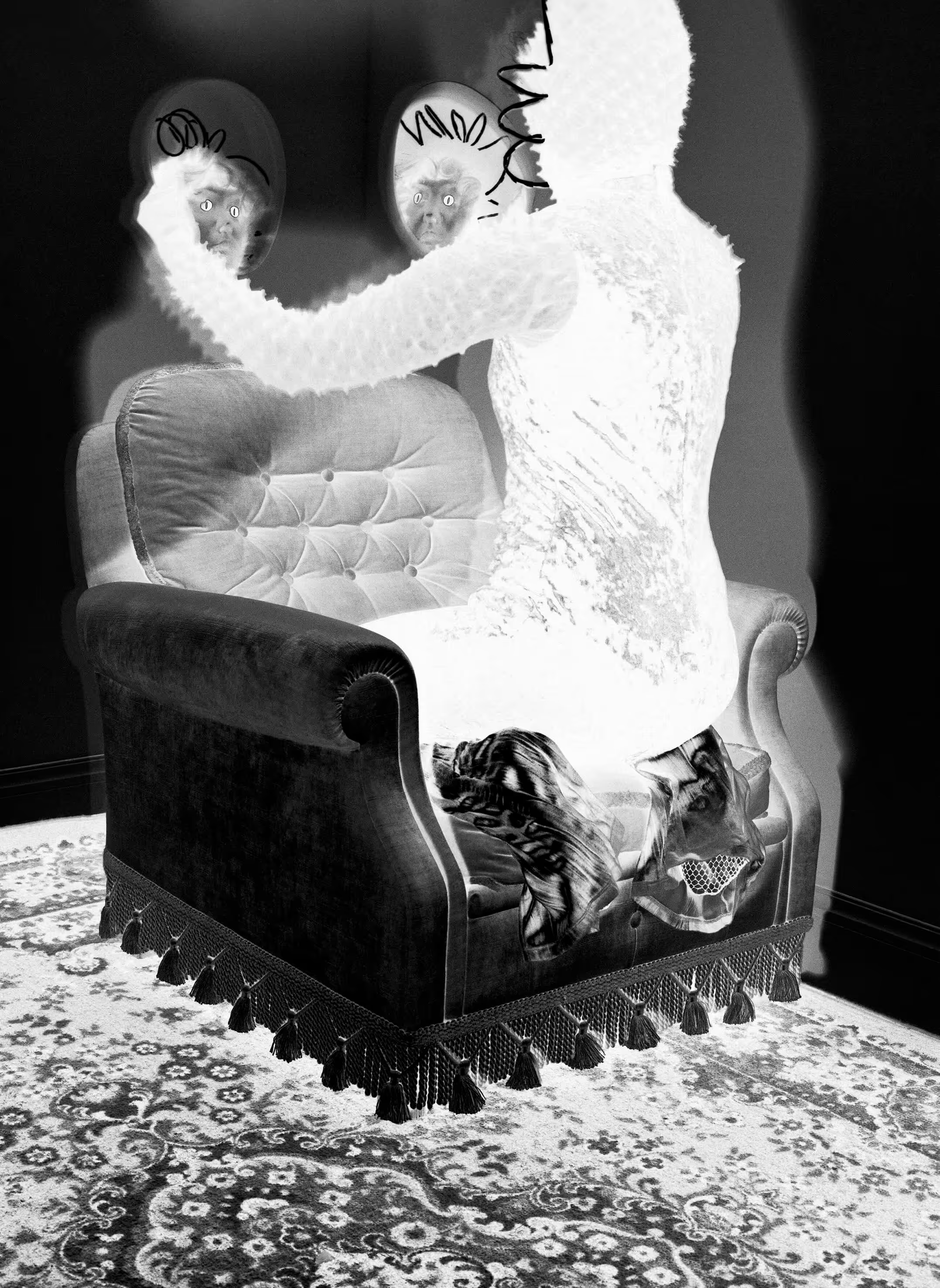
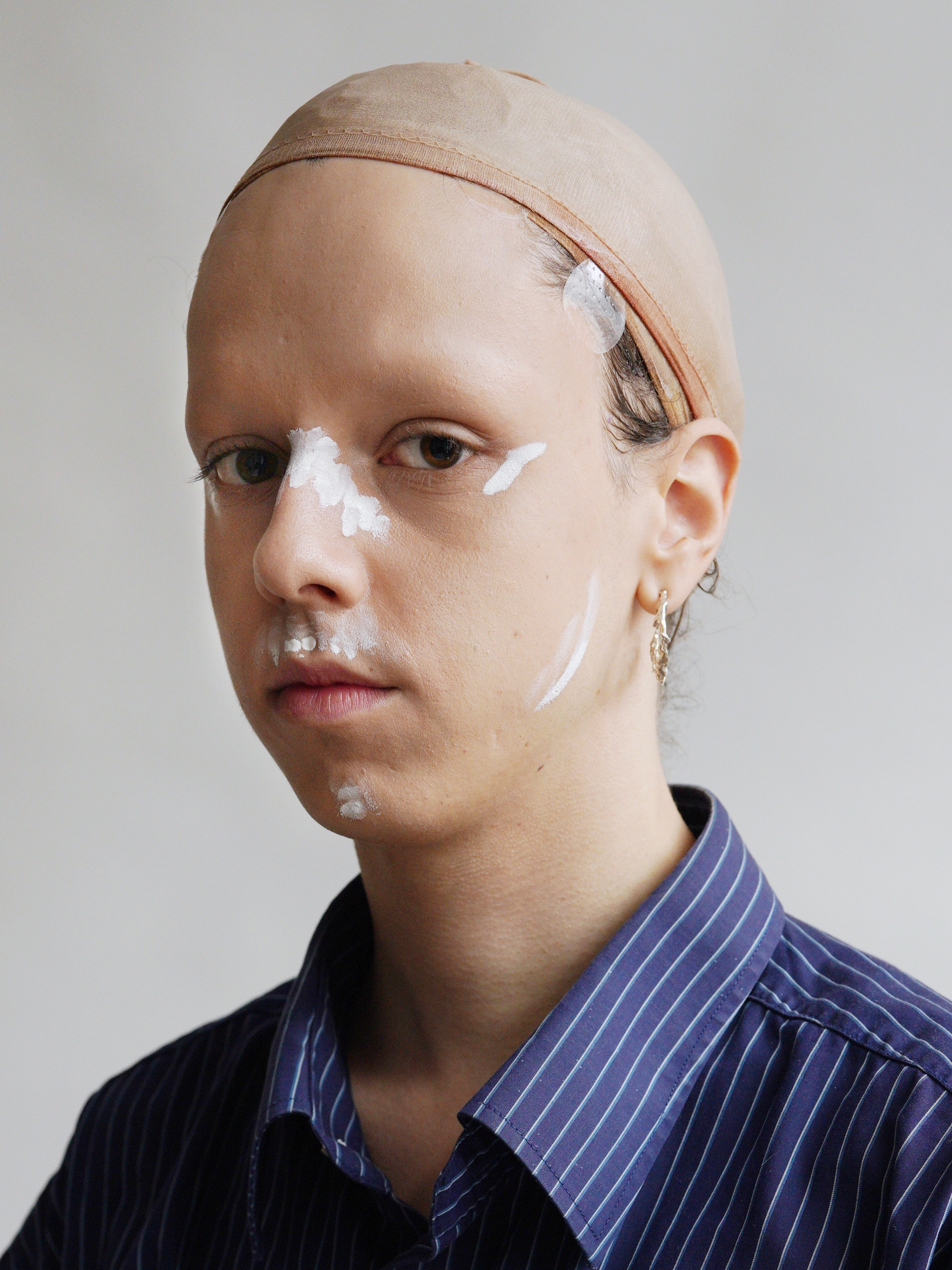
Agate Tūna follows the threads of spiritualism and illusionism photography in Latvia, continuing to challenge the boundaries of conventional photography and the relationship with reality. Already in the middle of the 19th century, the then new medium of photography became a natural ally not only for memento mori practices, but also in the mode of summoning spirits. Mysterious props and tricks - such as the
materialization of spirits in the form of ectoplasm and table dancing - were used to
reveal evidence of the unseen world.
Rumors claim that Latvian Free State photographers Voldemārs Priede and
Mārtiņš Buclers captured séances with clairvoyant and photographer Eižens Finks,
though no images have been found - perhaps because no one looked. Viewing photography solely through art history overlooks its other roles, from science to the occult. Much of this visual history remains unwritten, buried in local archives.
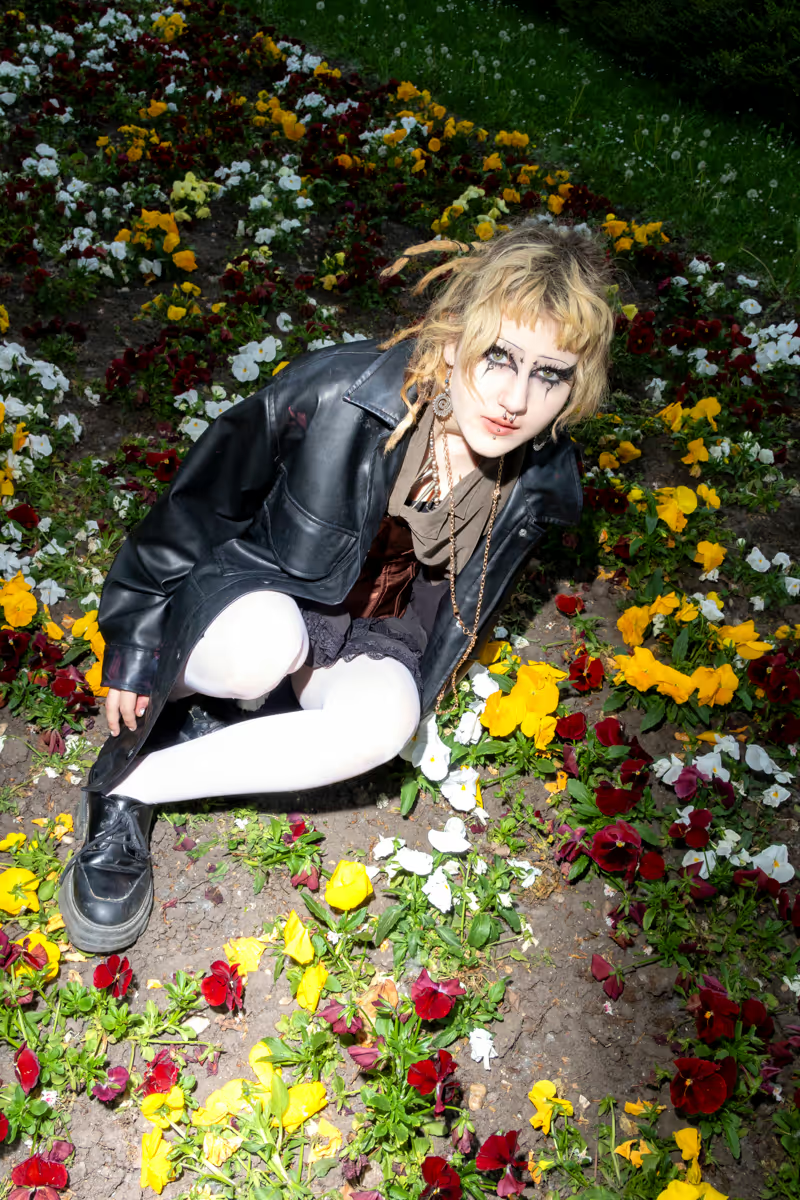
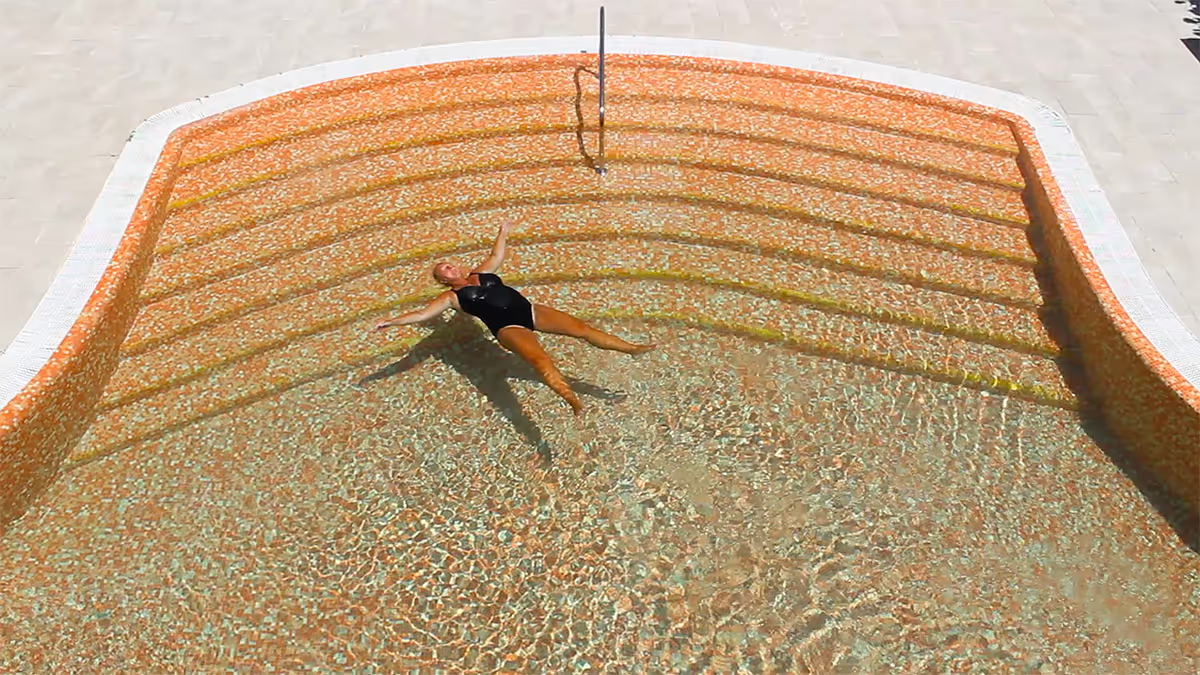
Working with analog techniques, Tūna’s own body becomes a tool of personal
and artistic exploration – she is a photographer, model and medium of images, and
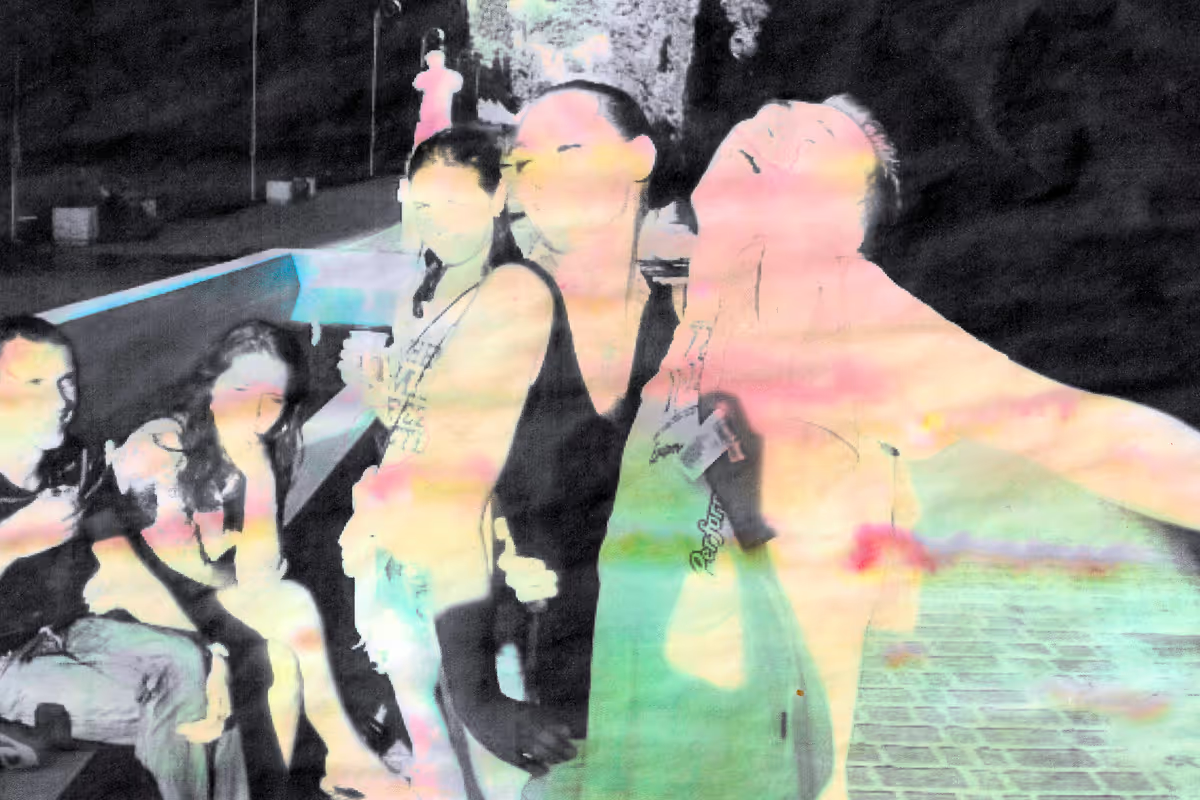
takes control of the process in her own hands. Embracing technical “mistakes” and
chance, she invites magical thinking and tests the boundaries of belief. While research-
ing archives of Latvian spiritualists, much of the material appears in digital form, often
with unclear origins or locations. Visual information wanders as digital files on the
Internet, where they often lose their connection to their original past, undergo defor-
mations, and take on yet another kind of aura.
Text by artist Agate Tūna & curator Liāna Ivete Žilde
No items found.
The Artist
Agate Tūna
Nominated in
2024
By
Agate Tūna
Lives and Works in
Riga
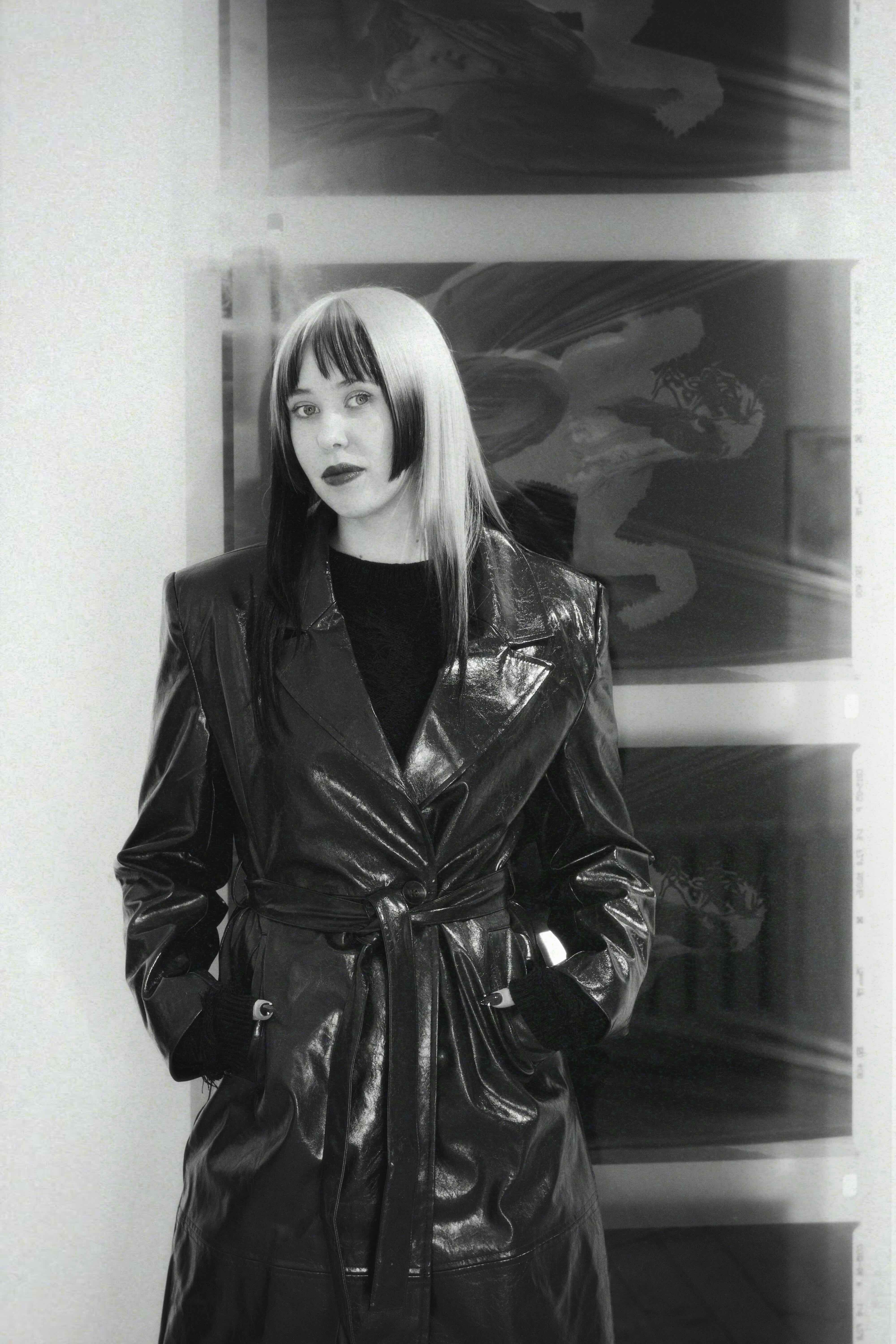
Agate Tūna is a multidisciplinary artist from Riga, Latvia, working across photography, photographic installations, experimental video and sound art.
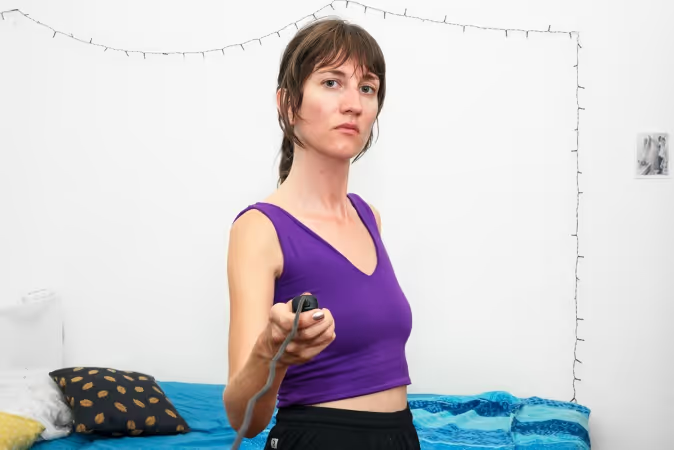
Her practice explores the relationship between spirituality and technology from a woman’s perspective. Taking a research-driven, web-like approach, she traces connections between her family's spiritualist heritage, hauntology, quartz crystals, and techno-specters while examining how historical narratives, personal experiences, and technological advancements shape our perception of the unseen.
Photography, as a "haunted medium," plays a central role in her work, preserving traces of the past while shaping imagined futures. Through analogue and experimental techniques such as chemigrams, she investigates the materiality of the photographic image. From self-portraits to staged compositions, her process is deeply hands-on, involving set construction, object-making, and direct engagement with physical materials.
More projects by this artist
2026
Familiar
What remains present when an image is transferred from one body to another?
The exhibition considers the photographic image as a familiar. Not as representation or proof, but as an accompanying form. It exists in the relationships between materials, between people, between presence and memory.
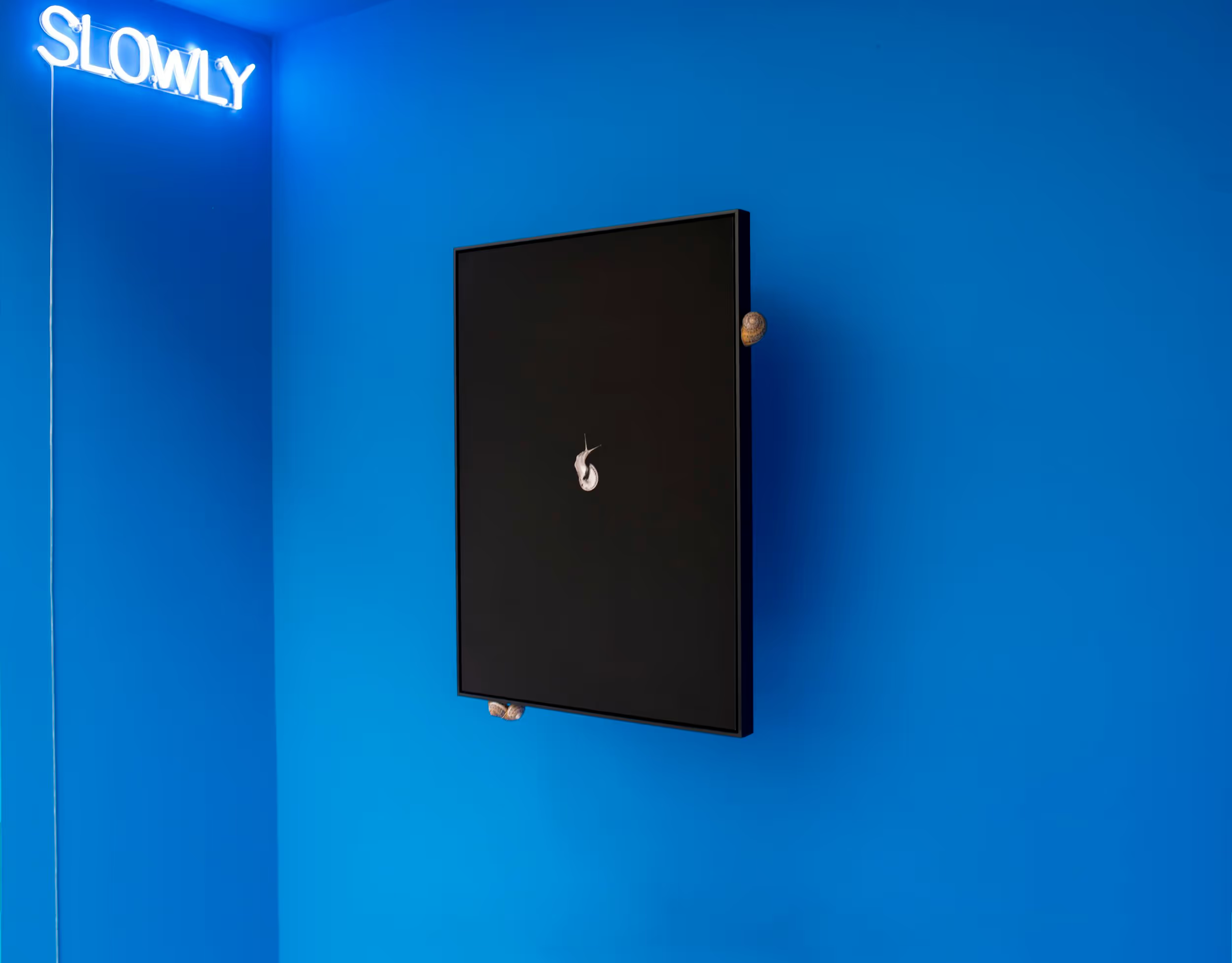
The concept of familiar (familiar spirit) refers to a non-human companion, a being that is permanently attached to a witch or other practitioner of magic. A familiar is a relationship structure based on long-term coexistence. Often this being takes the form of an animal, such as a cat, bird, dog, or toad. The exhibition offers a photographic image in this mode of coexistence, as a presence that follows and changes along with the medium.
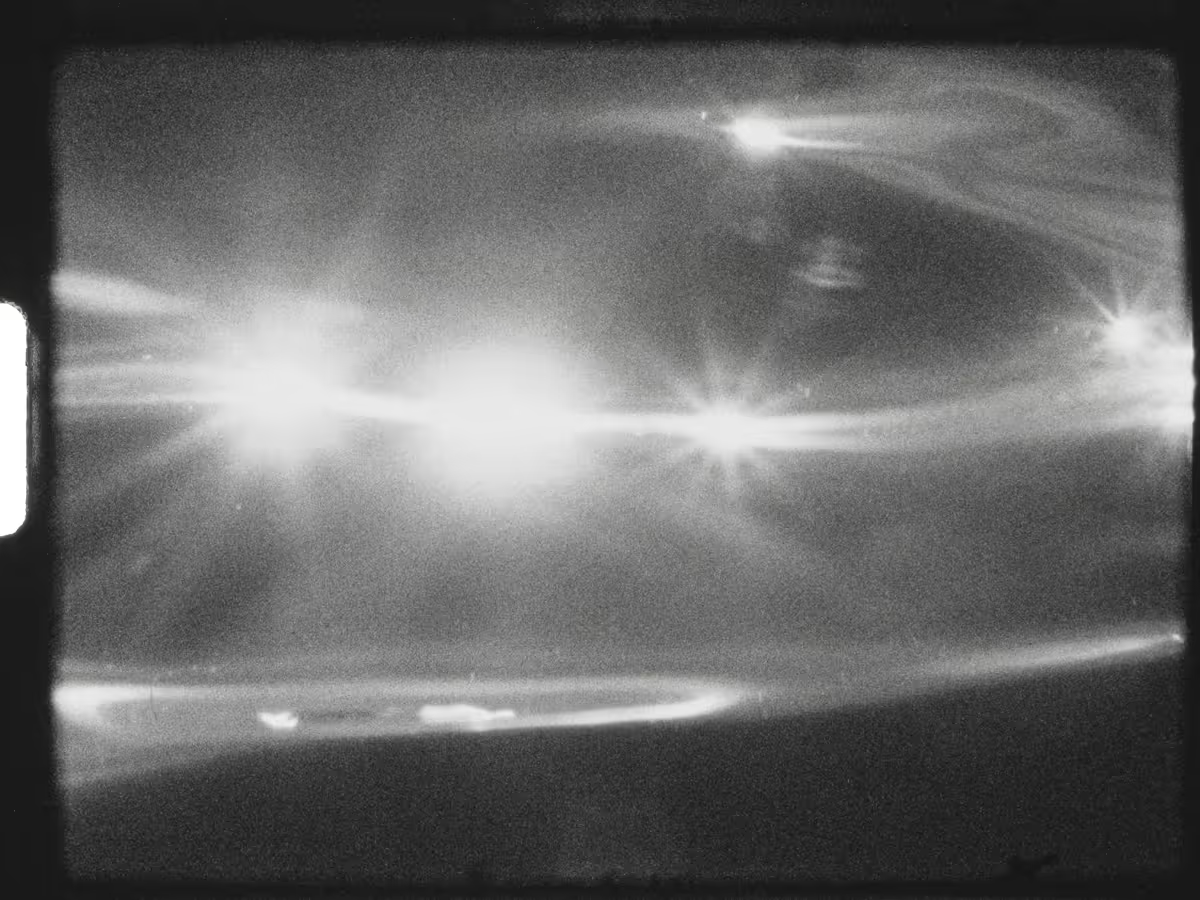
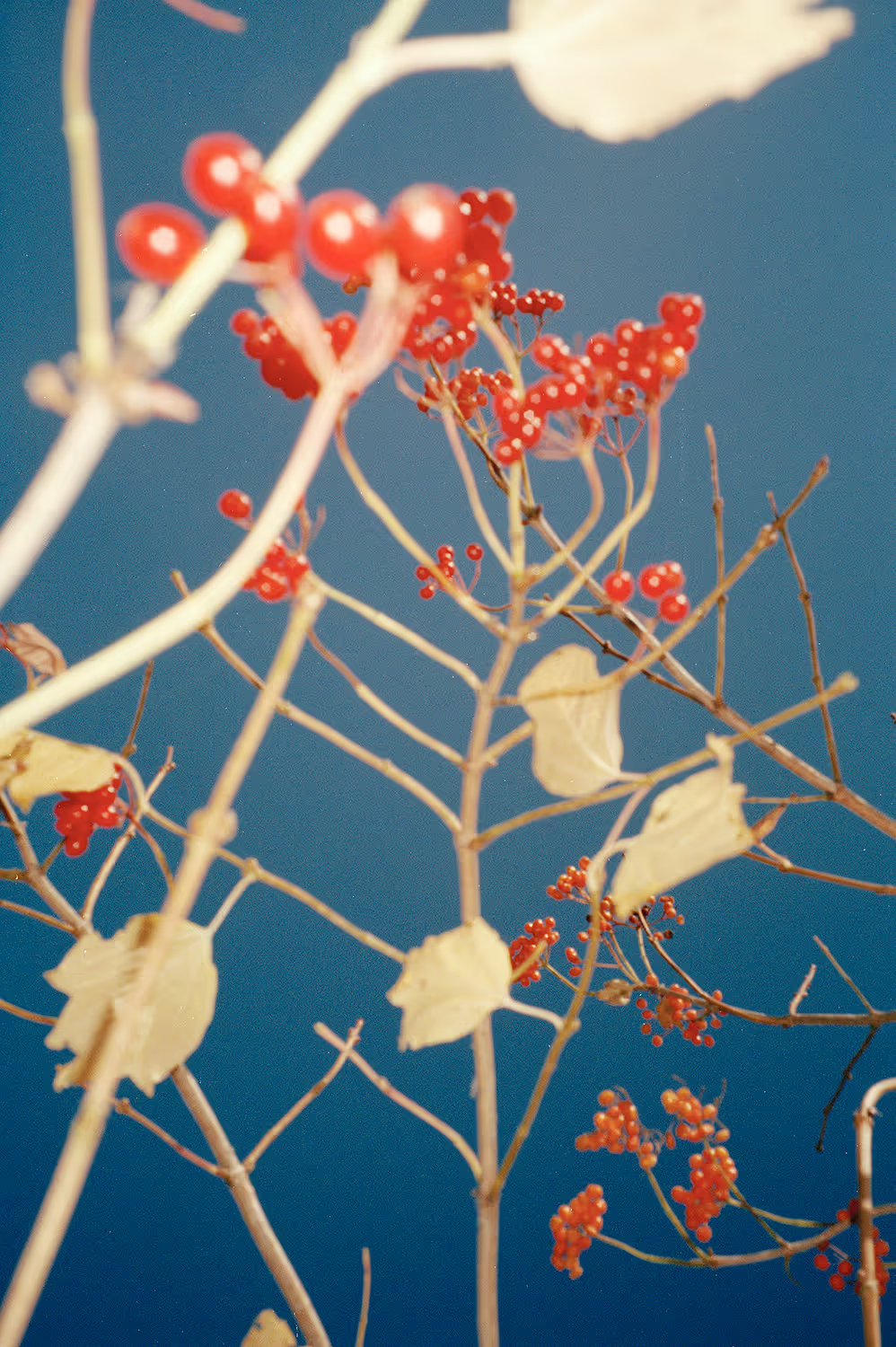
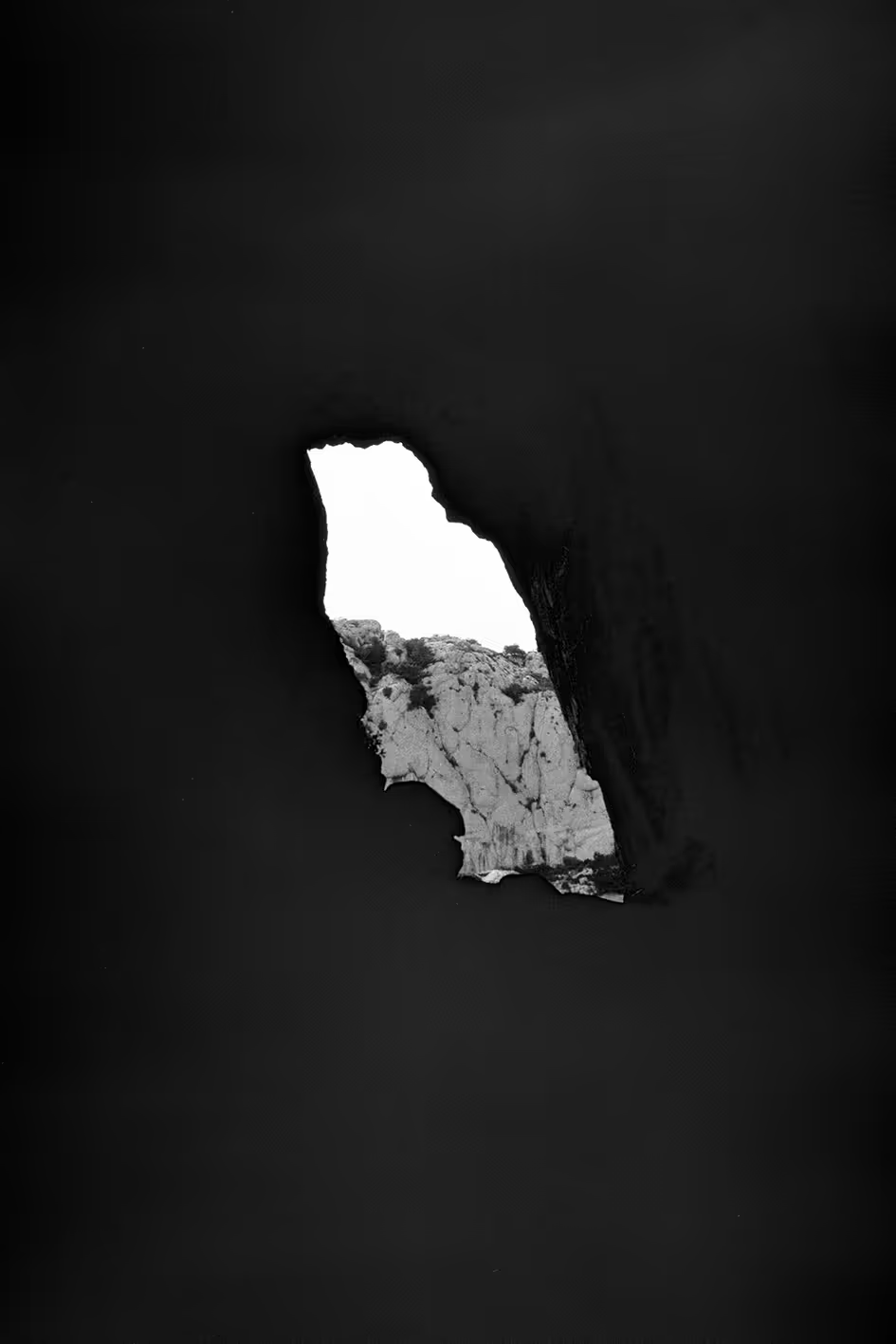
The work is based on an analog photographic negative, with film as the original body of the image. The negative is not perceived as an intermediate stage on the way to a “finished” image. Here, photography becomes a traveler. Her journey begins the moment the film is inserted into the camera. Then she encounters light, movement, coincidences, mistakes, and moments of insight. Then it goes through development, drying, scanning, file processing, and printing. On this journey, it passes through many hands, instruments, surfaces, and technologies. At each stage, it receives an imprint. She develops scars, scratches, and grain. She can burn, become saturated, or fade.
Here archives from organised systems become organisms. An environment where images accumulate, layer, and become semi-living. Although all images are analog, their life inevitably intersects with the digital cycle. Analog becomes ghost software. The image continues to exist in the mind, in thoughts and on screens, as a file on a hard drive, as a copy on a USB flash drive, as an attachment in an e-mail, as a backup copy. In this cycle, images disintegrate into digital dust and settle in the collective visual field. Here, the body of the photograph is digitized and becomes a data carrier, a face that contains countless passwords, access codes, and permissions. It becomes searchable, comparable, and recognizable, sometimes even confused. Similarity begins to function as a feature that opens accounts and archives.
2024
Pond House
The Pond House is an ongoing exploration of memory, identity, and family history.
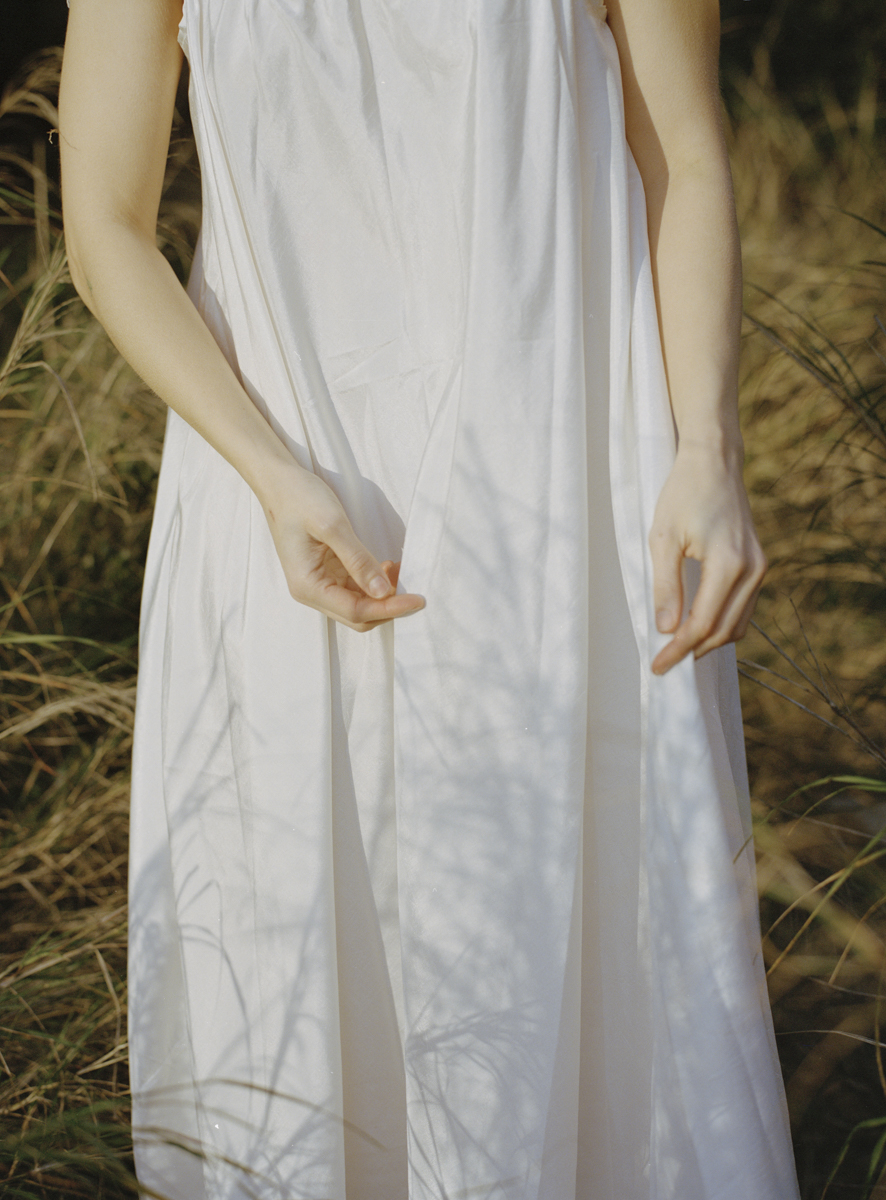
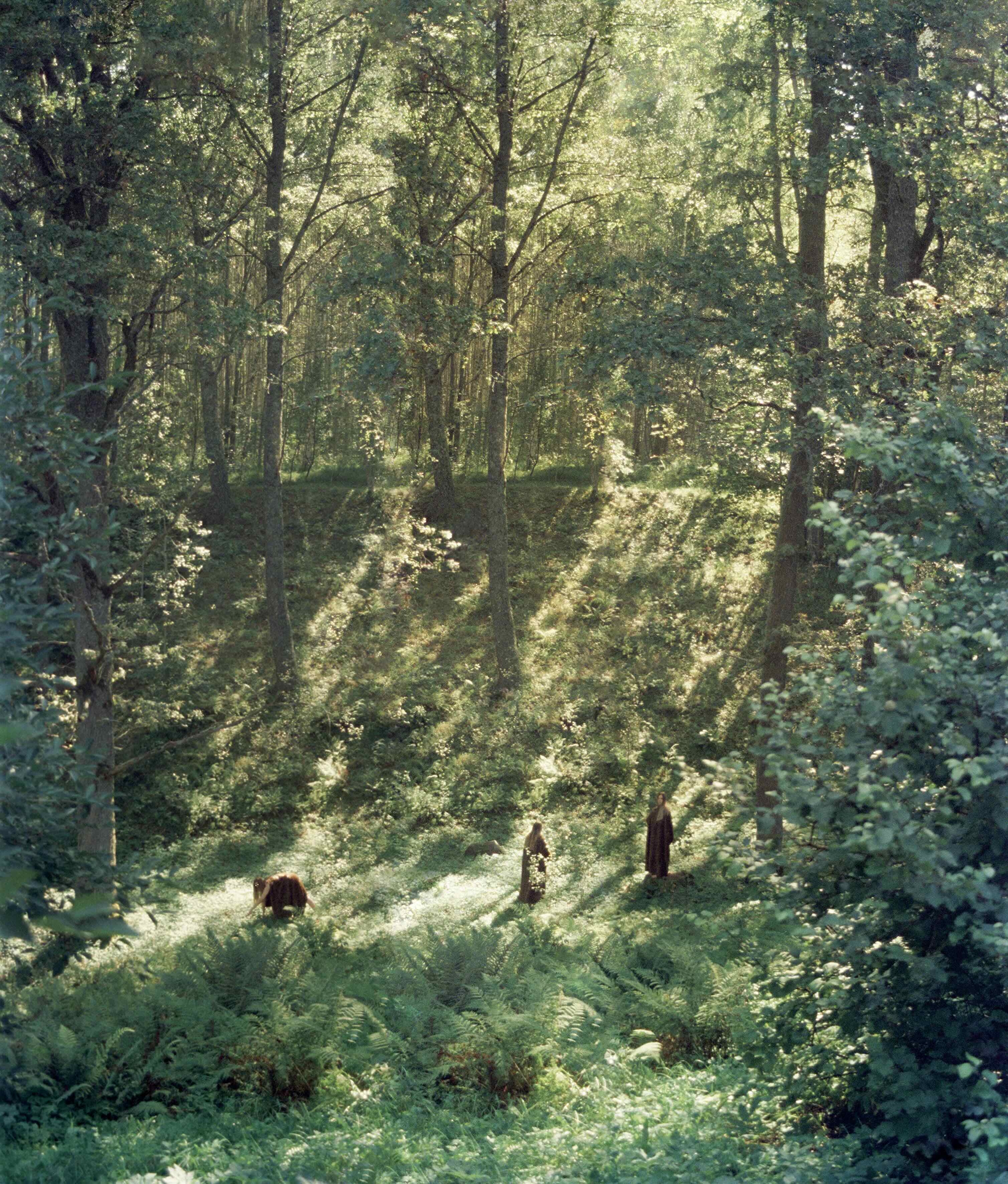
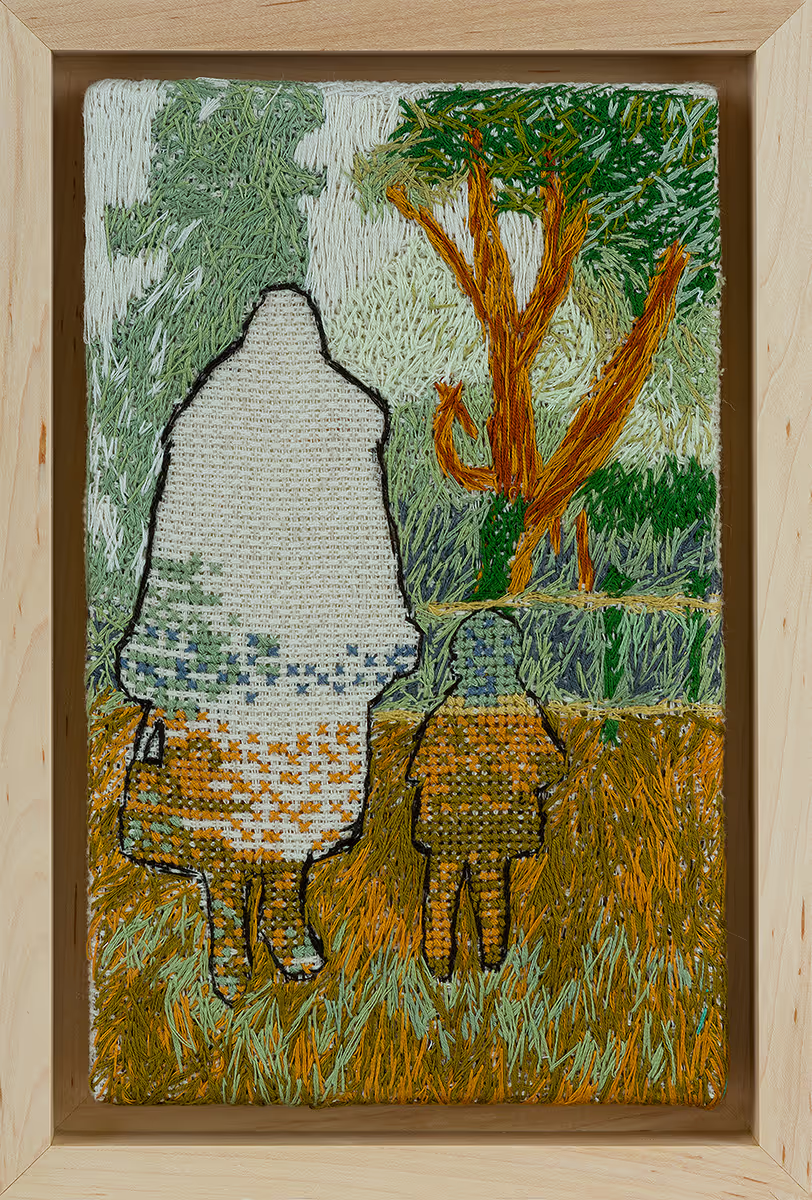
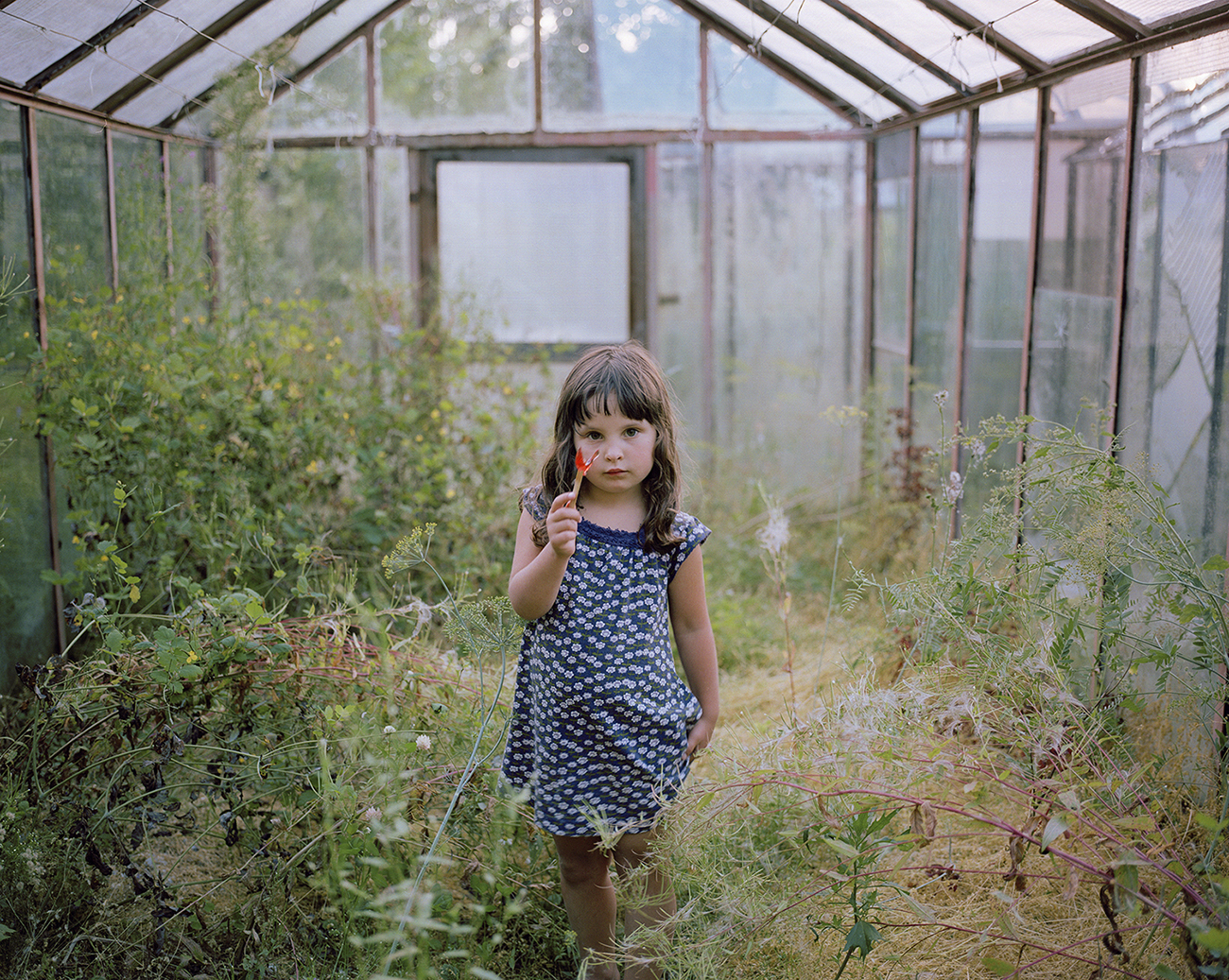
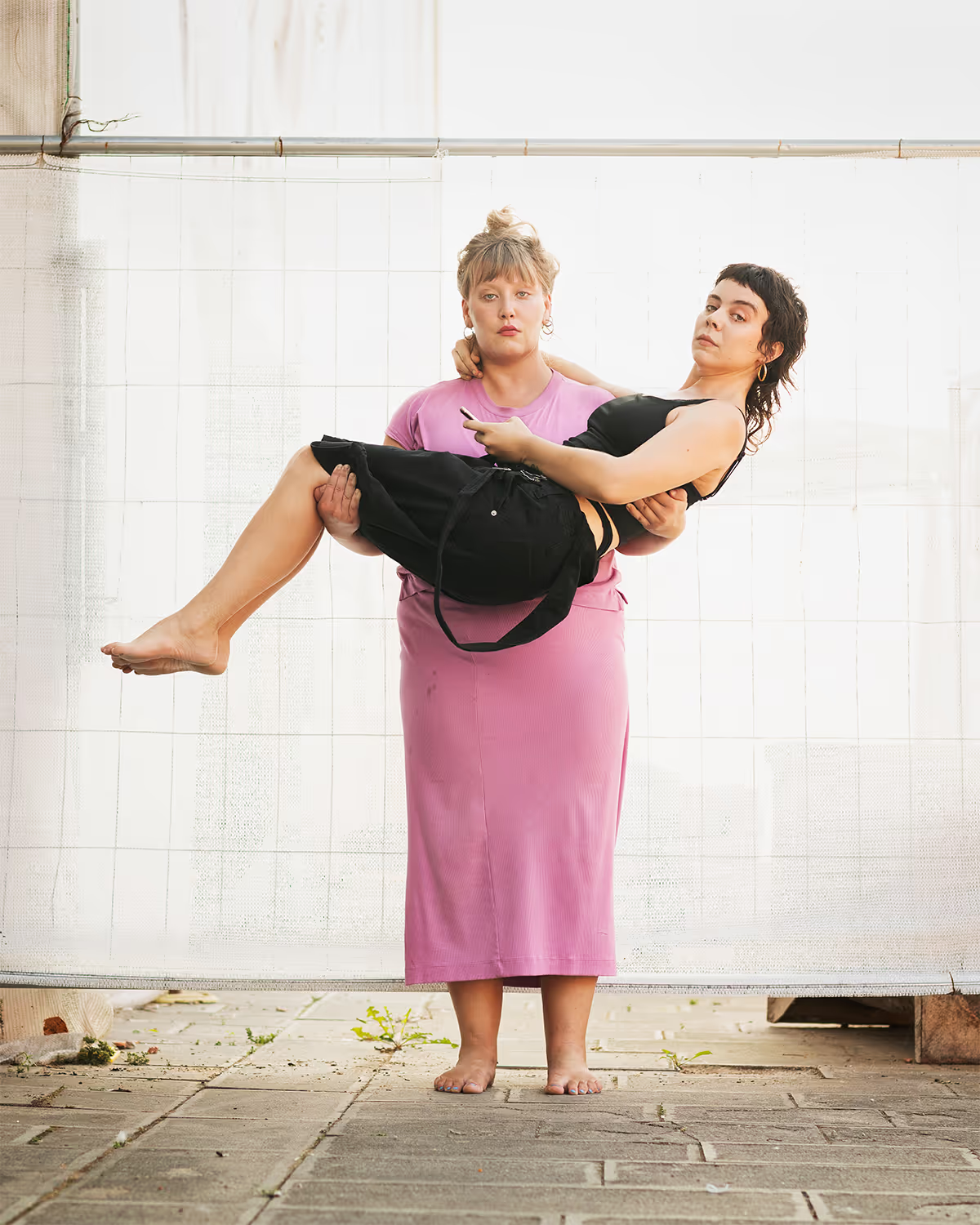
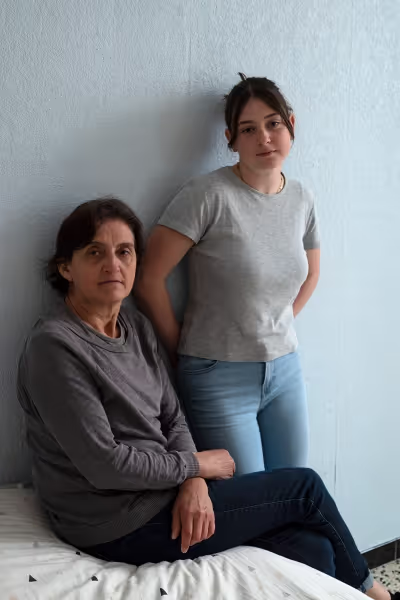
Through analog photography, Tūna documents stories passed down by her mother, aunts, and grandmothers, tracing the connections between seven generations of women in her family. From tales of ancestor healers and witches to connections with religion, Soviet power, and everyday hardship, the house stands as a silent witness in the Latvian countryside of Latgale, abandoned yet still rich with left memorabilia. In the absence of photographic records from those who lived there, Agate and her sister return to the house, wearing their grandmother’s left clothing, attempting to reconstruct the past and uncover the layered connections between memory, myth, and trauma.
2025
Voltentity
The exhibition title merges words “voltage” and “entity,” reflecting quartz’s dual role:
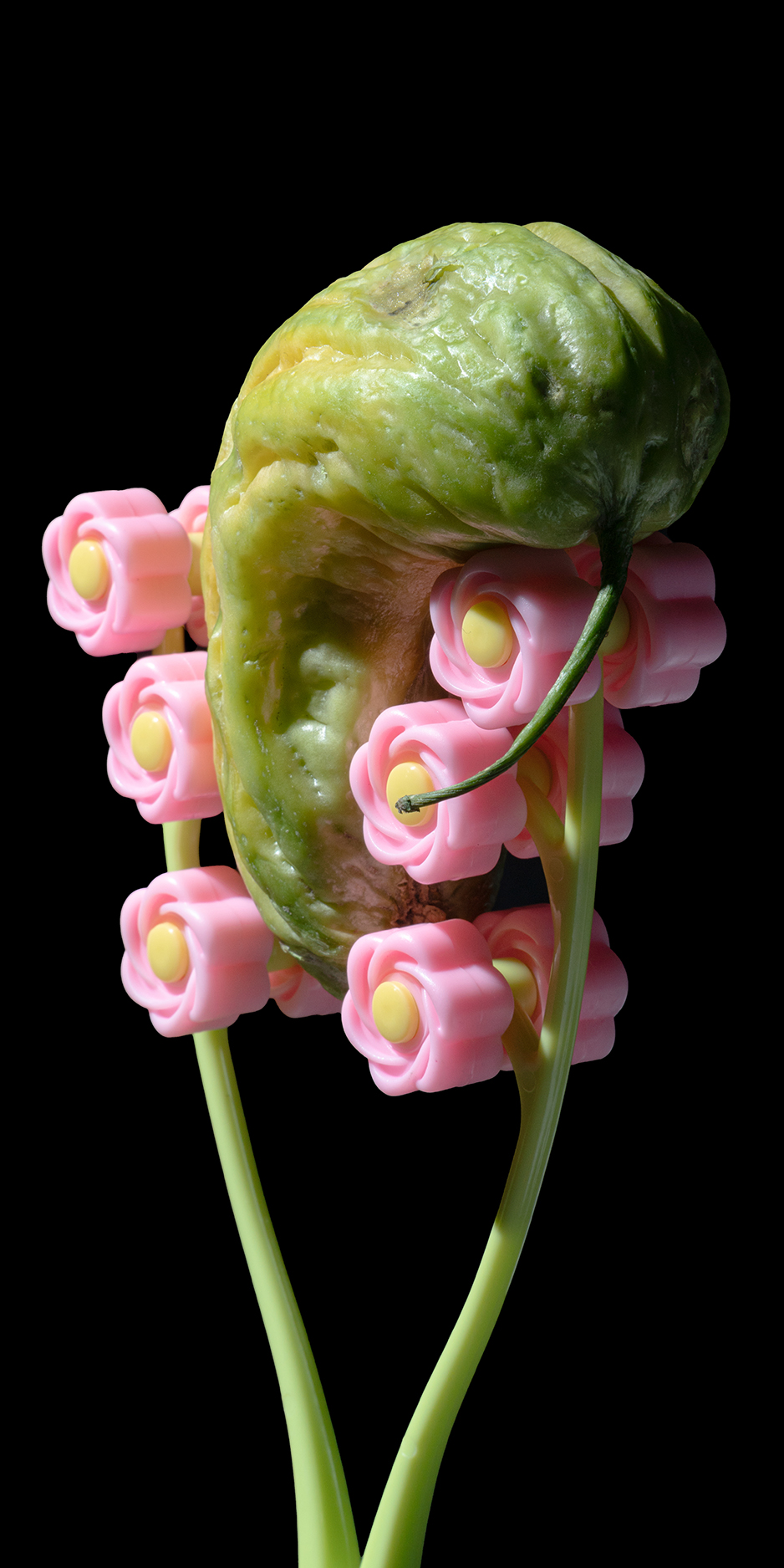
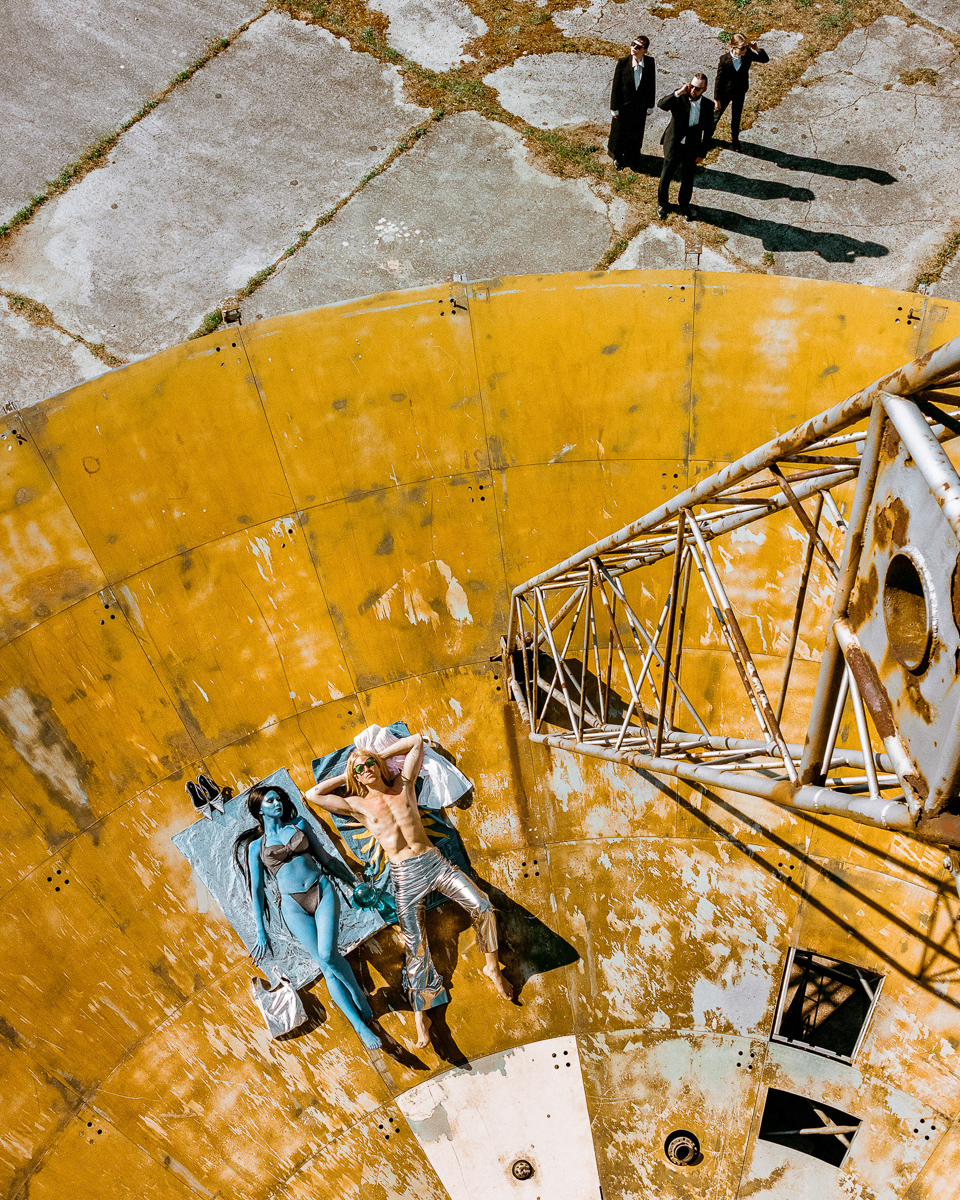
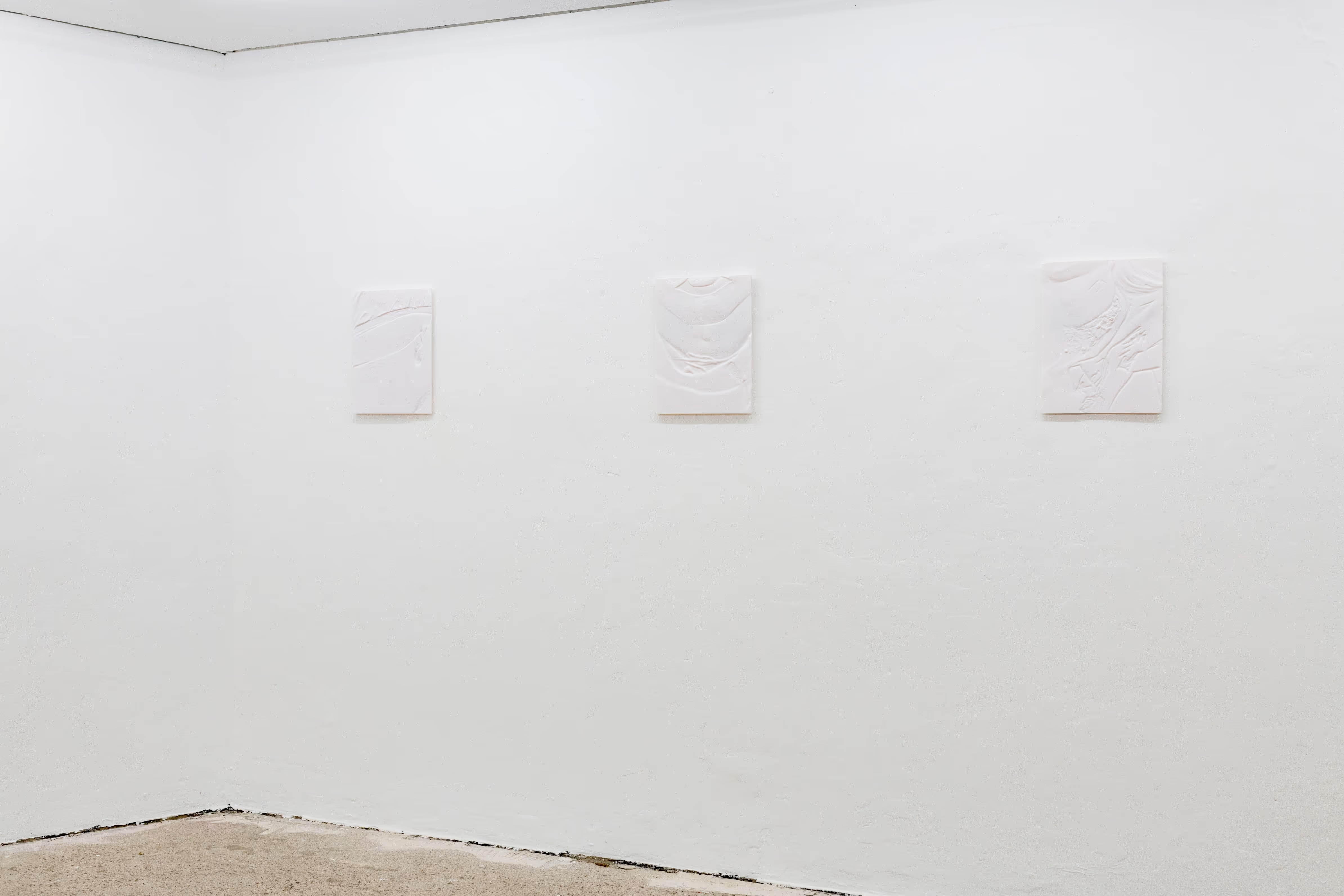
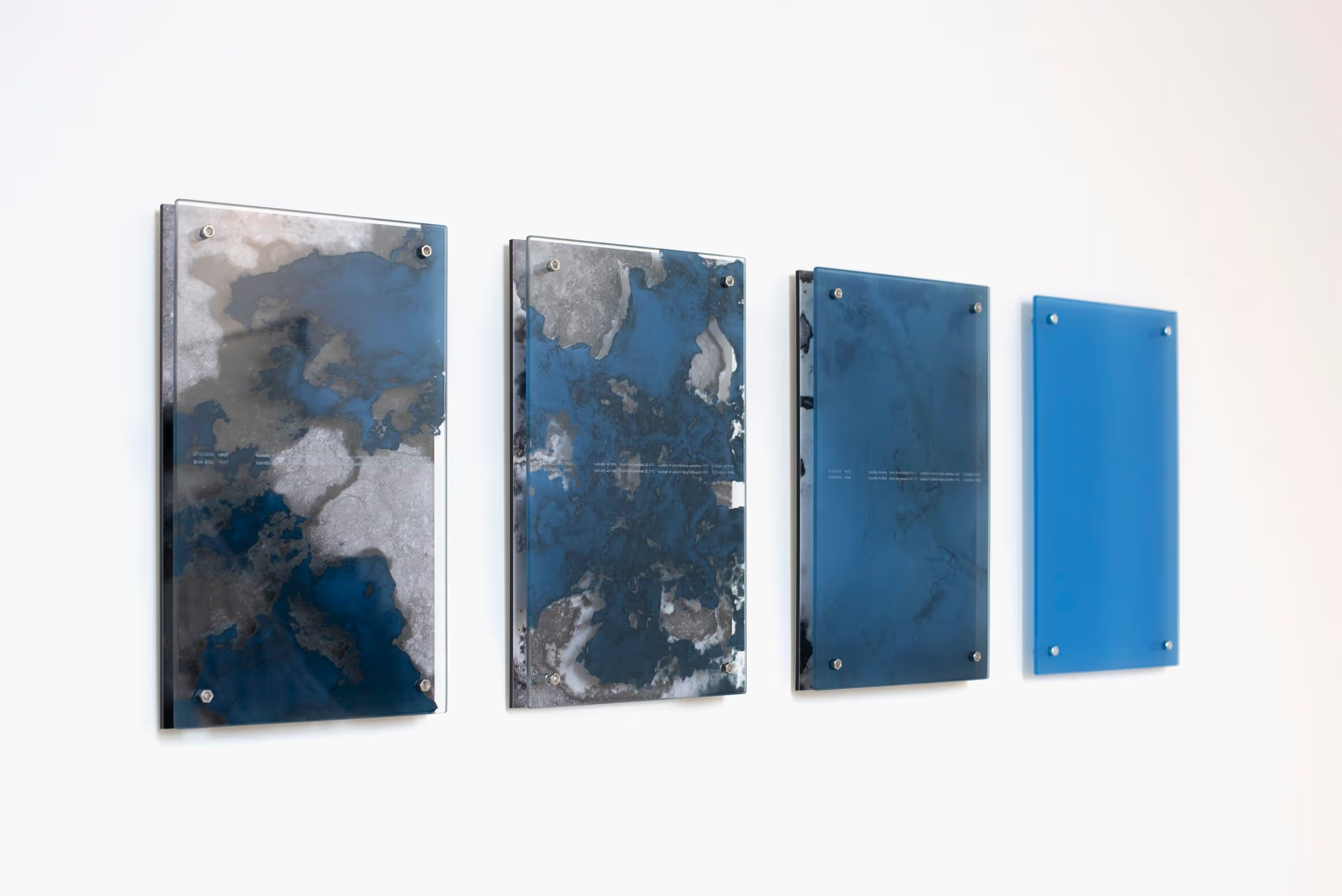
a spiritual amplifier and a technological powerhouse. Spirits were once viewed as ethereal beings linked to places or emotions, manifesting through strange phenomena. Today, the concept of ghosts has evolved from restless souls into energy-based entities that resonate with the language of technology - electromagnetic waves, data streams, electronic voice phenomena (EVP), artificial intelligence algorithms and other contemporary media. The quartz crystal becomes a symbolic bridge to such a transformation. From meditation to microchips, quartz continues to shape how we connect, whether through cosmic energy or Wi-Fi signals. During World War II, women worked in quartz factories, cutting and tuning crystals for communication devices, shaping tools that would carry voices across battlefields. Today, these same stones, polished for healing or placed on altars, embody a strange duality: sacred and scientific, personal and political. For Agate Tūna, process is essential, a curious dialogue with materiality and observations of its changes - perhaps this is why she has chosen analogue photography as her main means of expression. Using mirrors, glass, copper wire and scanning, Agate subjects her primary material (raw film) to various multimedia manipulations and interprets the photographic image into plexiglass objects and chemigrams. In addition, spatial extensions of photography enter the gallery as an autonomous affirmation. Furniture, wallpaper, electricity and corporeal symbols captured in pictures of the body are analogous entities that reflect and challenge the digital. At the same time, it is a play with the home as a conceptual place of domesticity and creation, an allegorical electromagnetic field that affects the human (artist’s) body, mind and spirit in everyday life.
2024
Techno-Spectre
Agate Tūna’s artwork, Techno-Spectre, challenges the familiar landscape of photography, immersing viewers in a fascinating cosmos where historical interpretations of capturing the unseen intertwine with the connection between photography, spirituality, and technology.
The artwork, Techno-Spectre, metaphorically refers to the digital footprints left in the virtual world. These traces range from insignificant, like saved website data, to more visible, like social media posts, which can continue to haunt our online personas long after they’re created. Our digital presence, from archived emails to online interactions, spreads across the web's vast electrical spectrum, creating a substantial ghostly presence. The ghost, a recurring motif in the author’s artistic activity, embodies the continuous practice of capturing and depicting the elusive in photography.
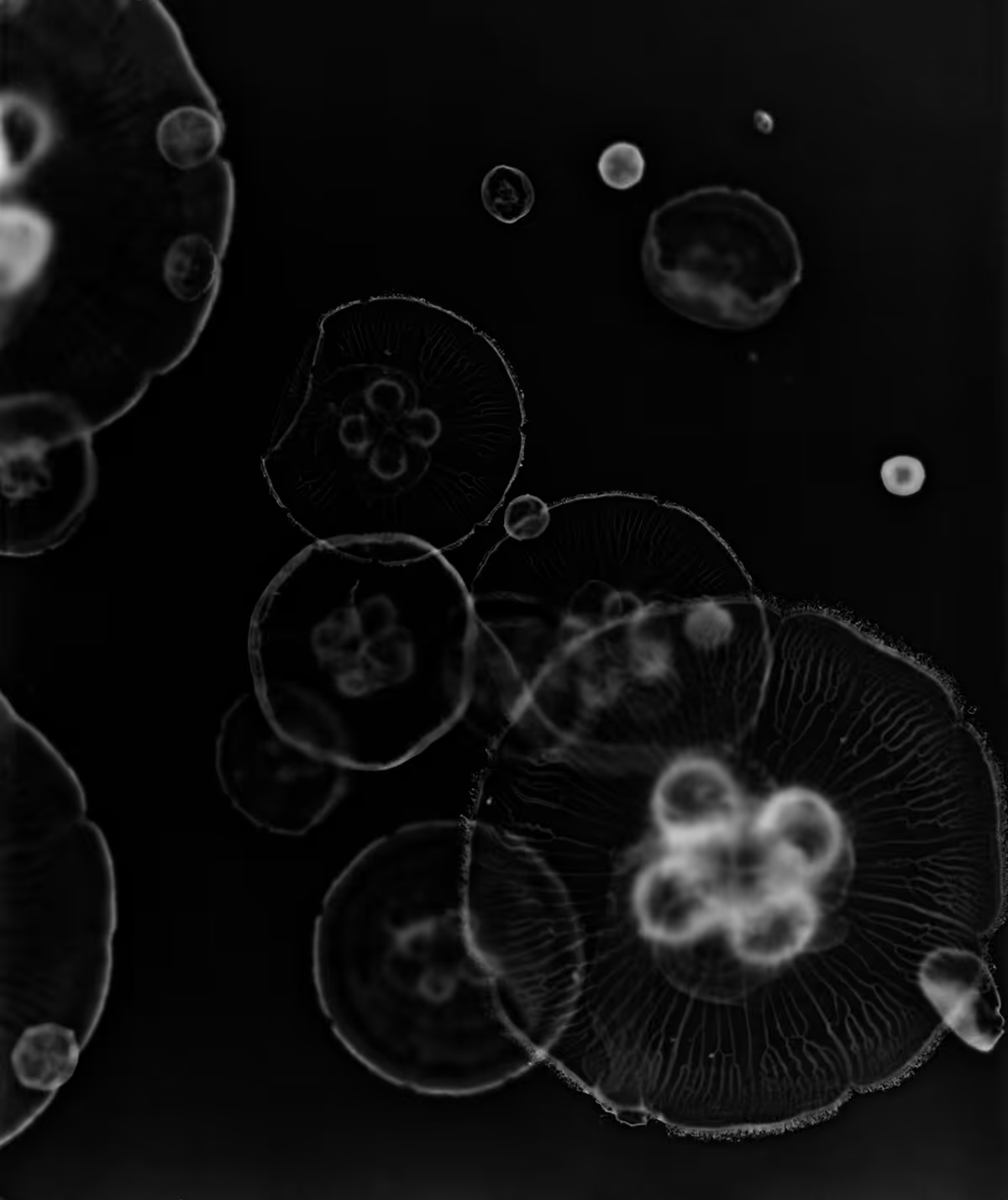
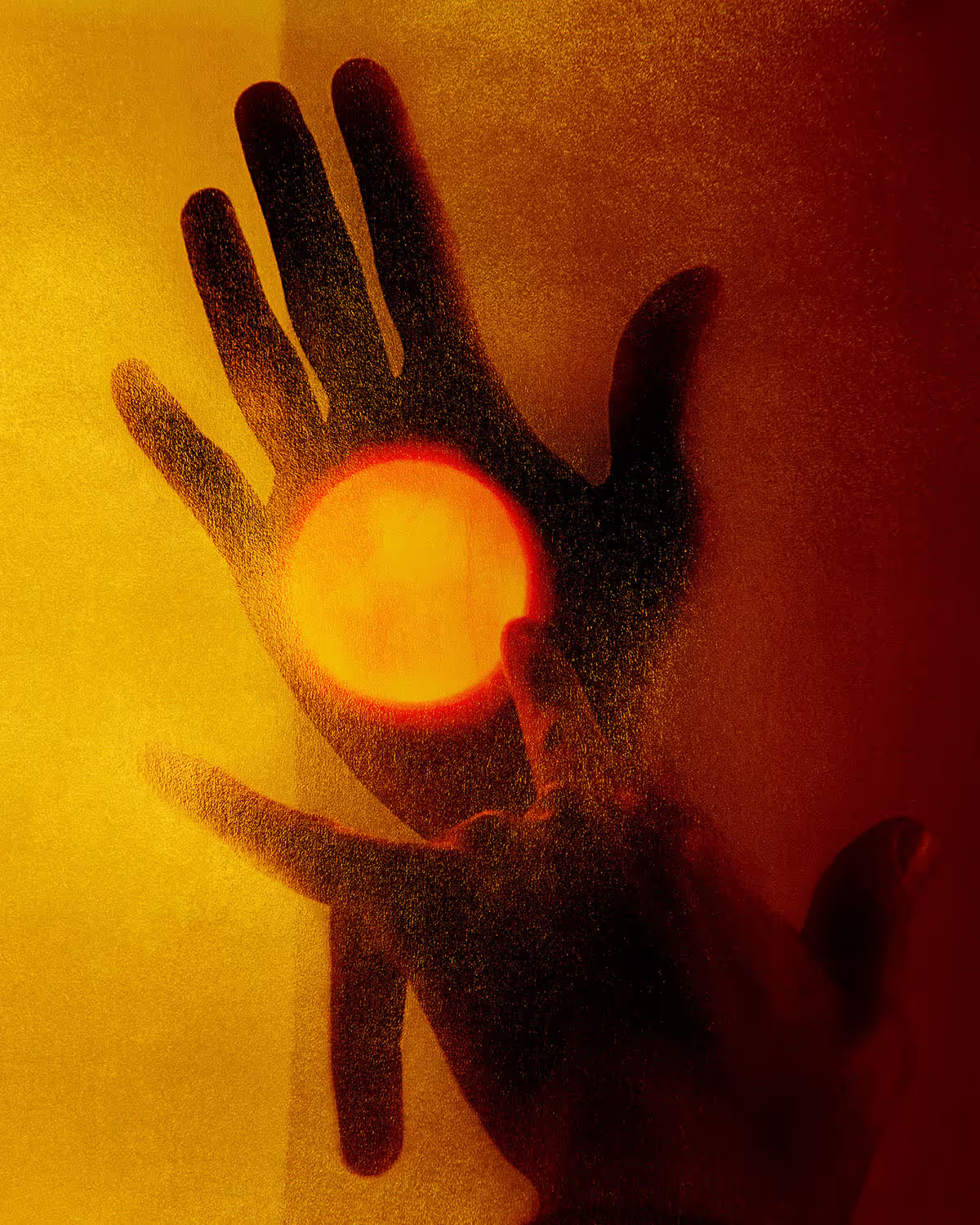
Central to the artwork is the use of chemigrams, created on photosensitive paper with a photo fixer and developer. Merging photography with drawing, she manipulates photosensitive paper both chemically and physically, scratching, folding, painting, and making marks to introduce another dimension of expression. Later, the images are printed on aluminium (dibond), giving the material a new layer of materiality. By bending the surface of the aluminium (dibond), the image, initially constrained within a two-dimensional frame, begins to capture a three-dimensional world. This experimental photographic technique, akin to a carefully executed magic trick, captures images without a camera. In this process, the power of photography is found not only in the final product but in the intricate and multifaceted creation process itself.
Similar projects by everyone else




















Newsletter