Edit Project

Reaching for Dawn

Elliott Verdier
Nominated by
Elliott Verdier
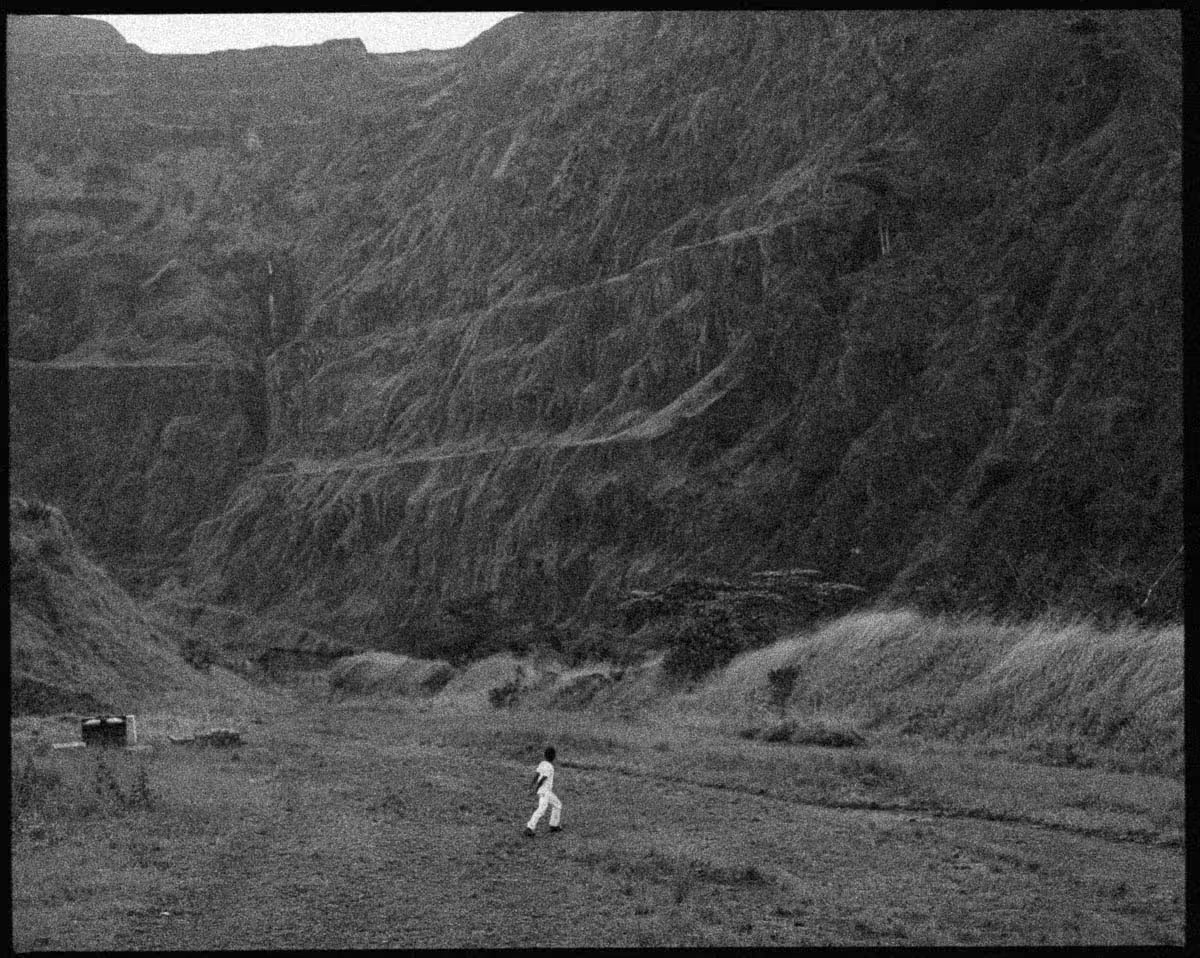
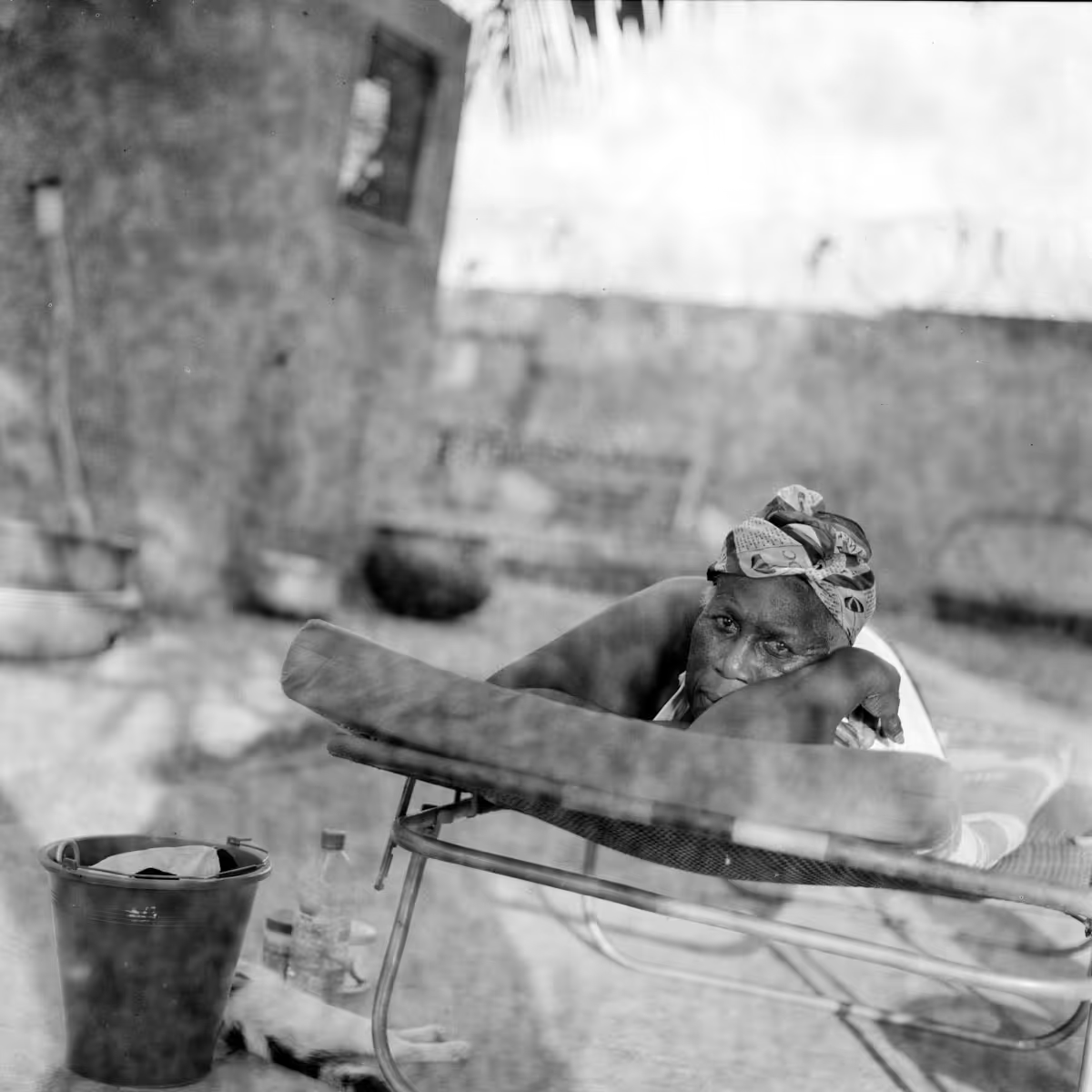
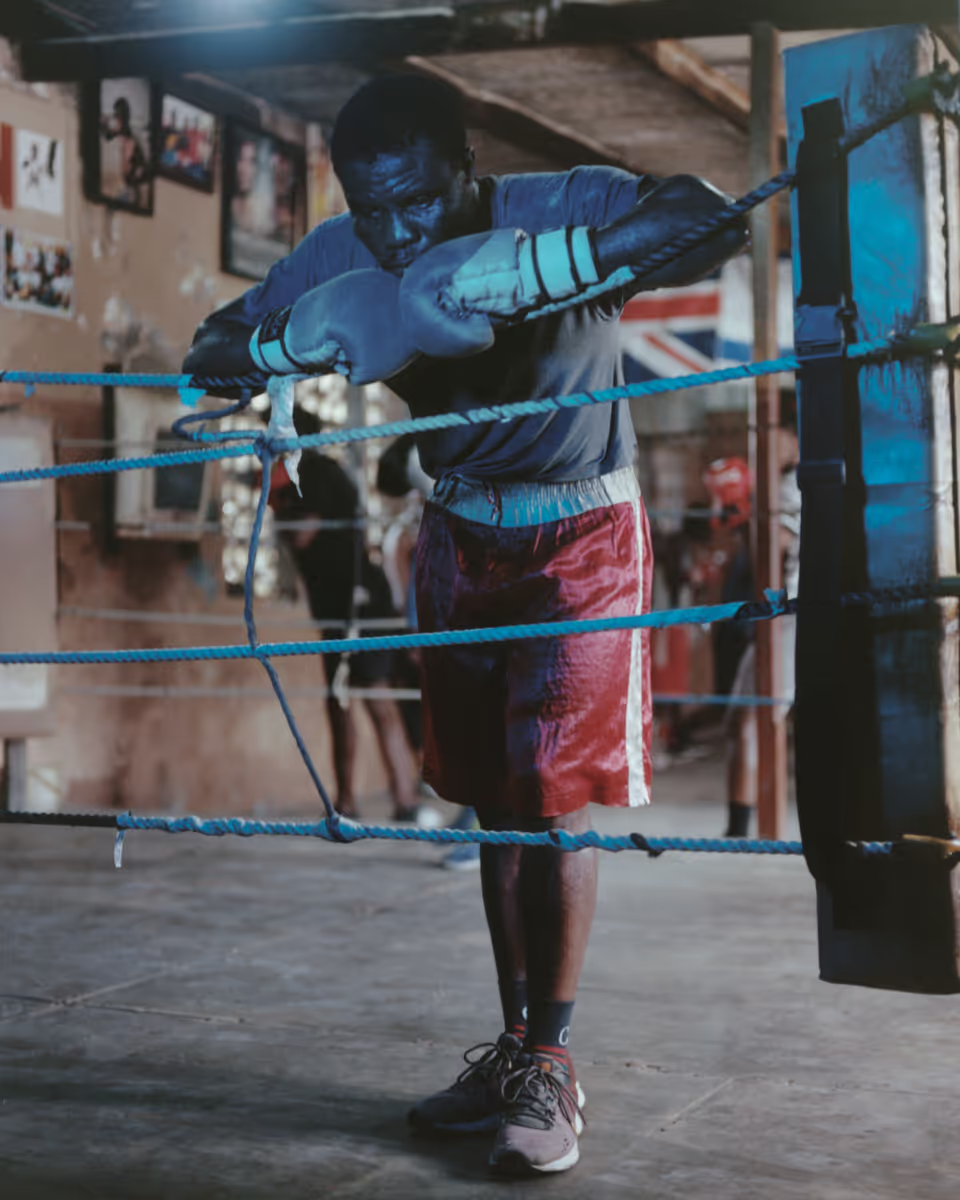
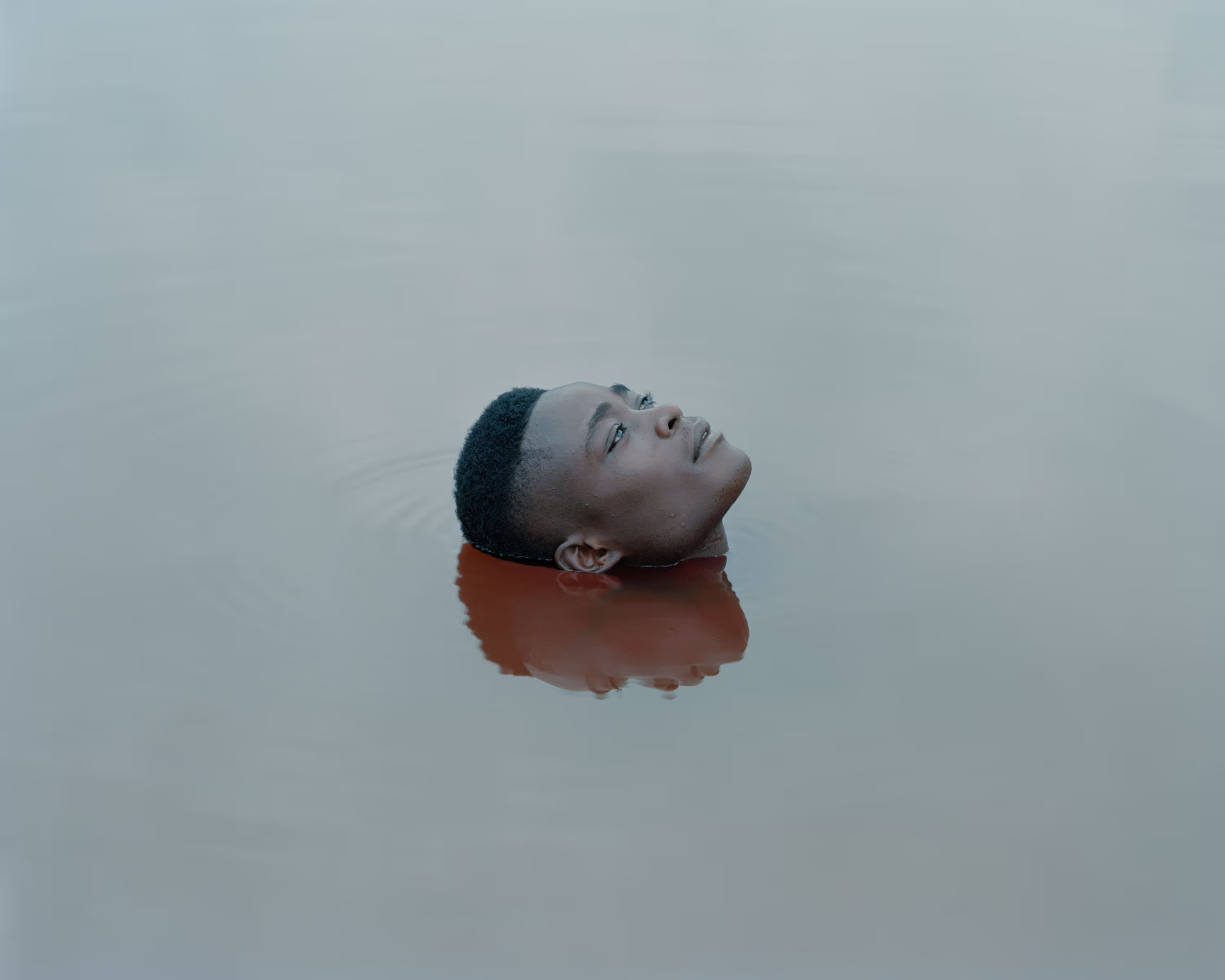
The head of a young man, his expression serene, emerges from water the color of rust. On the surface, the perfect symmetry of his reflection creates a mirrored presence by tracing the outline of a strange butterfly, a two-headed being with one face turned symbolically towards the future (the sky) while the other is directed towards the past (the water). From the tension between these opposing gazes comes immobility. And so the photos in ‘Reaching for Dawn’ emanate a kind of mournful expectancy, for theirs is an enigmatic and non-tranquil state, one where the present is always on the point of vanishing. Fixed in a suspended moment in time, human beings, places, landscapes and objects morph into memory. A jagged memory that haunts the history of Liberia, a country where the promise of its name appears to have run aground for now, like a rusty vessel on one of Robertsport’s beaches.  As a counterpoint to these images, snatches of testimony recount a night of unspeakable hallucinations where there is killing, and pillaging, and rape, where children are made to consume their innocence in macabre games, where we slaughter our brother and our sister, our father and our mother, and the crime is committed under open skies, for worldwide broadcast, on the thresholds of western embassies which, out of cowardice, look away. And yet what might, from a distance, seem to resemble chaos without faith or law, unfathomable barbarism, atavistic violence, does have a coherence to it, there are mechanisms, causes and responsible parties. But in the absence of trials, commissions, or even the beginnings of any kind of recognition, the crimes of the past continue to haunt the living and to prevent the dead from resting in peace. Dawn is late arriving because silence and impunity, both venoms from the same bite, poison the present and perpetuate the trauma. A few words are all it takes to express what matters: “But I want the war crimes court to come to Liberia. I pray for it to come. Let it come. We will be free”. Justice is not simply a stage towards reconciliation. It is a mystical quest for those women and men who have lost everything. And this search for truth becomes a promise in itself. Suddenly, it is no longer a question of viewing Liberia exclusively through the lens of its wounds, but above all of seeing all the grace that radiates from its struggle for life, the same life that escapes the dark night in search of dawn.
No items found.
The Artist
Elliott Verdier
Nominated in
2025
By
Elliott Verdier
Lives and Works in
Paris
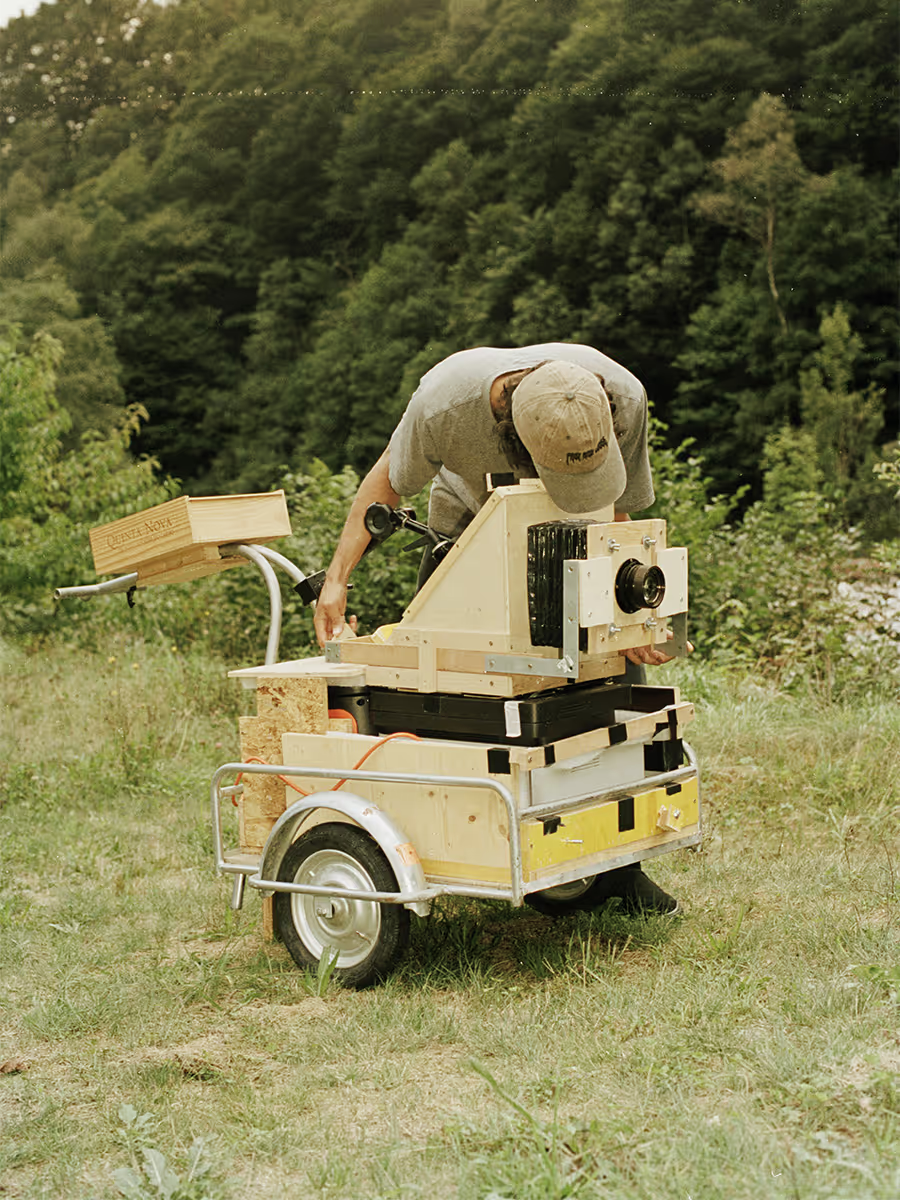
Influenced from an early age by the culture of photojournalism, Elliott Verdier soon began to question his position as a witness and the subjectivity of his gaze. His work is naturally far removed from current events and favours the slowness of the large format camera, exploring the shadows of our world in search of what is invisible but universal: the memory of present and past lives, and the path it determines for us. His photography emanates a melancholy expectation, a suspended time, a silence that gives way to our existential questioning. Through a delicate aesthetic, it is no longer a question of looking solely through the prism of our wounds, but of seeing above all the grace that emerges from our struggles, and the constant resilience that overcomes our frailties. Elliott Verdier was born in Paris (France) in 1992 and graduated from the Écoles de Condé in 2015.
More projects by this artist
2025

Tomorrow's gone

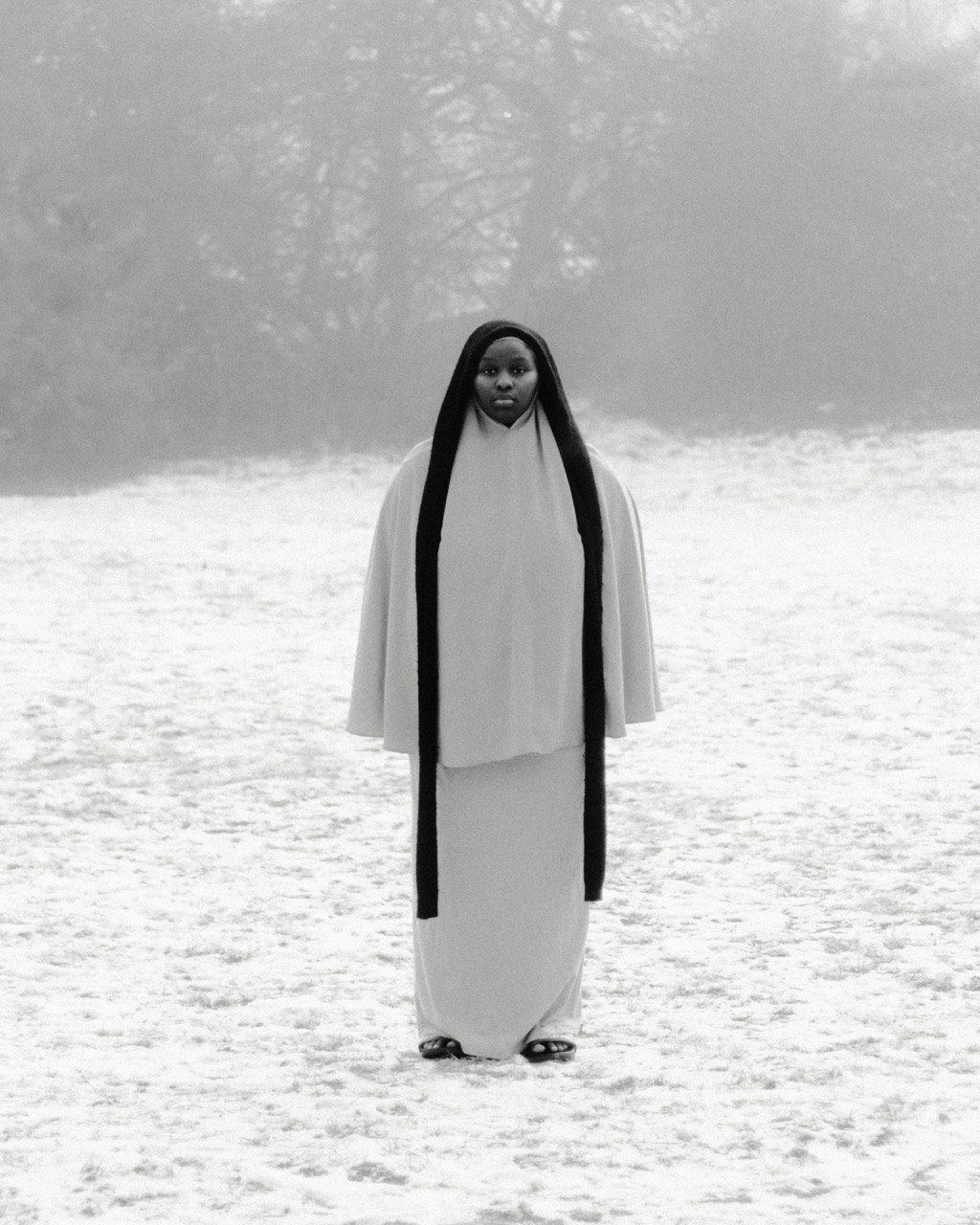
What to do when you reach the end of the world? In the middle of the Bering Strait lies the island of Little Diomede, an isthmus like a melting pot of icy, wild, mythological dreams and a source of burning desires, whose apparent silence eclipses the very real rumbling of the issues surrounding it. The arrival in this muffled setting is in itself a test of strength where it is impossible to escape the vertigo of our own fragility. The profile of an isolated fisherman invites us to explore, beyond the surface, the intertwining of narrative layers of which this place seems to be the sole repository.
The cradle of ancestral migratory routes, this ‘gateway to humanity’ and those who inhabit it are the descendants of an ancient collective memory that makes us lose our most intimate certainties, giving way to a form of introspective solitude. Faced with the peaceful immensity of eternal landscapes, we are then driven, by an inexorable power, to return to our origins, which we sense outline the foundations of a possible future. From this land between past and present, reality and imagination, we await an answer. For Elliott Verdier, the visceral desire to venture as far as possible is part of this quest, to the point of confronting the edge of the physical world.
In this, at first glance, untouched wilderness, man has endeavoured to make his presence felt. He has drawn a political border that separates two empires, the United States and Russia. He has also drawn a line of date, so that the day is not the same on either side of this demarcation. Yet, faced with the infinite, with this setting that seems frozen and unchanging, as if imbued with age-old gravity, the reality of time and space disappears to make way for chimeras. Silhouettes emerge from the void, the landforms metamorphose with the storms, the shapes stretch, distend, until they split in two.
For opposite the American Little Diomede is Big Diomede, its Russian big sister, a silent ‘other’ that we cannot ignore because it is so close, but from which we could not be further away because it is so inaccessible. The island haunts the horizon, like the reminiscences of a loved and familiar being. The omnipresence of its imposing contours evokes the mirages of a dreamt-of tomorrow, but forever unattainable.
The images of Tomorrow's Gone touch our limits. Beneath the stillness, the calm and the serenity, we sense the deadly violence of the effects of global warming, armed conflicts, the frantic race of capitalism devouring languages and civilisations to the bone. The snow-covered houses seem to be holding their breath in anticipation of a denouement, whatever it may be. Under these conditions, it is impossible to turn our backs on the mysteries that accompany the search for our own place, on the melancholy of our finitude. Yet confronting it is a necessity, both collective and intimate, the only way to design new beginnings.

With the support of Centre national des arts plastiques (National Centre for Visual Arts), France.
Newsletter