How to (Un)Name a Tree
Andong Zheng
Nominated by
FOTODOK
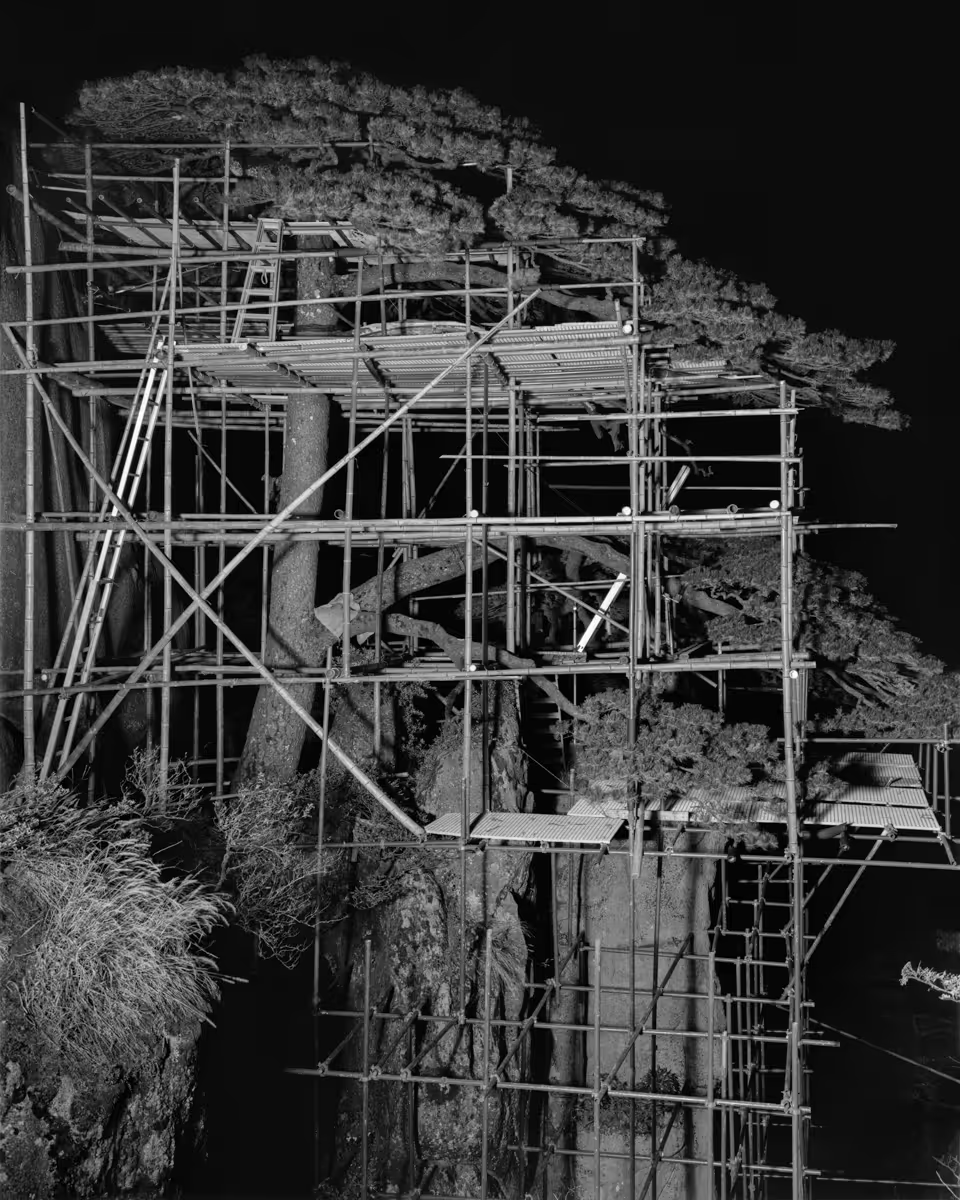
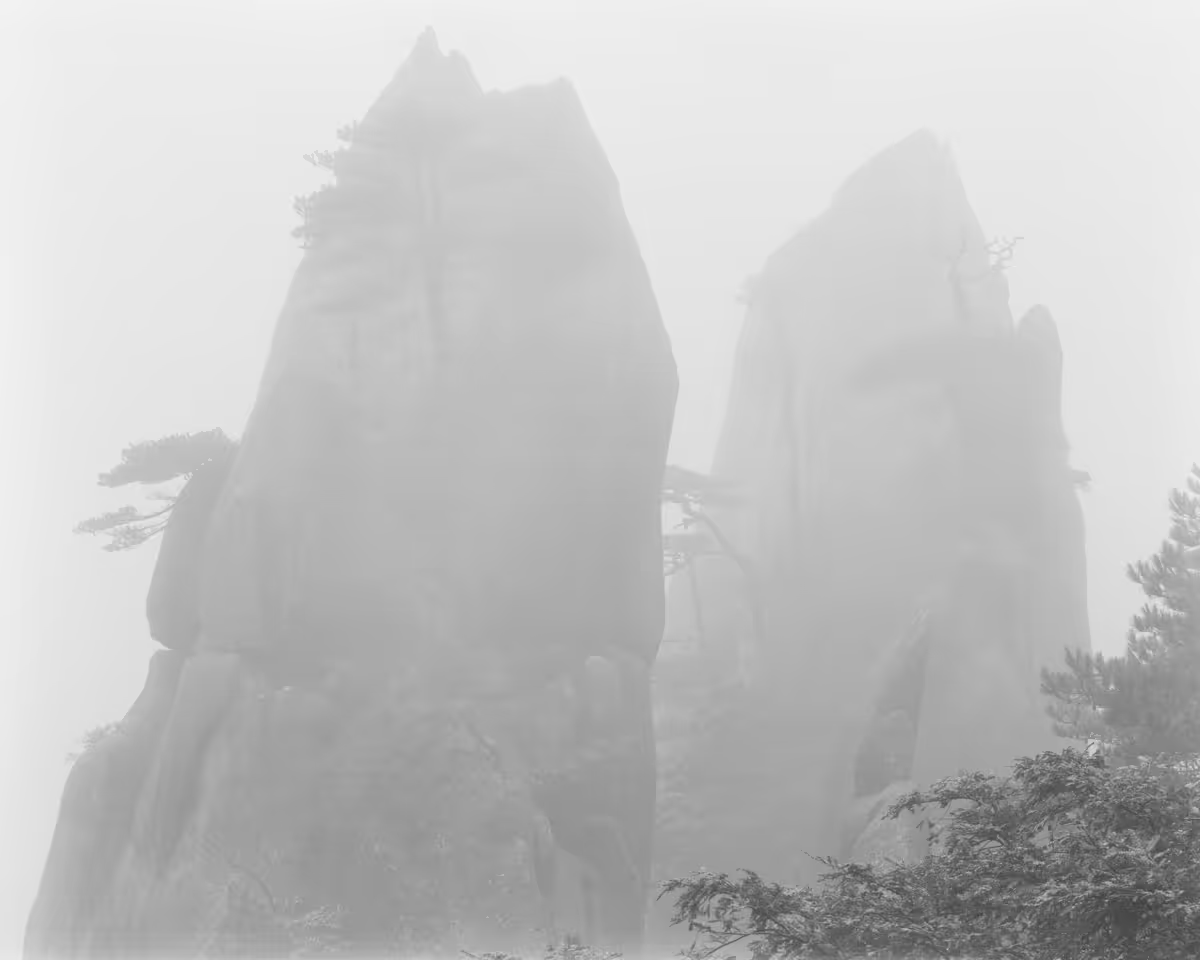
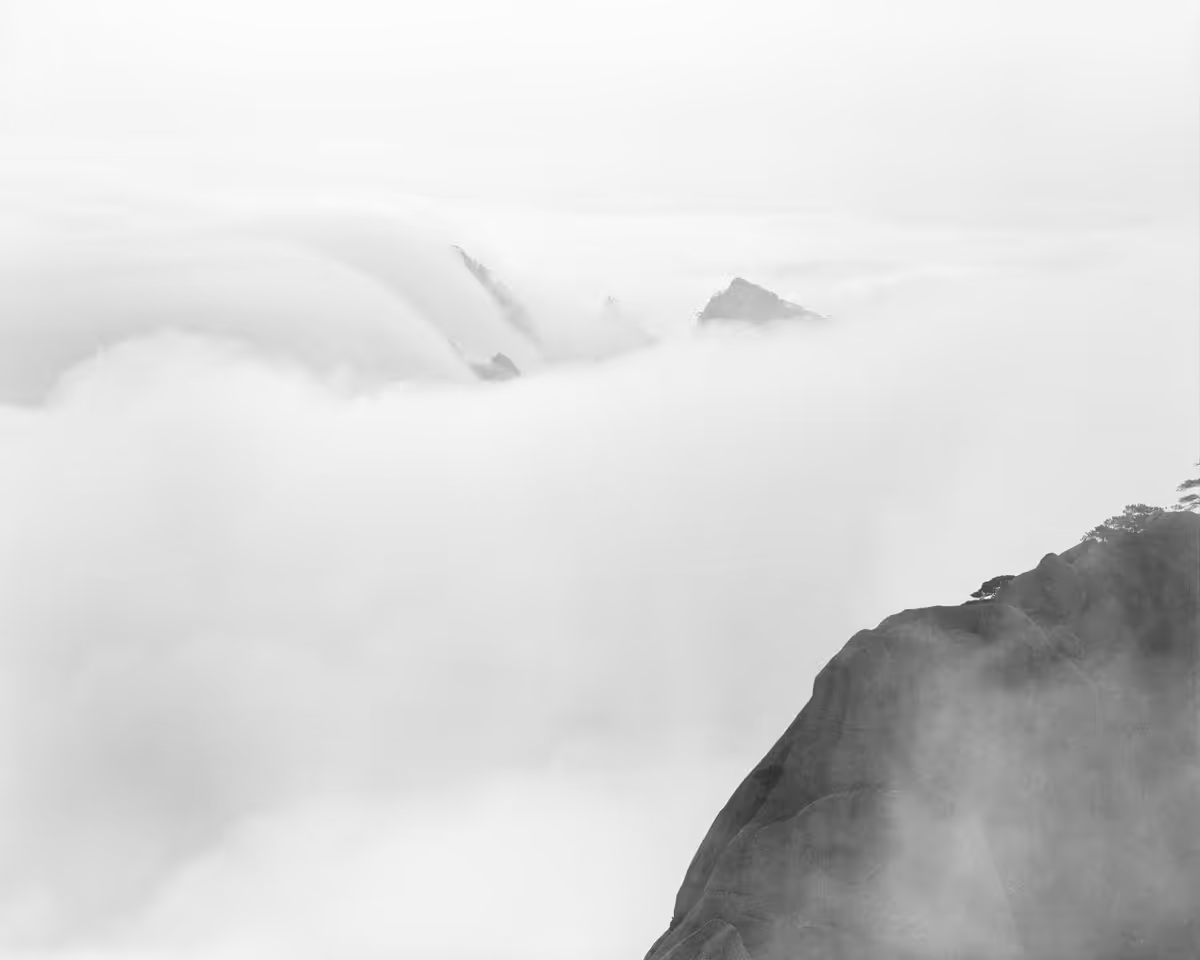
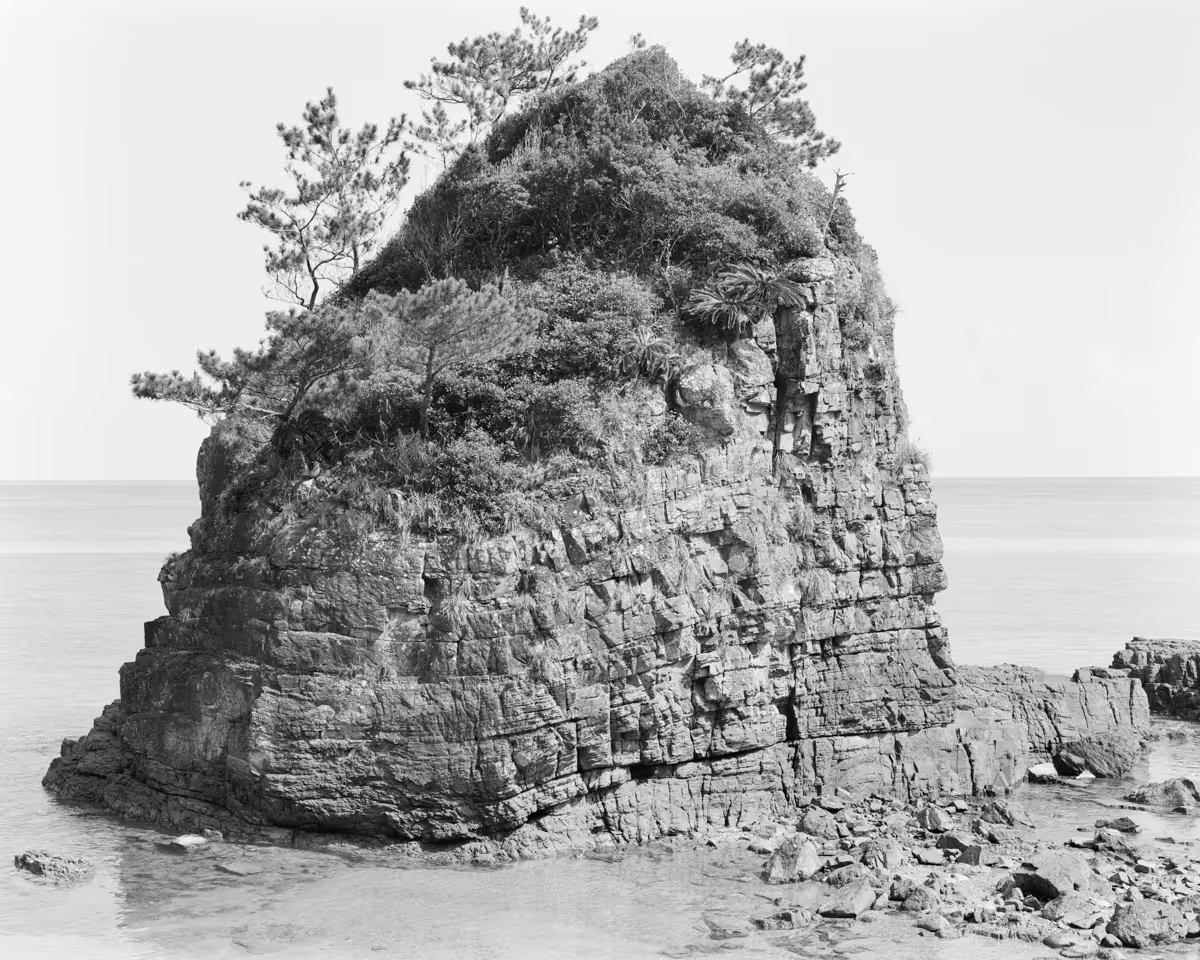
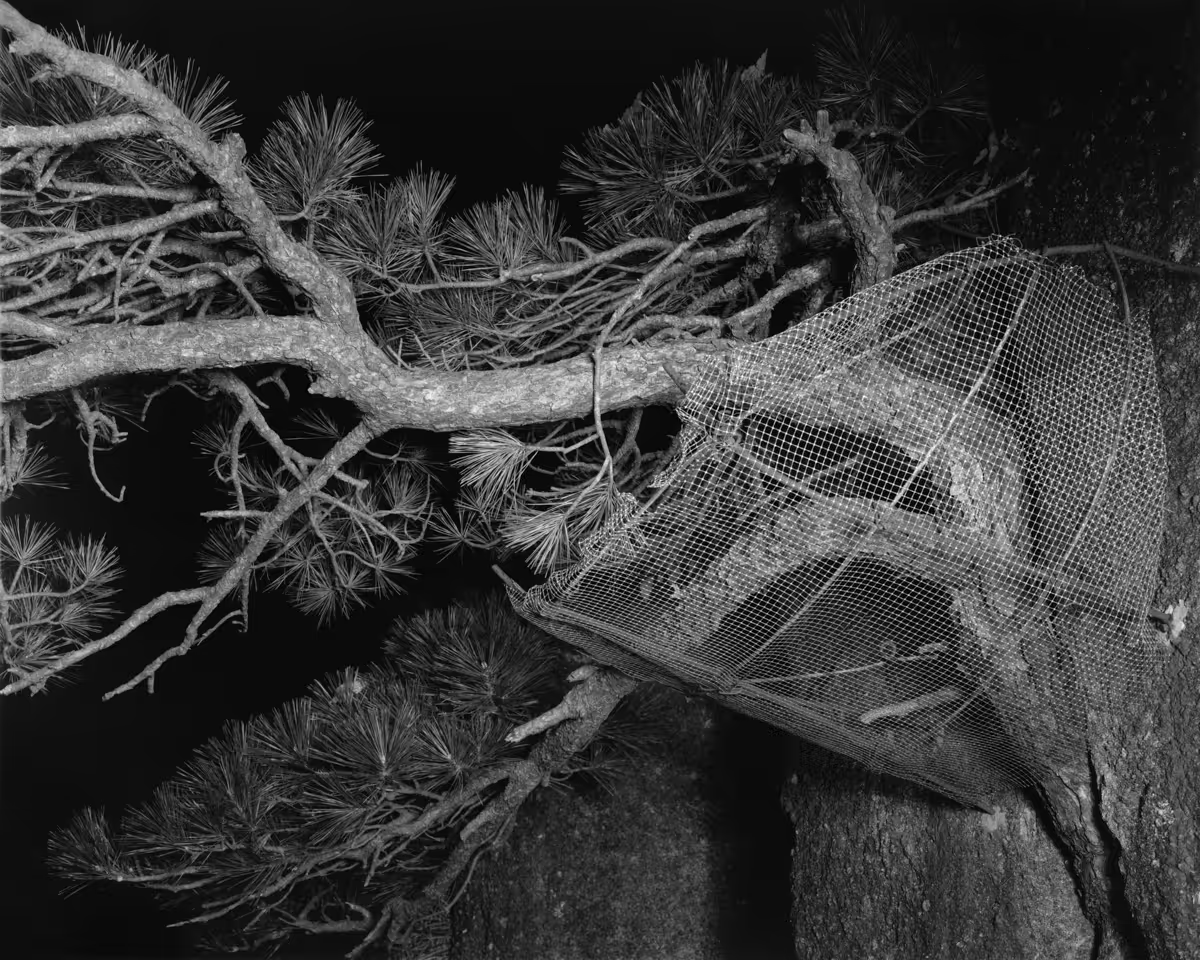
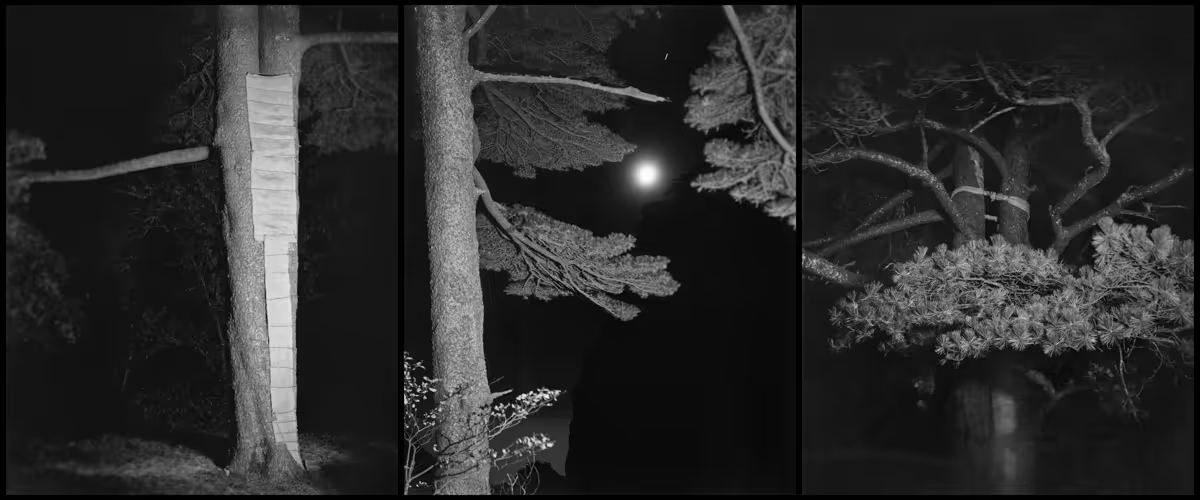
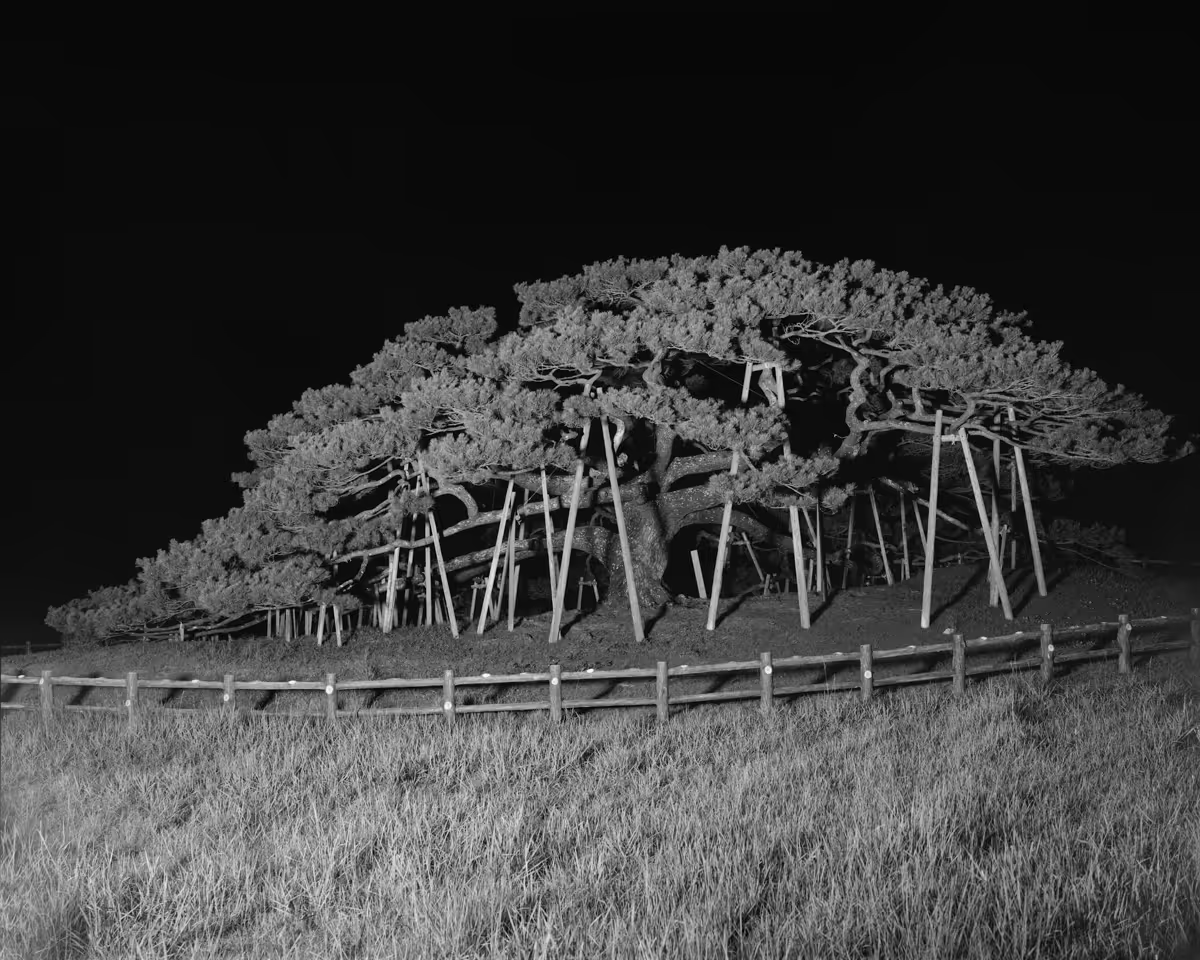
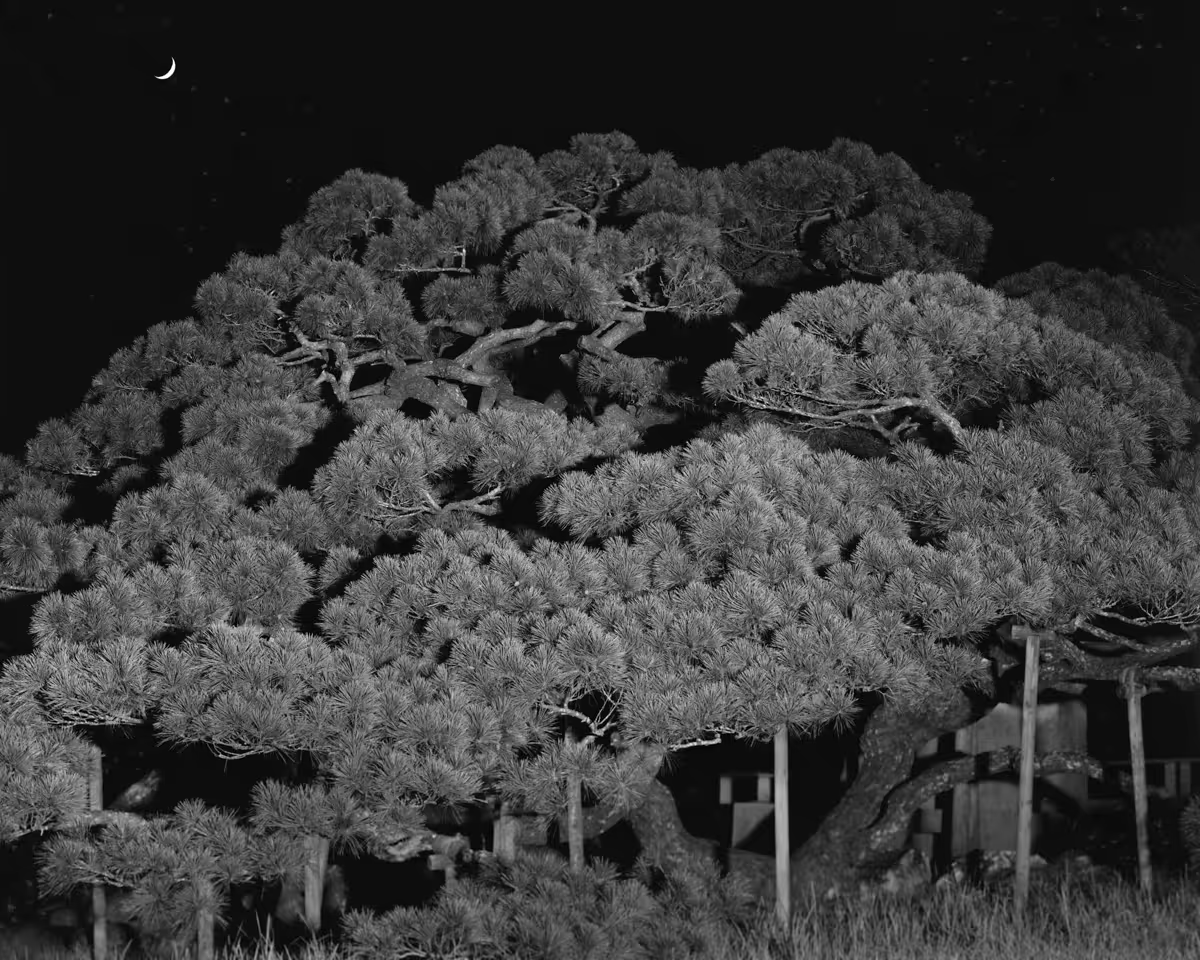
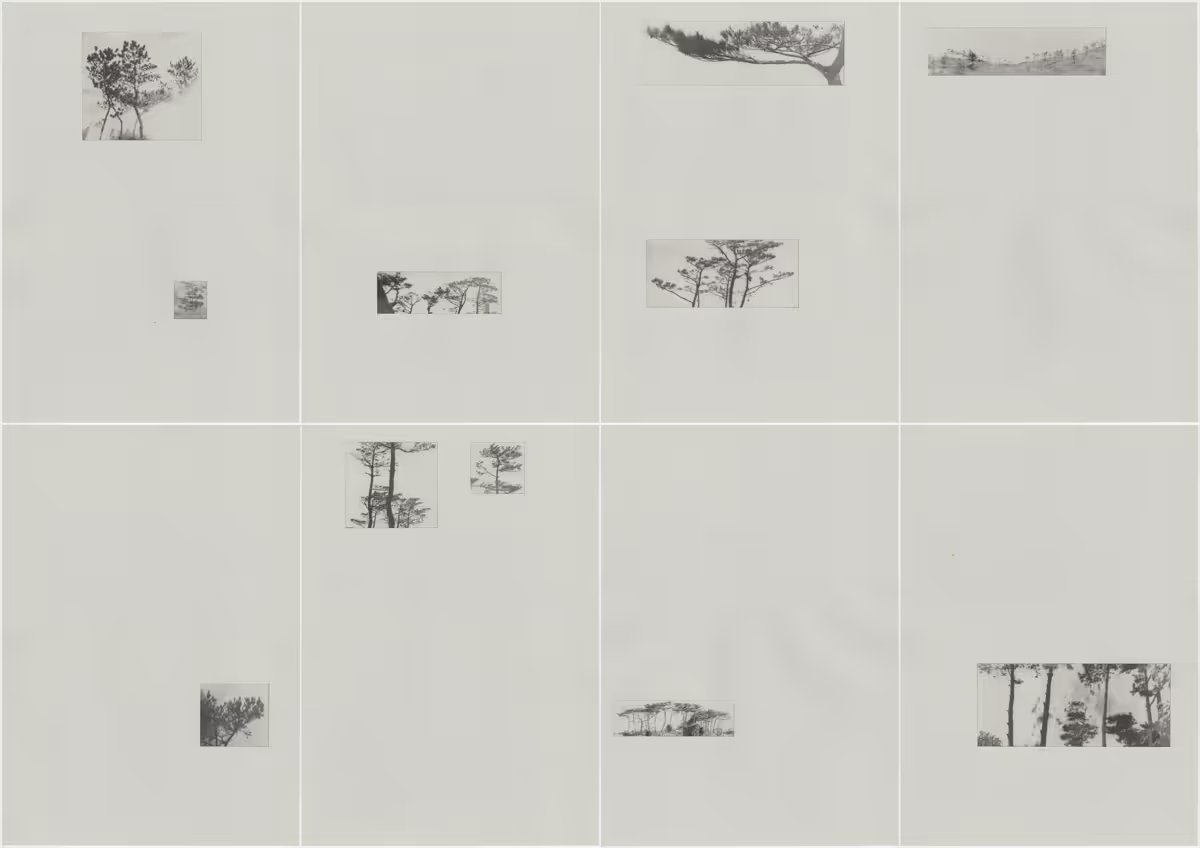
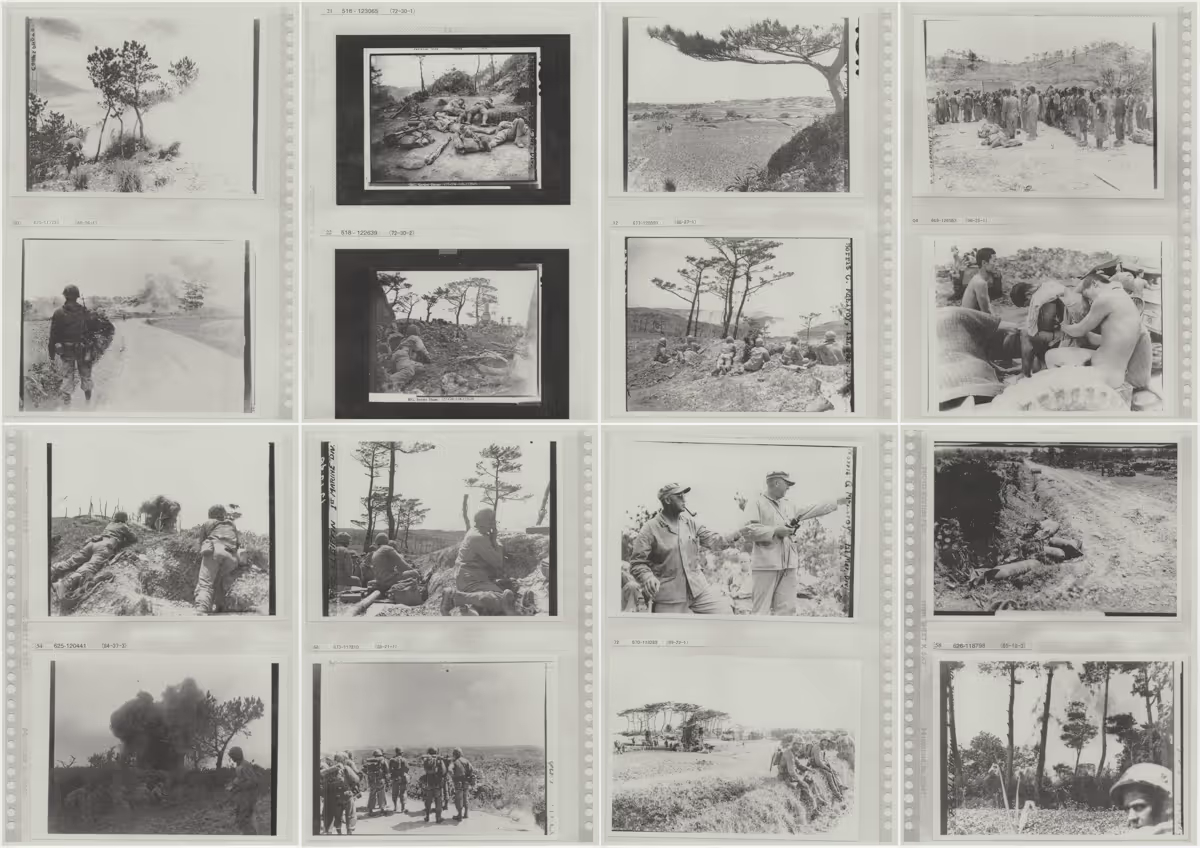
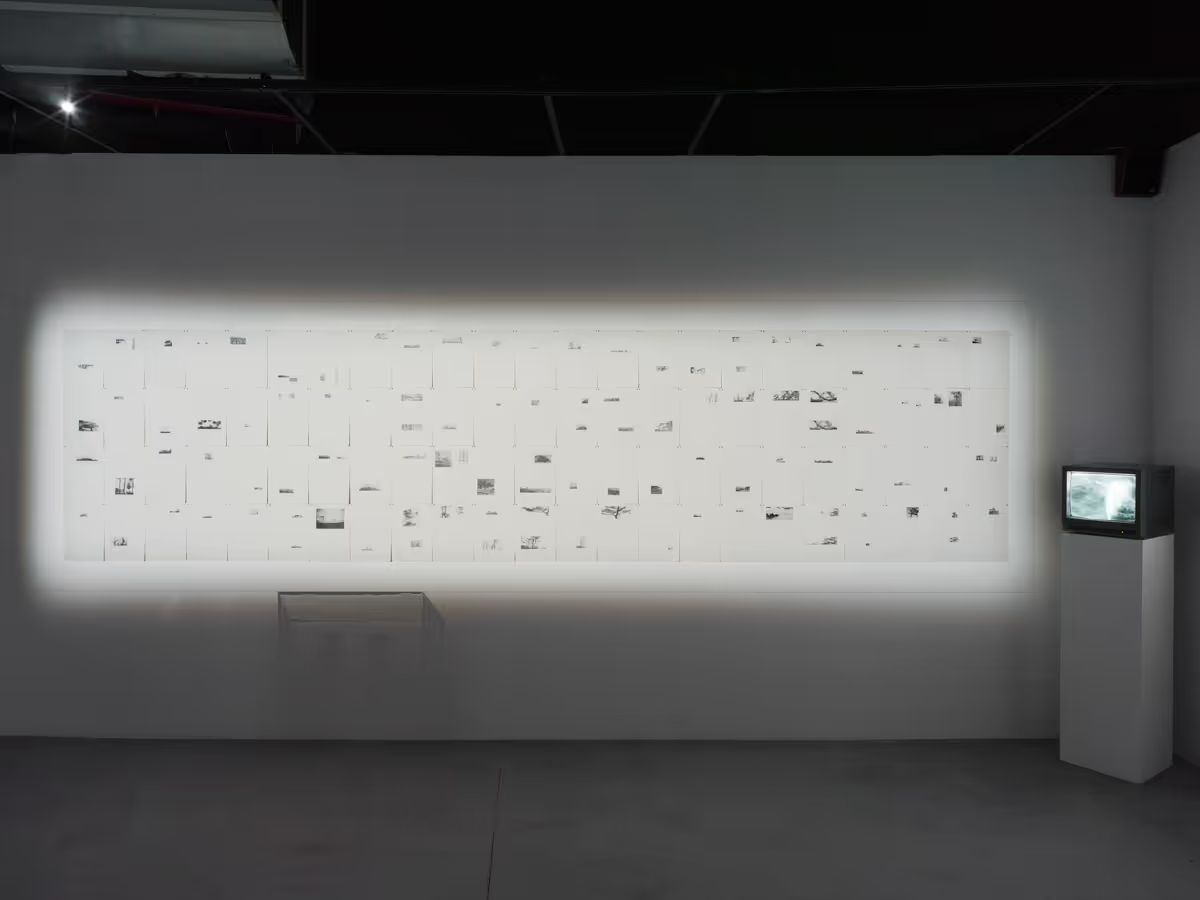
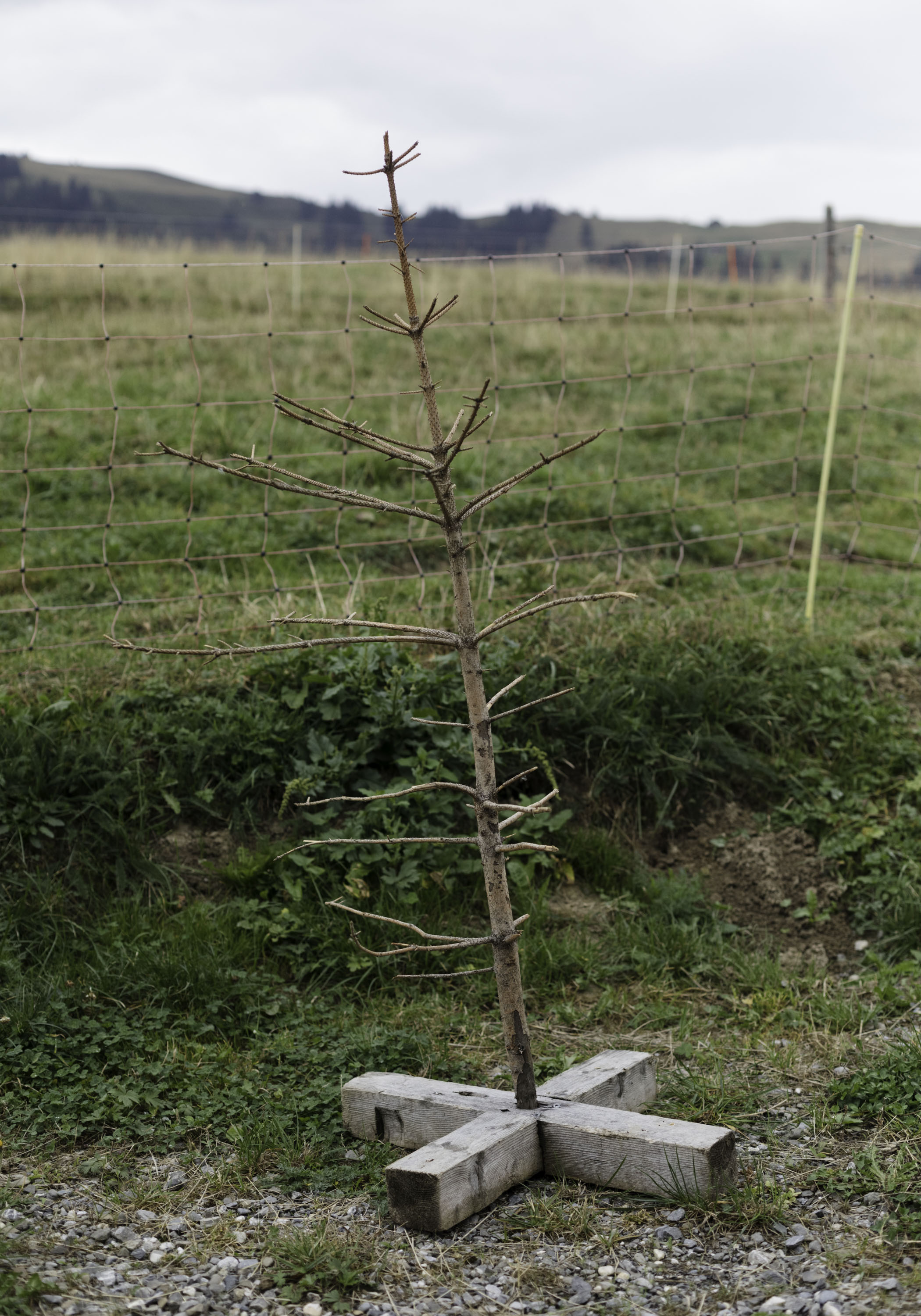
Andong Zheng’s long-term project "How to (Un)Name a Tree” (2022 - ongoing, China/Taiwan/Japan/the Netherlands) investigates the relationship between naming, seeing, and knowledge formation through three closely related and morphologically similar pine species in East Asia: Pinus luchuensis, Pinus taiwanensis, and Pinus hwangshanensis.
During the era of international competition in species discovery, these three pines were successively named by an German botanist upon his return from an expedition to Imperial Japan, a Japanese botanist stationed in colonial Taiwan, and a Chinese botanist of the Republican period. Decades later, their classifications became a subject of dispute during the Cold War, as botanists debated whether they should be regarded as regional variants of a single species or remain distinct.
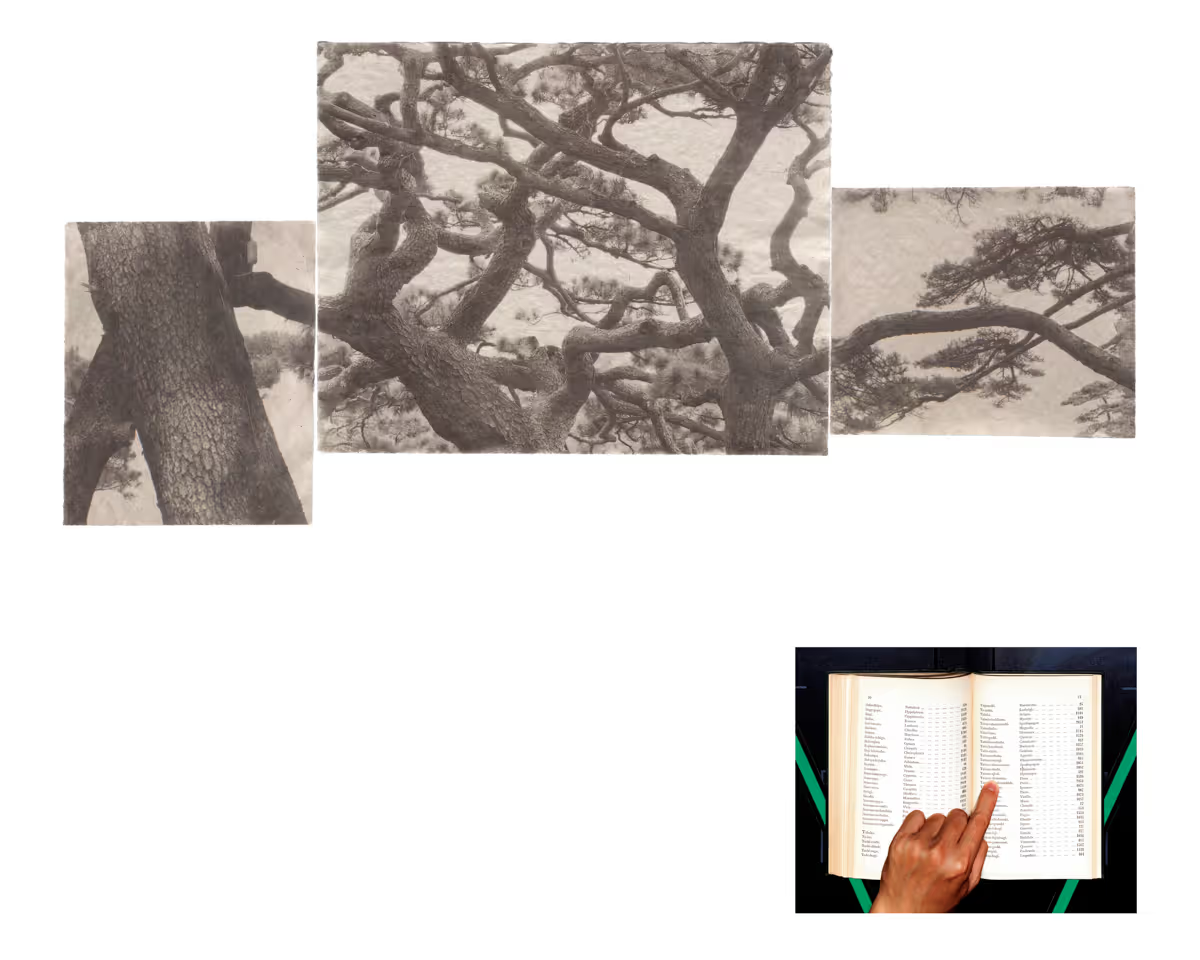
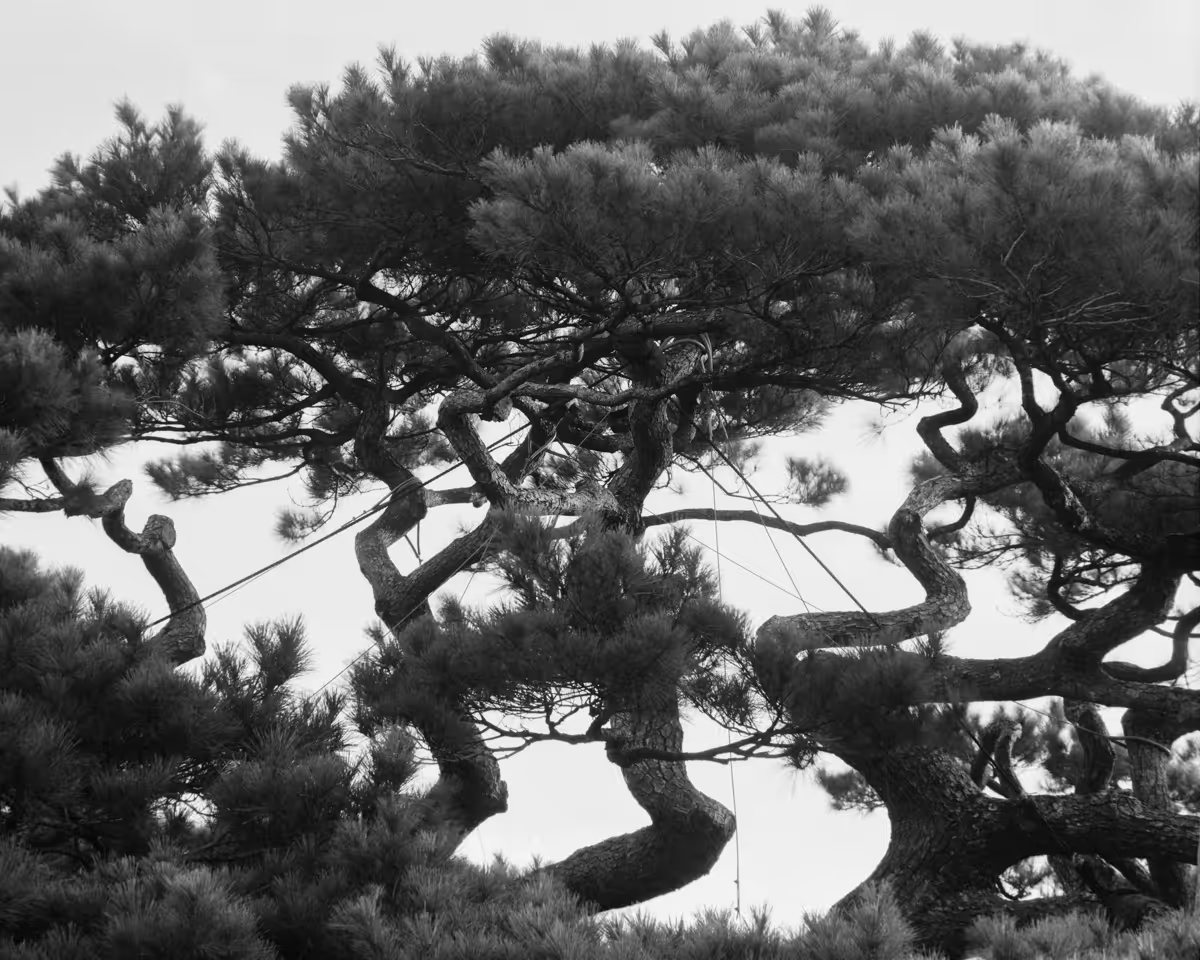
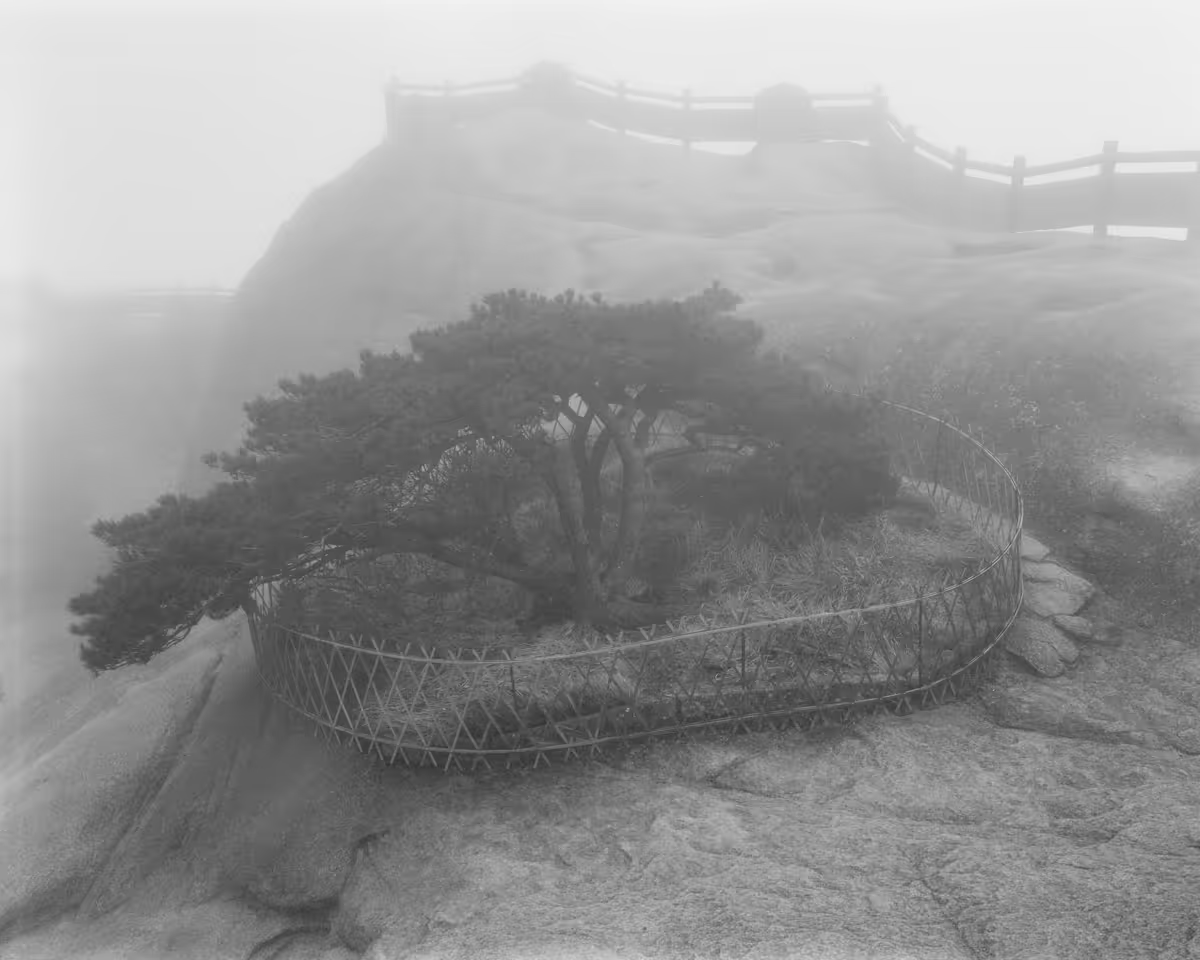
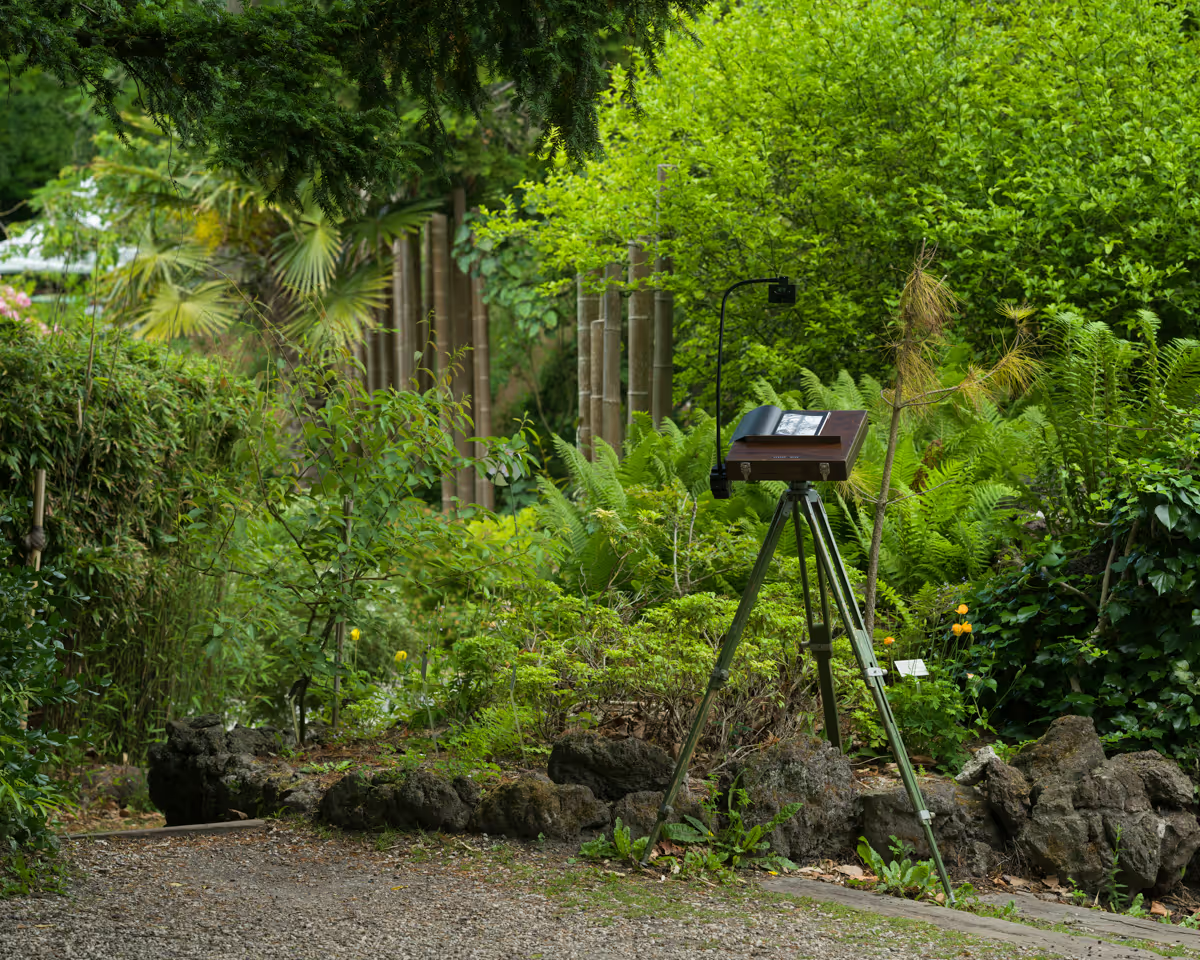
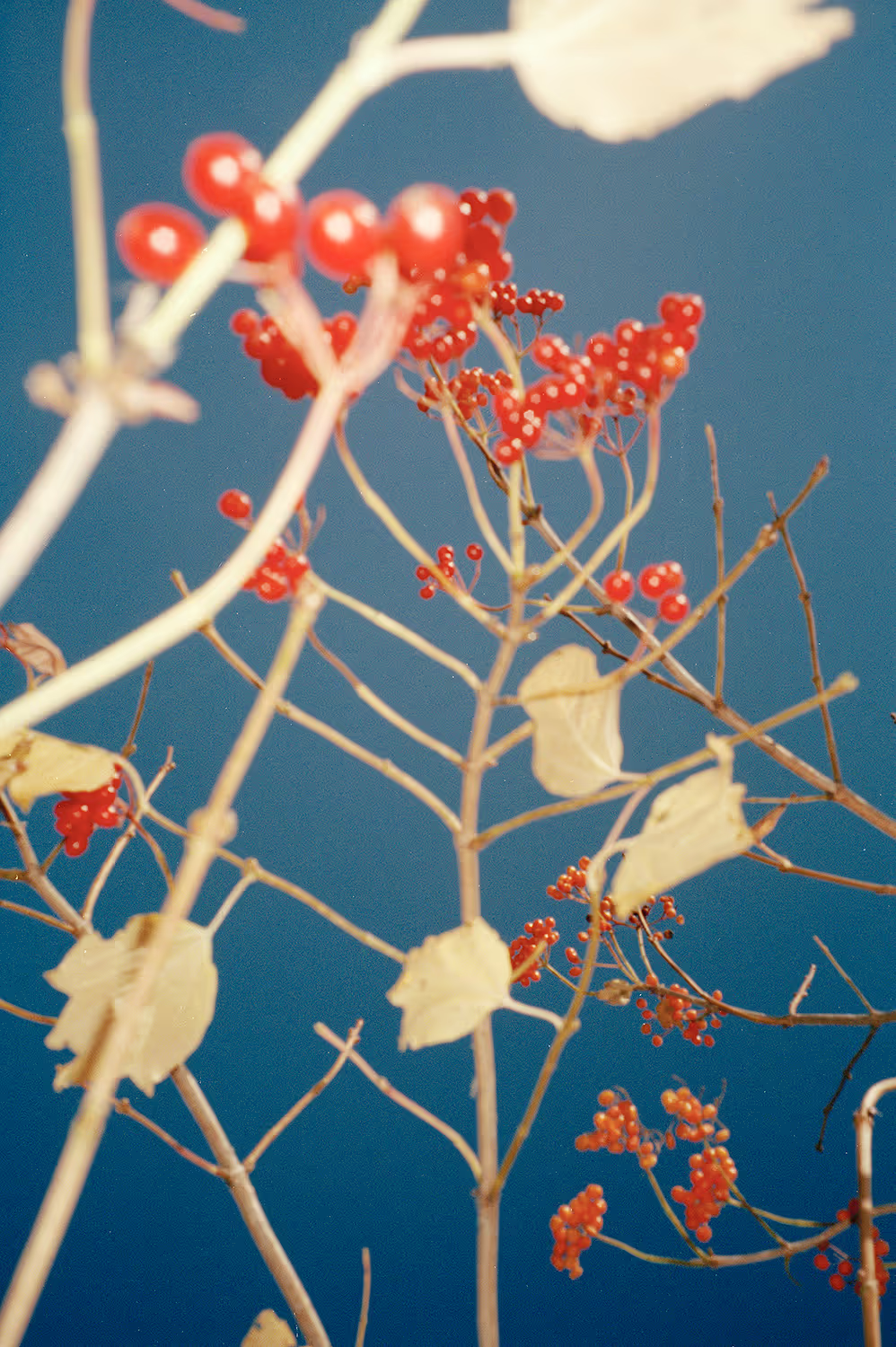
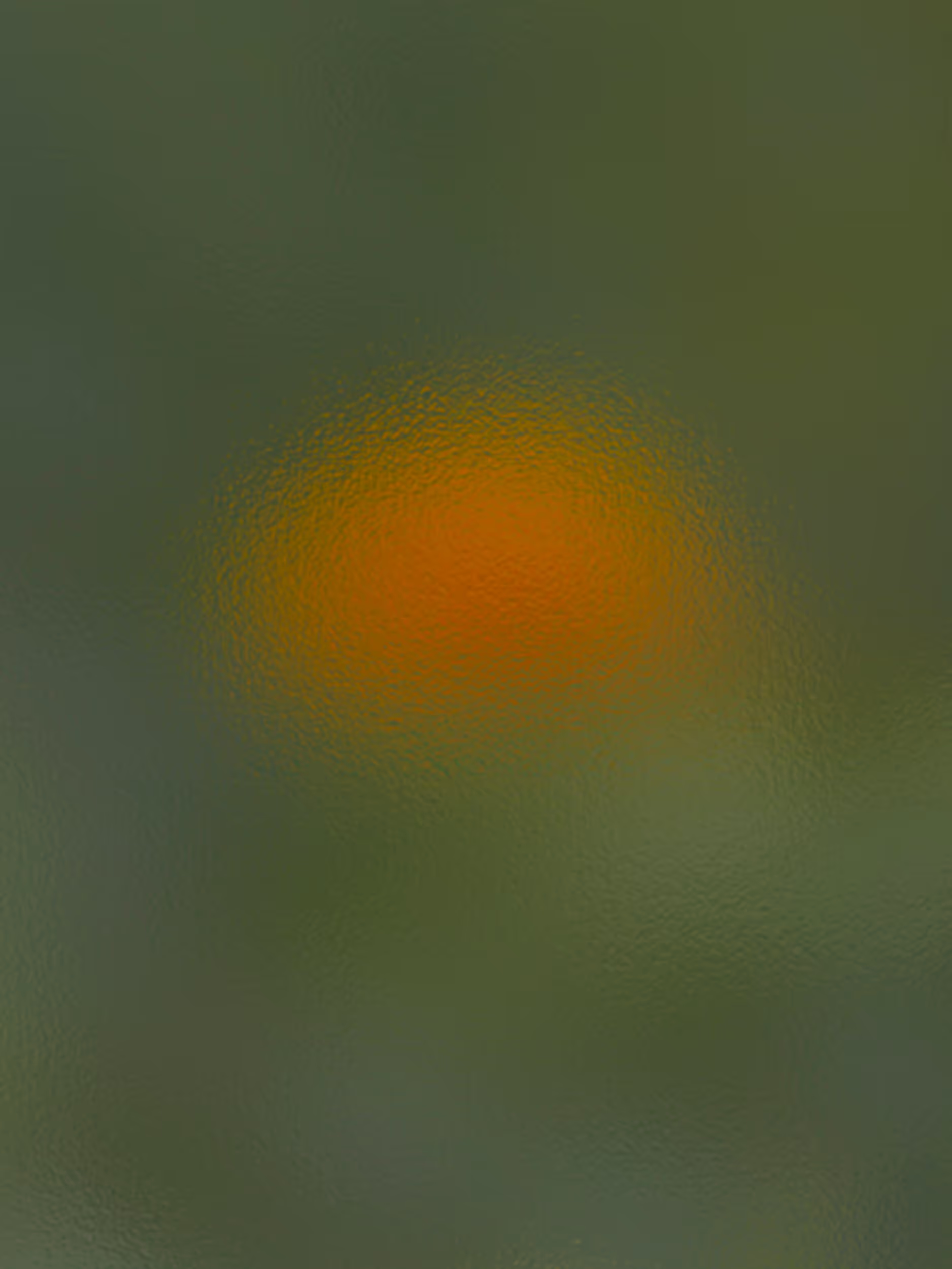
The act of naming presumes difference. The act of photographing presumes evidence. Yet when confronted with highly similar morphs, both systems of order begin to falter within their own logic. Working under fog and nightfall, using artificial light and often tightly framed compositions, he isolates these trees from their identifiable backdrop, and later re-configures them through collage and masking, to push the promise of the index to its threshold.
These images of pine trees echo one another, triggering the sensation of “it might be,” without ever arriving at the certainty of “it is.” In this unresolved zone between language and vision, they instead draw our attention to the man-made notion of boundaries we inherit: between species, nations, and selves.
During the era of international competition in species discovery, these three pines were successively named by an German botanist upon his return from an expedition to Imperial Japan, a Japanese botanist stationed in colonial Taiwan, and a Chinese botanist of the Republican period. Decades later, their classifications became a subject of dispute during the Cold War, as botanists debated whether they should be regarded as regional variants of a single species or remain distinct.
The act of naming presumes difference. The act of photographing presumes evidence. Yet when confronted with highly similar morphs, both systems of order begin to falter within their own logic. Working under fog and nightfall, using artificial light and often tightly framed compositions, he isolates these trees from their identifiable backdrop, and later re-configures them through collage and masking, to push the promise of the index to its threshold.
These images of pine trees echo one another, triggering the sensation of “it might be,” without ever arriving at the certainty of “it is.” In this unresolved zone between language and vision, they instead draw our attention to the man-made notion of boundaries we inherit: between species, nations, and selves.
No items found.
The Artist

Andong Zheng
Nominated in
By
FOTODOK
Lives and Works in
Rotterdam
Andong Zheng (1992, China) lives and works in Rotterdam, NL. With a hybrid background in engineering and fine art, Zheng was trained to focus on micro details within rigid causal frameworks, yet he often found himself questioning the macro structures they sustain. His work explores how seeing itself becomes a site of epistemological asymmetry. For him, image-making is less about mapping established knowledge systems than about dismantling and reconfiguring them, a way of engaging with the gaps, ambiguities, and contradictions that lie between these systems and the world. Through this practice, he seeks to open up new ways of knowing that traverse rationality.
Zheng was shortlisted for the Jimei x Arles Discovery Award (2024) and musée du quai Branly - Jacques Chirac Photography Award (2025). His work has also been featured in publications such as The Routledge Companion to Photography, Representation and Social Justice, British Journal of Photography, and Chinese Photography.
Zheng was shortlisted for the Jimei x Arles Discovery Award (2024) and musée du quai Branly - Jacques Chirac Photography Award (2025). His work has also been featured in publications such as The Routledge Companion to Photography, Representation and Social Justice, British Journal of Photography, and Chinese Photography.
More projects by this artist
No other projects...
Similar projects by everyone else















Newsletter