Piccole Passioni
Emma Tholot
Nominated by
Centre photographique Rouen Normandie
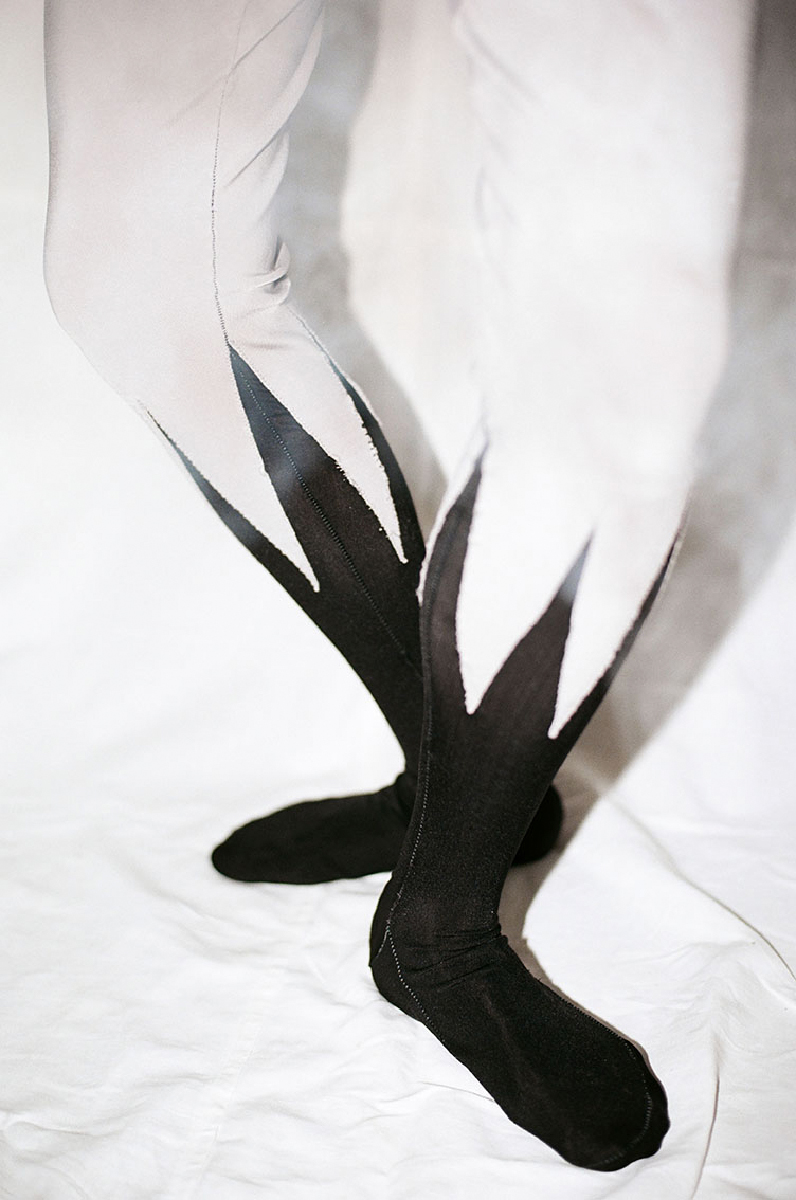
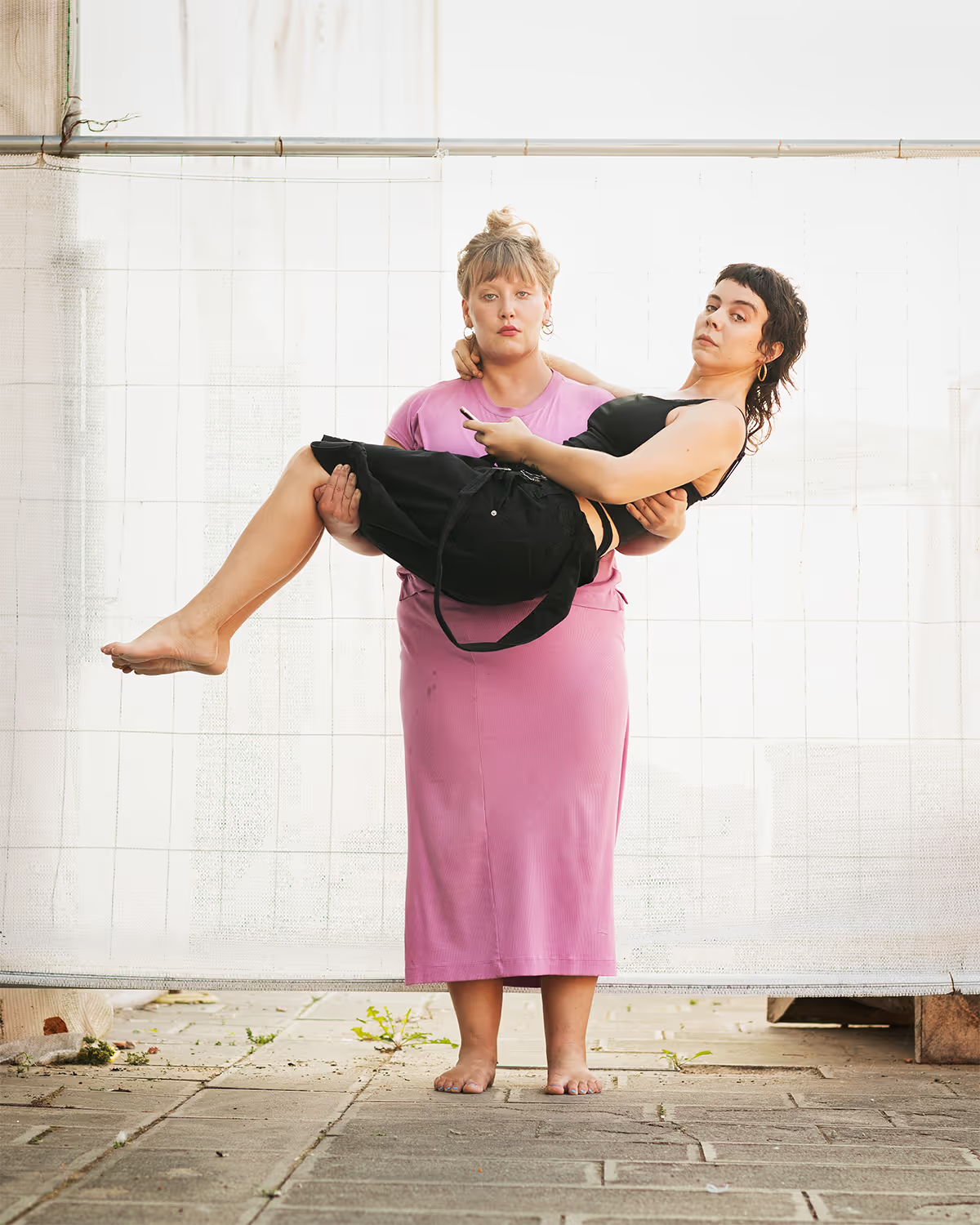
Baroque means “irregular pearl,” from the Portuguese Barocco. If it is irregular, it embodies caprice, fantasy, and freedom of invention. In an era of doubts and fears, the convulsive and exalted art of the Baroque emerged. If it still moves us today, isn’t it because, in the face of disaster and terror, we feel far from safe? The example of Naples, a city resistant to bourgeois order, embodies the Baroque intuition. The very feeling of life, the hereditary memory of volcanic eruptions and earthquakes, the fear of death, the gesticulation, the union of the funereal and the voluptuous, the theatricalization of every moment of existence… the restless, feverish, and superstitious city prefers what pleases to what is certain.
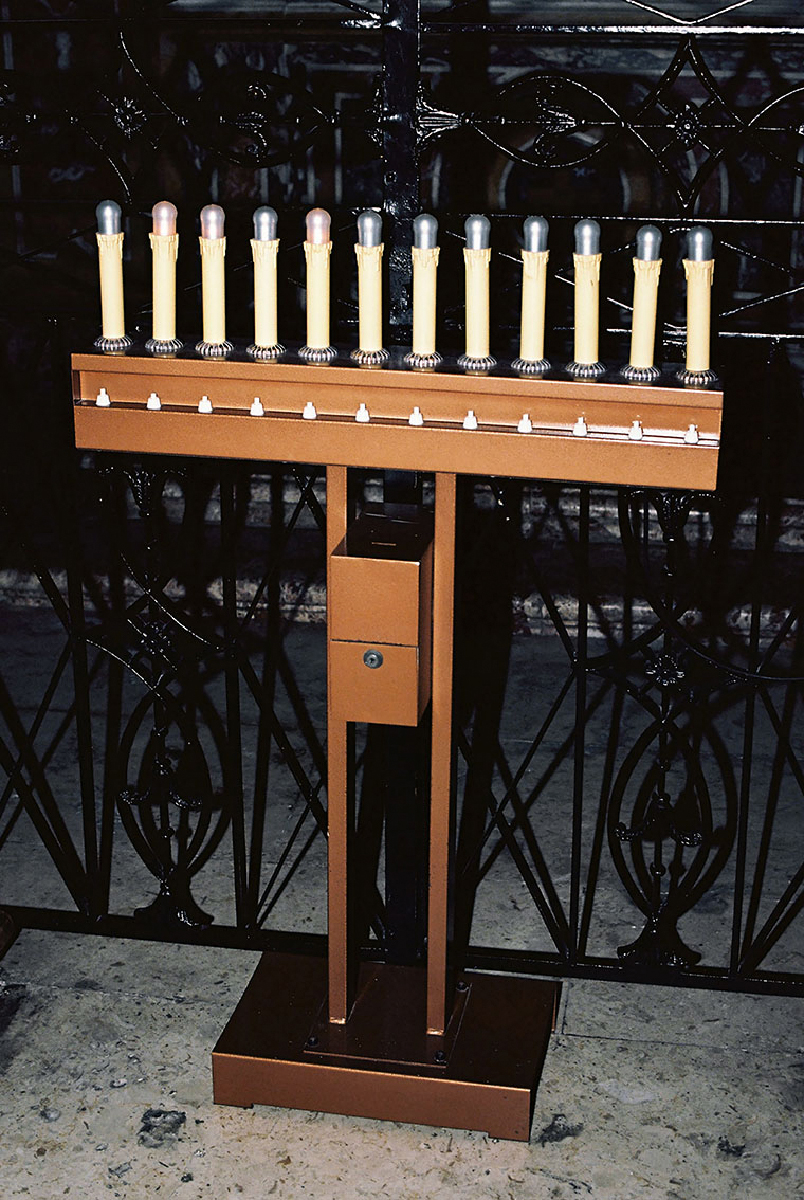
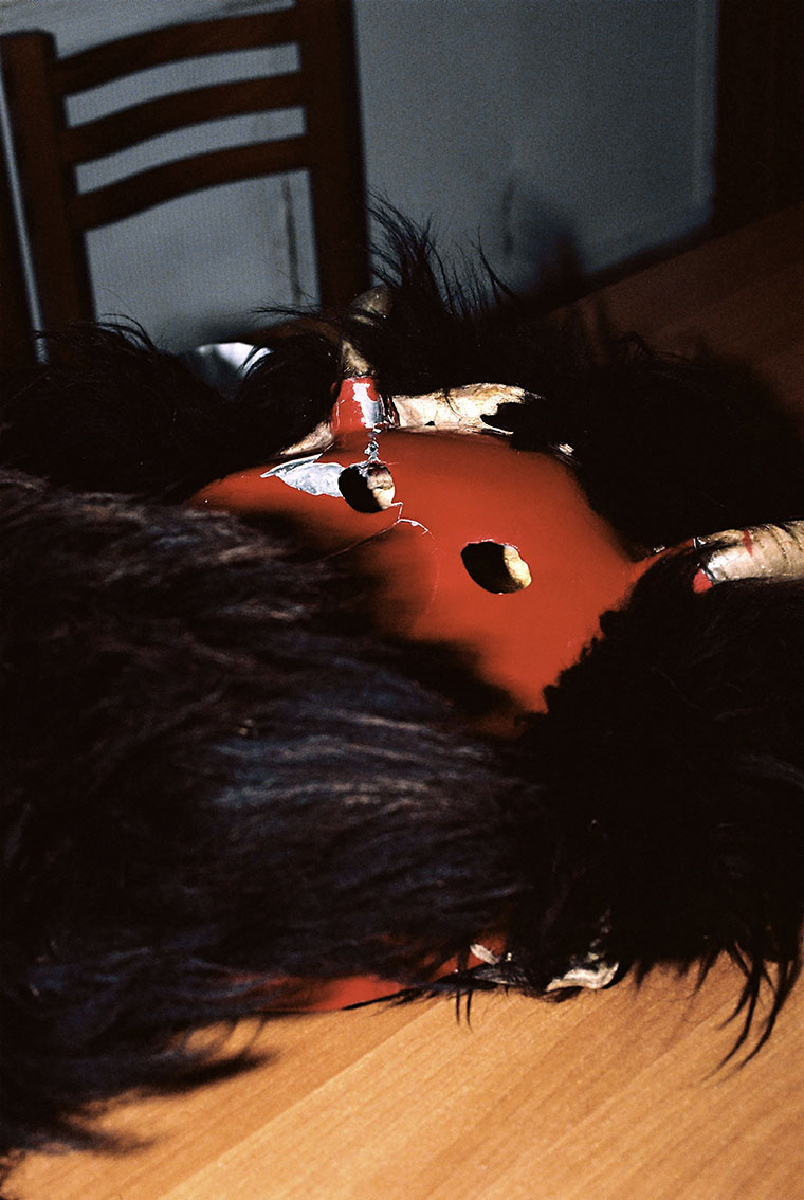
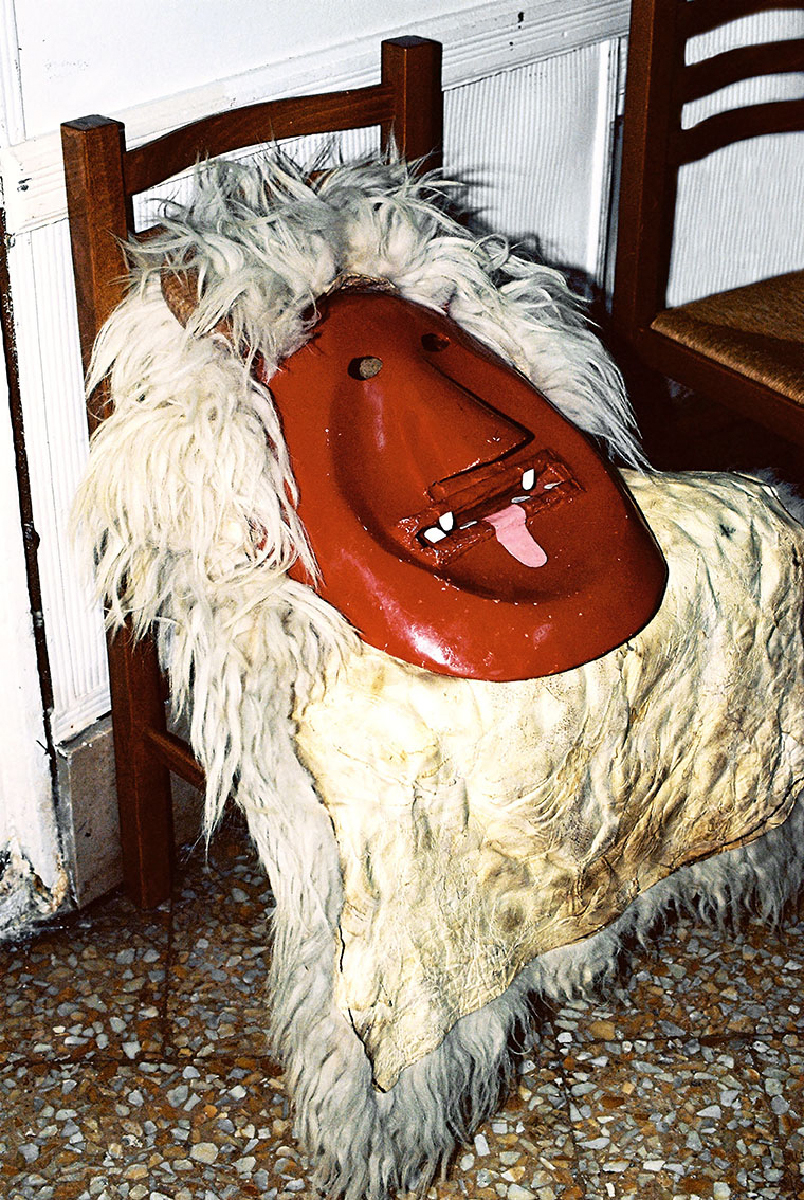
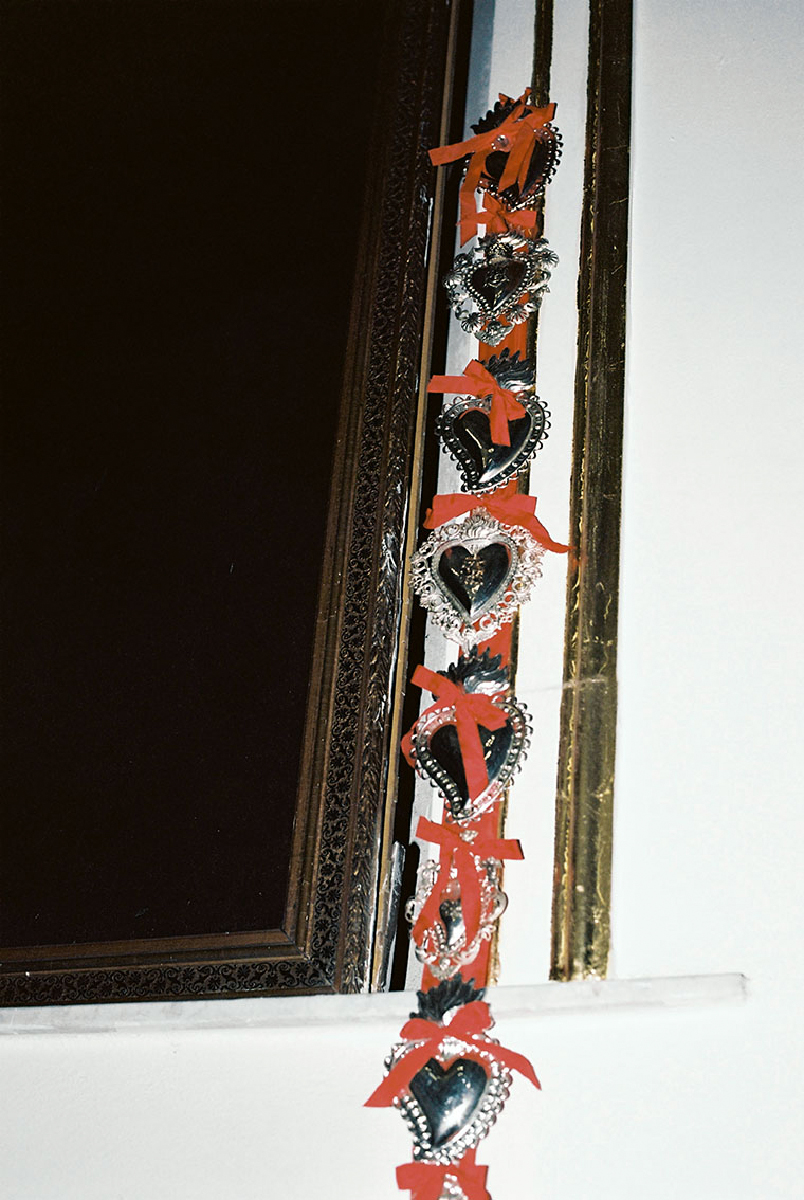
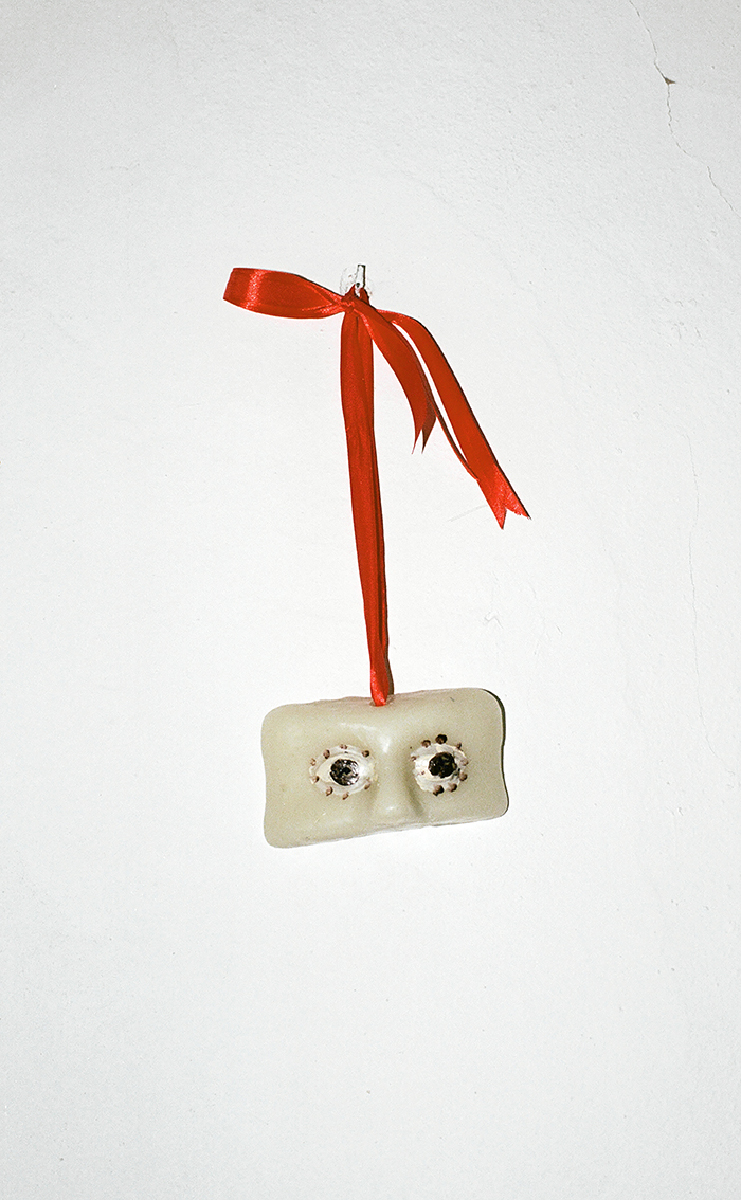
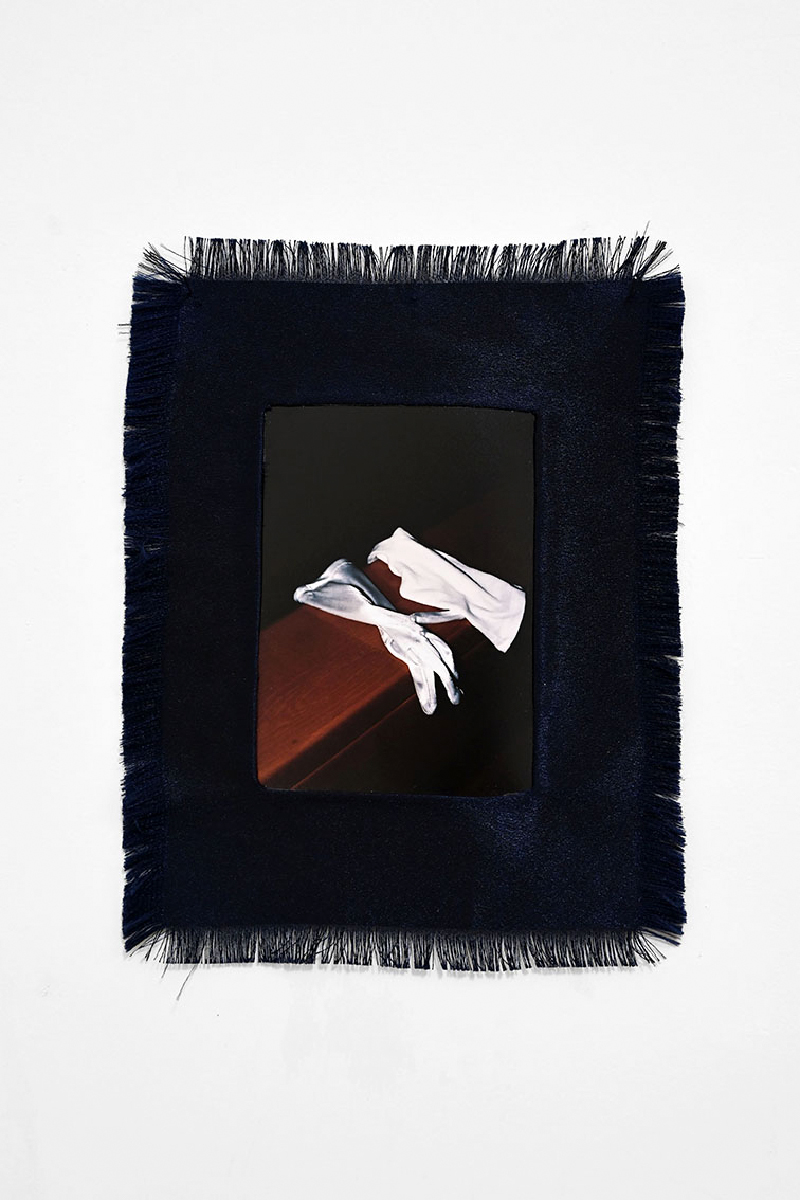
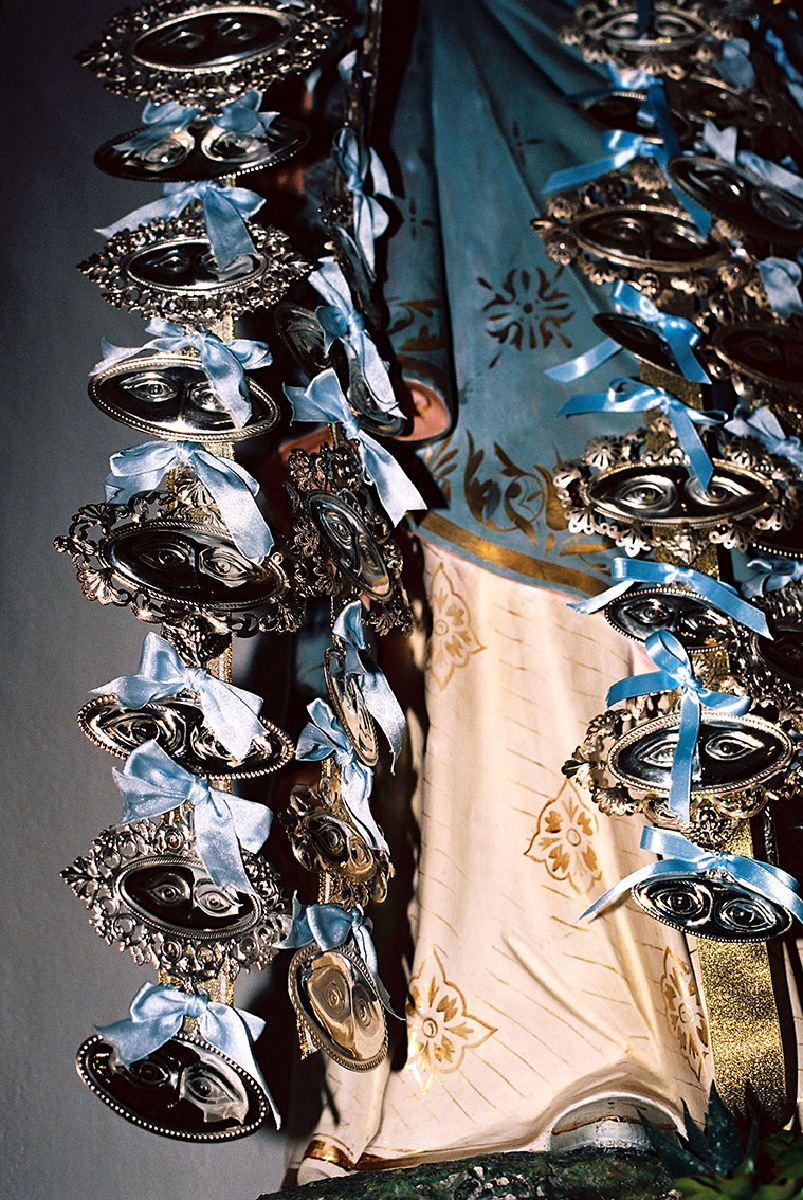
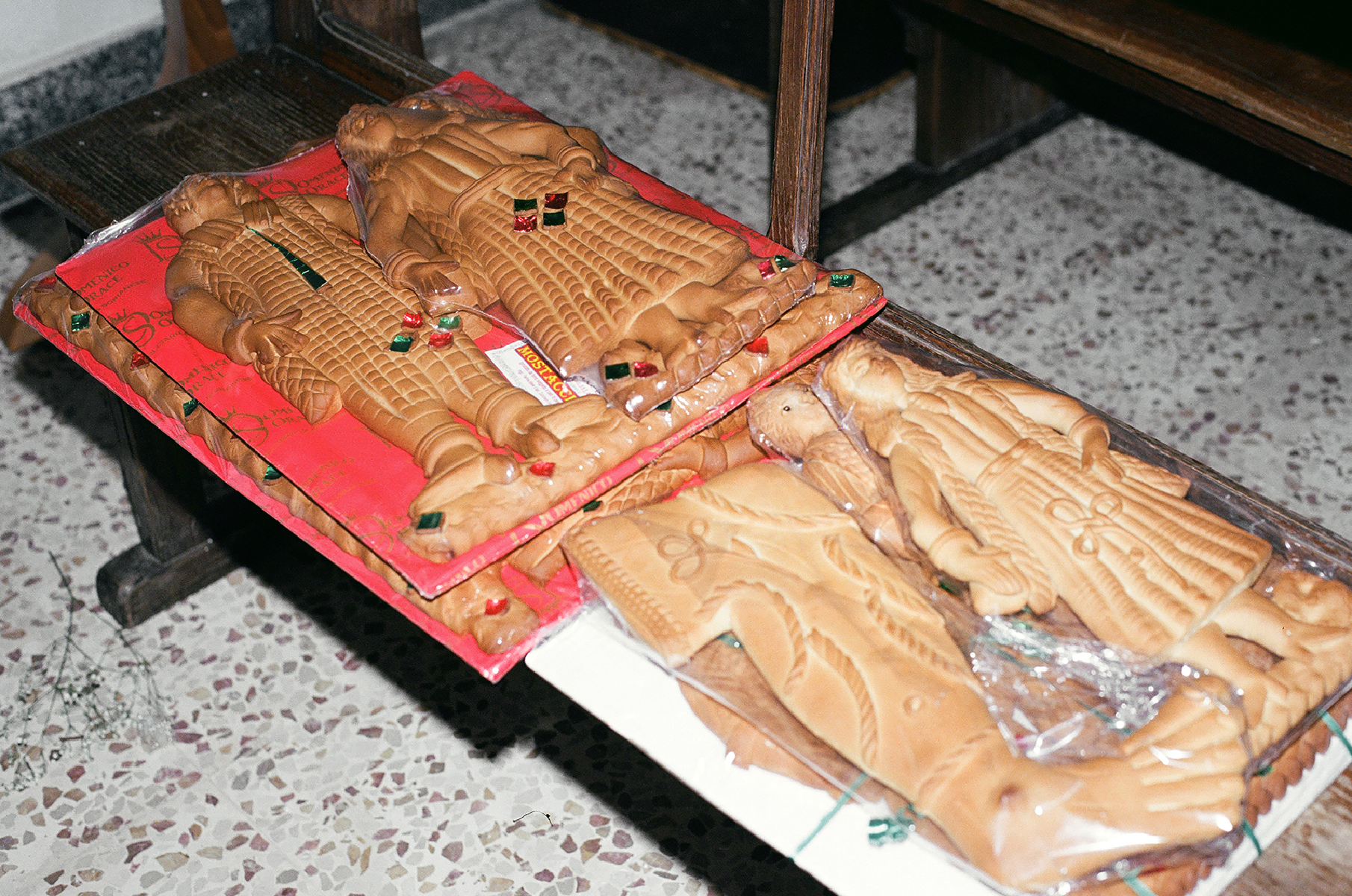
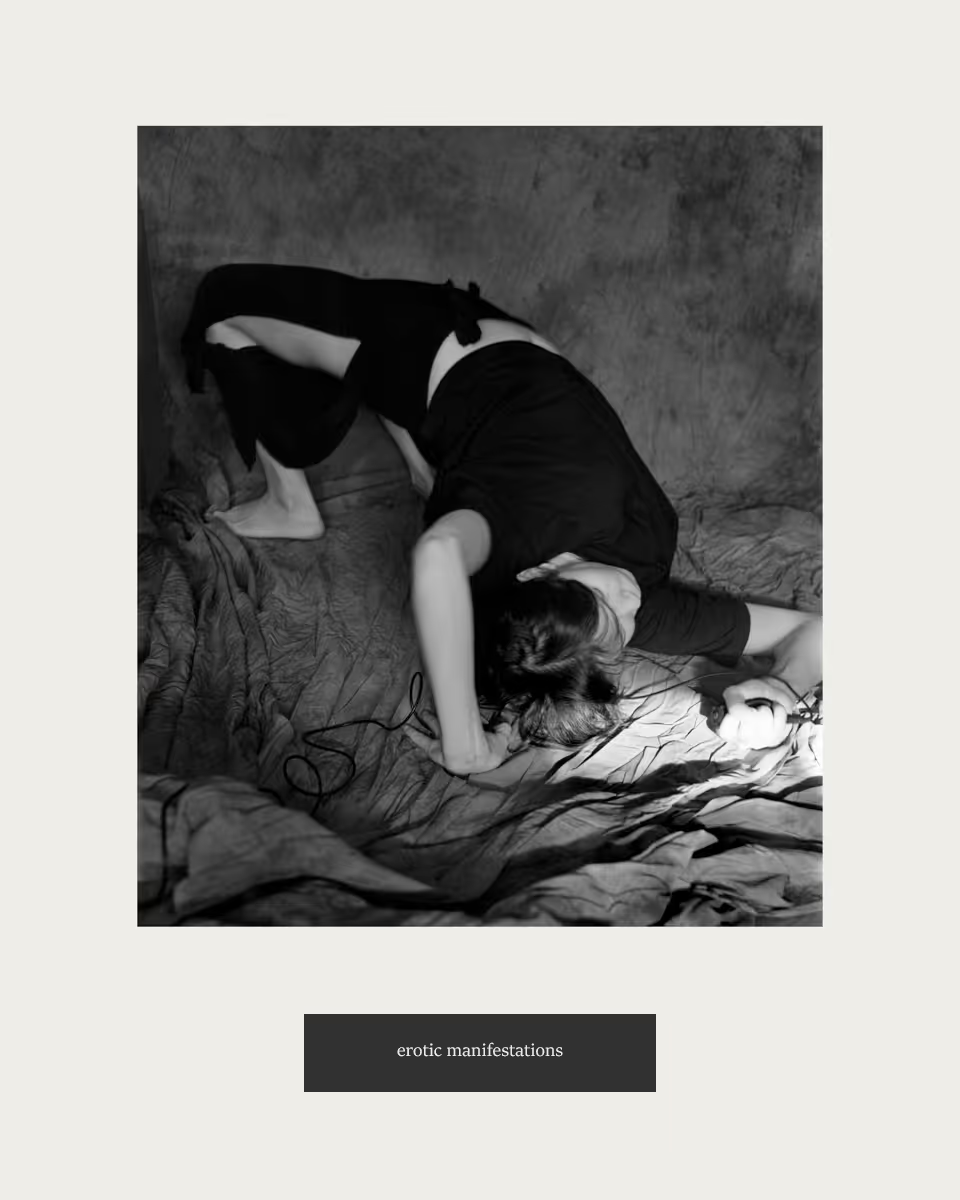
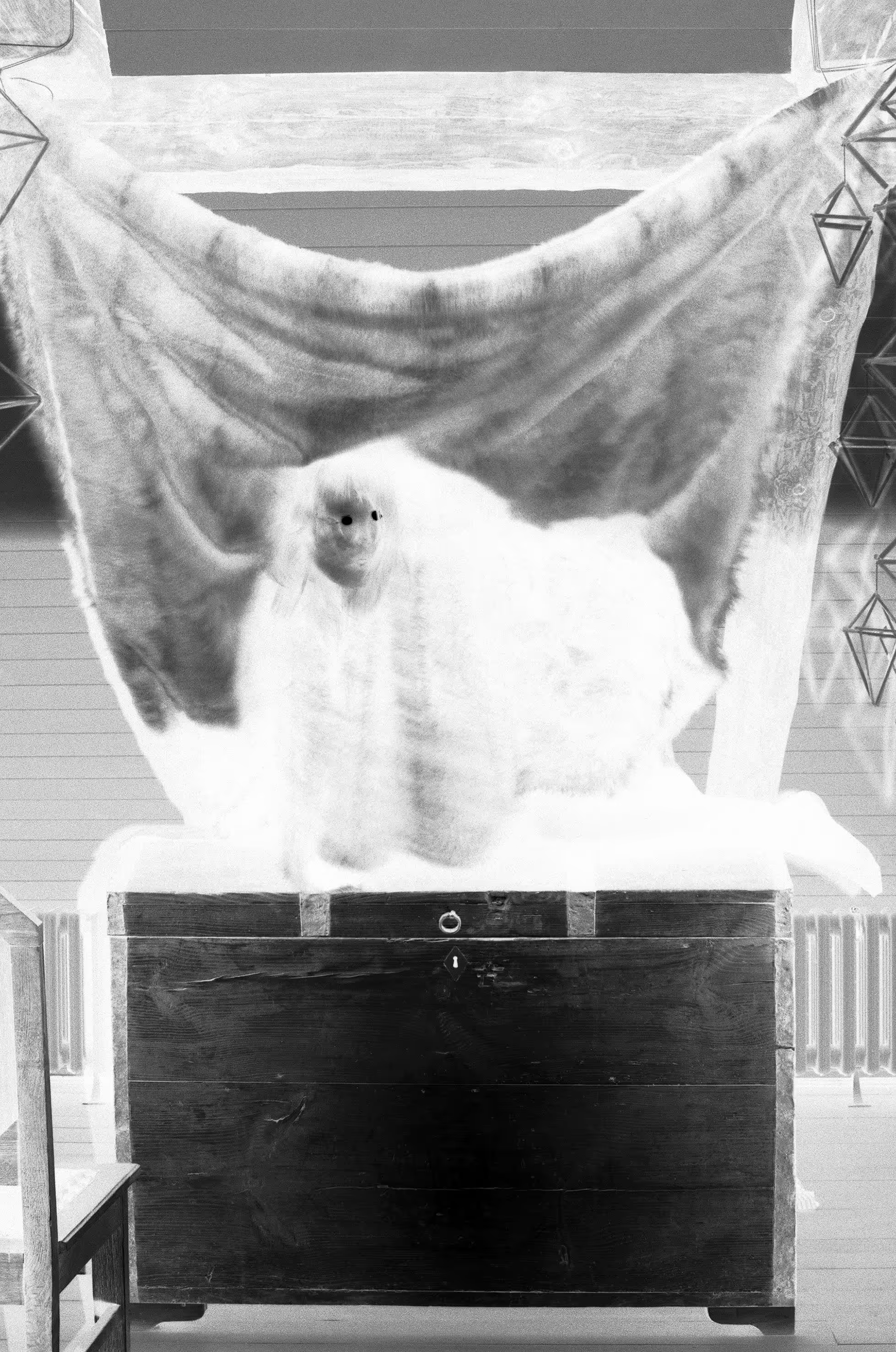
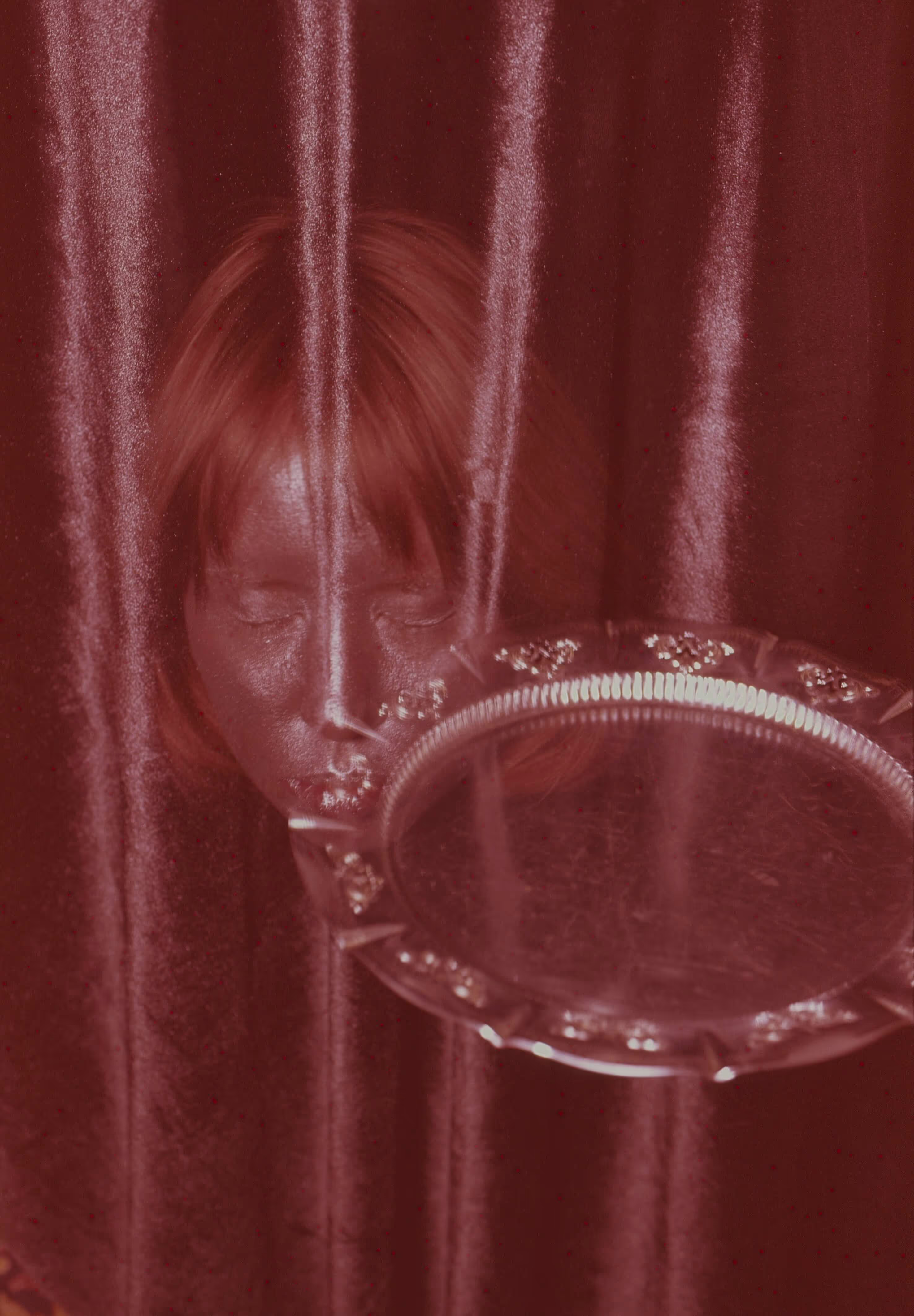
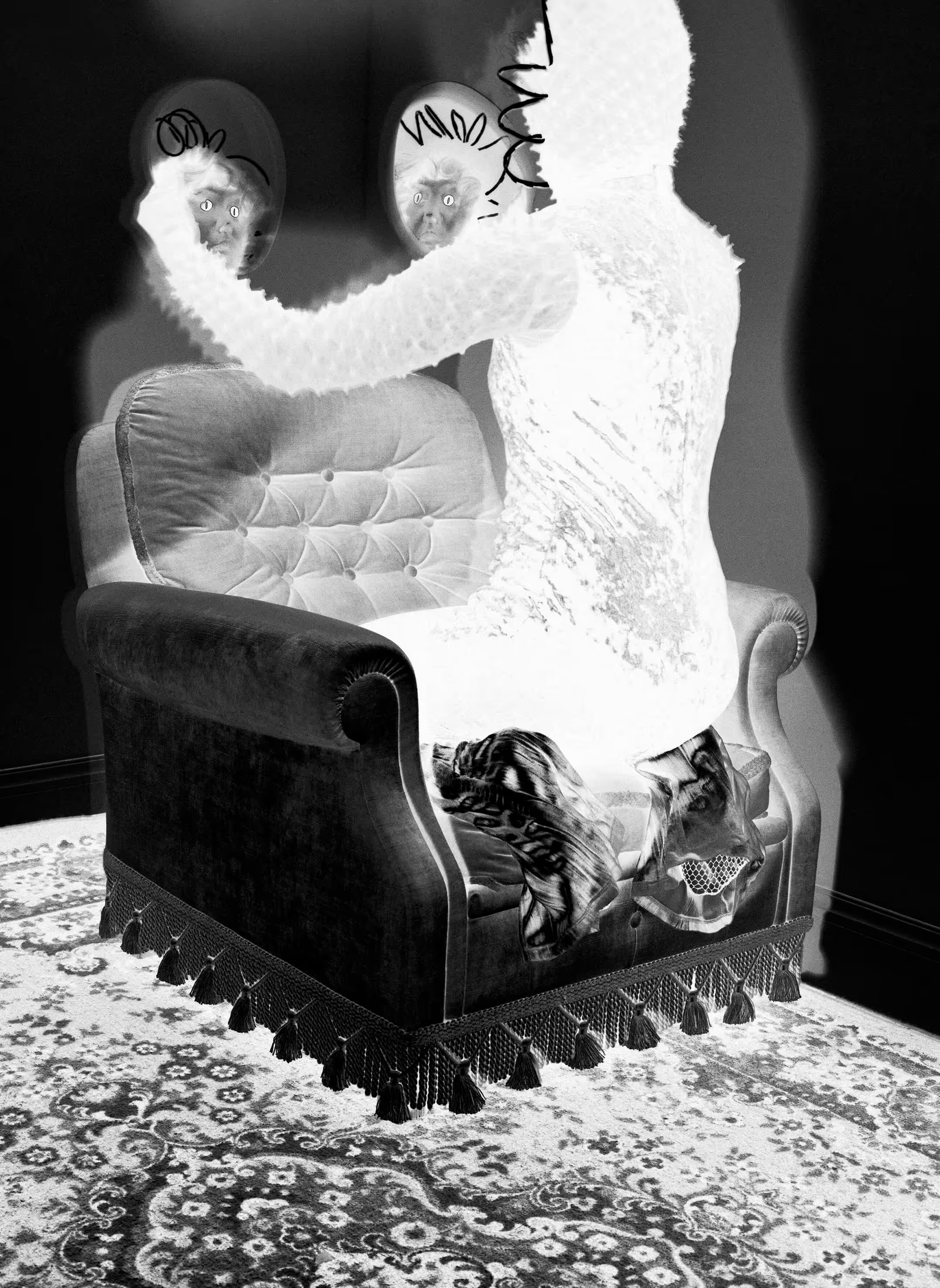
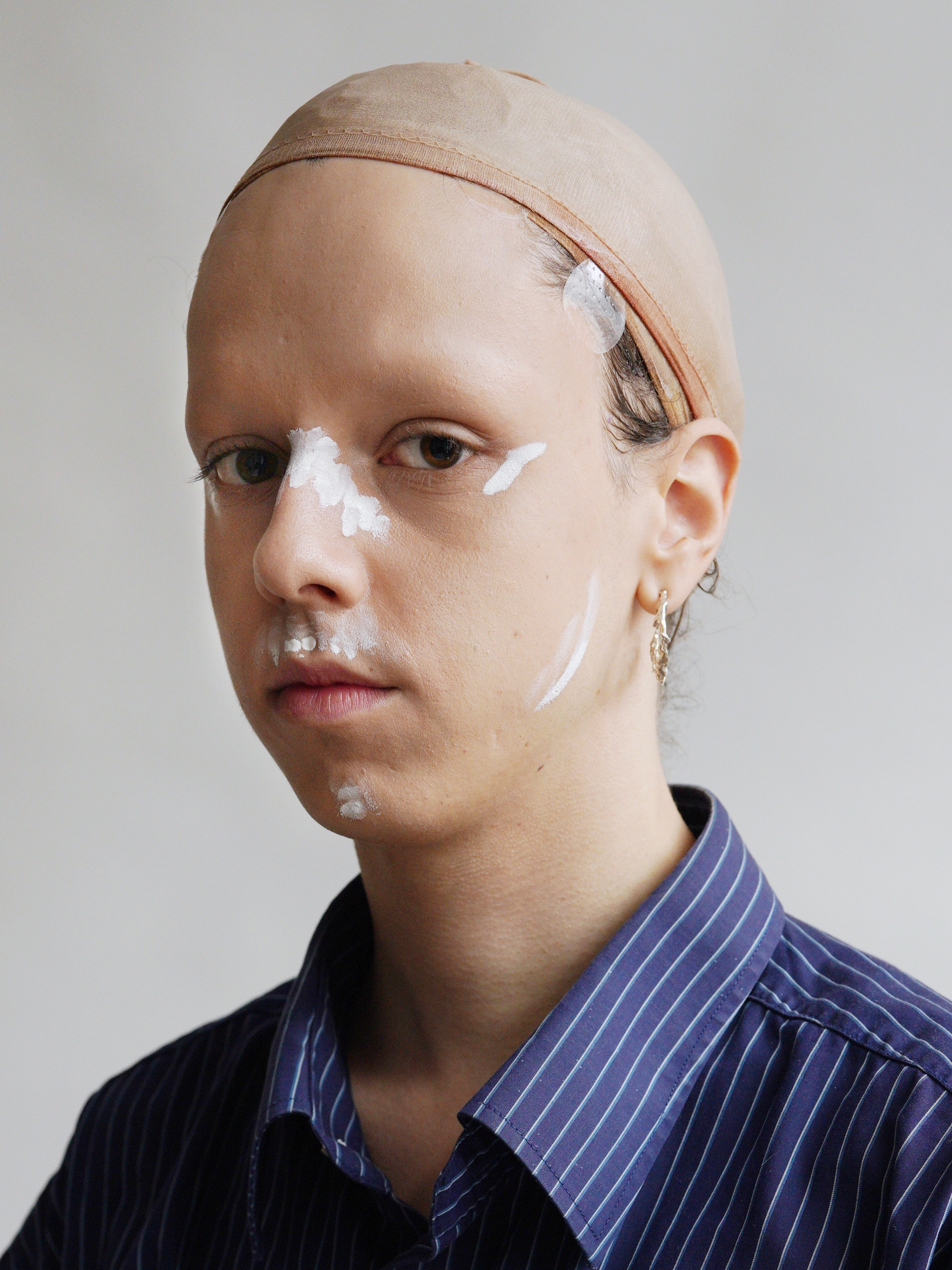
Through Piccole Passioni, the aim is to explore a contemporary relationship to belief, superstition, and collective and individual fears, but also to the performance of the self in an era marked by spectacle. This work examines the intensity of signs, the passages between visible and invisible, between sacred and profane. It is rooted in an interest in the aesthetics of the Italian Baroque and its key motifs: the mask, the veil, concealment, identity in perpetual transformation. Beneath the mask, behind the veil, a paradoxical truth emerges: we are never more ourselves than in metamorphosis.
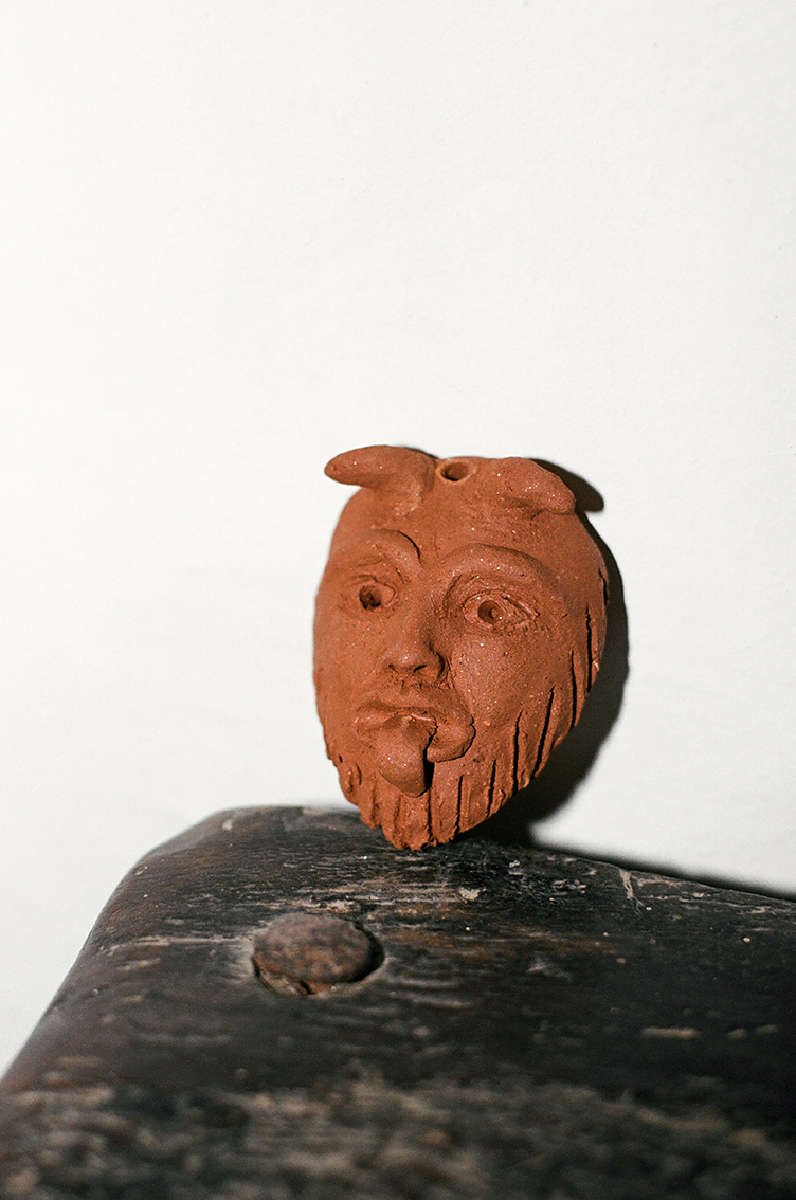
A non-exhaustive list of Baroque motifs: stars, eggs, bulls, rural and marine landscapes, angels with butterfly wings, flies, masks, garlands, pearls, festoons, veils, clouds, capitals, rosettes, shells, she-wolves, flames, atlantes, putti, silver fish, horses, cherubs, meringues, syrups, plaster, cream.
Nothing that concerns the mouth should remain foreign.
No items found.
The Artist
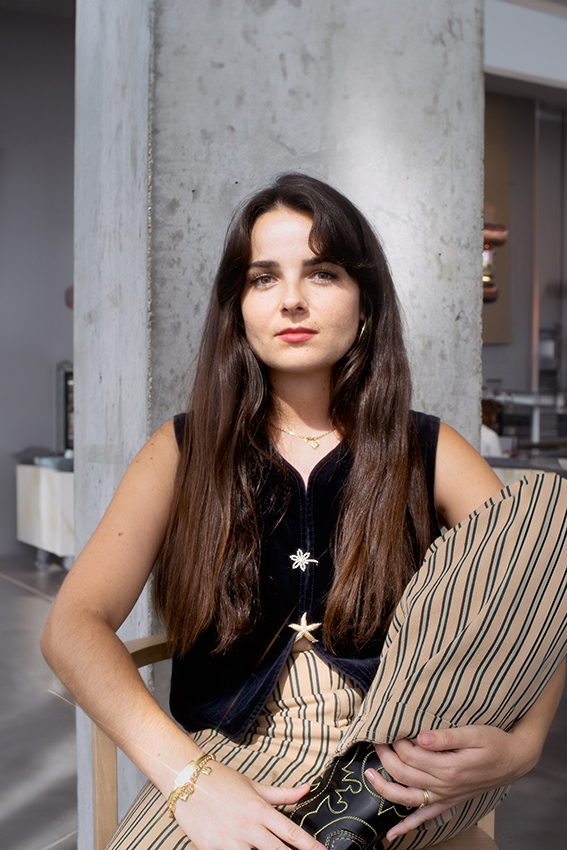
Emma Tholot
Nominated in
2026
By
Centre photographique Rouen Normandie
Lives and Works in
Marseille
Emma Tholot is a visual artist and photographer. Her multifaceted practice combines photography, video, textile, wax, and metal, exploring how images, materials, and objects connect intimacy with collective staging. Her work draws on daily and ancestral rituals as well as a family heritage, intertwining the memory of heterotopic spaces, the materiality of desire, and systems of belief. From costumes to ex-voto, through references to theater, carnival, circus and their archetypal figures, everything points toward the baroque idea of a display of affects that puts into crisis the established order. Through stratification, veiling, and photographic transfers, her work presents images in a fragile, ghostly state, suspended between appearance and disappearance. Born in Saint-Étienne in 1994, she graduated from the École nationale supérieure des Arts Décoratifs, Paris (2020), the Accademia di Belle Arti di Roma (2018), and the École d’art d’Annecy (2016).
More projects by this artist
2025
Forever Blur
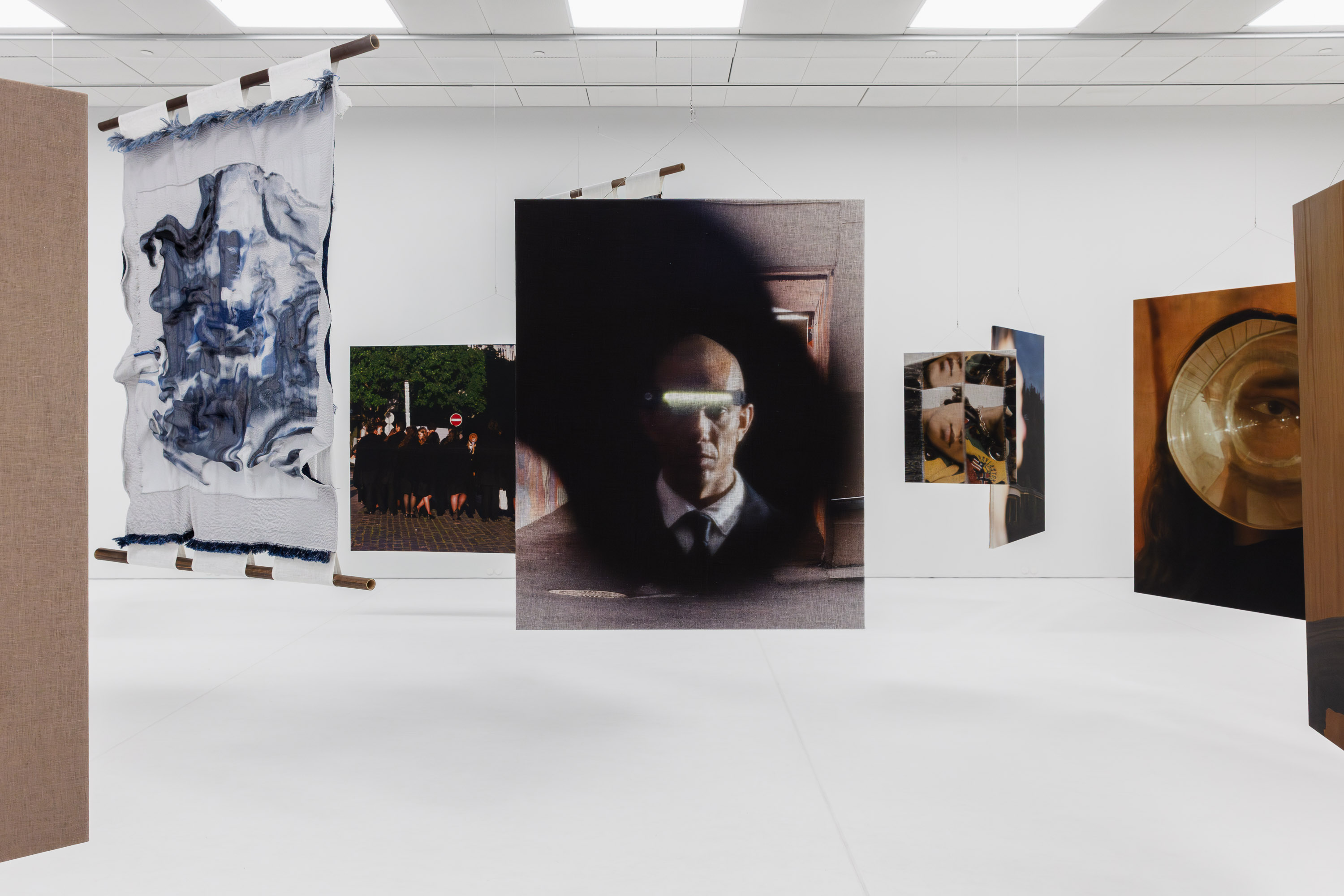
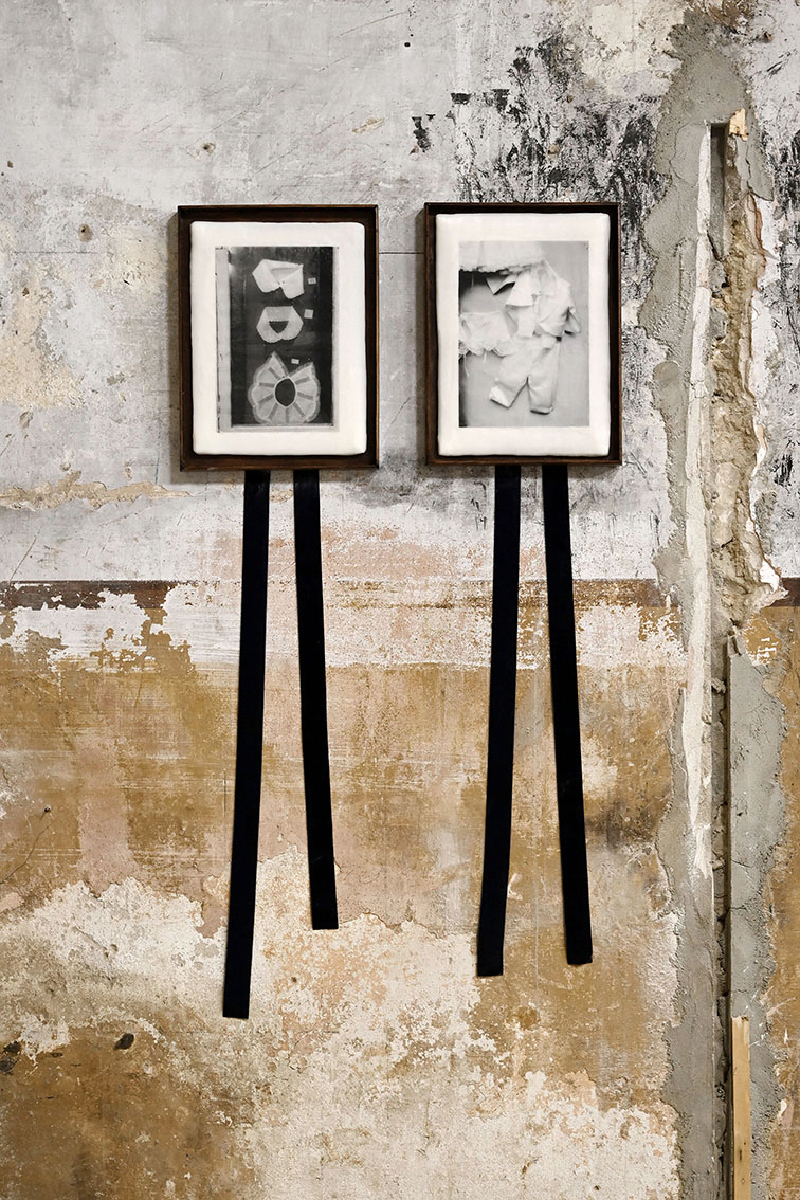
Forever Blur is an ongoing series that examines contemporary dispositifs of belief and memory. By slowing down the regime of photographic visibility, the project proposes a sensorial experience of the image as an object of vigilance, projection, and reminiscence.
The series explores intermediary spaces - dressing rooms, backstage areas, sites of withdrawal -conceived as transitional zones imbued with intimate and collective traces. Positioned on the margins of dominant narratives, these spaces function as everyday heterotopias: devoid of bodies yet inhabited by memory. Nourished by a utopian, magical imagination rooted in the visions of a clairvoyant grandmother, they become sites of (re)claiming power - symbolic, individual, collective, and political - where the plastic work unfolds as a moving memory, shaped by reuse, ambiguity, and resonance.
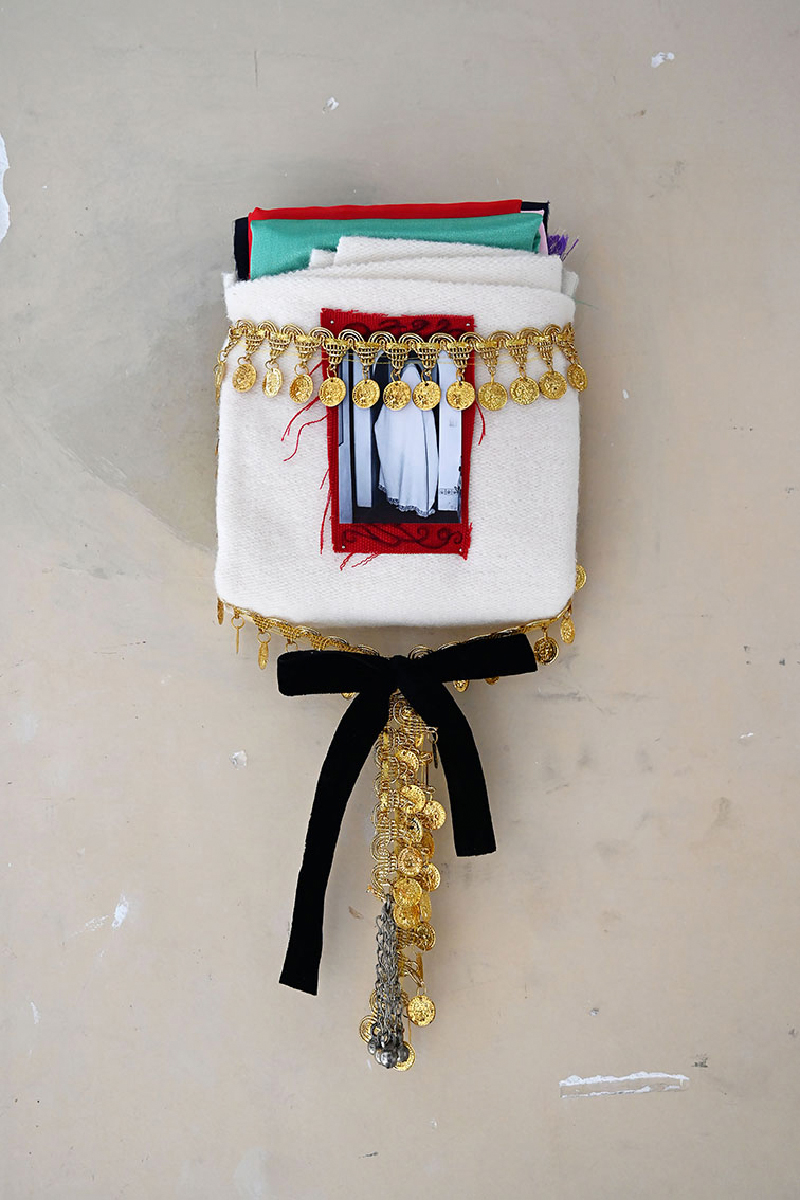
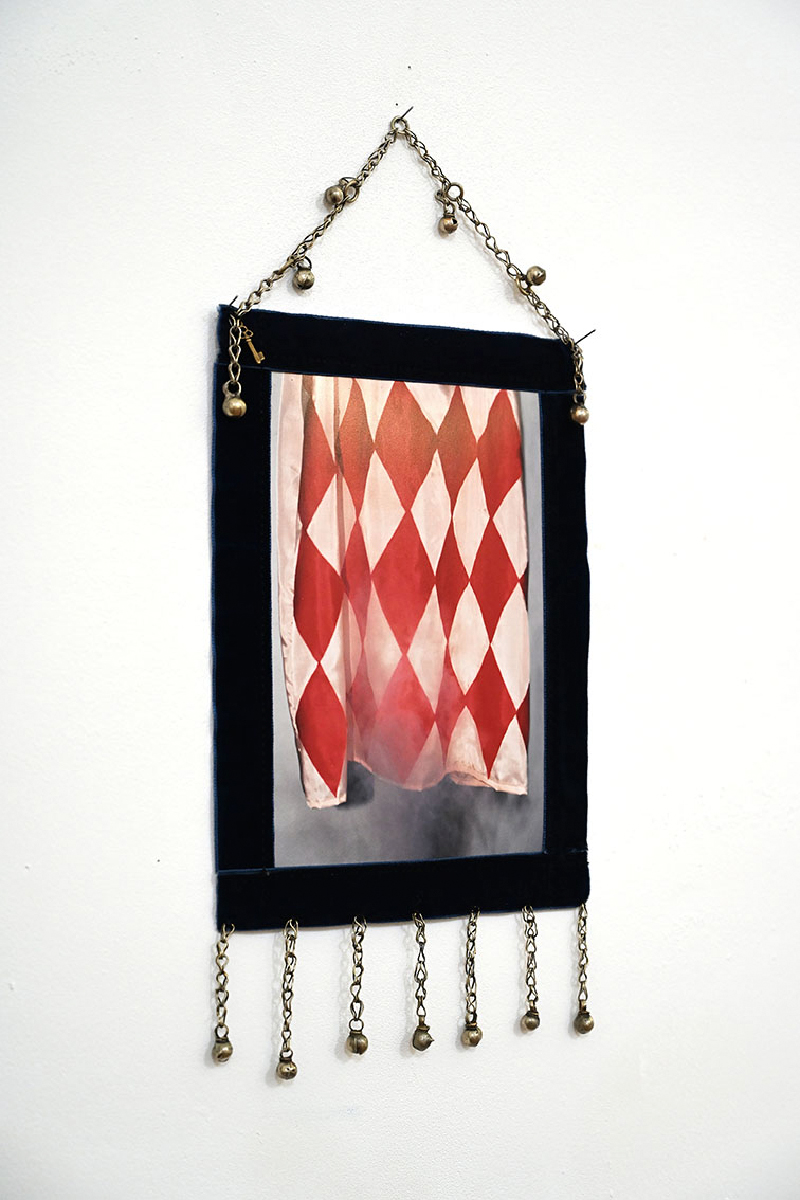
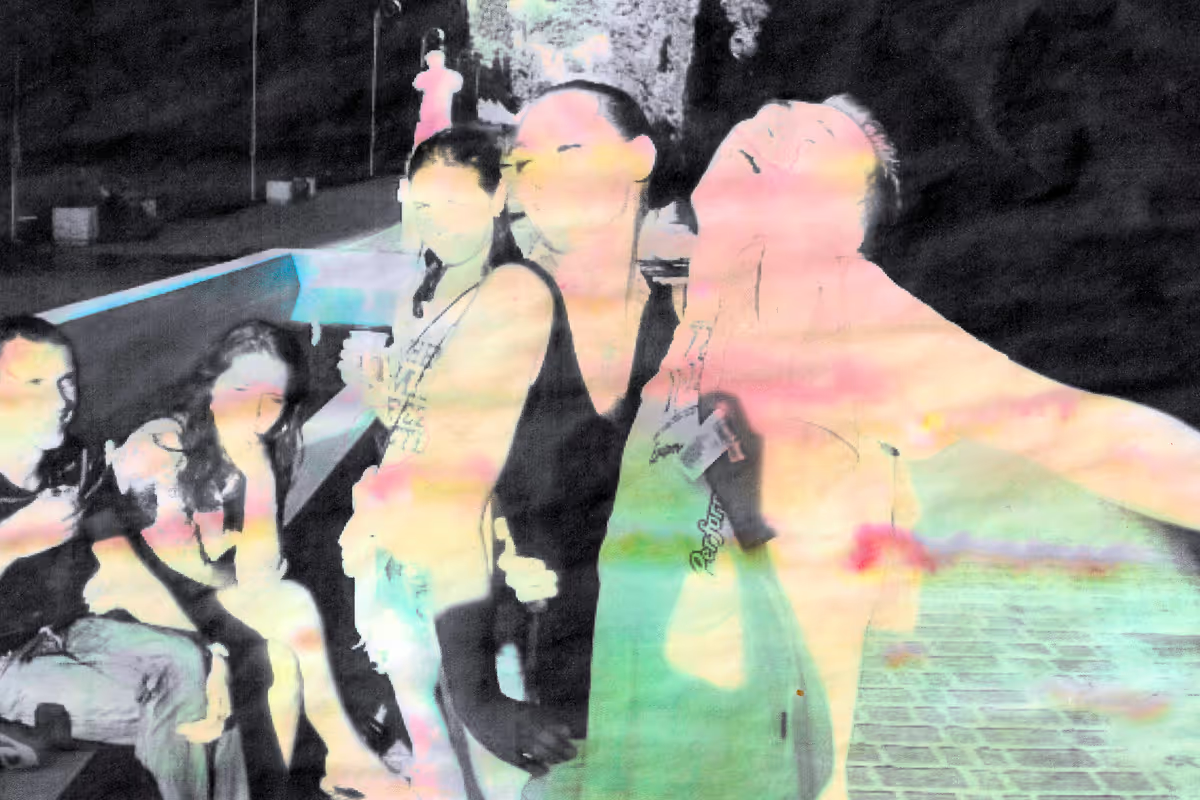
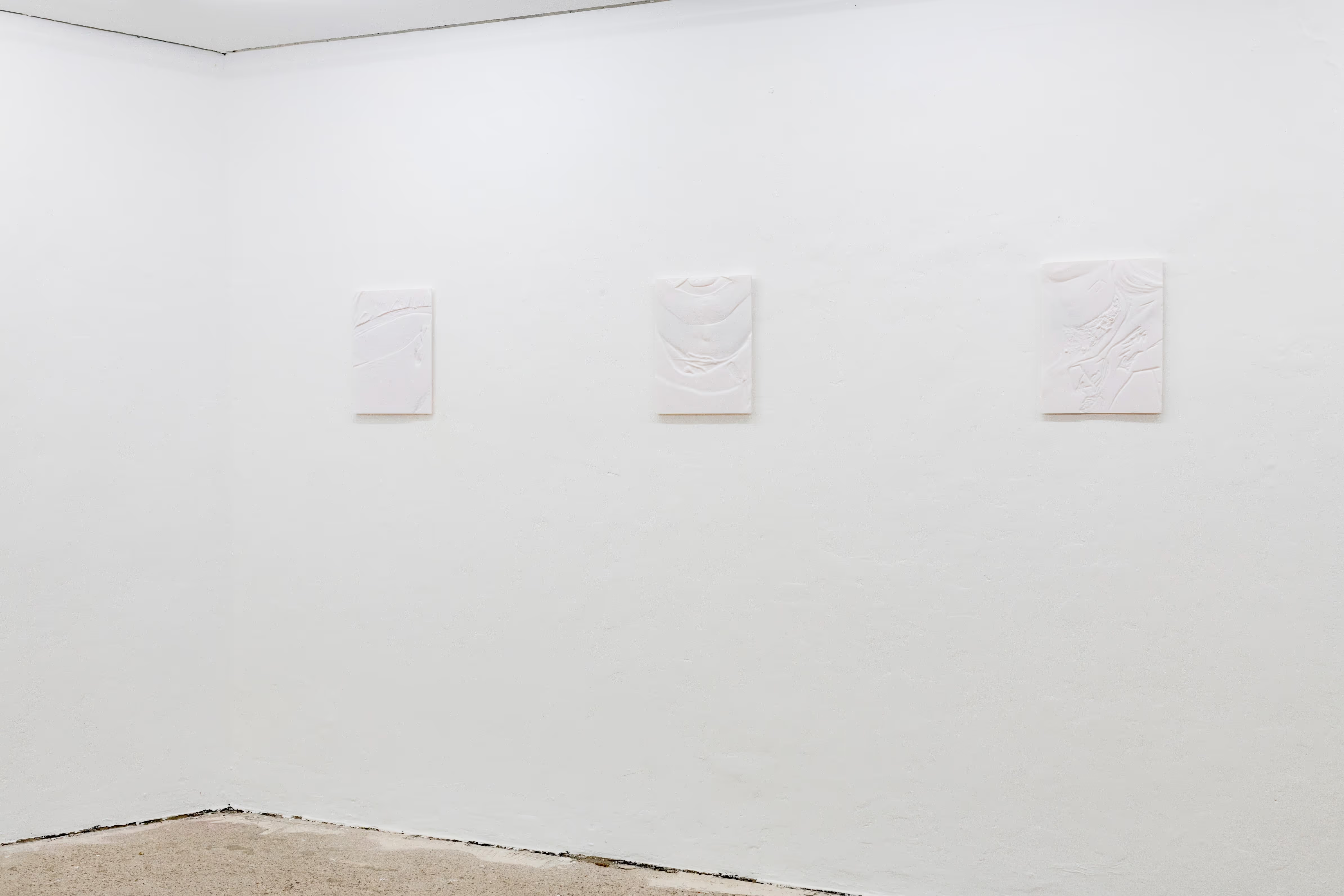
Through photographic transfers onto wax and textile, the project develops objects situated between image, sculpture, and costume. The images stage veils, garments, puppets, ribbons, and armor, conceived as second skin. Wax, an organic, sensitive material close to the body, slows the image down, holding it in a fragile state of appearance, between revelation and dissolution. Textile, as a supple and porous support, extends this relationship to the body: it absorbs, distorts, and inscribes the image within a domestic and ritual register.
Inspired by wax ex-voto from Southern Italy, this work conceives photography as a deposit, not as proof of an event, but as the survival of a presence. In dialogue with the writings of Georges Didi-Huberman, the image is understood as an intermittent apparition, traversed by layers, folds, and erasures. Through plays of thickness, stratification, and opacity, the transfer technique intensifies the image’s ghostly, spectral dimension.
Similar projects by everyone else
















%2520se%2520elas%2520houverem%252C%2520a%2520gente%2520vai%2520tira%25CC%2581-las%25E2%2580%259D_001.avif)


Newsletter