Unmistakably You
Dev Dhunsi
Nominated by
Dev Dhunsi
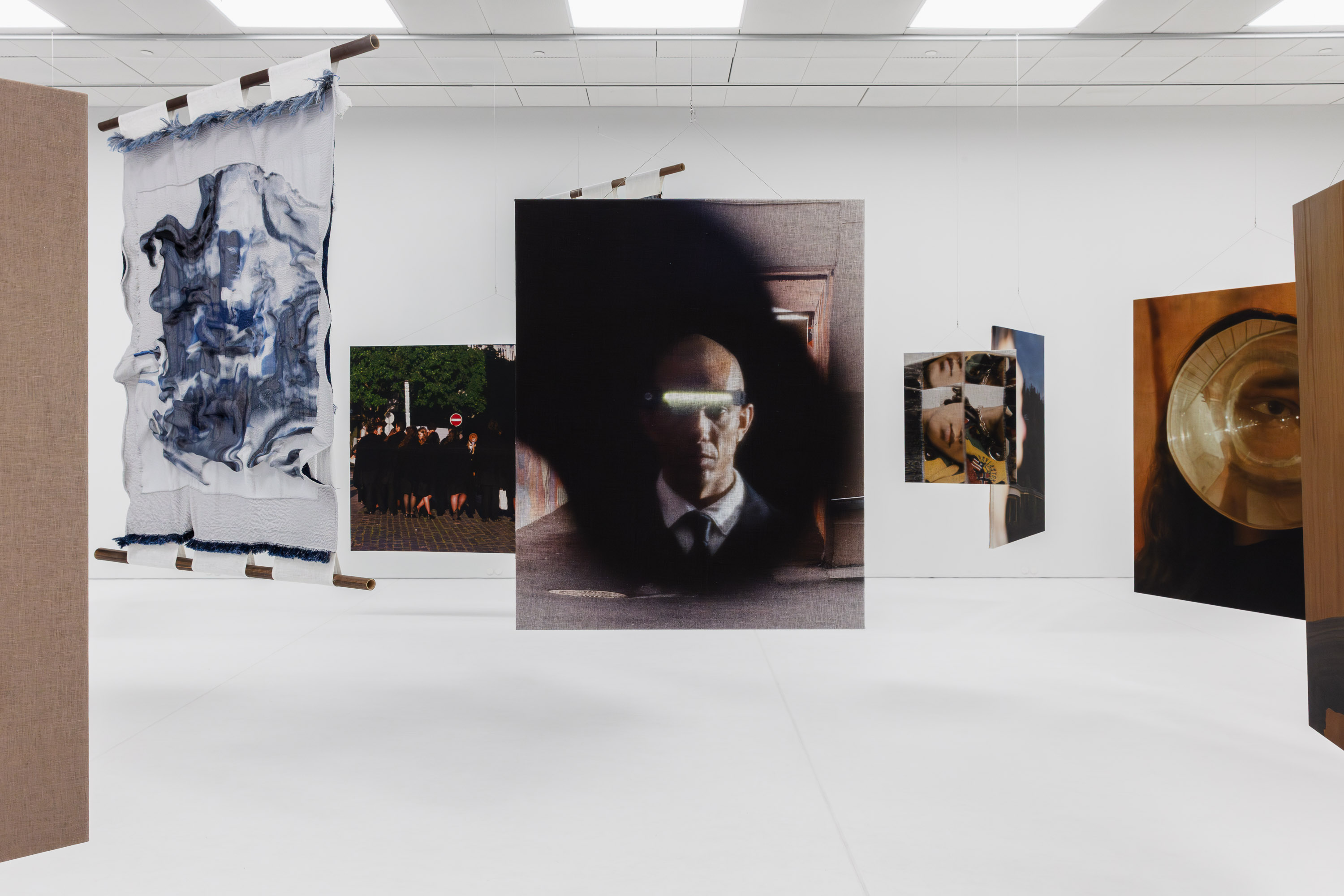
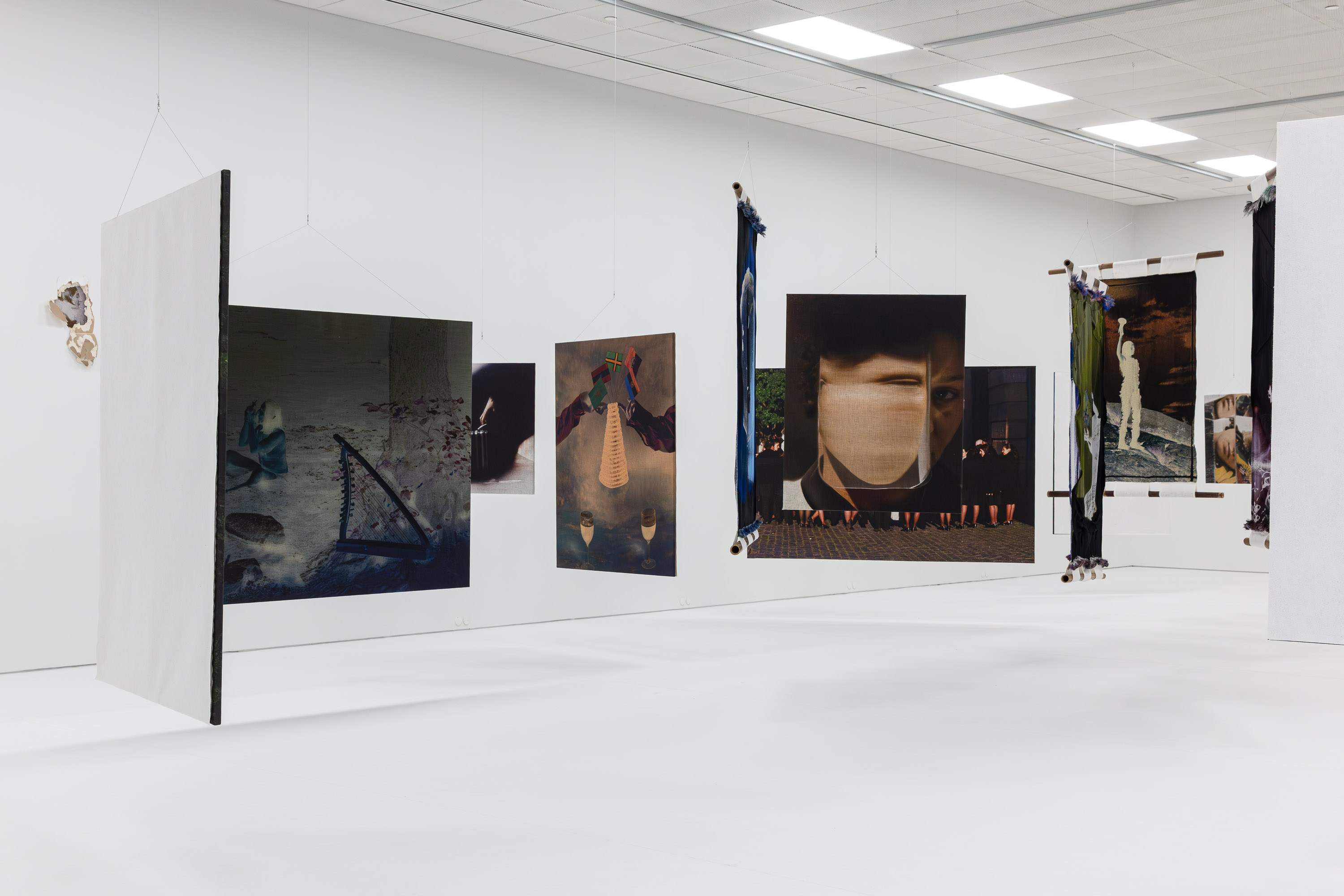
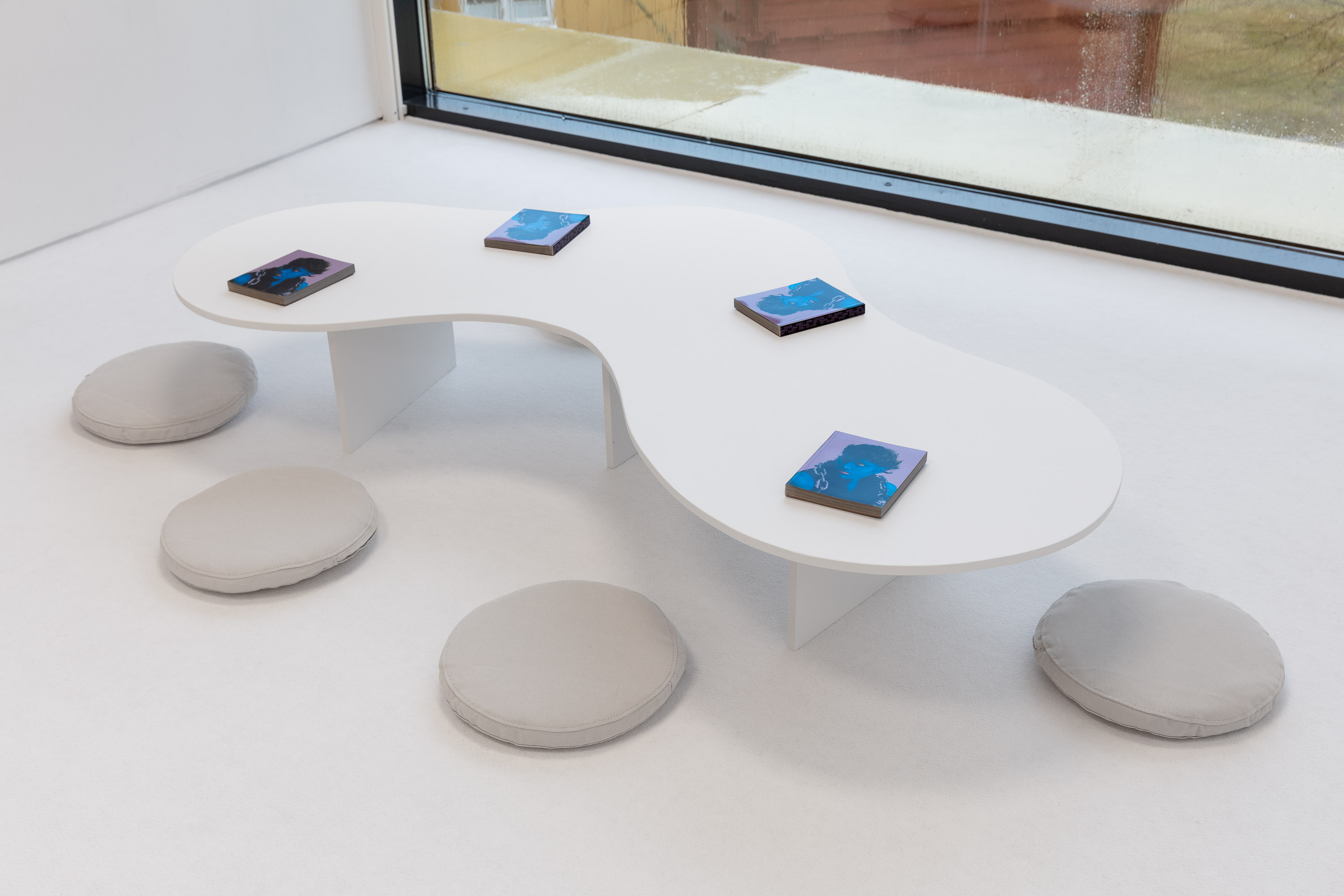
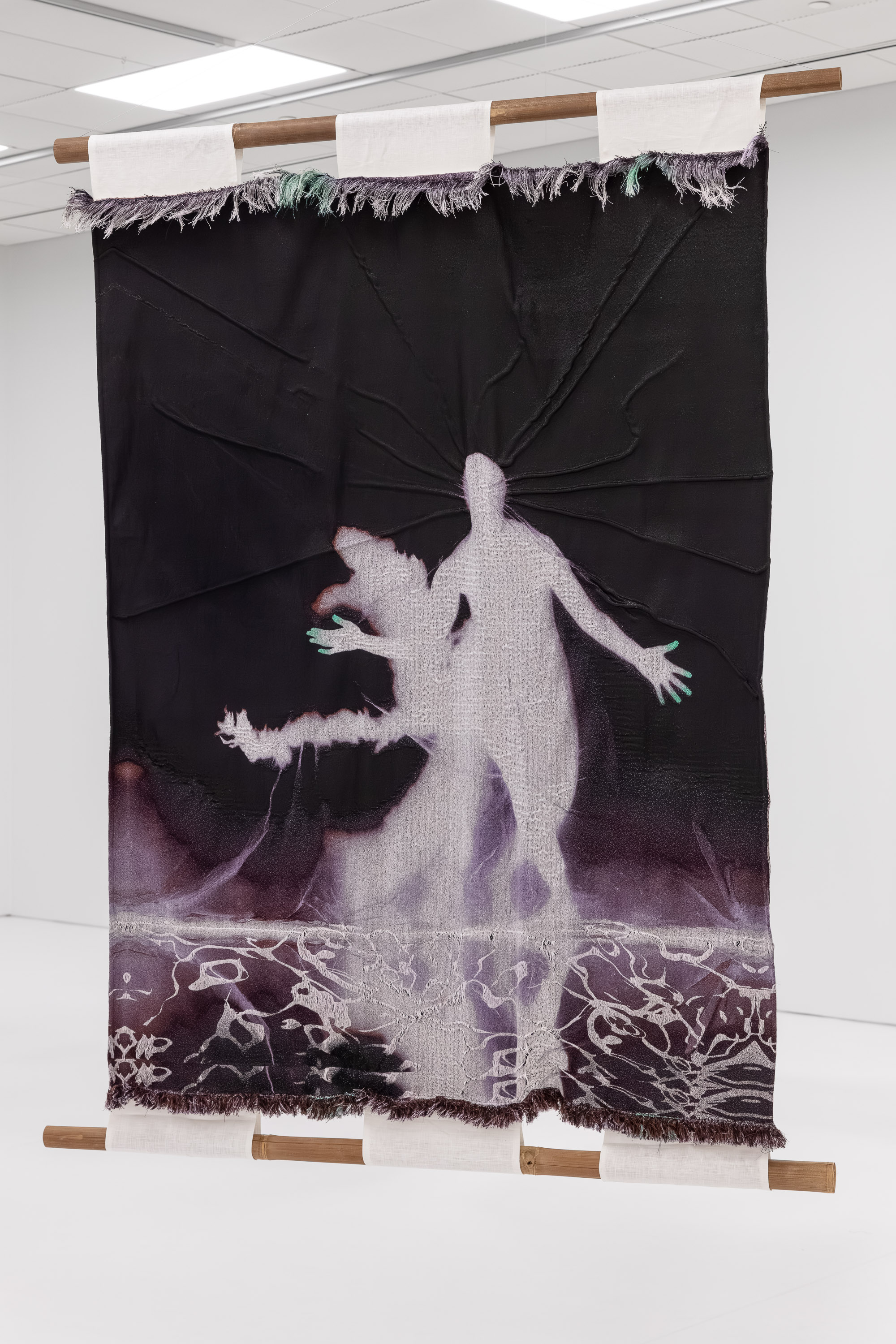
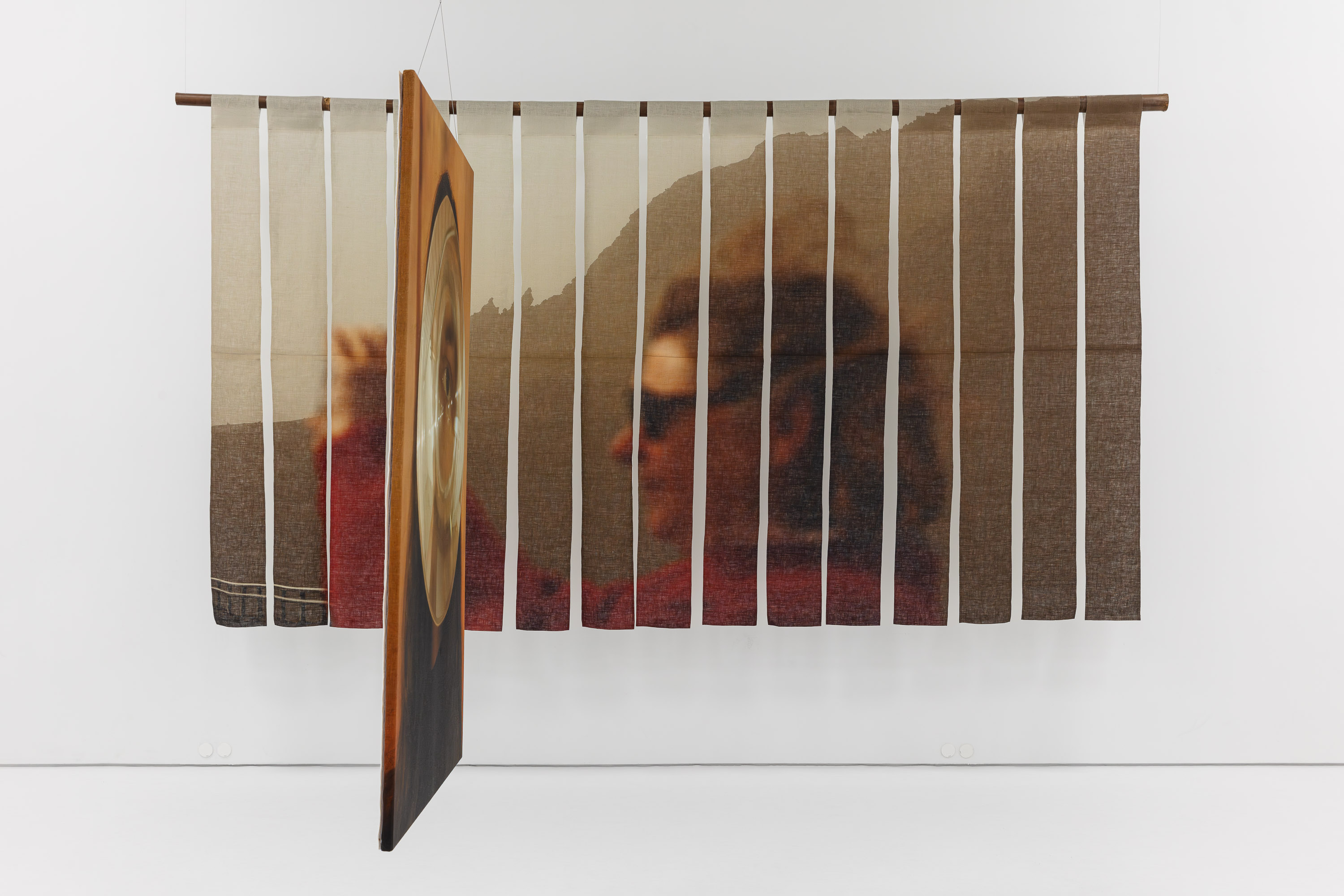
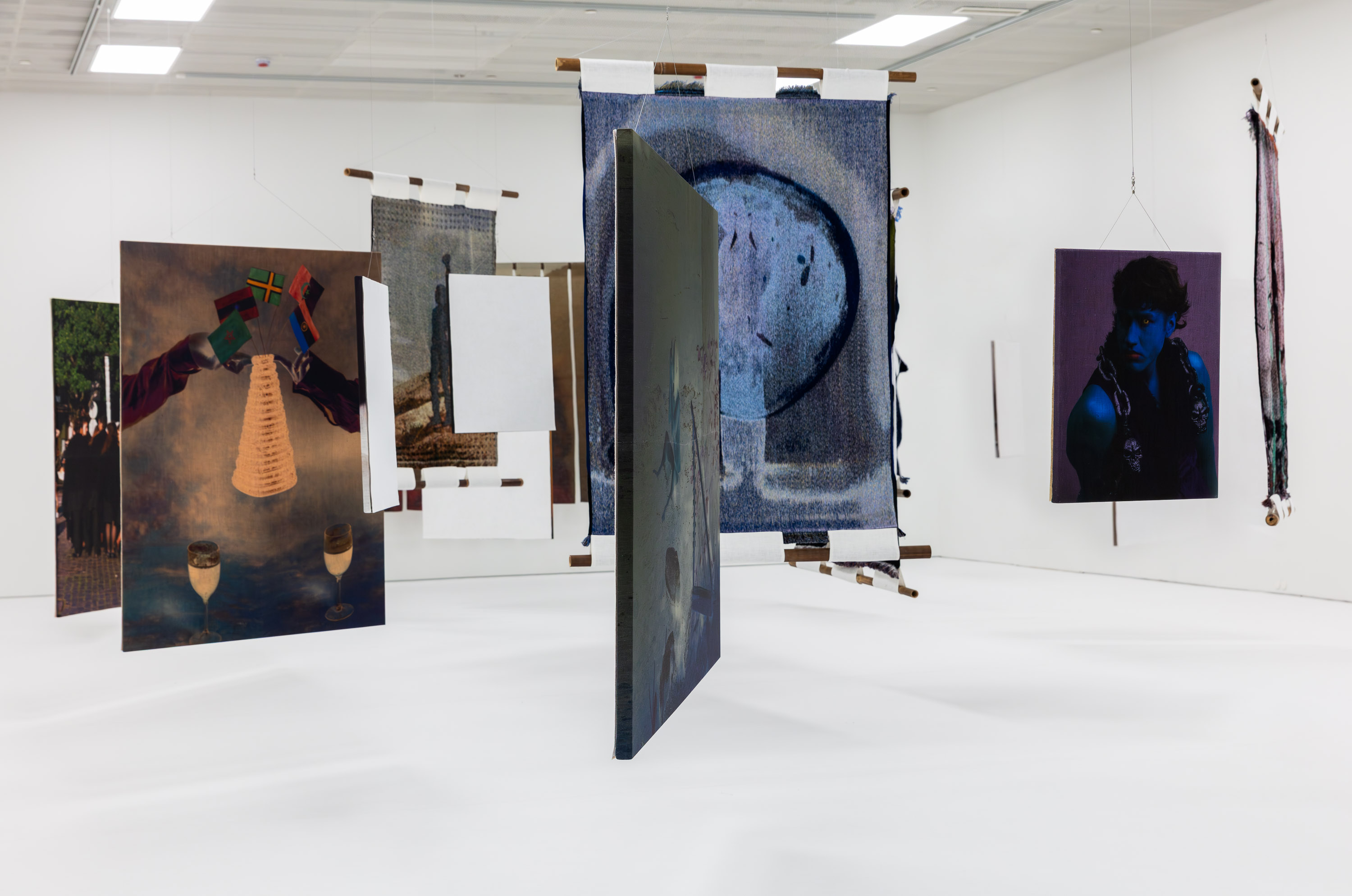
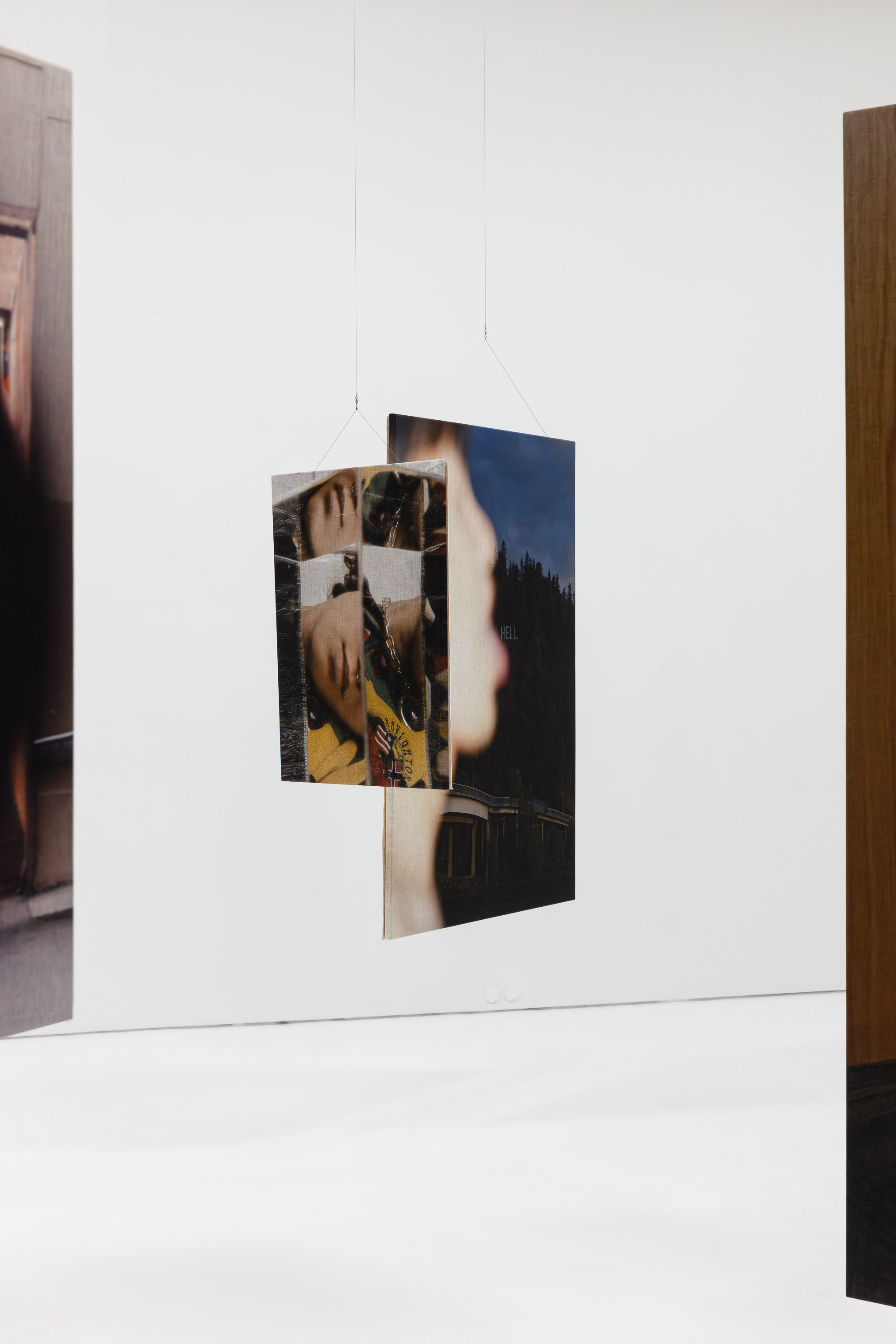
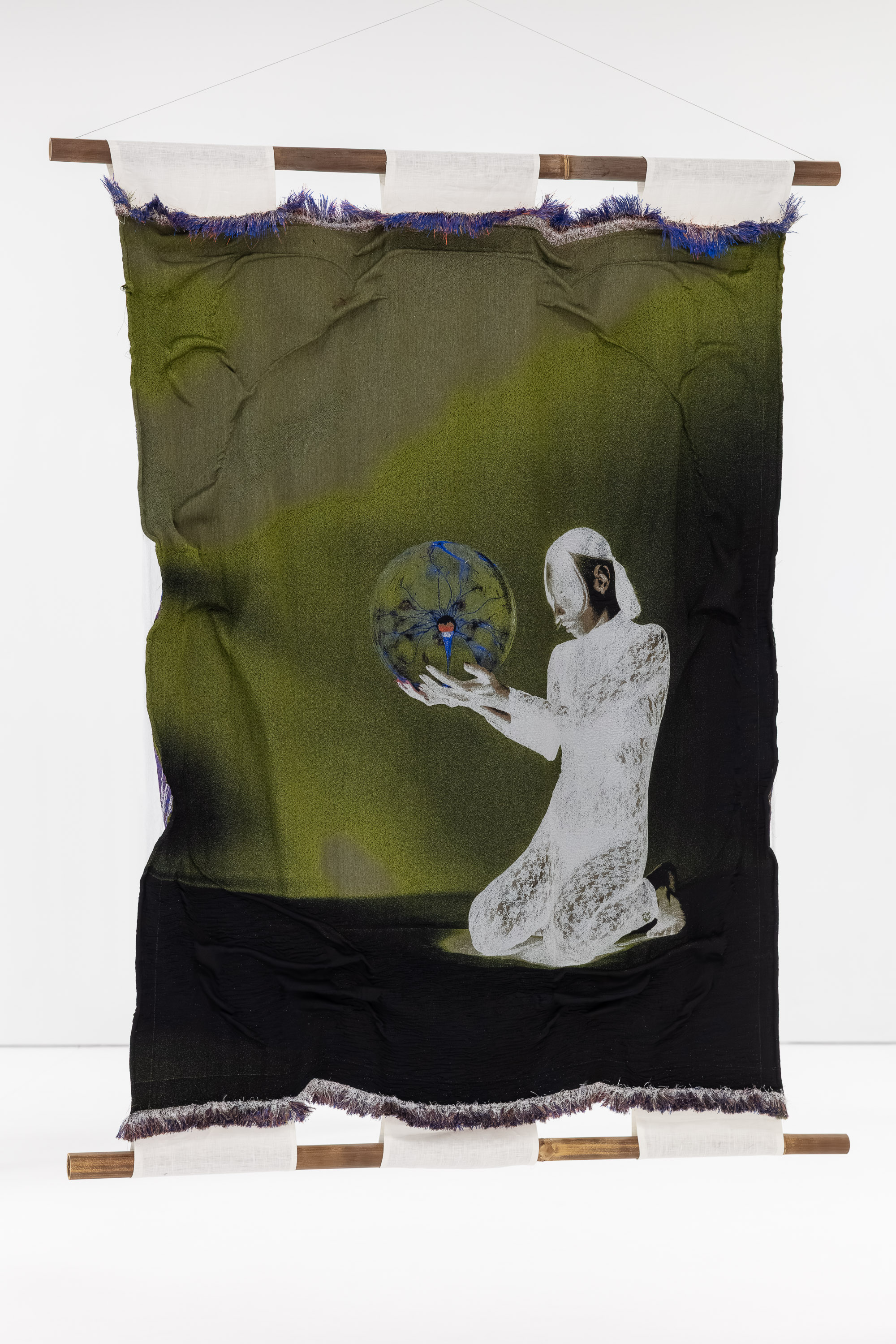
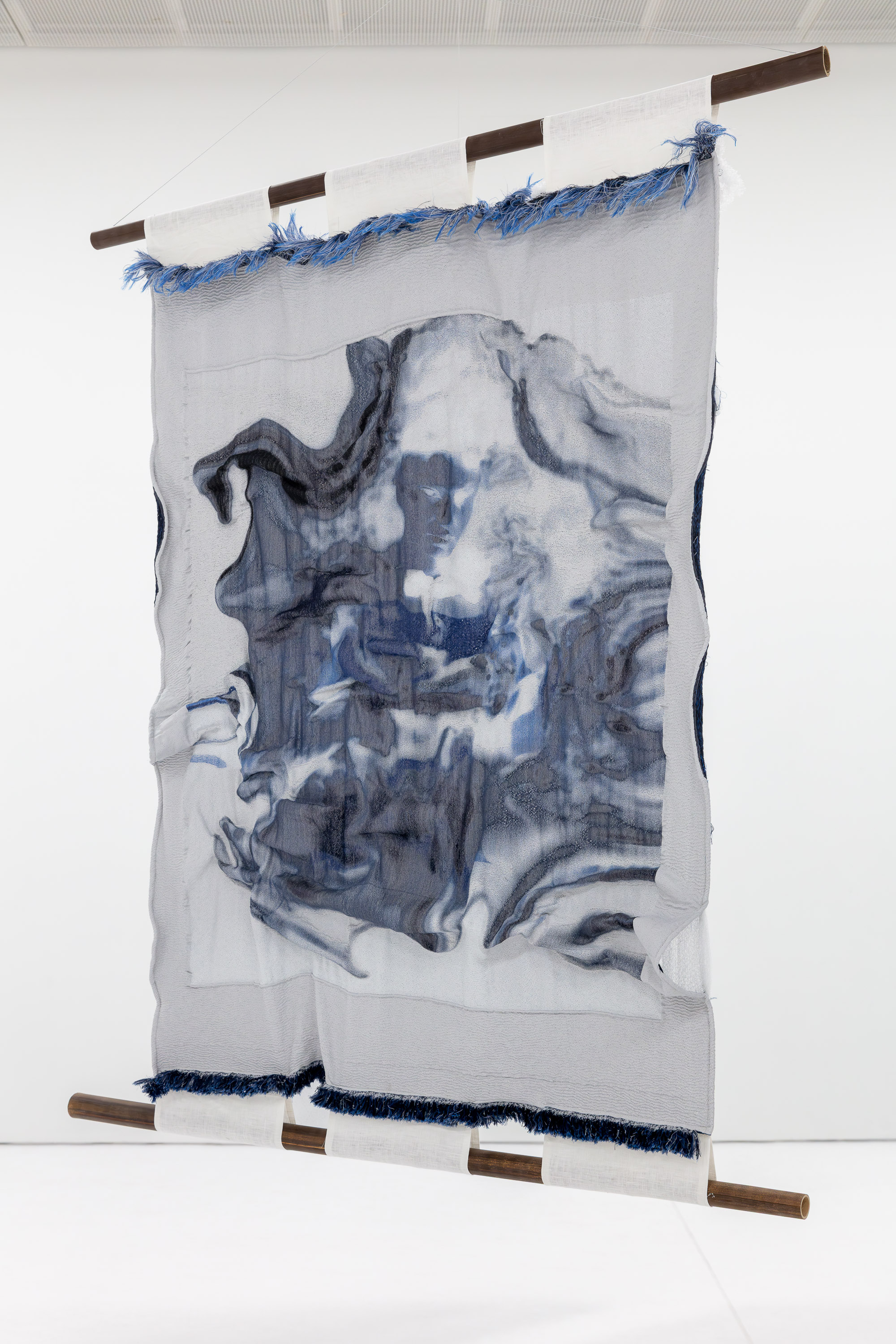
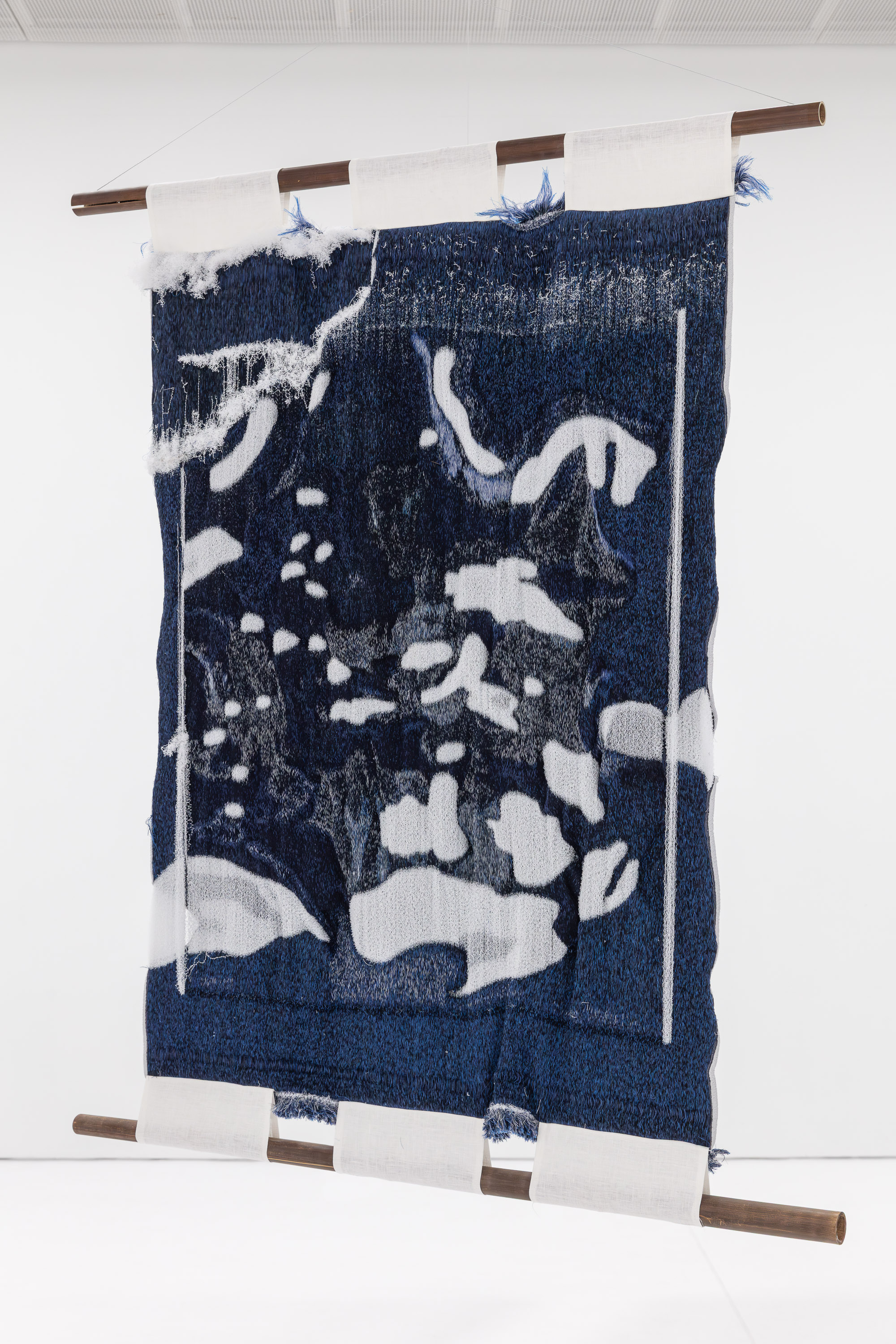
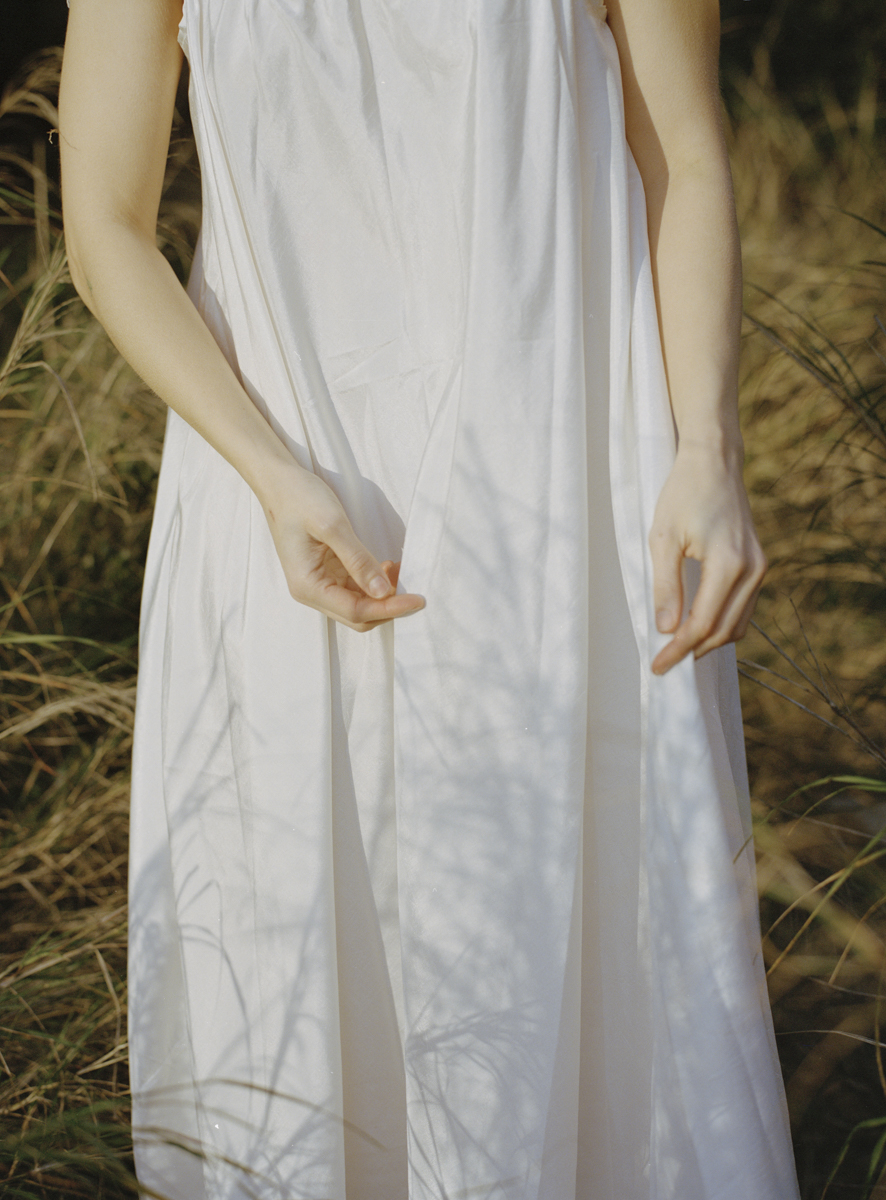
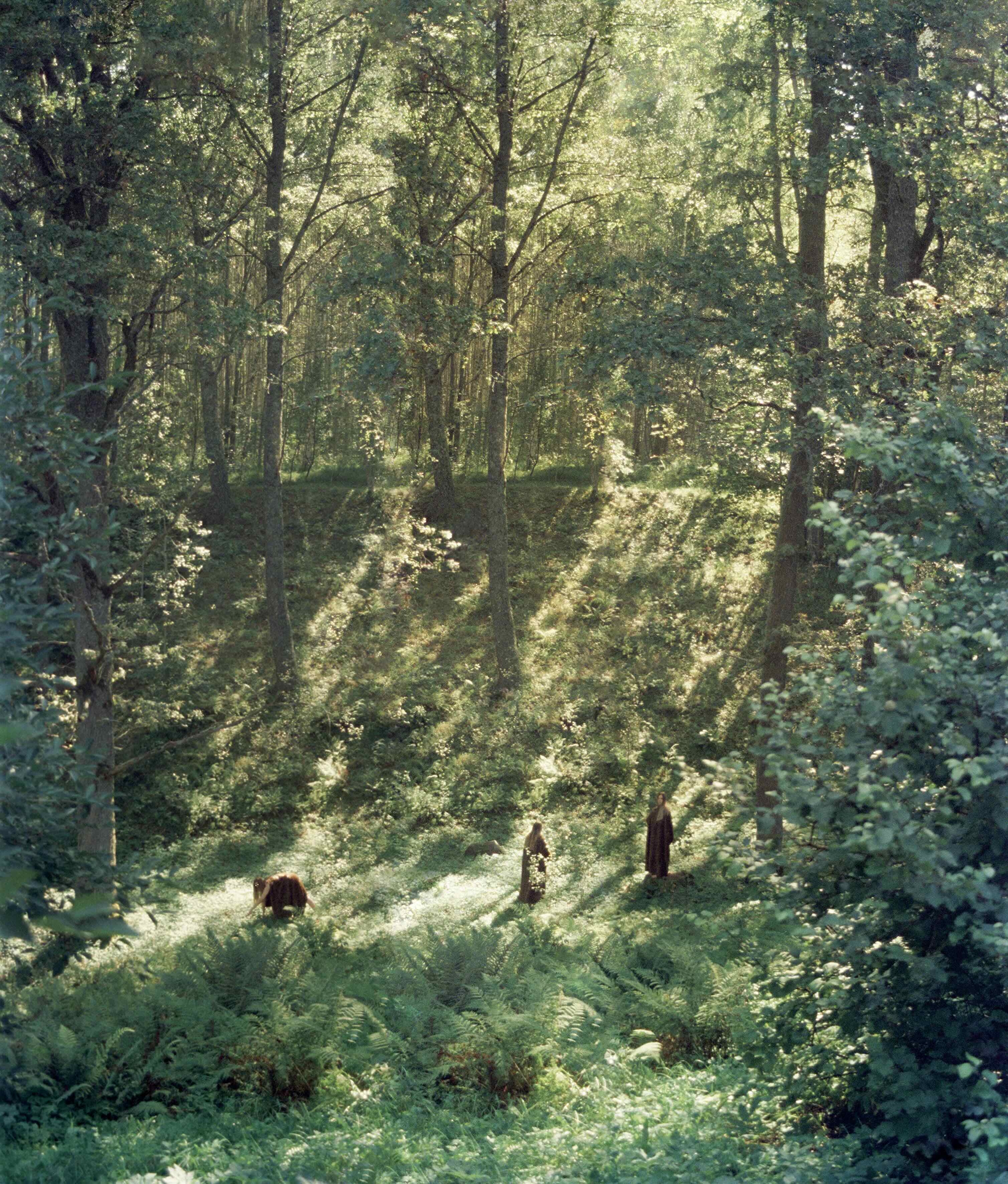
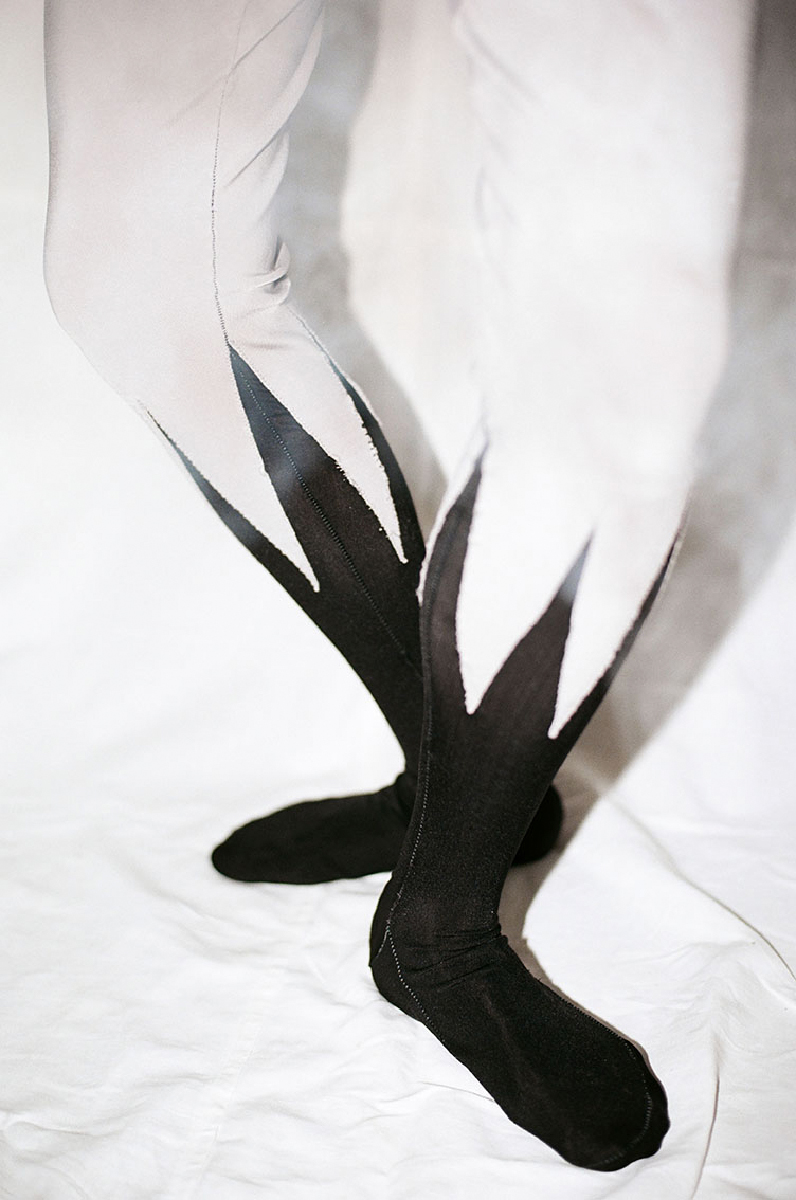
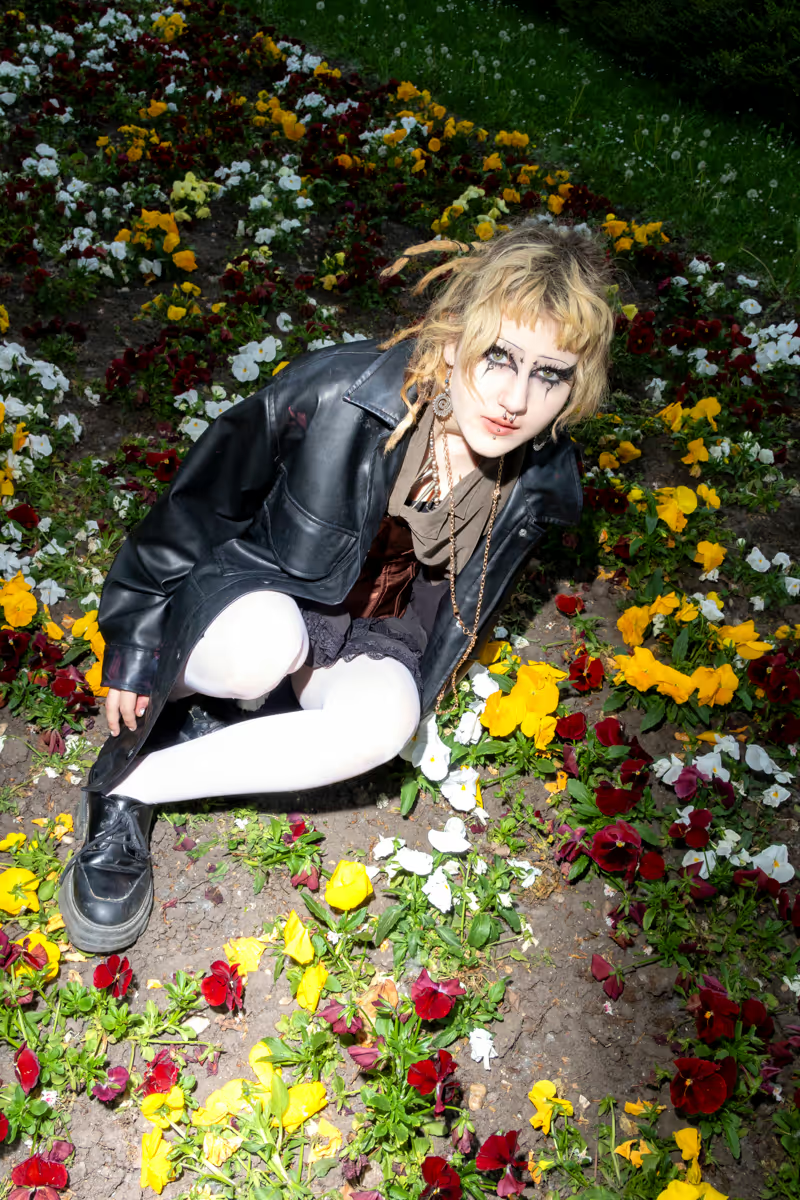
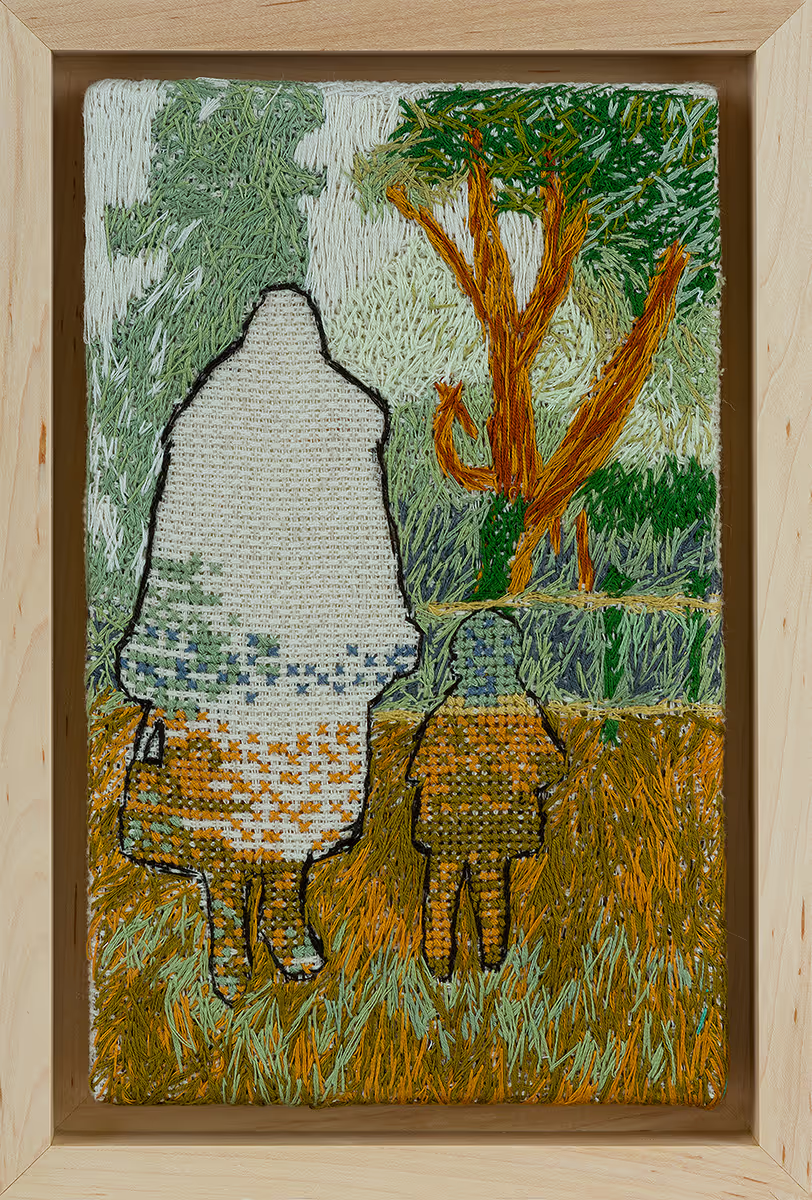
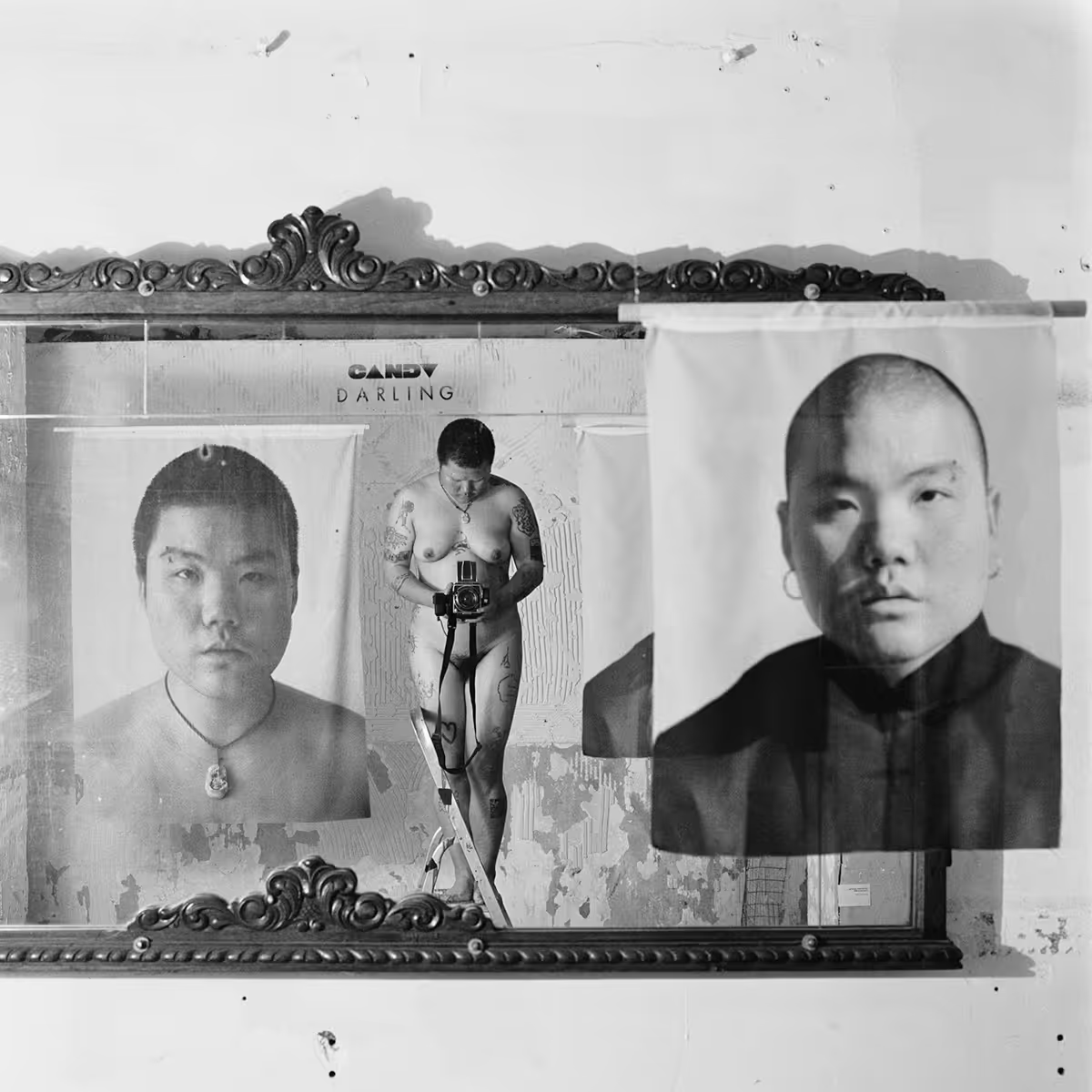
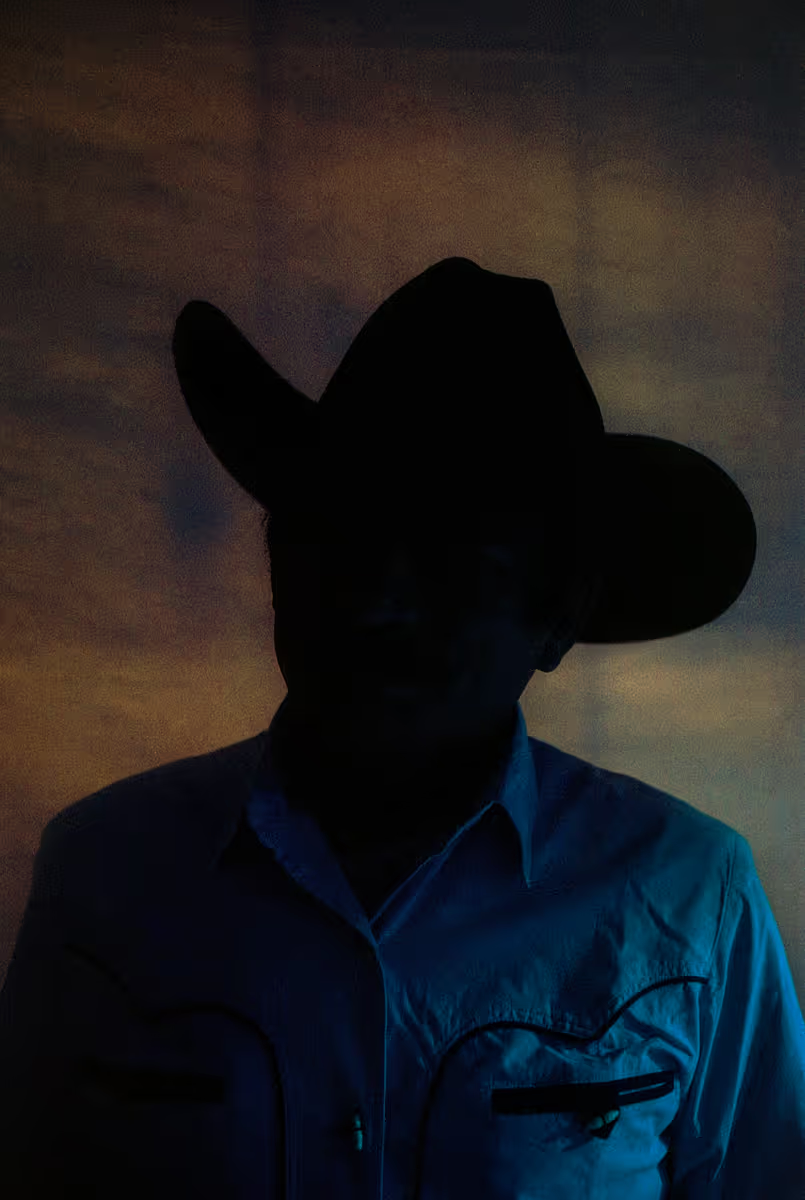
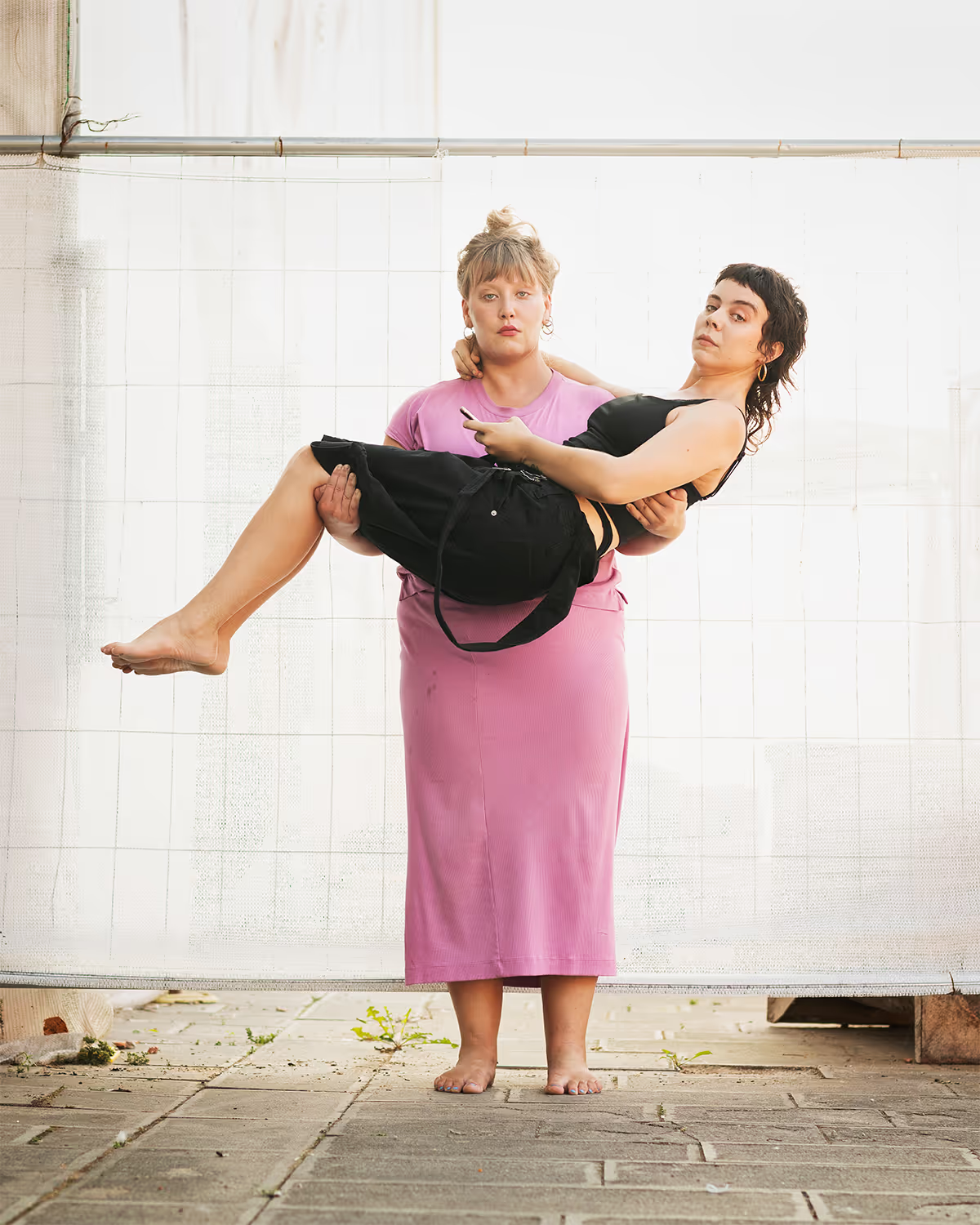
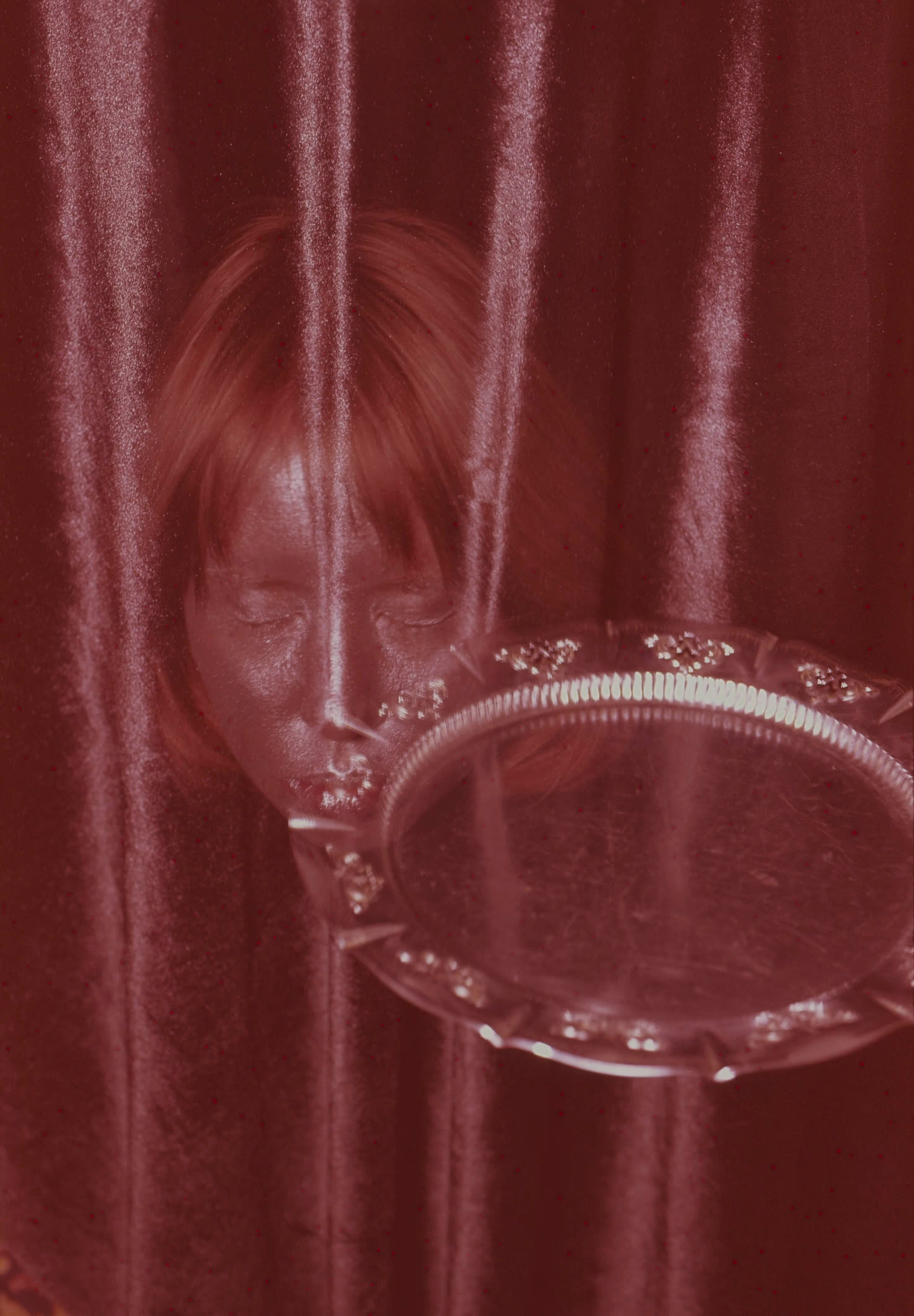
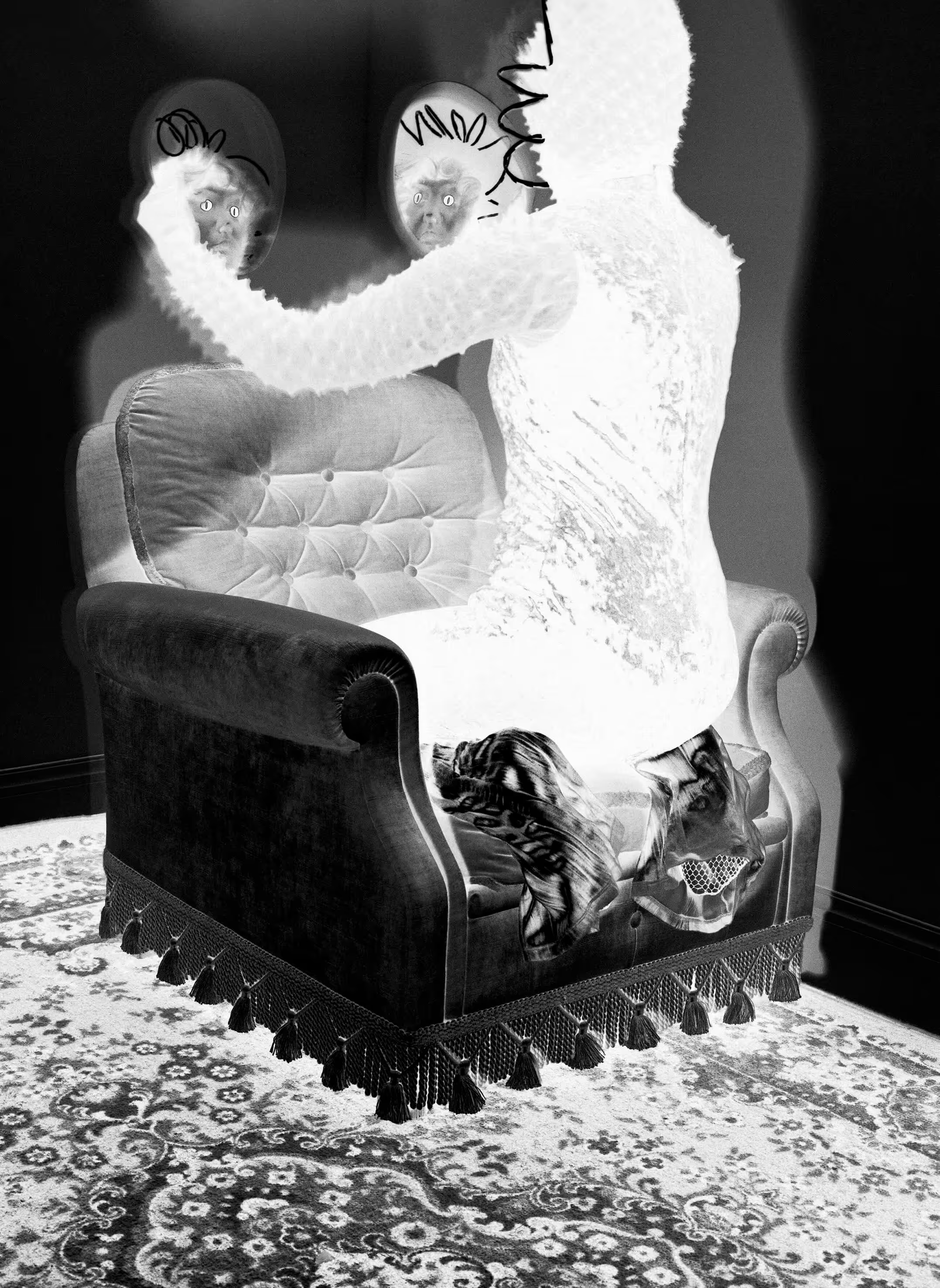
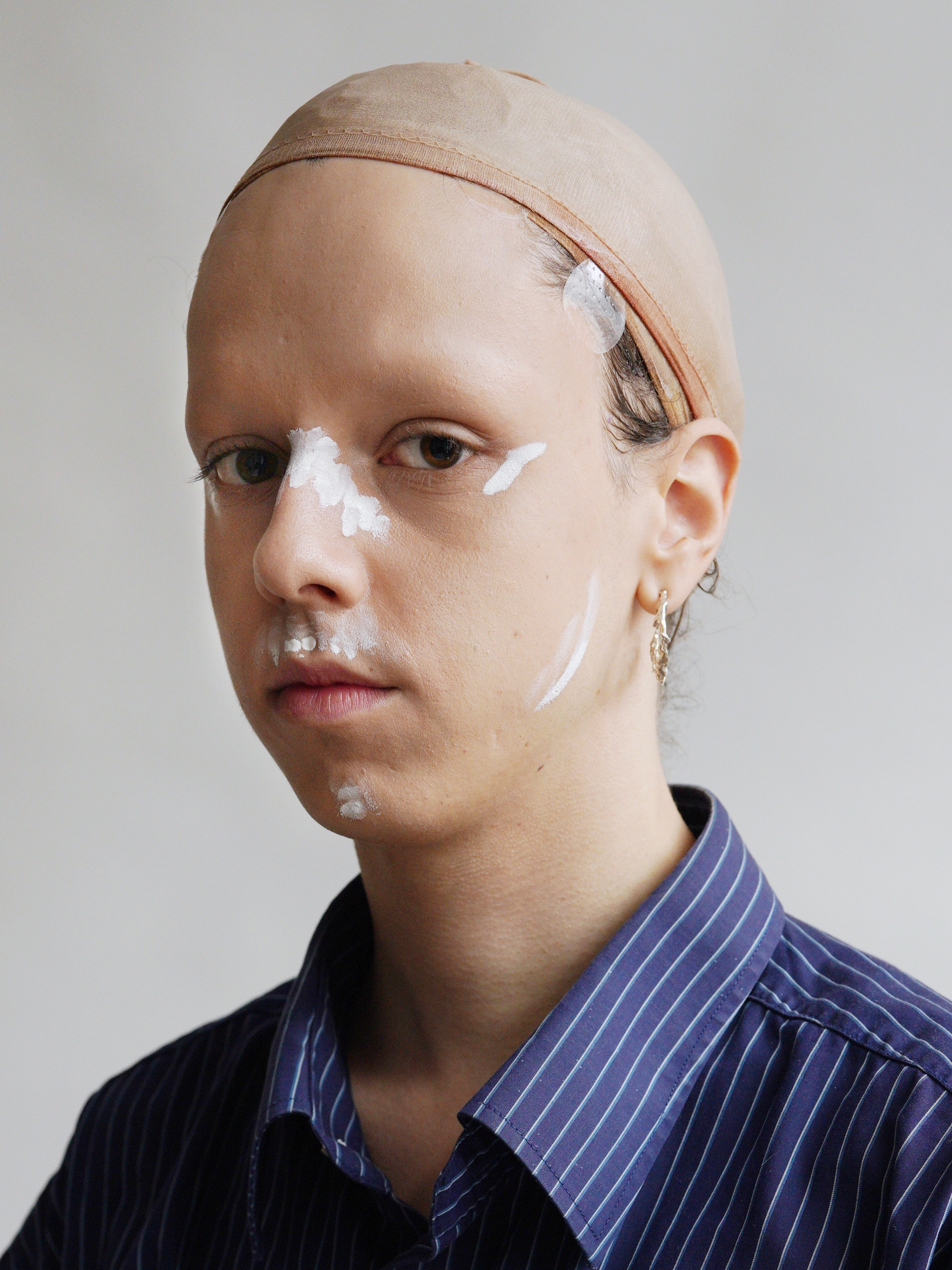
With the photobook Mixed as its point of departure, Unmistakably You unfolds as a spatial exploration of language, belonging, and “mixed” as an artistic method. Through jacquard-woven textiles mounted on bamboo and large-format photographs, and through a queer lens, the exhibition opens up a landscape in which identity does not appear as a fixed category, but as something layered, shifting, and constantly negotiated.
At the centre of the project is the question: What happens when language cannot fully name lived experience? In Norwegian, there is no single word that fully translates “mixed” without reproducing ideas of race. Dhunsi takes this linguistic absence as a starting point, creating a space in which documentary and myth, archive and allegory, photography and textile are woven together. In this way, mixing becomes not only a theme, but a method — a way of approaching experiences that exceed stable categories and clear description.
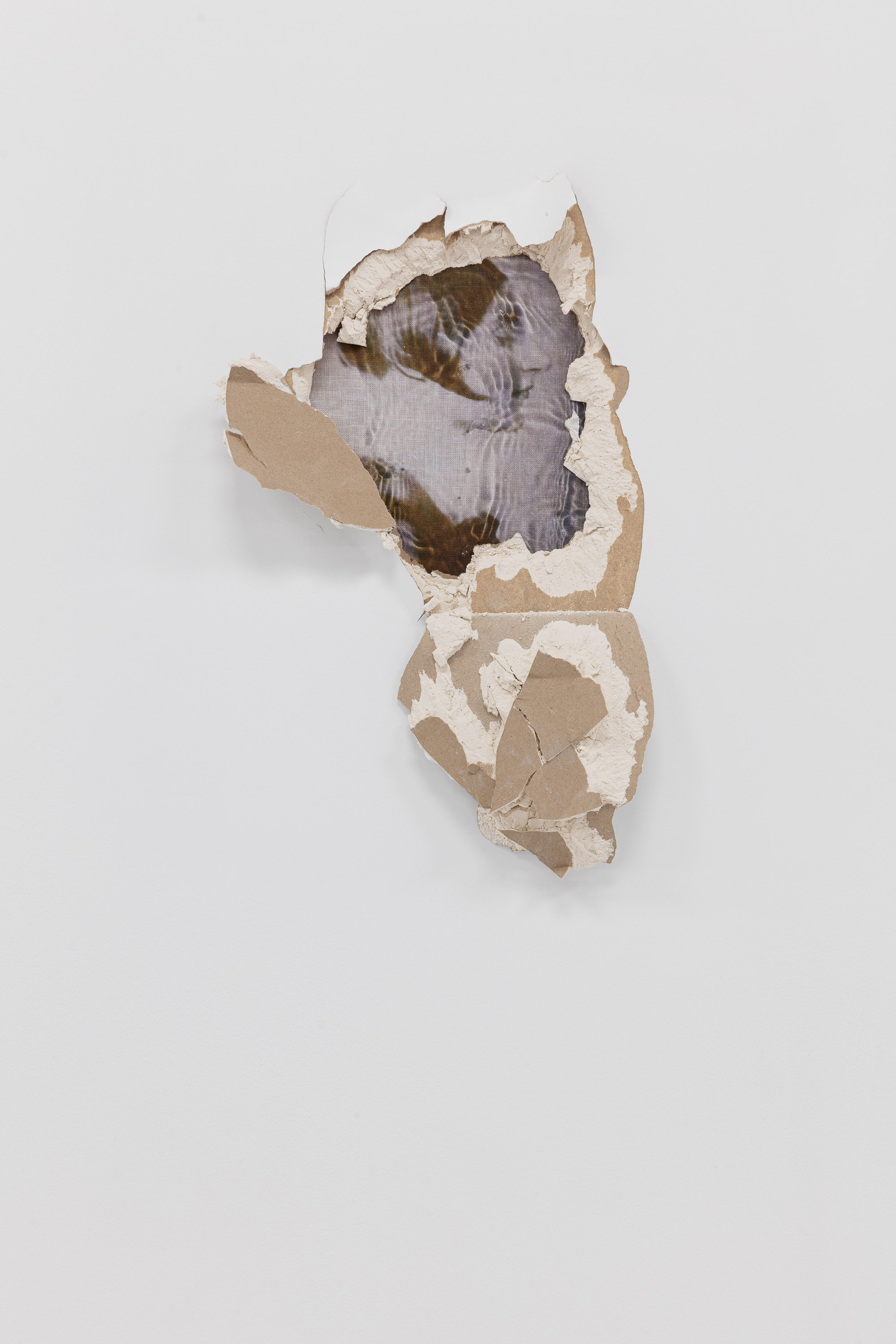
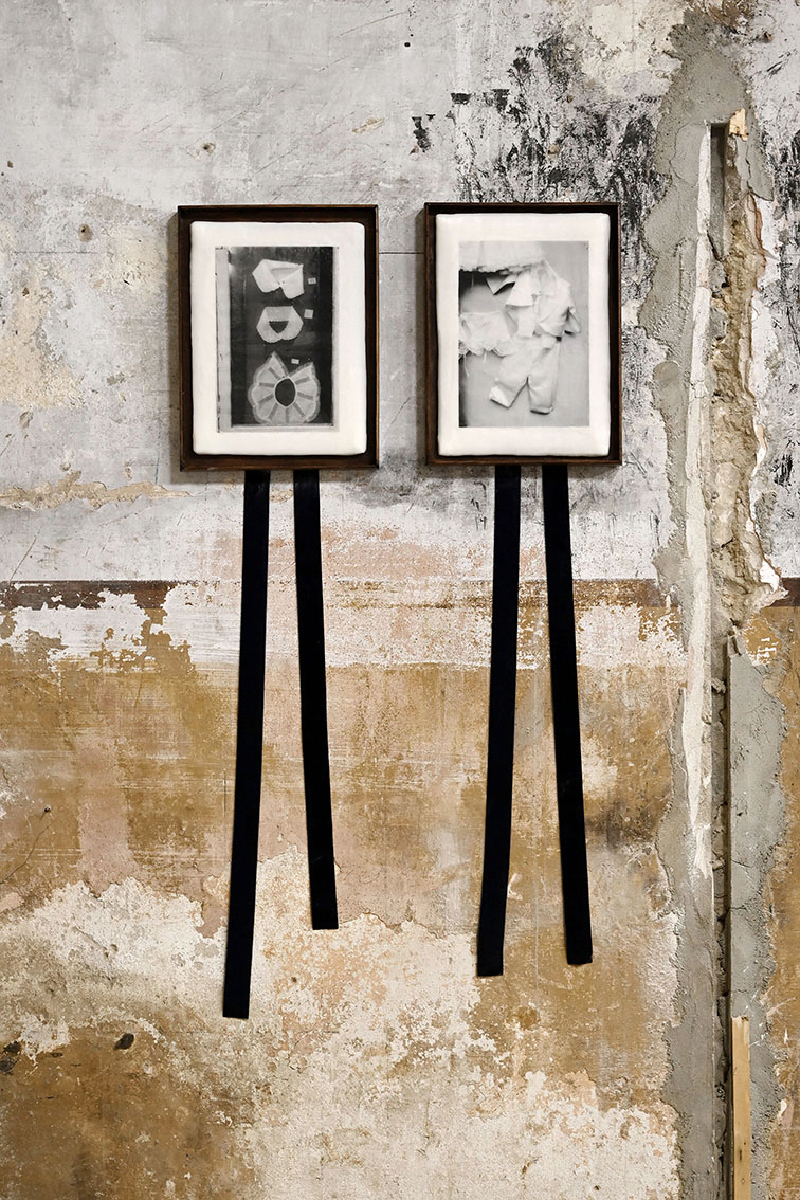
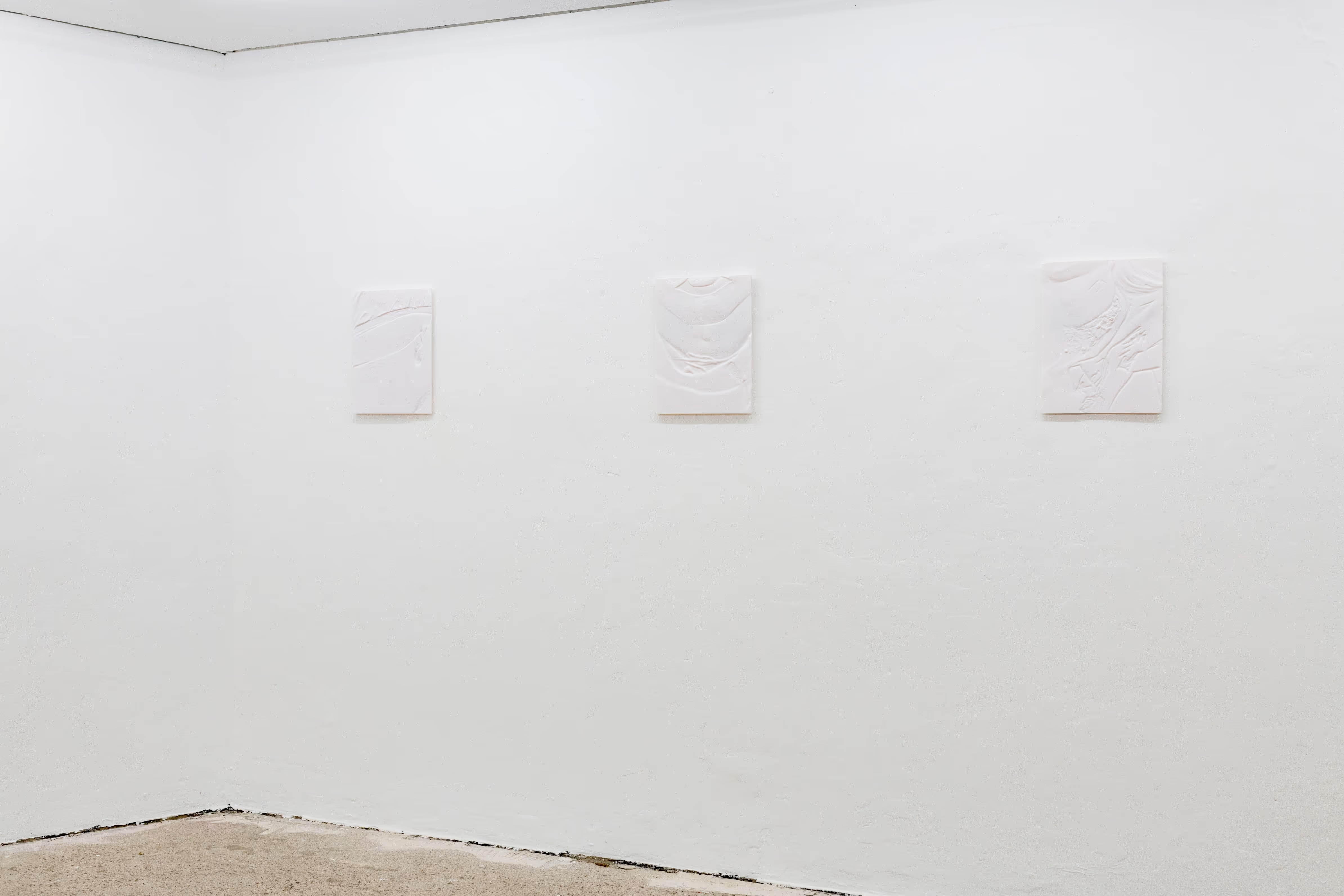
This sense of displacement is also carried by the spatial structure of the exhibition. White surfaces, textile backs, and works suspended freely in space allow foreground and background to merge, subtly shifting the viewer’s sense of orientation. Perspective is gently destabilised, and the room emerges as more than a neutral frame: It becomes an active part of how the works operate and how they are experienced.
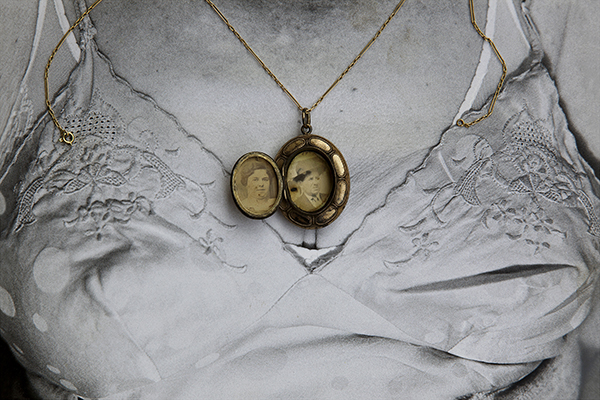
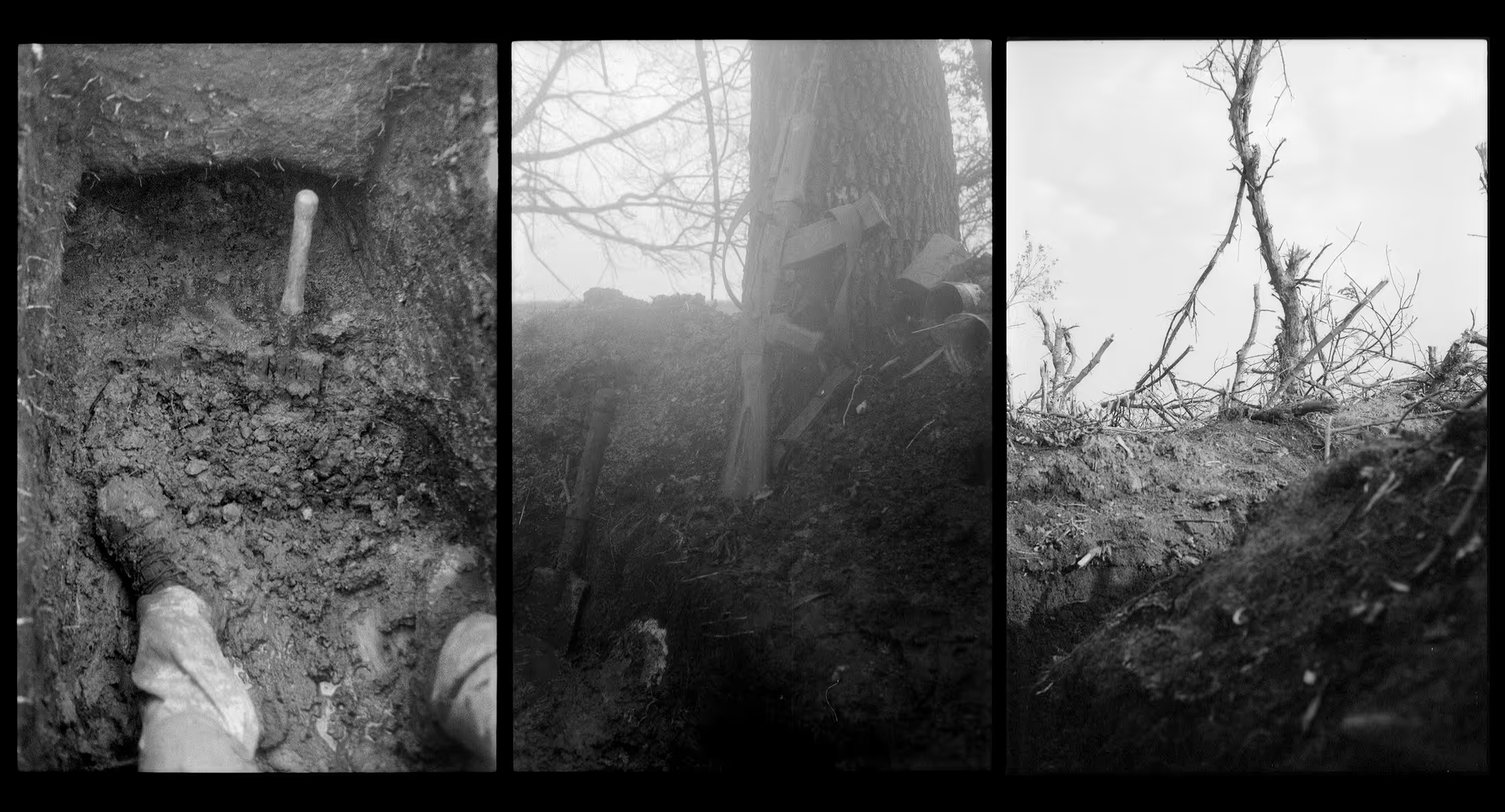
Photographs from the Institute of Racial Biology in Uppsala, Sweden, also form part of this structure. Hidden within the wall, yet insistently present, they appear as if breaking through the white surface. As historical traces and visual ruptures, they frame Dhunsi’s project and point to the ways in which classification, visibility, and violence are inscribed in the history of both images and institutions. The white cube does not appear neutral here, but saturated with the histories it carries.
Where Mixed opened a speculative space in book form, Unmistakably You allows the audience to physically enter it. The exhibition insists on identity as relational, ambiguous, and always in translation — not as something resolved, but as something continually taking new shape.
No items found.
The Artist

Dev Dhunsi
Nominated in
2023
By
Dev Dhunsi
Lives and Works in
Oslo
Dev Dhunsi (b. 1996) is a multimedia artist working at the intersection of photography, textiles, and installation. Utilizing water and movement as central elements in his projects, he creates works that invite reflection on complex themes such as identity, belonging, migration, social justice, and injustice.
Through his art, Dhunsi provides space for stories that are often overlooked or suppressed, illustrating how historical, cultural, and political forces shape our lives and experiences. Addressing global issues like migration and colonialism as well as personal experiences of loss and belonging, he creates works that connect past and present, diverse geographies, and identities. His work encourages viewers to reflect on how we understand and relate to the world around us as he simultaneously look at the world through a lens of queer theories and diasporic gaze. Recent exhibitions include: Fotogalleriet (Oslo; NO), MELK (Oslo; NO), Kunstnernes Hus (Oslo; NO), Andrehn-Shiptjenko (SE; Stockholm), Nitja Centre for Contemporary Art (Lillestrøm; NO)
More projects by this artist
2026
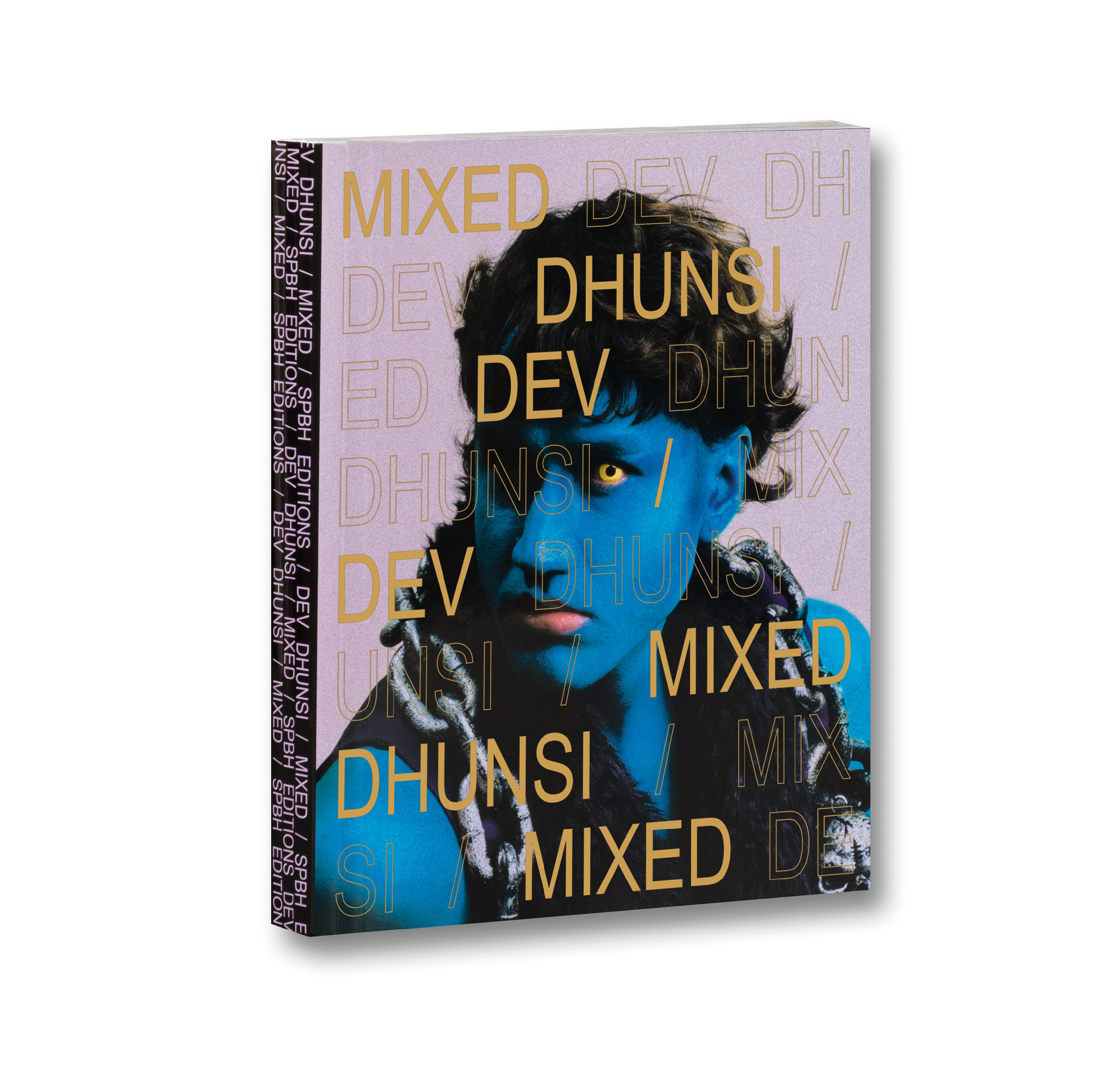
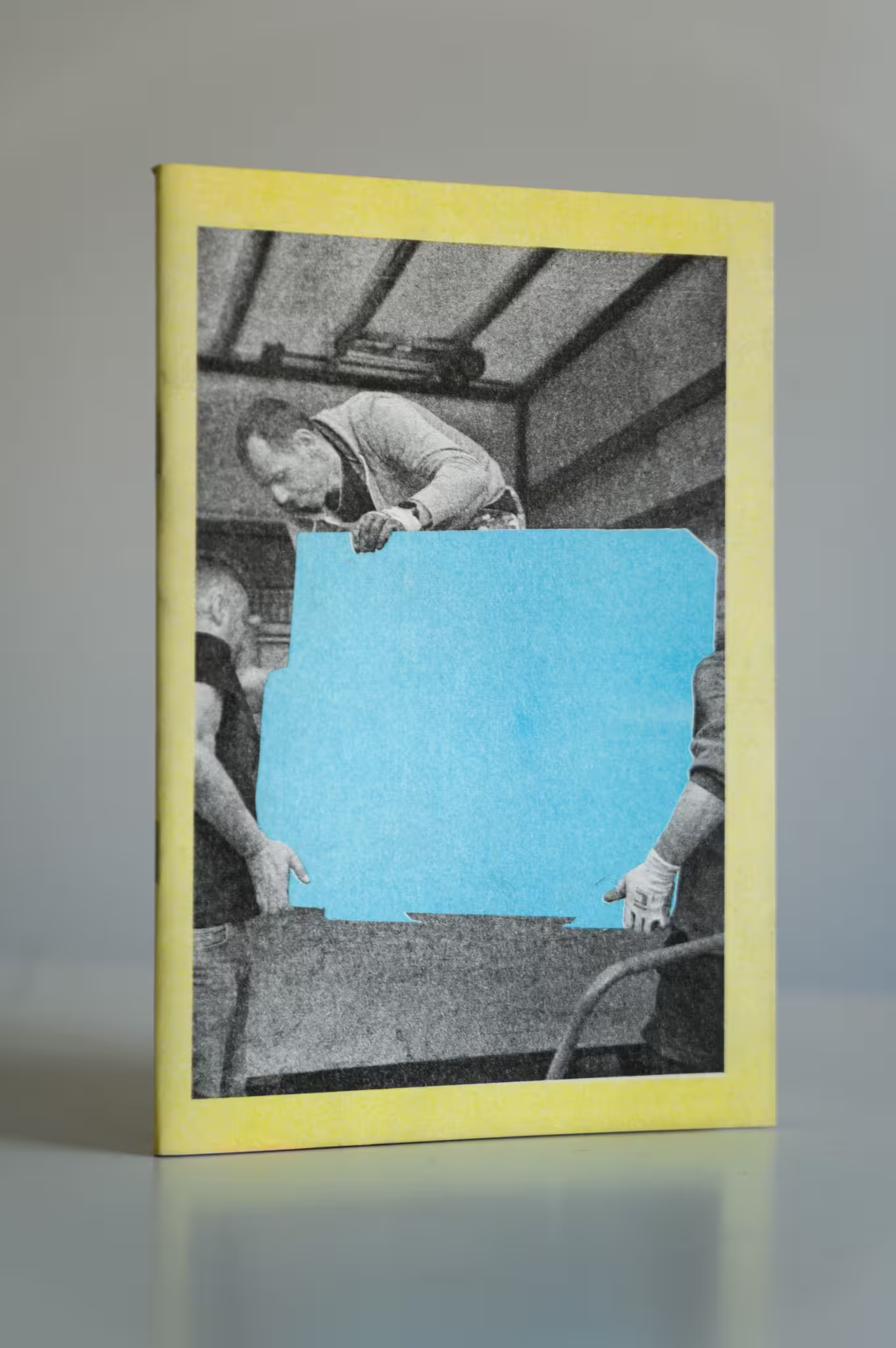
Mixed (SPBH Editions, 2026)
Mixed is a vivid and inquisitive exploration of identity by Norwegian artist Dev Dhunsi, whose mixed heritage forms the book’s point of departure. In Norway, where no equivalent word for ‘mixed’ exists, Dhunsi uses photography and text to give form to experiences that language has yet to name, confronting how belonging, visibility, and love are shaped by race, gender, and desire.
Composed of photographs, archival fragments, and text, the book unfolds as a hybrid work where tenderness and defiance, intimacy and displacement coexist. Through layering and juxtaposition, it presents a complex vision of identity that is both personal and collective, transforming hybridity from conflict into creation.
Across these pages, Dhunsi builds an experimental, mythical world – a space where bodies, symbols, and words blur and reform. Mixed sketches out a space for new kinds of humans to exist: fluid, plural, and free.
Mixed was made possible by the Nordic Photobook Award, presented by Fotogalleriet Oslo.
2024
Akhada (2021-2024)
Rooted in the sport of Kabaddi and the akhada—the traditional wrestling arena that functions as both a training ground and a sacred space. Wrestlers adhere to strict rules within the akhada, such as prohibitions on tobacco and other substances, reinforcing its temple-like atmosphere. Kabaddi itself is a team wrestling sport that balances movement, connectivity, and the tension between chaos and order. Rather than presenting a straightforward documentary of my on-site research, I wanted to translate the immersive, ritualistic energy of the akhada into the exhibition space.
The installation is a sandbox infused with elements from an akhada. The red sand mirrors both the classic wrestling pits and the deep, smog-tinted glow of North Indian sunsets. Four glasses of milk reference the wrestlers' practice of drinking fresh milk directly from cows kept near the akhada. A cluster of speed boxing bags, linked together like a dense bunch of grapes, suggests both impact and interdependence. A projection onto the sculpted sand is accompanied by a soundscape, drawing the audience into the physical and rhythmic world of Kabaddi.
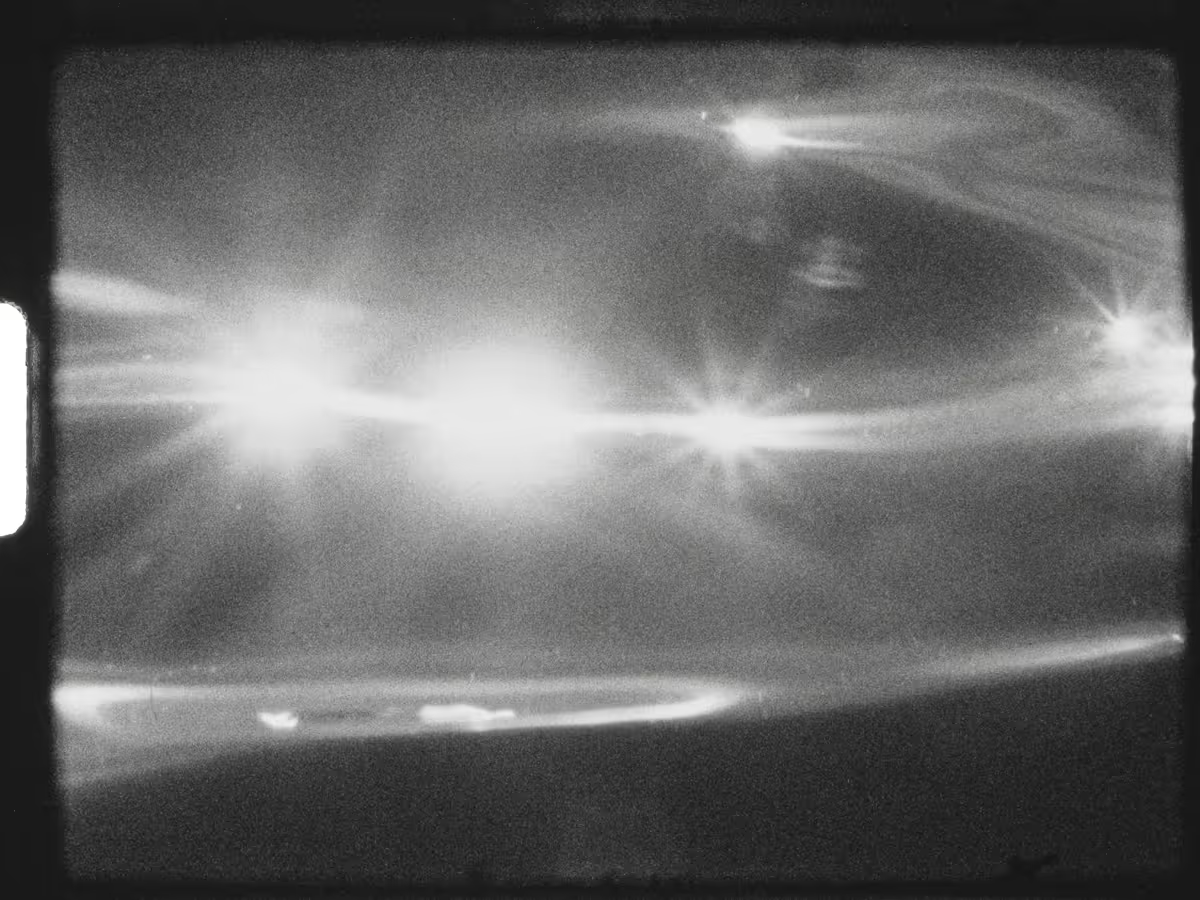
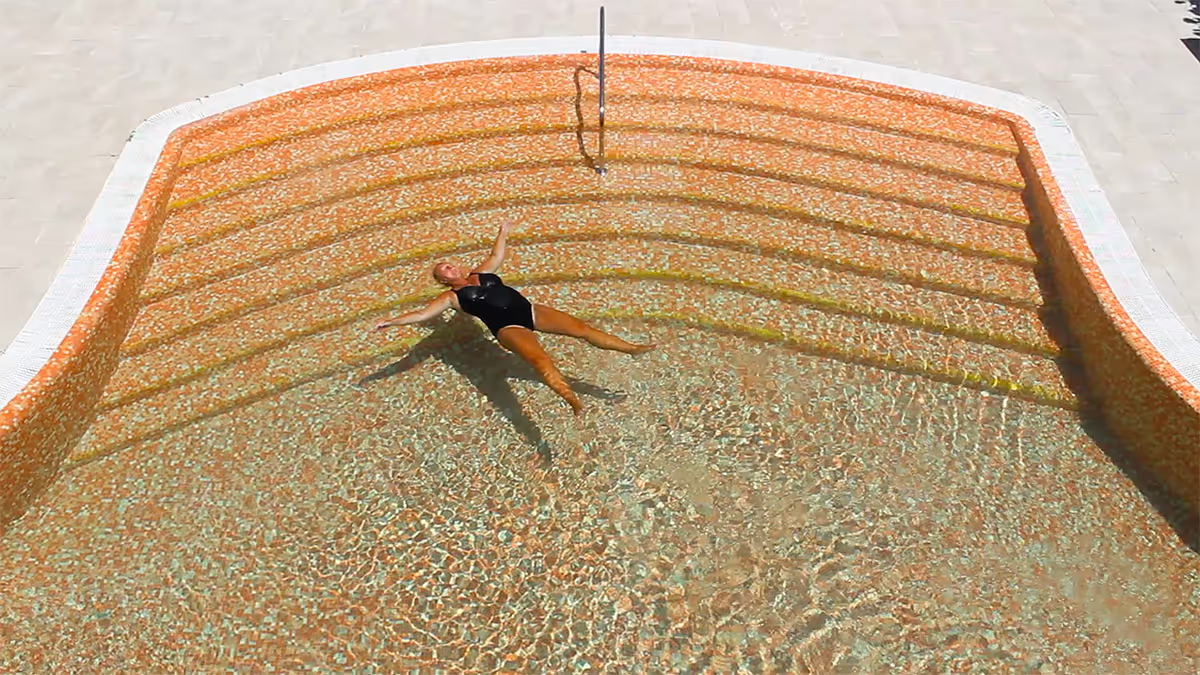
The film (Temporary title, HD video, 40:00 min) is a bird’s-eye view of eight dancers as they navigate, follow, and disrupt the rules of Kabaddi. One of the sport’s defining regulations requires attackers to hold their breath while attempting to tag or tackle their opponents, continuously repeating the word kabaddi to prove they have not inhaled. This creates a sonic rhythm where breath, movement, and voice intertwine—at times revealing the next move before it unfolds.
Mixed media sculpture, 150 × 200 × 150 cm
2024
Tales They Don't Tell You
Tales They Don’t Tell You
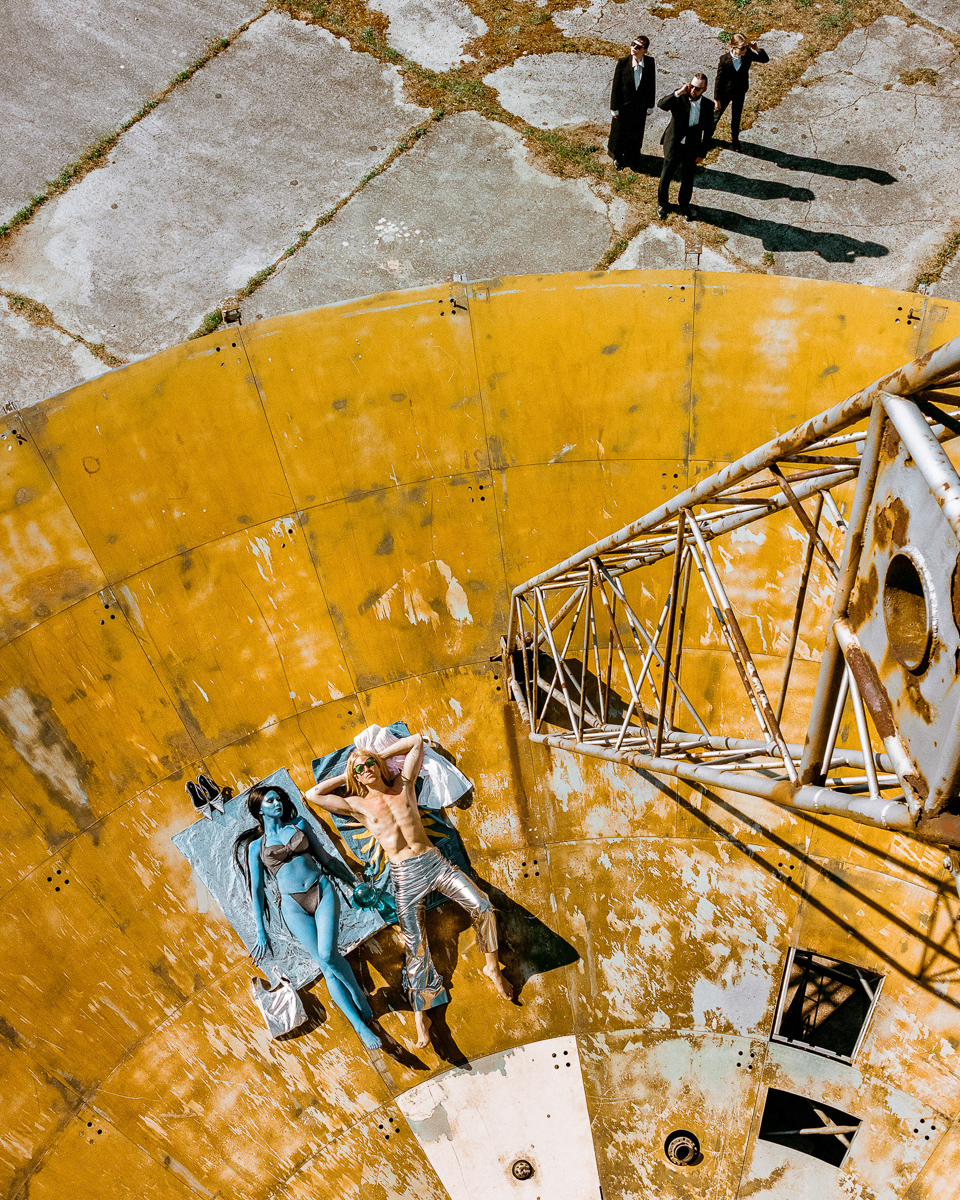
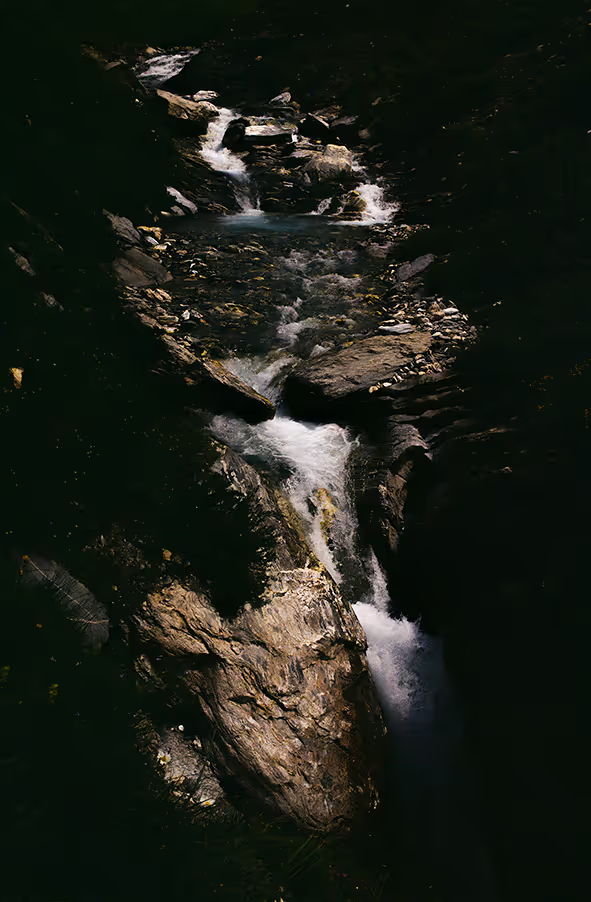
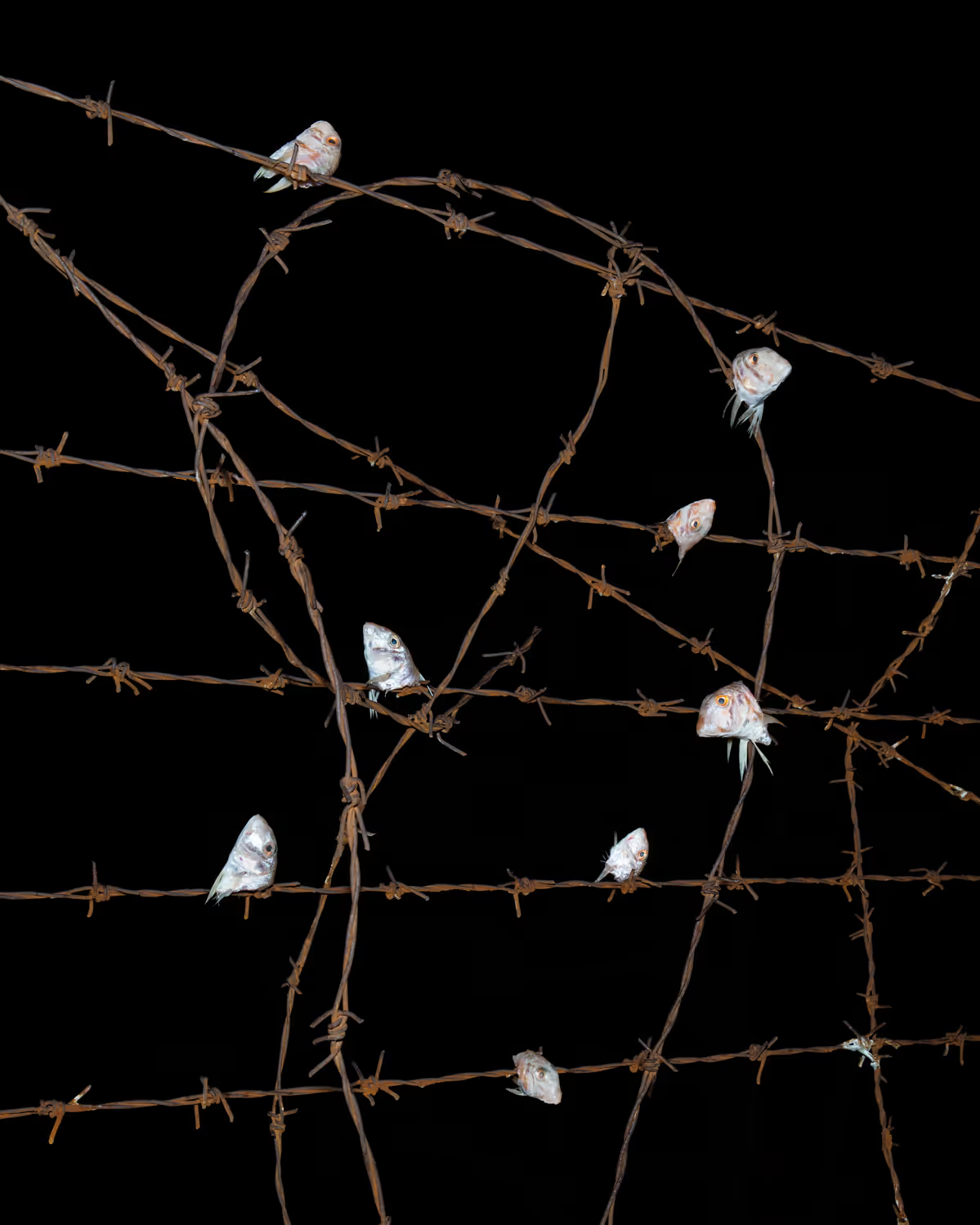
In the Vedic scripture Shatapatha Brahmana, written between the 6th and 8th centuries BCE, we encounter scientific knowledge of geometry, observational astronomy, and many tales, where time is told in a cyclical, nonlinear way. The book recounts how the sweat dripping down the god Shiva’s head is the water of Ganges River, where the ashes of generations of deceased people travel along the currents like a miniature collection of the past. I depart from a lens-based practice to explore remains of untold ancient tales, including gay love.
The two male water gods Varuna and Mitra represent the two stages of the moon, waxing and waning. Mitra controls the ocean depths while Varuna rules over the ocean’s upper regions and the tides. The two gods meet on new moon nights and Mitra is described to “implant his seed” in Varuna in order to secure the moon’s waning.
A close friend of mine went missing a few years ago. During a fourteen-day search for him I longed for our companionship. World geographies interconnect unexpectedly, as water is strongly symbolic for my hometown, Trondheim, where the river divides the two sides of the city, separating its people. The river has also taken many lives, those of drug users and migrant first, but also, mysteriously, youth.
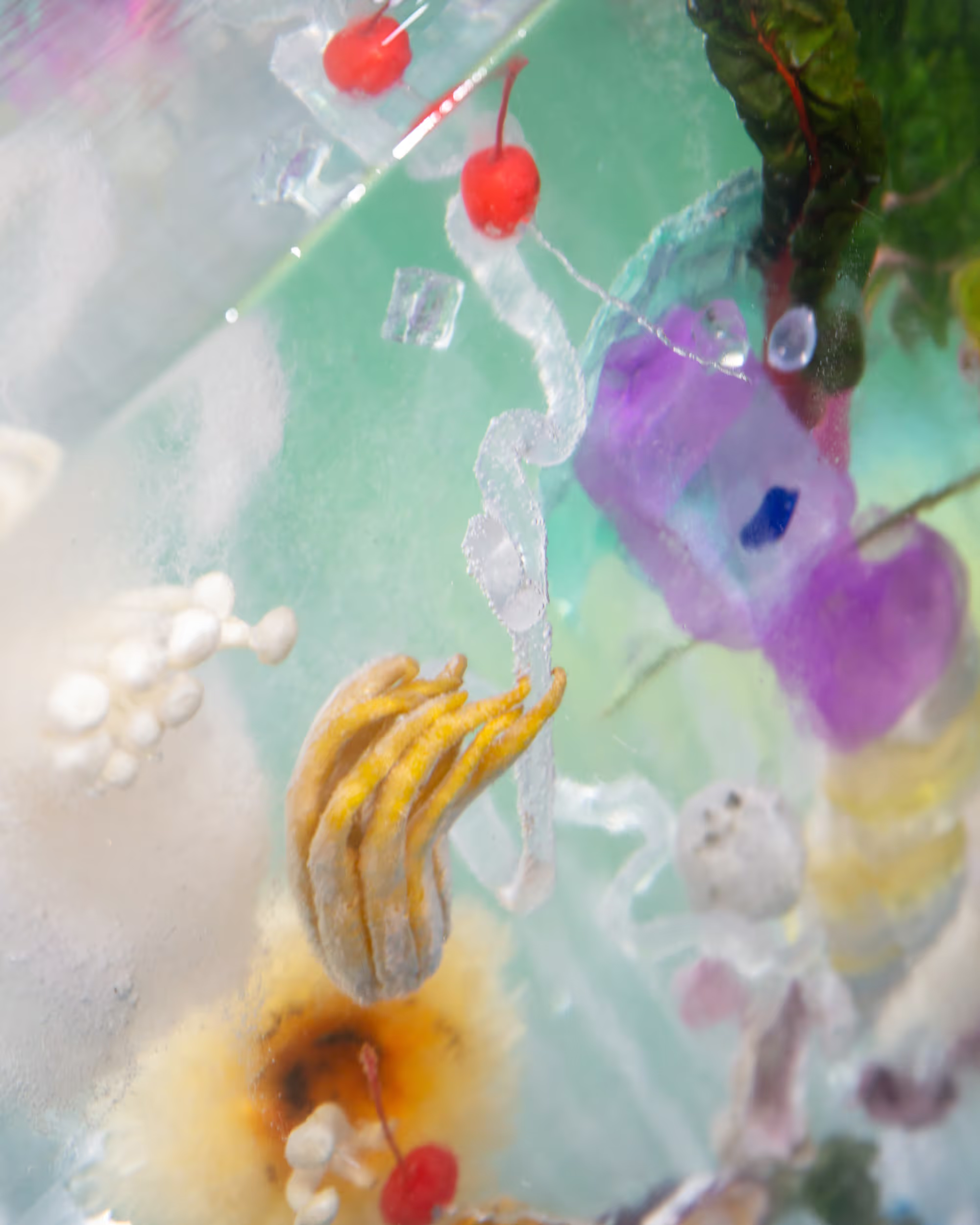
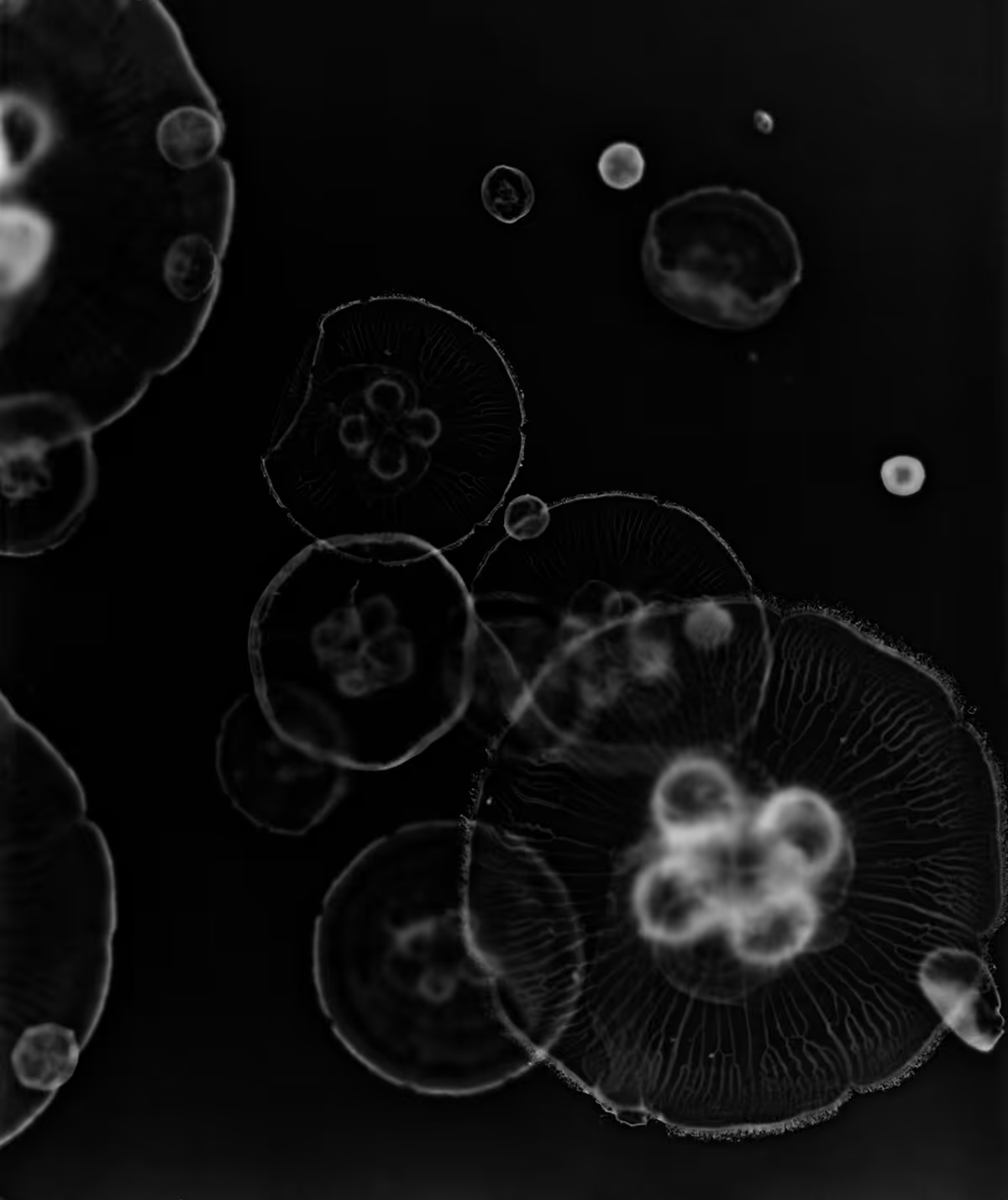
Working with cameras I focus on what is outside the picture frame or on other-than-human beings, such as minerals, spirits, textiles, and ancestors. I try to create site- and time-specific works that can be experienced through multisensory channels. By giving visibility to images that morph, decay, and evolve, my ecosystems highlight the intimate yet expansive coexistences among diverse beings, acknowledging our shared and continuous participation in the processes of living, dying, and decomposing.
2023
Encircling Stories
Dev Dhunsi’s images are usually surrounded by or immersed in water and sound. One can rarely grasp singular photographic images as he searches more complex narrations, filtering the camera’s impossibility to catch reality within the frame of the given device fully. One needs to look beyond, outside the picture, to come to terms with its realization. Therefore, the images are spinning, they split, they move, they are unreadable and part of larger installations, assuaging referential feelings.
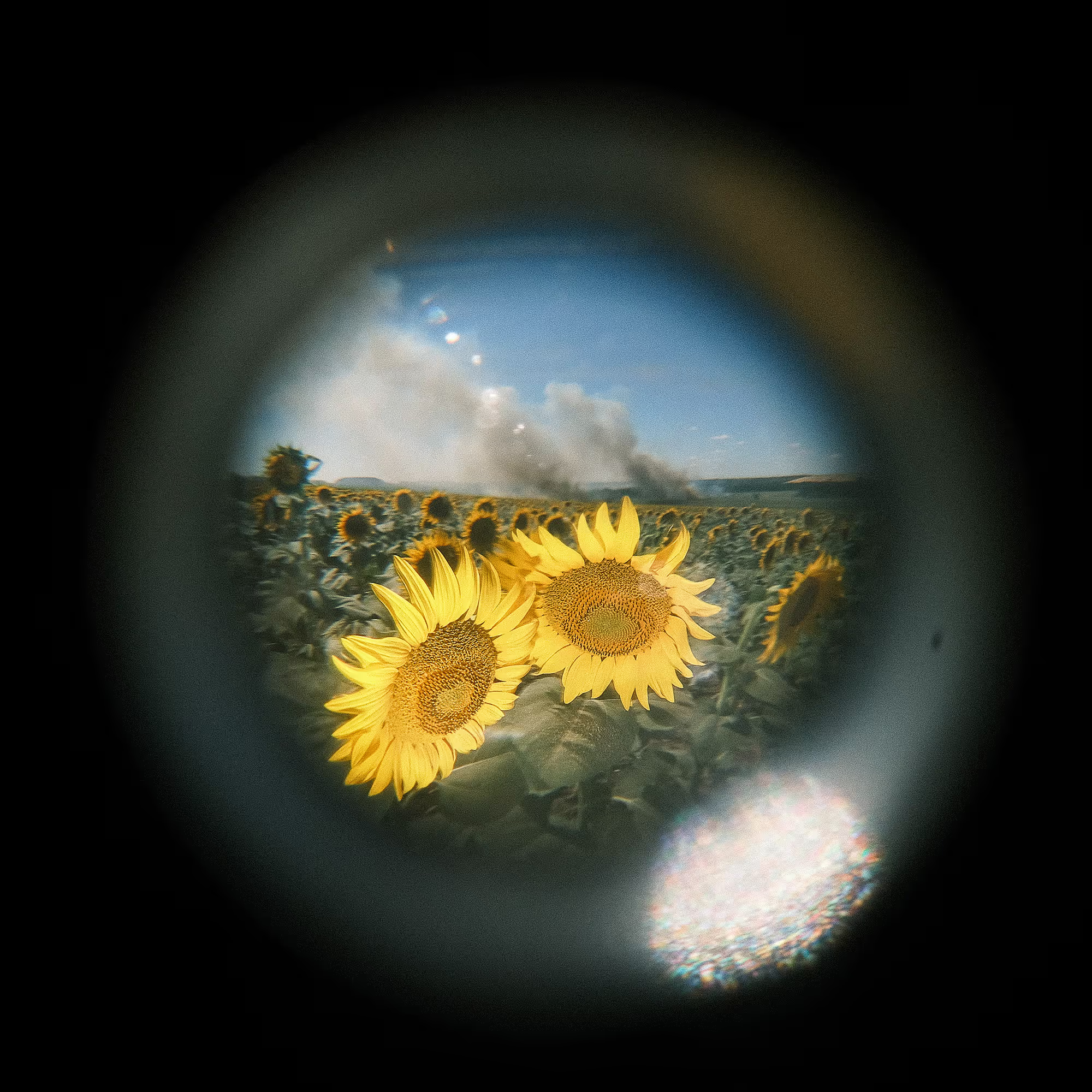
In Encircling Stories, these images, taken in movement over seven years of returning from Punjab to Goa, cutting across several regions of India over several days of train rides, something else emerges, as the relation of peasants to their land differs every time, provoking further deferral. Such relation is indirect and unsearched, equally revealing the complexity of a region where agriculture has been under threat to monoculture and dispossession yet again in recent times. Dhunsi’s originating search addressed instead something more grand and exotic, the longest factory in the world, which was the primary purpose of the ride, with complex unconscious references in terms of desire and constructed dependency over centuries of culturally determined impositions from design history but also familiar relations from his paternal legacy and what he could bring with him from Asia to Scandinavia decades prior.
For this exhibition, Dhunsi’s images standing still are unusual. The machinic system he usually creates to make them unreadable has disappeared. Their freezing into a frame should make us feel more stable, but something remains floating without such a spinning view. Floating, free falling, is considered dangerous in our times. We are taught we need navigation to know where we are going. We need a function. We need to function within the machinic system we have been given.
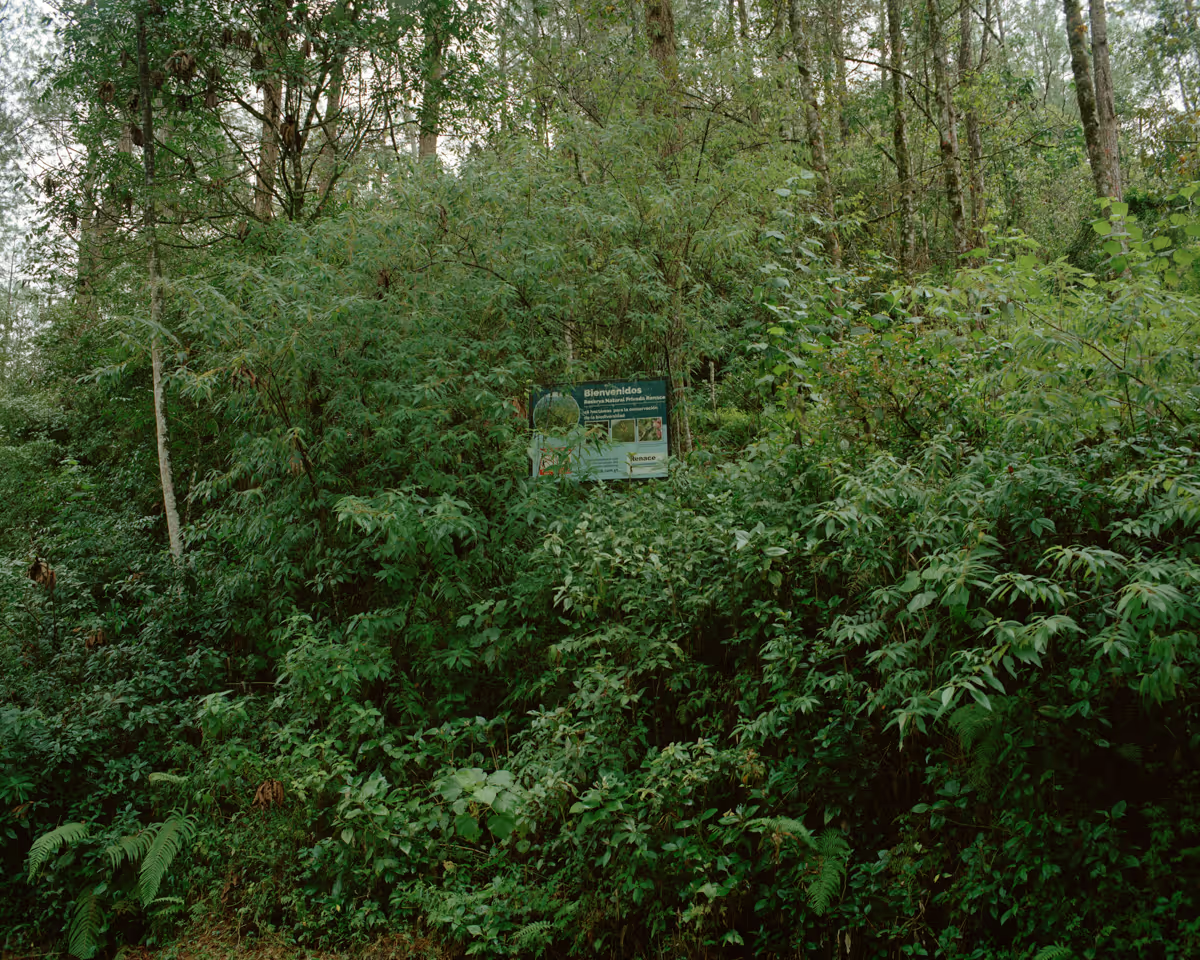
Through this exhibition, Dhunsi explores how a site turns into sight, pointing to photography’s intrinsic historical function of land grabbing. He speaks about images not only capturing a landscape —as if abstract— momentarily but also serving domination power. The camera grabs the image of a territory, restricts its access, and defines its ownership. Although it seems we are given access through the field of vision to open landscape or the cultural landscape —even nature— we are recirculated as the viewer witnessing and therefore enabling knowledge of sight of the dispossessed. We are non-agential witnesses yet reproducing dispossession.
What may sound like a self-referential and philosophical perspectivization of an artistic practice —going from images that are moving to still images— in reality, is something more tangible. Dhunsi’s images from the carriages in motion over the Indian territory —a nation-state like many others determining rights over land, capital, possessions, and jurisdictions—returning to the same carriages and the same landscape periodically capture at a glance the continuous dispossession of peasants from their land through the ongoing capitalization of these grounds and the consequent displacement of its people. When land is taken away from people, they remain floating without a future.
Dhunsi would usually have left his images “laundering” and potentially be consumed by this free fall to the point of cancellation because of mechanical self-destruction.
Dhunsi’s core images of a textile factory producing bed sheets of which, on other occasions, we have heard sound, haunts us. Its sound, now turning into vision, haunts our dreams and our possibility to rest, another form of free-floating into yet another state of induced imbalance, sleeplessness. The unconscious, Modernity’s introjection of the world, is a dream state where humans think through their inner unknown, sitting on their inside instead of collectively forming cognizant forms of dwelling. Accordingly, the world implodes inside a body on a free fall, an internal chaos, the unconscious, which is also constituted by images. If we all float, though, we have the potential of losing the determinism of Western perspectivism, what continues to keep us in place. It means we have the possibility of entering a new world era, no matter how disruptive that may seem. Or we already have. We are driven by chaos, and we are part of a chaotic revolution.
There is a calming quality to this free fall of being on the verge because, instead of image production, we are losing control of visibility. Through Dhunsi’s work, there is no search for an original vision but for origination. We are embedded into a whole other interface of reality, identity, and representation, whose aim is yet to be enclosed in a single definition.
Similar projects by everyone else


















Newsletter