Artist
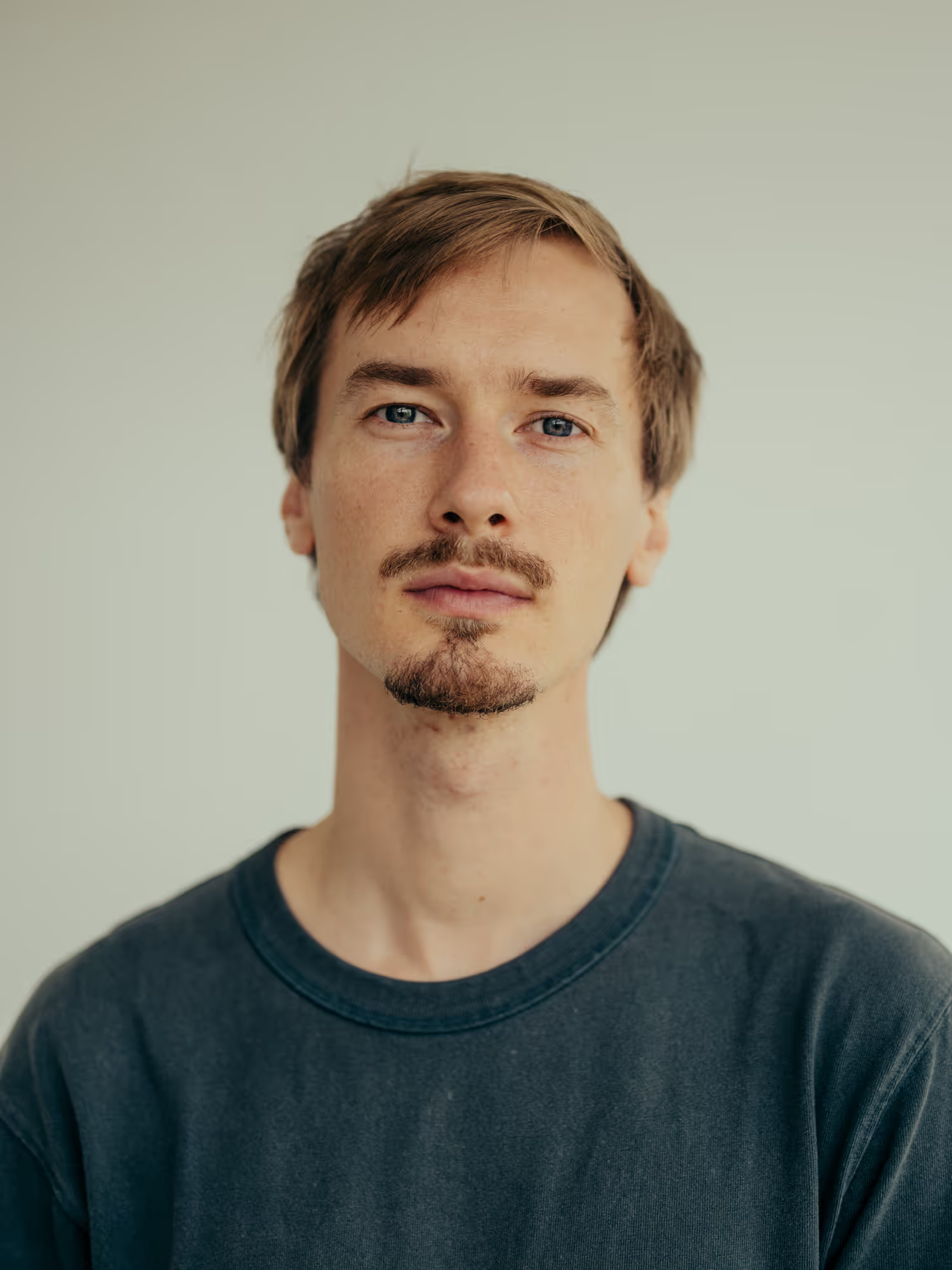
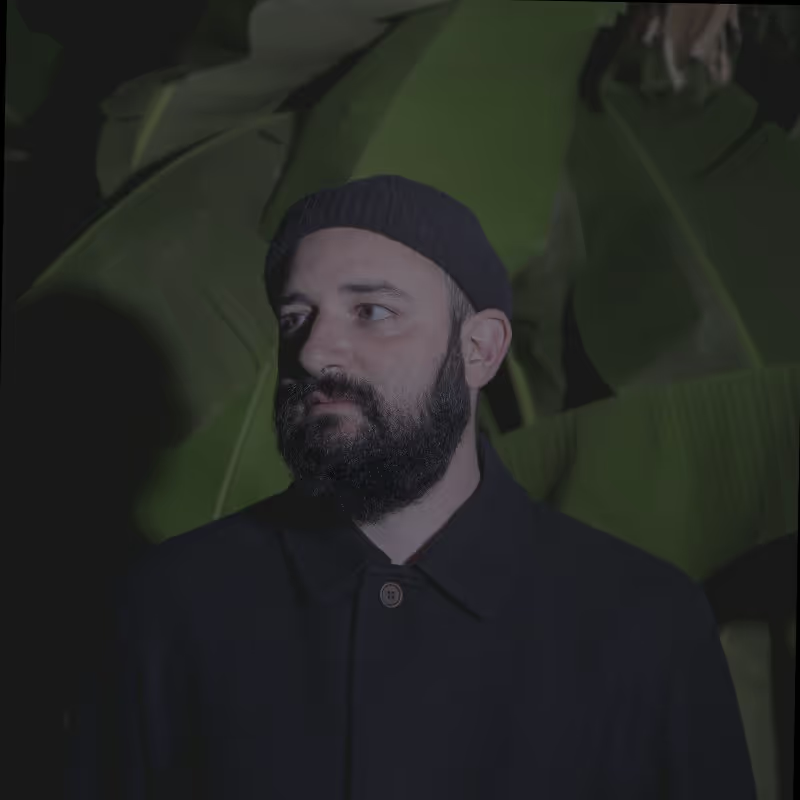
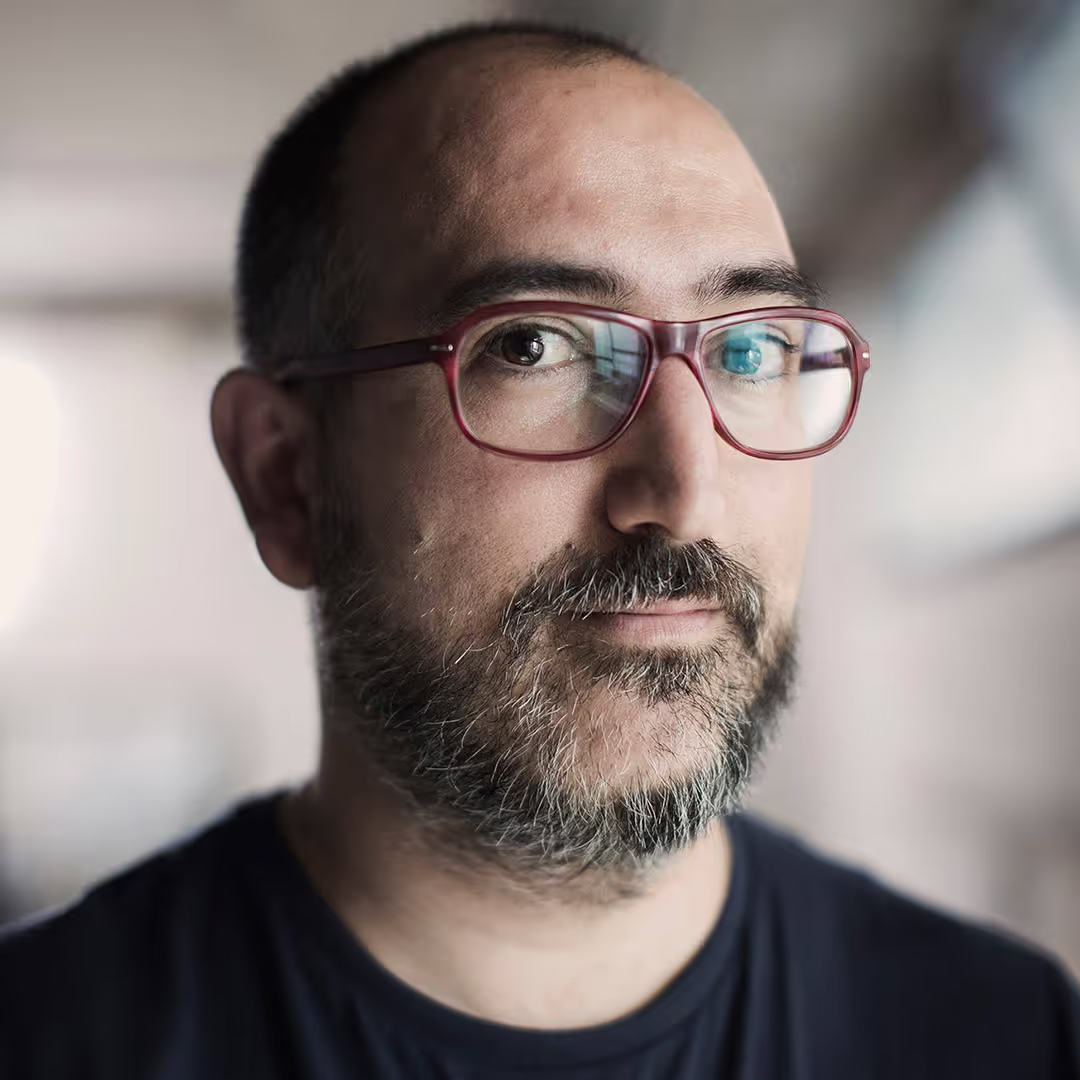
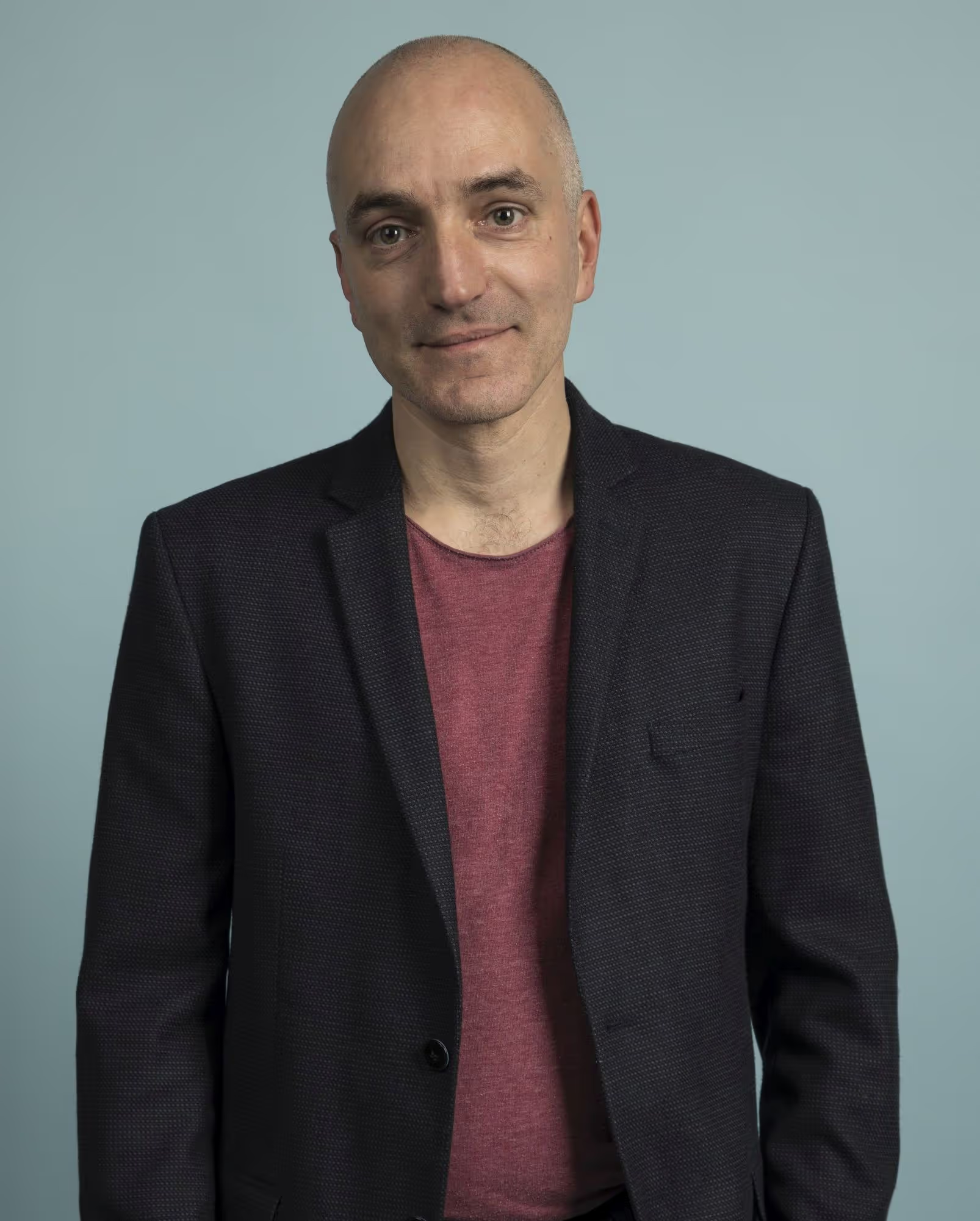
Ignacio Navas
Ignacio Navas (b. 1989 Tudela, lives and works in Madrid) creates computational, generative and interactive projects based on photographic image to research how dominant structures—political, economic, or social—are made present and shape our everyday affairs. With this approach, Ignacio explores the possibilities that emerging technologies, computing, and new media offer to the photographic medium.
His recent work has received support from several grants and institutions, including the Visual Arts Creation Fellowship (Community of Madrid, 2024) and the Plastic and Visual Arts Fellowship (Government of Navarra, 2024). His images and interactive installations have also been part of initiatives such as Plat(t)form at Fotomuseum Winterthur (Switzerland, 2024), the Photoworks Digital Programme (UK, 2023), the Return2Ithaca Residency (Greece, 2023), and the FUTURES European Photography Platform (Netherlands, 2022).
Ignacio believes that contemporary creation cannot be understood without actively engaging in its own management. This conviction drives him to lead collective initiatives such as La Embajada (2024–), a platform to showcase projects created within the Spanish territorial context in the unofficial circuit of the Rencontres d’Arles festival, or El Local (2023–), an independent space for contemporary photography in Madrid.
Everyday People – Elecmar S.L.
A series of non-fictional videogames about common stories from Madrid City.
Elecmar S.L. is the first one of them. Through the image, beliefs, aspirations, and memories of the owners and customers from a small business called Elecmar S.L., this project aims to explore the complexities and contradictions of the local commerce.
The goal of this first project is to offer to the viewer a narrative to think critically about how the market played out in the lives of ordinary people.
I dig into stories that show how big providers’ greed floods retailers with excessive stock and its consequences, how small businesses are forced to discard it even with the tremendous environmental impact of its components, or how commercial malls and online stores have reduced de interrelationships of the local communities, samples of the technicals’ little pettiness versus the innocence of customers or how some citizens see themselves forced to use sloppy strategies to save energy and try to lower the energy bill.
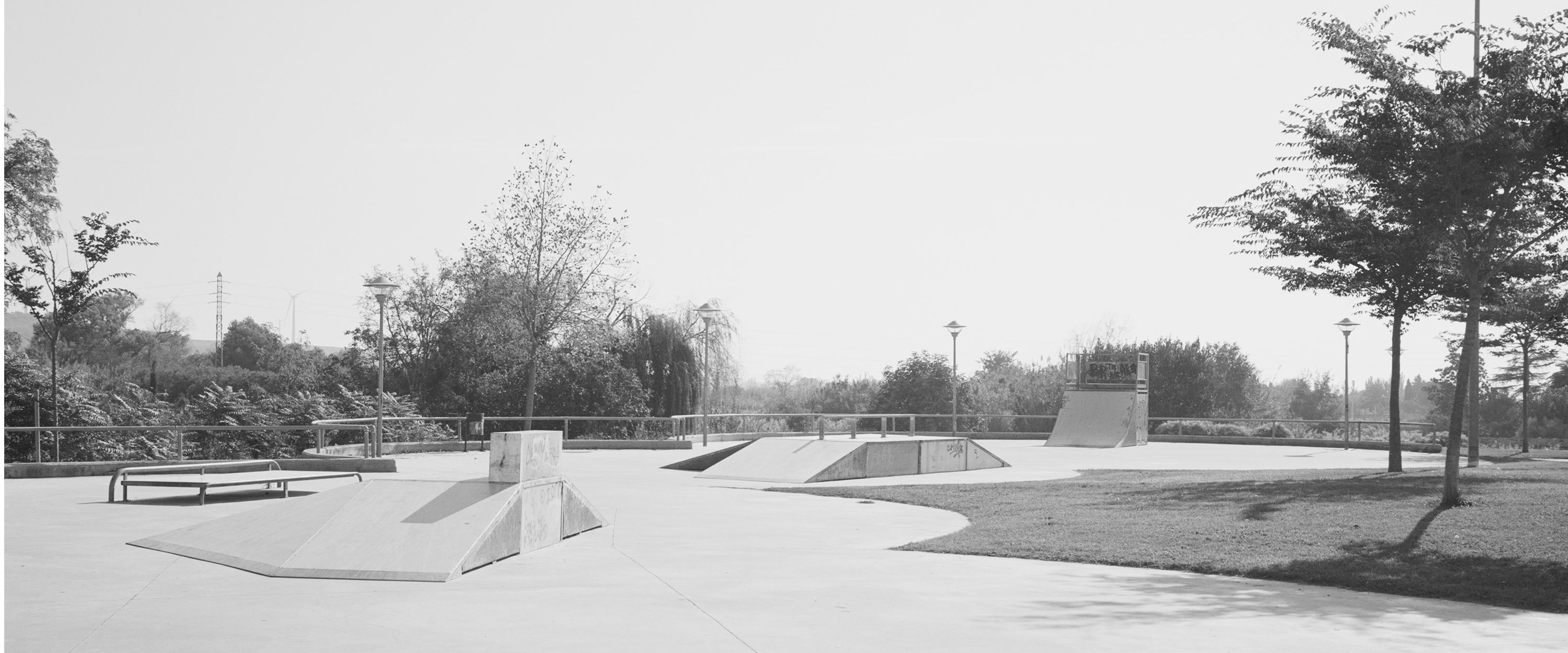
KICKFLIP
Ignacio Navas draws from everyday life to explore the political, social and personal structures that comprise us. His project is a critique on the capitalist system, and the
instances of micro-violence that define it.
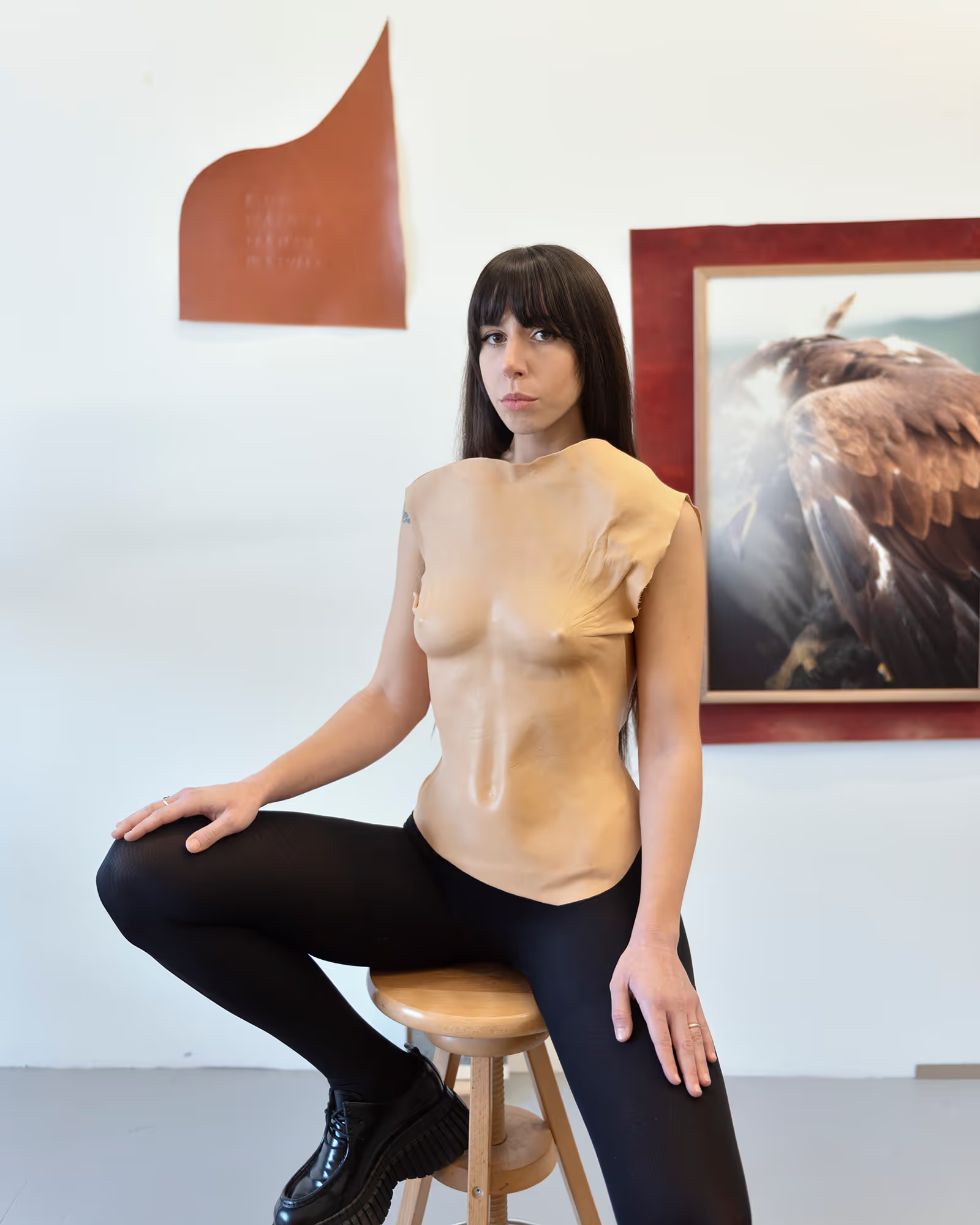
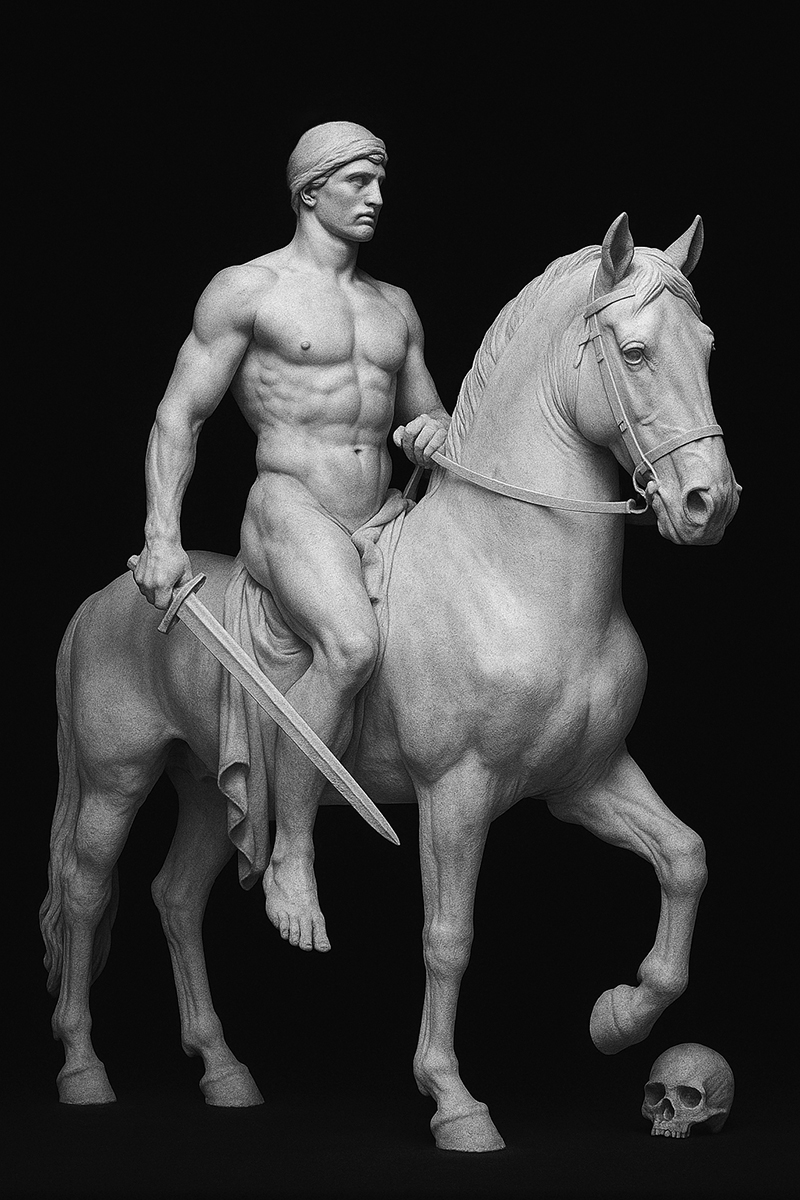
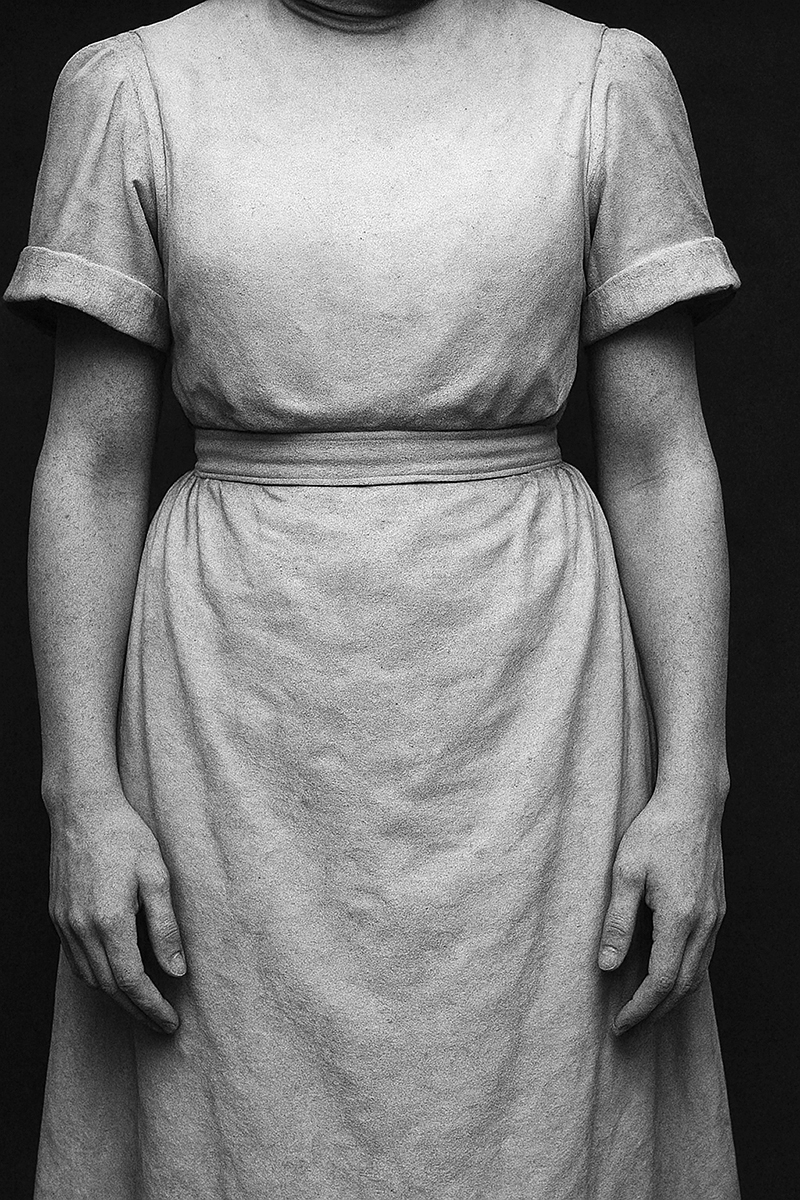
With her Paul project, Cristina Galán suggests the subversion of identity and something sinister under the visually-polished surfaces of reality. Figures suspended in
time appear in an idealised but impersonal world, representing the clichéd spaces of consumer society.
A disturbing feeling also permeates Felipe Romero Beltrán’s Dialect project, which saw the artist recreate the everyday lives of a group of Moroccan youngsters, as they await a future beyond an immigrant centre in Seville.
In Como la casa mía Laura C. Vela accompanies Xirou, a Chinese immigrant woman, in her search for a way of being in the world. The work is both an exploration of the main character’s inner world and a significant photographic encounter between two women.
Finally, Lorena Morin reflects on family life through intimate images of her partner, herself and their children. Captured in shared domestic spaces, her photographic diary reflects 15 years of familial love and unbreakable bonds.