The
Artist
Maite Vanhellemont
Lives and Works in
Amsterdam
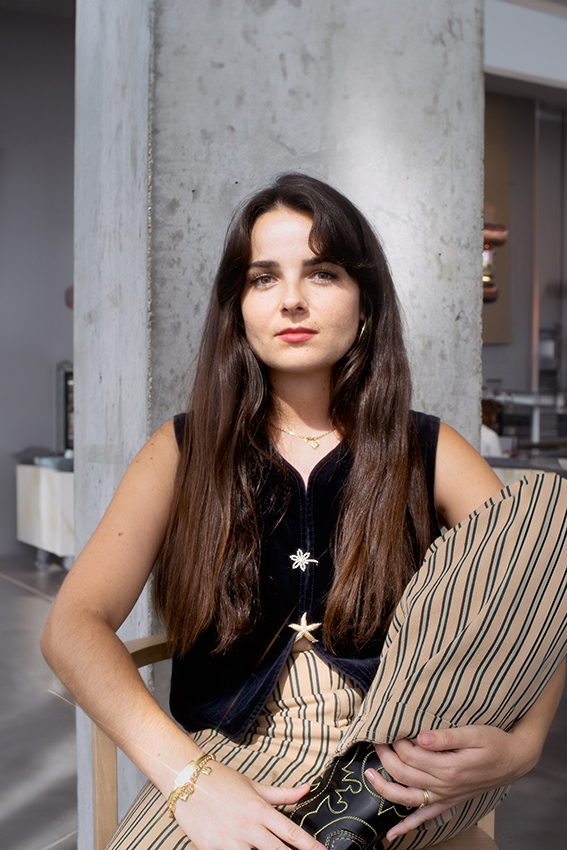
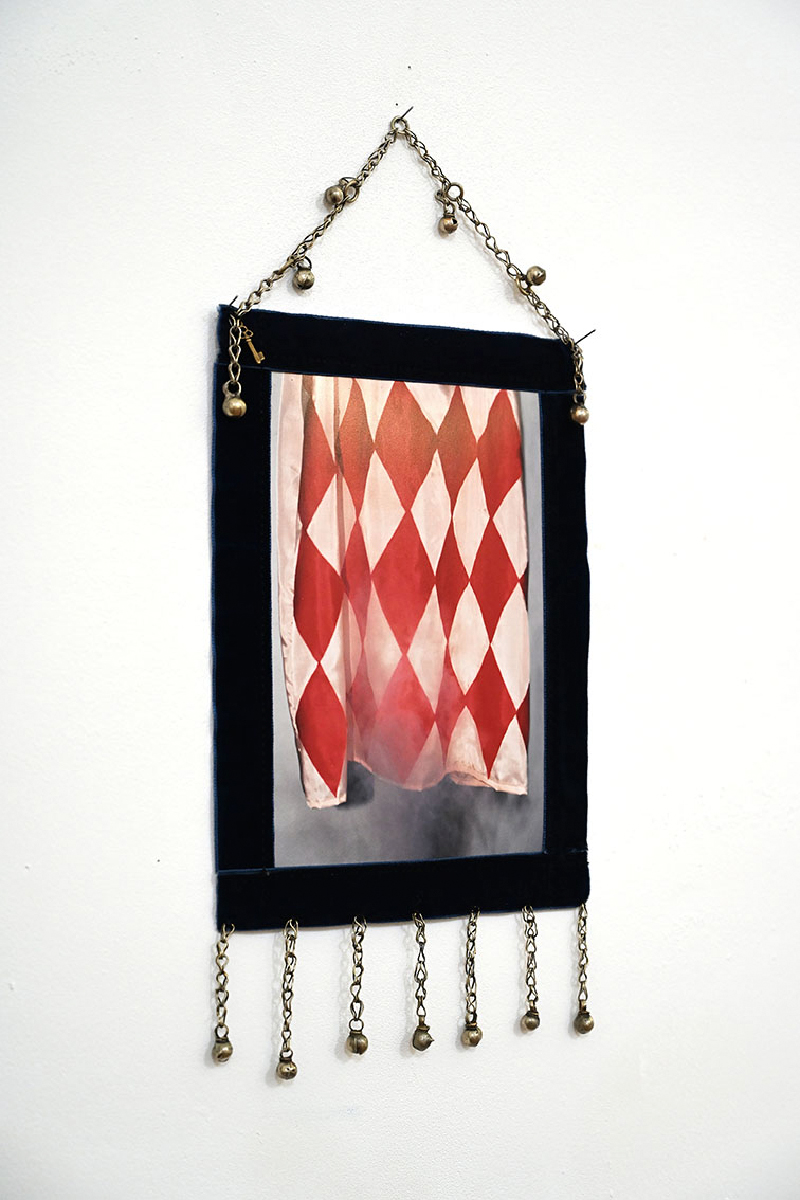
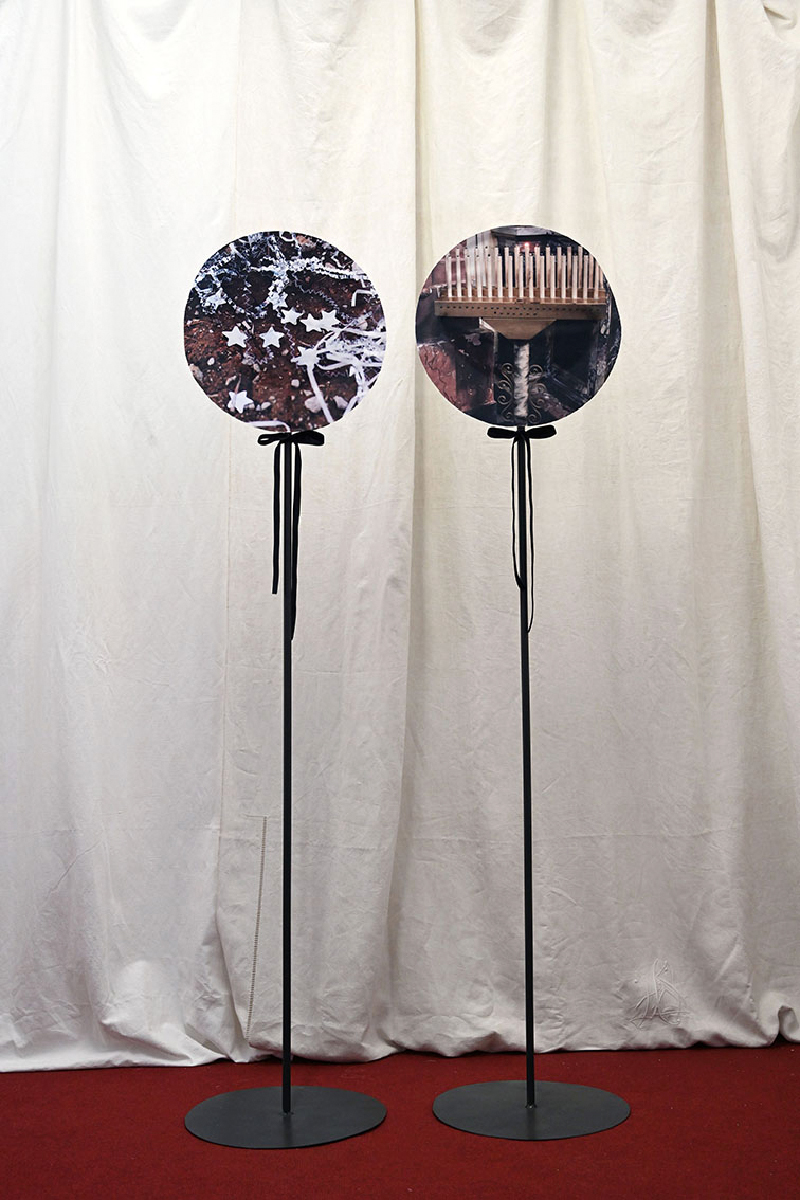
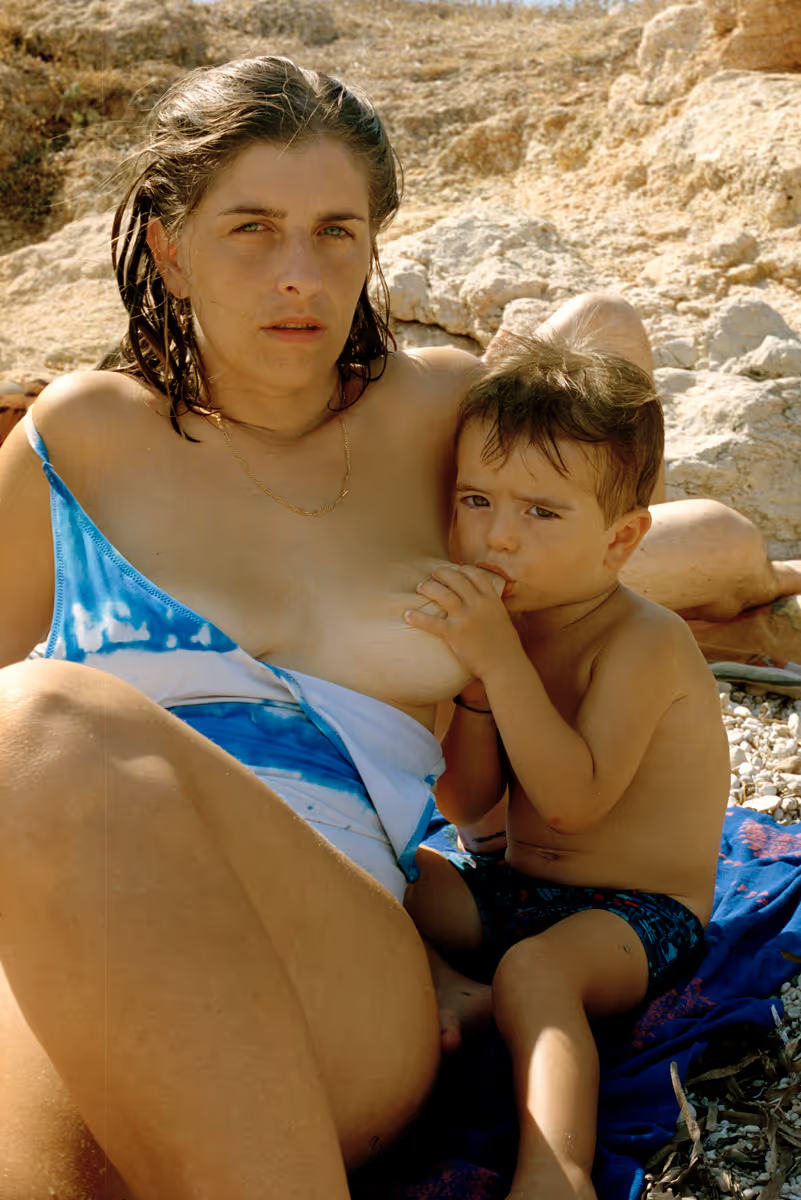
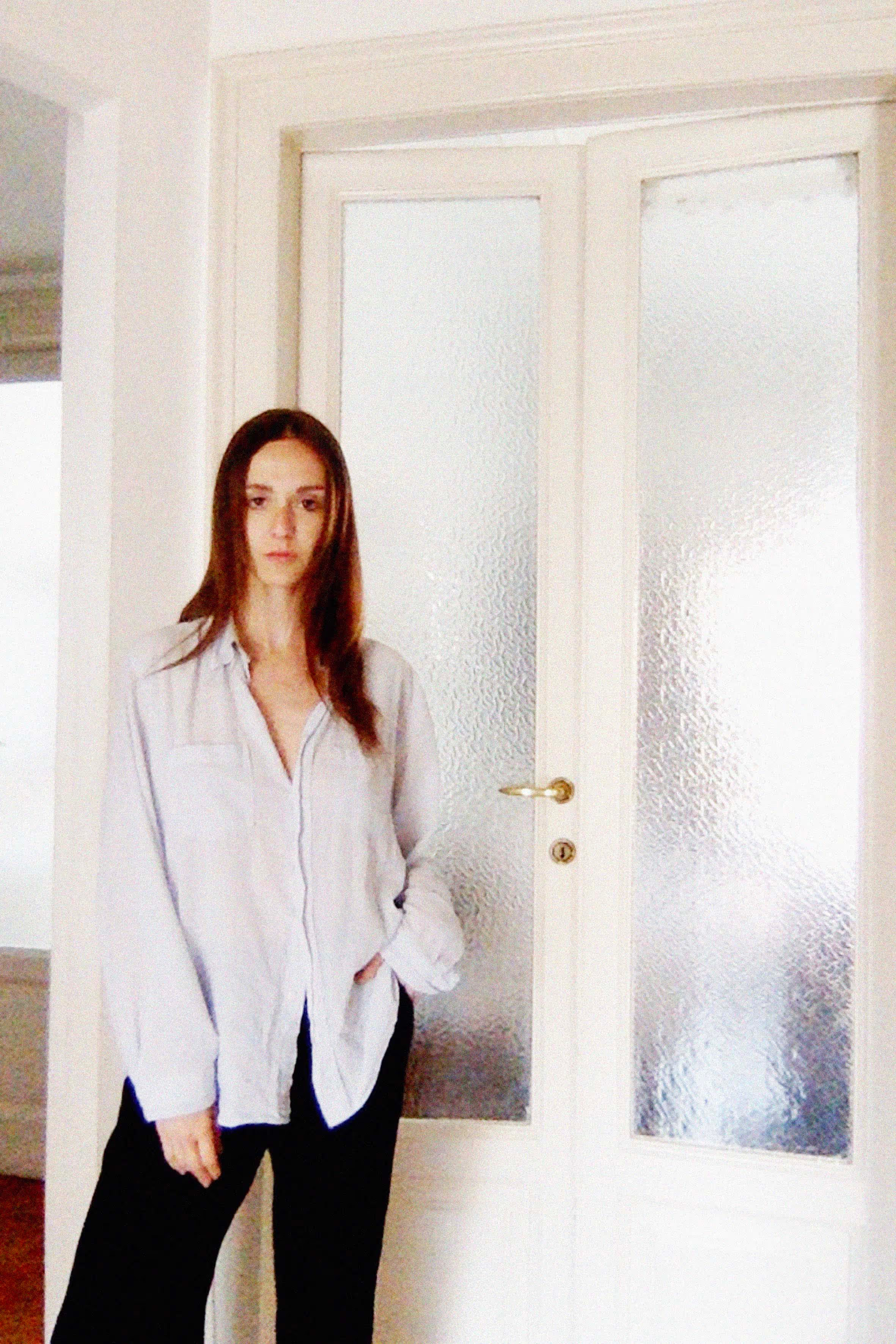
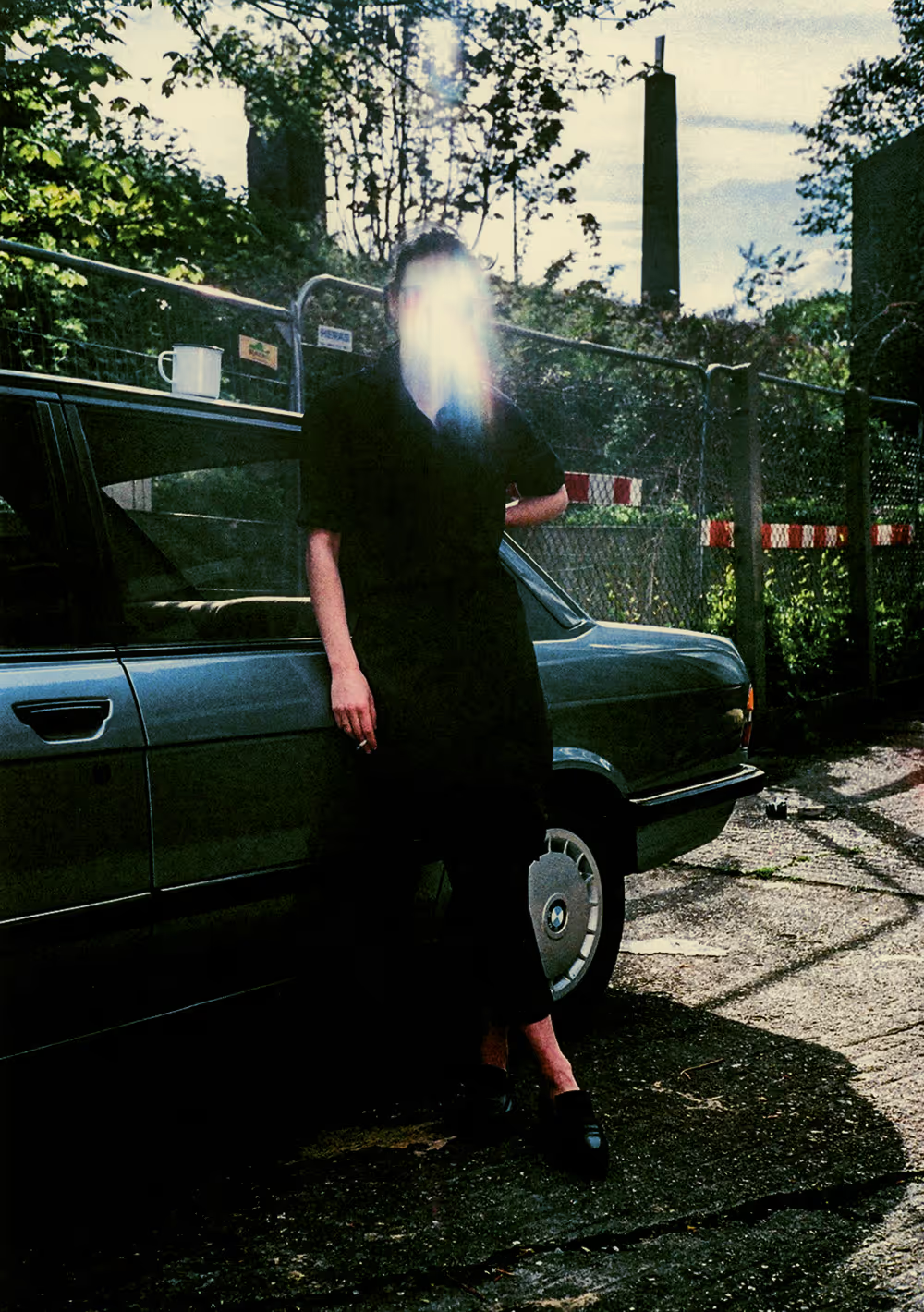
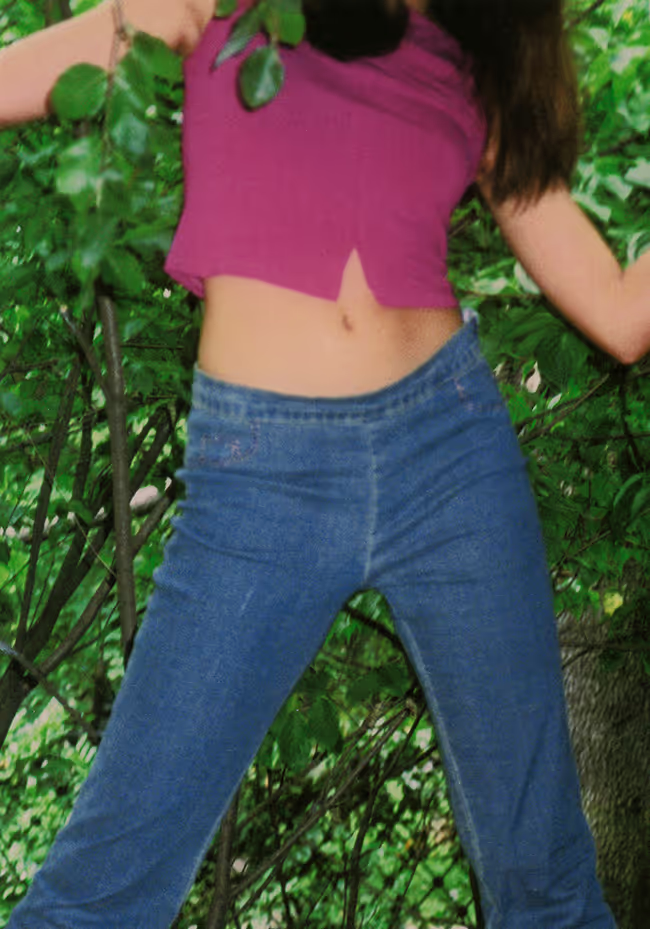
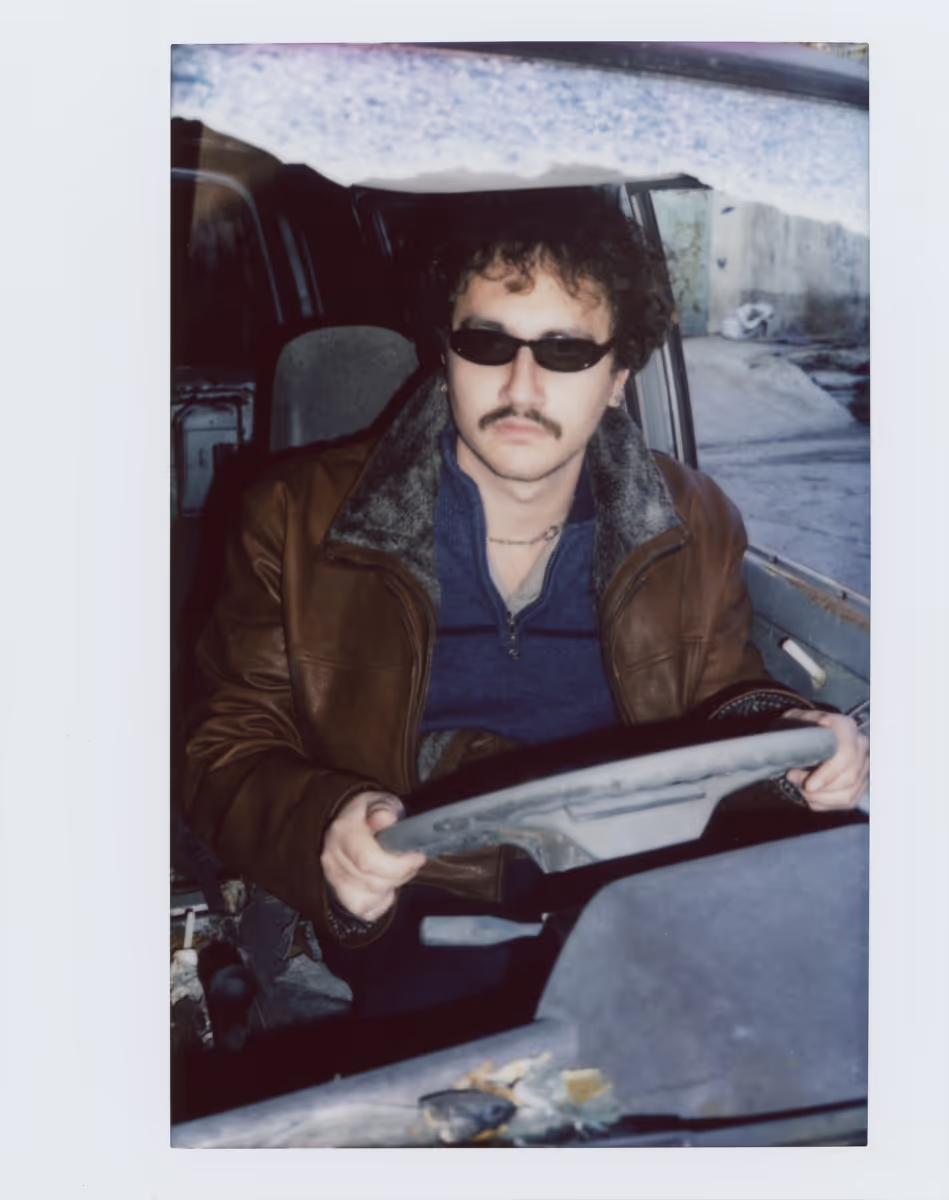
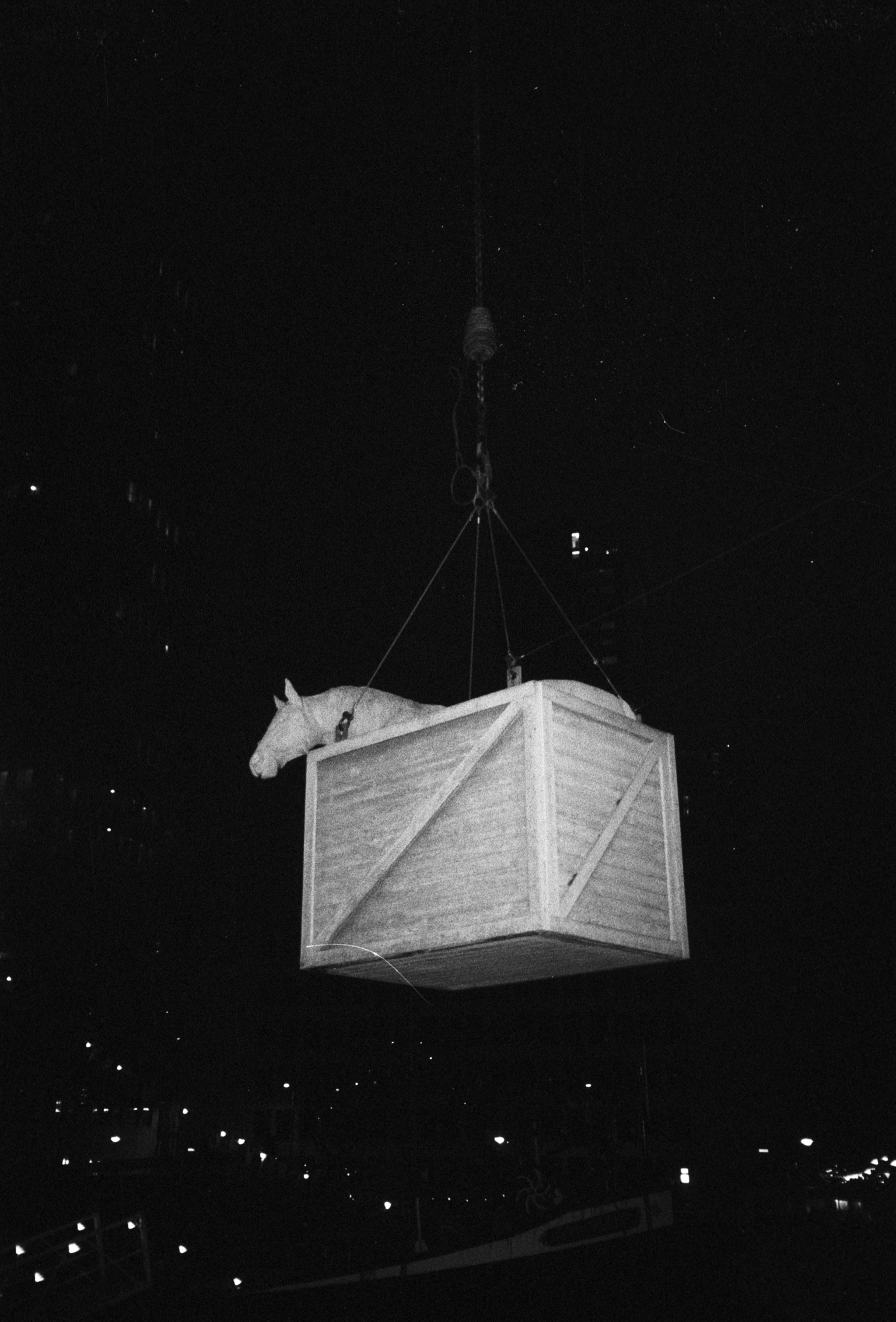
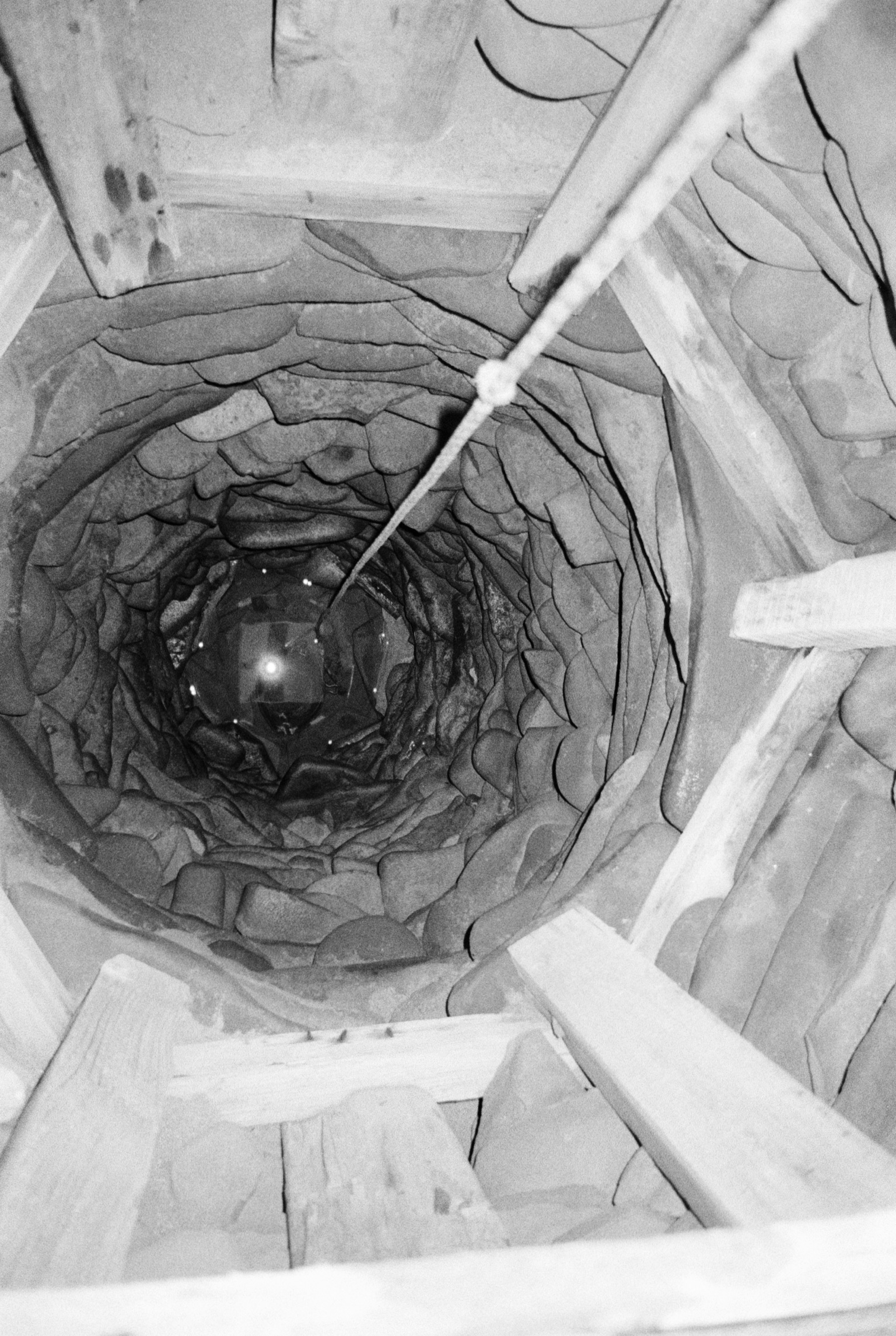
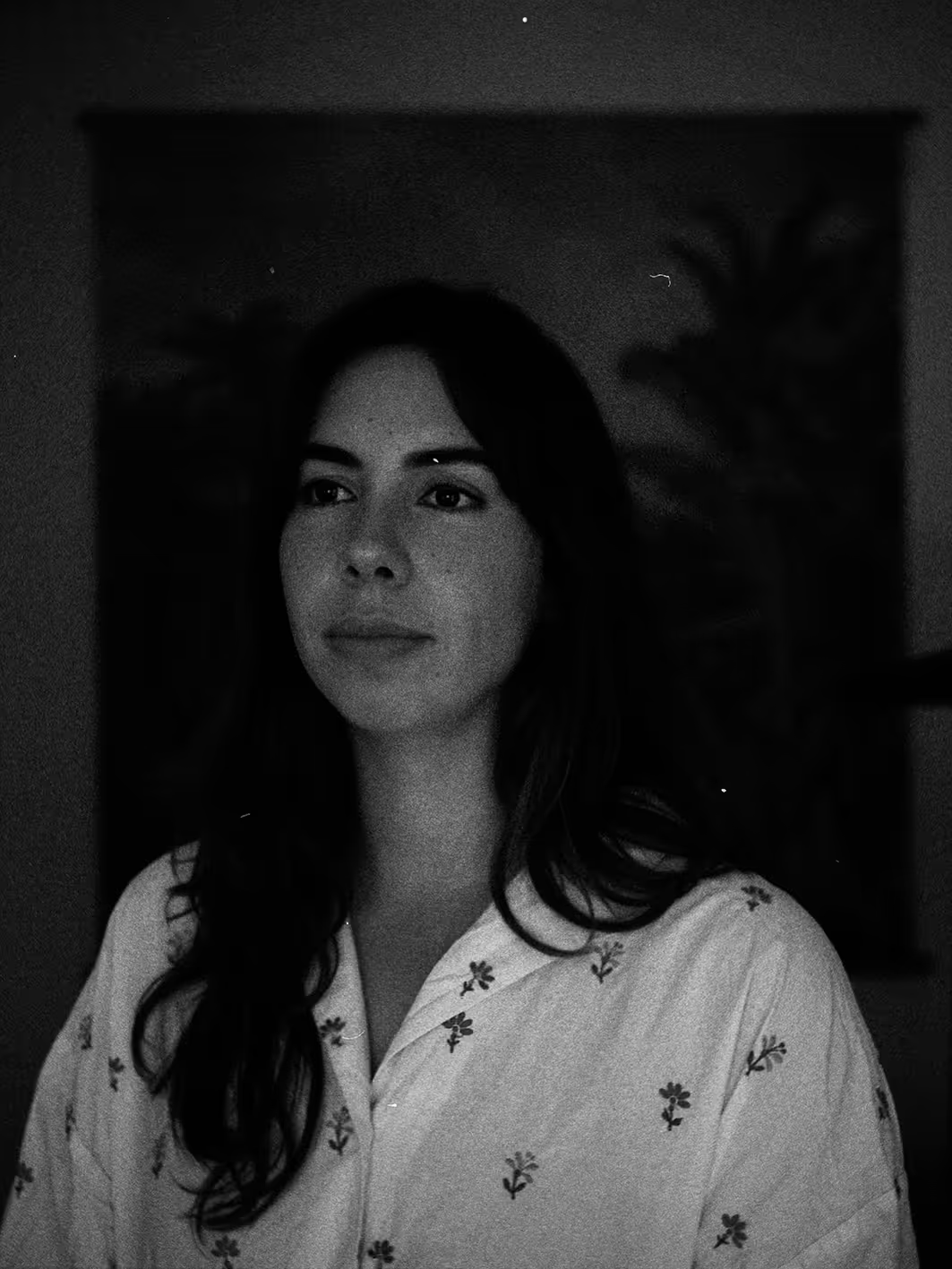
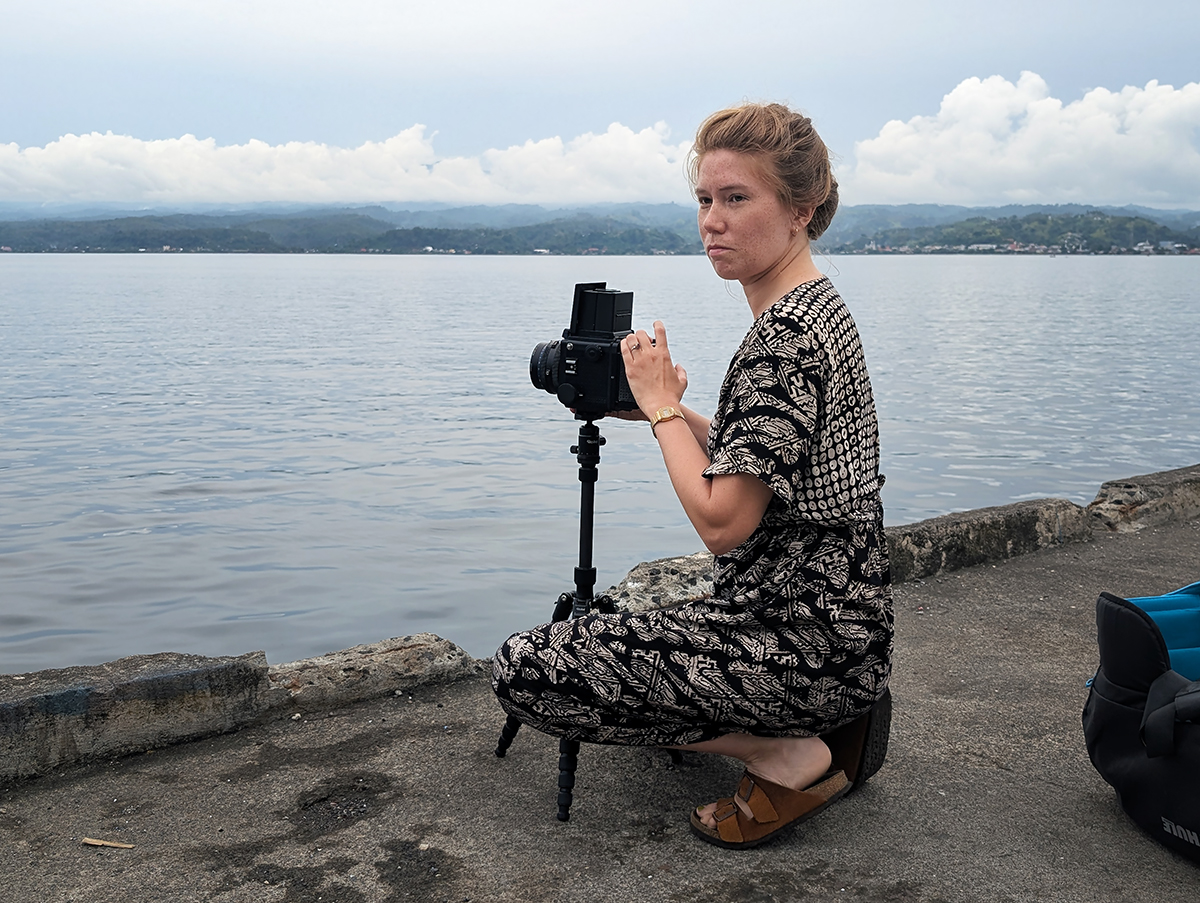
The work of Maite Vanhellemont (1990) moves at the intersection of family stories and collective history. In “A Little Memory of The Beginning”, she reflects on her Dutch-Indonesian background using archive material, photography, video, drawings and text. In May 2026 she will present this project in a solo exhibition during Kraków Photo Month (PL). In collaboration with FW:Books (NL), she will present a publication at the end of 2026.
In 2025, she was selected for the FOTODOK Talent Embassy, and in 2024, the project “Zoals mij gewoon is” (As as is common to me) was presented during SPOOR Art Festival (BE), in collaboration with Plan B Arts Platform.
She is also a lecturer at the University of the Arts in Utrecht (NL), a language volunteer for women at Stichting Dynamo in Amsterdam (NL) and is currently enrolled in the part-time master's program “Education in Arts” at the Piet Zwart Institute in Rotterdam (NL).
In 2025, she was selected for the FOTODOK Talent Embassy, and in 2024, the project “Zoals mij gewoon is” (As as is common to me) was presented during SPOOR Art Festival (BE), in collaboration with Plan B Arts Platform.
She is also a lecturer at the University of the Arts in Utrecht (NL), a language volunteer for women at Stichting Dynamo in Amsterdam (NL) and is currently enrolled in the part-time master's program “Education in Arts” at the Piet Zwart Institute in Rotterdam (NL).
Projects
2026
A Little Memory of The Beginning
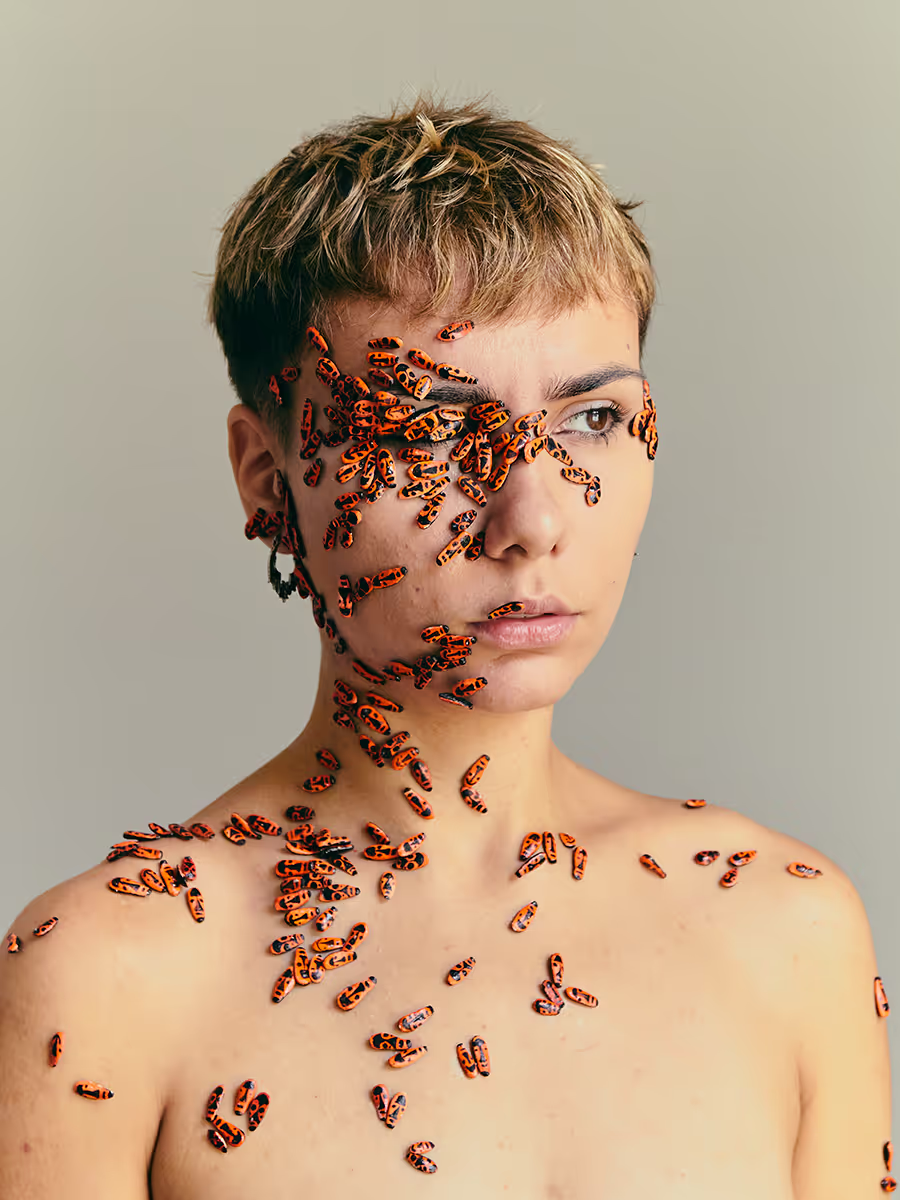
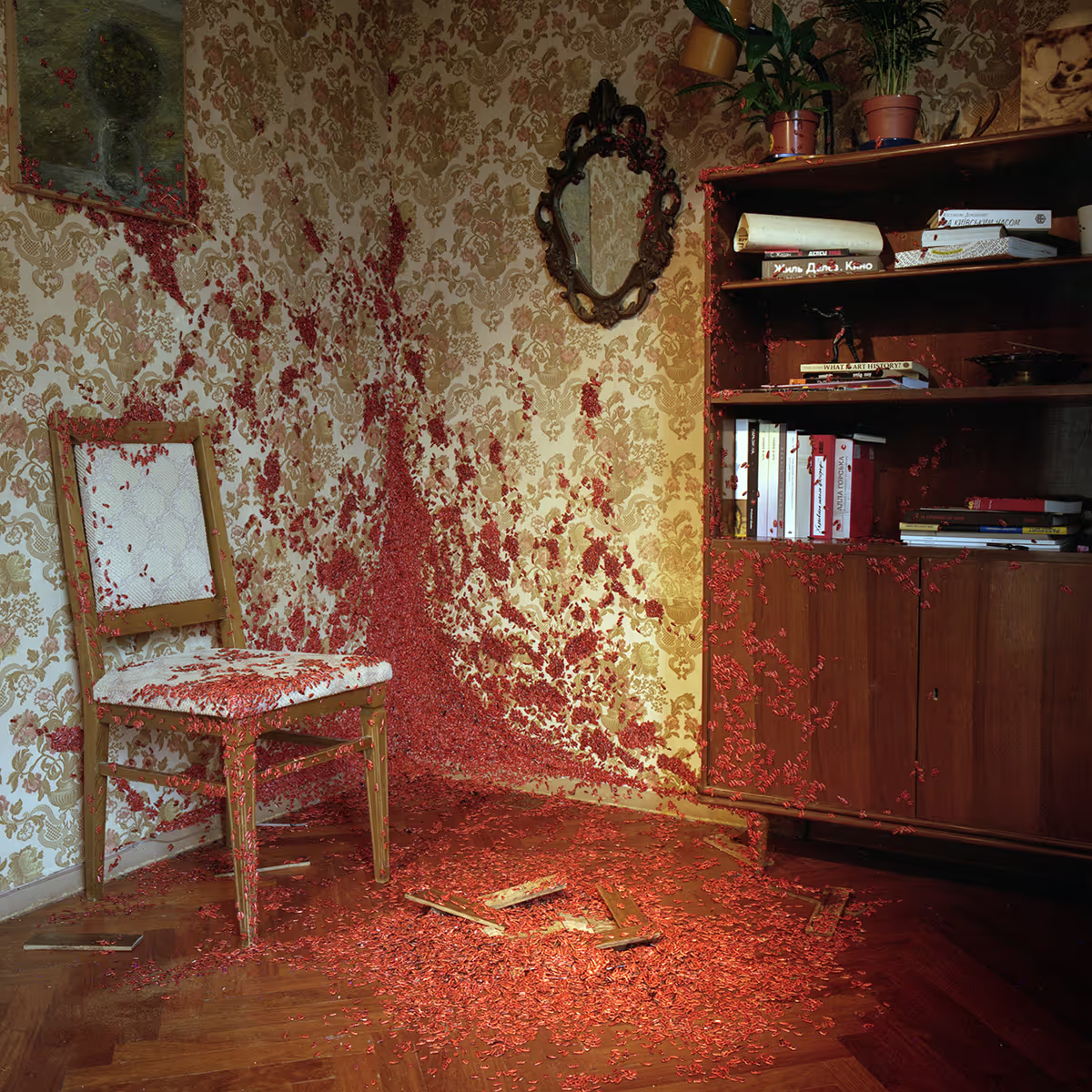
The project "A Little Memory of The Beginning” (2022-2026) started with a picture of my grandmother, which was used to apply for Dutch citizenship in Indonesia in 1947. The title refers to a note she wrote on the back: A Little Memory of “The Beginning”.
Firstly, this sentence refers to her personal experience at the time. It makes me wonder to what extent she was aware of what kind of beginning was starting? Secondly, the title also has a literal meaning, because there is very little knowledge about this specific period in the life of my grandparents. Based on what I do know, from family members and collective history, I think you could say that my grandfather was both oppressed, as well as part of the oppression. He fought against the Japanese occupation in Indonesia (1942-1943) as part of the Dutch army (KNIL) and was held hostage in a camp (1943-1945) where he had to work on the Burma Railway. Afterwards (1946-1947) he had to serve the KNIL again, fighting the Indonesian revolution, during which approximately 100.000 Indonesians have been killed.
In 1951, my grandparents, together with their three eldest children, including my father, left by boat for the Netherlands. They wanted to integrate as quickly and as well as they could. Throughout their lifetime, my grandparents never shared much about this period in their lives, but it has left its mark on my father's upbringing, and therefore also on me.
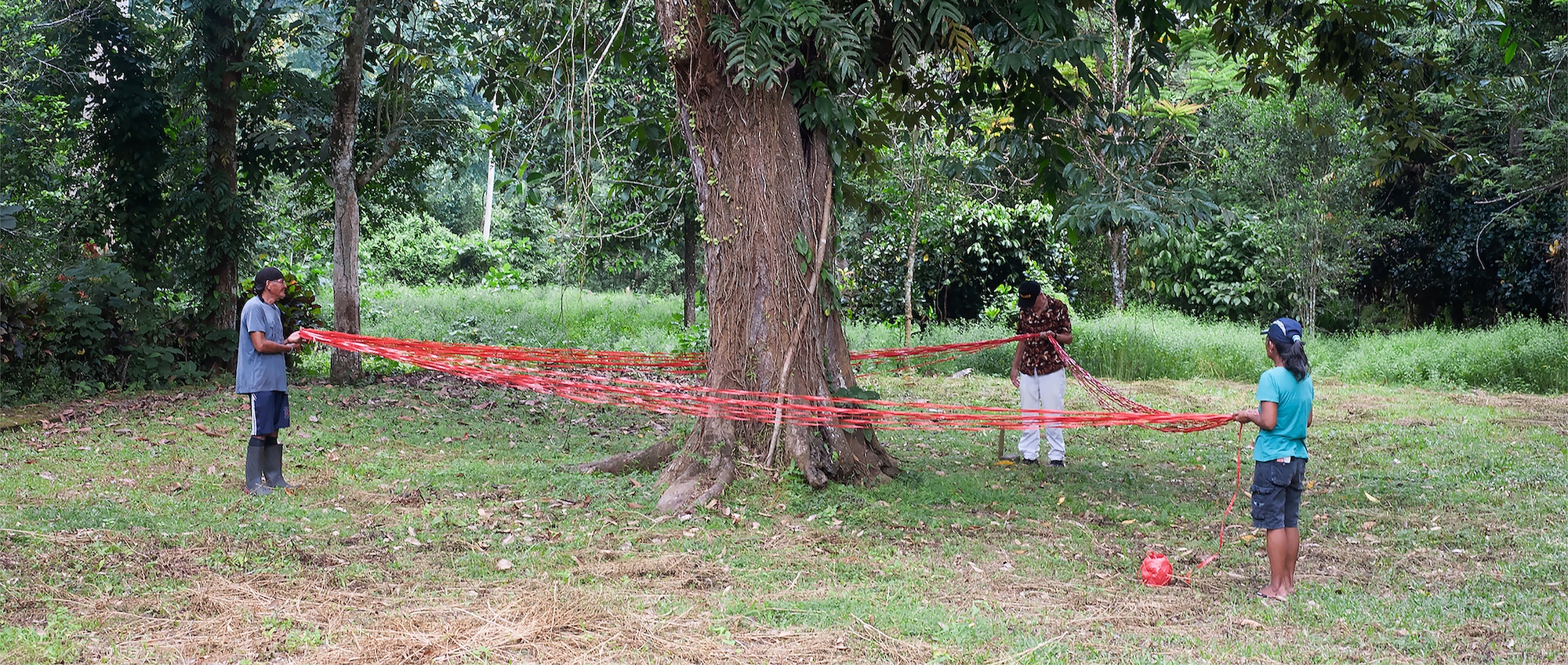
Within this project I reflect on my Dutch-Indonesian heritage. Through archival material, photography, video, drawing and text I try to trace fragmented family histories across time and geography. Through artistic research and embodied practices, I’m trying to find new rituals to engage with inherited memory and the stories that remain unspoken.
Firstly, this sentence refers to her personal experience at the time. It makes me wonder to what extent she was aware of what kind of beginning was starting? Secondly, the title also has a literal meaning, because there is very little knowledge about this specific period in the life of my grandparents. Based on what I do know, from family members and collective history, I think you could say that my grandfather was both oppressed, as well as part of the oppression. He fought against the Japanese occupation in Indonesia (1942-1943) as part of the Dutch army (KNIL) and was held hostage in a camp (1943-1945) where he had to work on the Burma Railway. Afterwards (1946-1947) he had to serve the KNIL again, fighting the Indonesian revolution, during which approximately 100.000 Indonesians have been killed.
In 1951, my grandparents, together with their three eldest children, including my father, left by boat for the Netherlands. They wanted to integrate as quickly and as well as they could. Throughout their lifetime, my grandparents never shared much about this period in their lives, but it has left its mark on my father's upbringing, and therefore also on me.
Within this project I reflect on my Dutch-Indonesian heritage. Through archival material, photography, video, drawing and text I try to trace fragmented family histories across time and geography. Through artistic research and embodied practices, I’m trying to find new rituals to engage with inherited memory and the stories that remain unspoken.
Maite Vanhellemont
was nominated by
FOTODOK
in
Show all projects
Each year every member of the FUTURES European Photography Platform nominates a set of artists and projects to become part of the FUTURES network.
Related artists
More artists that you might
like to explore
All artistslike to explore

Chloé Azzopardi is a French transdisciplinary artist living on an island on the
outskirts of Paris.
Her research revolves around ecology, new technologies and the construction of post-capitalocene imaginaries. She was an artist-in-residence at Villa Pérochon under the mentorship of Joan Fontcuberta. In 2025, she began a residency in regenerative design at Fondation Martell. Her work has been presented internationally in numerous festivals, galleries, and museums like Paris Photo, Rencontres d’Arles and Photo Élysée.
In 2024, she was invited by Sigma to present a large-scale exhibition combining multiple projects in Aranya and Shanghai. In 2027, she will present a solo exhibition at the Braunschweig Museum für Photographie. Supported by Fondation des Artistes for her project Tigre jaune sur fond bleu (2025), Azzopardi has received several awards and grants, including the CNAP support for contemporary documentary photography (2025).
Her first book, Non Technological Devices, will be published by Witty Books in 2026.
Her research revolves around ecology, new technologies and the construction of post-capitalocene imaginaries. She was an artist-in-residence at Villa Pérochon under the mentorship of Joan Fontcuberta. In 2025, she began a residency in regenerative design at Fondation Martell. Her work has been presented internationally in numerous festivals, galleries, and museums like Paris Photo, Rencontres d’Arles and Photo Élysée.
In 2024, she was invited by Sigma to present a large-scale exhibition combining multiple projects in Aranya and Shanghai. In 2027, she will present a solo exhibition at the Braunschweig Museum für Photographie. Supported by Fondation des Artistes for her project Tigre jaune sur fond bleu (2025), Azzopardi has received several awards and grants, including the CNAP support for contemporary documentary photography (2025).
Her first book, Non Technological Devices, will be published by Witty Books in 2026.


Catherine Lemblé (b. 1990) is a Belgian photographer based in Brussels. She received her MA in photography from Luca School of Arts Brussels. Her work has been exhibited at FOMU (Antwerp), De Brakke Grond (Amsterdam), Contretype (Brussels), Musée de la Photographie (Charleroi) and Helsinki Photo Festival, amongst others. She was selected for .tiff (FOMU, Antwerp) and FUTURES (European Photography Platform) in 2024. Her photographs have been featured in publications such as The New York Times, Stern, De Standaard, and Frankfurter Allgemeine Quarterly. Through analog pictures she examines the ever-changing relationship between humans and the more-than-human world.
Her second and most recent photo book, Only Barely Still – On Women and Wilderness, challenges conventional ideas about the Arctic and its collective imagination by focusing on the Norwegian archipelago of Svalbard and the lives of the women who inhabit it.


András Zoltai (1990, Szentes) is a documentary photographer, visual storyteller, and National Geographic Explorer based in Budapest, Hungary. He studied photojournalism at the Academy of the National Association of Hungarian Journalists. Specializing in socially and environmentally critical issues, he strives to blend journalistic and conceptual approaches in his documentary narratives.
Since 2021, he has worked on environmental stories along the River Brahmaputra in India. This experience made Zoltai realize the urgency of addressing the water crisis in his homeland, Hungary, a landlocked country abundant in water. His current long-term project, "Blue Memoir," focuses on water issues and its isolation on physical, social, and spiritual levels in a Central European country that is supposed to be a water superpower. His approach explores the fragile and vulnerable relationship between humans and water through encounters and memories from his homeland, while also addressing how climate change and human negligence affect this most precious resource and the quality of life surrounding it.
He has been working on this project since 2022. His work has been published in numerous international publications such as the Washington Post, Fisheye Mag, Libération, El País, and Le Monde, among others. He has been awarded the national József Pécsi Photography Scholarship three times and was the first recipient of the Carmencita–Kodak Grant and also got nomination to Leica Oskar Barnack Award and Joop Swart Masterclass. He is a talent of the European FUTURES platform and proud member of NOOR Academy Alumni.


Romane Iskaria is a French photographer and artist based in Brussels, Belgium (1997). The photographer highlights the injustices and inequalities of invisible communities with a documentary and fictional approach. Her images, specific to “Care”, tell a story and allow her subjects to become aware of their painful stories. She creates a connection with these subjects that goes beyond the simple link between the photographer and her model.
The artist uses photography and the field of video, but also textiles, sound, and sculpture to create immersive installations. She tells stories that take the form of a long-term investigation across several territories. Romane replays specific rituals and stories that also transcend borders, addressing questions around migration and exile. The photographer creates plastic forms allowing her to subvert the codes of documentary.
She graduated with a Master's degree in photography from ENSAV La Cambre in 2022 and a DNA (National Diploma in Plastic Arts) from INSEAAM Beaux Arts in Marseille in 2018. She also completed an exchange at the U-LAVAL Visual Arts school in Quebec, Canada. Romane is laureate of TIFF 2024 Emerging Belgian Photography, by FOMU Fotomuseum Antwerpen and the european platform FUTURES Photography. Her work has been shown in solo and group exhibitions: in the United States (ART-ARK Gallery in San Jose, California; Assyrian Policy Institute in Washington, D.C.), in Brazil (João Pessoa Paraíba Nordeste Art Gallery of the Energisa Institute), in France (Circulation(s) Cent-Quatre Festival in Paris, Lille Art-Up Centre Photographique in Lille, La Grande Vitrine Gallery in Arles, HLM Gallery in Marseille), in Belgium (FOMU Fotomuseum Antwerp, S.M.A.K Museum in Ghent, House of European History Brussels, TAMAT Museum in Tournai, BPS22, Art-Brussels Off, Prix Médiatine, Hangar Art Photo Center, TICK-TACK Gallery, Tiny-Gallery, Fondation Carrefour des Arts), in Armenia (French Consulate in Yerevan), in Italy (L’Asilo in Naples), and in the Netherlands (Flemish Cultural Center). Brakke-grond, Noorderlicht Festival). Romane was selected as part of the call for projects launched by Polka Magazine and Kickstarter for the creation and support of an artist's book, with the self-publishing of her first work, "Assyrians," in a print run of 300 copies in 2022. The book "Assyrians" was also a winner of the Belgian Photo Books selection, presented at the Rencontres d'Arles in July 2022.


Faces%252520of%252520Predictions_003.jpeg)
Sheung Yiu (HK/FI) is a Hong-Kong-born, image-centered artist and researcher, based in Helsinki. His artwork explores the act of seeing through algorithmic image systems and sense-making through networks of images. His research interests concern the increasing complexity of algorithmic image systems in contemporary digital culture. He looks at photography through the lens of new media, scales, and network thinking; He ponders how the posthuman cyborg vision and the technology that produces it transform ways of seeing and knowledge-making. Adopting multi-disciplinary collaboration as a mode of research, his works examine the poetics and politics of algorithmic image systems, such as computer vision, computer graphics, and remote sensing, to understand how to see something where there is nothing, how to digitize light, and how vision becomes predictions. His work takes the form of photography, videos, photo-objects, exhibition installations, and bookmaking.


Pascual Ross (b.1977) is a Spanish photographer, who lives and works in Andalusia. His photographic practice is based on the people and the stories that each of us carry inside, this being his central axis of work. It reflects on the individual, his natural environment and the customs that condition him in one way or another. The minimal stories are the most important in the story line of your work.

Éva Szombat is a photographer based in Budapest, Hungary. She earned her MA in photography from Moholy-Nagy University of Art and Design (MOME), and studied visual communication at ESAG Penninghen in Paris. Her works explore themes of happiness, mental well-being, and self-acceptance, by using colorful visuals with a subtle political edge. She previously released two books on the subject: Happiness, and Practitioners. The series I Want Orgasms, Not Roses won the Robert Capa Grand Prize in 2021, later published by Kehrer Verlag in collaboration with Everybody Needs Art in 2022. In 2023 the book was a joint winner at Belfast Photo Festival Photo-Book Award. Her project about nostalgia, titled Echo in Delirium, was completed late in 2024, and was released also in book form in cooperation with Symposion and Everybody Needs Art. Her works were displayed in numerous festivals and exhibitions such as Unseen Amsterdam, 212 Photography Istanbul, Belfast Photo Festival, White Box (New York), Jerusalem Biennale, Imago Lisboa, Foto Wien, Krinzinger Schottenfeld (Vienna), Galleri Image (Aarhus), Fotografica Bogota, National Museum Warsaw, Münchner Künstlerhaus, Robert Capa Center. She was selected for the FUTURES Photography talent programme in 2018. She is currently attending doctoral school and teaching photography at MOME. She is represented by Longtermhandstand.

I am an interdisciplinary visual artist whose practice operates at the intersection of intergenerational memory, empowerment, and a critical examination of the self in private and public spaces. I understand care—emek in Turkish—as both a political and aesthetic practice: a form of resistance, labor, and memory.
Photography is my primary medium, which I use as a means of intervention and re-inscription. Working with my family archive, I explore gestures, touches, and everyday objects as traces of embodied history. By cropping, enlarging, and rearranging these fragments, I fill in the gaps to reframe marginalized bodies and
relationships as active subjects.
Alongside this, I create intermedial spatial installations, performances, and literary works that interweave photographic and bodily memory.
My photographic language oscillates between documentation and staging. Using luminous, symbol-rich still lifes as well self- and family portraits, I examine habitus as an inscription of history—as continuity, repetition, and ruptures. In my portraits, I work with remote control, thus referring to a queer feminist canon that critically questions the medium on the level of the image.


Angeniet Berkers (1985) is a documentary photographer and educator based in Rotterdam. She holds a BA Degree in Social Work and Photography (KABK The Hague). She previously worked as a sociotherapist, counseling veterans and refugees with complex PTSD. Her background in mental health care is evident in her choice of subjects, approach, and working methods.
Her long-term projects explore the intersections of history, trauma, and family, revealing how personal and collective memories shape and influence our present. Through extensive research and a blend of visual languages, archival materials, text, and sound, she translates complex stories into an accessible and empathetic whole.
Her project Lebensborn was shortlisted for the Aperture Paris Photo First Book Award and the Historical Book Award at Luma Rencontres d'Arles. Her work has appeared in The Washington Post, Katalog Journal, de Volkskrant, and NRC.


Pierre Vanneste is a Belgian photographer and filmmaker based between Brussels and Dakar,specializing in long-term reportage and documentary projects.
His work has been exhibited in museums and galleries (Biennale ofDakar Contemporary Art, Musée de la Photographie de Charleroi, FoMu,Zone i) and published in media outlets such as Médiapart,Libération, DOC! Photo Magazine, Courrier International (webversion), De Standaard, Tchak, Equal Times, and Alter Echo.
In 2018, he co-directed "Bargny, the real face of economic emergence"a transmedia documentary (photos, videos, and texts) about thedesignation of land for industrial purposes. The project wasshortlisted for the Visa d'Or for Digital Information 2019 (Visa pourl'image festival). His project "DREMMWEL" (a photo project with enrichedvideo content) was published in 2020 by Éditions Yellow Now. It is along-term project on the extractivist model through fishing andoverfishing. This project has been exhibited in France, Belgium,Senegal, and Canada. One of the photographs from the project is nowpart of the permanent collection at the Musée de la Photographie deCharleroi.
He received the 2019 Photographic Grant from the FondationJean-Luc Lagardère for his project "P2O5, the Toxic Impact ofPhosphate" which he co-directed with author-journalist Laurence Grun.
Since 2022, he has been working on various videographic andphotographic documentary projects in Senegal.


Related professionals
Other professionals that might be interesting
All professionals
Descriptiondd112333

Salvatore Vitale (b. 1986, Palermo, Italy) is a Swiss-based artist, director, and professor whose work explores the complexity of contemporary societies. Using expanded and speculative storytelling through mixed media techniques, he focuses on the politics of systems that regulate modernity and the impact of technological transformations.
Vitale is the Artistic Director of EXPOSED Torino Foto Festival and FUTURES Photography, both international platforms dedicated to contemporary photography. He also serves as a Professor at Lucerne University of Applied Sciences and Arts, where he leads the Transmedia Storytelling Programme. Previously, he was the co-founder and editor-in-chief of YET magazine, an international photography publication.
Vitale’s work has received international awards. It is featured in several public and private collections and has been widely exhibited in museums and at festivals worldwide.

Ángel Luis González Fernández is a designer, artist, and curator supporting engaging visual arts practices, winner of Business to Arts David Manley Emerging Entrepreneur Awards 2011.
His work manifests through PhotoIreland, which he founded in 2010 to stimulate a critical dialogue on Photography. He devises curatorial projects placing conversations in the public realm around visual culture, critical thinking. These include events (PhotoIreland Festival, Halftone Print Fair, arts residency How to Flatten a Mountain, and New Irish Works), a cultural hub (The Library Project: Ireland’s Art bookshop, host to a unique resource library of photobooks and a productive arts programme), publishing projects that distribute inexpensive access to local practices, research projects (Critical Academy: examining contemporary art practices). He works collaboratively with a growing network of organisations, noticeably through ambitious Creative Europe partnerships.
During the Summer 2020 lockdown he launched the critical publication OVER Journal, now distributed globally. He received the Arts Council of Ireland’s Visual Arts Bursary to deepen research on the broad historical and specific artistic context of Photography in Ireland, to curate an ambitious survey exhibition in PhotoIreland Festival 2022 and to publish a series of publications on the matter. He regularly contributes to publications such as the forthcoming The Routledge Companion to Global Photographies, edited by Lucy Soutter, Duncan Wooldridge.
See some of his Graphic and Web Design work in the 100 Design Archive.

Danaé Panchaud is a Swiss exhibition curator, museologist and lecturer specialising in photography. She has been the director of the Centre de la photographie Genève since 2022, after serving from 2018 to 2021 as director and curator of the Photoforum Pasquart in Biel, Switzerland. She trained in photography at the Vevey School of Photography before completing a bachelor’s degree in visual arts with a specialisation in curatorial practices at Geneva University of Art and Design. She later studied museology at Birkbeck, University of London, earning a master’s degree in 2017. She has held positions in several Swiss institutions in the fields of contemporary art, design and science, including the Centre d’Art Contemporain Genève, where she was a research associate from 2007 to 2012, the Gallery SAKS in Geneva in 2012-2013, the Fondation Verdan in Lausanne as scientific collaborator, and the mudac in Lausanne, where she was in charge of the public relations from 2012 to 2017. As a free-lance curator, she has curated exhibitions for several Swiss and international museums, independent spaces and galleries since 2012. She regularly writes texts for monographs of contemporary artists, exhibition catalogues, and thematic publications such as Flora Photographica, co-authored with William Ewing and published by Thames & Hudson in 2022. She was a lecturer at the Vevey School of Photography from 2014 to 2018, and regularly lectures at art and photography schools in Switzerland. In 2023, she joined the teaching faculty of the CAS in Theory and History of Photography at University of Zurich.

Iveta Gabaliņa (1979) is a curator, artist and educator. She has studied photography at the studio of Andrejs Grants, at Bournemouth Art Institute, and in the MA programme at Alto University in Helsinki. Her work has been exhibited in Latvia and internationally, including at C/O (Berlin, Germany), GESTE (Paris), and Williams Tower Gallery (Houston, USA). Gabaliņa has participated in photography festivals in Singapore, Hanover, and elsewhere. Her work is included in the collections of the Victoria & Albert Museum, Geste Paris, and the Deutsche Börse Art Collection.
Since 2008 she has been part of ISSP team, responsible for numerous educational and curatorial projects. In 2018 she founded ISSP Gallery - an exhibition space dedicated to contemporary photography.

I’ve always loved photography, even if it sounds like a cliche. The first photos I took, I did without knowing how to do that, without paying any attention to framing, subject or composition. After a while, I began to understand what is happening in the space between me as a photographer and the subject I was photographing. And many years later, I also understood why I love to photograph. To communicate. A message, a concept, an emotion.
Newsletter
Want to stay up to date with the latest news and events of FUTURES?
Each month we share articles and interviews, upcoming Open Studios and educational opportunities.
By signing up, you'll join our community of artists and professionals committed to contemporary photography.
Thank you! Your submission has been received!
Oops! Something went wrong while submitting the form.