Artist
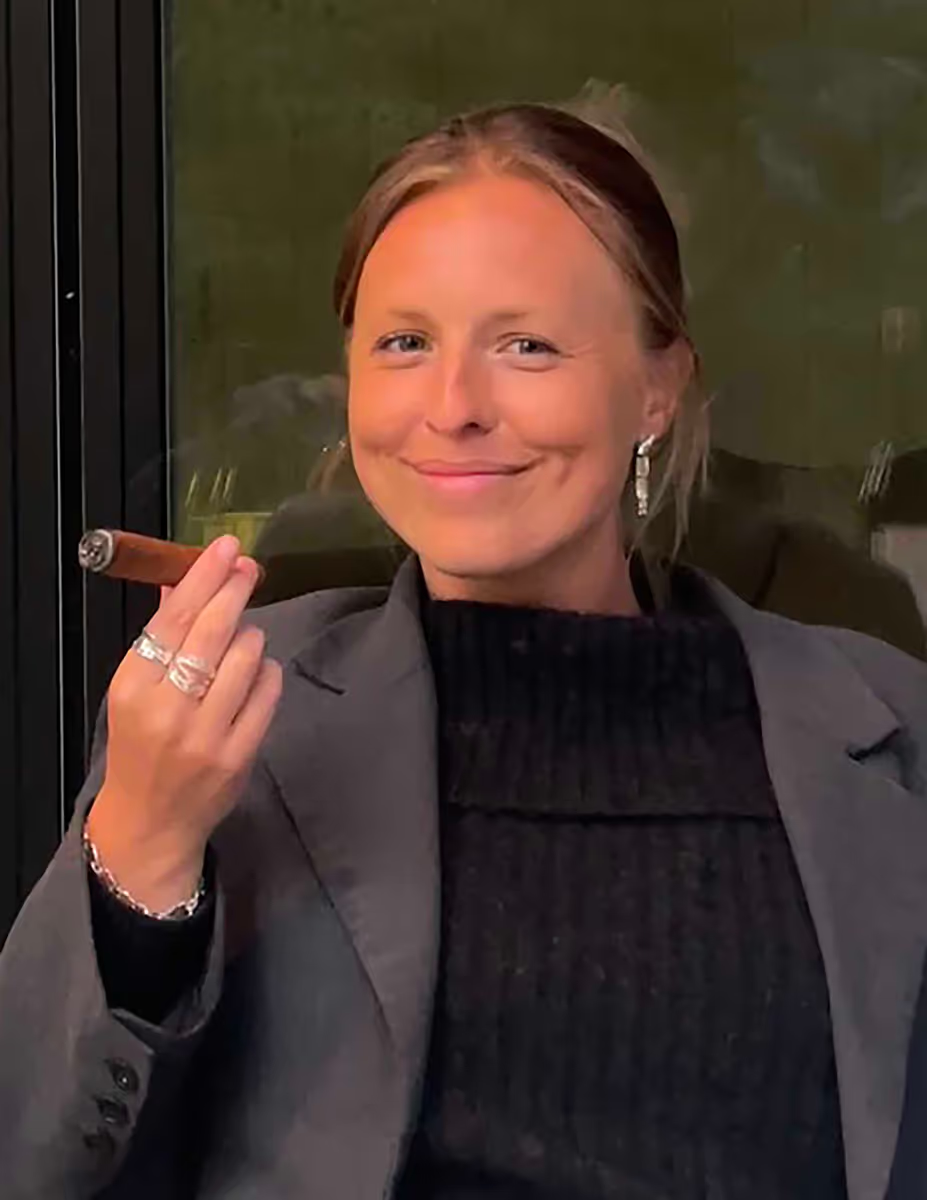
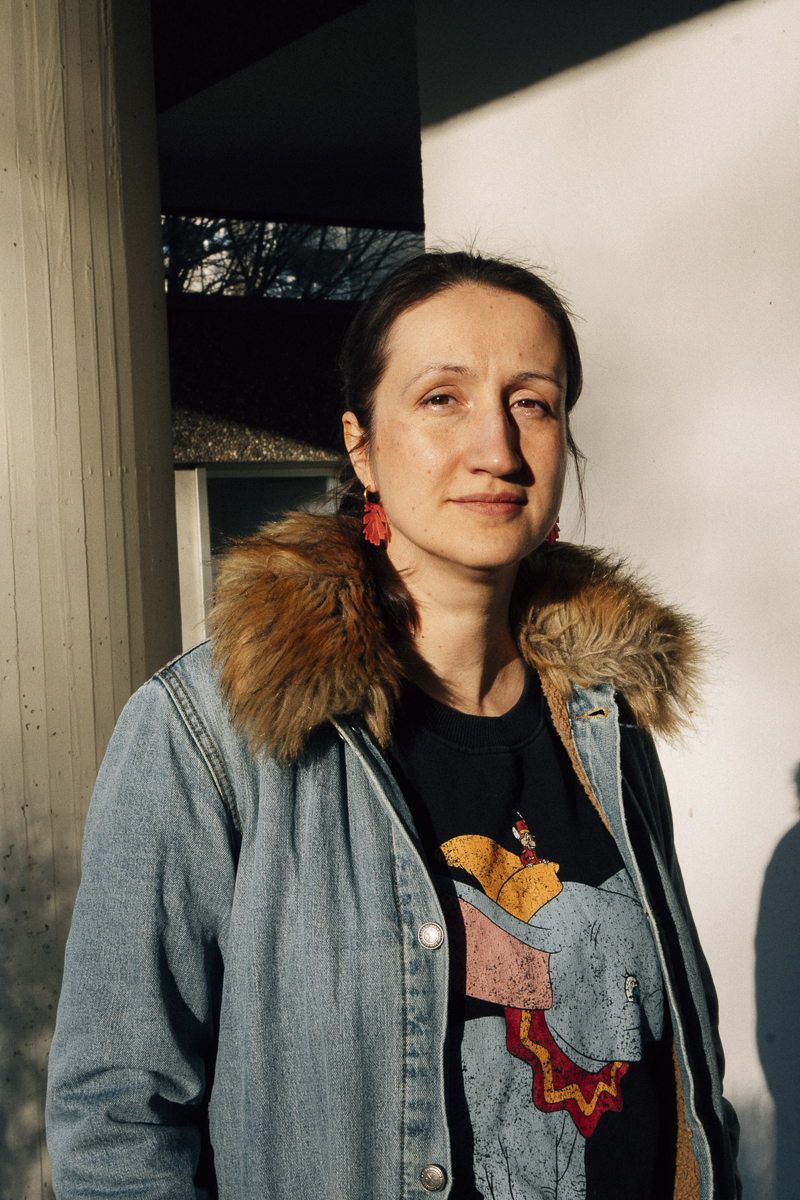
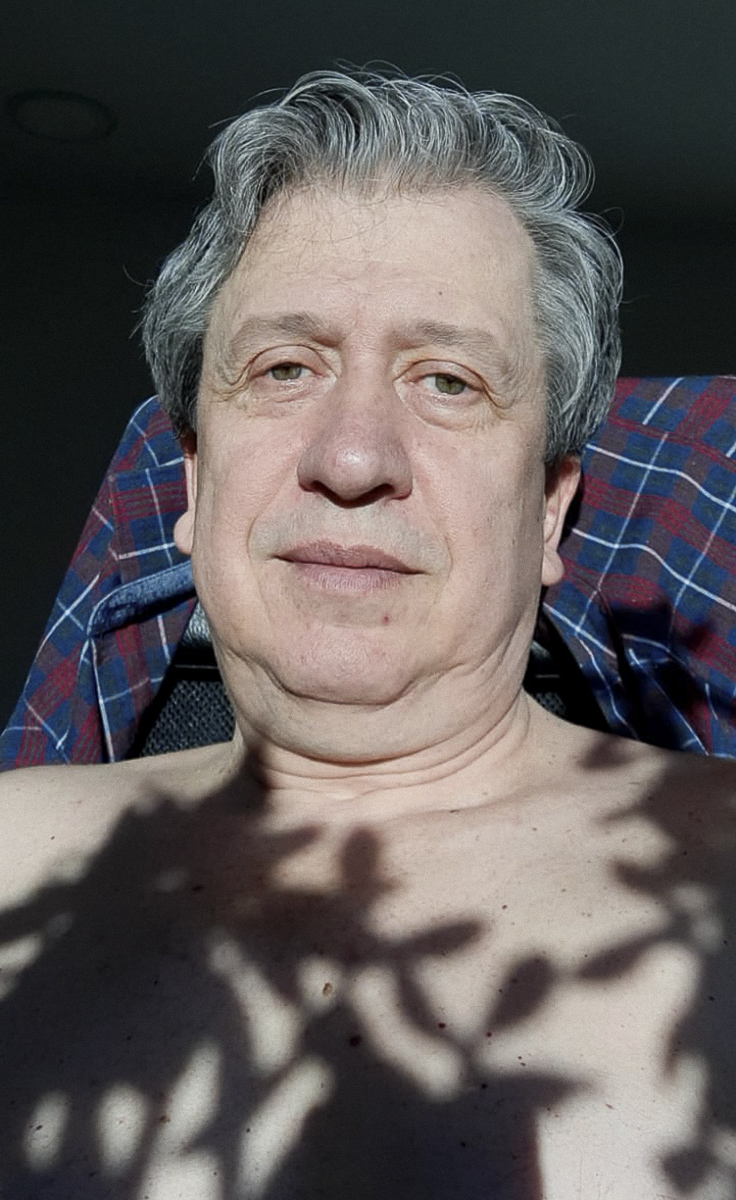
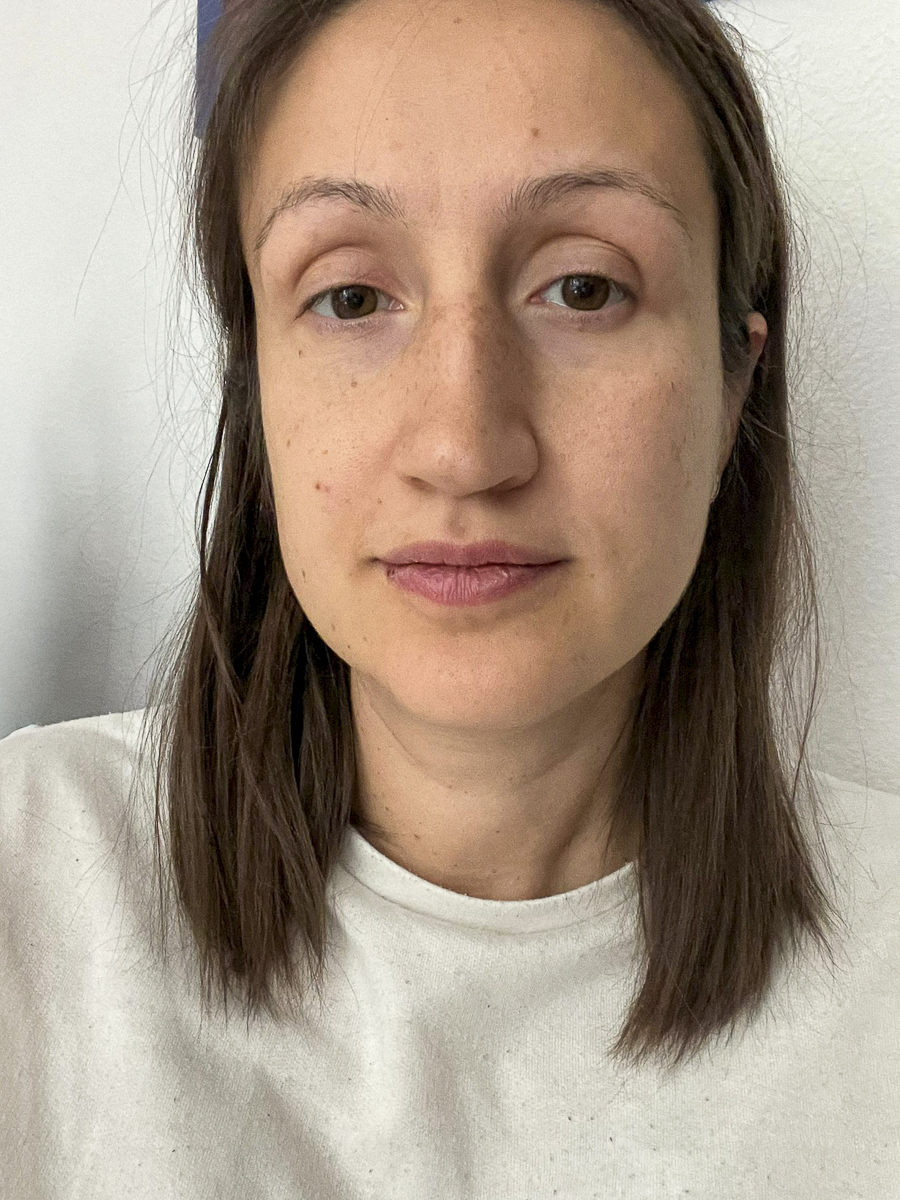
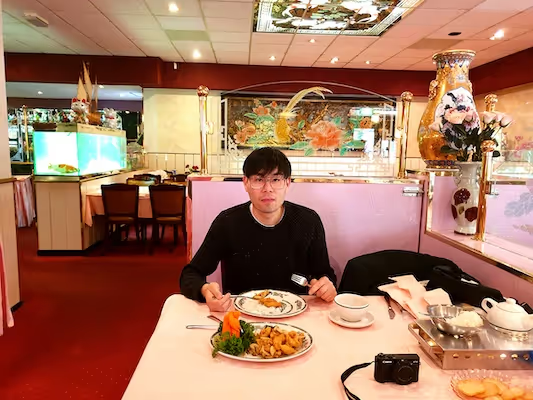
Loulou Buxbom
Too stupid to die on a Wednesday
CPF was looking for talents residing in Denmark, Faroe Islands, Finland, Greenland, Iceland or Sweden for at least 12 months, who were under 40 (born in 1986 or later), and who were either educated within the field of photography/art, or whose CV’s presented a continual professional experience within the last 3 years.
CPF received a total of 56 applications from Denmark, Finland, Iceland and Sweden (based on an outreach to the entire Nordic region except Norway). 35 applicants were women, 17 men and 4 identified as Other. All submissions were considered by the festival’s program committee, which consists of the following members: Patricia Breinholm Bertram, Curator and Head of Communications at Martin Asbæk Gallery, Stinus Duch, publisher and founder of Disko Bay Books, Søren Pagter, head of Photo Journalism at the Danish School of Media and Journalism/DMJX, and Maja Dyrehauge Gregersen, Managing Director of Copenhagen Photo Festival.
The programme committee prioritized diversity in genres and methods, a geographical spread in the final selection and not least the development potential and future perspectives based on the submitted projects.
The collaboration between these artists within the Festival enriches the scene of European emerging photography with their individual perspectives and innovative approaches.
For 2026, the selected talents are Icelandic but Denmark-based María Kristín Antonsdóttir, Finnish Mari Mäntynen, Danish but Norway-based LouLou Buxbom, and Danish-American Liv Latricia Label.
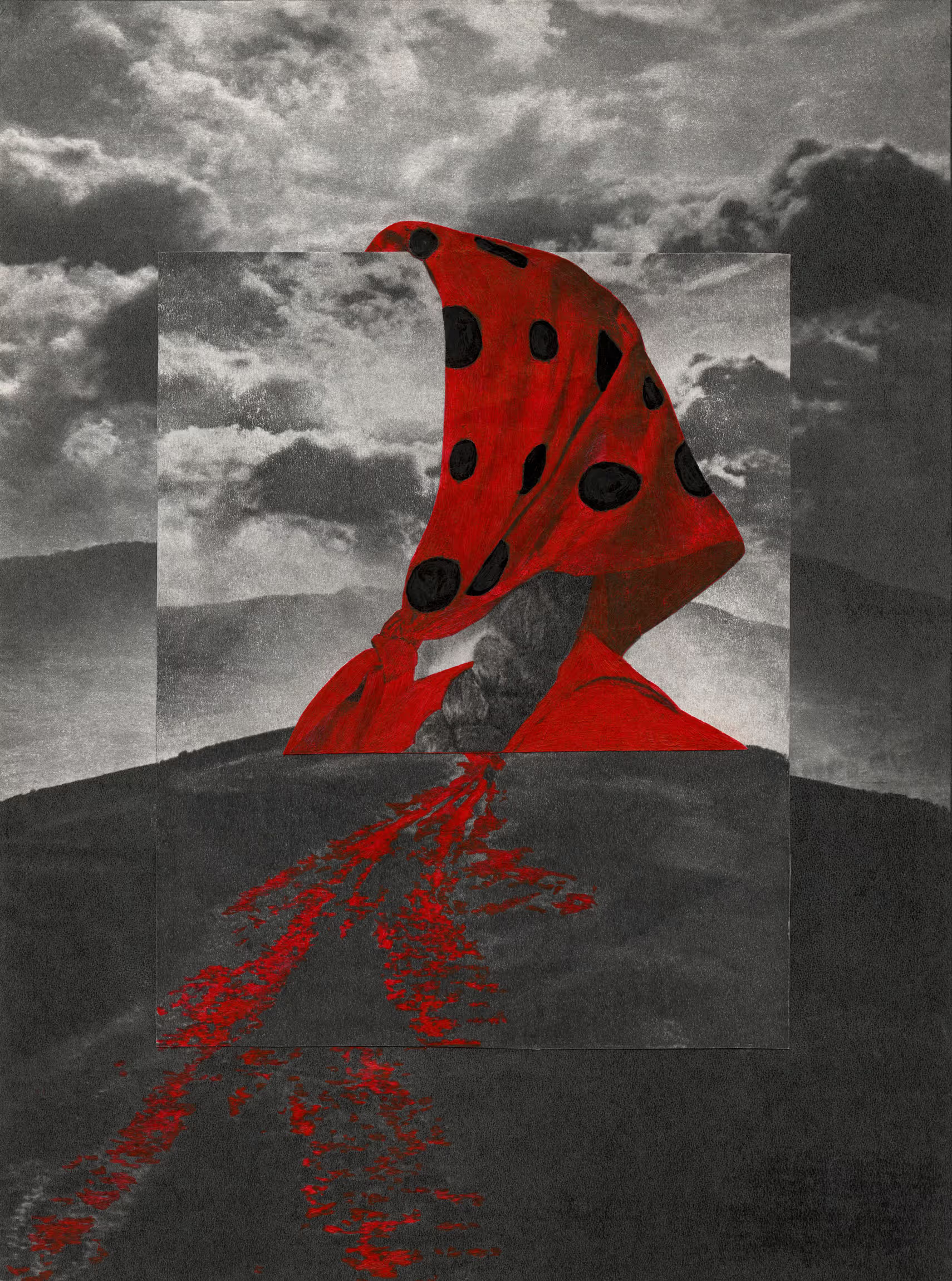
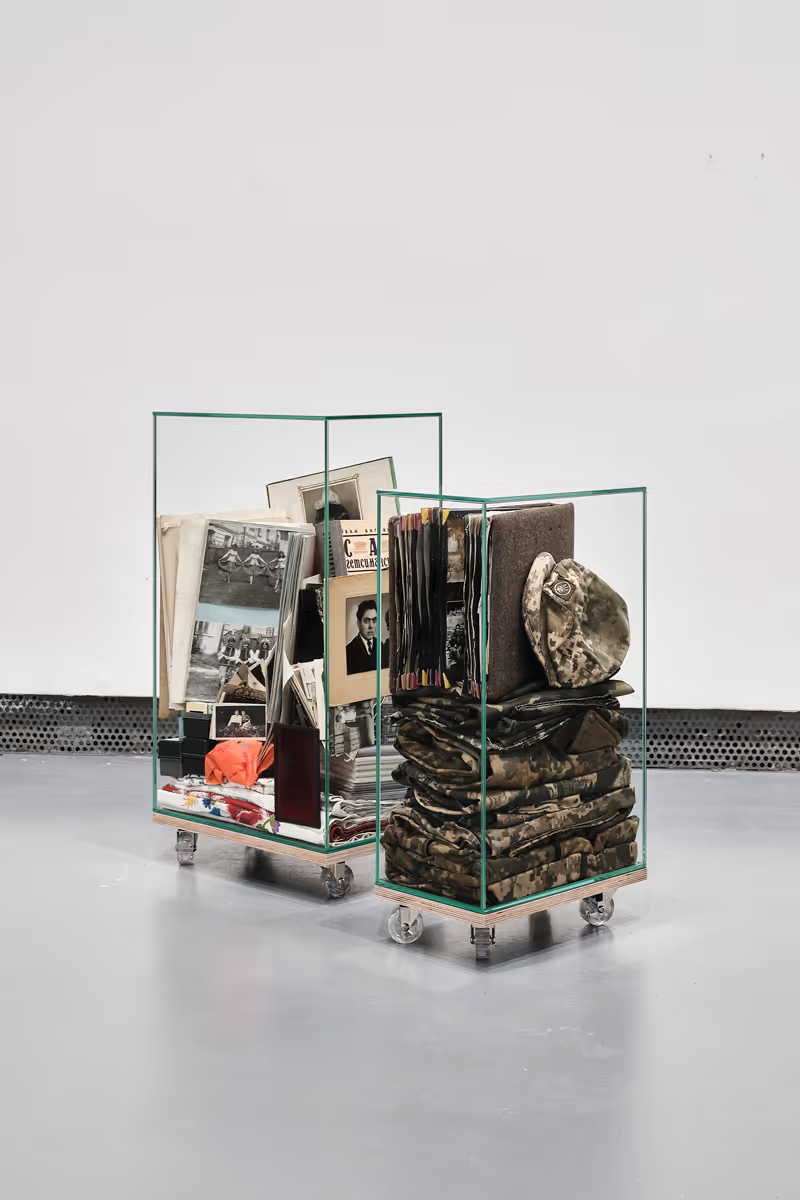
Icelandic-born, Denmark-based artist María Kristín Antonsdóttir (b. 1990) explores how images shape identity, memory, and the stories we inherit. Since moving from Iceland to Denmark, she has worked with her family photographs and her father’s home videos, physically manipulating them to examine both the power and the fragility of the photographic archive. Through these alterations, Antonsdóttir reveals how images anchor our sense of self while simultaneously restricting it, exposing the tension between belonging, family bonds, and the desire to challenge fixed narratives within family photographs and personal archives. Influenced by hydrofeminism, her practice has recently expanded from the intimate family album to broader institutional archives, including historical police photography. By confronting these systems of visual classification, Antonsdóttir highlights how images have been used to define, control, and categorize bodies. Her work brings forward the fluidity of identity and the active role we play in shaping our own realities, inviting viewers to reflect on the invisible structures embedded within photographic memory.
Finnish artist Mari Mäntynen (b. 1997) works with photography, video, and performance to explore how people meet, interact, and understand one another. Often appearing in her own works, she constructs participatory situations that bring everyday tensions and social expectations to the surface. Through collaboration, play, and subtle provocation, Mäntynen challenges both herself and her participants to move at the edges of social norms and personal comfort. Her ongoing series Stranger (2022-) centres on first encounters. Each photograph is taken during Mäntynen’s initial meeting with a new person, resulting in an image co-created through negotiation: How do we position ourselves? Can we touch? What can we do together? The subject decides how they appear, while the shared experience and the conversations that follow reveal the unspoken rules that shape social behaviour. By treating the photographic act as a performative process, Mäntynen creates moments of friction that question assumptions, unsettle familiar roles, and open space for new forms of connection.
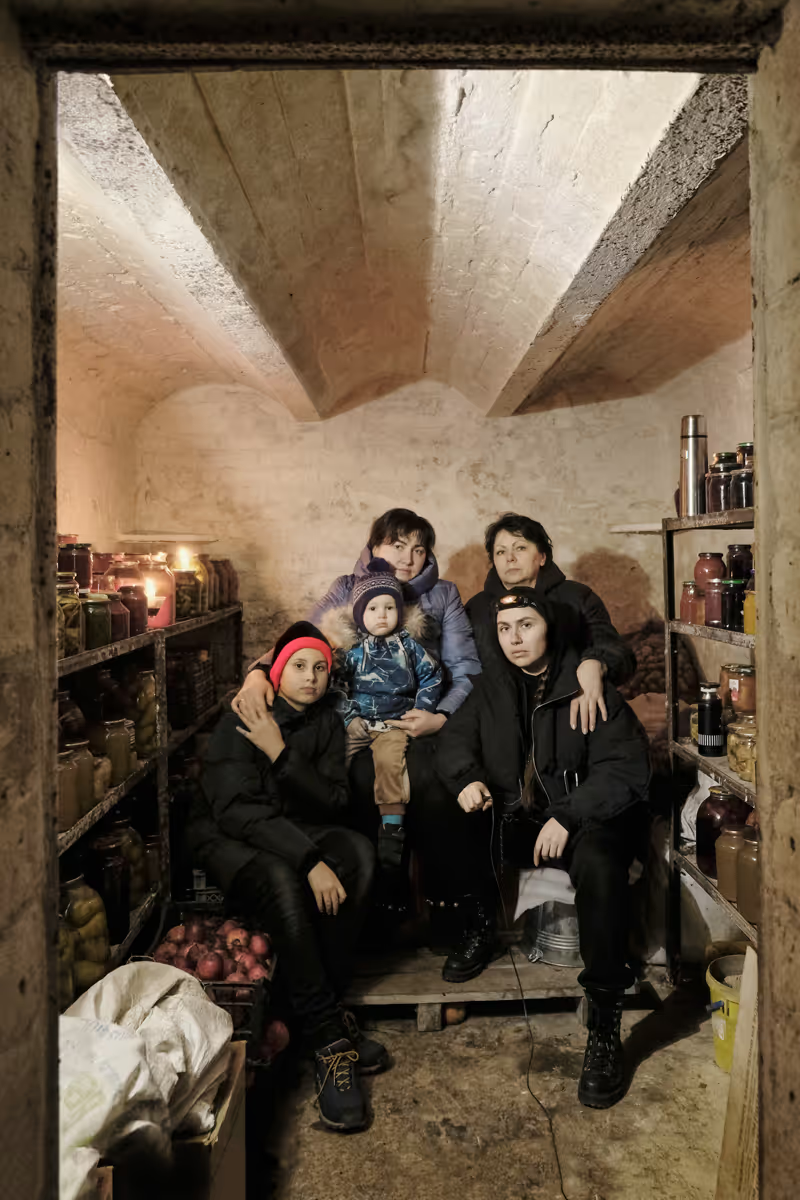
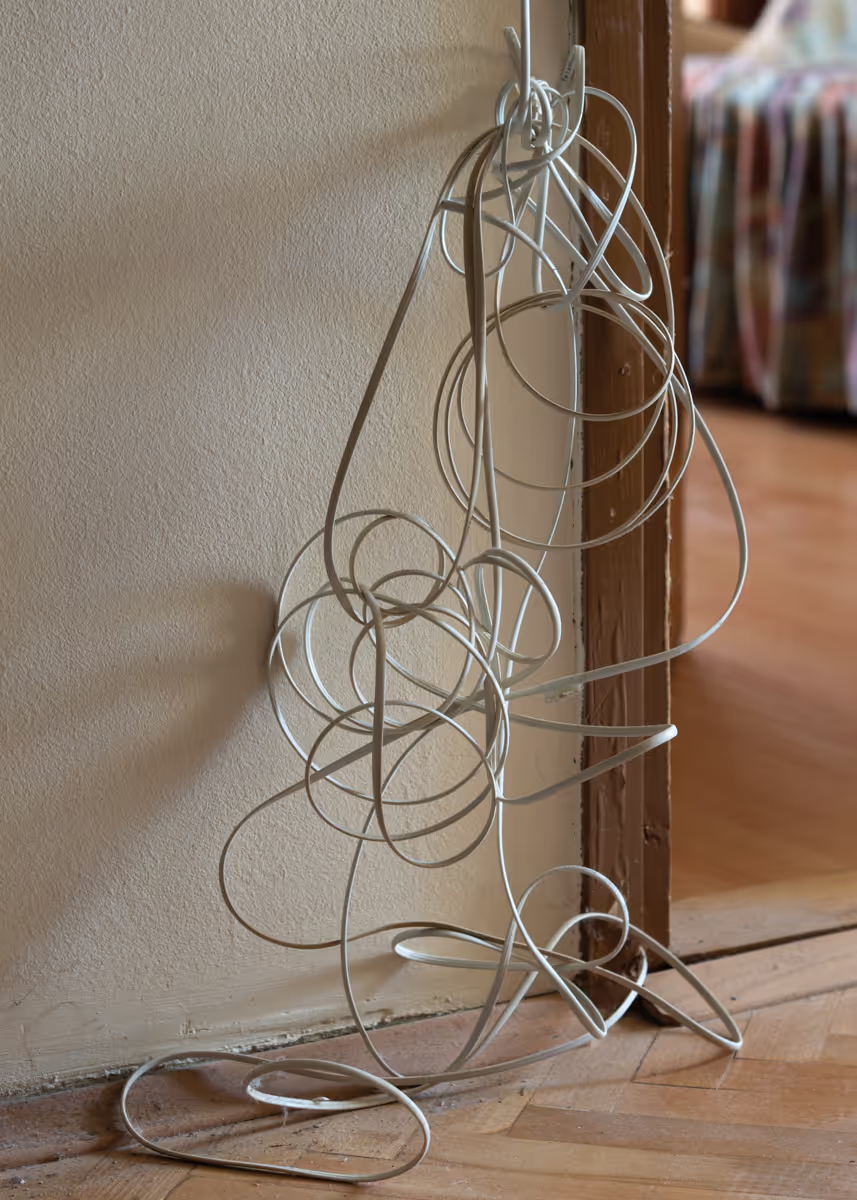
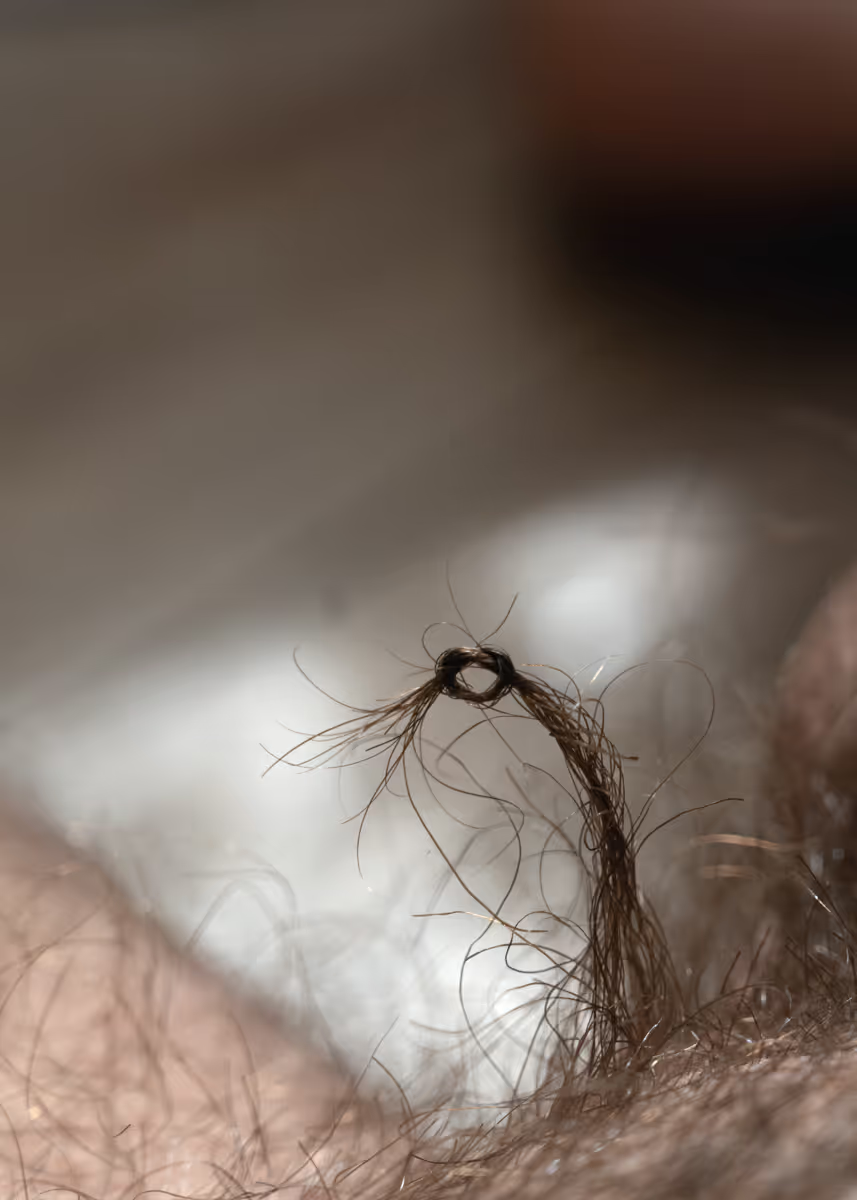
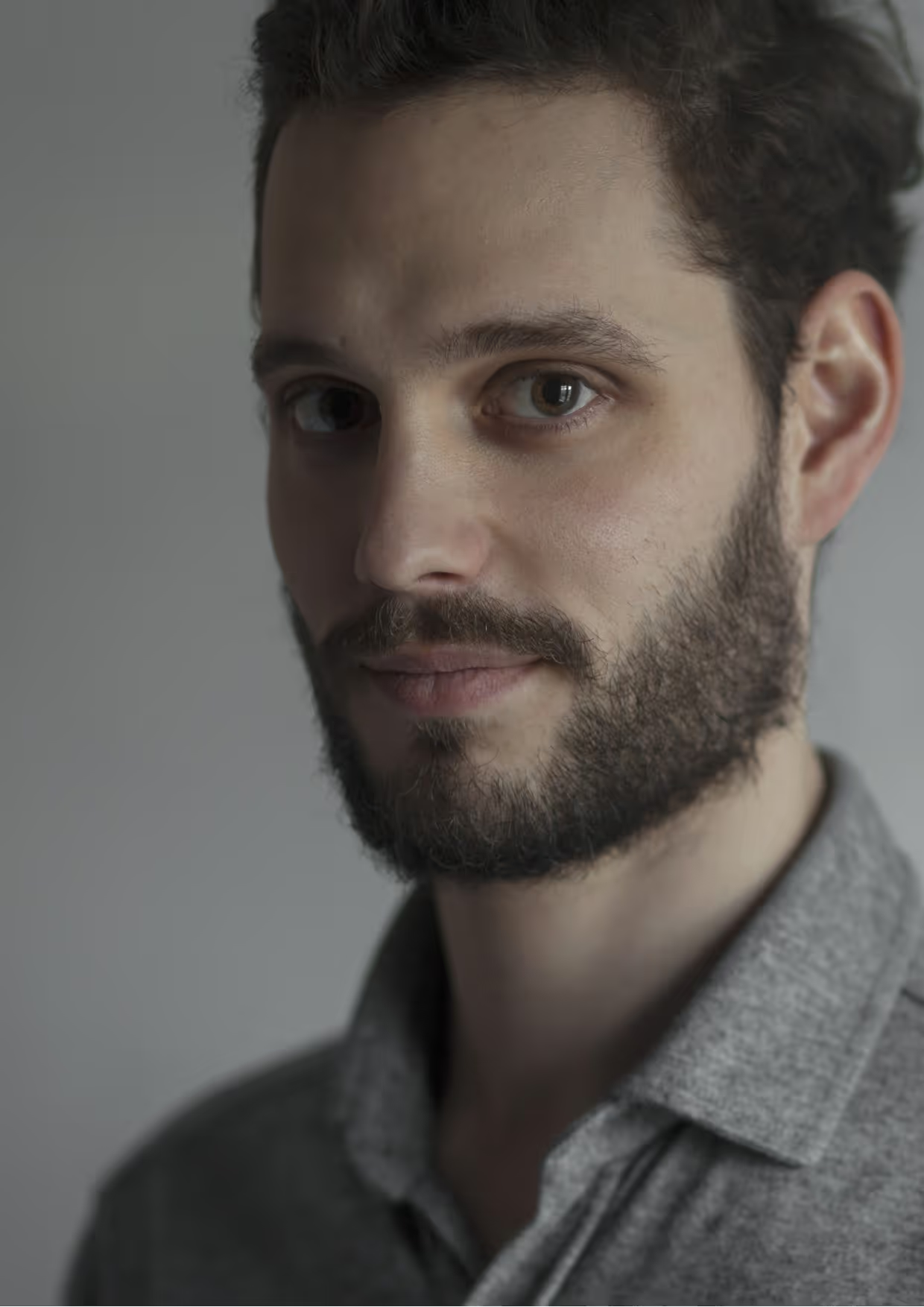
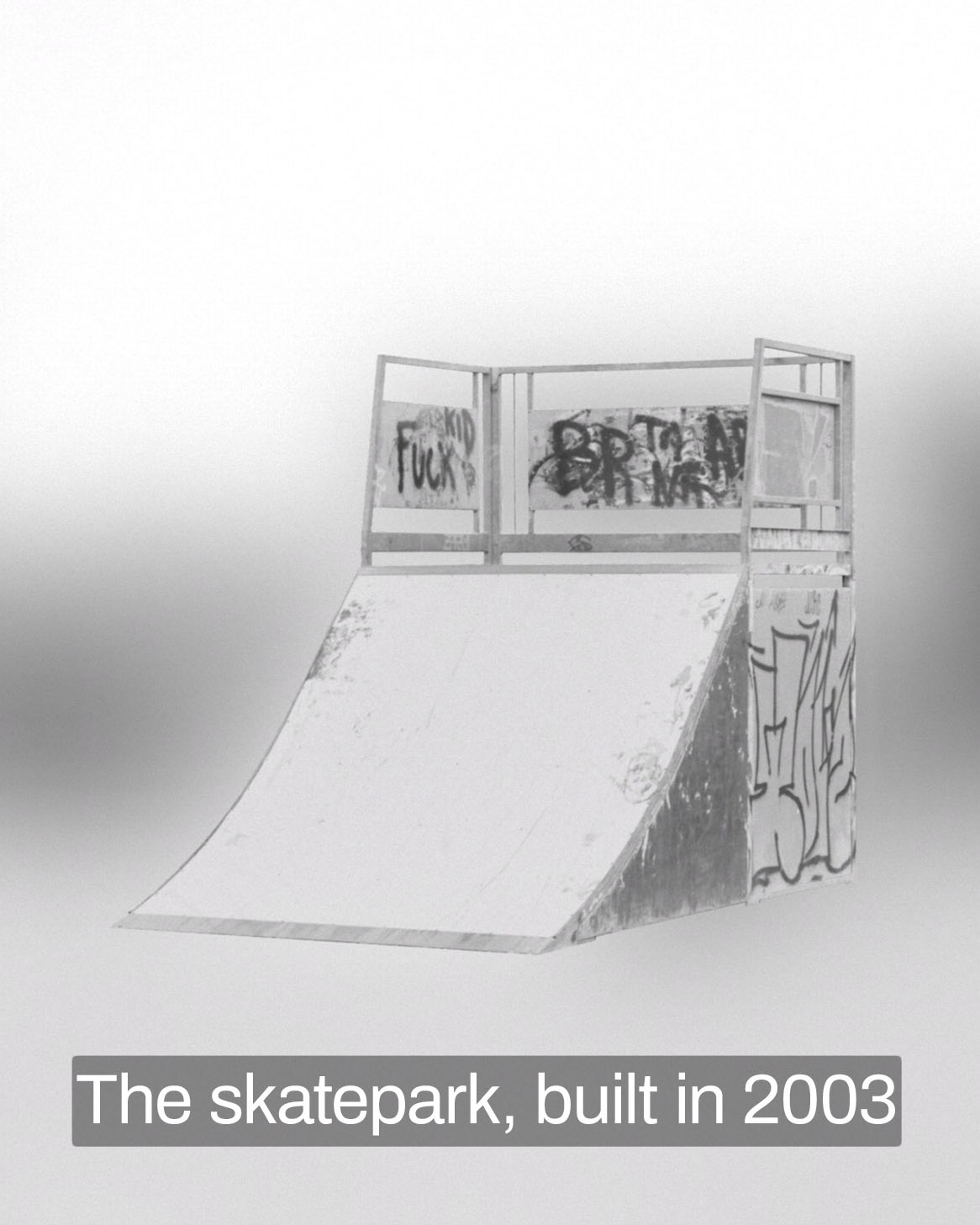
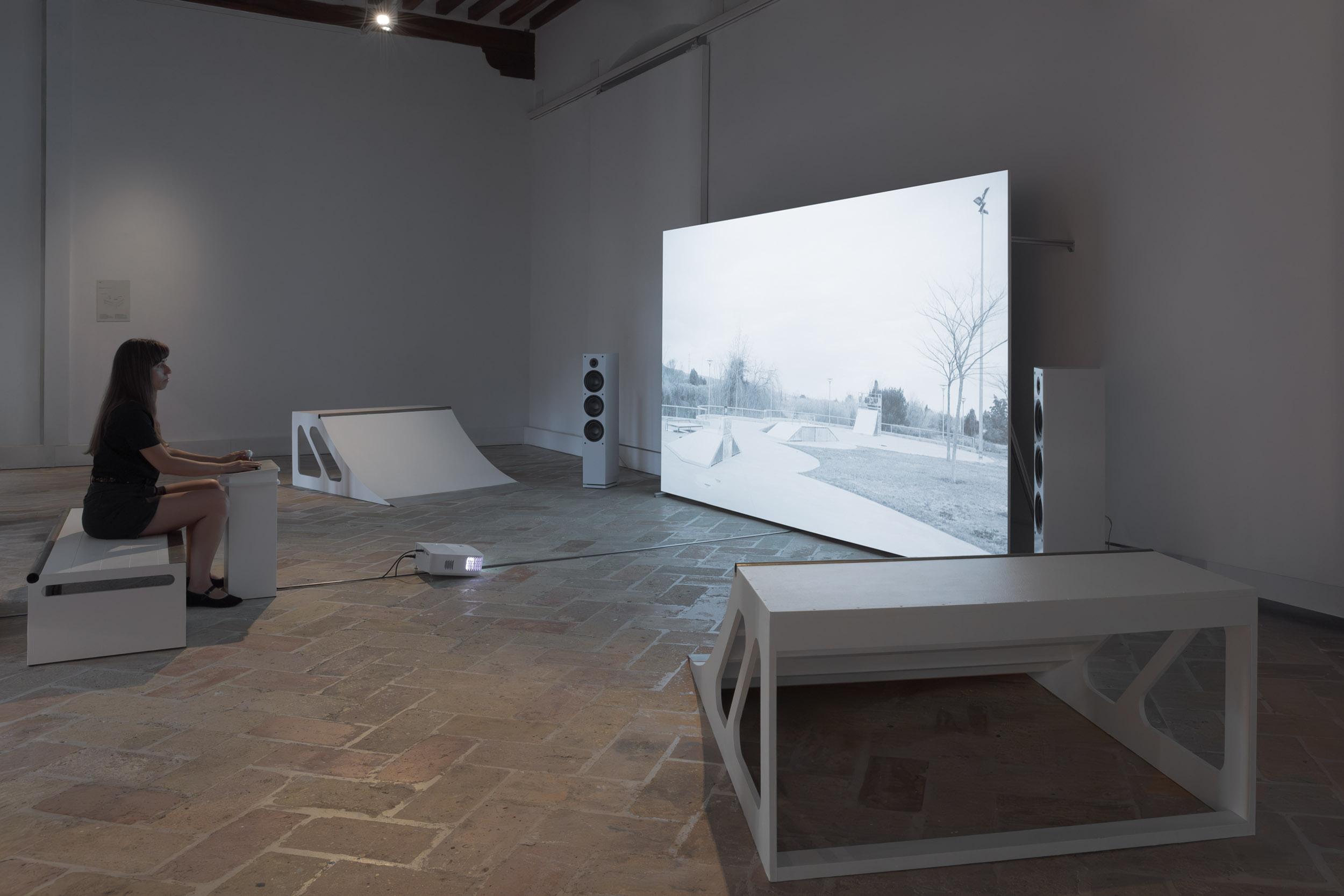
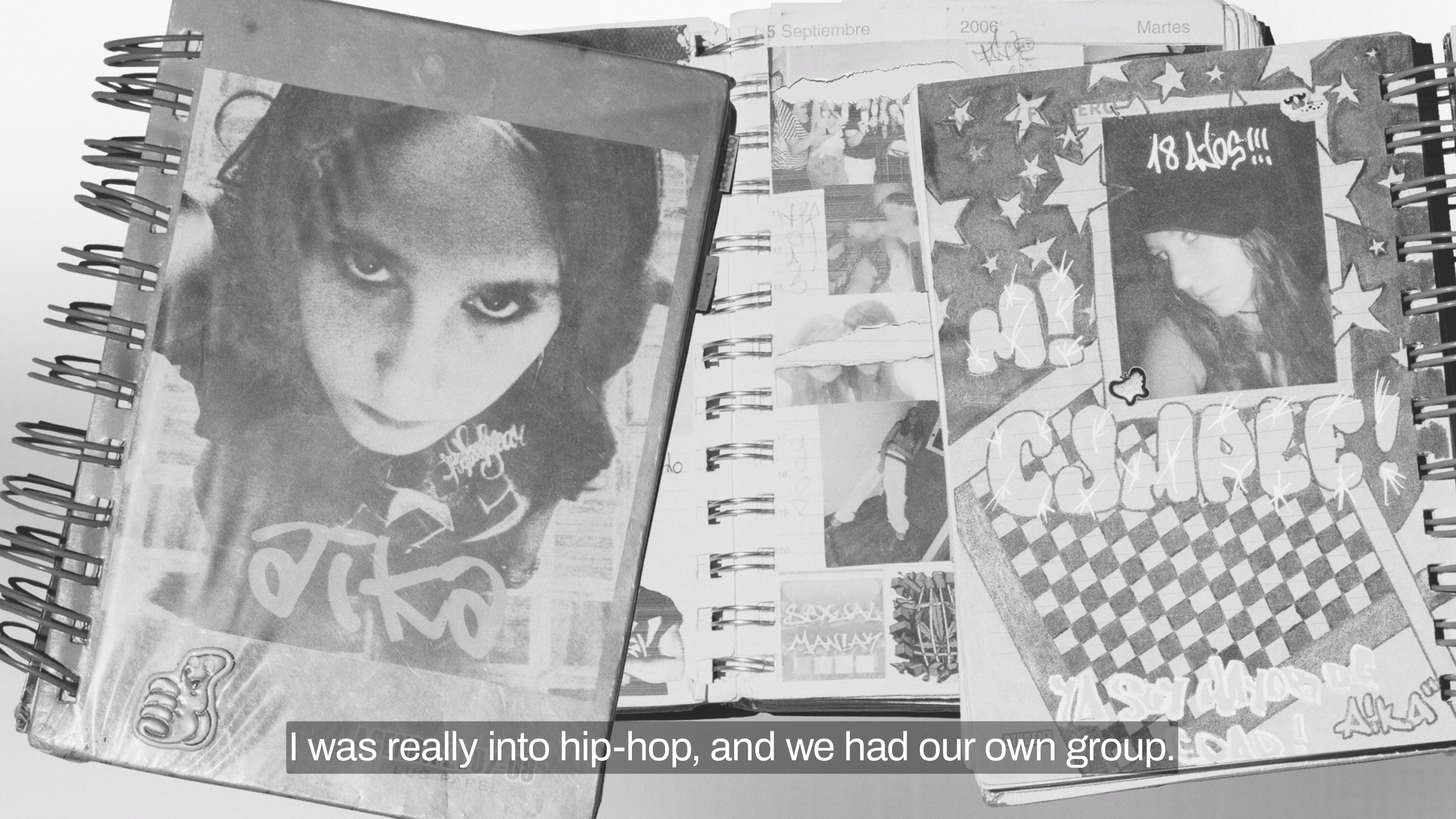
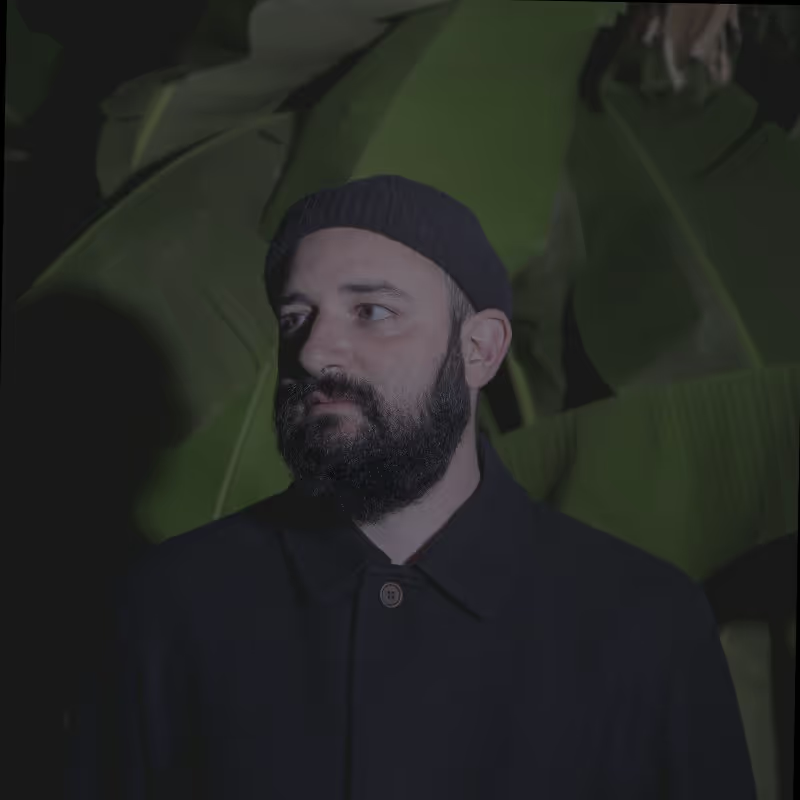
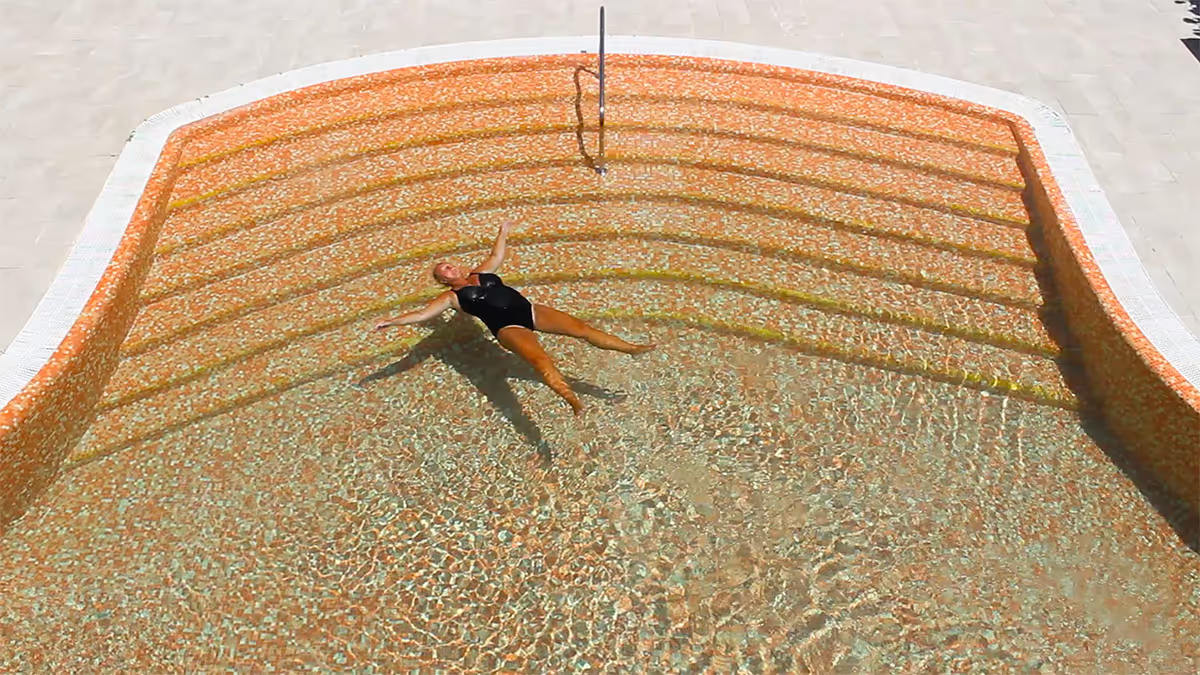
Danish artist LouLou Buxbom (b. 1995) uses experimental film to explore family dynamics, social heritage, and the formation of identity. Working with intimate and often self-exposing encounters, she examines how class, behaviour, attachment, and upbringing shape relationships and the ways we understand ourselves. Vulnerability and embarrassment become artistic tools, allowing Buxbom to push at emotional thresholds and reveal the subtle forces that define family structures. Her documentary series Too Stupid to Die on a Wednesday portrays her mother and three siblings, offering an unfiltered, multi-generational portrait. Each film captures a different family member’s life: an uncle living on the margins of society, a mother navigating isolation in Cuba, a planned seafaring journey, and an aunt redefining her mid-life circumstances. Through these portraits, Buxbom studies those who shaped her, using their stories as a mirror for her own identity. By prioritising intimacy over the camera itself, she creates works that question how background and inherited narratives continue to influence presence, relationships, and self-understanding.
Danish-American photographer Liv Latricia Habel (b. 1996) creates a visual diary that centres Black interiority, everyday life, and the emotional landscapes of afrodiasporic individuals. Raised between Copenhagen and Hamburg with African American heritage, she uses her camera to connect with, archive, and affirm Black existence. Her ongoing project Belonging follows her reconnection with her paternal family in and around Philadelphia, where self-portraits, family photographs, and moving images intertwine. Beginning with meeting her relatives for the first time in 2017, Label documents new relationships, the joy of belonging, and the grief of a past that cannot be reclaimed. By juxtaposing archival images from the United States with photographs from her upbringing in Denmark and Germany, she reflects on lineage, home, and American sociologist W.E.B. Du Bois' notion of double consciousness. At the same time, she points to the history of how racialised communities have been pictured, while insisting on spaces where Black life can appear closest to its authentic self.