Edit profile
The

Artist

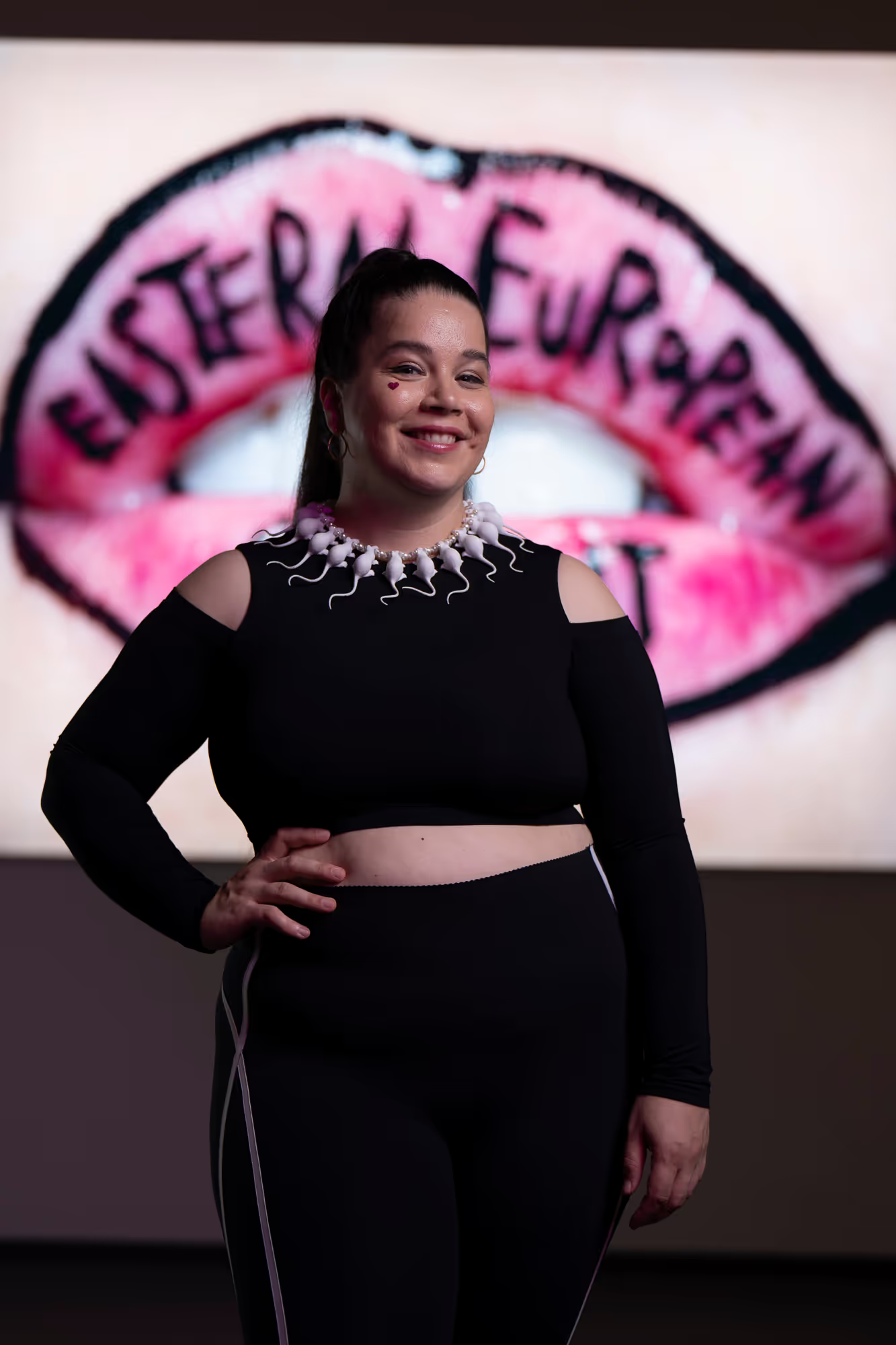
Hana Selena Sokolović

Nominated in
2026
By
Organ Vida
Lives and Works in
The Hague
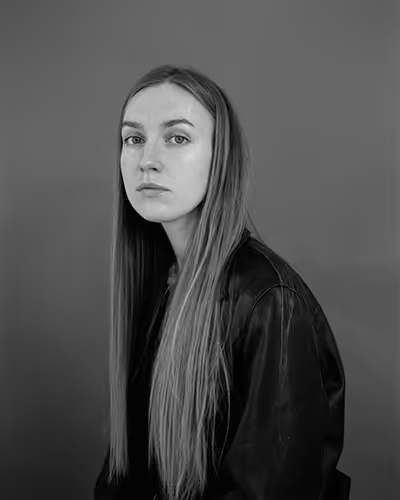
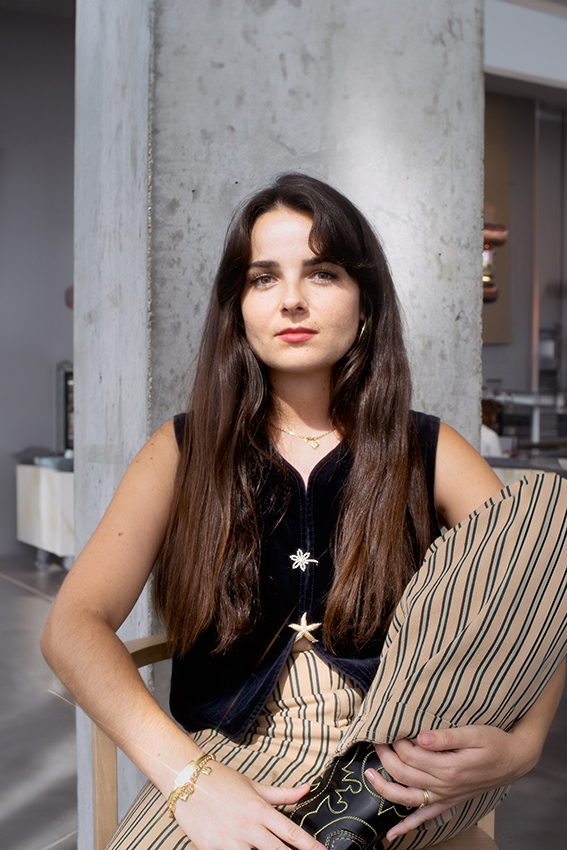
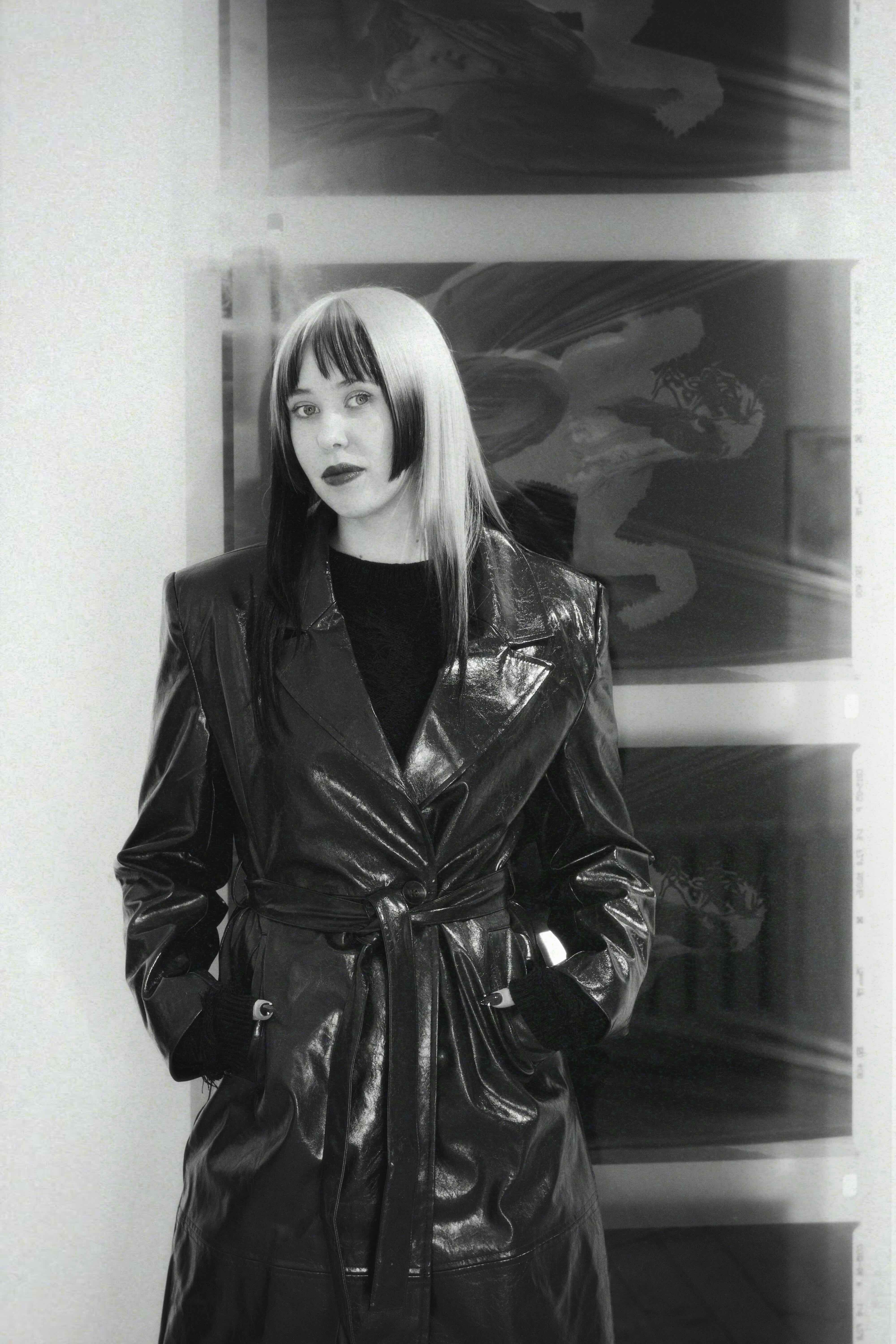
Hana Selena Sokolović was born in Vienna in 1999 and grew up in Belgrade. She is a visual artist and researcher working between the Balkans and the Netherlands. Her work has been shown in group exhibitions in the Czech Republic and the Netherlands, some of which are As Water Softens Stones (Royal Academy of Arts, The Hague, 2025), Push, Pull, Shift (Živi Atelje DK, Zagreb, 2025), 00:05:59 (Paradise, The Hague, 2024), and Fragments in Transit (Beetroot Studio, Thessaloniki, 2024). Alongside her artistic practice, she has worked with children in educational and socially engaged settings, an experience that continues to shape her people-centered and collaborative approach to art. Hana holds a BA in Photography and New Media from FAMU in Prague (2021) and an MA in Photography and Society from the Royal Academy of Art in The Hague (2025). She currently lives and works between Belgrade and The Hague.
Projects
2025

Dear Orchid

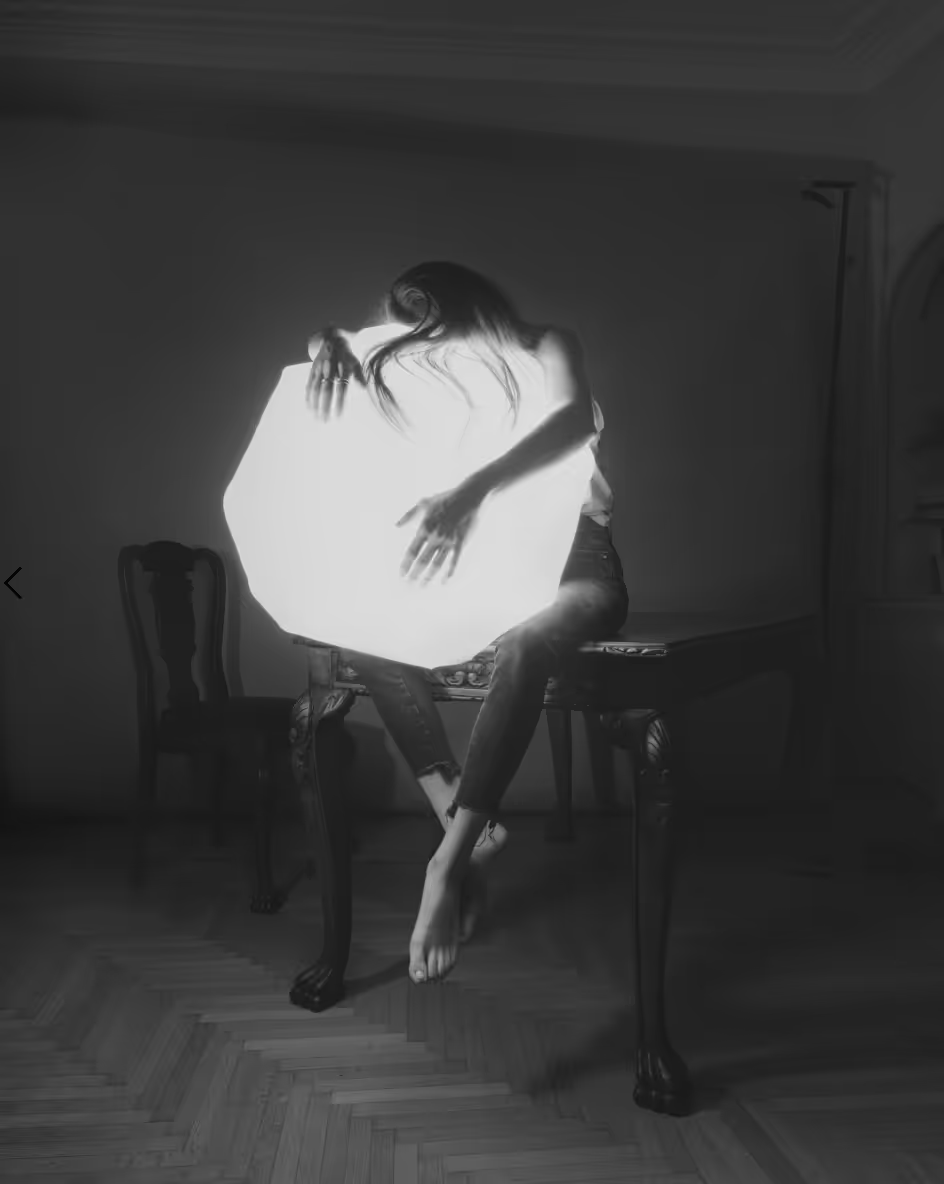
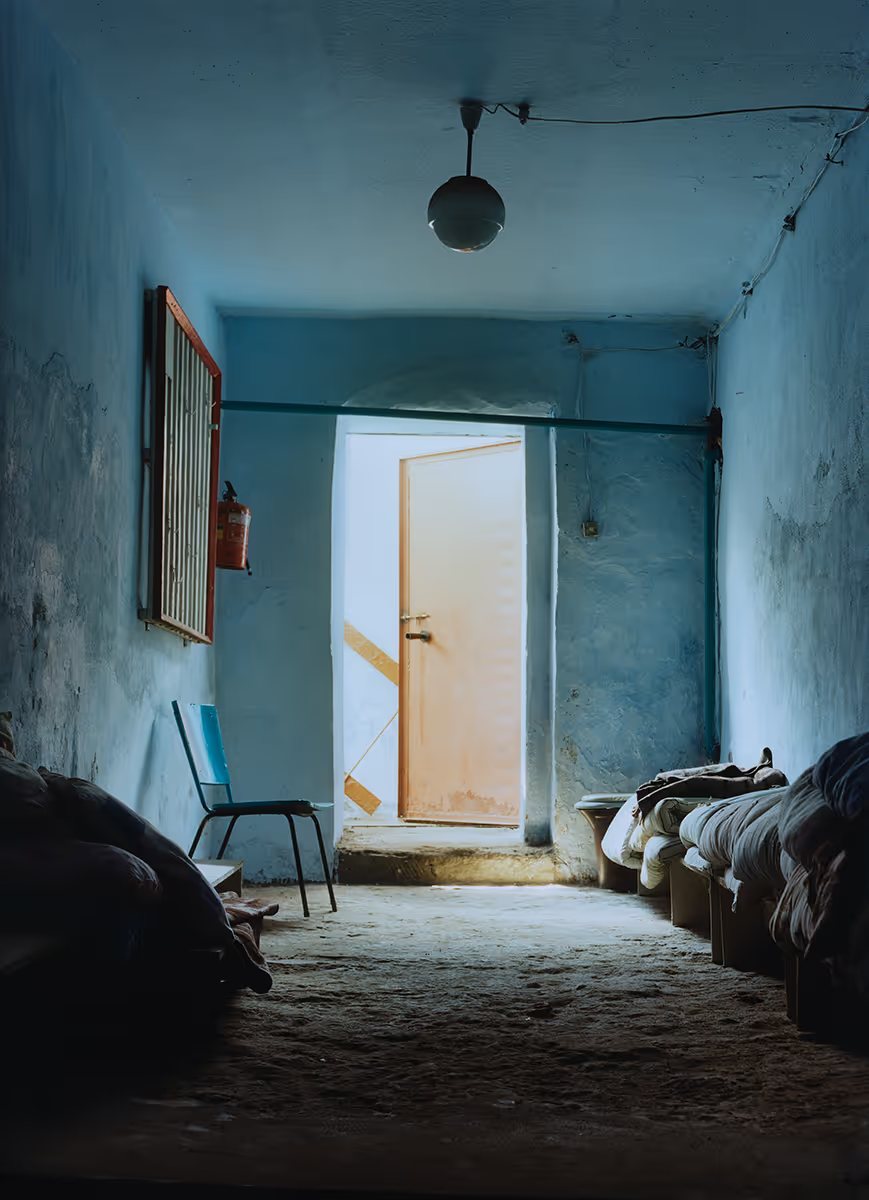
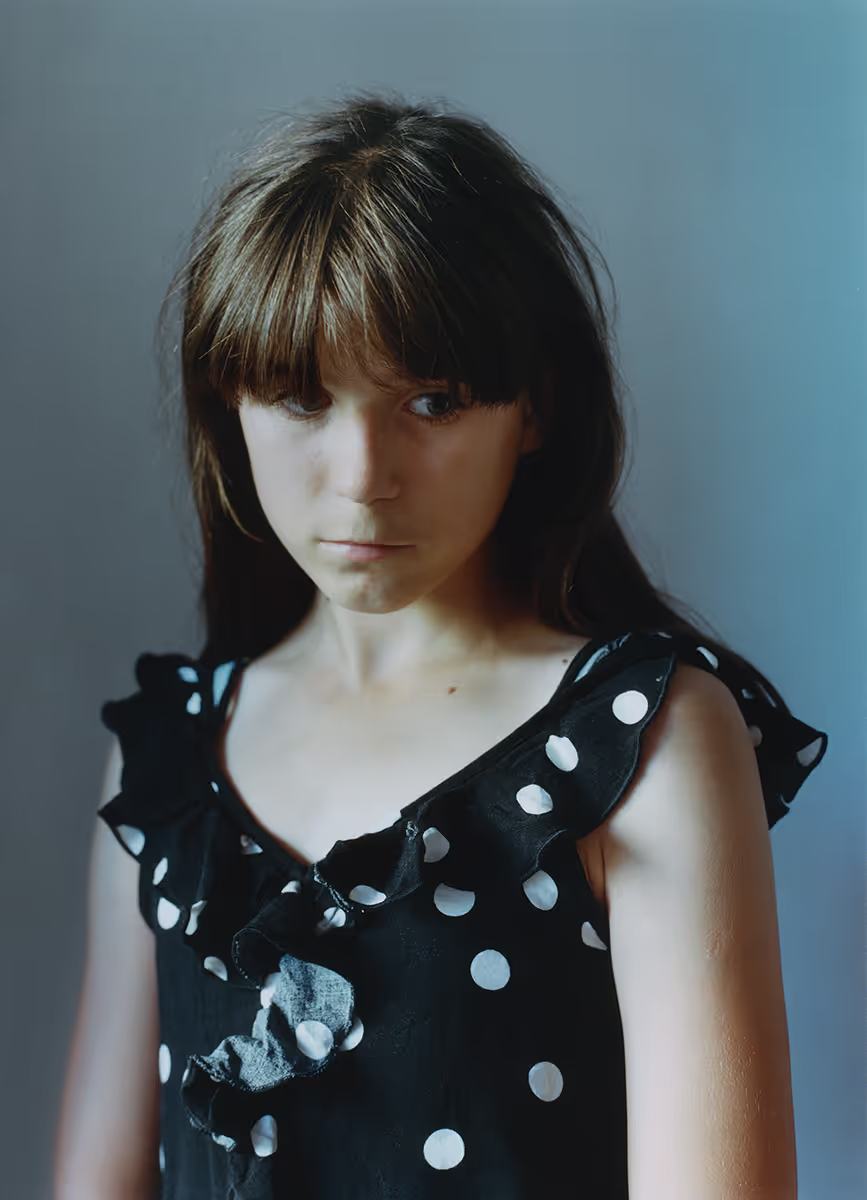
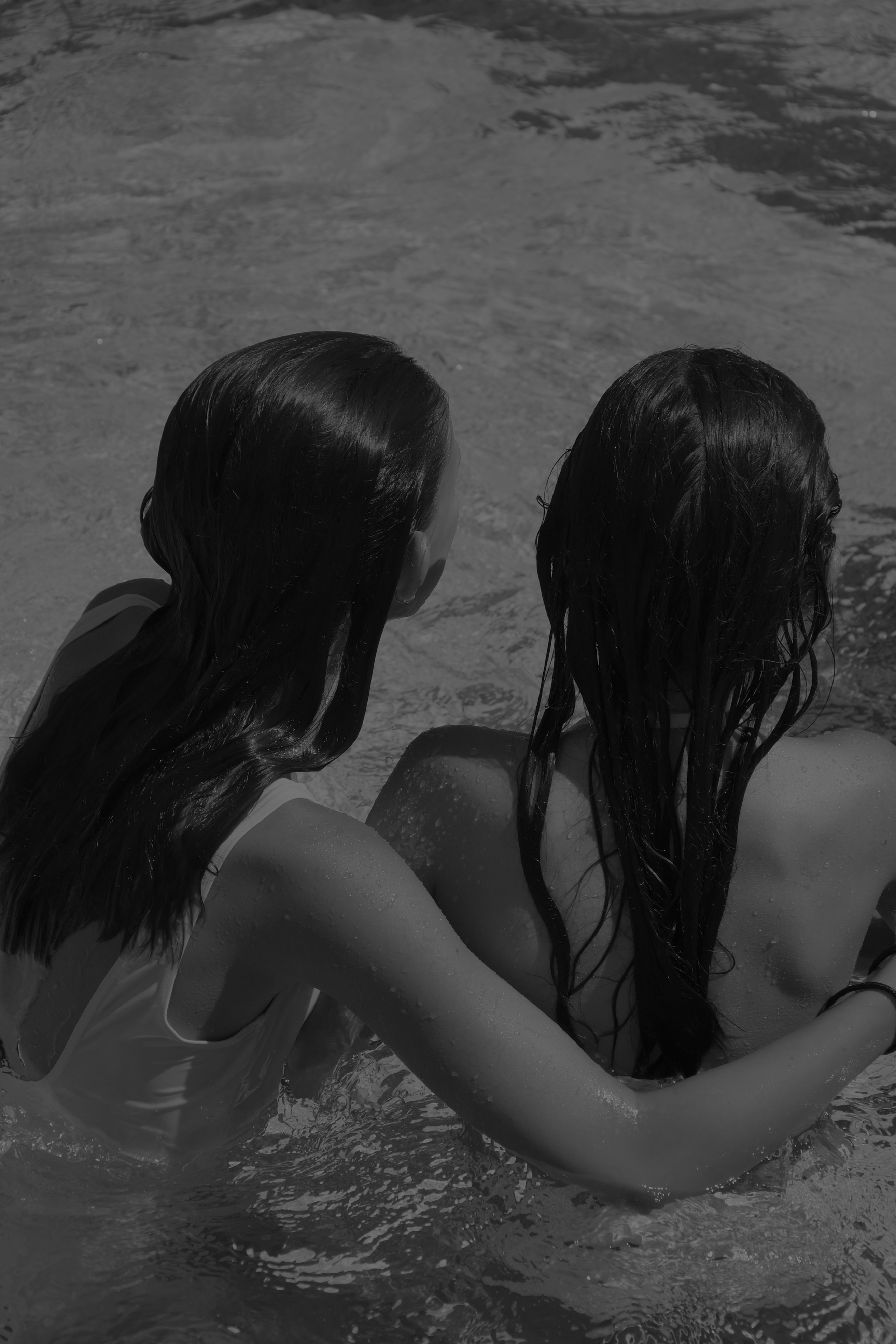
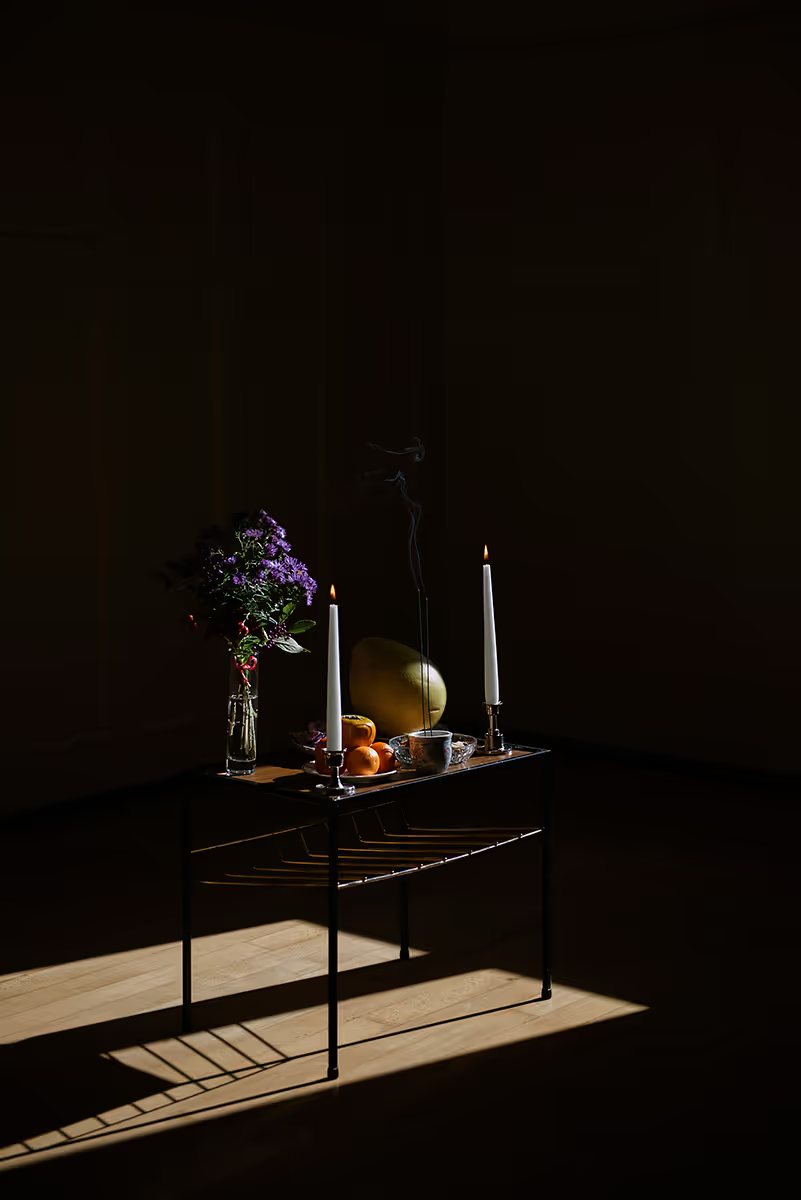
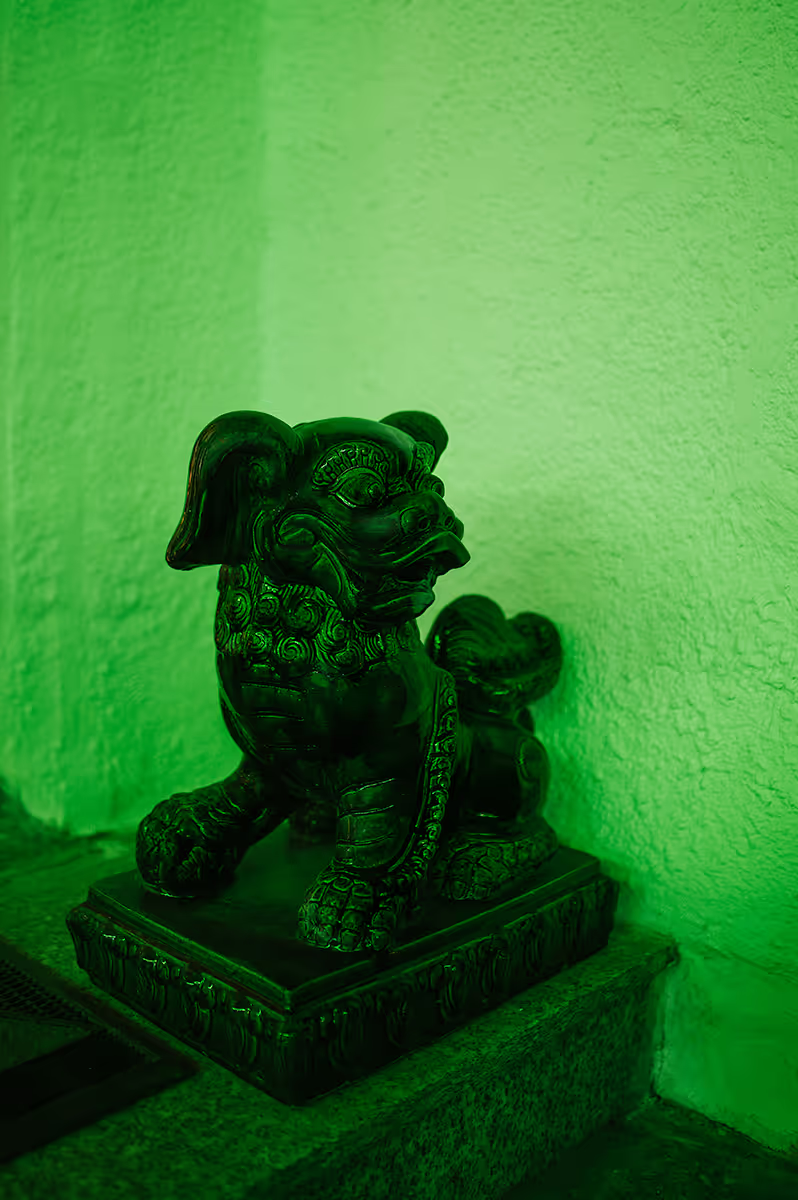
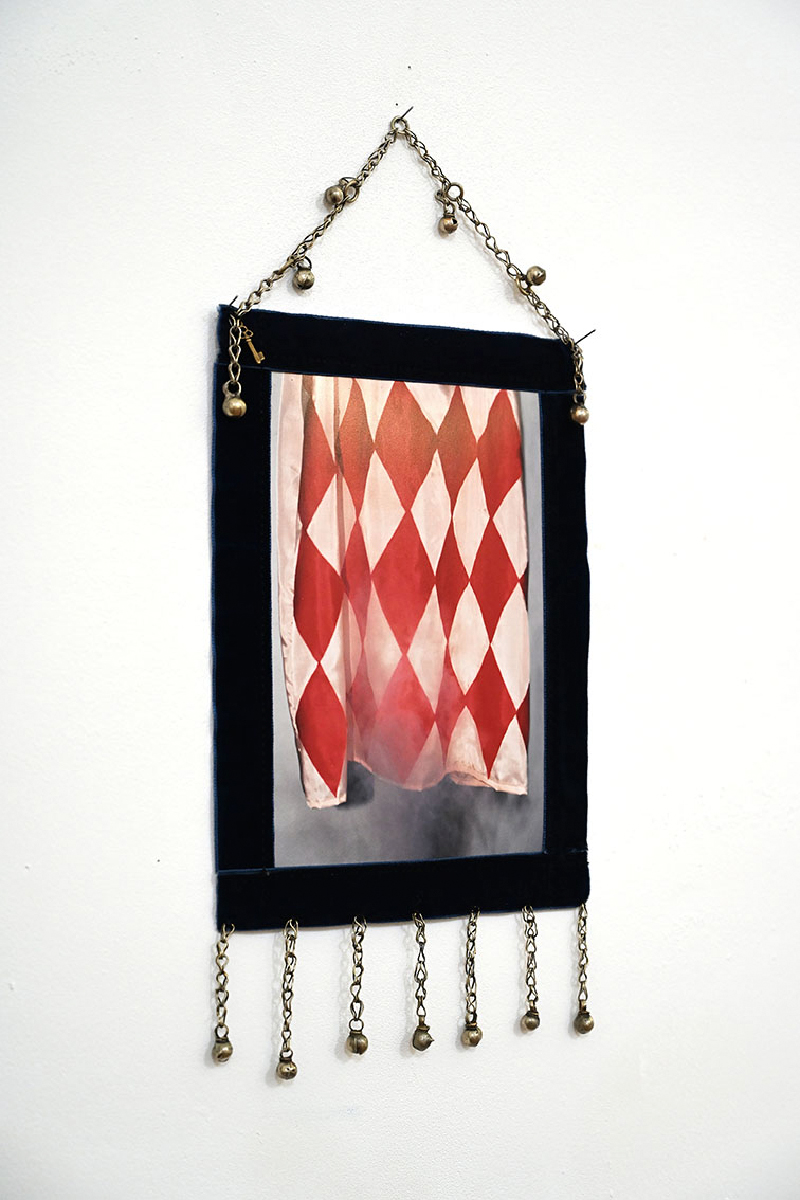
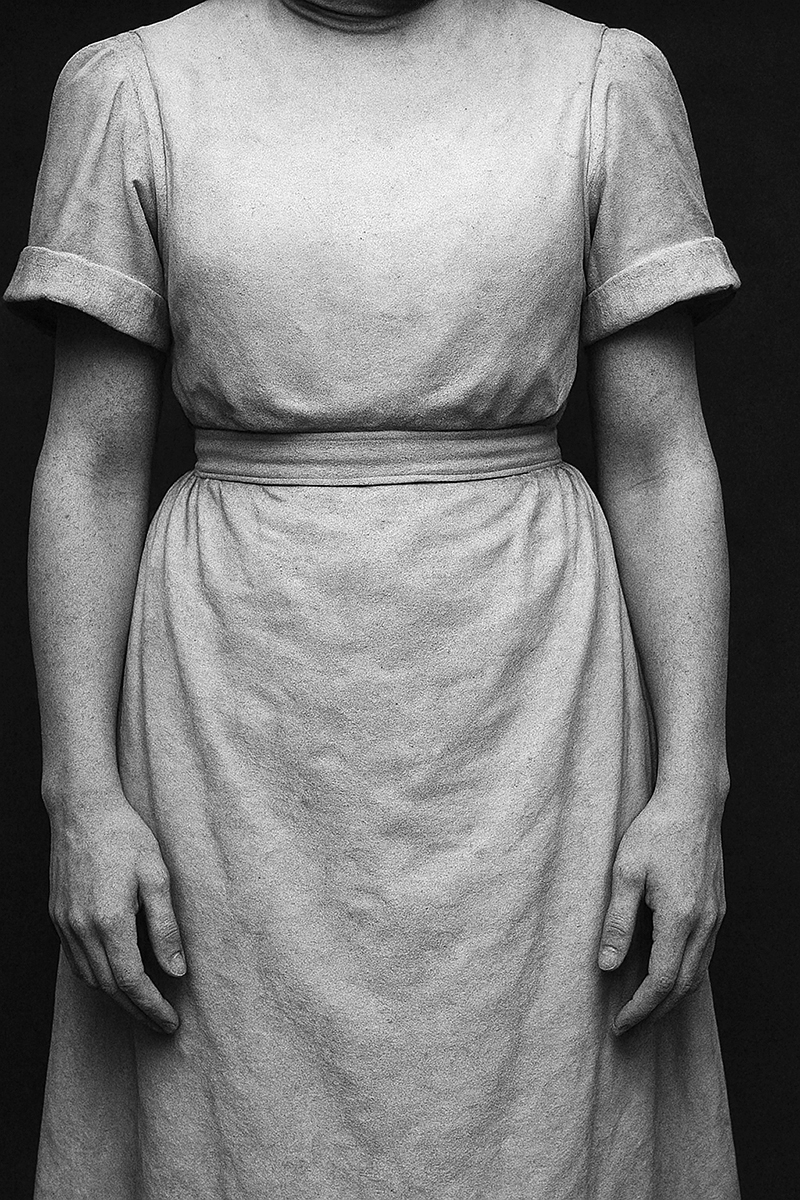
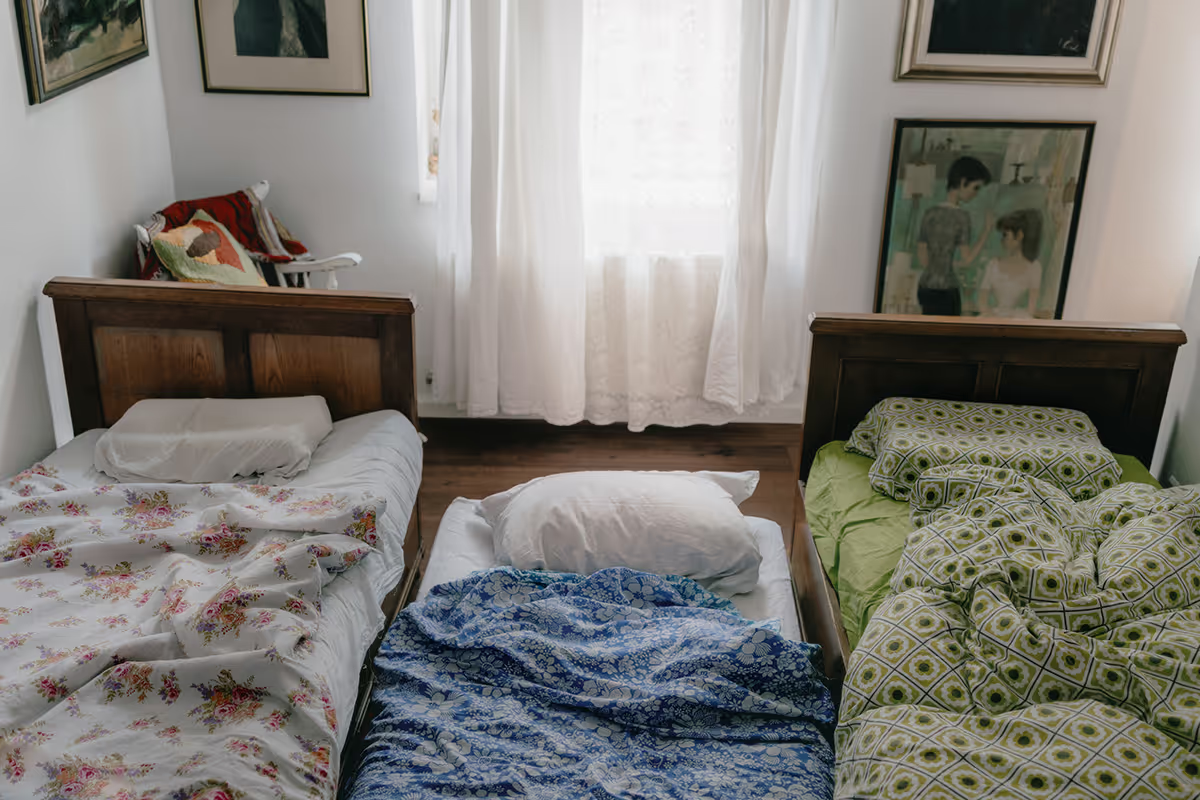
There are no photographs from the year my sisters, eight and ten at the time, fled Sarajevo at the beginning of the Bosnian War. What remains is a diary, written by my oldest sister. She wrote through displacement, and that writing became the only testimony in our family archive that speaks to a time I did not witness but have come to know through her words and the stories passed down within our family—a time that has deeply impacted the course of our lives and continues to shape my sense of family, identity, and belonging. The diary covers a period from spring 1992 to winter 1993, during which they moved through several temporary homes across Croatia before eventually settling in Zagreb. In Dear Orchid, I return to these places with my other sister and our father. Using the diary as a guide, we traced a path from Sarajevo to Hvar, Jelsa, and finally Zagreb, revisiting landscapes carrying the memory of their displacement. This journey became the foundation for Dear Orchid, a body of work comprising an 18-minute film, a series of photographs and a publication. This act of return, personal, political, and embodied—asks how the postwar generation might carry its inheritances with care and responsibility. To engage with the archive is to engage with history not as past, but as structure, active, transmitted, and embedded in the present, carried through generations of sisterhood. The archive, like grief, demands to be held, as something unfinished, unresolved, and still urgently alive.
Hana Selena Sokolović
was nominated by
Organ Vida
in
2026
Show all projects
Each year every member of the FUTURES European Photography Platform nominates a set of artists and projects to become part of the FUTURES network.

Rooted in intimate vantage points, the works move between diaristic gestures and close observations of the wider social fabric.

Glorija Lizde’s I Swallowed My Dream revisits nineteenth-century psychiatric photography, exposing the power relations embedded in medical archives of hysteria. By re-enacting historical images and positioning herself as both photographer and subject, Lizde disrupts the authority of the clinical gaze reclaiming suppressed female histories.

If Lizde interrogates the institutional archive, Hana Selena Sokolović turns to the fragile, familial one. In Dear Orchid, she departs from a family diary written during the Bosnian War, the only remaining record of her sisters’ displacement. Returning to the places traced in the diary, Sokolović treats the archive as something embodied and transmitted across generations.

Nik Erik Neubauer’s White Smoke, Brown Glare observes New York City as a site of aspiration and inequality. Through street photography and diaristic wall texts, the work captures everyday life shaped by gentrification and hyper-capitalism, while foregrounding small communities as spaces of resistance, warmth, and survival.

Tjaša Kalkan is equally interested in different urban dynamics visible in the orchestrated environment of a construction site. Her focus remains on a single case study - voyeuristic observation of construction of a new residential building in her area. In the work DUET she juxtaposes the construction of a new residential building with the decay of her own modernist high-rise. Through this parallel documentation, the work reflects on impermanence, labor, and time, resisting linear narratives of progress.

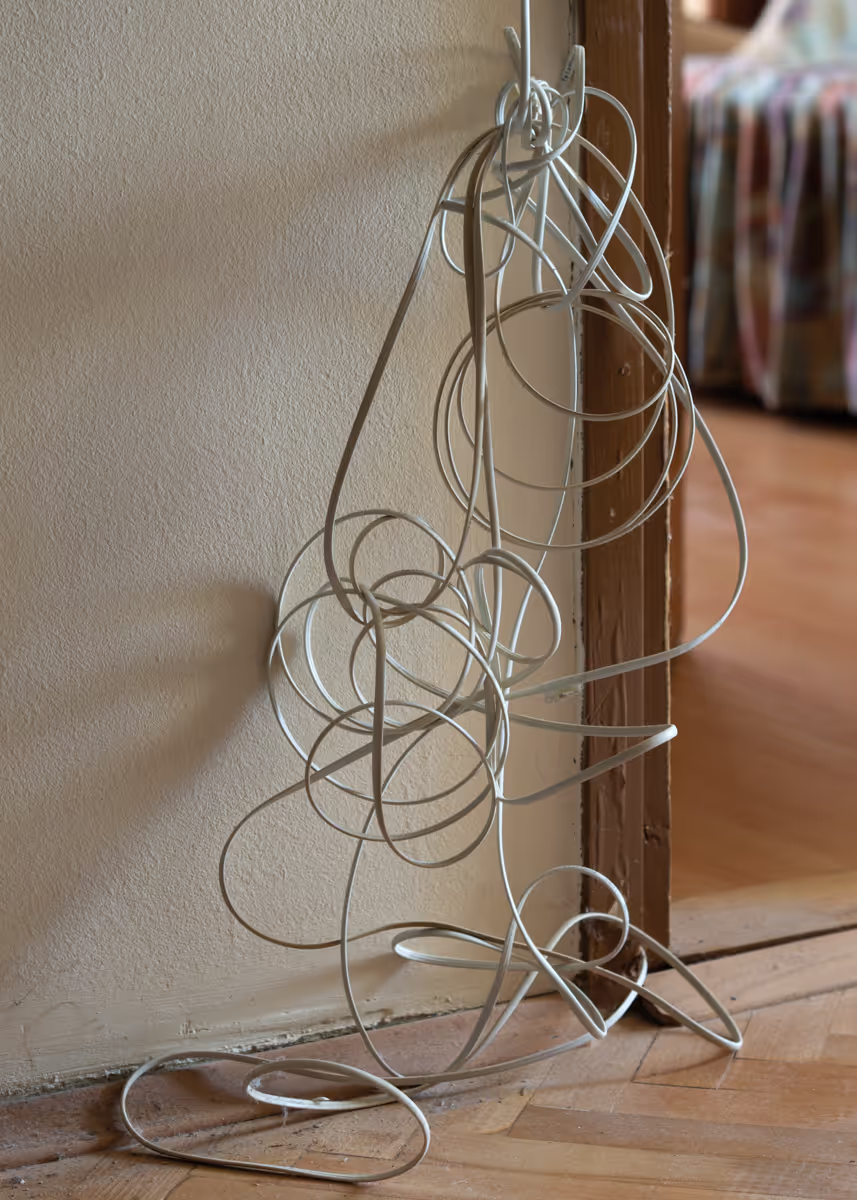
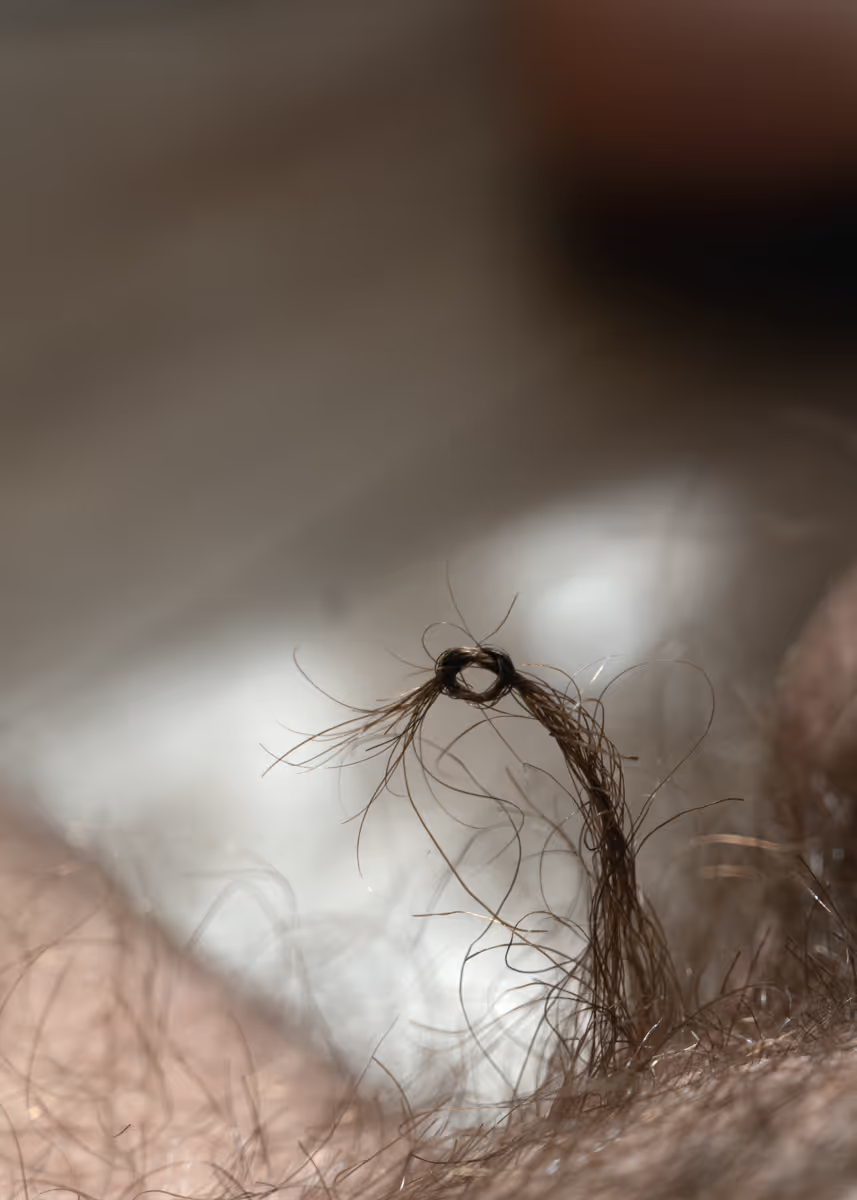
Kalkan's poetic tale of impermanence resembles the conceptual framework of Pavle Nikolić's project Knots. His work observes creation and decay from a more abstract and material register. Knots appear here not as metaphors but as operations - sites where tension, dependency, and collapse are staged in miniature. Refusing ideals of integrity or permanence, the knot exposes its own conditions of undoing. It binds and incubates, accumulating residue, memory, and excess.

The members of the jury:

Barbara Gregov

Lovro Japundžić

Lea Vene

Tia Čiček, curator

Natalija Paunić, curator
Newsletter