Artist
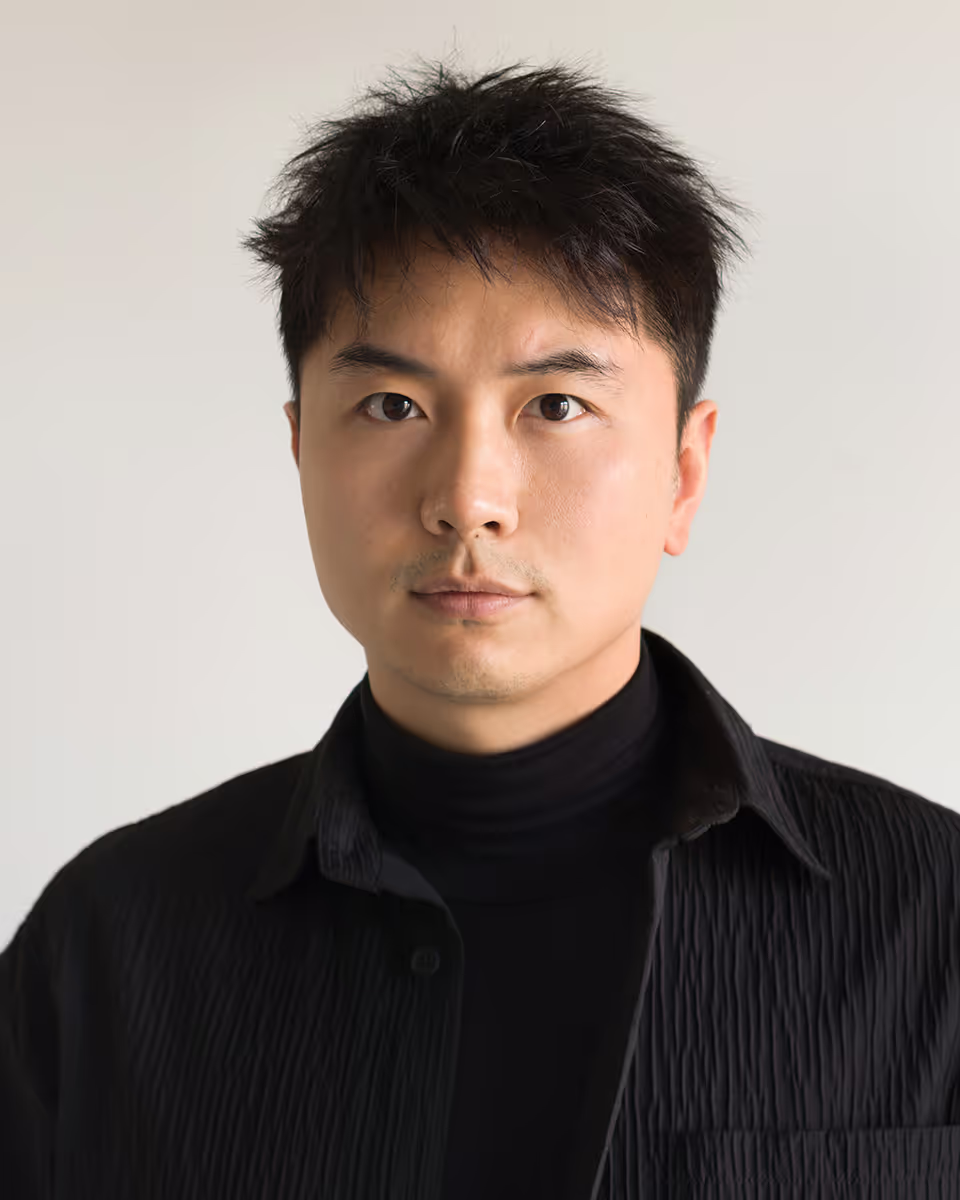
Andong Zheng
Zheng was shortlisted for the Jimei x Arles Discovery Award (2024) and musée du quai Branly - Jacques Chirac Photography Award (2025). His work has also been featured in publications such as The Routledge Companion to Photography, Representation and Social Justice, British Journal of Photography, and Chinese Photography.
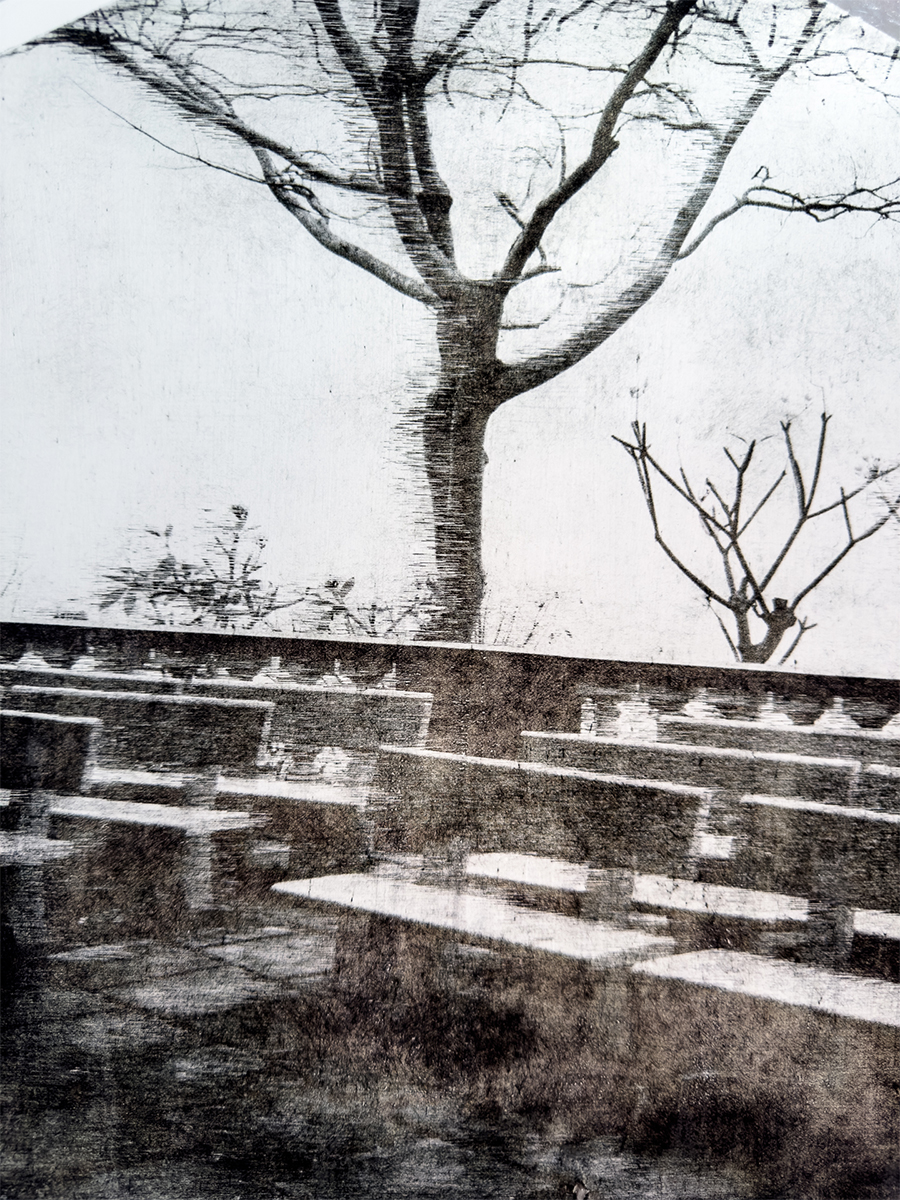
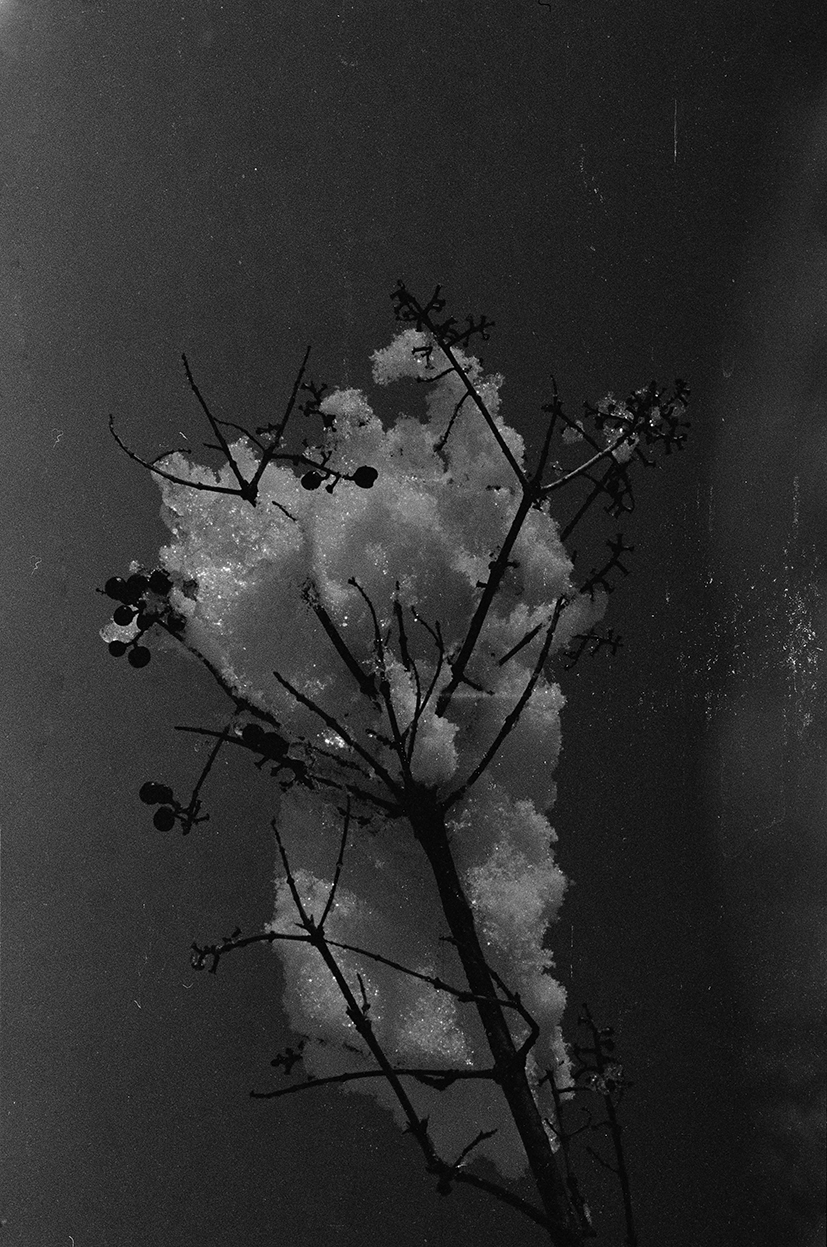
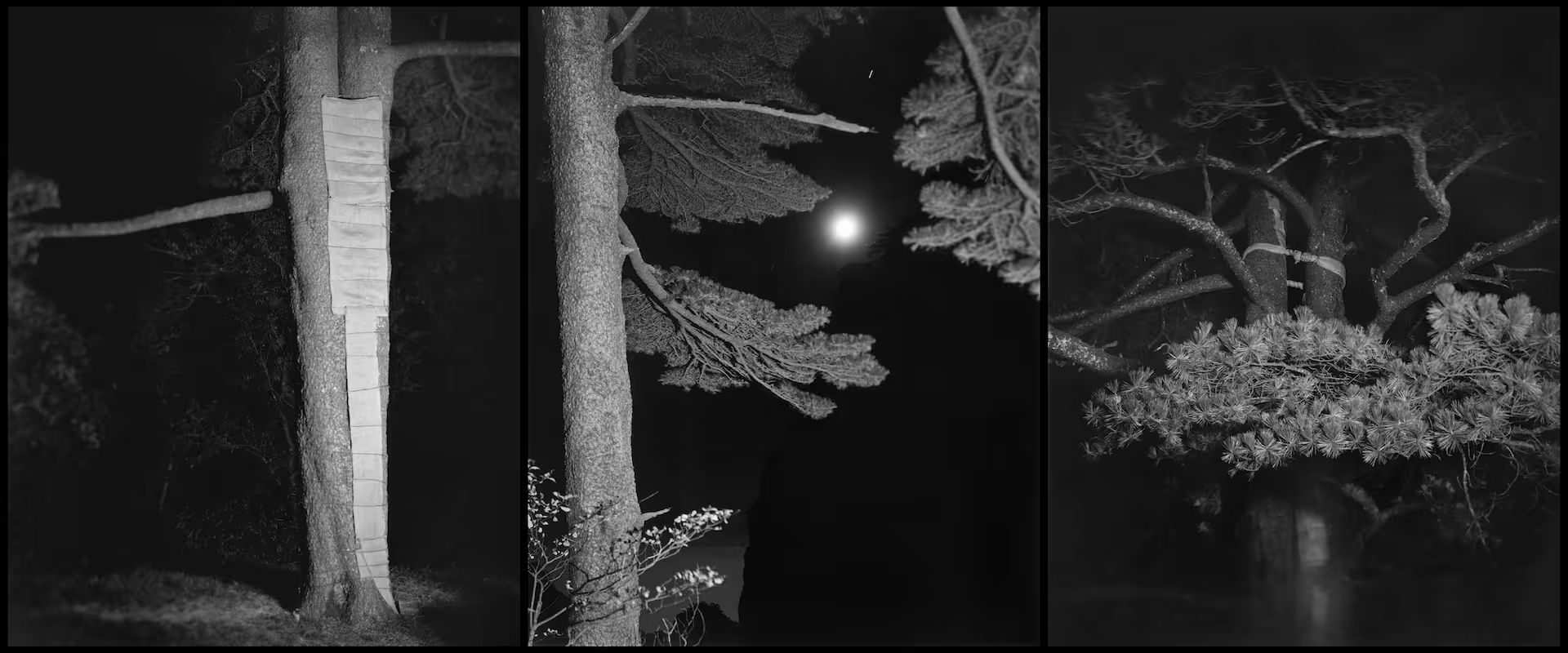
How to (Un)Name a Tree
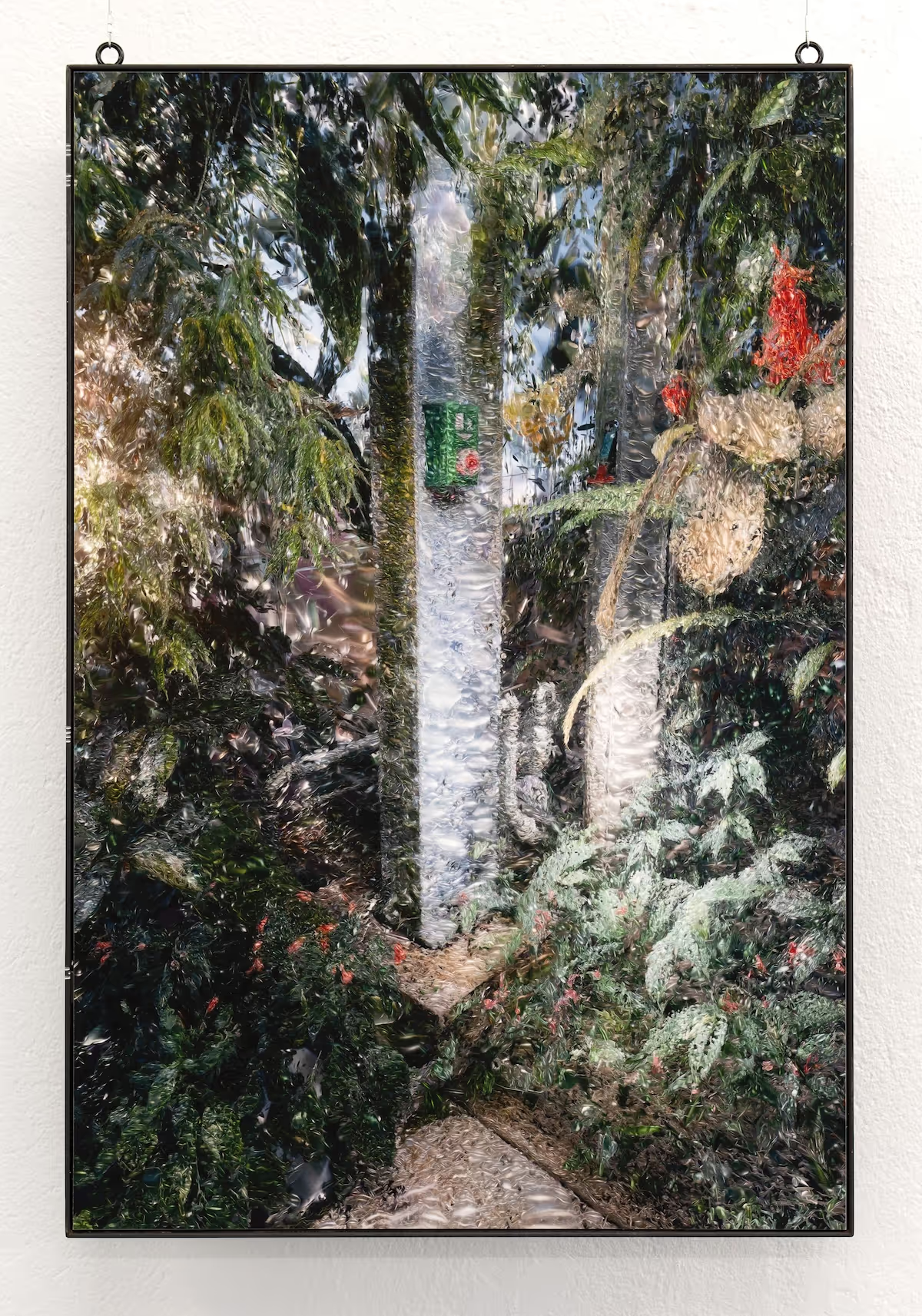
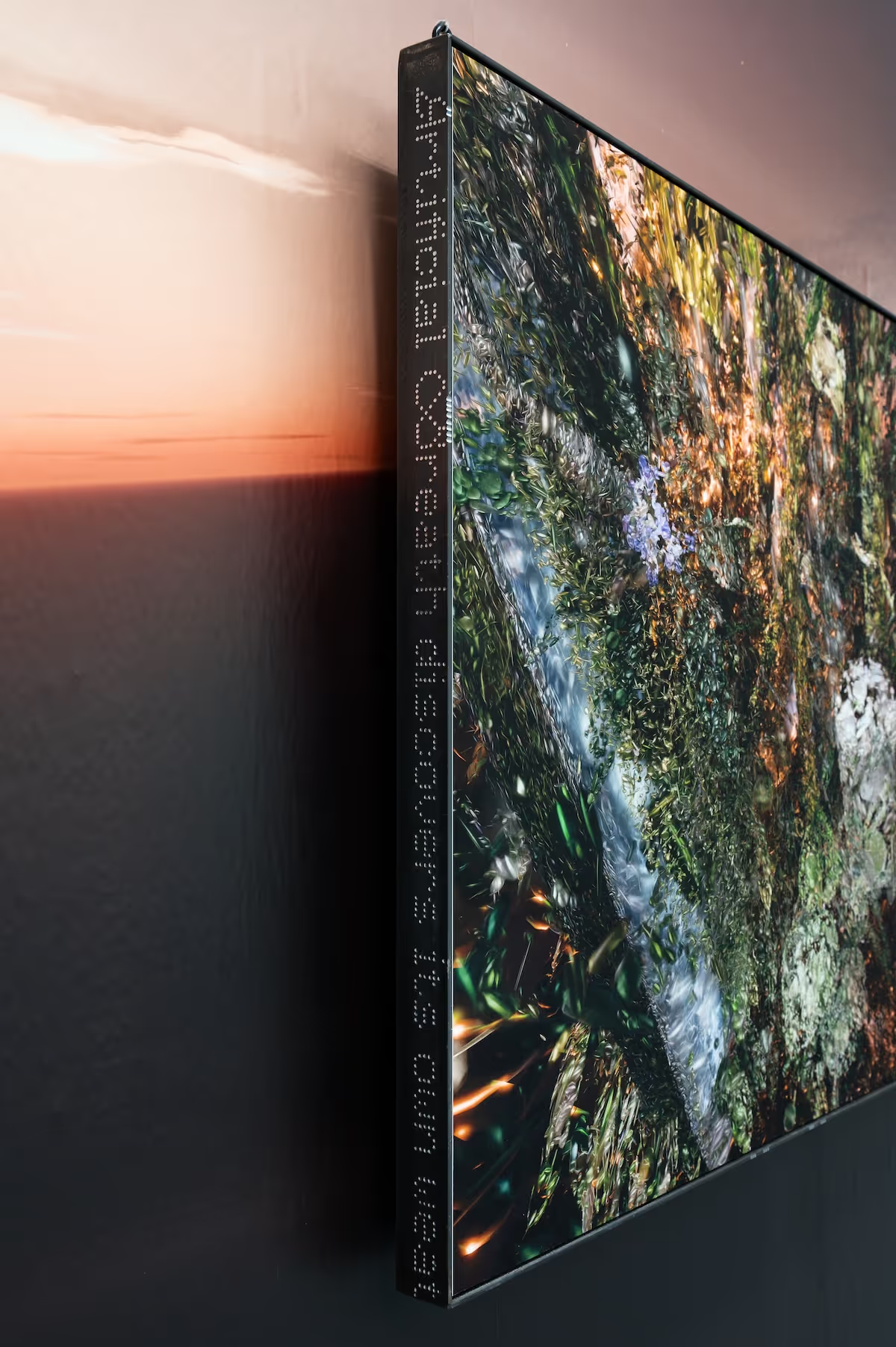
During the era of international competition in species discovery, these three pines were successively named by an German botanist upon his return from an expedition to Imperial Japan, a Japanese botanist stationed in colonial Taiwan, and a Chinese botanist of the Republican period. Decades later, their classifications became a subject of dispute during the Cold War, as botanists debated whether they should be regarded as regional variants of a single species or remain distinct.
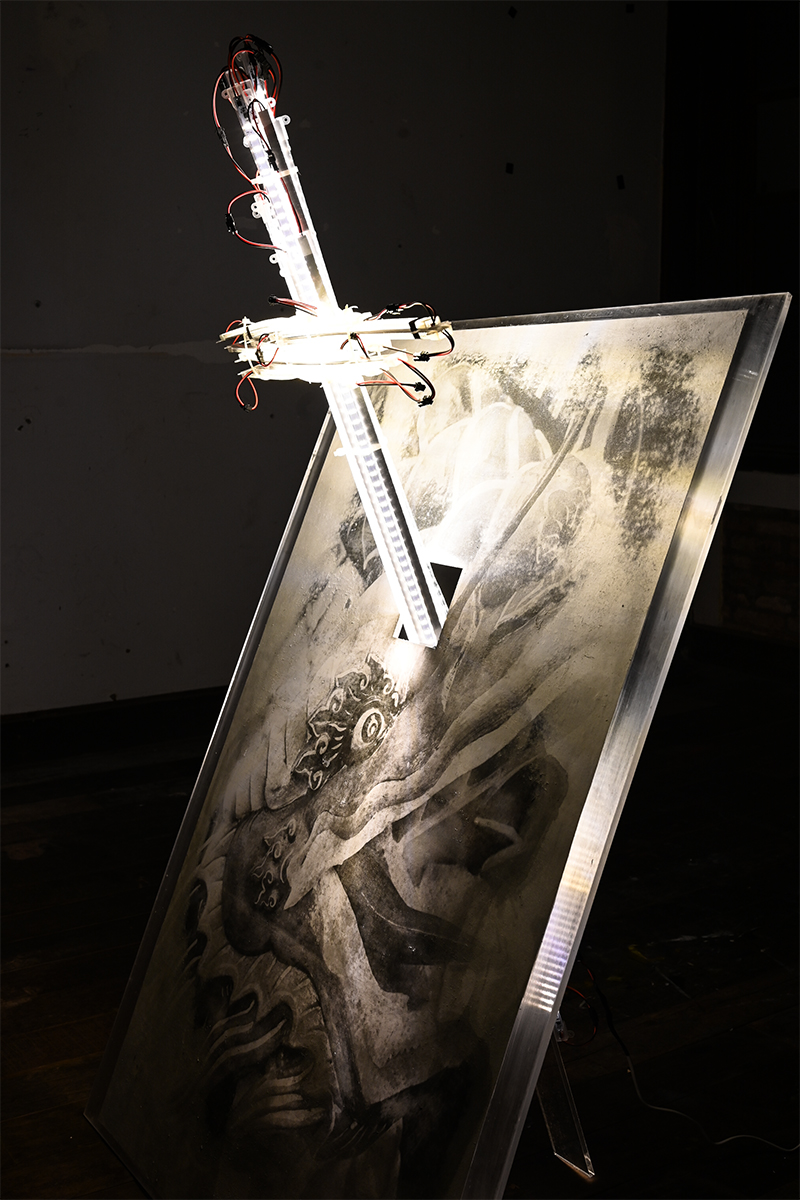
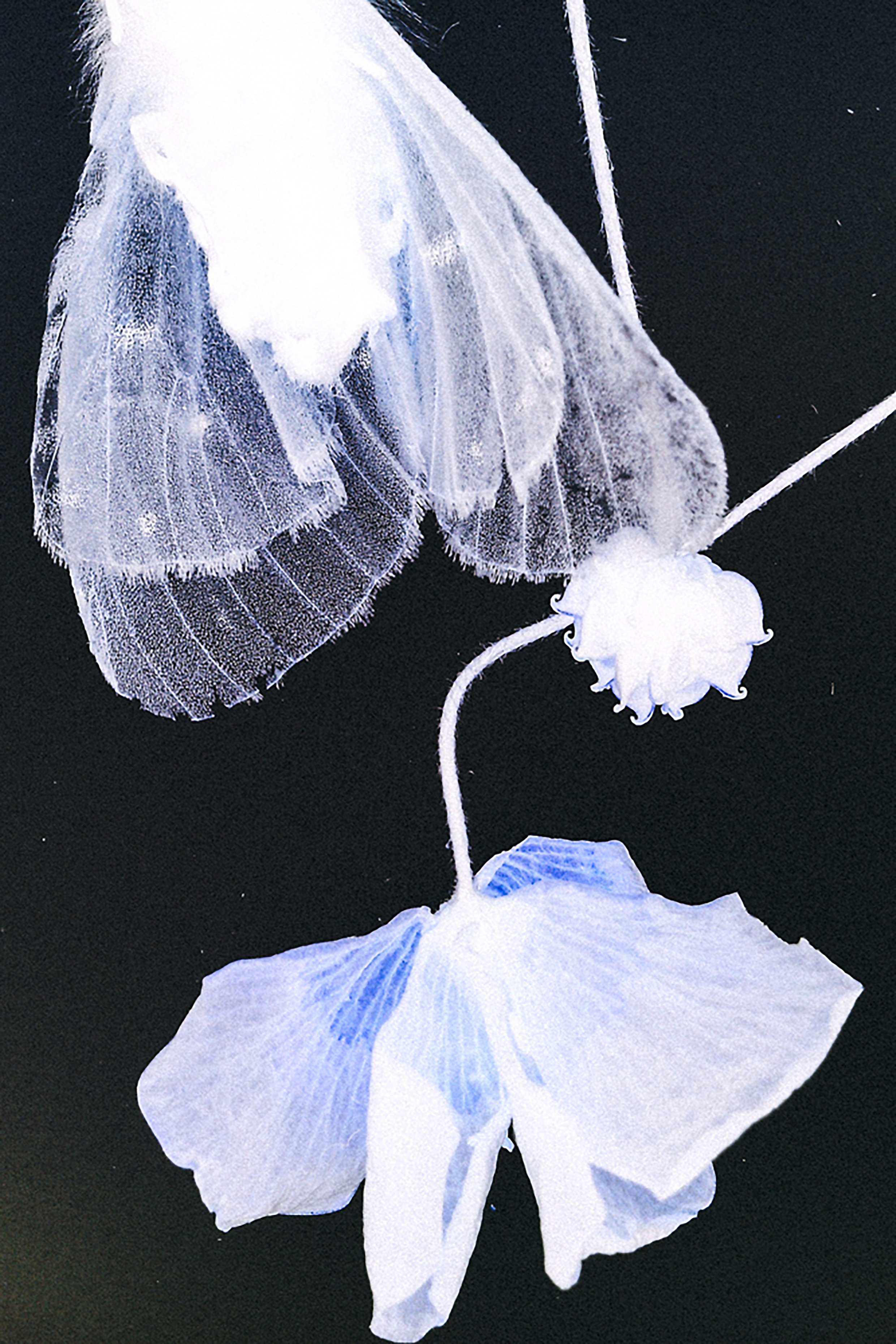
The act of naming presumes difference. The act of photographing presumes evidence. Yet when confronted with highly similar morphs, both systems of order begin to falter within their own logic. Working under fog and nightfall, using artificial light and often tightly framed compositions, he isolates these trees from their identifiable backdrop, and later re-configures them through collage and masking, to push the promise of the index to its threshold.
These images of pine trees echo one another, triggering the sensation of “it might be,” without ever arriving at the certainty of “it is.” In this unresolved zone between language and vision, they instead draw our attention to the man-made notion of boundaries we inherit: between species, nations, and selves.
We congratulate the selected artists on their nominations.
We carefully reviewed all submitted materials from the shortlisted artists. Our evaluation considered both the artists’ overall practice—its urgency, innovation, uniqueness, and trajectory of development—and a recent project highlighted in their application.
We assessed the social and cultural relevance of the work, its political dimensions as embedded in everyday relations and infrastructures, the articulation of artistic language and voice, research-based and conceptual approaches, and a critical awareness of the photographic medium. We also considered the potential of the work to expand into installation or spatial presentation.
Additionally, we reflected on the momentum of each practice and what joining the FUTURES platform at this particular moment in 2026 could bring. For some artists, this aligned with a newly released project that could be shared with the community of artists and members; for others, with a clearly articulated motivation or proposal.
While not decisive, we also noted the relevance of combined practices, such as curatorial or educational work, and considered how each artist would contribute to the FUTURES community. Finally, we sought a balance of perspectives and stories, and the conversations these practices would bring forward. We want to highlight additionally that the selection includes artists with both formal art education backgrounds and self-taught paths.
In total, we discussed 18 applications, all of which were very strong. The selection process offered an opportunity to engage deeply with the practices of many remarkable artists. Artists who were not nominated this year will automatically remain on the shortlist for FOTODOK’s next nomination cycle. We wish them continued success in their work and in future nominations.”
FOTODOK’s nomination followed a two-step process, beginning with internal nominations by FOTODOK team members, who compiled a shortlist of artists. The final selection was then made by an external jury consisting of Astrid Hulsmann, curator at BredaPhoto (Breda), Guinevere Ras, curator at the Nederlands Fotomuseum (Rotterdam), and Tom Viaene, coordinator of the Trigger - a publication for reflection on photography (FOMU - Museum of Photography, Antwerp), with Daria Tuminas, artistic advisor and curator at FOTODOK, being the secretary of the process.