

To Taste a Bittersweet History
Tashiya de Mel
To Taste a Bittersweet History
Nominated by FOTODOK, 2025
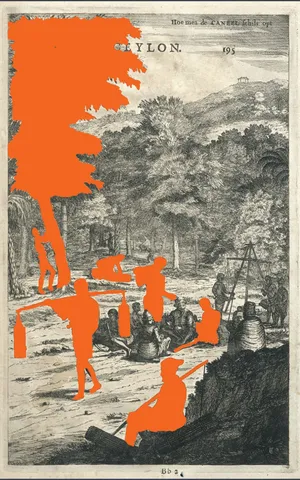
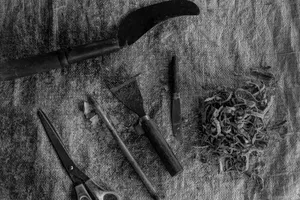
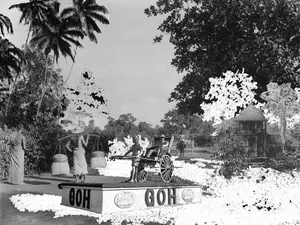
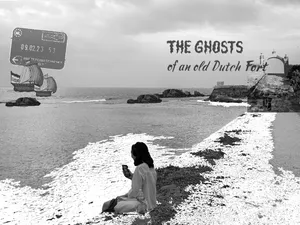
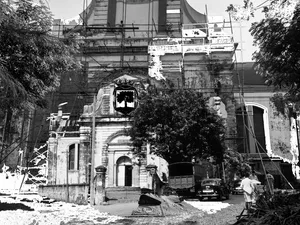
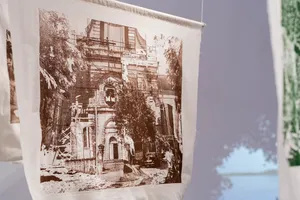
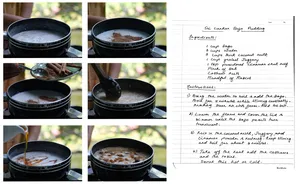
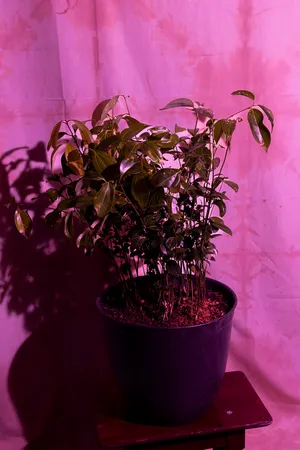
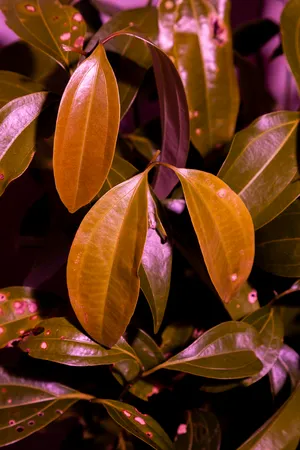
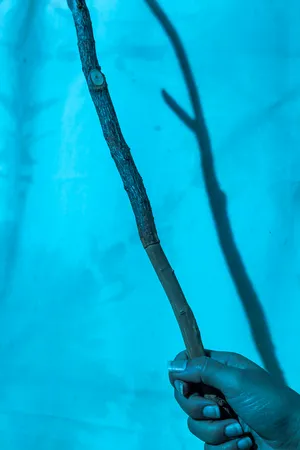
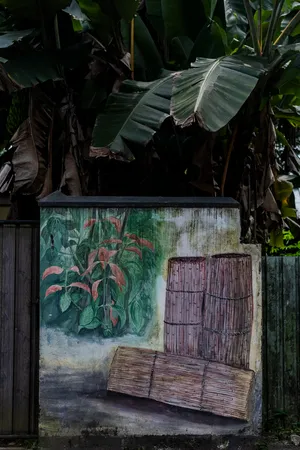
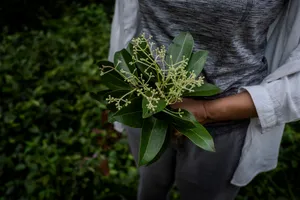
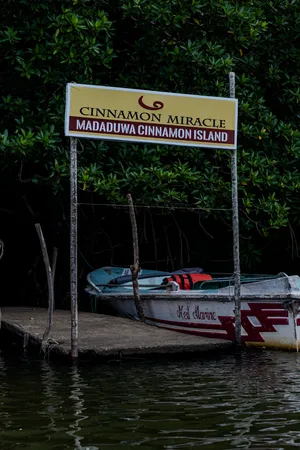
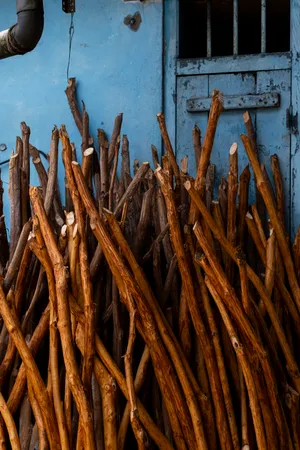
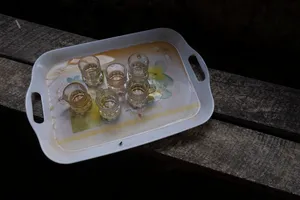
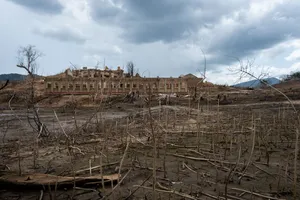
The Dutch East India Company (VOC) colonised Sri Lanka between 1658 and 1796. In their efforts to secure a monopoly on the cinnamon trade they transformed the landscape and culture of Sri Lanka, leaving traces visible today. Cinnamon is a spice of stories about competing empires, bloody battles, forced labour, land appropriation, and resilience. Upon entering Western recipes, cinnamon appears to have been wiped clean of its brutal past with most unaware of the fraught colonial history of this once highly sought-after spice.I use the historical importance of cinnamon as a point of departure, to generate a critical dialogue that unpacks some of the forgotten stories and violent histories from this period. ‘To taste a bittersweet history’ is a research-based project looks at the atypical heritage of the Dutch VOC’s colonisation of Sri Lanka in the 17th century and explores how visual media can be used to address colonial legacies, as well as the wider cultural relationships between the Netherlands and Sri Lanka. The project uses photography, archival material, collages, video, and printmaking to reclaim and subvert colonial narratives by suggesting alternate ways of looking at a shared history. This project is both personal and political and asks important questions about how we can make space for alternative narratives and methods of storytelling – ones that are inclusive and representational in order to interrogate how histories are understood, engaged with and remembered.
Great Sandy River
Tashiya de Mel
Great Sandy River
Nominated by FOTODOK, 2025
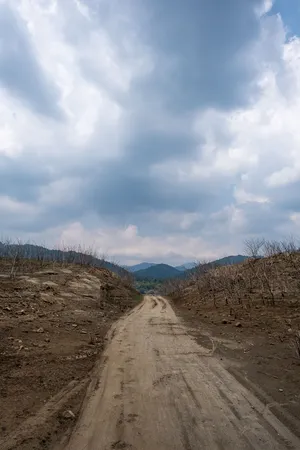
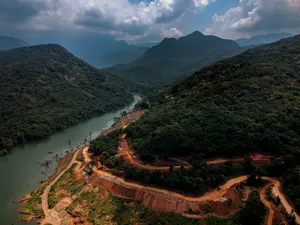
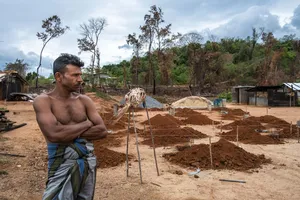
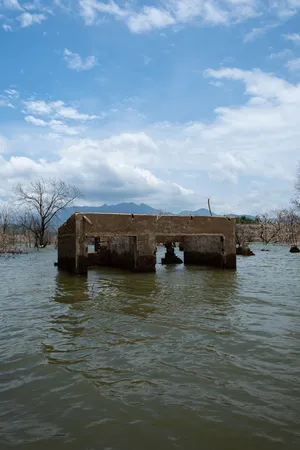
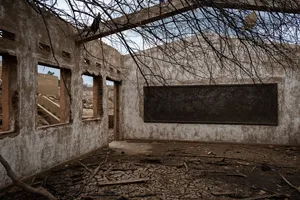
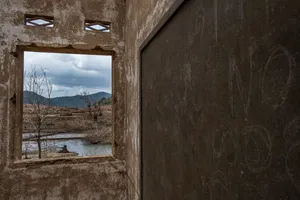
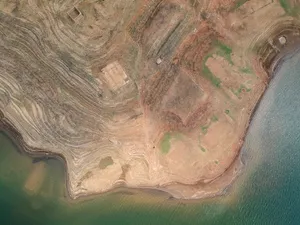
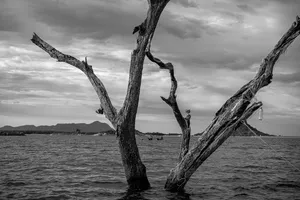
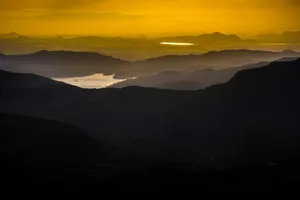
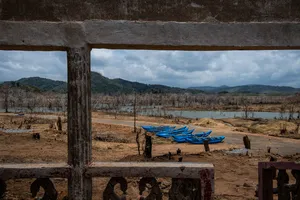
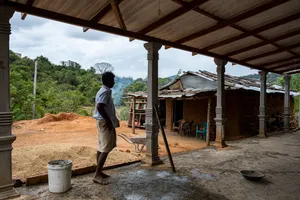
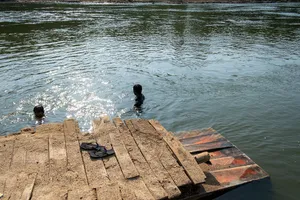
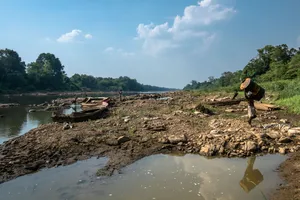
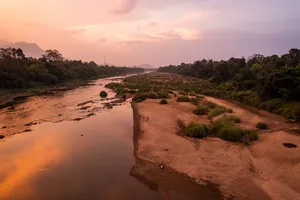
The Mahaweli, meaning ‘Great Sandy River’, is the longest and most revered river in Sri Lanka. Over decades, the river has been exploited, choked, and dammed for energy and irrigation of crops. Dams have a massive impact on a river's ecosystems, permanently altering the shape of the river and displacing communities from their ancestral lands. Resettlement of communities, deforestation, and loss of endemic wildlife and plants are just some of the knock-on effects.This photo series focuses on the central region of Sri Lanka and explores the paradox of hydropower dams to shed light on their hidden costs. The story follows the Mahaweli to examine the impact of dams and their downstream consequences on the environment, ecology, and communities that live along the river.As the climate crisis intensifies, investing in clean sources of energy is critical. If we are to safeguard the free flowing rivers we have left and work towards a healthier future for our planet, we must ask important questions and find sustainable ways to co-exist in the future. This project was selected as one of the five recipients for the Visura grant for visual journalists in 2023.
Tashiya de Mel
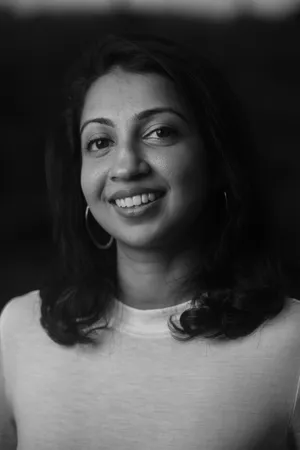
Tashiya de Mel is a photographer, environmental advocate, and communications specialist from Colombo, Sri Lanka who uses visual storytelling to create narratives that drive social change.
Her practice explores the nature and possibilities of documentary image-making and deals with themes such as colonial histories, representation, heritage, family, landscapes, and the climate crisis.
Tashiya is driven by a curiosity to forge connections with diverse disciplines such as art, history, academia and the environment. And find ways of bridging these disciplines through different forms of image-based media.
She was the recipient of the Visura grants for freelance visual journalists in 2023 for her project ‘Great Sandy River’ and received the Stroom talent award in 2024. Tashiya is a recent graduate of the ‘Photography and Society’ masters programme at the Royal Academy of Arts in The Hague (NL). She is based between Colombo and the Hague.
ProfessionPhotographer, Activist
IdentityWoman
LocationSri Lanka, Southern Asia, The Netherlands, Western Europe
PracticeDocumentary, Landscape, Multidisciplinary
TopicsIdentity, Family, Colonialism, Post-memory, Climate crisis
CityColombo and The Hague.
Nominated byFOTODOK
Year2025
Close

Address
Isaac Titsinghkade 6A-B
1018 CA Amsterdam
The Netherlands
Address
Isaac Titsinghkade 6A-B
1018 CA Amsterdam
The Netherlands
© 2026 FUTURES Foundation
© 2026 FUTURES Foundation
Close