

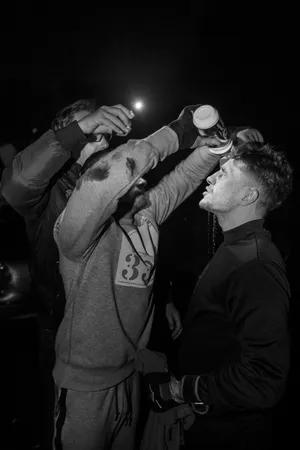
Bosfights/Live Free
Sebastian Steveniers
Bosfights/Live Free
Nominated by FOMU, 2020
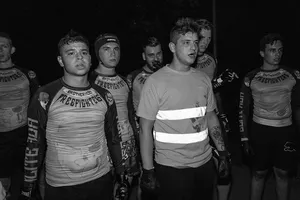
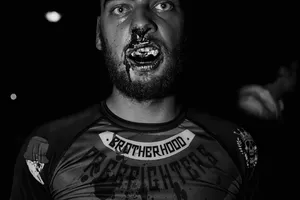
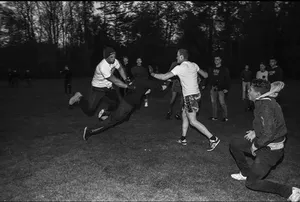
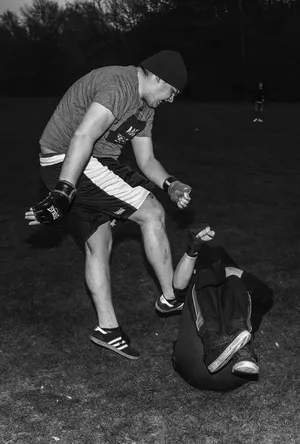
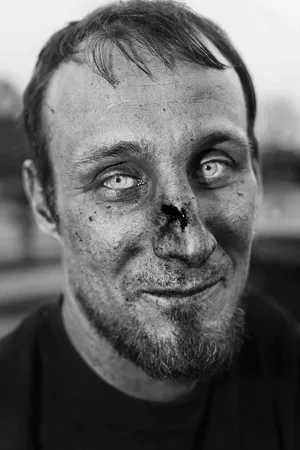
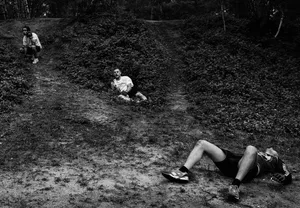
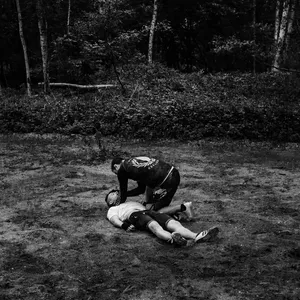
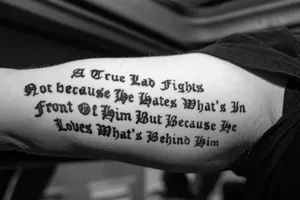
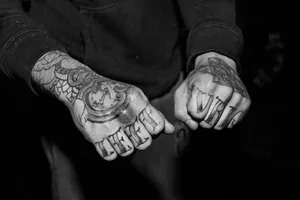
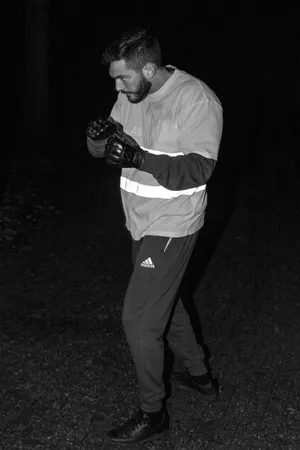
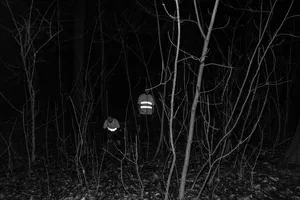
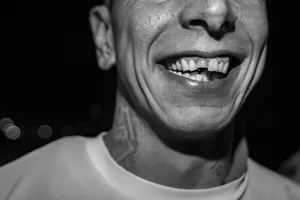
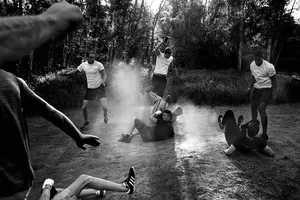
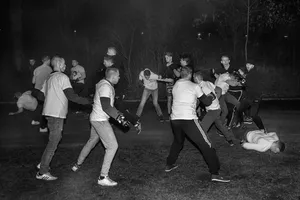
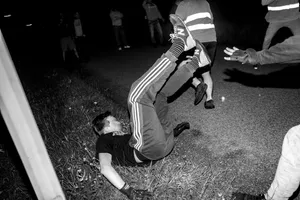
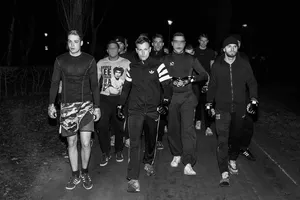
Hooliganism has disappeared from the European football stadiums, but the fight has never stopped. Fighters who volunteered to fight for the colors of their club recently found a new home: remote forests. Teams compete with each other in a very organized way, with rules - and strict secrecy. Why do these men do this for pleasure? Three years ago I decided to make an attempt to gain access to this hermetically sealed world. The doors opened increasingly hesitantly for me. But the search swallowed me up more than I could ever have imagined. In April 2018 I was arrested and I ended up in jail for three weeks. Police and justice do not believe that I am investigating this subculture, but believe that I am involved. All my images were confiscated. Until today I received nothing in return. Still I worked on. By searching for the material that I had already sent, I was able to recover a small part of years of labor. Of the thousands of images I have saved forty, sometimes of poor quality. In addition, I have bundled newspaper articles, my interrogations, police statements, testimonies, screen shots, the diary of my captivity and screenshots of smartphone films, on which I can be seen as a photographer among the fighting parties. The reason why some faces are blurred is because certain people do not want to be recognizable for legal reasons. My goal was once to document forest fights. Against my will, I have become part of my work myself.
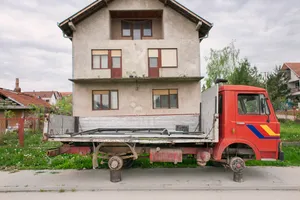
Sumadija
Sebastian Steveniers
Sumadija
Nominated by FOMU, 2020
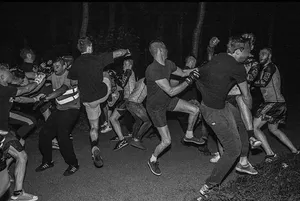
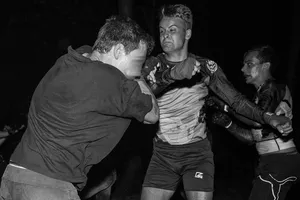
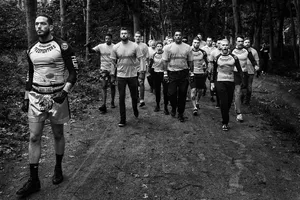
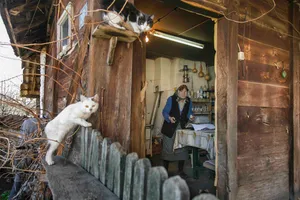
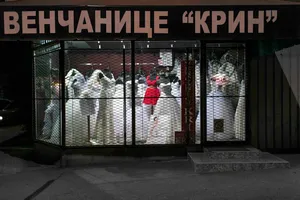
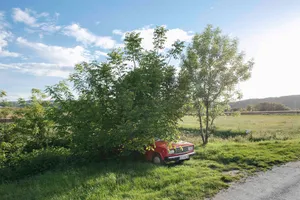
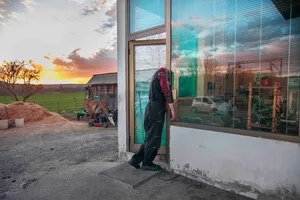
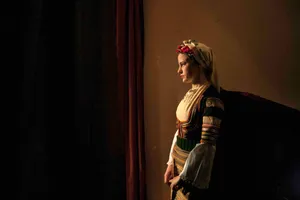
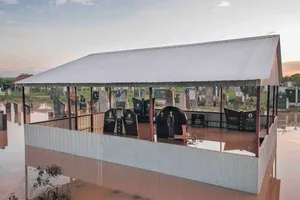
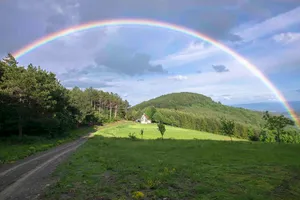
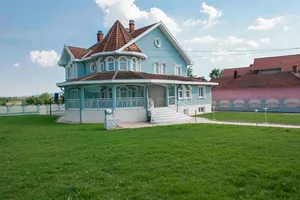
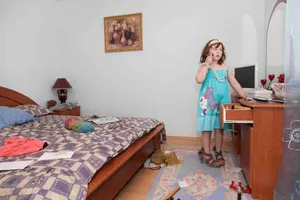
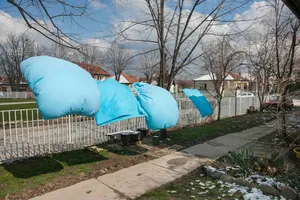
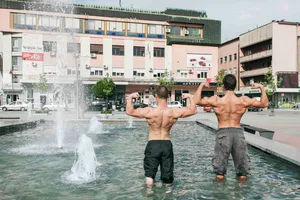
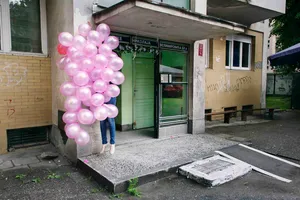
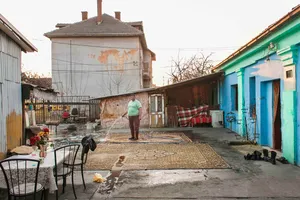
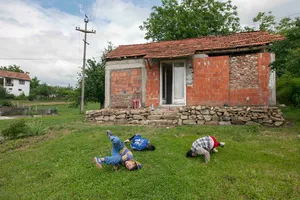
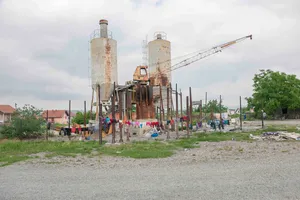
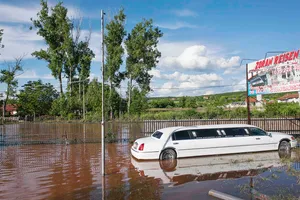
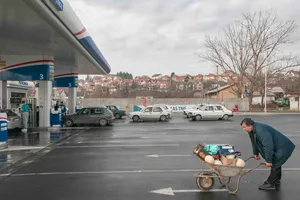
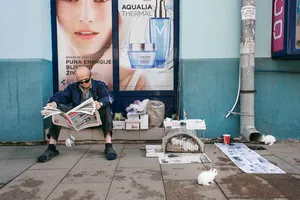
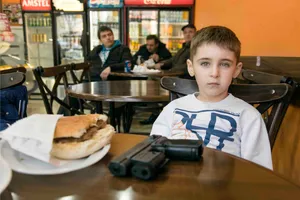
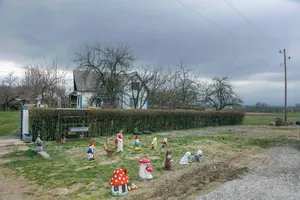
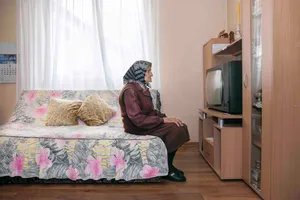
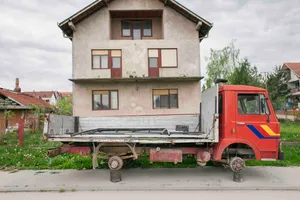
In 2006 I was invited to the wedding of my best friend in Serbia. I didn’t know anything about the country, besides that it had been in a war. The four days that I spent there left a great impression on me. I experienced the people as untouched and pure. Although we didn’t speak the same language, I was accepted as one of their own. For my series Sumadija, I travelled back in 2014 multiple times over the period of one year and lived for more than four months in Kragujevac, the capital of Sumadija in Central-Serbia. This region is known for its nature and its mountains. There is basically no tourism and little influence from the West. People are mostly self-sufficient and farming is their main income. I experienced Sumadija as a fairytale, in which elements of daily life blend into a magic-realistic world that looks strange for me as an outsider. From an open and honest perspective it captured my curiosity for the region and its people. The photographs convey a sense of humour, a light-hearted touch and a hint of surrealism.
Sebastian Steveniers
I'm Sebastian Steveniers, 37-year-old Belgian documentary photographer, who works for the Belgian newspaper De Standaard as a photojournalist, making portraits and stories on a daily base. I also work on different long-term documentary projects.
I started off with photography on a late age, because I have a history of pro-basketball player. I decided to go back and study after I quit basketball. After a stop at RITS Drama school in Brussels I started to study photography at the Royal Academy of Fine Arts (KASK) in Ghent where I got my bachelor in Photography.
I have an undeniable curiosity and hunger for both small and large, well-known and less well-known stories. I use my camera as a key to enter a world or to make any contact. It gives me a fly on the wall feeling, with which I can experience a tranche de vie for a while. I always try to approach my subject as objectively as possible and let my eye do the work.
Photography helps me to understand certain facets of life in a better way.
I've always been attracted to uncommon subjects and stories, which aren't mainstream and easy to approach.
ProfessionVisual Artist
IdentityMan
LocationBelgium, Western Europe
PracticeDocumentary
Nominated byFOMU
Year2020
Close

Address
Isaac Titsinghkade 6A-B
1018 CA Amsterdam
The Netherlands
Address
Isaac Titsinghkade 6A-B
1018 CA Amsterdam
The Netherlands
© 2026 FUTURES Foundation
© 2026 FUTURES Foundation
Close