
DREMMWEL
Pierre Vanneste
DREMMWEL
Nominated by FOMU, 2020
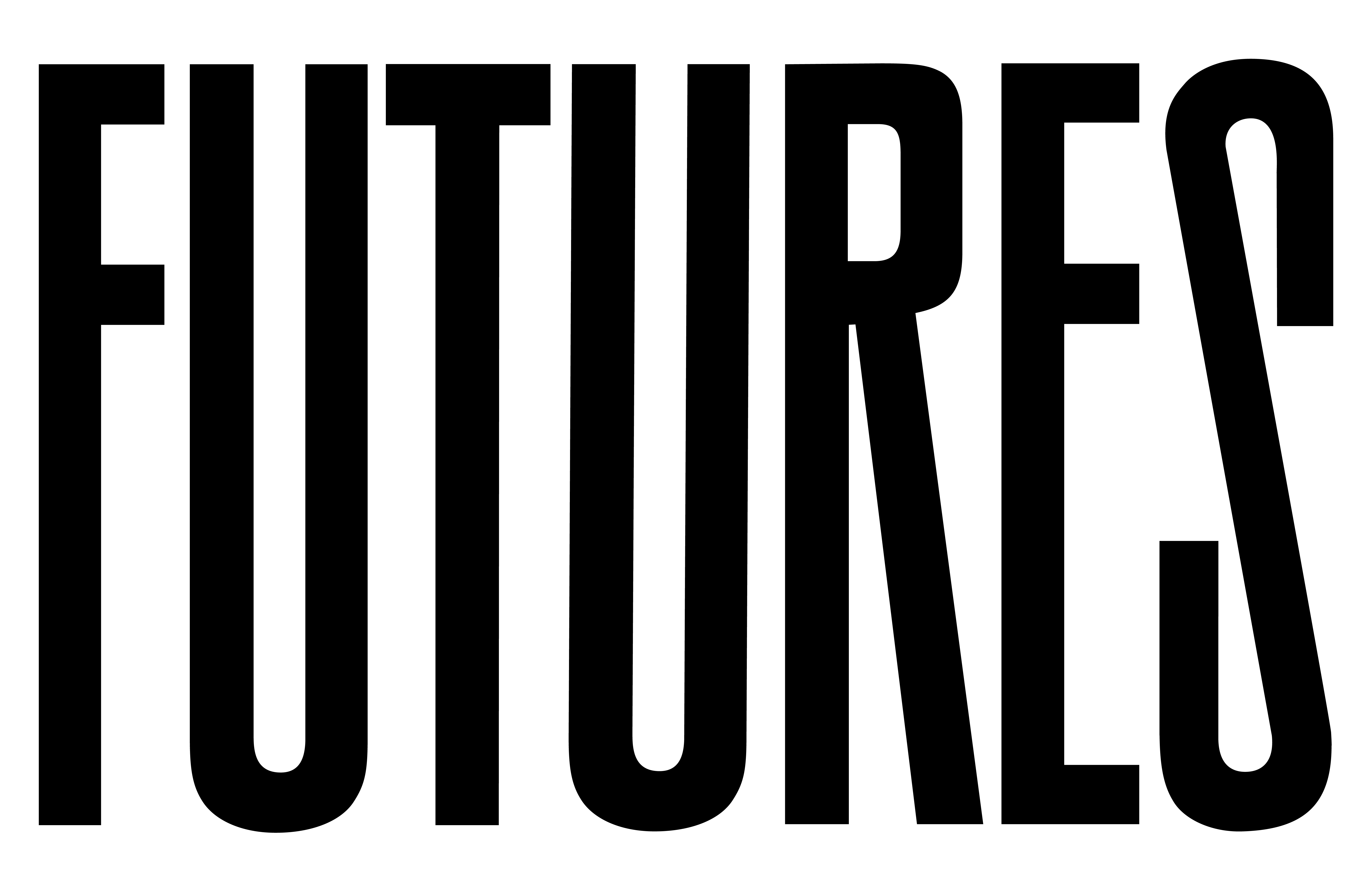
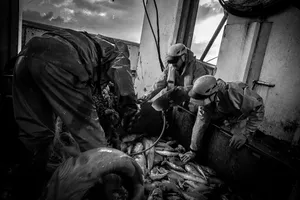
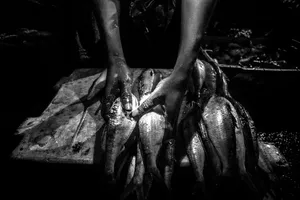
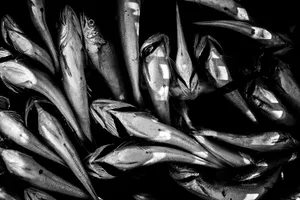
Since 1960, the world population has doubled, and changes in eating habits have drastically increased the amount of fish taken from the oceans for human consumption. To supply large-scale retailers, fishing boats navigate different zones depending on their target species.
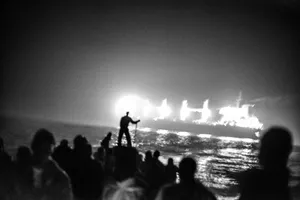
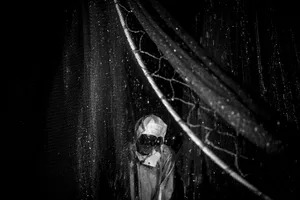
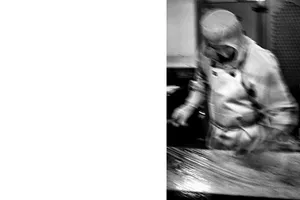
The Northeast Atlantic is the fourth-largest fishing area globally, primarily exploited by European fleets, accounting for over seventy percent of Europe's catches. In the West Scotland area, life on large trawler factory ships revolves around hauls, motivated partly by fishing bonuses. The crews tally the tons and boxes processed to determine their earnings at the end of each trip. Further south, in the Bay of Biscay, small-scale fishermen sometimes use industrial techniques similar to those on large trawlers, like trawling and purse seining, reflecting the production and distribution methods they must follow.
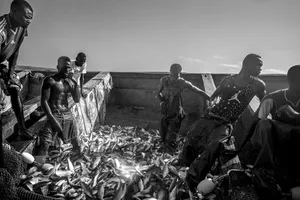
In Senegal (Central East Atlantic), for decades, coastal communities have seen their seas gradually empty, transforming their future prospects. Alongside the ever-increasing local boats and pirogues, Chinese and European ships (both licensed and unlicensed) increasingly venture into these waters, targeting tuna, hake, and small pelagics. These small fish are often used to make fishmeal for aquaculture and poultry farming.
While in Europe, the independence and sustainability of the fishing profession are threatened by industrialization and professional lobbying, in West Africa, dwindling resources push many fishermen towards migration. This scarcity is due to both industrial fishing practices and climate change, which threaten marine ecosystems, hinting at a looming social and ecological disaster.
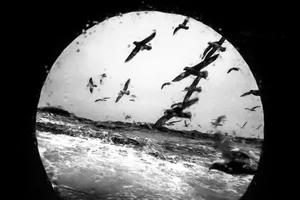
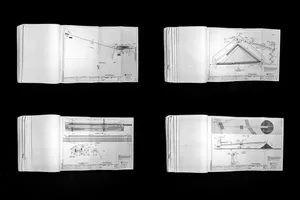
DREMMWEL is a transmedia documentary project to be discovered through a book connected to augmented video content (Yellow Now Editions, in partnership with Blinkl technology).
Yonoo Yokkute
Pierre Vanneste
Yonoo Yokkute
Nominated by FOMU, 2020
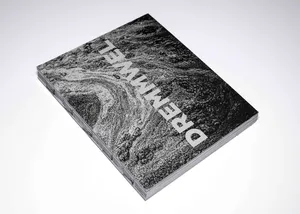
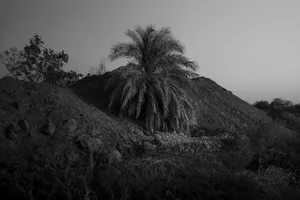
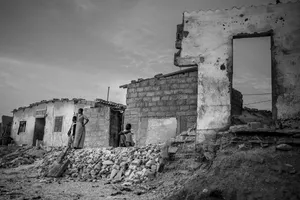
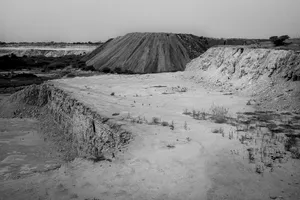
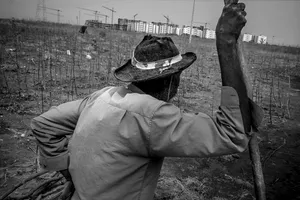
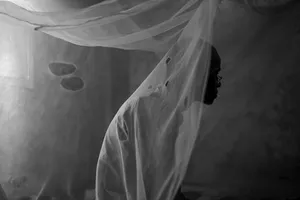
I discovered the town of Bargny in 2016 after befriending some Lébou fishermen. Very quickly, I found myself constantly traveling back and forth there. At the time, Bargny was undergoing a profound transformation, perfectly illustrating the shift from a rural to an industrial society. This evolution also mirrored what was happening in many towns across Senegal. That’s when I felt the desire to document this community over the long term.
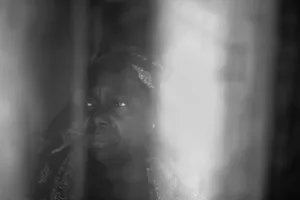
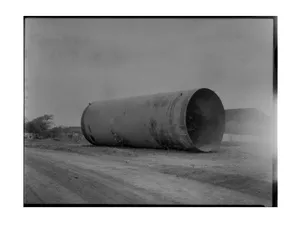
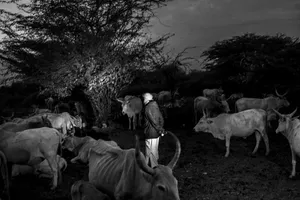
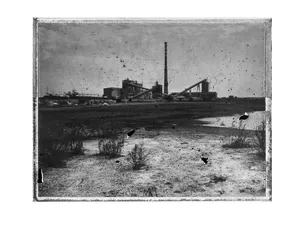
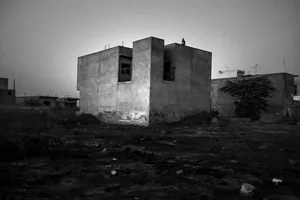
Located 35 kilometers from Dakar, Bargny is on the verge of becoming the capital's next major industrial suburb. Trapped between the rising sea levels caused by climate change and its forced shift toward the industrial sector, the town seems like a massive construction site for worlds in decline. A community of Lébou fishermen and Peul herders, whose family estates have been passed down for generations, is now gradually losing all its resources and becoming dependent on the industries settling in the area.
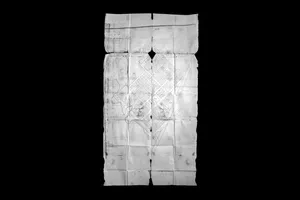
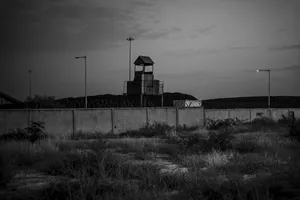
Some of the planned projects include a coal-fired power plant, a mineral and bulk port, and a steel plant under development. These infrastructures will only worsen the environmental problems: air pollution, destruction of marine and terrestrial ecosystems, and the grabbing of land and water resources. Meanwhile, families living along the coastline lose their homes to the encroaching sea every year without being offered any relocation solutions. The state, on its part, declares their land to be of public interest to transfer it to industrial project developers.
As if sitting on the edge of the world, Bargny questions our society and its choices. It reflects the ongoing ecological disasters and bears witness to Senegal’s forced march toward “emergence.”
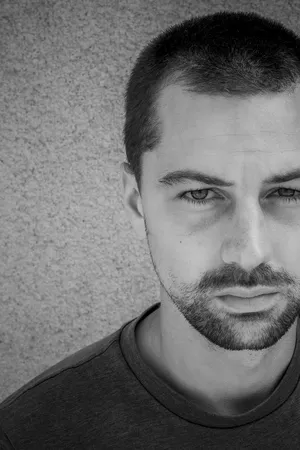
Pierre Vanneste
Pierre Vanneste is a Belgian photographer and filmmaker based between Brussels and Dakar, specializing in long-term reportage and documentary projects.
His work has been exhibited in museums and galleries (Biennale ofDakar Contemporary Art, Musée de la Photographie de Charleroi, FoMu,Zone i) and published in media outlets such as Médiapart,Libération, DOC! Photo Magazine, Courrier International (webversion), De Standaard, Tchak, Equal Times, and Alter Echo.
In 2018, he co-directed "Bargny, the real face of economic emergence"a transmedia documentary (photos, videos, and texts) about thedesignation of land for industrial purposes. The project wasshortlisted for the Visa d'Or for Digital Information 2019 (Visa pourl'image festival). His project "DREMMWEL" (a photo project with enrichedvideo content) was published in 2020 by Éditions Yellow Now. It is along-term project on the extractivist model through fishing and overfishing. This project has been exhibited in France, Belgium, Senegal, and Canada. One of the photographs from the project is now part of the permanent collection at the Musée de la Photographie deCharleroi.
He received the 2019 Photographic Grant from the FondationJean-Luc Lagardère for his project "P2O5, the Toxic Impact ofPhosphate" which he co-directed with author-journalist Laurence Grun.
Since 2022, he has been working on various videographic andphotographic documentary projects in Senegal.
ProfessionPhotographer, Visual Artist, Filmmaker
IdentityMan
LocationBelgium, Western Europe, Western Africa, Senegal
PracticeDocumentary
TopicsPolitics, Anthropocene
Born in1988
CityBruxelles - Dakar
Nominated byFOMU
Year2020
Close

Address
Isaac Titsinghkade 6A-B
1018 CA Amsterdam
The Netherlands
Address
Isaac Titsinghkade 6A-B
1018 CA Amsterdam
The Netherlands
© 2026 FUTURES Foundation
© 2026 FUTURES Foundation
Close