

Alternative Realities
Peters Jurgis
Alternative Realities
Nominated by ISSP, 2023
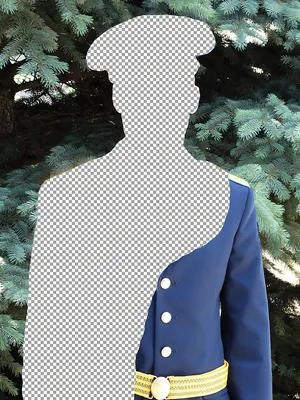
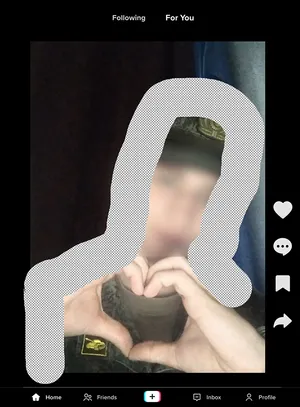
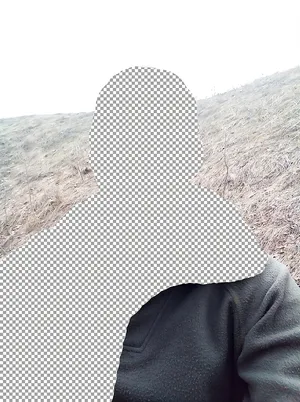
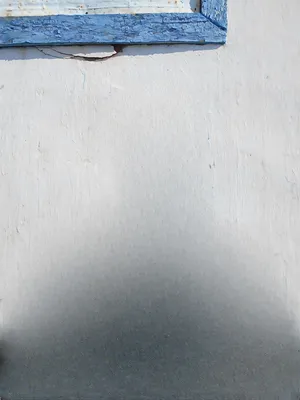
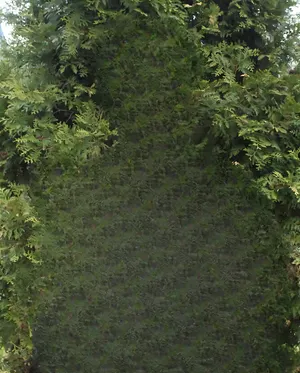
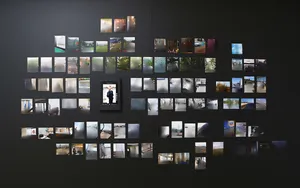
As we watch the Russian military invasion of Ukraine, it’s clear that the inaccessibility of objective information – alongside outright disinformation – places a large proportion of Russian citizens in an alternative reality. Here, Russia’s troops are liberators rather than aggressors. It’s a similar situation with the Russian army itself; when going to war, at least in its early stages, soldiers were either unaware of the true geopolitical situation or believed in an alternative narrative informed by disinformation campaigns. Alternative Realities is an installation that consists of found images and a video of fallen Russian army soldiers. Referring to the usage of various algorithms in disseminating disinformation on social media, I employ machine learning tools to delete the soldiers from these images.

Images of The Divine
Peters Jurgis
Images of The Divine
Nominated by ISSP, 2023
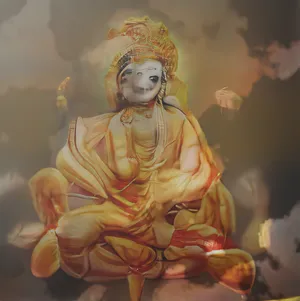
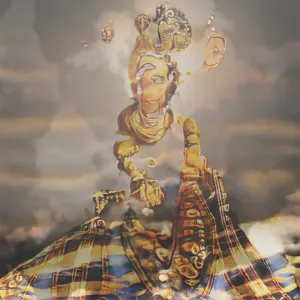
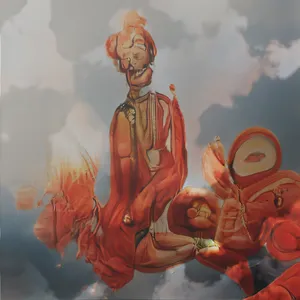
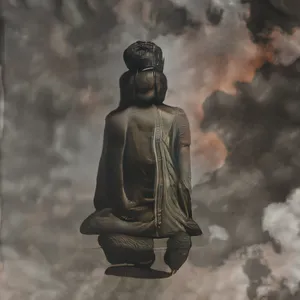
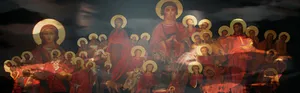
Throughout history, people have used technology both as an instrument to connect with the divine – from ancient bone oracles to experiments with electromagnetic frequencies to capture the voices of the dead – as well as a force that brings them closer to a divine state. Beliefs in technology as a guiding force are exemplified, for instance, in the Gaian mind ideals promoted by early internet pioneers and cyberspace buffs in the 1990s. More recently, with the explosive growth of various AI algorithms, there is a prevalent belief that new technology will be able to undo the damage we’ve caused on earth. And if technology can’t solve the looming climate crisis, it will surely be able to transport us away and help us colonise Mars. Reflecting on this quasi-religious obsession with technology, the Images of The Divine project uses AI Neural Networks trained on vast amounts of religious and sacred imagery from cultures around the world to explore the potential of creating new gods and goddesses befitting of an AI-dominated future.
So Strange Yet So Familiar
Peters Jurgis
So Strange Yet So Familiar
Nominated by ISSP, 2023
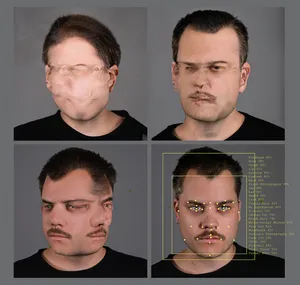
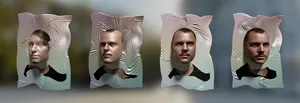
The four different stages of the author's portrait depict the Artificial Intelligence (AI) training process – creating a synthetic image which is indistinguishable from the original. Various globally connected AI algorithms are increasingly capable of performing many different tasks, and are becoming more self-aware. Ubiquitous algorithms are taking over tasks traditionally reserved for human judgement, such as calculating individual credit scores, or flying military drones. How far are we from achieving Superintelligence? And how – if our ability to distinguish 'real world' images from those generated by Artificial General Intelligence is lost – will it affect human experience and our perceptions of reality?
Peters Jurgis
Peters Jurgis (b. 1991) is a new media artist currently based in Riga, Latvia. He holds both a BSc in Digital Media Technology and an MSc in Cyber Security from the University of Birmingham, and an MA in Audiovisual Arts from the Art Academy of Latvia. His work comprises visual explorations into the impact of various phenomena caused by advances in technology. As such, a main focus of his work is Artificial Intelligence (AI) – both as a medium and on a conceptual basis. New developments in AI have sparked a series of heated debates, ranging from whether we can entrust critical tasks to AI, to conversations on the role of the human creator in an age of AI-generated content. With a background in machine learning algorithms, Jurgis believes that the future will bring AI and human co-creation – where algorithms are used to enhance a human artist’s capabilities. In his own practice, Jurgis applies new technologies as tools for visual storytelling, and as a means to speculate on future scenarios.
ProfessionVisual Artist
IdentityMan
LocationLatvia, Northern Europe
PracticeConceptual
TopicsTechnology, Artificial Intelligence
Nominated byISSP
Year2023
Contacthello@jurgispeters.xyz
Close

Address
Isaac Titsinghkade 6A-B
1018 CA Amsterdam
The Netherlands
Address
Isaac Titsinghkade 6A-B
1018 CA Amsterdam
The Netherlands
© 2026 FUTURES Foundation
© 2026 FUTURES Foundation
Close