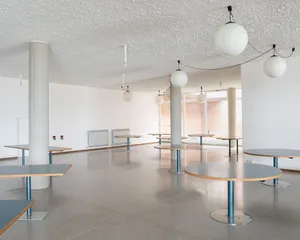
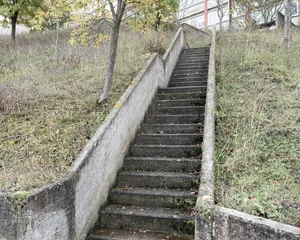
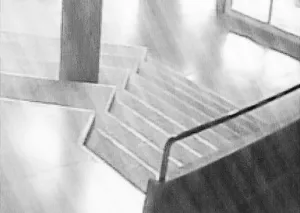
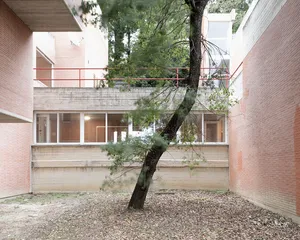
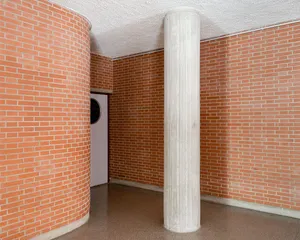
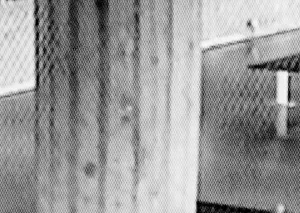
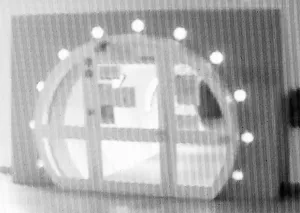
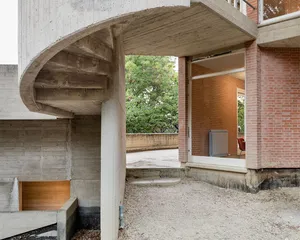
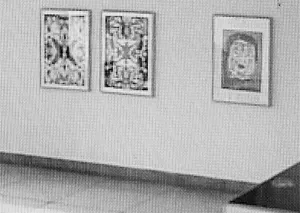
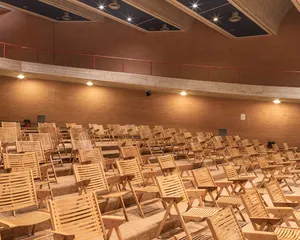
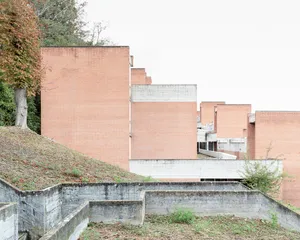
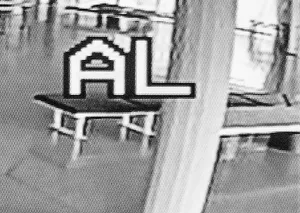
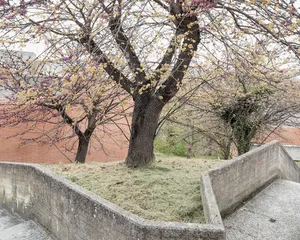
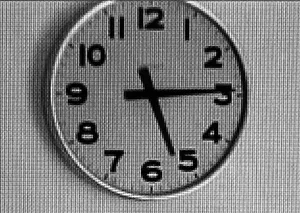
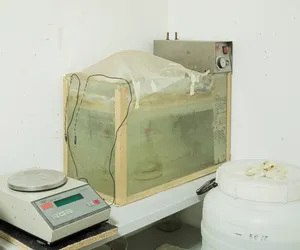
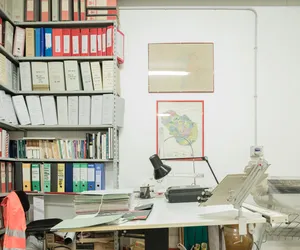
The 1000008988 project studies five university colleges designed by the architect Giancarlo De Carlo, located about a kilometre from the historic centre of Urbino. The entire structure, built in terracotta bricks and exposed concrete, occupies an area of approximately 62,000 m2. Conceived by De Carlo as an organism "in the form of a city", the five colleges – Tridente, Colle, Serpentine, Aquilone and Vela – are in fact independent of one another. They are connected by a branched structure of paths, which becomes a meeting place and exchange. My research focuses on the current state of management and control of these structures, which is inconsistent with De Carlo's vision; the architect envisaged a series of threshold spaces belonging both to the colleges and the city, halfway between public and private, closed and open, to encourage exchange between universities and the city. I studied these structures from 2019 to 2021, developing photograms extrapolated from multiple points of electronic visual control located within the structures. The aim was to combine my own labyrinthine, human vision of the spaces with the omnipresent, mechanised eye of the "video surveillance city".
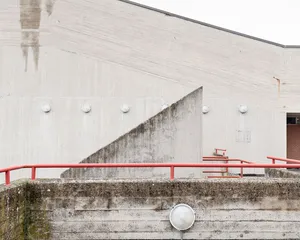
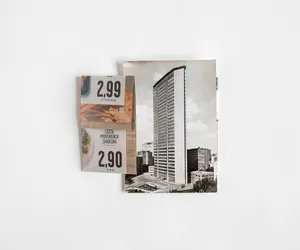
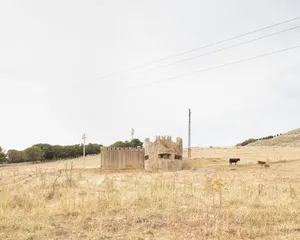
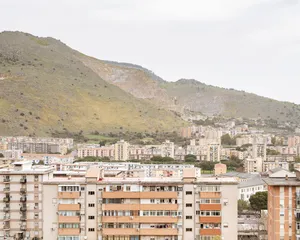
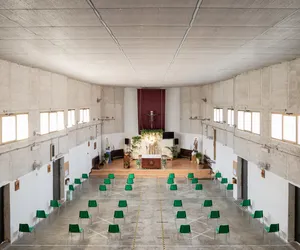
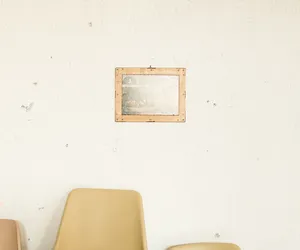
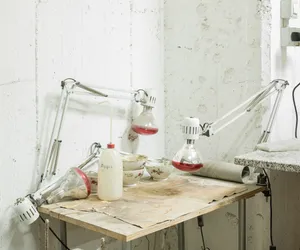
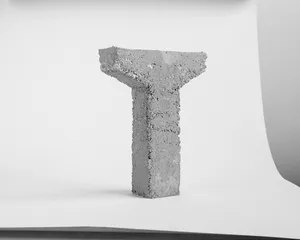
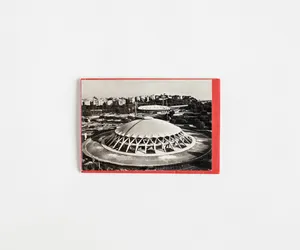
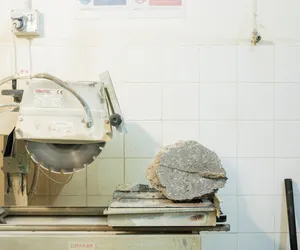
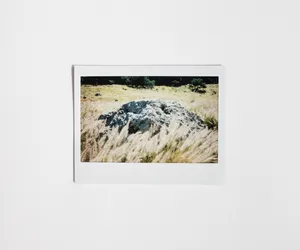
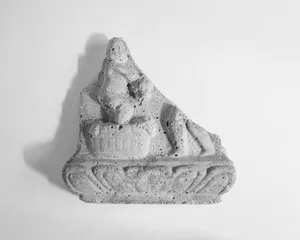
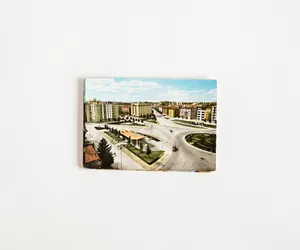
Calcestruzzo (Concrete) is a long-term project consisting of photographs, sculptures, postcards, newspapers and books that explore the different material variations of concrete. The widespread presence of concrete in Italy’s contemporary landscape has, on the one hand, informed several masterpieces of 21st century architecture. On the other hand, its presence has translated into a speculative drift that has led to overbuilding. Since the construction boom of the 1960s, concrete has shaped urban spaces, coastlines, suburbs, and the architecture of everyday life, giving form to the physical spaces and emotional landscapes in which several generations have grown up. Calcestruzzo (Concrete) offers a perspective that is both personal and collective, where images of the school and church I attended as a child coexist with those that tell the tale of the construction boom – known as the “Sacco di Palermo”.
Nicola Di Giorgio
Nicola Di Giorgio (b. 1994) graduated in Graphic Design from the Academy of Fine Arts in Palermo, continuing his studies in Photography at the ISIA in Urbino. With an interdisciplinary approach, his research focuses on the landscape; he investigates contemporary society from scientific, socio-cultural and formal perspectives to identify various correlations between art and science. He combines these methodologies with collecting as an artistic and taxonomic research practice. In 2022, Di Giorgio received the Graziadei Prize for Photography, in co-production with the MAXXI - National Museum of XXI Century Arts in Rome. Since 2023, he has worked as a professor at NABA-New Academy of Fine Arts in Milan. His works are found in several public and private collections.
www.nicoladigiorgio.com
@nicoladigiorgio_