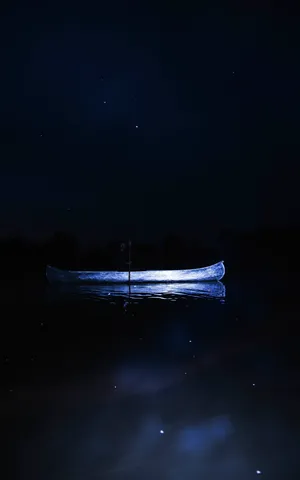
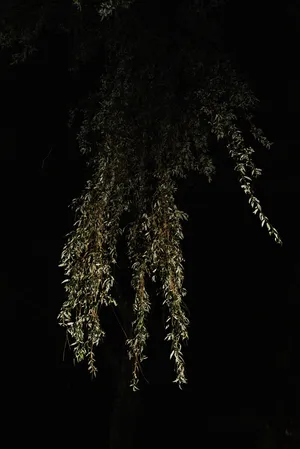
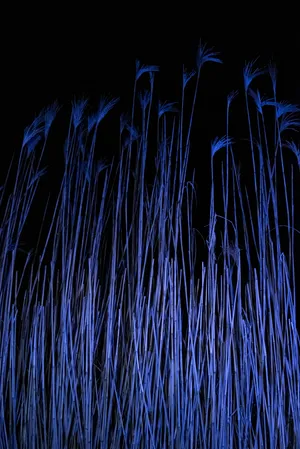
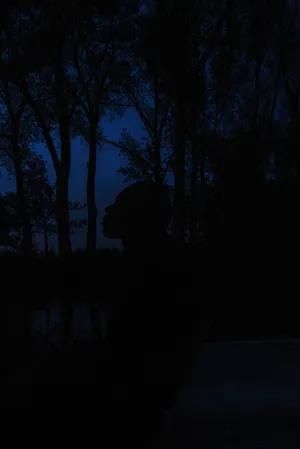
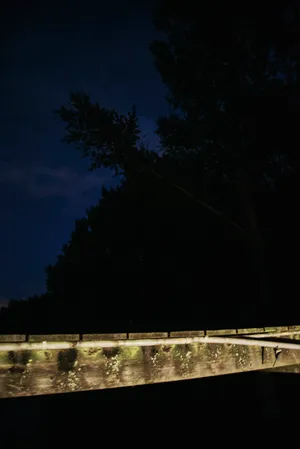
The rivers of Suriname, on the rivers of Suriname Sailed the enslaved with their shipsThey rowed and saw the sun set below the horizon, the moon’s reflections ripple on the water The rivers of Suriname, on the rivers of Suriname They transported trade goods into town,Surrounded by the scent of coffee and tobacco, they made their way through the current The rivers of Suriname, on the rivers of Suriname They sang a melodic sequence of call and responseTheir songs of resilience and sorrow broke the silence of the night On these rivers of Suriname Dawn brought them hope for better livesAnd their songs still echo on the rhythm of the water
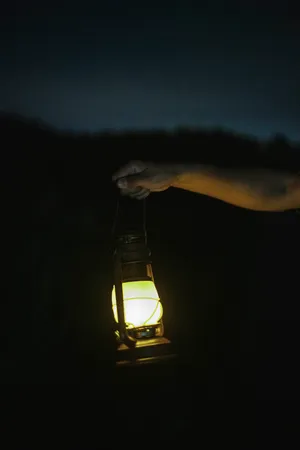
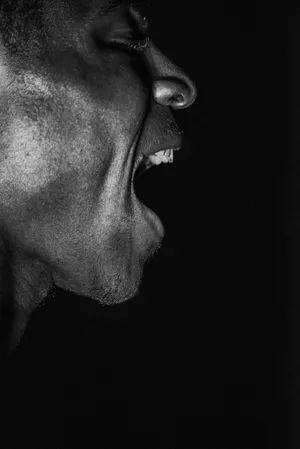
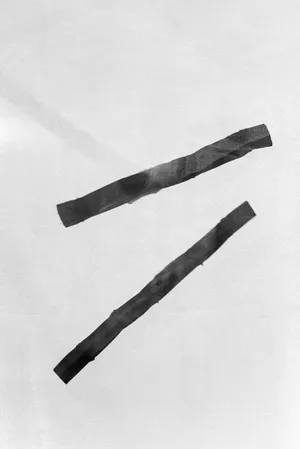
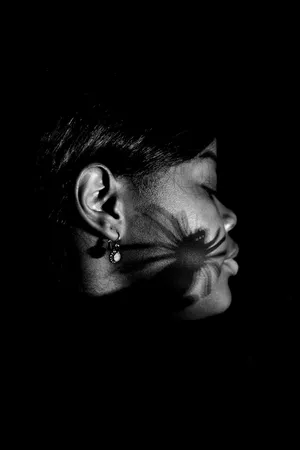
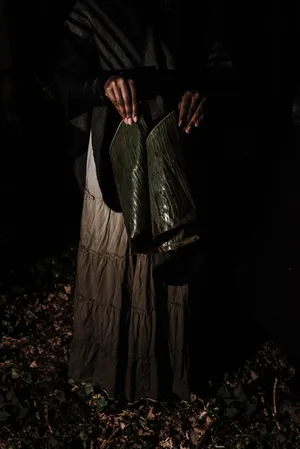
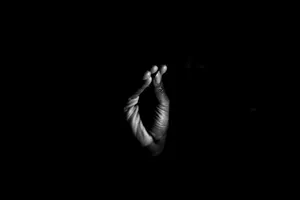
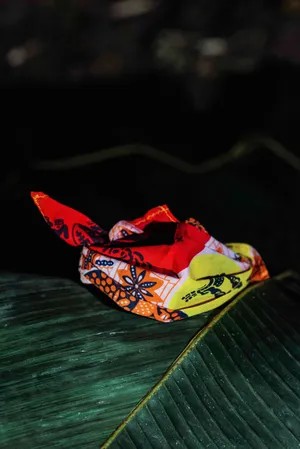
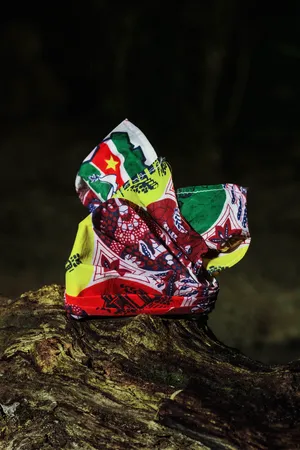
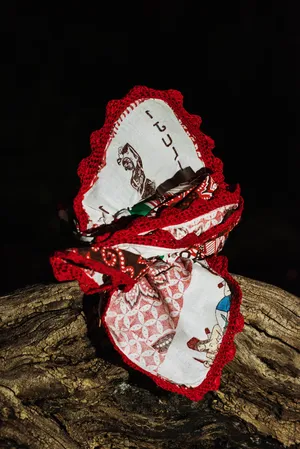
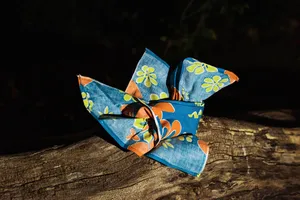
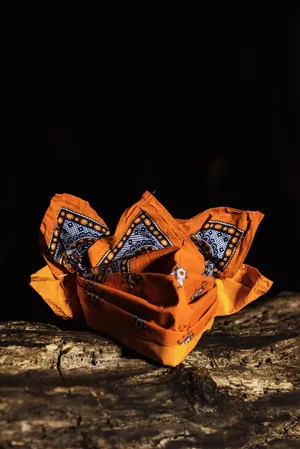
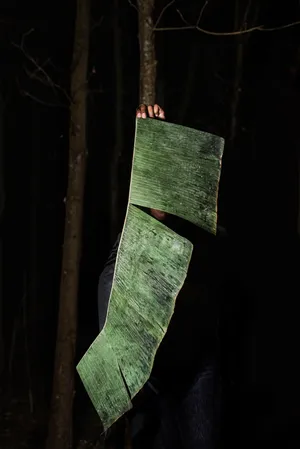
Er tin tin, sigri tin tin… Once upon a time, long ago…tales were told that everyone could hear, but not everyone could understand. Numerous tales tell the story of Anansi – a mythical spider who dealt with a tiger that made his life miserable. Although the spider was physically weaker, it was often able to defeat the tiger with cleverness and cunning. Is it really just a myth? These stories, passed along from Africa to Suriname, and told between generations, enabled enslaved people to share their thoughts without slaveholders knowing what was actually meant. In the same vein, angisas worn by women were not only beautiful textiles: their intricate folds contained hidden stories and wisdoms that could only be read by those who’d learnt to. Through memories and imagination, The untangled tales visualises stories of the Anansi storytellers and the Angisa-folders, and the ways in which these traditions allow us to glimpse at years of slavery.
March 3, 2024, Brownsberg – Suriname.
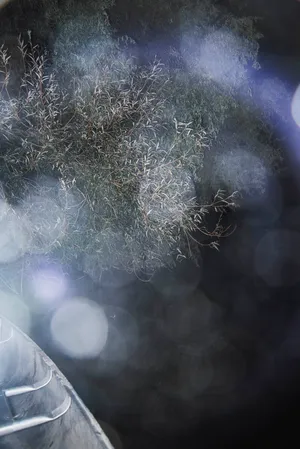
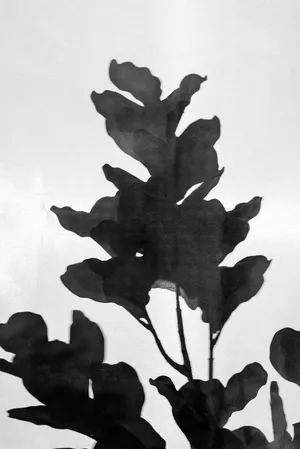
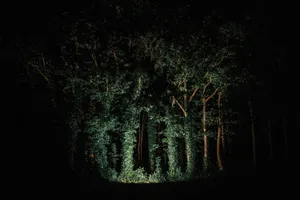
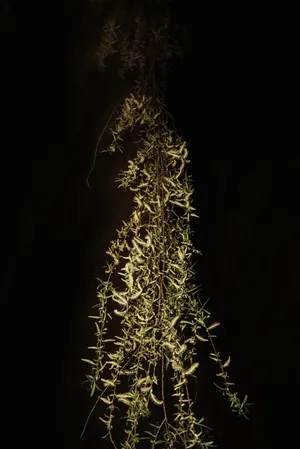
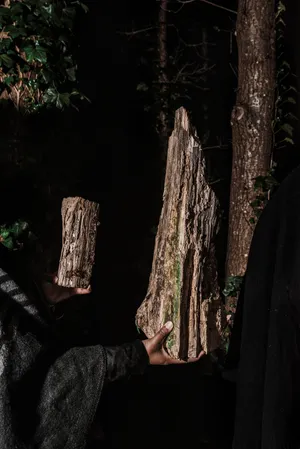
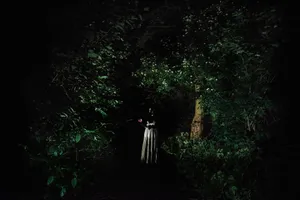
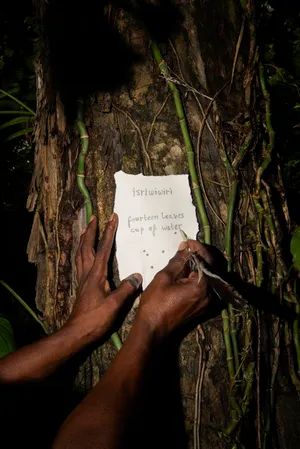
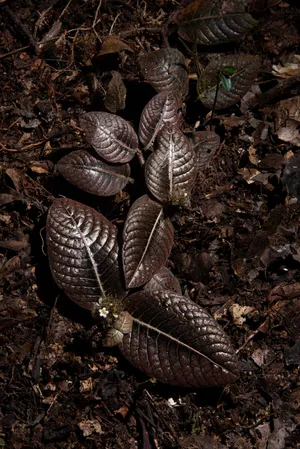
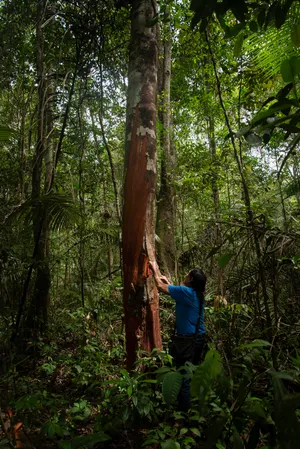
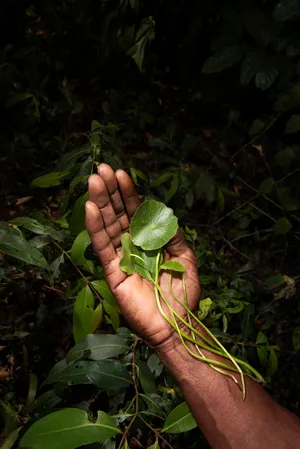
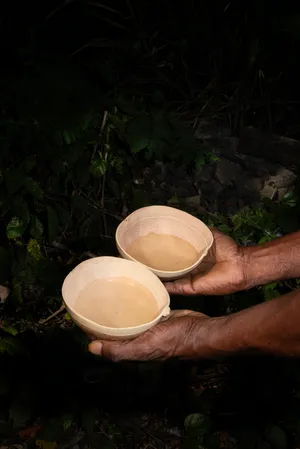
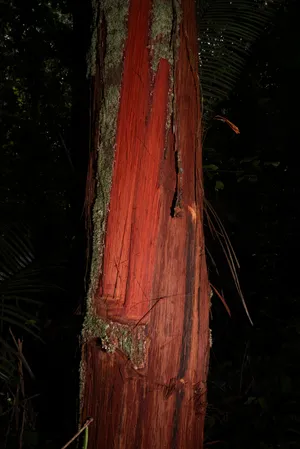
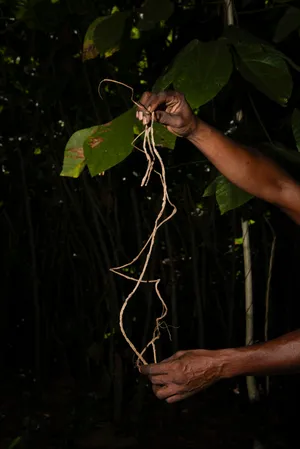
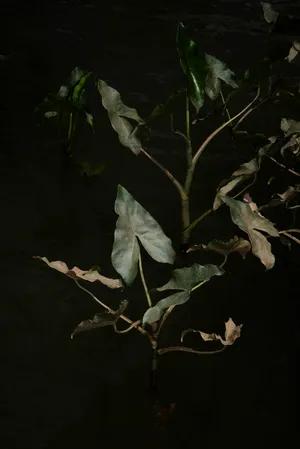
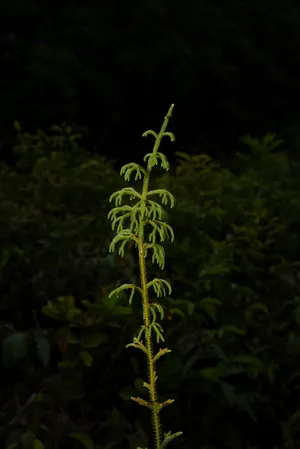
36 degrees Celsius. It was unusually dry for the season. Sunbeams broke through the canopy as we walked through the thickly wooded field. The forest was silent as I absorbed the surroundings — the viper's bugloss, the coffee plants and the elephant leaves — they all intertwined in a chaotic symphony of green. The shaman
cut off pieces of bark and examined the flora as we continued on our path. It had overgrown the land where plantations once existed.
_______
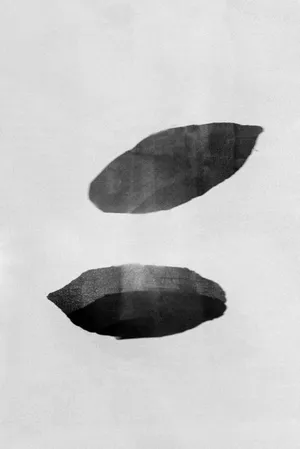
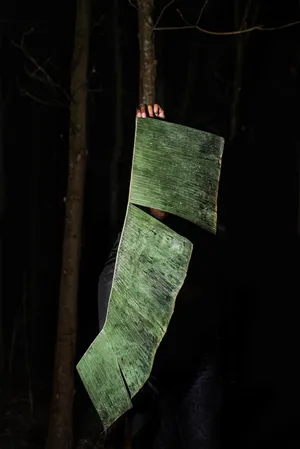
The enslaved possessed extensive knowledge of flora. Gained through their own experience and detailed memories of the African forests and savanna. By using this knowledge as a means of empowerment, some managed to poison their oppressors. They knew the medicinal properties of certain leaves and which plants were edible and which were not. It is this deep-rooted knowledge that enabled them to escape the harsh conditions on the plantation and survive in the dense rainforest of Suriname.
Michelle Piergoelam
Michelle Piergoelam (Rotterdam, 1997) is an art photographer who graduated from the Royal Academy of Art in The Hague. In her work, she reveals hidden histories and brings them to life in multi-layered ways. With an eye for detail and an in-depth exploration of stories and cultural traditions, she develops a unique visual language. Each project is based on thorough research and often includes fieldwork, conversations with practitioners of cultural practices, and archival research. She works primarily with photography and expands this medium through installations, textile prints, archival materials, and photobooks.