

Ex Utero
Mateusz Pecyna
Ex Utero
Nominated by Fotofestiwal Lodz, 2026
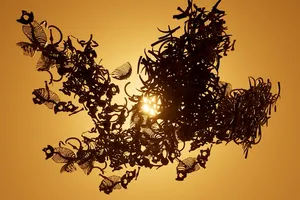
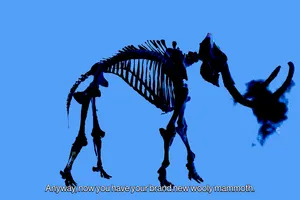
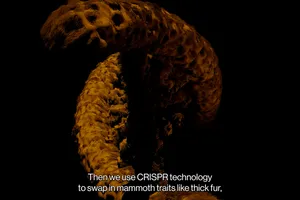
In the face of the sixth mass extinction, driven by human activity, fantasies of “turning back time” have resurfaced, most notably through attempts to bring extinct species back to life. Breakthroughs in genetic engineering, particularly CRISPR-Cas9 technology, are expected to make such efforts possible. Founded in 2021, the company Colossal Biosciences has announced plans to resurrect three species in the coming years: the dodo bird, the Tasmanian tiger, and the woolly mammoth.
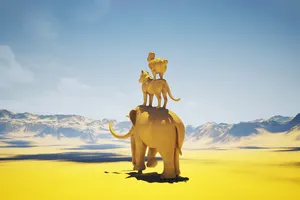
This process of so-called de-extinction involves using preserved genetic material from extinct animals and modifying selected genes to enable these organisms to survive in present-day environmental conditions. The outcome will not be true genetic replicas, but hybrid creatures: phenotypic clones equipped with additional, bioengineered adaptive traits. Such practices raise fundamental questions about the status of these beings: not only biological, but also legal and ethical. As corporate property, they may be subjected to experimental procedures, co-opted into biopolitical agendas, or incorporated into branding and marketing strategies.
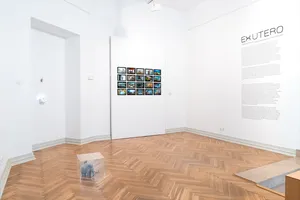
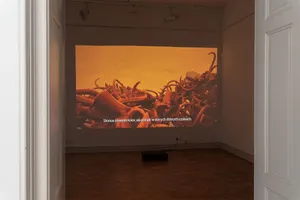
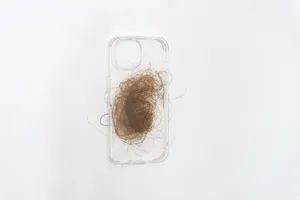
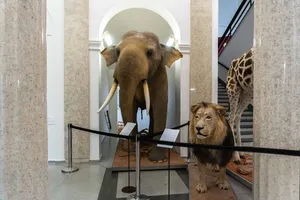
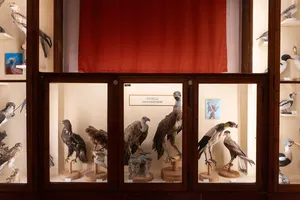
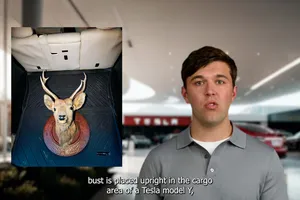
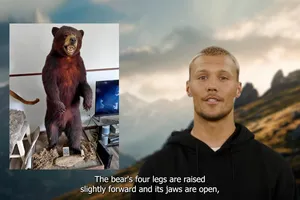
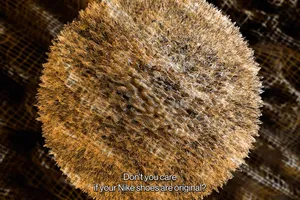
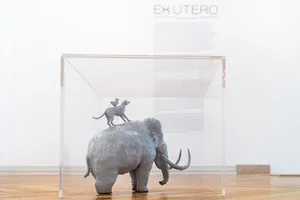
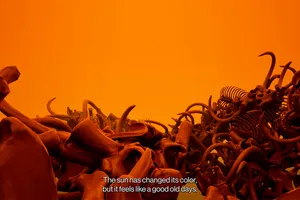
Ex Utero explores these tensions by moving between documentary traces and speculative narratives, where extinct animals reappear as mediated images, reconstructed sensations, or collectible relics circulating between science, entertainment, and commerce. Rather than presenting de-extinction as an act of repair, the project suggests it continues the same logic of control that contributed to ecological collapse in the first place. By confronting viewers with animals suspended between absence and technological return, the exhibition questions the desire to engineer solutions while avoiding responsibility for the catastrophe, revealing how extinction itself risks becoming another spectacle shaped for human consumption.


Mateusz Pecyna
Mateusz Pecyna is a Polish visual artist working with installation, moving image, objects and sound. His practice explores how technological systems and environmental stress reshape contemporary culture, especially through regimes of visibility, interfaces and synthetic forms of nature. Rather than treating technology as a neutral tool, he approaches it as a cultural agent: something that produces aesthetics, behaviours and power relations. Combining research with speculative narration, he builds layered situations that test the boundaries between documentary evidence and constructed scenarios.
Pecyna holds an MA in Photography and Multimedia from the Academy of Fine Arts in Łódź, Poland. He has presented work widely in solo and group exhibitions in Poland and internationally, across museums and festival contexts. He currently participates in the international Heritage Lens programme, focusing on how climate change and environmental catastrophe reorganise cultural heritage, public imaginaries and the conditions of living. He was awarded the Artistic Scholarship of the City of Łódź (2025).
ProfessionVisual Artist
IdentityMan
LocationPoland, Eastern Europe
PracticeMixed Media, Video, Installation
TopicsTechnology, Surveillance
CityLodz, Poland
Nominated byFotofestiwal Lodz
Year2026
Close

Address
Isaac Titsinghkade 6A-B
1018 CA Amsterdam
The Netherlands
Address
Isaac Titsinghkade 6A-B
1018 CA Amsterdam
The Netherlands
© 2026 FUTURES Foundation
© 2026 FUTURES Foundation
Close