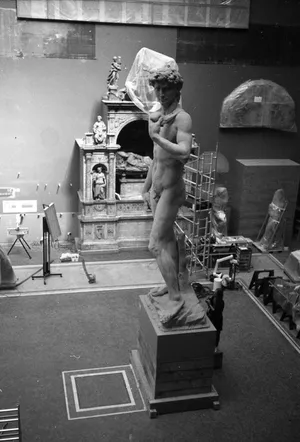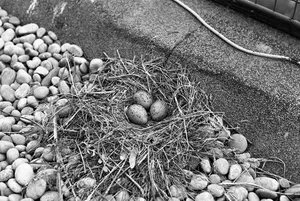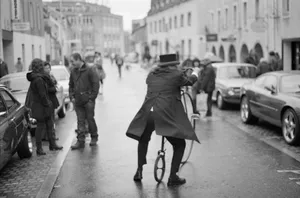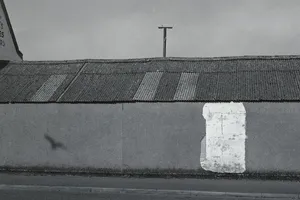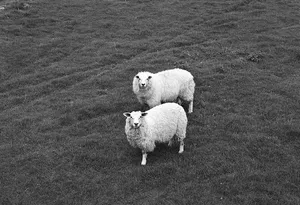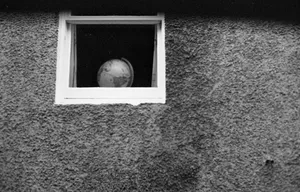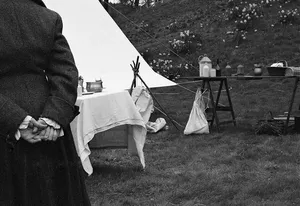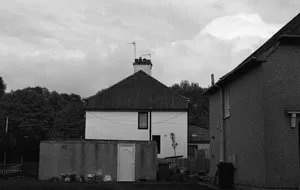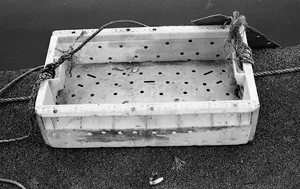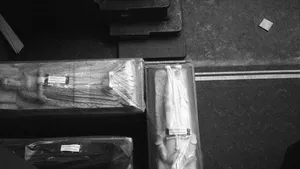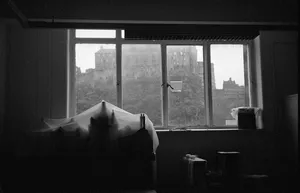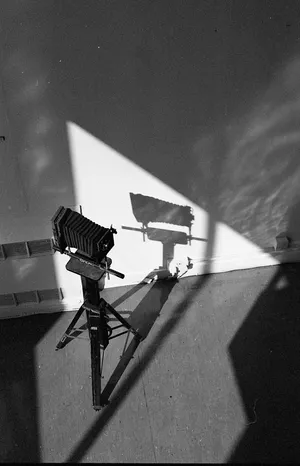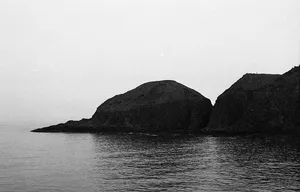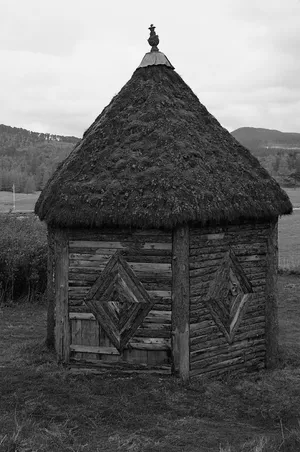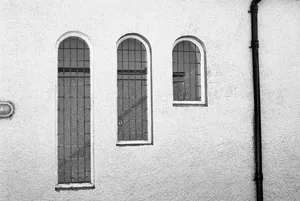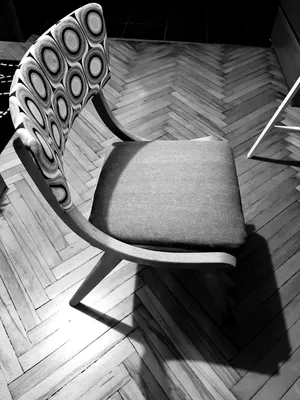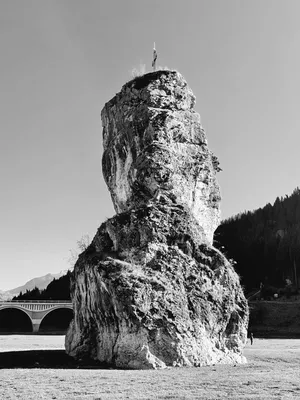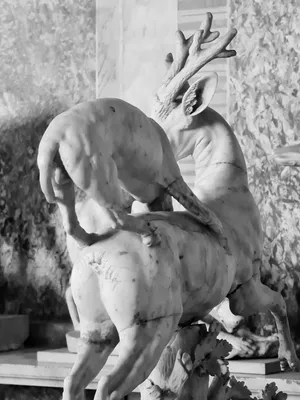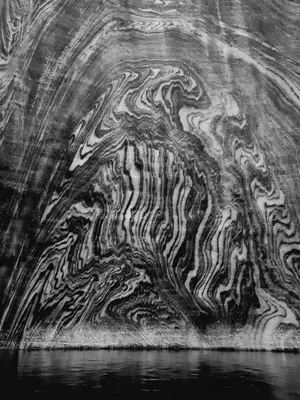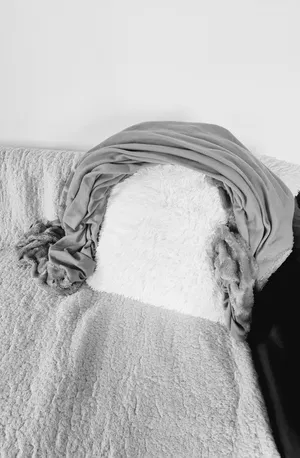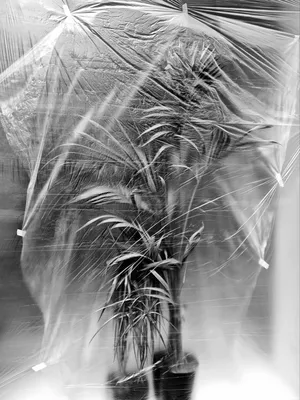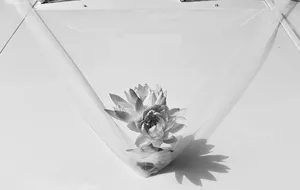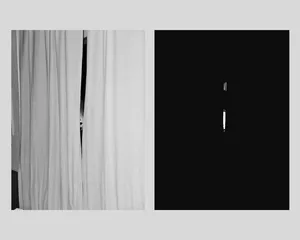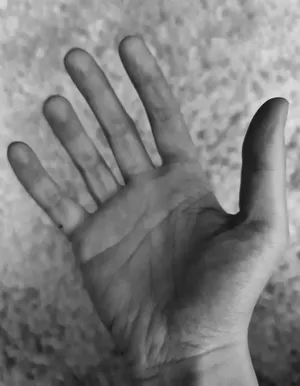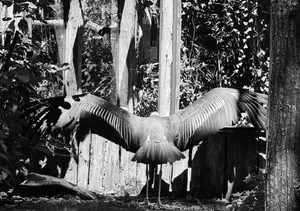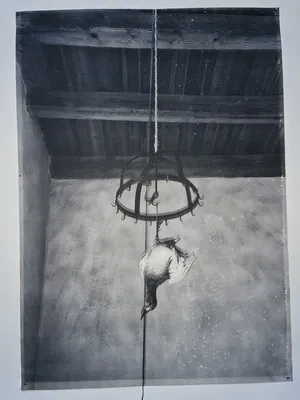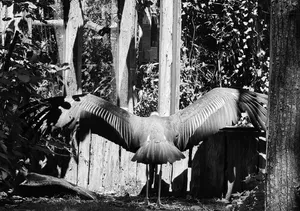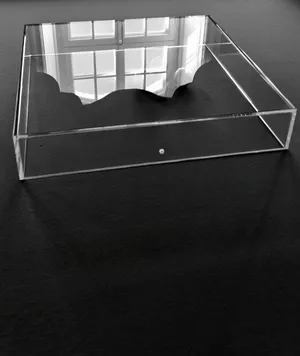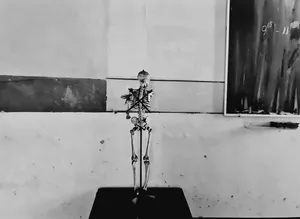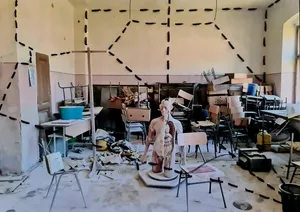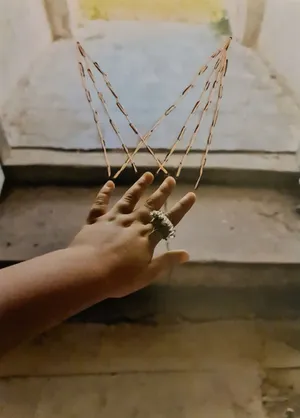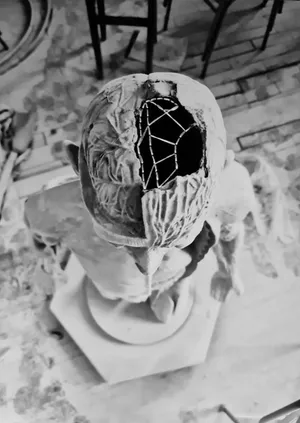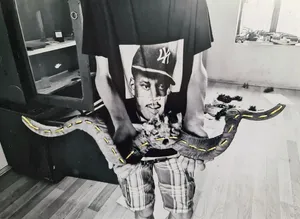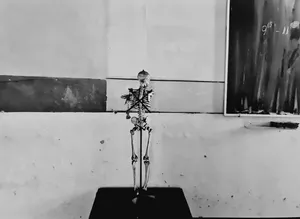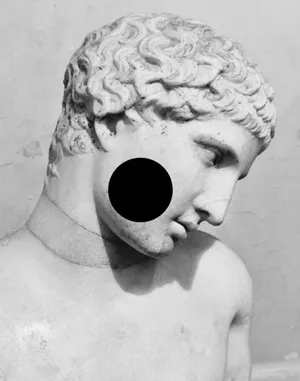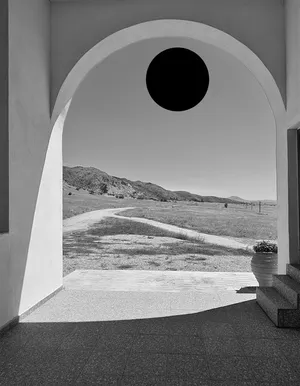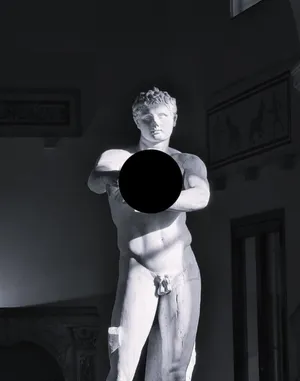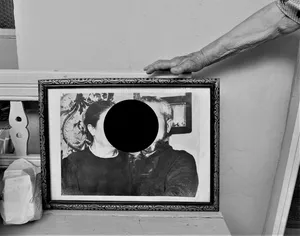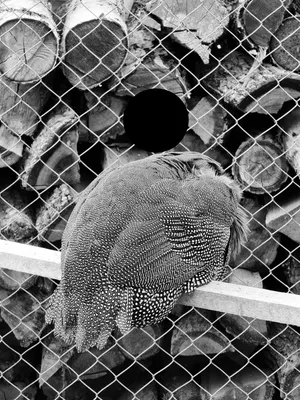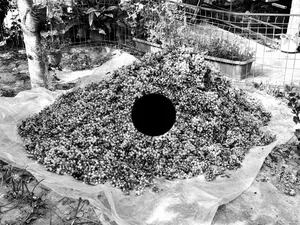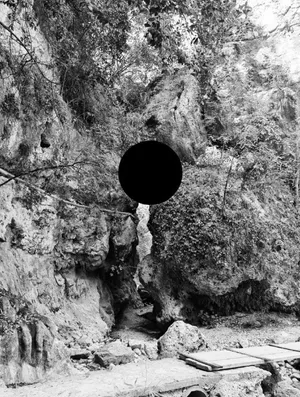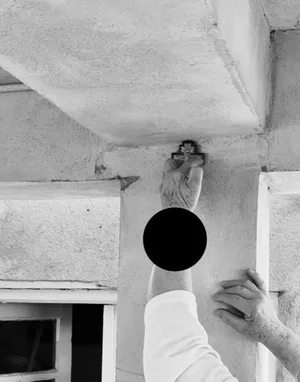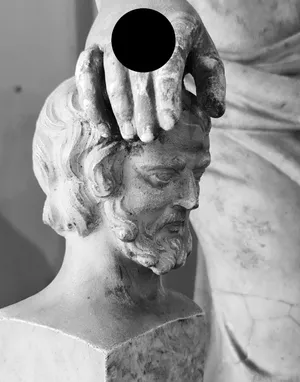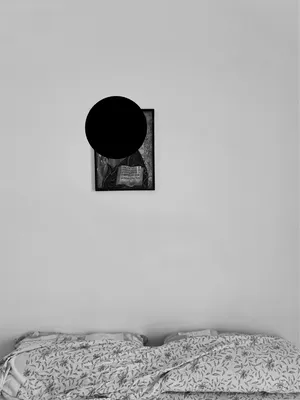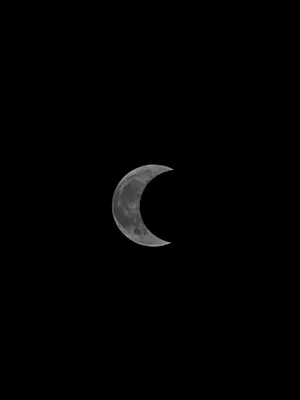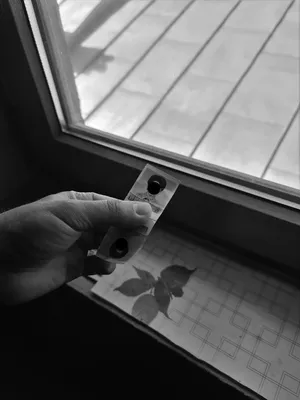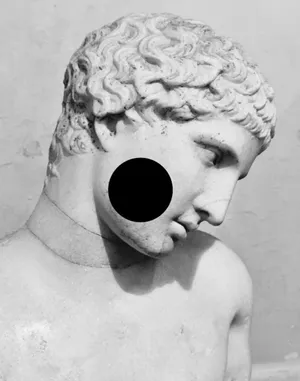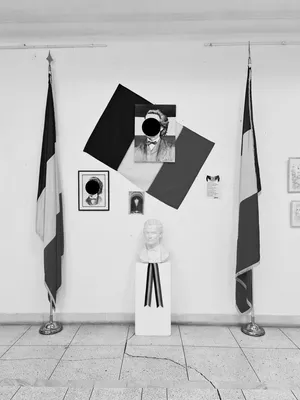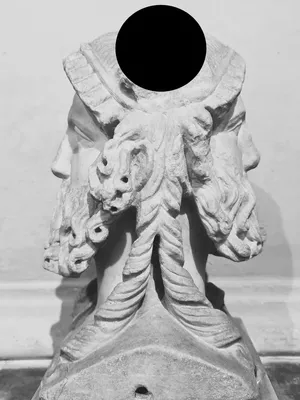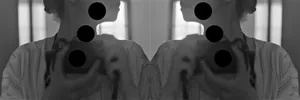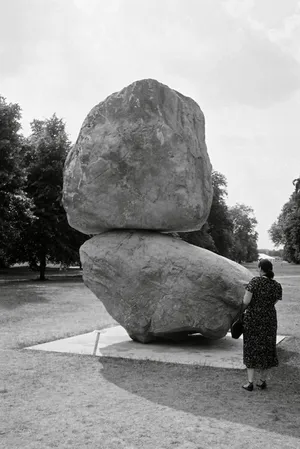
On The Border is a photographic journey that pays homage to the silence that hovers on the edge of being lost. This work reflects the transient nature of moments caught between the visible and the hidden, offering a glimpse into fragments that seem to exist only in the spaces between. Inspired by the words of Eva Rubinstein, the images in this collection capture fleeting moments, suspended in time, each a subtle monologue yearning to become a conversation. The photographs in On The Border act like emotional and conceptual bridges. They explore the tension between the seen and the unseen, where the border between them is constantly shifting. Every image functions as a portal to both the known and the mysterious, where movement becomes stillness, and stillness becomes an invitation to reflect. These visual fragments call upon the viewer to consider the spaces between certainty and ambiguity, where meaning is often elusive, waiting to be deciphered with time. The project delves into the uncanny stillness of motion, capturing moments that challenge our sense of time and place. Each photograph evokes a feeling of solitude and quietude, creating a sense of displacement yet also intimacy. The work confronts us with the idea that there is no exact place or moment that is like any other - every boundary crossed, whether physical or emotional, is unique and fleeting. In its exploration of the border - the spaces between what is visible and hidden - On The Border becomes a tribute to what is often overlooked, a celebration of the silent, intangible moments that pass by unnoticed in our everyday lives.
What is a photograph? For me, a fragment of quick-silver, a lucid dream, a scribbled note from the subconscious to be deciphered, perhaps, over years. It is a monologue trying to become a conversation, an offering, an alibi, a salute.
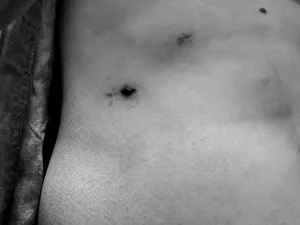
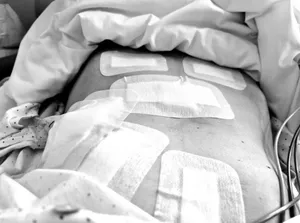
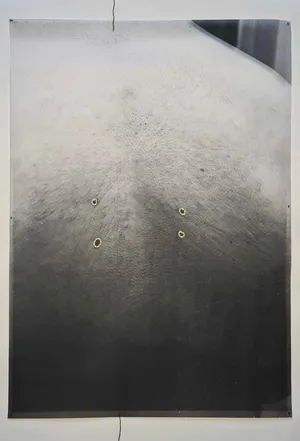
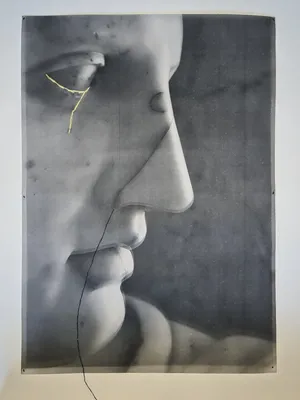
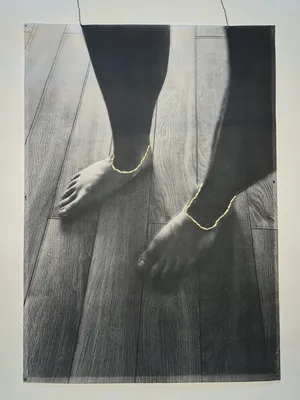
Kintsugi is the Japanese art of repairing broken pottery by mending the areas of breakage. After my recent surgeries, I thought of the concept of kintsugi as a perfect technique to mend my body and soul and overcome the feeling of loss. This work allowed me to accept my precious scars which I was left with and treat each of them as a unique break that soon would be filled. The images correspond with each other in a similar way to our body and being. It is a never-ending conversation: light – dark, day – night, shapes, lines, textures and spots, deep breaths, in and out, like the curtain and the wind. Revolving around the topic of human body and skin, Kintsugi is a black and white photography journey through the process of healing and searching of the essence of resilience.
The Object Of Scorn is a narrative photo embroidery project that explores the concept of scorn that characterizes our times. Fascinated by the idea of monumentalism (derived from the Latin word moneo - to remember), as a symbol of scorn often expressed through destruction or oblivion, the project tells a story about how everything around us is made by successive generations and then fades away. Destruction is happening before our eyes, a result of the suffering that people inflict on each other and on the environment. This so-called object of scorn is in fact a part of us, a part of our present.
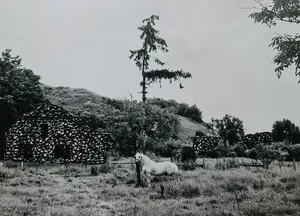
Genius loci is Latin for spirit or protective deity. The idea of a spirit of place comes from the ancient belief that certain places are inhabited by gods or spirits. Avoided Objects (In Search Of Genius Loci I) explores the quiet presence of collective memory, abandonment, and the overlooked spirit of a quiet Romanian village. Using embroidery technique in visuals and sound, as well as field recording, I intervene in the past, changing and stitching connections between forgotten narratives and the once inhabited spaces. The embroidered elements act as both a disruption and a form of preservation, hiding and emphasizing what’s left at the same time. Genius loci does not mean that the place must be unusual or exceptional. The point of genius loci is to experience a distinctive atmosphere of the place. The experience can be repeated over and over again until we connect bits of the nature of the world we come across on the site. https://soundcloud.com/acas-la-hundorf/in-search-of-genius-loci-martyna-benedyka
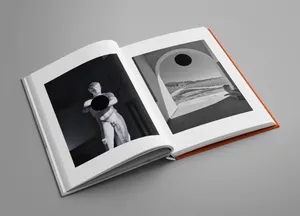
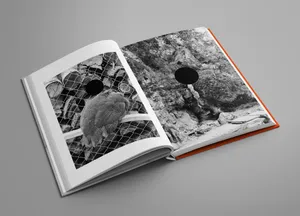
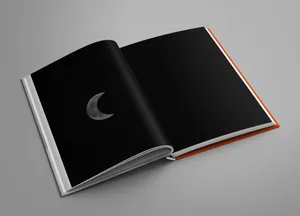
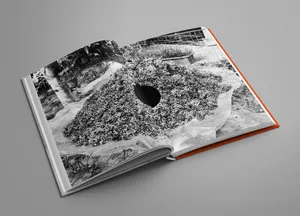
The Killed Book is inspired by so-called Killed Negatives - negatives of rejected images that were punctured with a hole puncher - created by American photographers and systematically destroyed in the 1930s. These photographers included Dorothea Lange, Walker Evans, Arthur Rothstein, Russell Lee, Carl Mydans, Marion Post Wolcott, and John Vachon. The negatives were punched under the direction of Roy Stryker, head of the FSA Historical Section, to remove images that did not fit his vision. The collection I am building is personal, almost intimate, and yet very broad at the same time. The idea behind this project is to find a metaphor for the hidden, the unexplained and the incomplete - in objects, nature, people, and situations.Whereas a picture usually documents reality, it can also conceal it, making it inaccessible. In that case, all we can do is interpret, much like dreams - and in the end, interpretation is just speculation.
Martyna Benedyka

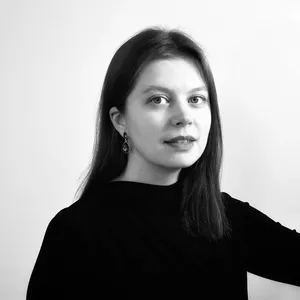
Martyna Benedyka is a visual artist, photographer, and soprano based in Brittany, France. Her multidisciplinary practice encompasses photography, painting, drawing, collage, and installation. Her work begins with images drawn from everyday life, archives, and found photographs, which she repeats, displaces, and transforms across different materials and formats. Moving between intimacy and monumentality, her work explores philosophical questions around memory, perception, and meaning, where beauty can become unsettling and the familiar strangely distant. Through processes of erasure, interruption, and repetition, she considers how images are seen, remembered, and continually reshaped, often creating states of unstable recognition.
Her work has been exhibited internationally across Europe, North America, and Asia, including at Summerhall (Edinburgh, UK), Mall Galleries (London, UK), Pinakothek der Moderne (Munich), Kunstraum Kreuzberg / Bethanien (Berlin), and the DongGang International Photo Festival (Yeongwol, South Korea).
Her residencies include ISSP Residency (Latvia), AiR Niederösterreich (Austria), Sah Hundorf (Romania), and In Ruins (Italy).
Alongside her visual practice, Benedyka works as a soprano, performing repertoire ranging from early to contemporary music. Voice and sound also form an integral part of her interdisciplinary practice. She studied Fine Art Painting at Gray’s School of Art in Scotland and pursued vocal studies in Romania, Latvia, and France.
ProfessionVisual Artist, Photographer
IdentityWoman
LocationFrance, Poland, Romania
PracticeMixed Media, Installation, Conceptual, Video, Multidisciplinary, Archives, Black and White, Landscape, Portrait, Still Life