

Are They Rocks or Clouds?
Are They Rocks or Clouds?
Nominated by CAMERA Centro Italiano per la Fotografia, 2020
On the ground among the animals
On the ground among the animals
Nominated by CAMERA Centro Italiano per la Fotografia, 2020
However, I do want to interpret your dream. Had you not been lying on the ground among the animals, you would have been unable to see the sky and the stars and wouldn’t have been set free. Perhaps you wouldn’t have survived the terror of standing upright.
— Franz Kafka, Letters to Felice, 1915
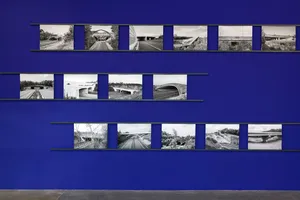
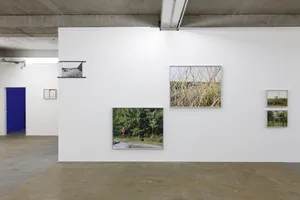
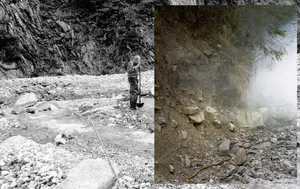
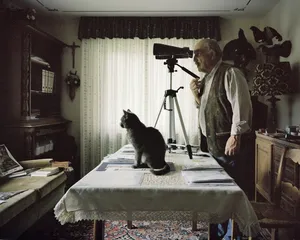
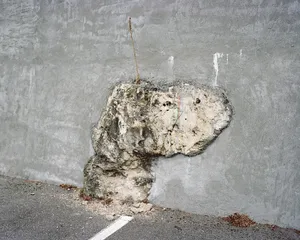
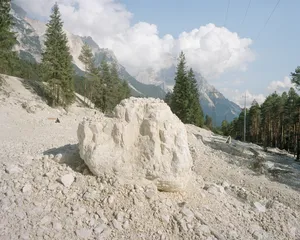
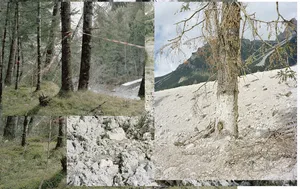
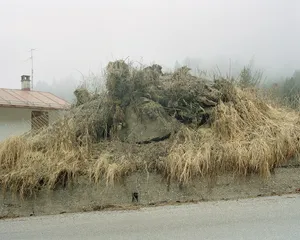
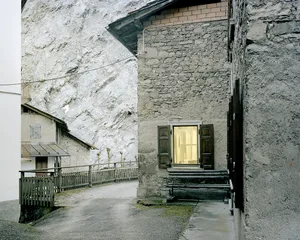
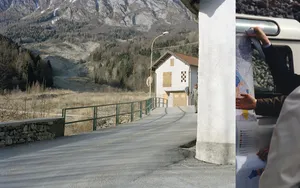
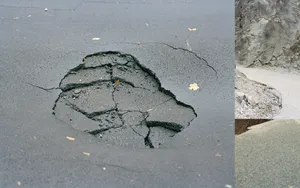
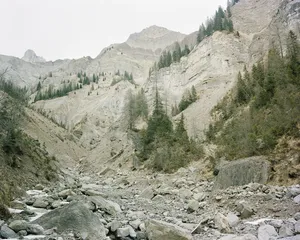
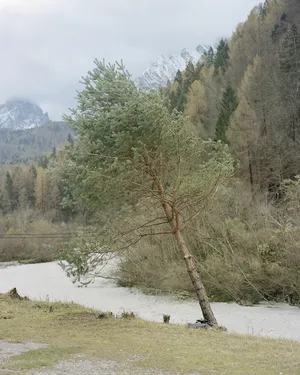
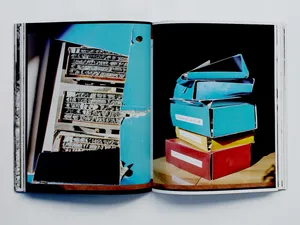
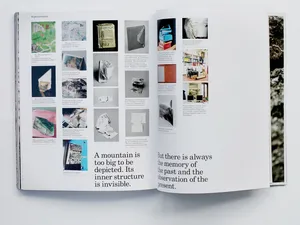
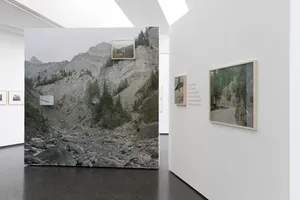
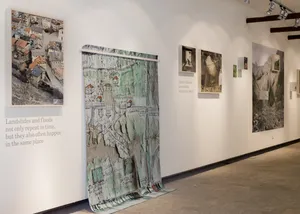
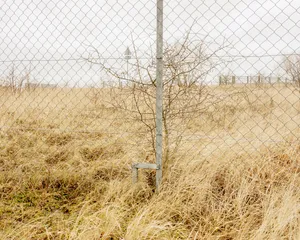
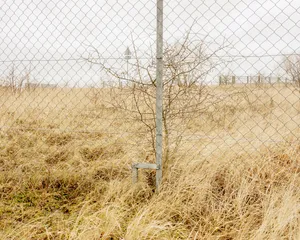
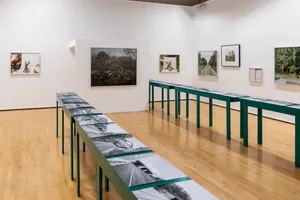
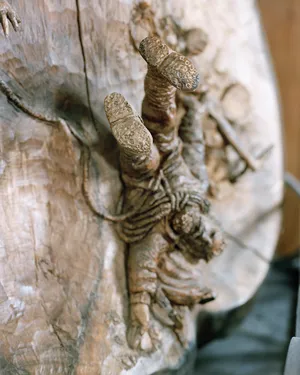
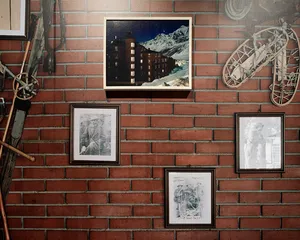
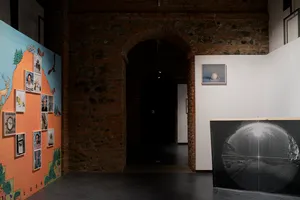
The project introduces the topic of the conflict between human desires and needs and the order of natural space. A large series of colour photographs focus on the landscape of the nature reserves, paying particular attention to the presence of animals, barriers and flow monitoring systems. In parallel, the artist starts from theoretical research to present a series of photographs responding to cultural, technical and social investigation into the topics of infrastructure, design, animals and their depiction, policies, freedom of movement and preservation of biodiversity. The visual research includes architecture built by the animals such as termite mounds. The photographic works are combined with extensive captions permitting to explore all the research made by the artist in the nine years while she developed the work.
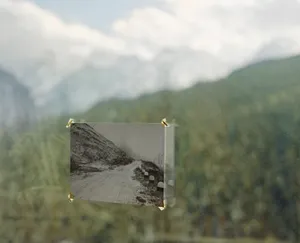
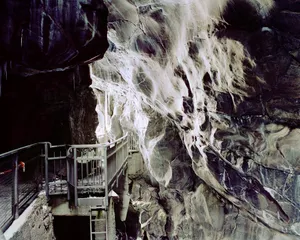
Some of the most important infrastructures in the network are the bridges — wildlife crossing devices — which help the animals get around architectural barriers: fencing directs the paths the animals take and monitoring cameras trace their movements, calling into question their effective freedom. The bridges were photographed by Caneve on the field in several EU countries. The black-and-white images conjure up the idea of documents or a typology of architecture.
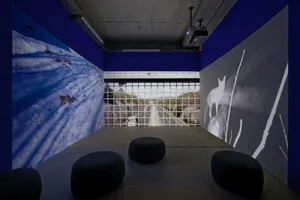
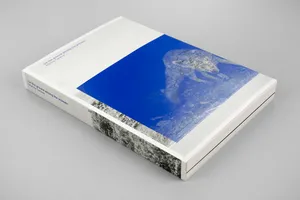
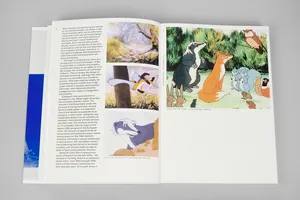
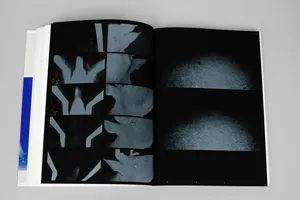
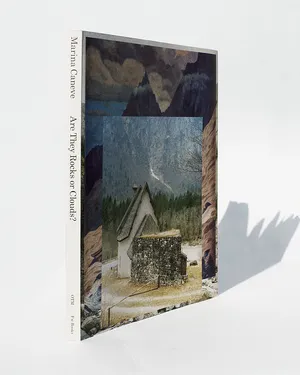
The project comes also with a book designed by Hans Gremmen an published by Fw:Books. It is a is a 288 pages book with images by Caneve and texts by Taco Hidde Bakker, James Bridle, Daniele De Luigi, Gian Piero Frassinelli, Serenella Iovino, Hélène Soubelet, Vitaliano Trevisan, 2050+.
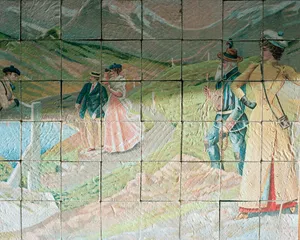
Entre Chien et Loup
Entre Chien et Loup
Nominated by CAMERA Centro Italiano per la Fotografia, 2020

Isaac Titsinghkade 6A-B
1018 CA Amsterdam
The Netherlands
Isaac Titsinghkade 6A-B
1018 CA Amsterdam
The Netherlands
© 2026 FUTURES Foundation
© 2026 FUTURES Foundation