


White Bee
Marija Mandić
White Bee
Nominated by Organ Vida, 2025
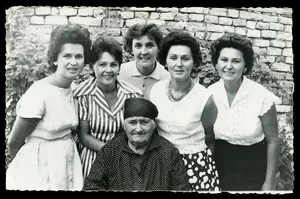
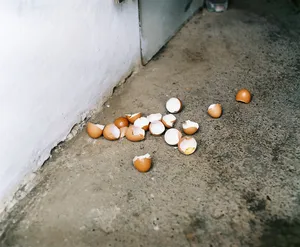
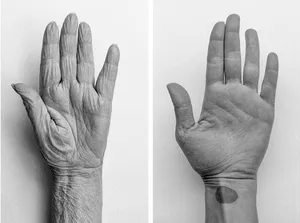
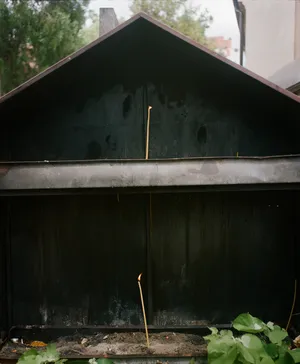
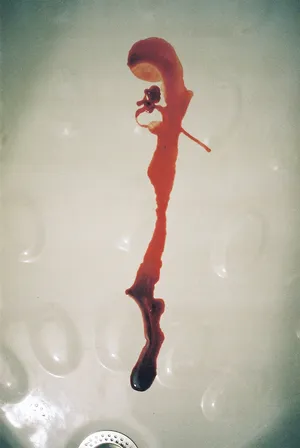
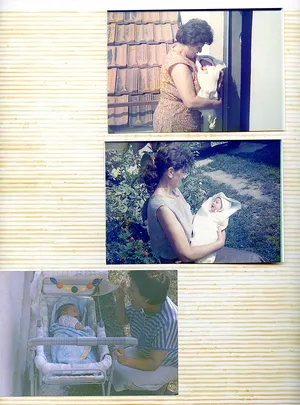
White Bee explores the forgotten matriarchal lineage in a patriarchal context, delving into themes of memory, female identity, and family connections. It bridges the distant past with personal reflections on womanhood and future legacies while examining the emotional, cultural, metaphysical, and biological connections between generations of women in the family as the artist reflects on her role in this continuum.
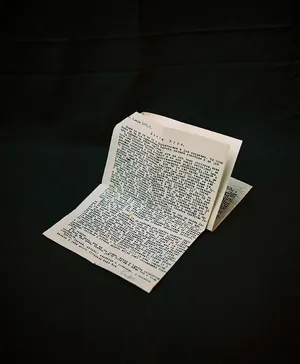
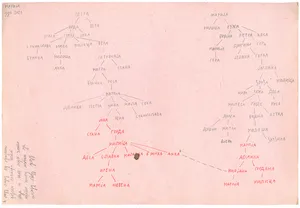
In my grandmother’s house, I found a family tree drawn by a distant relative in 1971, along with a letter to my great-grandfather. It traced our family’s migration from Bosnia and Albania to Montenegro in the 14th and 15th centuries, listing generations of men by name. But one mention stood out—the foremother of our family fraternities, whose name was lost to time, overshadowed by patriarchy.
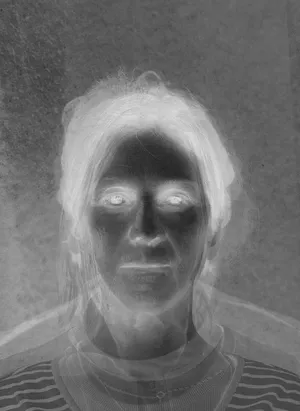
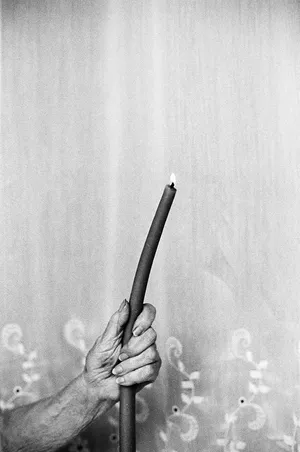
In Serbian tradition, the earliest female ancestor is bela pčela (white bee). The meaning of this term remains unclear, especially since family trees rarely acknowledge women. However, she is believed to appear in the whiteness of the fog of memory, swarming in our consciousness, reminding us she is still here.
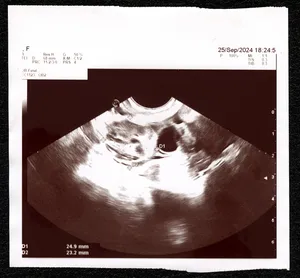
Mine succeeded in that. Her presence raised questions about history, memory, and the erased role of women in patriarchal lineage. Discovering my white bee made me reflect on my own experiences as a woman—grappling with themes of fertility, inheritance, and the deep bonds with my mother, aunts, sisters, and grandmothers. By searching the past, I uncovered her presence hidden between the written lines. Now, as I look ahead, I find myself asking—will I become a white bee to someone?




Marija Mandić
Marija Mandić (b. 1990, Novi Sad, Serbia) is an artist whose practice spans photography, text, drawing, and found footage. Her work delves into the themes of identity, memory and the past, often within a familial context, blending personal narratives with broader social issues. In 2023, Mandić was a finalist for the Mangelos Award, part of the Young Visual Artists Awards network. She won the Fotograf Magazine (CZ) open call in 2022 and received the VID Foundation for Photography grant in 2021 for her project White Bee. Her accolades also include the Dositeja scholarship, a grant from the Ministry of Education of the Czech Republic, and the Mali Princ Foundation award. Mandić holds a PhD in Visual Communication from the Faculty of Art and Design in Ústí nad Labem, where she lectured from 2015 to 2019.
ProfessionPhotographer, Researcher, Educator
IdentityWoman
LocationSouthern Europe, Serbia
PracticeMixed Media, Multidisciplinary
TopicsFamily, Identity, Post-memory
Born in1990
CityNovi Sad, Serbia
Nominated byOrgan Vida
Year2025
Close

Address
Isaac Titsinghkade 6A-B
1018 CA Amsterdam
The Netherlands
Address
Isaac Titsinghkade 6A-B
1018 CA Amsterdam
The Netherlands
© 2026 FUTURES Foundation
© 2026 FUTURES Foundation
Close