

Stolen Ink From The Equator Line
Maria Beatriz de Vilhena
Stolen Ink From The Equator Line
Nominated by Bienal Fotografia do Porto, 2024
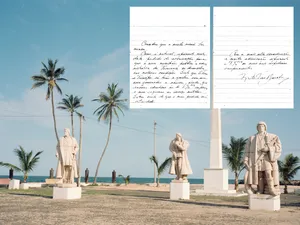
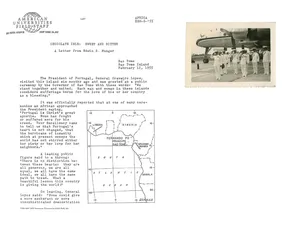
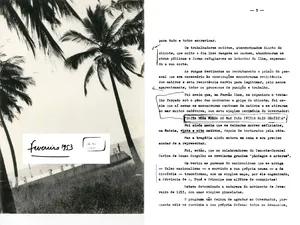
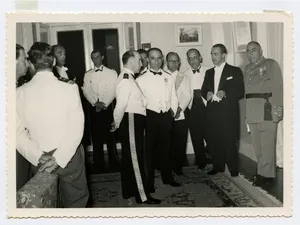
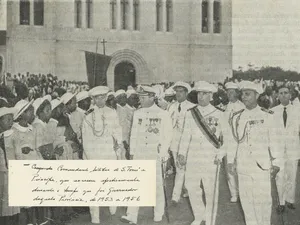
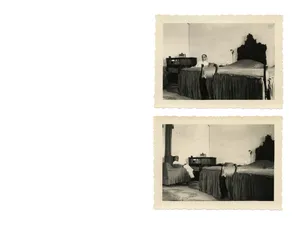
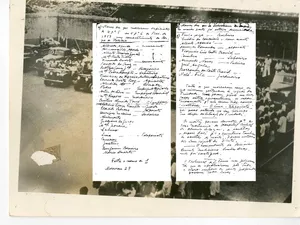
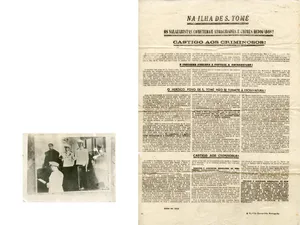
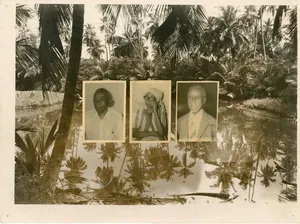
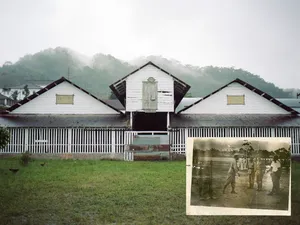
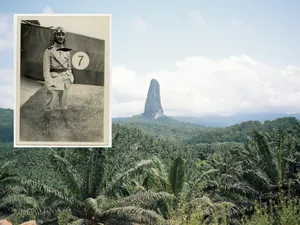
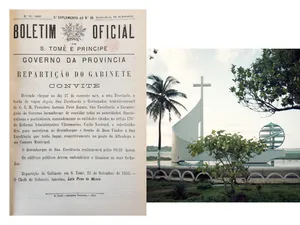
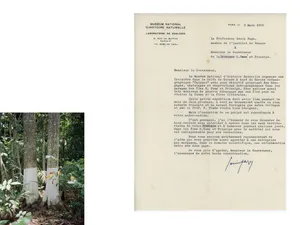
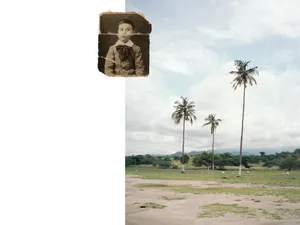
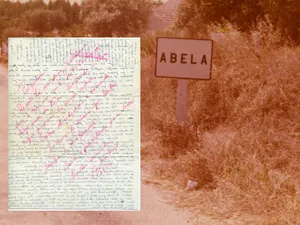
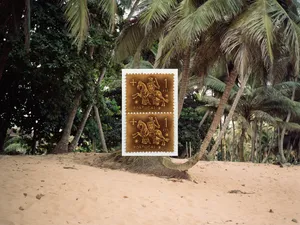
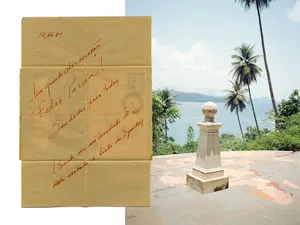
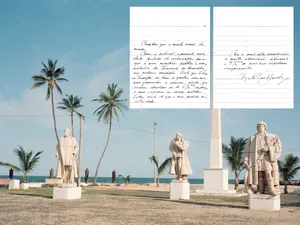
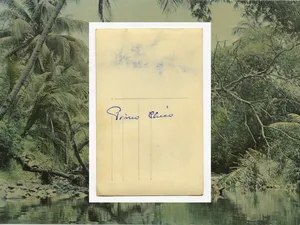
“Stolen ink from the Equator line” is a photography project inspired by the character of Francisco António Pires Barata, a family relative, who was Governor of São Tomé and Príncipe for a short period of time, after the Batepá Massacre (1953). Stolen ink from the Equator line, "Tinta roubada à linha do Equador", encompasses the research and creation aspects of a photographic project, the result of an artistic investigation that seeks to dissect a decisive historical event in the history of São Tomé and Príncipe. Through the point of view of a character from the artist's family circle, Lieutenant-Colonel Francisco António Pires Barata, it is possible to add a layer to a violent event in the country's history during the Portuguese occupation, the Batepá Massacre that took place in 1953 in the interior of São Tomé. The project is anchored in three aspects: documents from the family archive, historical contextualisation, and artistic research to be developed in São Tomé. The artistic research aims to investigate and represent the logic of occupation of the Portuguese regime, the violence it inflicted on São Tomé and its population, through a contradictory vision, that of an officer who was tasked with governing São Tomé in order to appease the population's spirits after the Massacre that occurred in 1953 in the town of Batepá, with the connivance of the previous Governor, Carlos Gorgulho.
One dark night, Lazarus disappeared
Maria Beatriz de Vilhena
One dark night, Lazarus disappeared
Nominated by Bienal Fotografia do Porto, 2024
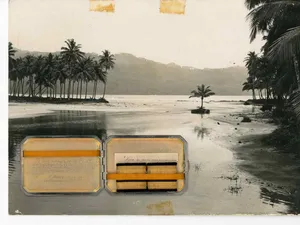
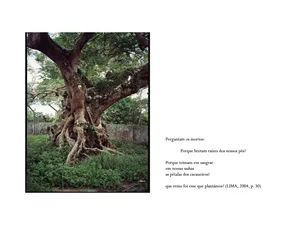
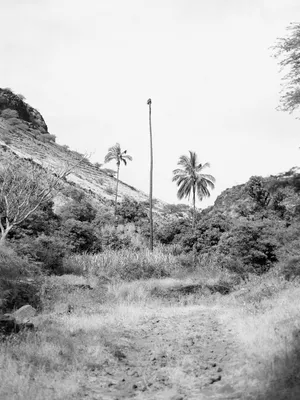
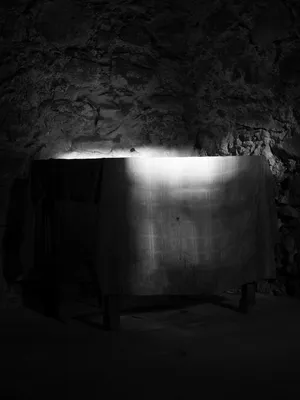
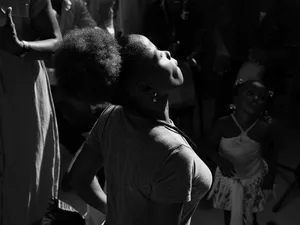
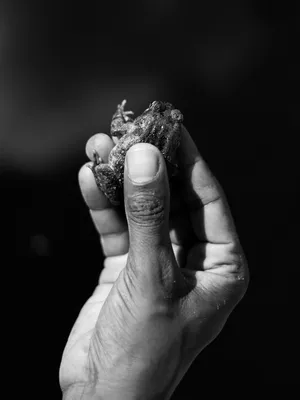
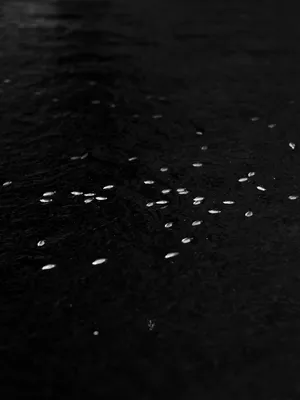
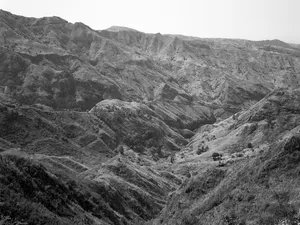
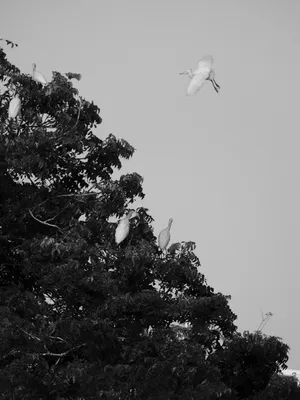
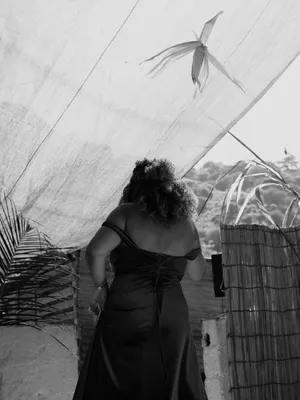
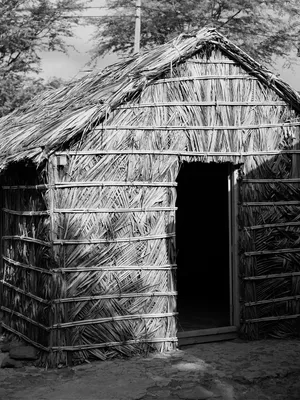
One dark night, Lazarus disappeared sought to investigate and represent the logic of occupation of the territory and its geography, exploring the fertile valleys that sustained the first settlements in the archipelago of Cabo Verde. Through the reading of the landscape, and historical and literary references connected to the land, the traditions, and the mysticism surrounding the interior of Santiago, the project sought to document the characteristics of this island in the tropical Atlantic, which has always dealt with cycles of drought and the unpredictability of the climate, suggesting that the reading of the territory and the climate were, and are, the key to subsistence and sustainability. One dark night, Lazarus disappeared, "Numa noite escura, Lázaro sumiu-se", is a quote from the book by João de Deus Lopes da Silva: Stories told: Based on legends, tales and myths from the Island of Santiago. Cabo Verde (Cabo Verde, Ulmeiro, 2014), a Cape Verdean author who, in this work, collects several tales of popular tradition, part of the cultural heritage of Cabo Verde. One of these tales revives an old legend and tells the story of Lazarus, a local outlaw from the interior of the island of Santiago who, after fleeing a life of mistreatment in the Big House, stole from the rich, the Morgados, to give back to the poor and enslaved. Through this myth, the project sought to convene the feeling of rebellion that is at the origin of the badiu, and to amplify the power of vernacular tales as historical, political and social testimonies. (Project developed within the scope of an Artistic Residency, with the support of the Lisbon City Council and Camões, I.P.)
-4-300x387.webp)
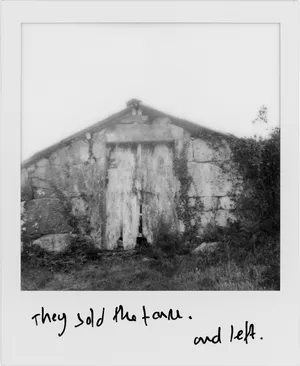
They sold the farm. And left.
Maria Beatriz de Vilhena
They sold the farm. And left.
Nominated by Bienal Fotografia do Porto, 2024
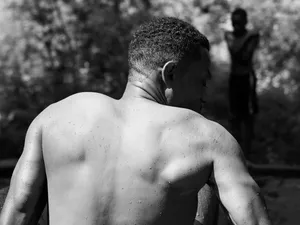
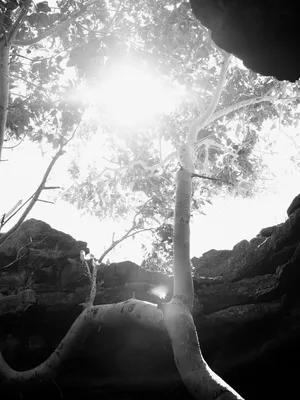
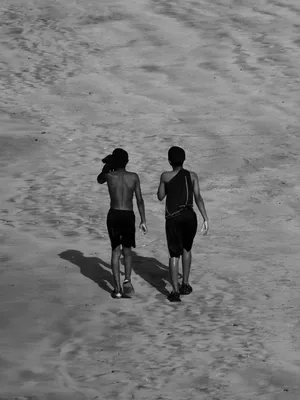
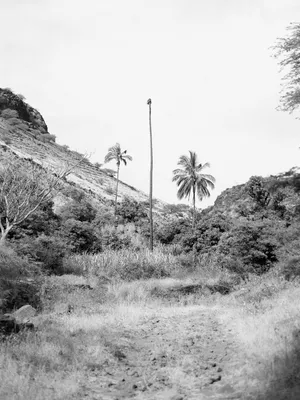
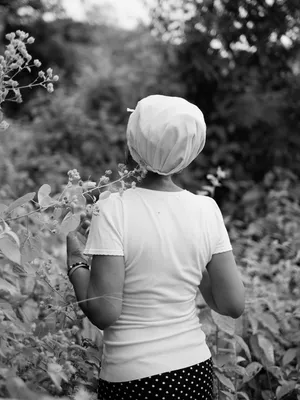
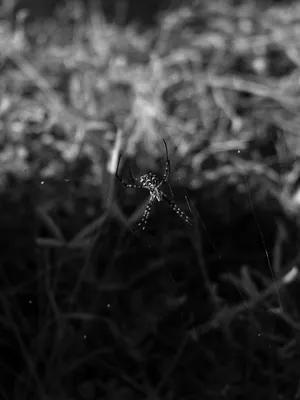
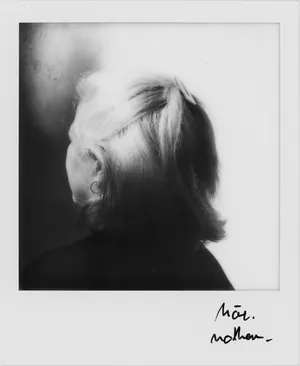
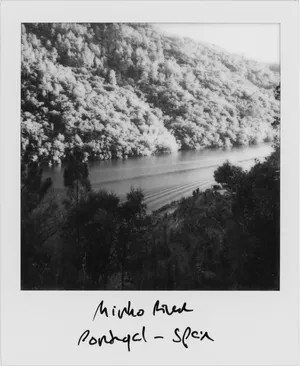
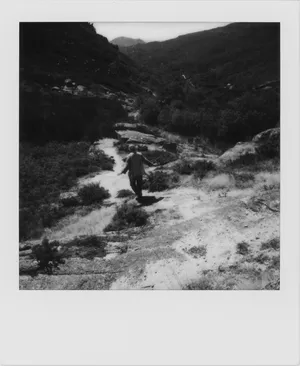
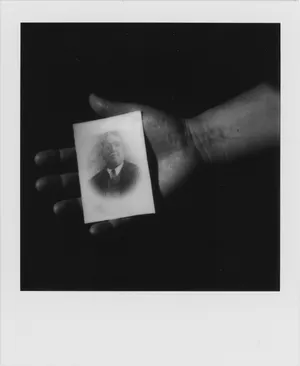
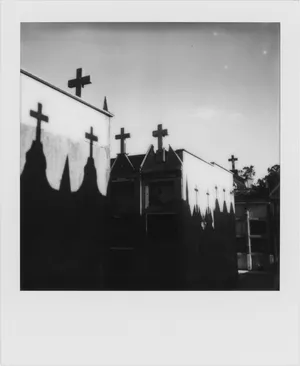
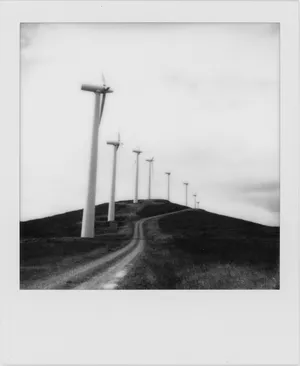
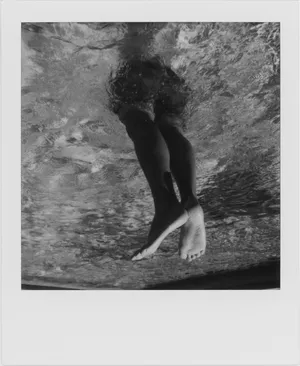
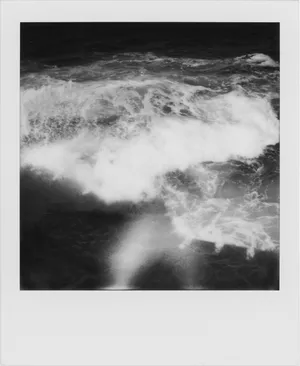
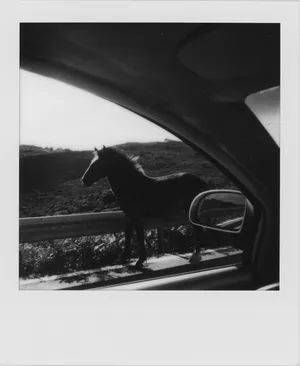
This is a project about identity, memory, and the geography in between. I am investigating my roots along the Portuguese-Spanish border in a rural and pagan backdrop. I retraced familiar footsteps, searching for traces, a common geography, and the characteristics of this ancient territory. This story is part of a longer narrative, about family myths and tales, and the starting point of this investigation is my great-grandfather, the last family member born in Galicia. From his family's farm, he saw the river, and on the other side Portugal, so he decided to leave at age 14 never to return. I was only there once, as a child, in a failed attempt to reconnect with the family. I returned now with my parents, only to see the farm sold, and no more traces besides the family nameplate on the cemetery.
Fractal
Maria Beatriz de Vilhena
Fractal
Nominated by Bienal Fotografia do Porto, 2024
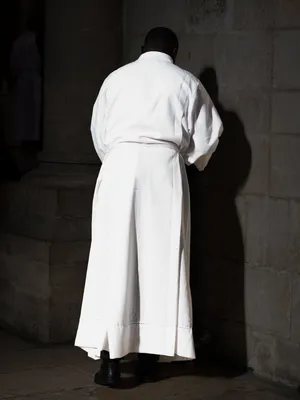
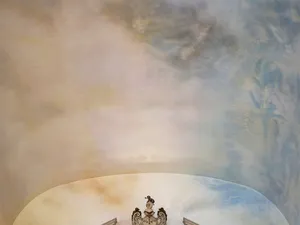
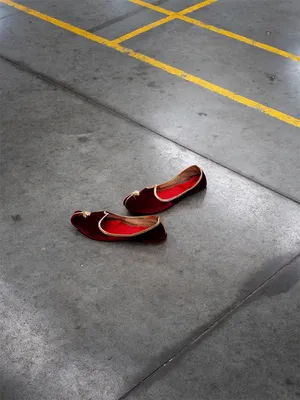
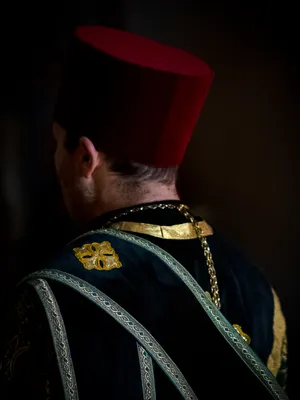
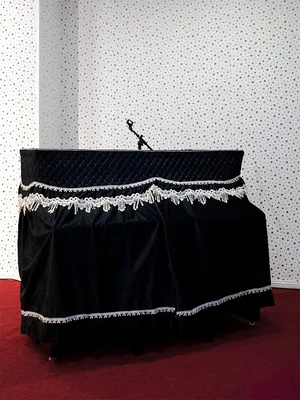
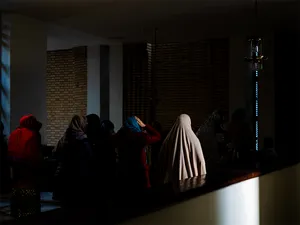
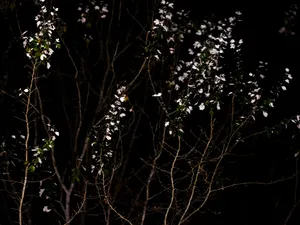
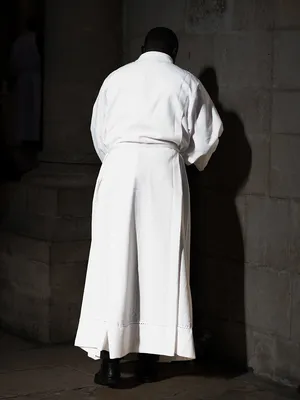
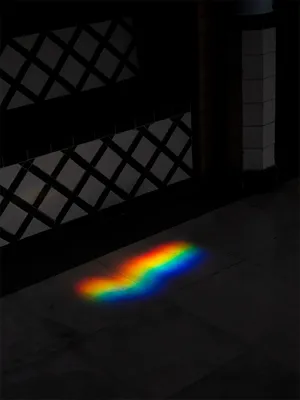
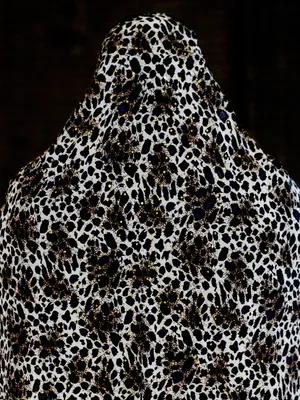
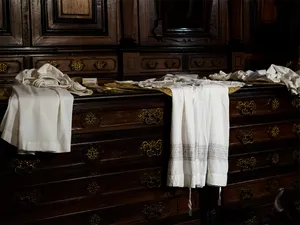
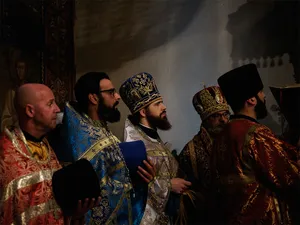
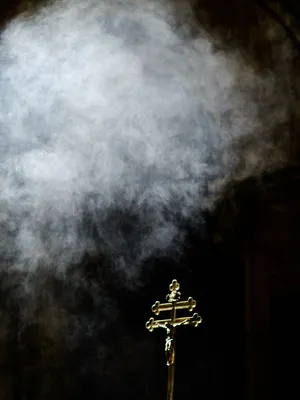
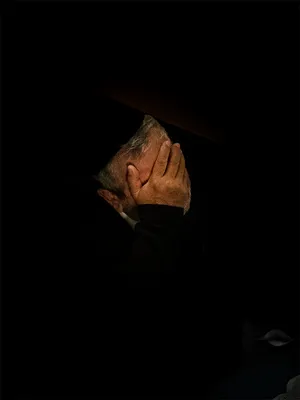
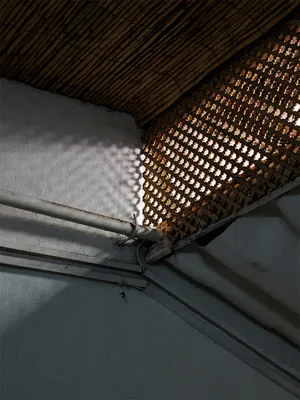
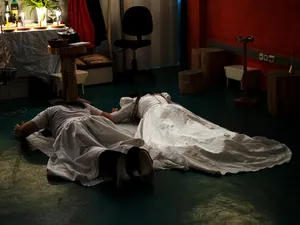
Fractal consists in a parallel reading of a territory, in this case, Lisbon, through the heterogeneity of its religious communities, and the different manifestations of faith and worship. I am interested in aspects of human nature that I cannot understand or fully grasp, that don’t belong to me, or to which I do not belong. Faith, being one of the great, if not, the greatest mystery of an individual imagination is, at the same time, an apex of collective identity. Based on a desire to understand something that I cannot intuitively find tangible, I’ve made use of photography as a consistent means to be present and delve into various religious communities. What I found, what attracted me, was not just the differences in rituals, practices, cultures, iconographies, and even languages, but instead, what was indeed shared and common to all. Thus, the choice to not centre the narrative around portraits that revealed the identity of each believer, but instead to represent the ethereal and oneiric, and in the end, the universal. My understanding of faith not as a common belief but ultimately as a common human need, as a horizontal element, not individualizing the name that each of them may claim, relates to the conclusion that each religious belief system is but a different attempt to offer or unveil an answer to a common and universal question. Fractal, being an element of the field of mathematics, is a geometric figure found in nature and which is composed of an object whose separate parts repeat the features of the complete whole, representing the original entity. In truth, I find myself much further away from each one of them than they are from each other. Deep down, it represents a foreign gaze onto an intimacy in which I do not participate.
Maria Beatriz de Vilhena
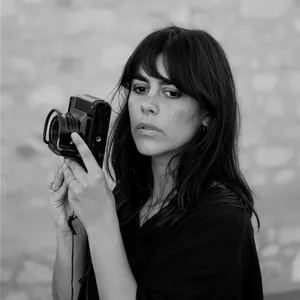
Maria Beatriz de Vilhena (b. 1991) is a visual artist whose practice centers on photography, with a professional background in architecture and a family tradition in history and archaeology. Currently based in Lisbon, she studied photography at CFP Bauer Milan and holds a master's degree in architecture from the University of Lisbon.
Her photographic work explores the pluralism of human nature through belief and collective identity, as well as issues related to memory and noetic. In her latest projects, she has been working on the border between fiction and reality, through myths and tales connected to personal and historical events.
ProfessionPhotographer, Visual Artist, Researcher
IdentityWoman
LocationPortugal, Italy, Southern Europe, Cabo Verde, Middle Africa
PracticeConceptual, Archives, Documentary, Architecture, Black and White, Landscape, Multidisciplinary
TopicsIdentity, Colonialism, Family, Intimacy, Post-memory, Politics
CityLisbon
Nominated byBienal Fotografia do Porto
Year2024
Close

Address
Isaac Titsinghkade 6A-B
1018 CA Amsterdam
The Netherlands
Address
Isaac Titsinghkade 6A-B
1018 CA Amsterdam
The Netherlands
© 2026 FUTURES Foundation
© 2026 FUTURES Foundation
Close