

Strata
Laura Van Severen
Strata
Nominated by Triennial of Photography | Deichtorhallen, 2021
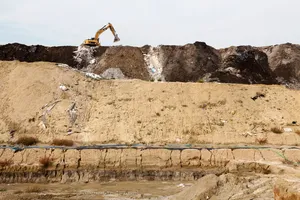
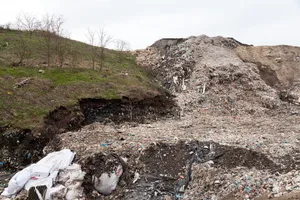
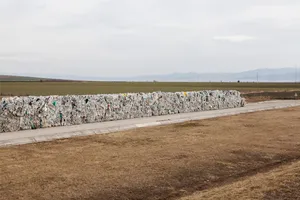
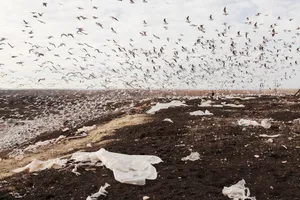
When we talk about waste, we are used to the story skipping from A to Z, from PET bottle to fleece sweater or from mixed waste to a blind spot. However, in the process of fast progress we now have an array of materials at hand which the earth cannot take back or which science cannot efficiently transform. Landfill has become the hiding place of the waste we cannot systematically digest.
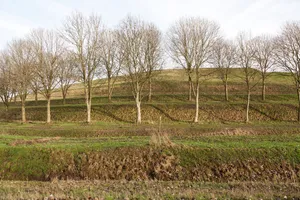
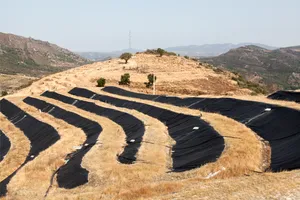
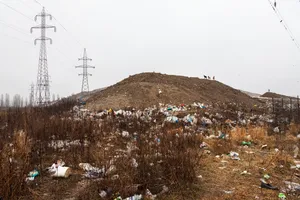
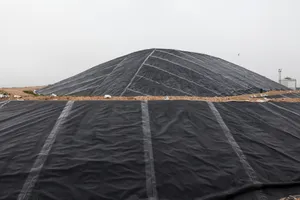
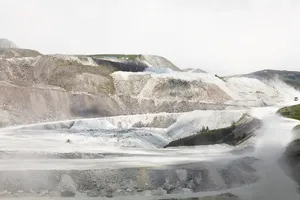
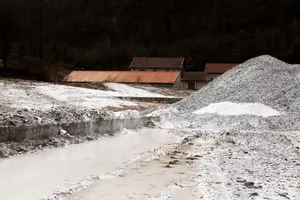
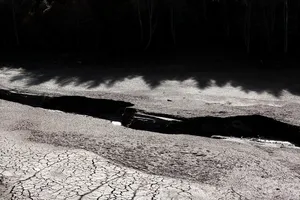
For many decades (and in some countries up until now), landfill has been the most common and cheap method to get rid of waste. When a landfill site reaches its maximum capacity, it’s covered with protective layers, soil and plants to integrate this newly constructed landscape in the surrounding area. The artificial and the natural collide in vertically stacked layers.
In this deliberate act of concealing, the confrontation with the true accumulation of waste has been lost. There is no visible connection between our consumerist habits and its impact on the landscape. No reminder, no image lingering in the back of our heads that withholds us from the next short-lived purchase.
Following the Landfill Directive implemented in 1999, the EU has established that the landfilling of municipal waste has to be gradually limited to 10% by 2035. This practice should become a marginal phenomenon giving priority to the new waste hierarchy otherwise referred to as the 3 R’s: reducing, reusing and recycling. However, the hills and holes resulting from years of landfill will, identifiable or not, shape the landscape for good.
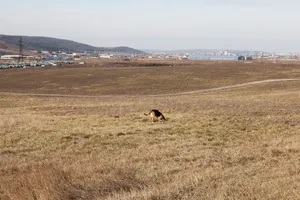
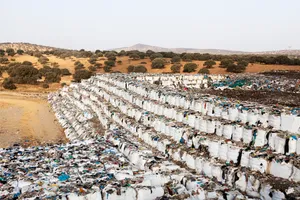
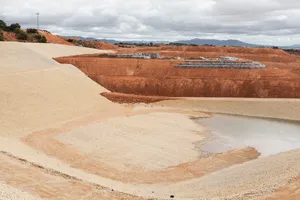
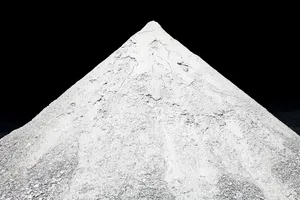
“Strata” is the result of an encounter with the open wound of an inefficient system. Before the waste is concealed and sealed into an eternal time bubble, the photographs give a glimpse of landfill’s inside structure, portrayed against the backdrop of several EU countries who face highly divergent challenges in minimising this practice due to their different geographical, demographical and political contexts.
Land
Laura Van Severen
Land
Nominated by Triennial of Photography | Deichtorhallen, 2021
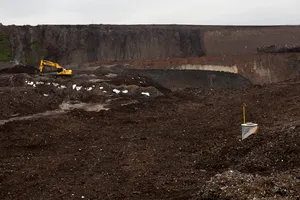
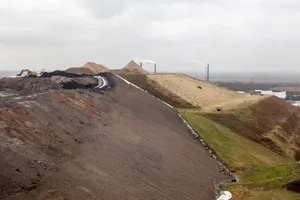
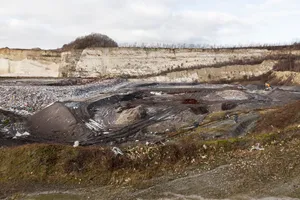
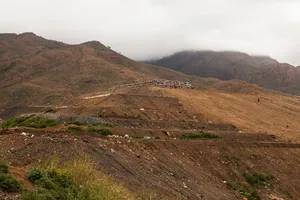
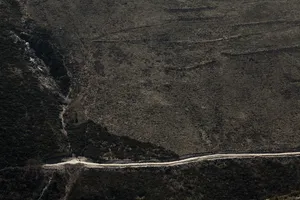
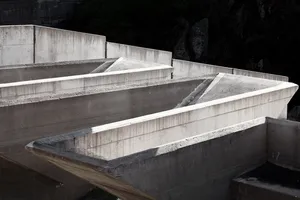
"Land" originates from the brief memory of a landscape. During the recurrent round-trip between the author’s two home countries, which involved crossing the Pyrenees, the view of the slowly-shifting layers of the landscape gliding past the car window seemed both mysterious and full of promise, hinting at what lay beyond and was about to be revealed.
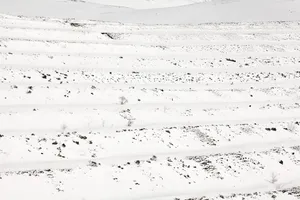
"Land" is a series of photographs that depict the gaze on that very landscape. With its vertiginous and disorienting views, the author alludes to a personal turning point that coincided with her first steps into independent adulthood and the decision to move to a place on the other side of the Pyrenees. This mountain range represents both the physical border and the personal passage that she traversed at that moment in her life.
The photographs of the highly transformed and fragmented landscapes —both in reality and photographically— are pieces that can be organized and fitted together in a myriad of ways. Every new combination is the possible outcome of a puzzle that has no reference image. "Land" is a visual journey. An exploration of photography’s potential to organize space. An approximation to a new territory, to a landscape and to an inner state of being.
El camp d'elles
Laura Van Severen
El camp d'elles
Nominated by Triennial of Photography | Deichtorhallen, 2021
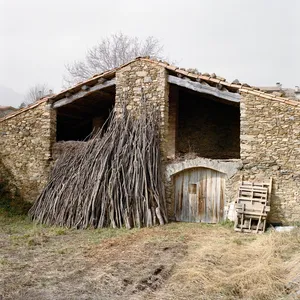
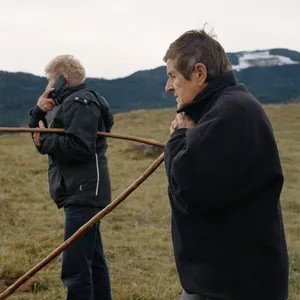
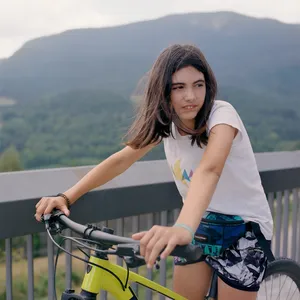
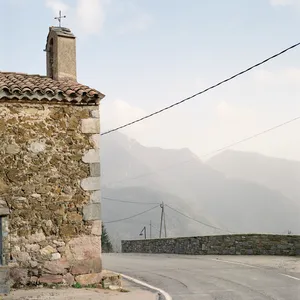
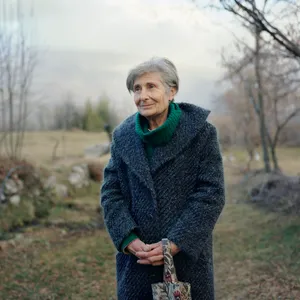
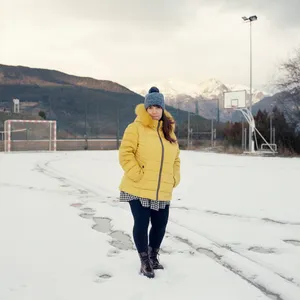
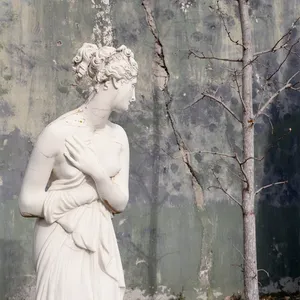
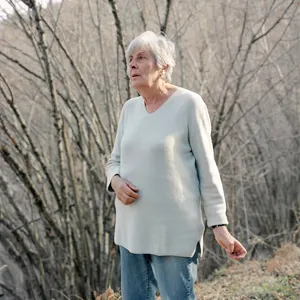
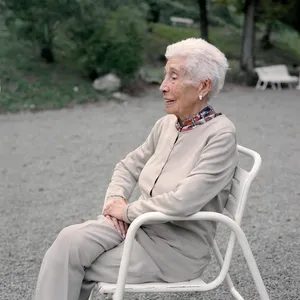
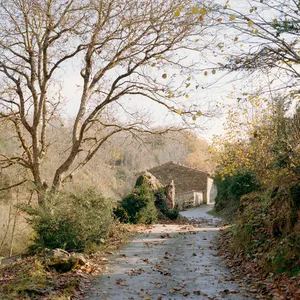
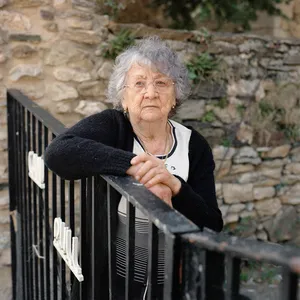
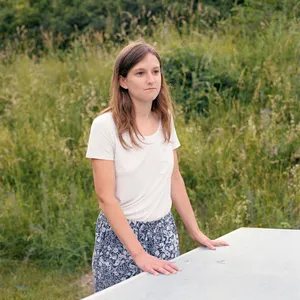
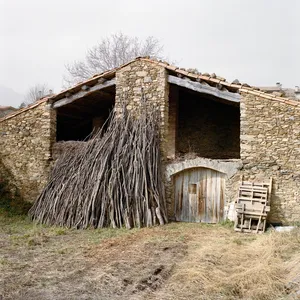
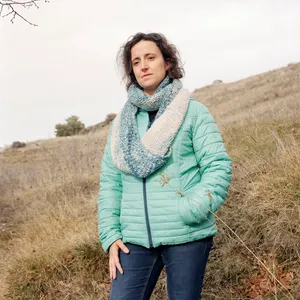
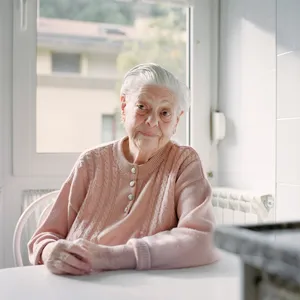
El camp d’elles gives voice to the women who inhabit the village of Campelles in the Catalan Pyrenees, offering a portrait of the territory through their experiences. Images and words bring us closer to their way of life in a high-mountain village.
Each one of them has taken a different path in life. Through their portraits –both visual and textual– we challenge the often simplistic notions of "rural" reality and piece together a human geography shaped by experiences as diverse as the trails and mountains that define their landscape.
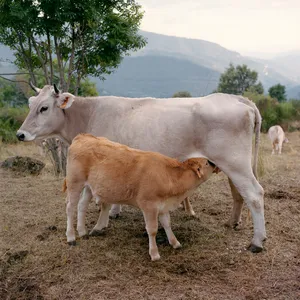
This project captures a reality in constant transformation. Not only have the geography and the physical landscape of the village changed, but so have perspectives on and understandings of womanhood. Just eighty years ago, their lives were dictated by the constraints of their environment, reliant on rudimentary survival tools, the land, and livestock. By the 20th century, this reality was replaced by factory work. Entering the new millennium, access to other professions, new technologies, and better infrastructure has expanded their possibilities, introducing ways of life that now include tourism and remote work. [project in collaboration with writer Mònica Pagès]
Laura Van Severen
Laura Van Severen is a photographer interested in landscape representation. She develops her artistic practice in the form of long-term projects that result from traversing, connecting, observing or interacting with a specific place. In doing so, she touches upon a variety of subjects, from global logistics and waste management to local rural realities or sound (hi)stories.
Laura studied Fine Arts and Photography at KASK School of Arts in Ghent, (Belgium) where she obtained her MA in 2015. that same year she was selected as one of ten talents by the FOMU Photography Museum in Antwerp. In 2016, she published the photobook Land (The Eriskay Connection), which was awarded Best Dutch Book Design. In 2021, she became part of Futures Photography after being nominated by the Triennial of Photographie Hamburg. In 2023, she received the Creación Injuve grant from the Spanish government and participated in an exchange residency between Hangar Barcelona and Kunstiftung Baden–Württemberg in Germany.
Under the title Listening–Gathering, she is currently creating a collection of stories in which sound impacts and materialises into concrete realities.
Laura lives in Barcelona (Spain) where she also works as a freelance photographer, teacher and studio manager.
ProfessionPhotographer, Visual Artist, Researcher
IdentityWoman
LocationSouthern Europe, Spain
PracticeLandscape, Architecture
TopicsIdentity, Anthropocene
CityBarcelona, Spain
Nominated byTriennial of Photography | Deichtorhallen
Year2021
Close

Address
Isaac Titsinghkade 6A-B
1018 CA Amsterdam
The Netherlands
Address
Isaac Titsinghkade 6A-B
1018 CA Amsterdam
The Netherlands
© 2026 FUTURES Foundation
© 2026 FUTURES Foundation
Close