

Turbo Dioxide
Turbo Dioxide
Nominated by Organ Vida, 2023





Queer Snapshots
Queer Snapshots
Nominated by Organ Vida, 2023


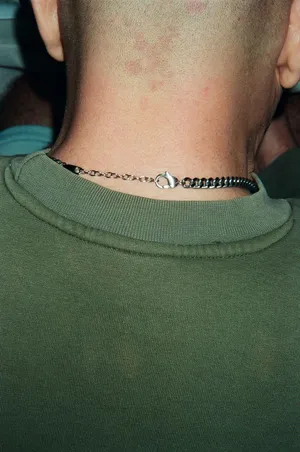
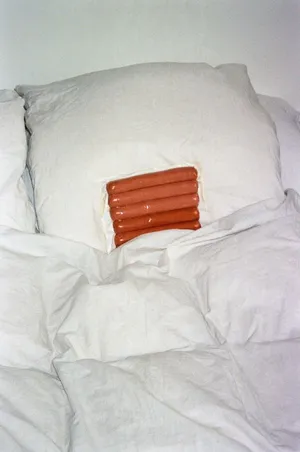

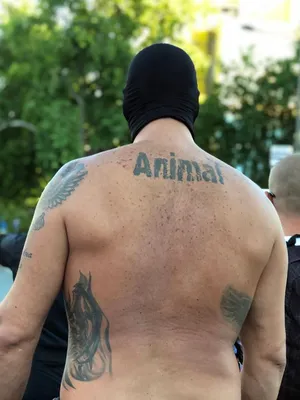
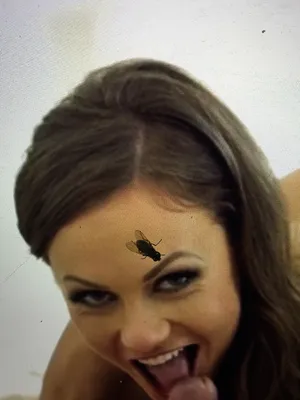
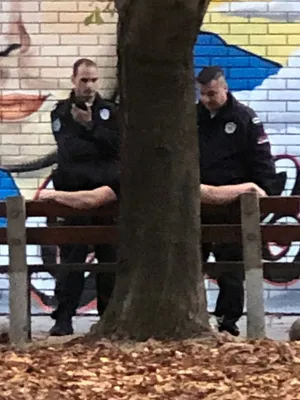
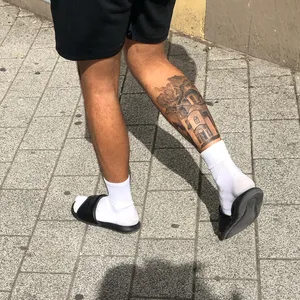
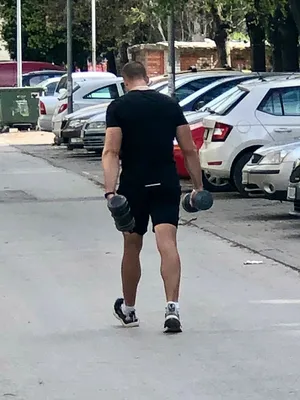
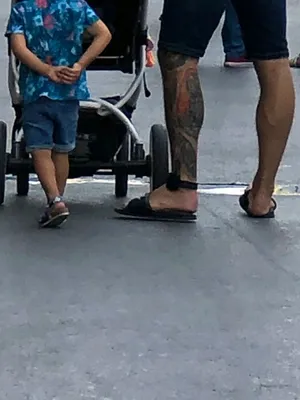
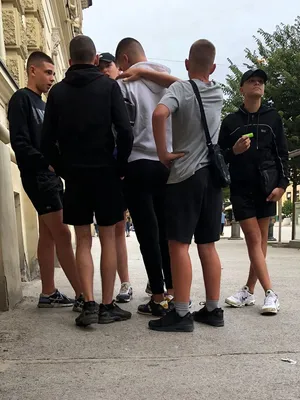
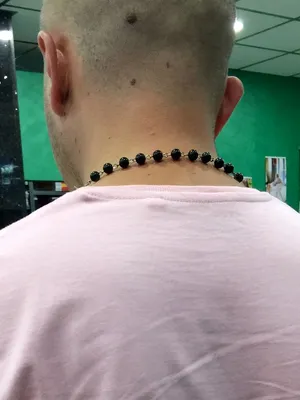
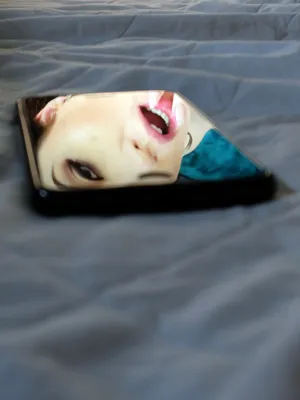
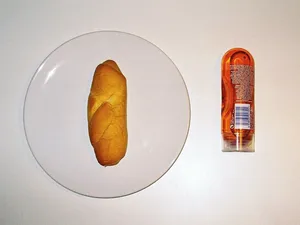
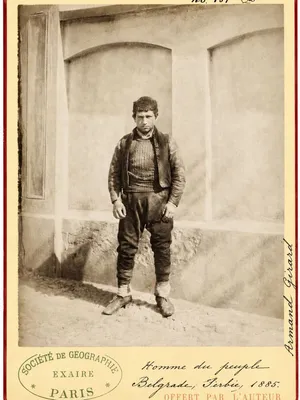
The project resists binary categorizations of identity. Instead, it highlights moments where visual codes of masculinity and queerness blur: a body that reads as “straight” within a queer space; a gesture of softness in a hyper-masculine context; a figure that cannot be easily placed within existing frameworks of identity. Through these images, Queer Snapshots examines how gender and sexuality are not fixed states, but fluid performances shaped by context, history, and social expectation.

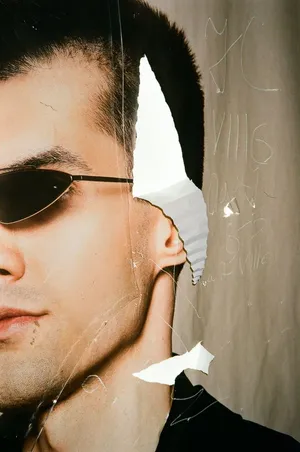
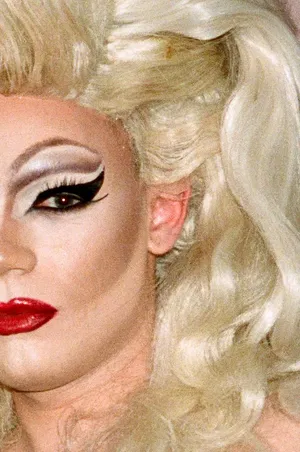
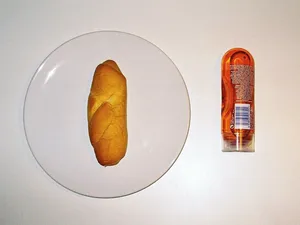
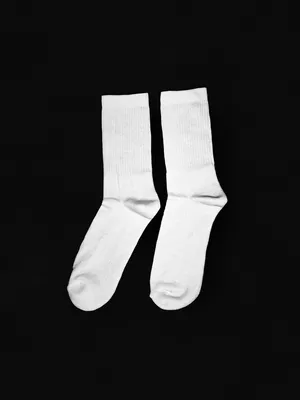
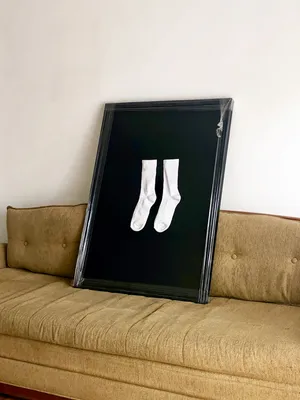


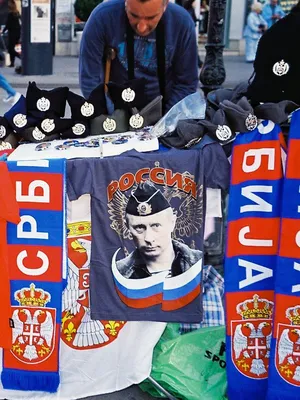
At its core, the project is also autobiographical. The photographic gaze is not neutral, but informed by the artist’s own evolving understanding of masculinity, desire, and belonging. The work reflects a personal trajectory—from distance and observation toward recognition and self-awareness—while remaining grounded in the specific cultural landscape of Serbia.
Visually, the project combines strategies of distance and proximity, anonymity and exposure. It incorporates street photography, documentary approaches, and more direct forms of engagement, creating a layered visual language that mirrors the complexity of its subject.
Queer Snapshots ultimately proposes that visibility alone does not resolve the tensions of identity. Instead, it reveals new forms of ambiguity. By positioning itself within this unresolved space, the project offers a nuanced exploration of contemporary masculinity and queerness in a post-socialist context.



Isaac Titsinghkade 6A-B
1018 CA Amsterdam
The Netherlands
Isaac Titsinghkade 6A-B
1018 CA Amsterdam
The Netherlands
© 2026 FUTURES Foundation
© 2026 FUTURES Foundation