

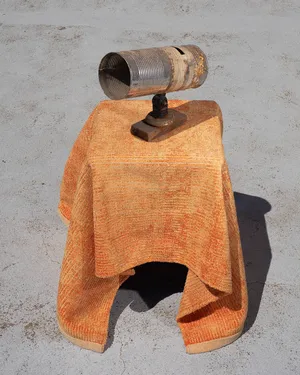
How to build a telescope
Carlos Trancoso
How to build a telescope
Nominated by Bienal Fotografia do Porto, 2022
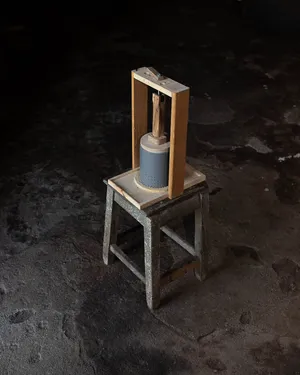
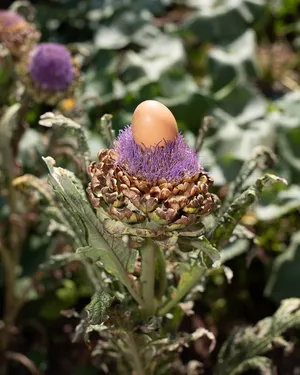
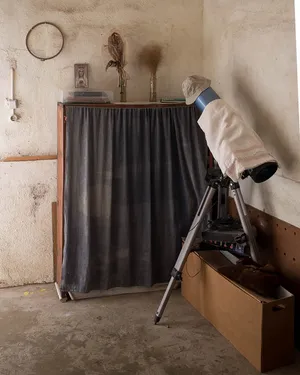
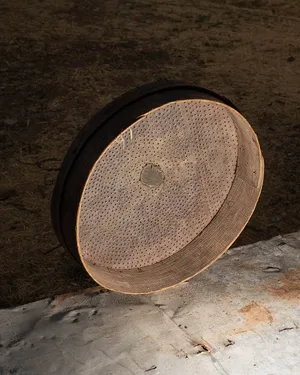
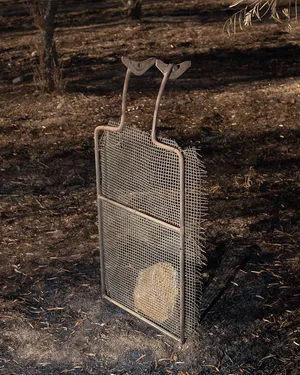
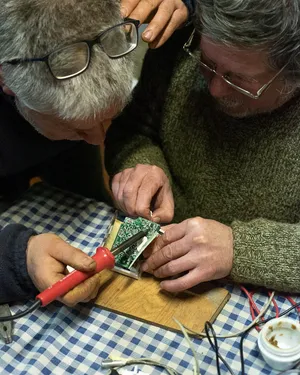
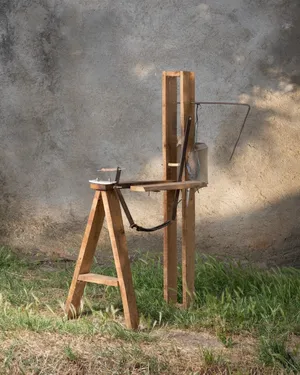
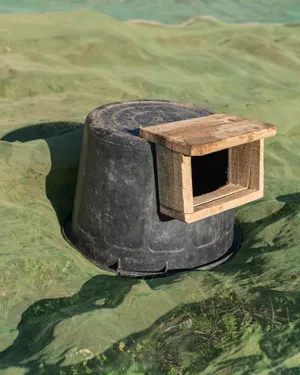
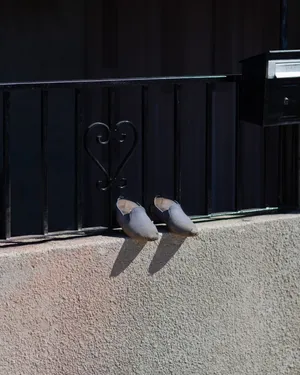
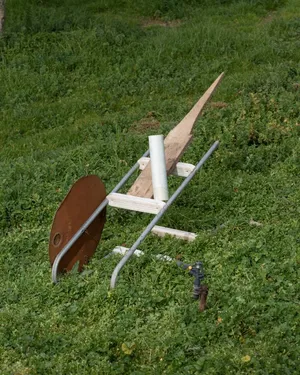
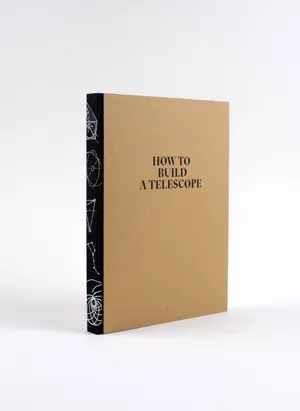
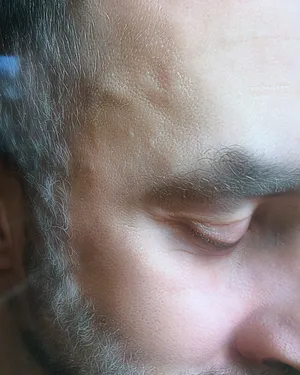
“How to Build a Telescope” borrows its name from an instruction manual the artist discovered in his family home in an isolated, agricultural region of Portugal. Whether literal or metaphorical, the concept of “how to build a telescope” balances a provocative duality—between playful curiosity and scientific innovation—encouraging the viewer to reflect on the resistance of slower-paced technologies in the face of mass production. Using the rural setting as a visual playground, Trancoso draws on the original book to explore absurdities that reveal the universal in the personal and the cosmic in the mundane. (Text by Miranda Verstraete) Photobook available at XYZ Books
Glad I spend it with you
Carlos Trancoso
Glad I spend it with you
Nominated by Bienal Fotografia do Porto, 2022
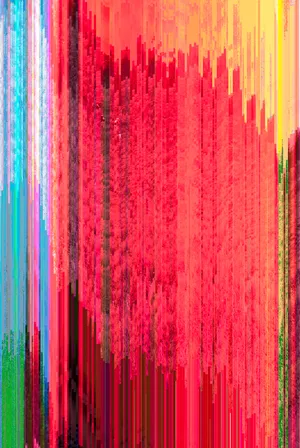
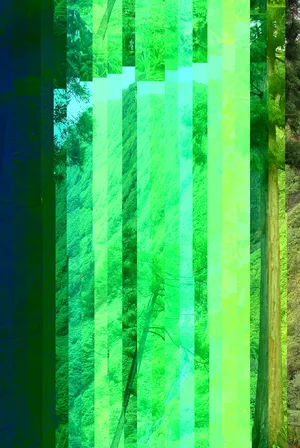
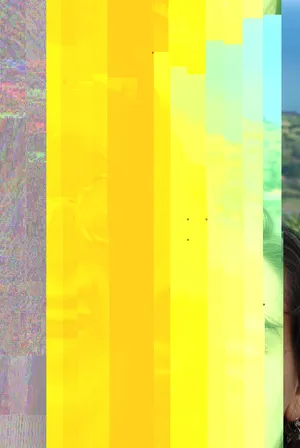
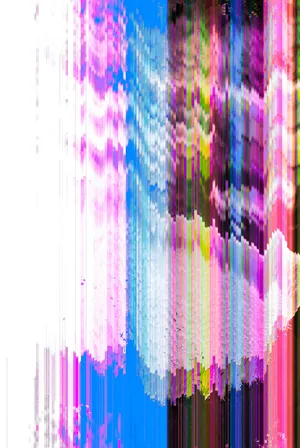
There is no such thing as a manual on reading digital images for humans. Glad I spend it with you is a set of images that unveil the basic structure of a digital image. These images are the product of unintentional errors that occured with a broken storage card. Although the files were corrupted, the machine made the effort on reading the data, producing images that denounce the reading methods of the basic units that constitutes the digital photographs we produce with our cameras. This project intends to reclaim the authorship associated with images whose initial intention of assisting memory transforms into the realization and consecration of the digital image as an ephemeral by-product of contemporary virtual culture.
Rise of Trivial
Carlos Trancoso
Rise of Trivial
Nominated by Bienal Fotografia do Porto, 2022
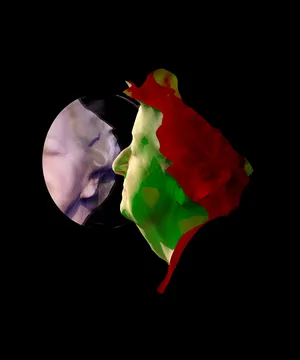
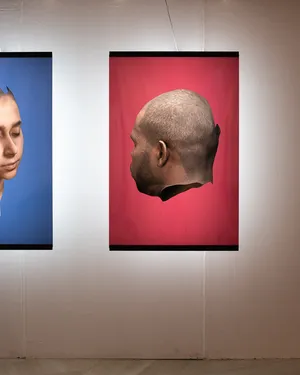
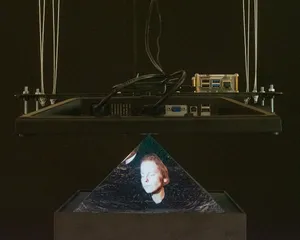
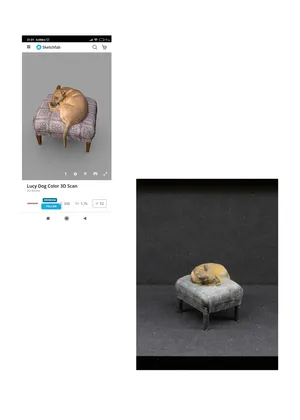
Rise of trivial is a multiplatform project about virtual identity and the ways we interact in the internet. PersonaPersona series uses a term of digital marketing. It questions the platonic facet of the network: although we do not see it, we accept its existence. This creed is represented by tridimensional portraits (in the form of busts), result of the consent of individuals to be photographed in a social context. Through photogrammetric processes it was possible to collect superficial data related to their apparent identity. Seduction is present in the background’s hue of the busts, which are based on psychological strategies applied to colors used by the social platforms of the internet. ANNANN stands for Artificial Neural Network. Similarly to the brain it’s a system that evolves from data analysis, following a learning method that allows the recognition of patterns. ‘ANN’ questions the learning process of new artificial intelligence. After the Internet, we ceased looking for the Plato’s Eden and start building a world of forms in our own image, creating new religions such as Dataism. For what purposes are we creating these huge databases? Can we trust in computer generated data? Can we continue to talk about images as a strictly visual language? BackupBackup series reflects the concept of digital documents, not only as vehicles for information but also as testimonies of isolated uses and behaviors in a virtual scenario, using the power of duplication and making it a protocol. On one hand we have figurative representations of behavior patterns; on the other hand we have the paradigm of uncontrolled information related to our digital identity, making the “right to be forgotten on the internet” a truly utopian operation. The liberalism of the information market only leaves us with two choices: to accept everything or to enjoy nothing.
Carlos Trancoso
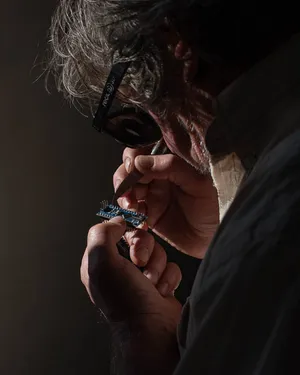
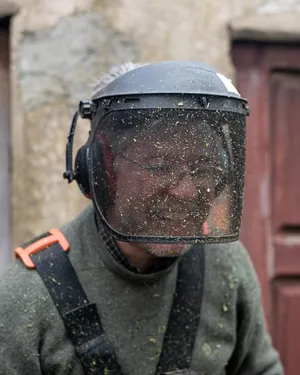
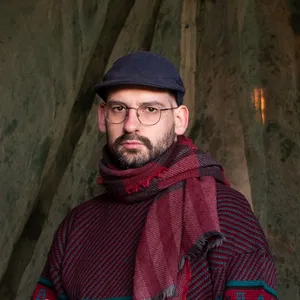
Carlos Trancoso is a Portuguese visual artist that works and lives in Porto. He uses the photographic gaze as a critical tool to understand how the human being relates to technology. His work aims to challenge established patterns of interaction relating to the creation of images in contemporary society. Although he mainly uses fictional approaches, his work incorporates a documental photography language with the expanded practice of creating cameraless images, mixed media and computer generated images. He is a founding member of Barda collective, which utilizes visual arts to foster social cohesion. He has exhibited at festivals such as Photoalicante, Backlight (2020), Photo Open Up, f/est Amarante (2022), Athens Digital Arts Festival (2023), Bienal da Maia (2021/2023) and Bienal de Fotografia do Porto (2025) . His works have also been exhibited in spaces such as Galeria FFAC, Galeria Dentro and MIRA FORUM in Porto, Casa do Capitão and XYZ Books in Lisbon and El Local in Madrid.
ProfessionPhotographer, Visual Artist, Curator
IdentityMan, White
LocationSouthern Europe
PracticeDocumentary, Conceptual
TopicsTechnology, Anthropocene, Family
CityPorto
Nominated byBienal Fotografia do Porto
Year2022
Close

Address
Isaac Titsinghkade 6A-B
1018 CA Amsterdam
The Netherlands
Address
Isaac Titsinghkade 6A-B
1018 CA Amsterdam
The Netherlands
© 2026 FUTURES Foundation
© 2026 FUTURES Foundation
Close