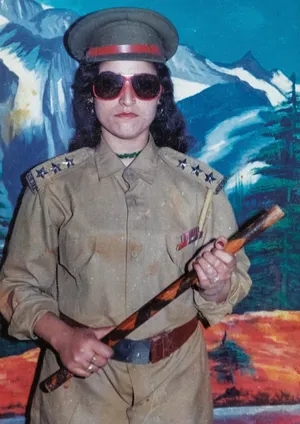
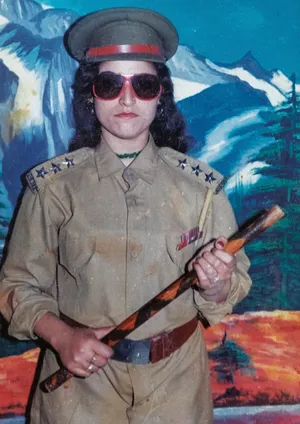
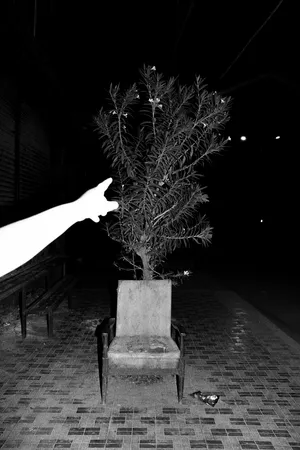
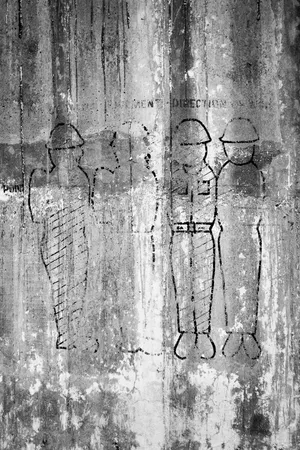
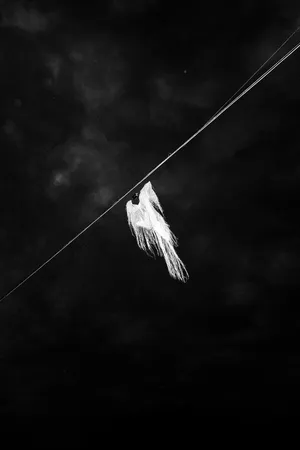
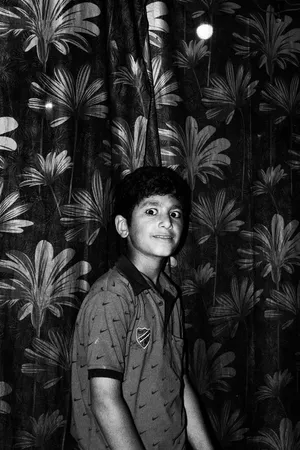
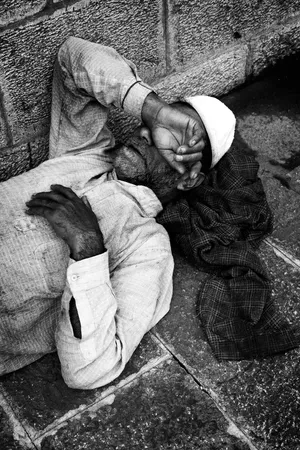
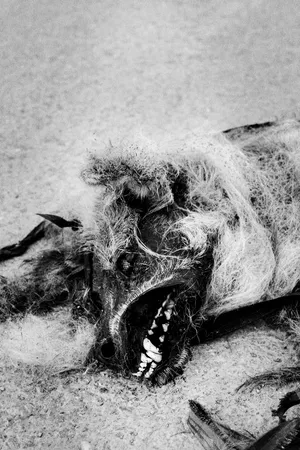
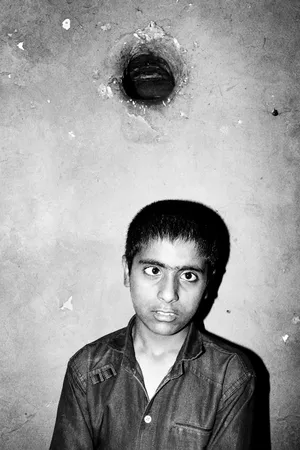
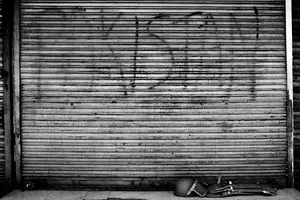
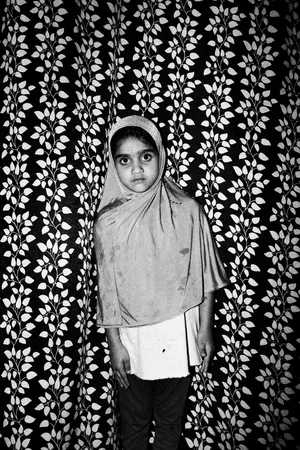
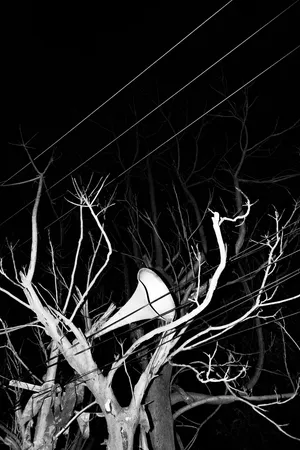
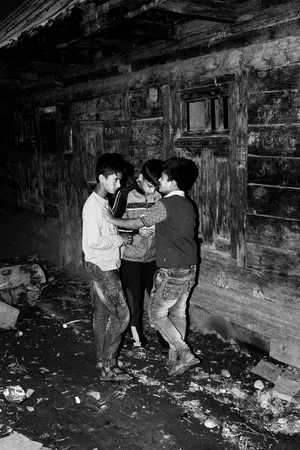
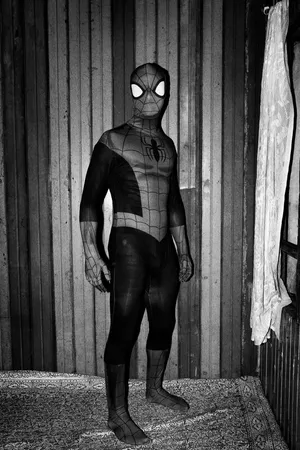
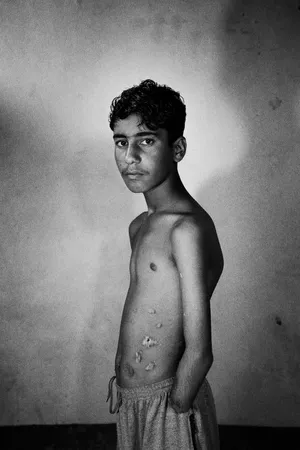
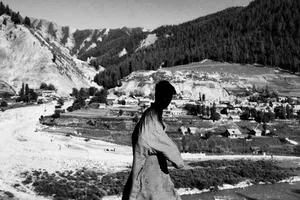
How do we tell stories about conflict zones? What is the relationship between this kind of images and the viewer? How to face and question the exoticizing and privileged Western point of view? This work addresses the role of photojournalism in shaping the gaze and constructing collective imagination by exploring alternative representation strategies to counter the tropes and the cliché. With Monsoons Never Cross The Mountains I develop a claustrophobic and eerie visual experience in which the frontiers between reality and perception blur through the eyes of the children. A disputed land between India and Pakistan since 1947, Kashmir is today one of the most militarized zones in the world. Soon after gaining independence from the British Empire, the two countries fought a war over Kashmir until the end of 1948. In the same year, the United Nations Security Council adopted the Resolution 47, urging the preparation of a plebiscite in order to let the Kashmiri people decide whether to join India or Pakistan. No such plebiscite has ever been held. Since the Nineties, Kashmir has been witnessing various political uprising against the Indian administration. Every time the Kashmiri people fought for azadi (“freedom”, in Urdu), their struggle has been silenced with blood. Despite the unpredictable new season of protests, repression and martyrs, the situation has still not changed. The systematic violation of human rights perpetrated by Indian security forces has filled the hearts of Kashmiri men and women with disillusionment, resentment and sorrow. A visual journey through the struggle of the Kashmiri people, trapped in an endless season of sorrow while waiting for the spring of azadi. It is an attempt to depict the emotional landscape of the valley of Kashmir through the eyes of children, entangled in this cycle from the very beginning of their life.
Camillo Pasquarelli
Camillo Pasquarelli is interested in long-term projects adopting photography as a tool of knowledge contaminated by the self-reflective approach of anthropology.
In the last five years he has been working extensively in the valley of Kashmir, India, at first documenting the political conflict between the population and the Indian administration, and later trying to explore a more personal and oneiric approach to the issue. In 2020 Camillo was one of the selected artist for the FOAM Talent.Among the prizes received are Shortlist at PH Museum Grant, Best Rising Talent at Gomma Grant, Alexia Foundation Student Grant, LensCulture B&W, Shortlist Unseen Dummy Award, Fotoleggendo Award.
Camillo’s photographs has been featured in numerous exhibitions in Europe, USA, Asia, Oceania and published in Time, Der Spiegel, Polka, National Geographic, Internazionale, BuzzFeed, Mashable, Vanity Fair and many other international publications.