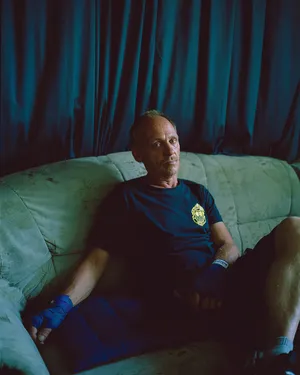
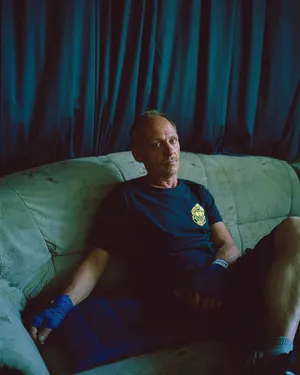
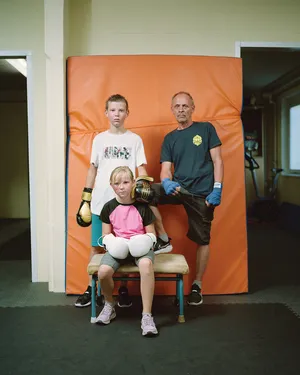
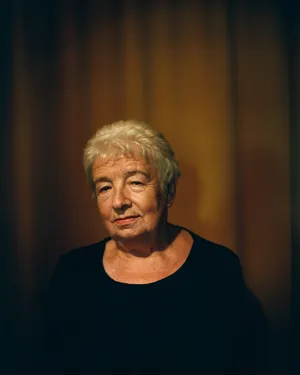
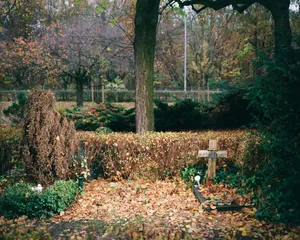
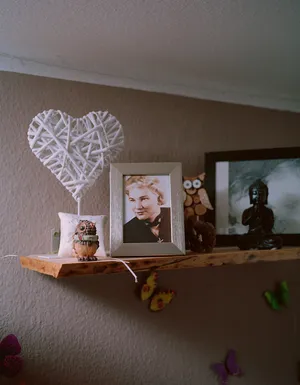
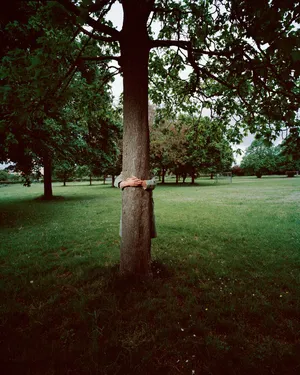
was geschehen und nie geschehen ist (what happened and never happened) by photographers Amelie Sachs and Paulina Metzscher, created in collaboration with author and filmmaker Eva Gemmer, confronts one of the least visible yet deeply wounding legacies of the German Democratic Republic (GDR): the forced adoption of children.
Following Germany’s division into East and West after the Second World War, several hundred to several thousand children were separated from their parents—an exact number that remains unknown to this day. East German family law stipulated that parents should raise their children ‘to be active builders of socialism’. They had to ‘respect work’, ‘love the Soviet Union’, and ‘defend the borders – if necessary with armed force’. When parents failed to comply with these ideological demands, the state had the authority to revoke their parental rights.
The practice of forced adoption remains controversial, and the process of reckoning with injustice in the GDR is still ongoing. Through a layered combination of artistic documentary photography, archival material, and factual as well as poetic texts, was geschehen und nie geschehen ist traces the fragmented family histories of five protagonists—Andreas, Ortrud, Swen, Petra, and Ivonne—who were directly affected by these policies. What remains in the aftermath of separation? Grief? Loss? Hope? The work brings together personal narratives and historical traces to create a space where memory, absence, and unanswered questions intersect.
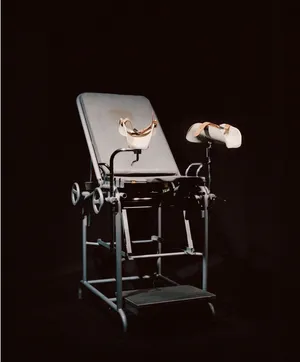
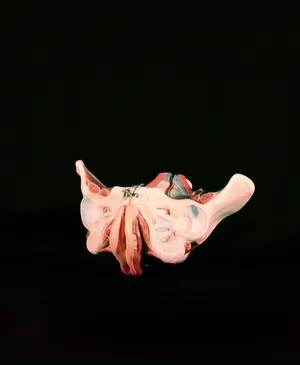
The Thief of Womanhood takes a deeply personal and intimate look at a condition that remains largely overlooked in medical research. Drawing from her own journey as a former PCOS patient, Amelie Sachs collaborates with others affected by the syndrome to make the diverse struggles associated with PCOS visible and tangible.
As a complex metabolic disorder affecting approximately 10% of women* of reproductive age, the Polycystic Ovary Syndrome (PCOS) is one of the leading causes of infertility.
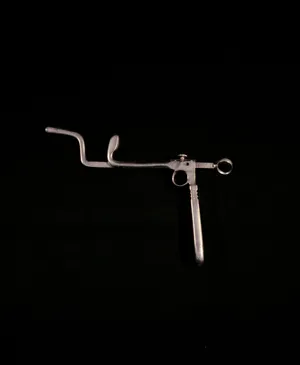
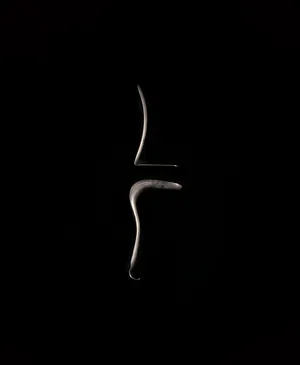
Moving beyond the documentation of symptoms, the project explores the emotional realities of living with PCOS and how the condition shapes mental health, self-esteem, and body image. Simultaneously, it critically examines the historically male-dominated perspective in gynaecology by exploring medical-historical objects that allude to the violent past of gynaecology and maternity medicine.
Amelie Sachs
Amelie Sachs (*1996) is a documentary photographer and photo editor working between Germany and Egypt. Her practice is shaped by a feminist perspective and a research-based approach that prioritizes dialogue and collaborative processes. Working across different photographic strategies, she combines documentary and conceptual elements while allowing space for ambiguity, gaps, and moments of fiction. Developed over extended periods and in close collaboration with the people she photographs, her projects evolve through visual research and long-term engagement. Her work explores intimate and often overlooked realities, focusing on stories that remain unseen. Her work has been showcased in solo and group exhibitions across Germany and has received wide recognition as a finalist for the Otto-Steinert Prize (2022), the Dummy Award (2023), and at the European Month of Photography (EMPO) in Berlin (2025).