The
Artist
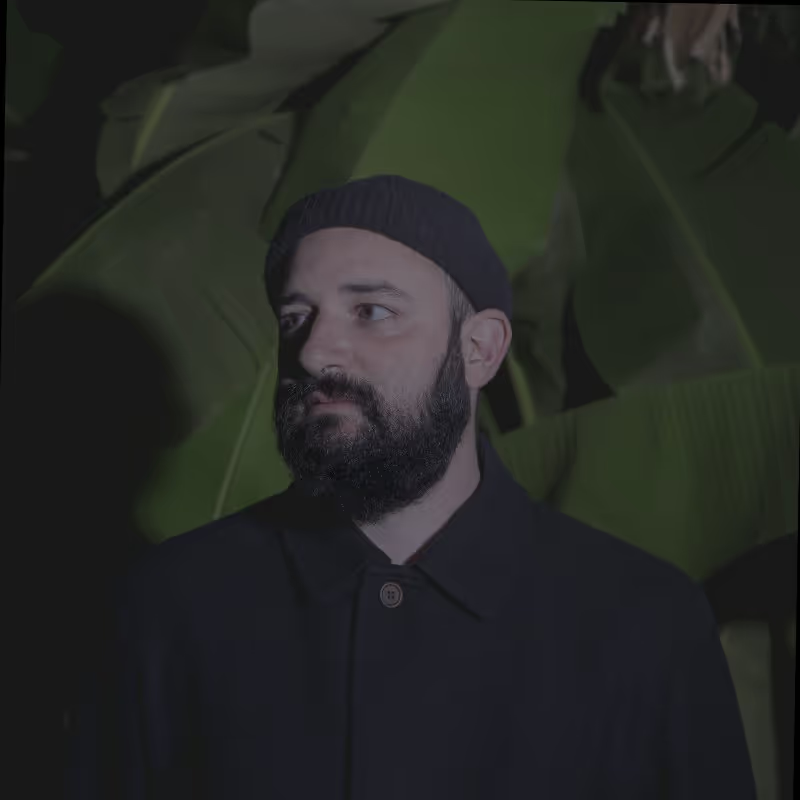
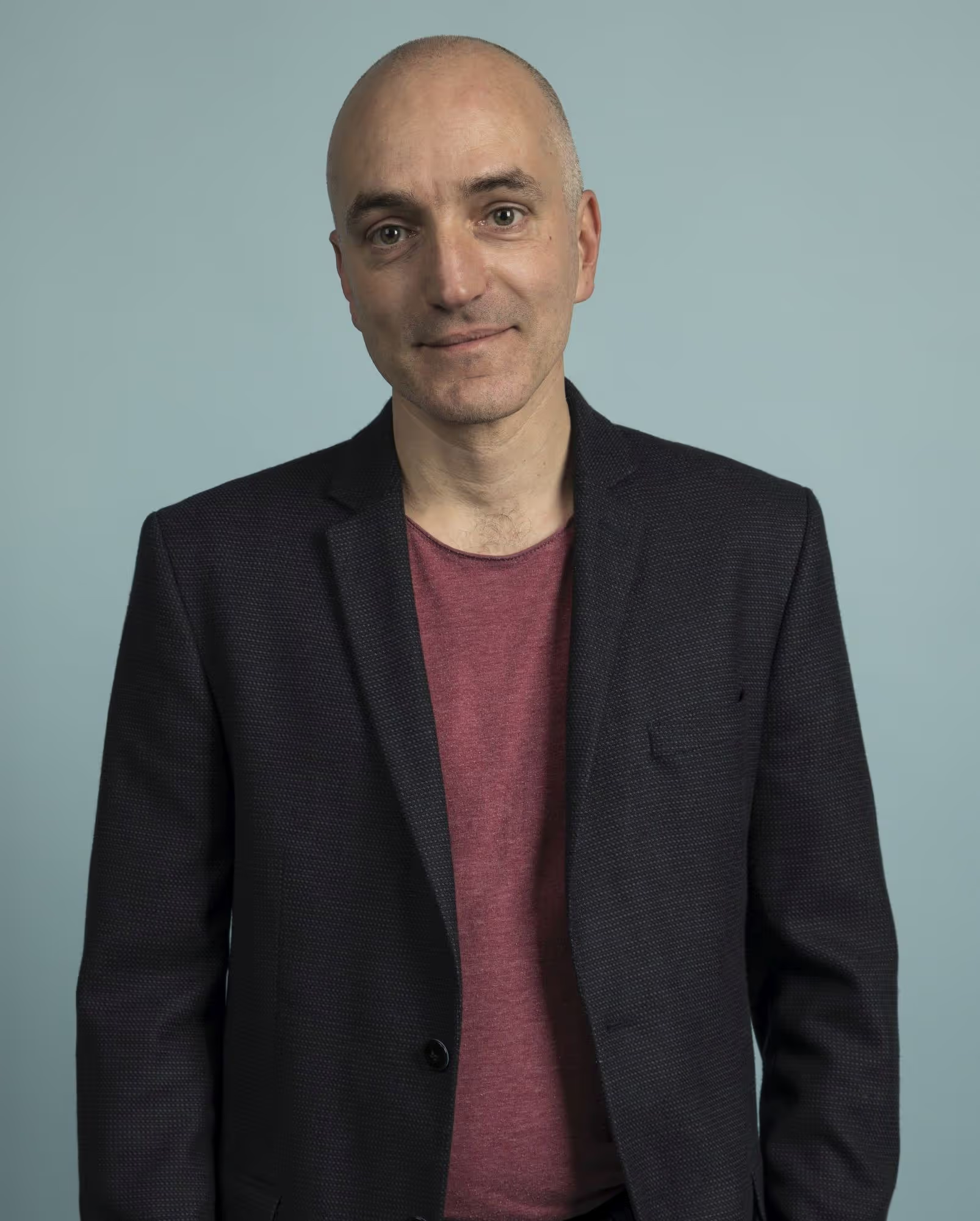
Valentin Valette
Lives and Works in
Paris, Maghreb, Pyrénées
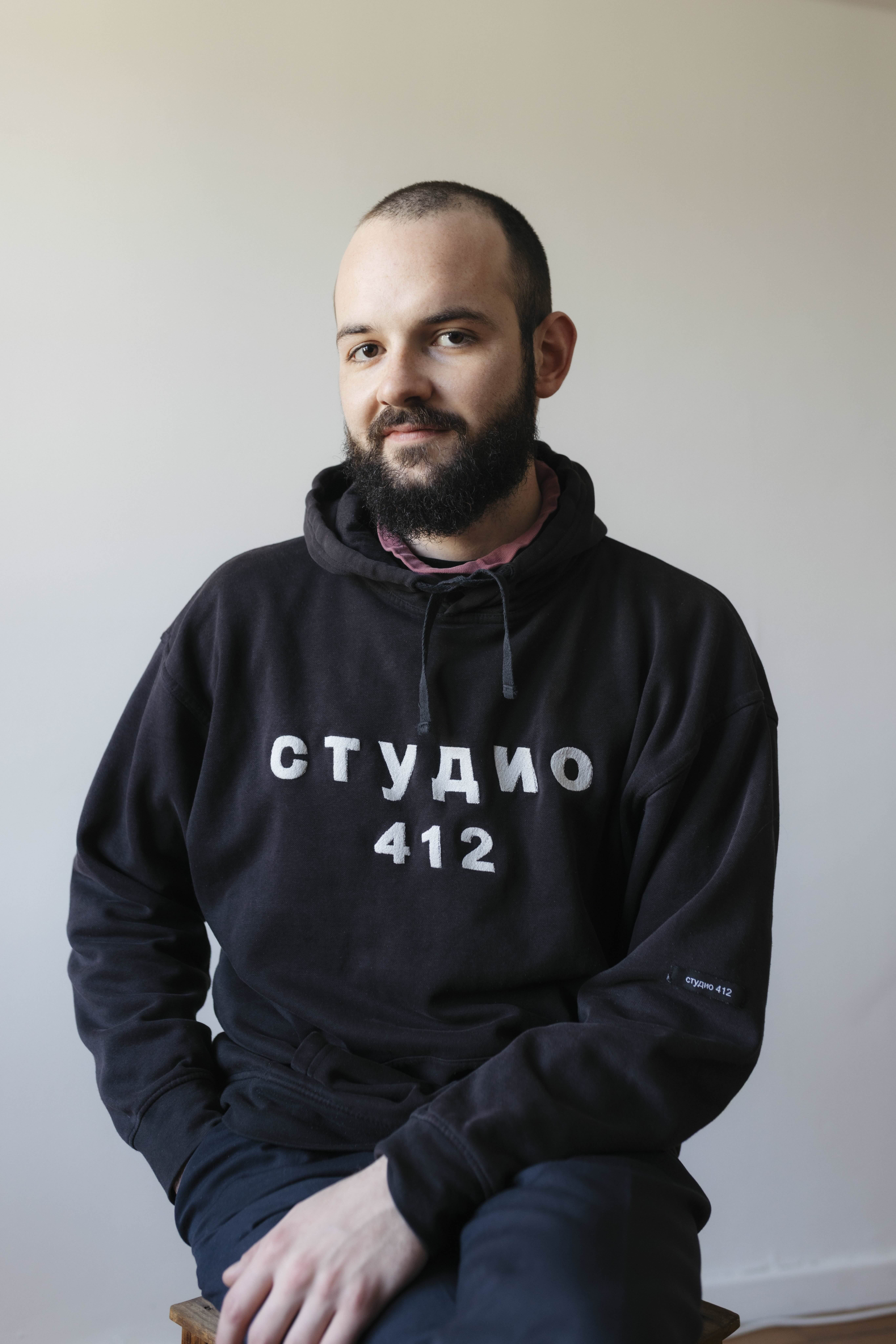
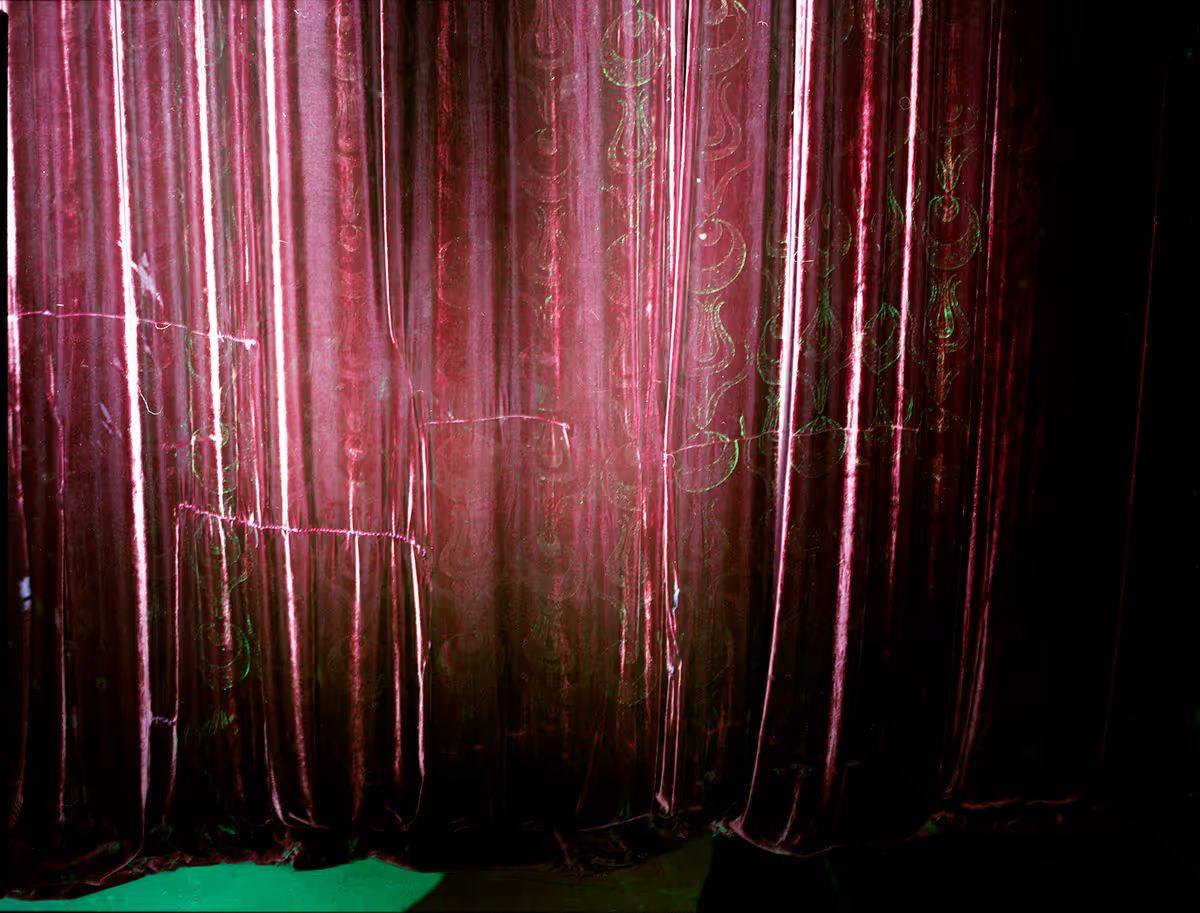
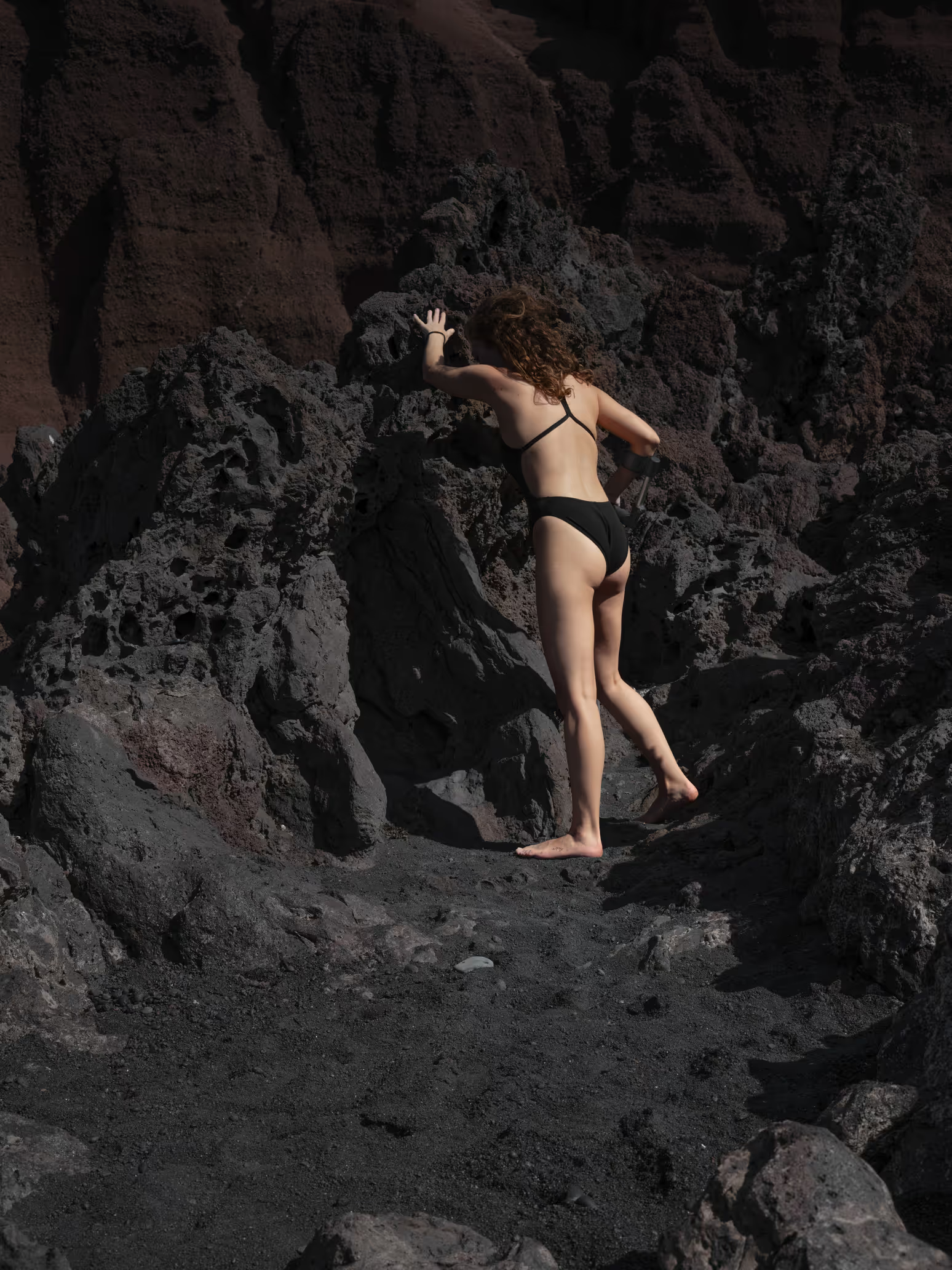
Valentin Valette is a Franco-Algerian visual artist, photographer, and researcher in visual anthropology, based between the Gulf, the Maghreb, Paris, and the Pyrenees.
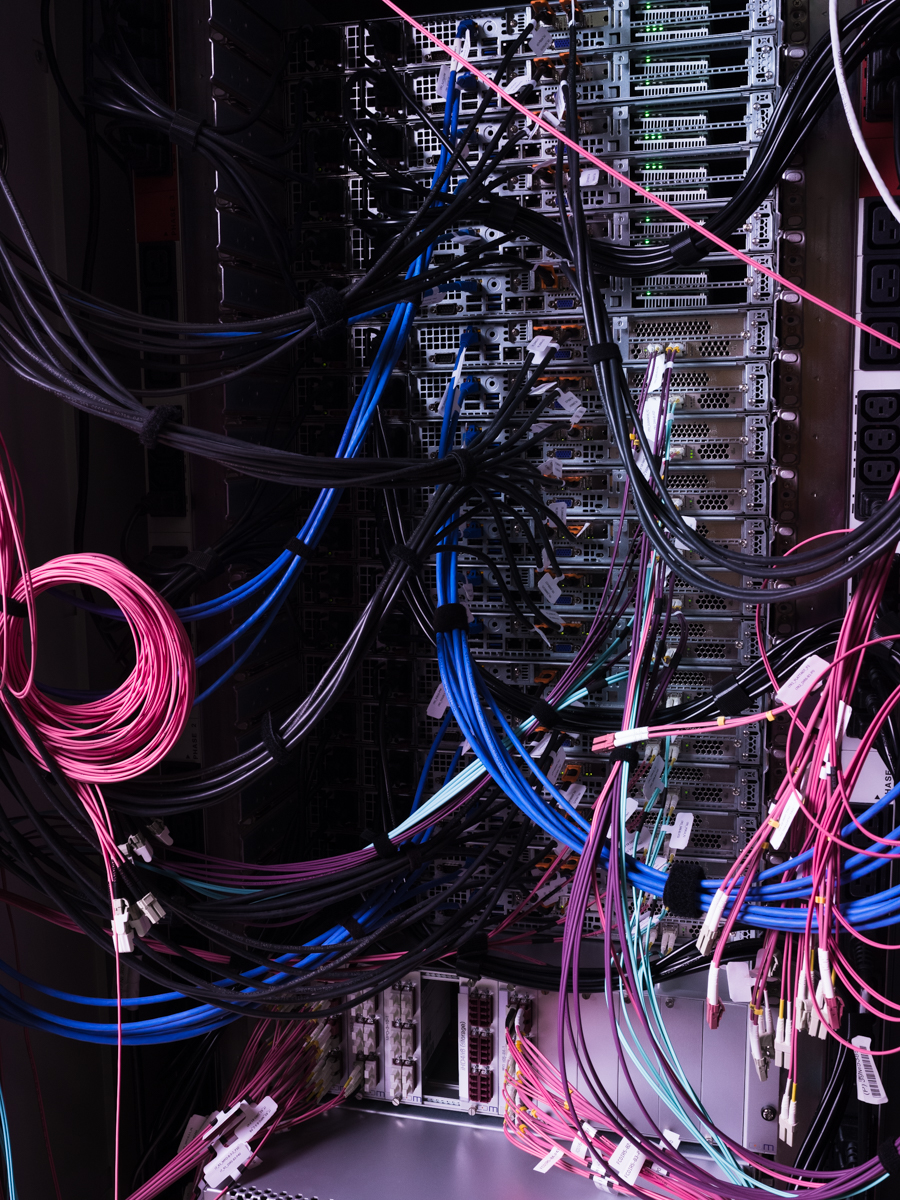
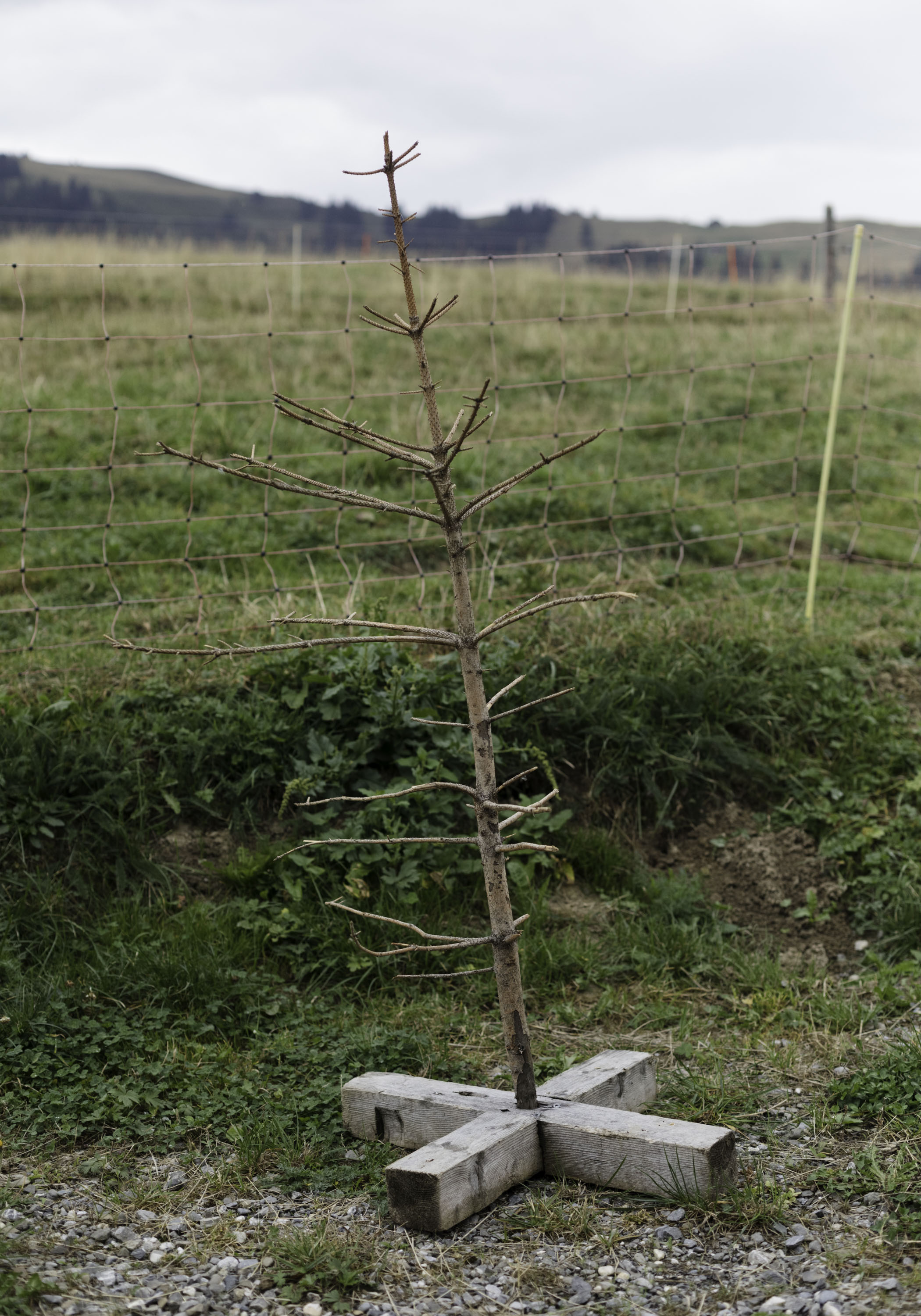
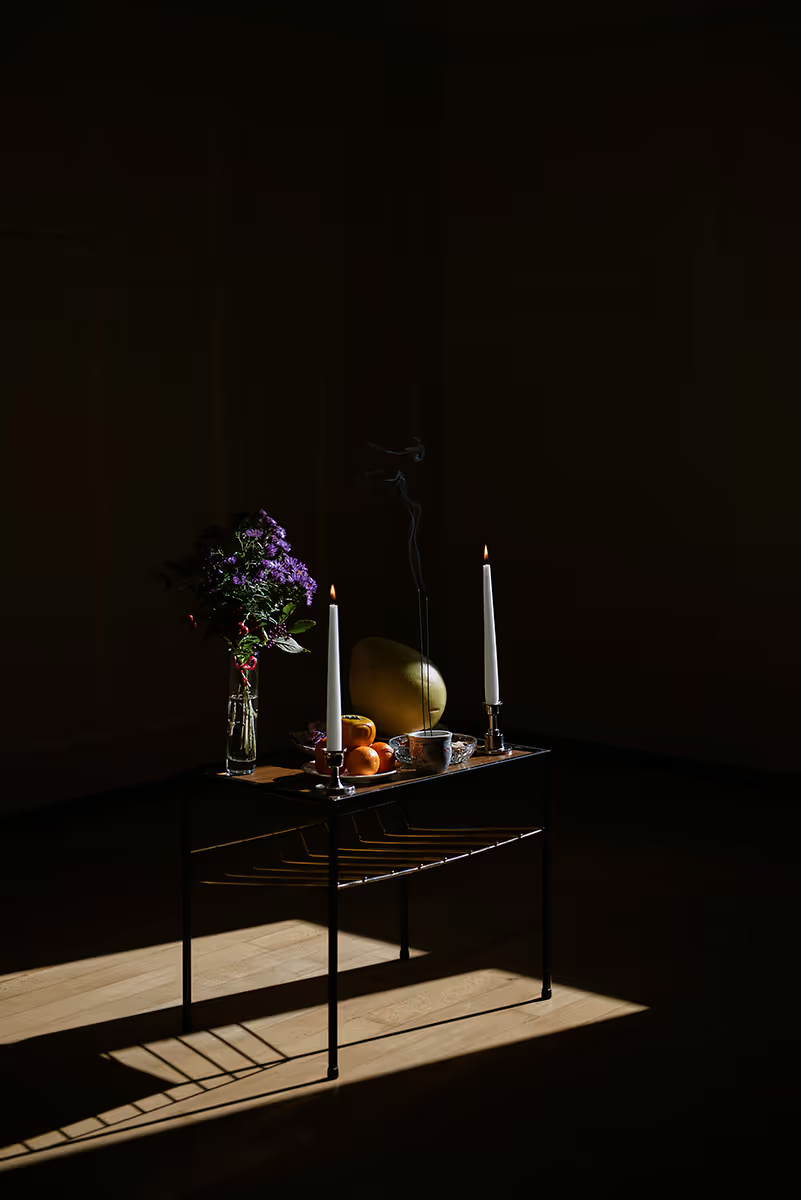
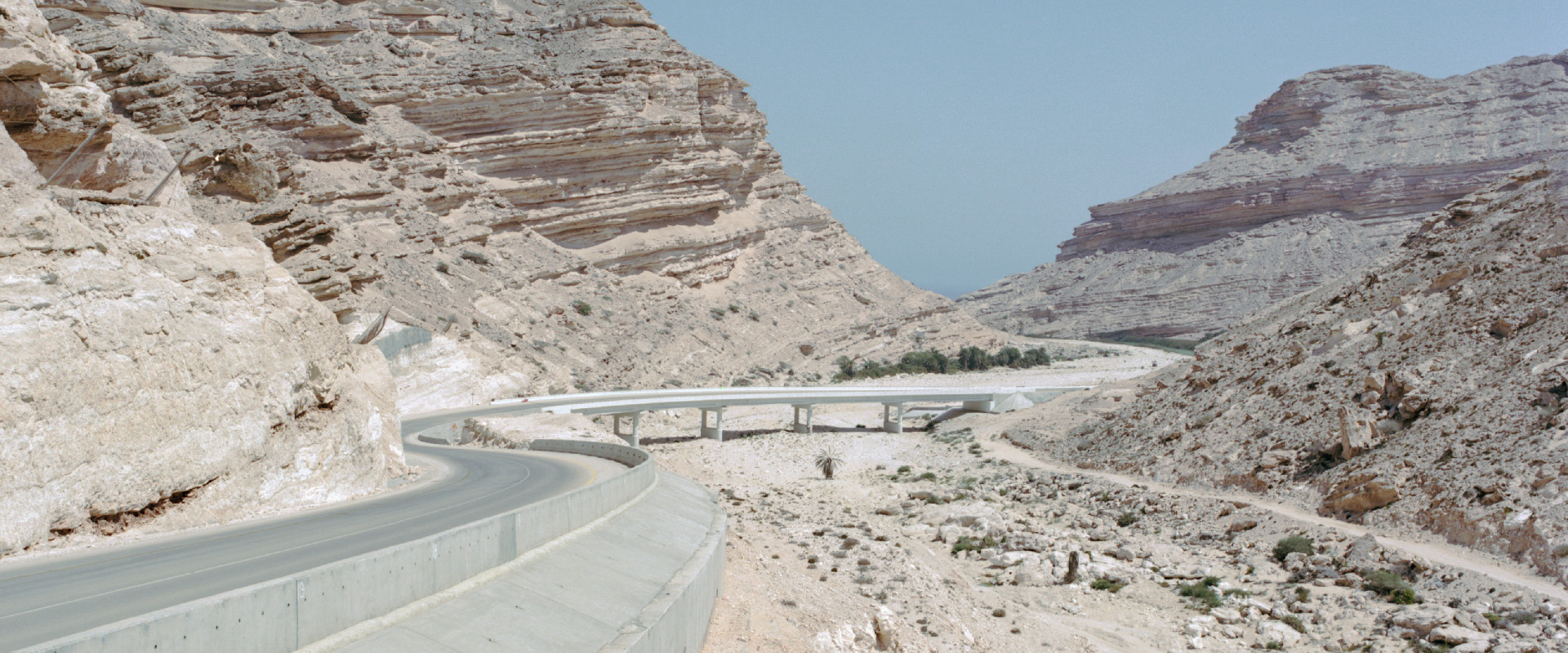
Bridging artistic creation and research in the social sciences and humanities, Valentin Valette focuses on environmental transformations and the social, political, and economic dynamics that influence local practices and experiences. His work also examines processes of movement, whether voluntary or forced, and their impact on community ties, individual and collective memory, and the construction of territories.
Valentin Valette employs various to explore these complex situations and reveal the temporalities shaping these spaces. His approach combines research and creation, remaining attentive to human stories and the contexts in which they unfold.
Born in 1994 in Pau (France), he holds a Research Master’s in International Relations – North Africa and the Mediterranean (CIFE) and a Master’s in Political Science – Political Dynamics and Societal Transformations (Sciences Po).
Projects
No uploaded projects...
Valentin Valette
was nominated by
Centre photographique Rouen Normandie
in
Show all projects
Each year every member of the FUTURES European Photography Platform nominates a set of artists and projects to become part of the FUTURES network.
Related artists
More artists that you might
like to explore
All artistslike to explore

Thalles Piaget (*1996) is a human being - not an artificial intelligence - born in Brazil and living in Biel/Bienne - CH. Essentially vagabond, Thalles is inspired by readings, walks, and reflections. Capturing a moment that doesn’t truly exist, trying to transform the ordinary into a dreamlike experience. Its artistic approach is at the border of dreams, science, and absurdity. Wandering, guided by the moment, playing with its non-existence.
“In my work, I aim to open a window to a dreamlike digital universe composed of surfaces, reflections, and light, free from its commercial intent yet infused with a poetic perspective on the machinery’s materials. In my photographs and installations, I want to explore and question the possibilities of our digital images and their inflationary use in our daily lives. While using the medium of photography, my aim is not to document specific scenes or compositions, but rather to seek what is between the subject and the camera and to capture the moments in between. Photography serves as a fundamental tool in my creative work, yet paradoxically, it is the medium with which I maintain the most critical relationship.”


Marija Mandić (b. 1990, Novi Sad, Serbia) is an artist whose practice spans photography, text, drawing, and found footage. Her work delves into the themes of identity, memory and the past, often within a familial context, blending personal narratives with broader social issues. In 2023, Mandić was a finalist for the Mangelos Award, part of the Young Visual Artists Awards network. She won the Fotograf Magazine (CZ) open call in 2022 and received the VID Foundation for Photography grant in 2021 for her project White Bee. Her accolades also include the Dositeja scholarship, a grant from the Ministry of Education of the Czech Republic, and the Mali Princ Foundation award. Mandić holds a PhD in Visual Communication from the Faculty of Art and Design in Ústí nad Labem, where she lectured from 2015 to 2019.


Triin Kerge is an artist based in Estonia and Italy. She works primarily with photography,
embroidery, and archival materials. Her practice explores memory, home, and identity through her own photography, found photographs, and family archives, focusing on how images shift over time through material-based processes. By combining photographic processes with slow, material-based techniques, she examines how images change over time and how meaning shifts through repetition, material transformation, and physical engagement with images. Kerge is interested in the material instability of photographs and in how images function as carriers of personal and cultural memory. Her work is research-driven and often developed as long-term projects that bring together archival research, material experimentation, and image-making across different contexts and locations.


Rui Costa, Vila Franca de Xira, Portugal, 1989.
He began his studies at the Portuguese Institute of Photography in Lisbon in 2020, wherehe became interested in developing documentary and authorial projects. In 2022 heattended the Masterclass Narrativa with the photographer Mário Cruz. Since 2023, he has been a teacher at the Portuguese Institute of Photography in Lisbon.
Winner of the Fnac New Talents Award 2023, in the Photography category, with the essay “Uma Azeitona Bordada em Azul".


Florian Gatzweiler (*1998) is a German artist whose work deals with identity, violence and images of masculinity. His projects are characterized by an empathetic examination of personal and social issues, which he often explores in a photographic context. He combines documentary approaches with staged elements to create multi-layered and complex narratives in which he attempts to do justice to the themes and problems of his work. During his studies at the Ostkreuzschule für Fotografie, which he completed in 2024 under the direction of Irina Ruppert, he exhibited several times, including at EMOP Berlin and Paris Photo. His awards include a scholarship from the Socio-Culture Fund and the Paris Photo Young Talent Award.


Ornella Mari is a Belgian-born, Hungarian-Italian photographer based in Budapest. Her work explores themes of identity, femininity, and self-perception, often delving into the emotional and psychological landscapes of her subjects. Through a nuanced approach to portraiture, she captures the complexities of human experience, from moments of vulnerability to personal transformation.
Mari’s journey with photography began as a means of self-exploration, gradually evolving into a broader investigation of societal expectations and internal struggles. Her images balance intimacy with universality, inviting viewers to reflect on themes of self-acceptance, resilience, and the fluid nature of identity.
Rooted in both conceptual and documentary influences, Mari’s photography serves as a visual dialogue between the external world and inner realities. Whether through staged compositions or candid moments, her work seeks to challenge perceptions and offer new ways of seeing oneself and others.


Pavle Nikolić (b. 2001, Niš, Serbia) works with photography and video, examining fundamental human tensions — authority and powerlessness, dominance and submission, aggression and passivity. He investigates how these opposing forces interact, using the constructive and transformative capacities of his chosen mediums to find the threshold at which they begin to turn into one another. Pavle studied applied photography at the University of Applied Arts in Vienna and fine art at the Beaux-Arts de Paris. He now lives and works in Paris.


Tony Dočekal (1992, Amsterdam) is a photographer and visual artist whose work focuses on identity, belonging, and the shared human condition. Her practice is shaped by encounters with individuals and communities on the road, with a particular interest in the resilience and adaptability of people living on society’s margins.
Her first monograph, The Color of Money and Trees, explores the tension between material success and deeper fulfillment, asking if true prosperity lies in community and self-awareness rather than wealth and possessions. The series includes Chad on Skid Row, which won the Zilveren Camera Portrait Award in 2021, and Lyric at El Pais, a portrait of a young girl living off the grid in Arizona. The work navigates the balance between societal expectations and individual freedom.
Tony’s debut short film, Pearls on Credit, reflects on how personal identity is shaped by broader economic systems and societal expectations. Shown alongside an installation of The Color of Money and Trees at Biennale Images Vevey, it deepens Tony’s exploration of the pressures individuals face in navigating these structures.
Tony holds a Bachelor’s degree in Fine Arts from ArtEZ University of the Arts and has received recognition, including the Olympus Young Talent Award and De Burgemeester de Bruinprijs.


Focusing on the role of humans within society and their direct interaction with their environment, Maxime Guedaly has been building a documentary photographic archive for the past ten years.
A self-taught photographer with an engineering background, he constructs his projects from the archives he has created. Selected, organized, and related according to their purpose, these images find their place in public spaces and in venues accessible to all audiences.
The formal association of several regimes of images serves as a starting point for reflection on the physical and political movements of communities engaged in society, whether they come from a cultural background linked to live performance or the associative world.
Through video, the photographer establishes a dialogue between the movement of urban and human respiration, creating a common vocabulary between two entities emerging from their inertia.
Evolving towards the fields of performance and collaborative art, the role of the artist becomes porous, straddling participation and documentation. While the question of the reception of the work remains unchanged, the artistic process is completely reexamined.
Maxime Guedaly was born in Toulouse in 1987. He is trained as an engineer and is a self-taught photographer. He trained in authorial projects at the ENSP in Arles in 2018.


Mari Mäntynen (b.1997) is a Finnish visual artist born and raised in Kerava’s prison area.
The works are participatory and Mäntynen also appears in them herself.
Her artistic work focuses on the question: How could we understand each other better? She addresses everyday tensions and difficult social challenges through collaboration and absurdity. She challenges her audience to confront others and their own prejudices. Mäntynen studies social situations and problems by organizing them, participating in them, photographing them, and finally watching them with the participants.
For Mäntynen, the performative method of taking pictures is very important. At its deepest, her intention is to create friction and tension that somehow changes reality. In each of her works, she strives to challenge herself and always move on the edges of social norms and her comfort zone. Mäntynen’s working is subtle and exploratory, taking into account the power relations of photography.
Mäntynen completed a Master of Fine Arts degree at the Academy of Fine Arts, University of the Arts Helsinki in 2025. She has a Bachelor of Photography degree from Lab University of Applied Sciences, Lahti Finland and completed exchange studies in photography at FH-Bielefeld in Germany. Mäntynen's first solo exhibitions was on display in Peri Photography Center and Nykyaika Photography Center. Mäntynen’s works are in the collections Museum of Visual Arts Malva, as well as in private collections.


Related professionals
Other professionals that might be interesting
All professionals
Emese Bíborka Szakács studied at the Institute of Communication and Media Studies at Pázmány Péter Catholic University. She is currently pursuing a degree in Art History at the University of Pécs.
Her interests focus on the past and present of experimental photography, as well as the cultural role of new media. As a staff member of the Robert Capa Contemporary Photography Center, she is involved in organizing international exhibitions and professional programs. She also works as a curator and writer within the frameworks of the Studio of Young Photographers (FFS) and the Studio of Young Artists’ Association (FKSE), contributing to the professional development and realization of several exhibitions in recent years.

Salvatore Vitale (b. 1986, Palermo, Italy) is a Swiss-based artist, director, and professor whose work explores the complexity of contemporary societies. Using expanded and speculative storytelling through mixed media techniques, he focuses on the politics of systems that regulate modernity and the impact of technological transformations.
Vitale is the Artistic Director of EXPOSED Torino Foto Festival and FUTURES Photography, both international platforms dedicated to contemporary photography. He also serves as a Professor at Lucerne University of Applied Sciences and Arts, where he leads the Transmedia Storytelling Programme. Previously, he was the co-founder and editor-in-chief of YET magazine, an international photography publication.
Vitale’s work has received international awards. It is featured in several public and private collections and has been widely exhibited in museums and at festivals worldwide.

Emese Mucsi is a Hungarian-born curator, and art critic. Emese curates exhibitions where photography is interpreted in the context of contemporary art and works with artists who have an expanded idea of photography and produce photo-based works. Her projects bring together artists and photographers with photojournalists, writers, editors, and other thinkers to experiment with new approaches to photography. She graduated from the Faculty of Contemporary Art Theory and Curatorial Studies at the Hungarian University of Fine Arts in 2013, and from the Faculty of Hungarian Literature and Linguistics at the University of Szeged in 2017. She is a member of the curators’ collective BÜRO imaginaire since 2012. Since 2013, she ran projects as a freelance curator. From 2014 to 2018, she was the Editor-in-Chief of Artmagazin Online. Emese is a curator of the Robert Capa Contemporary Photography Center, Budapest since 2018. She is the member of Global Photographies Network since 2020. She founded DOXA exhibition space and editorial den in 2022. She is doing her PhD in the Film, Media, and Contemporary Culture PhD program at Eötvös Loránd University. Emese is a guest lecturer at the Moholy-Nagy University of Art and Design (2023) and the University of Szeged (2024).

Julia Gelezova is a Cultural Producer and Curator, specialising in contemporary lens-based practices. She is General and Project Manager for PhotoIreland, producing events throughout the year like the annual PhotoIreland Festival and Critical Academy, while collaborating on ambitious projects like Creative Europe Photography Platforms—Parallel and Futures. Julia is co-editor of OVER Journal: The Critical Journal of Photography and Visual Culture for the 21st Century. In 2024, she has founded vicinities.network - a peer network for Visual Arts curators and professionals based in Ireland.
She has ample experience in producing exhibitions and events, including curatorial work and project management, has vast and successful experience in personal and collective application writing for bodies like the Arts Council of Ireland and local councils. She has participated in portfolio reviews, acted as visiting lecturer, and also worked in an editorial capacity and translation for artists and other arts professionals, including work for The Routledge Guide to Photography and Visual Culture. Most recently, she curated the 2021 edition of PhotoIreland Festival and was the Centre Culturel Irlandais cultural producer resident 2022. She is a member of the AICA International Association of Art Critics.

Iveta Gabaliņa (1979) is a curator, artist and educator. She has studied photography at the studio of Andrejs Grants, at Bournemouth Art Institute, and in the MA programme at Alto University in Helsinki. Her work has been exhibited in Latvia and internationally, including at C/O (Berlin, Germany), GESTE (Paris), and Williams Tower Gallery (Houston, USA). Gabaliņa has participated in photography festivals in Singapore, Hanover, and elsewhere. Her work is included in the collections of the Victoria & Albert Museum, Geste Paris, and the Deutsche Börse Art Collection.
Since 2008 she has been part of ISSP team, responsible for numerous educational and curatorial projects. In 2018 she founded ISSP Gallery - an exhibition space dedicated to contemporary photography.

I’ve always loved photography, even if it sounds like a cliche. The first photos I took, I did without knowing how to do that, without paying any attention to framing, subject or composition. After a while, I began to understand what is happening in the space between me as a photographer and the subject I was photographing. And many years later, I also understood why I love to photograph. To communicate. A message, a concept, an emotion.
Newsletter
Want to stay up to date with the latest news and events of FUTURES?
Each month we share articles and interviews, upcoming Open Studios and educational opportunities.
By signing up, you'll join our community of artists and professionals committed to contemporary photography.
Thank you! Your submission has been received!
Oops! Something went wrong while submitting the form.