Edit profile
The

Artist

Nominated in
2026
By
Organ Vida
Lives and Works in
Paris
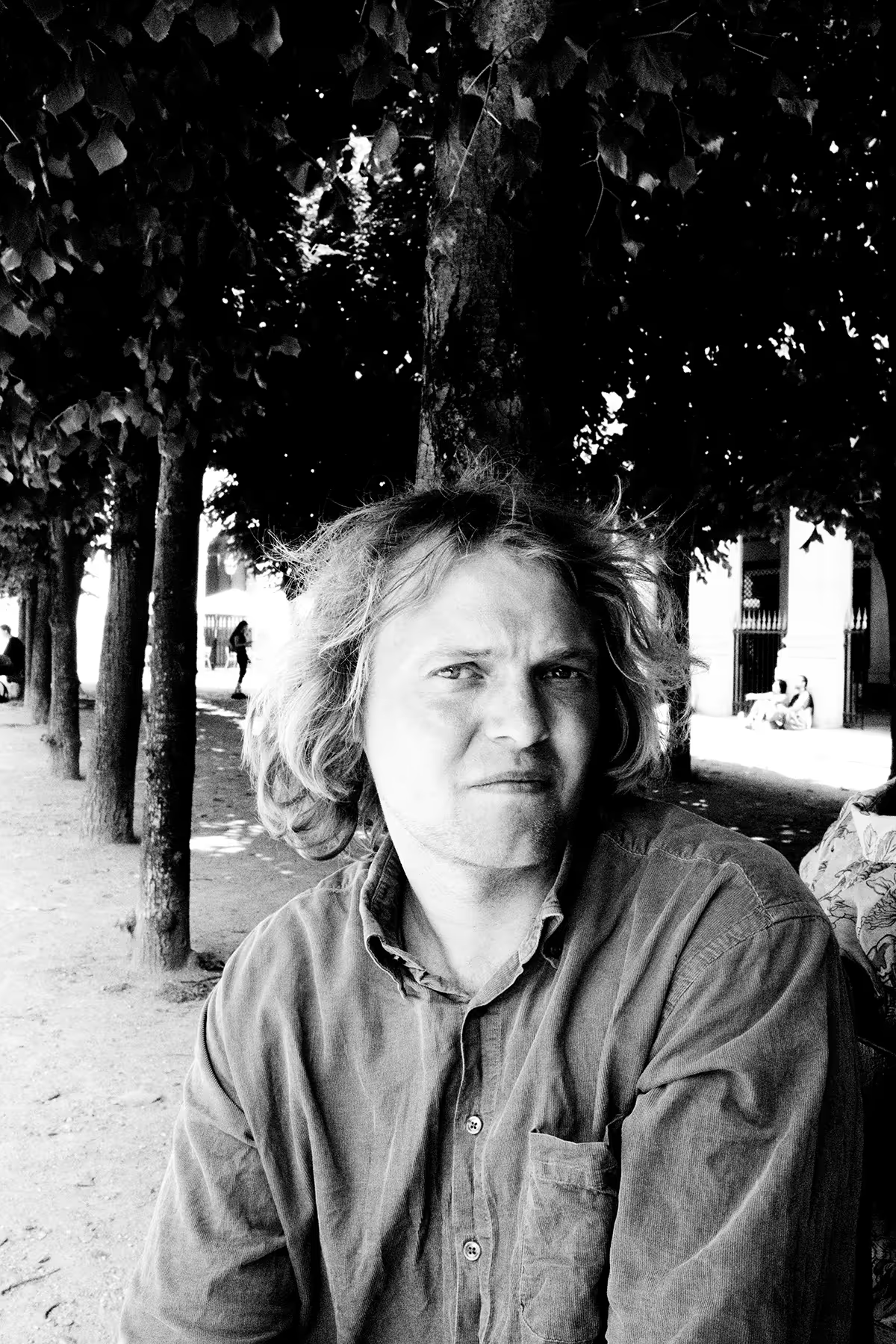
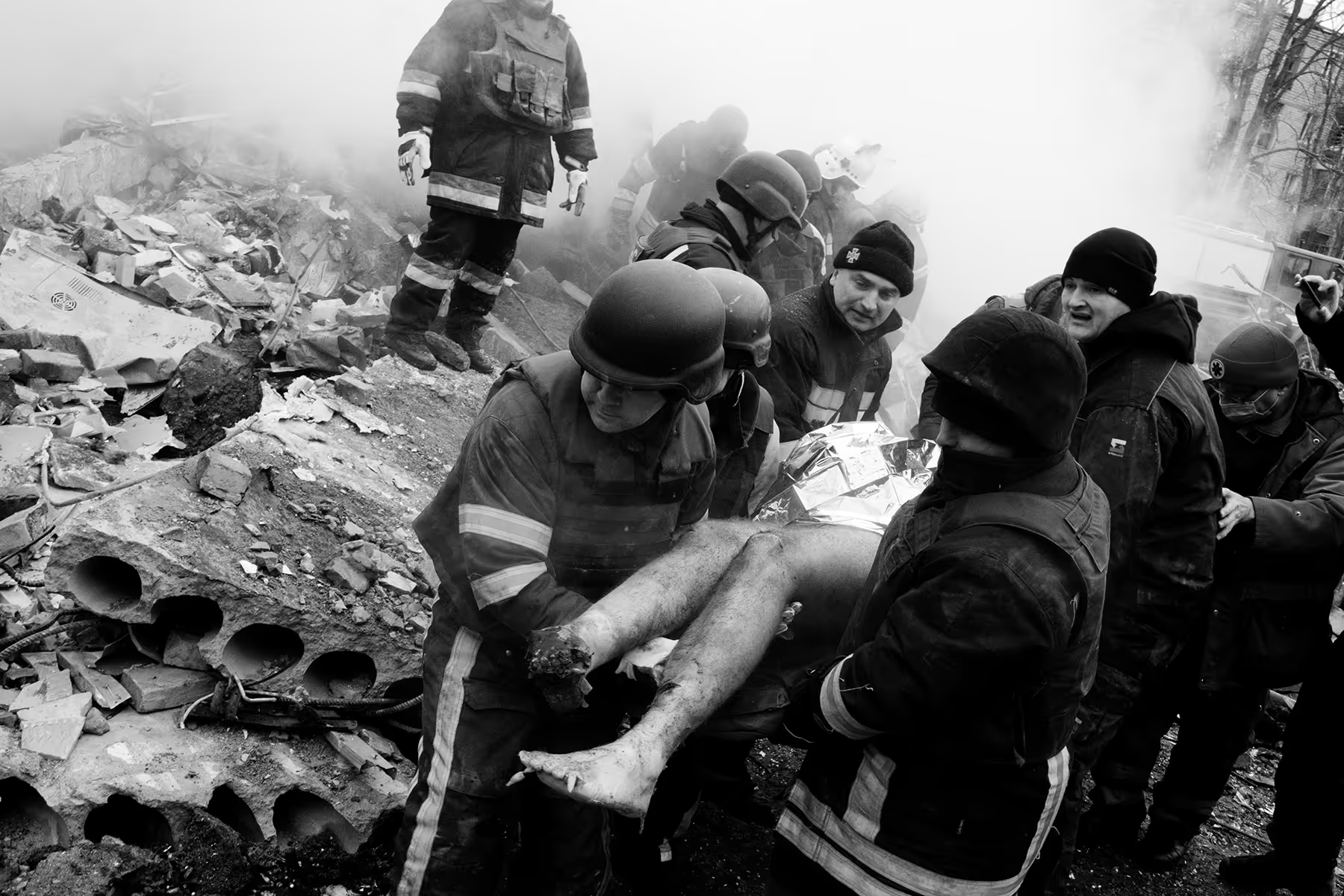
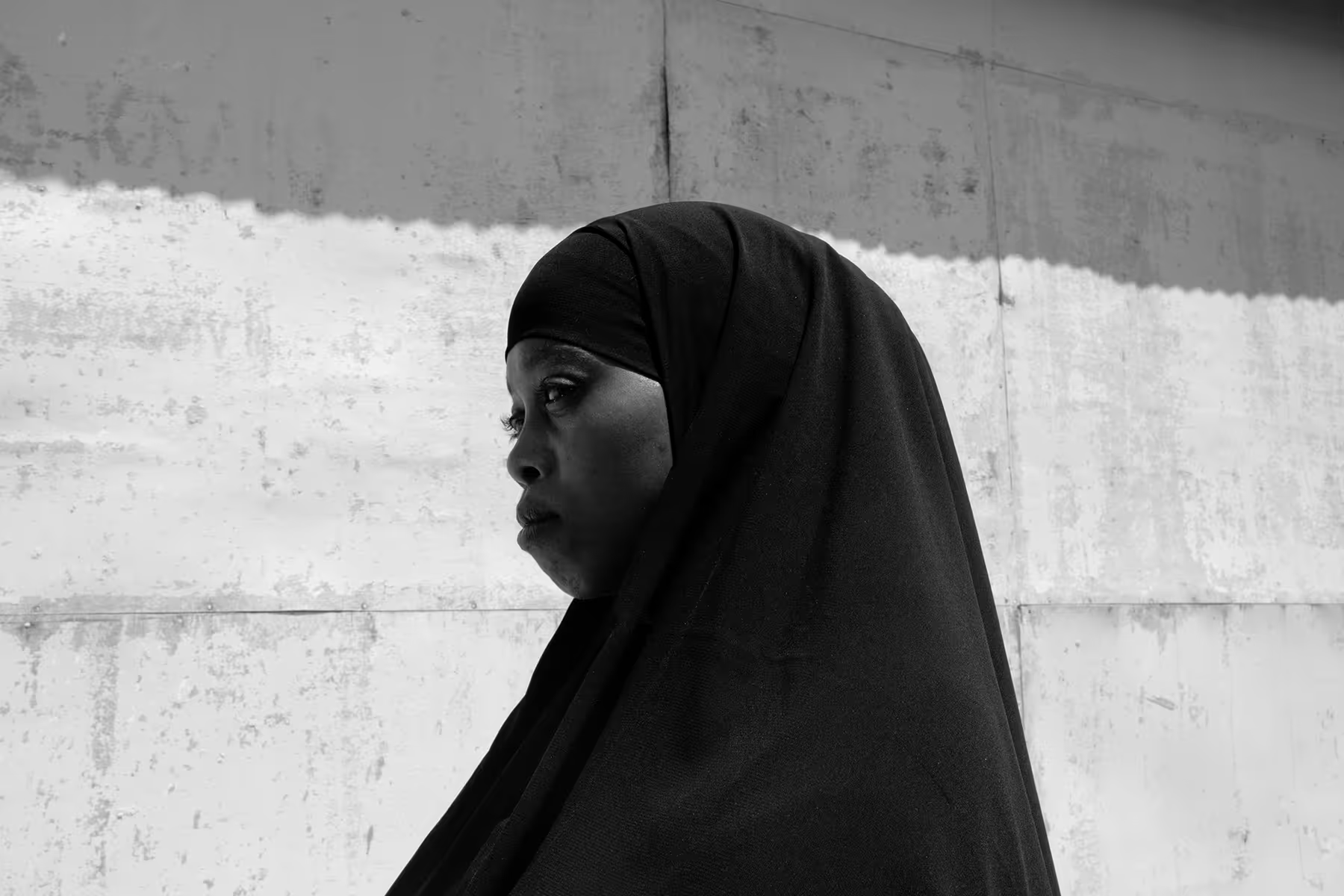
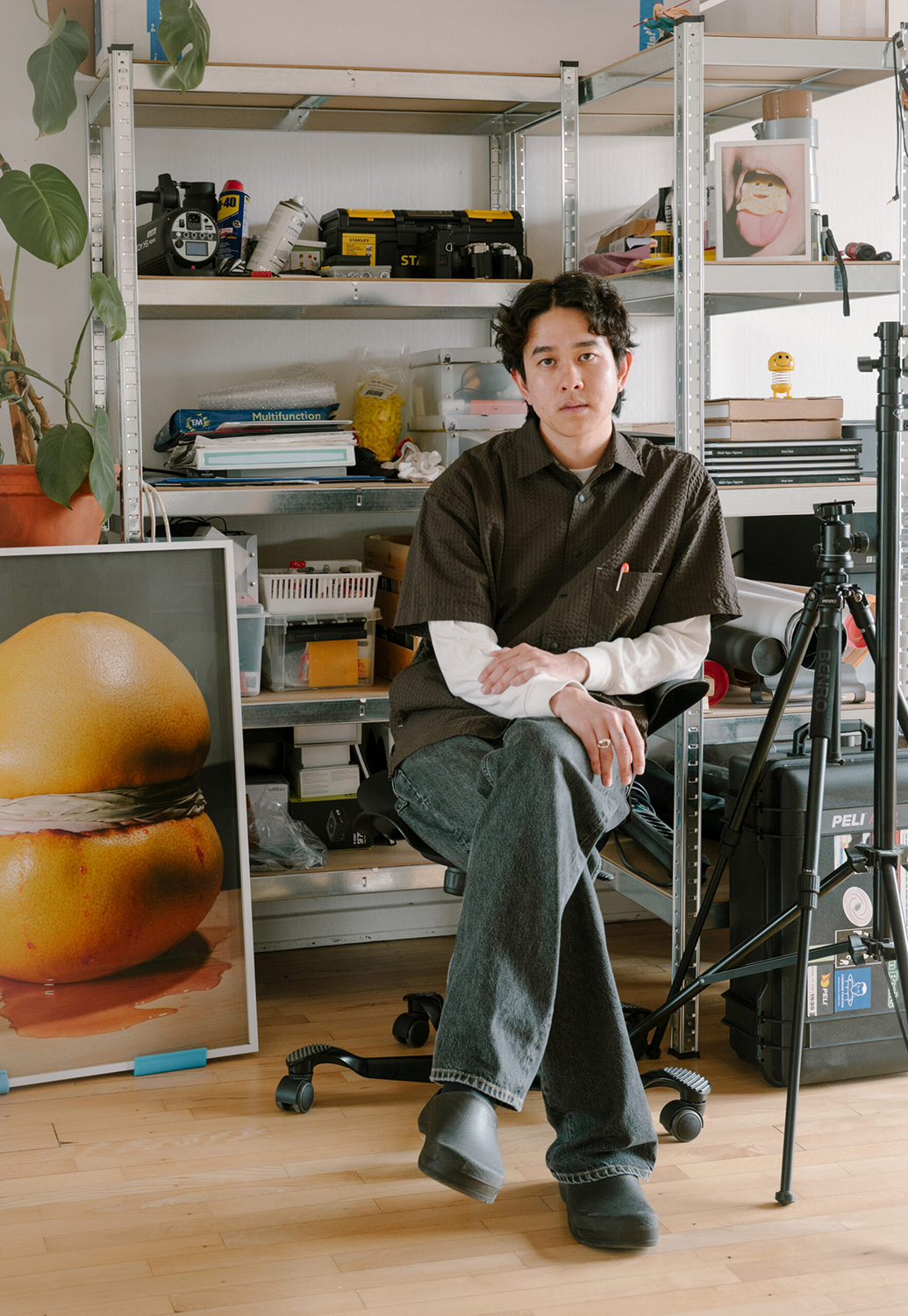
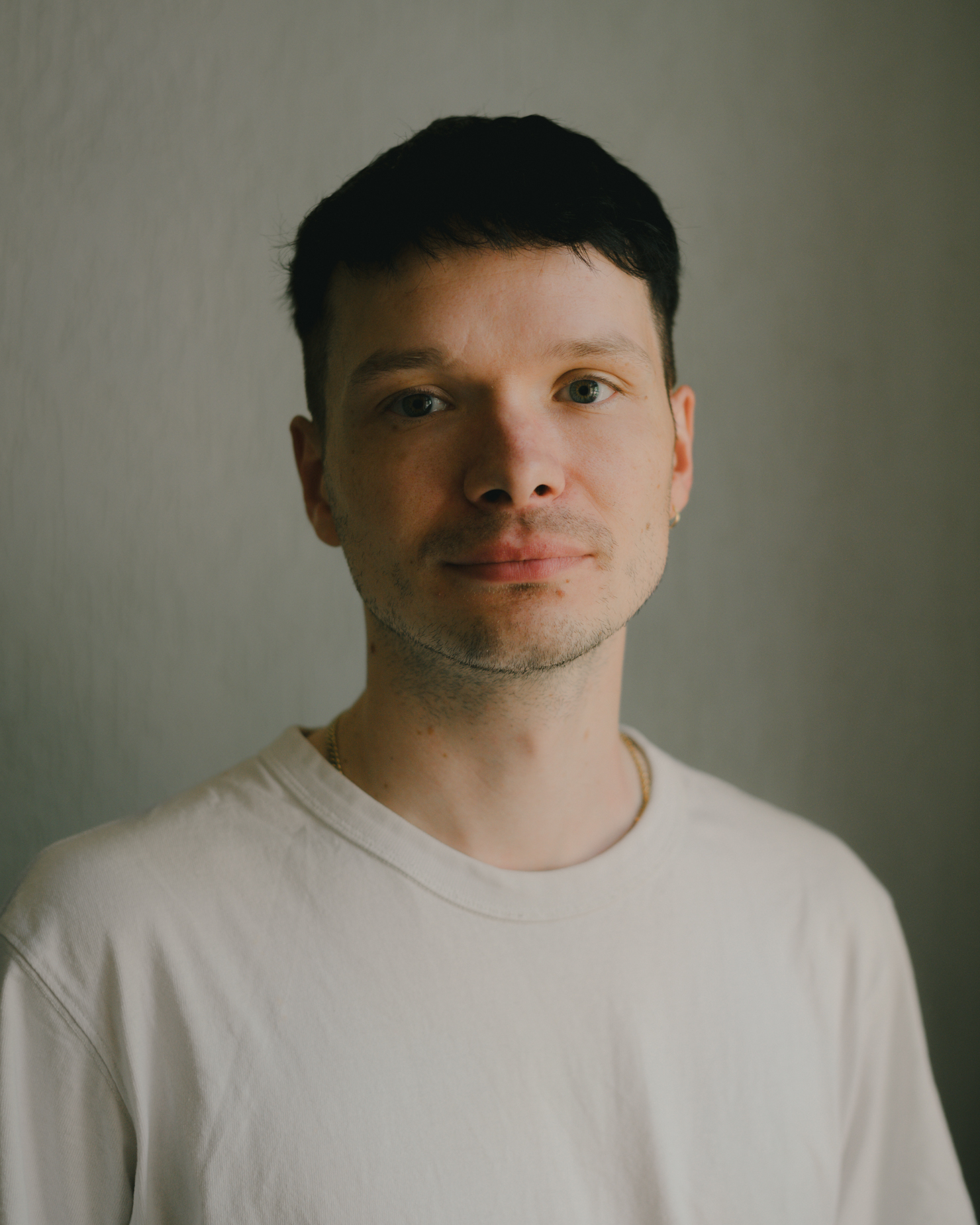
Pavle Nikolić (b. 2001, Niš, Serbia) works with photography and video, examining fundamental human tensions — authority and powerlessness, dominance and submission, aggression and passivity. He investigates how these opposing forces interact, using the constructive and transformative capacities of his chosen mediums to find the threshold at which they begin to turn into one another. Pavle studied applied photography at the University of Applied Arts in Vienna and fine art at the Beaux-Arts de Paris. He now lives and works in Paris.
Projects
2025

Knots

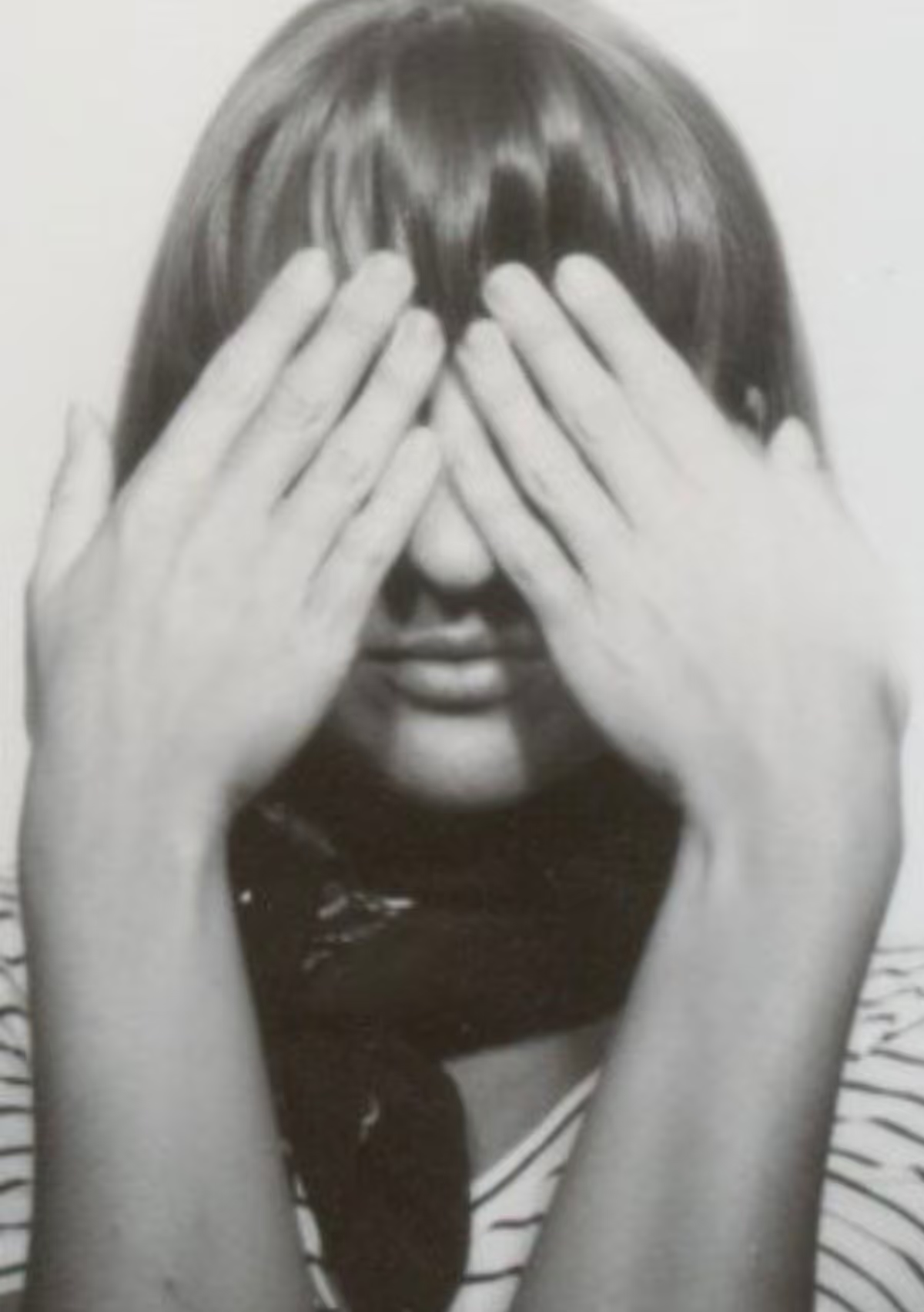
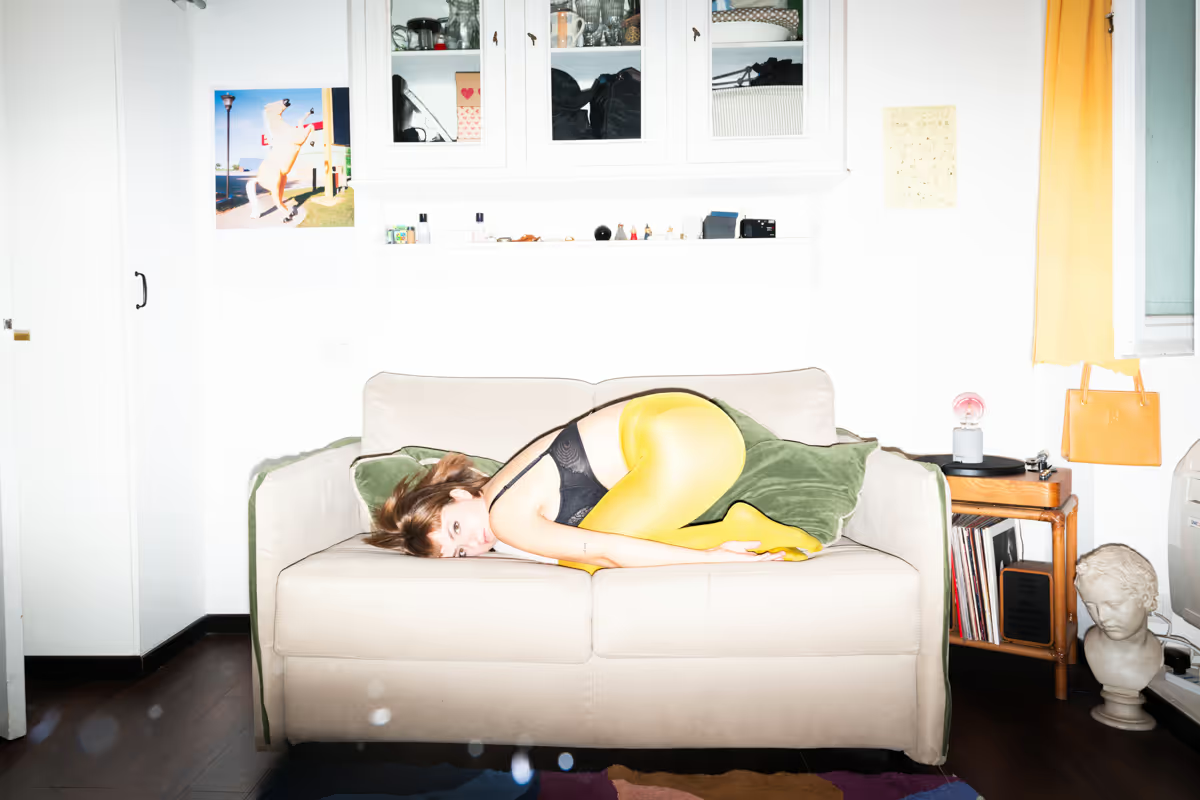
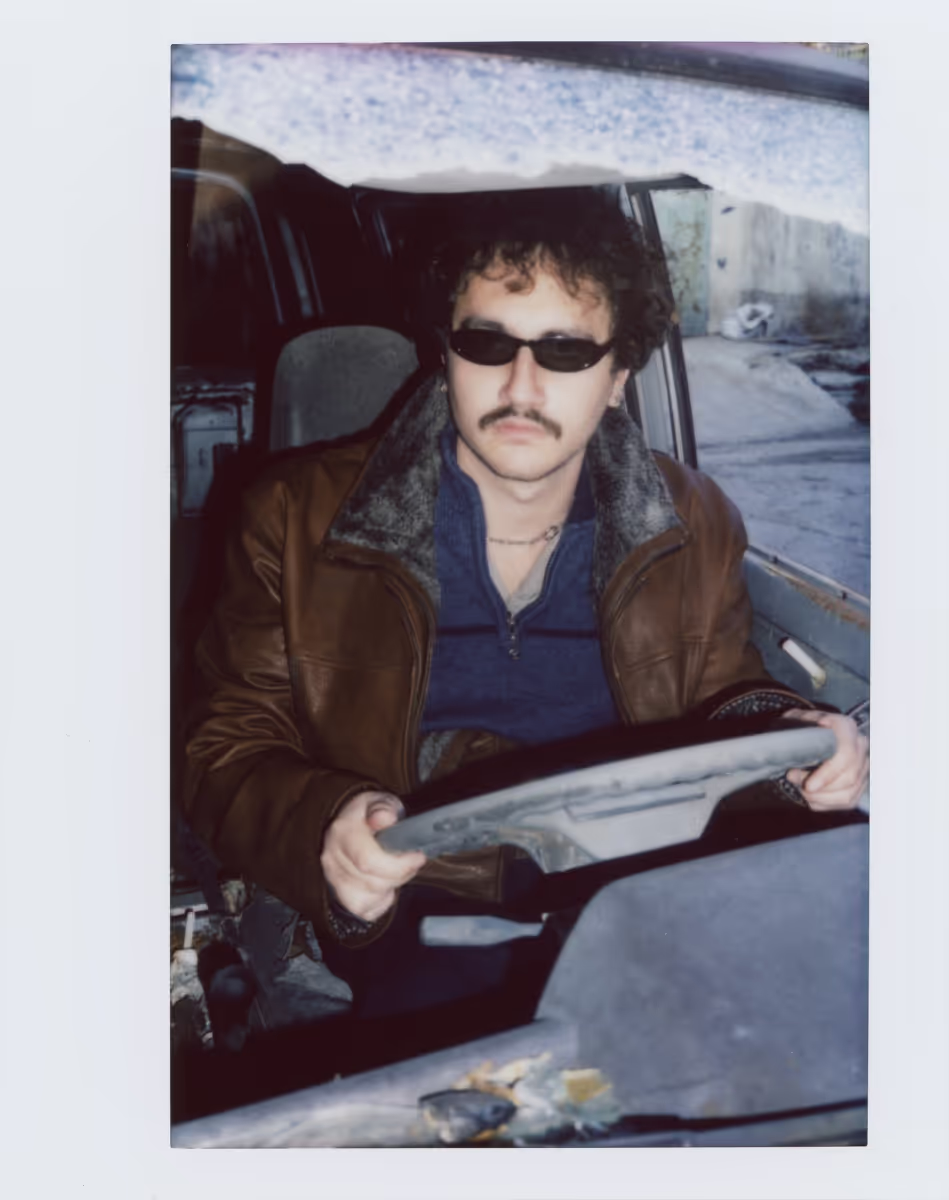
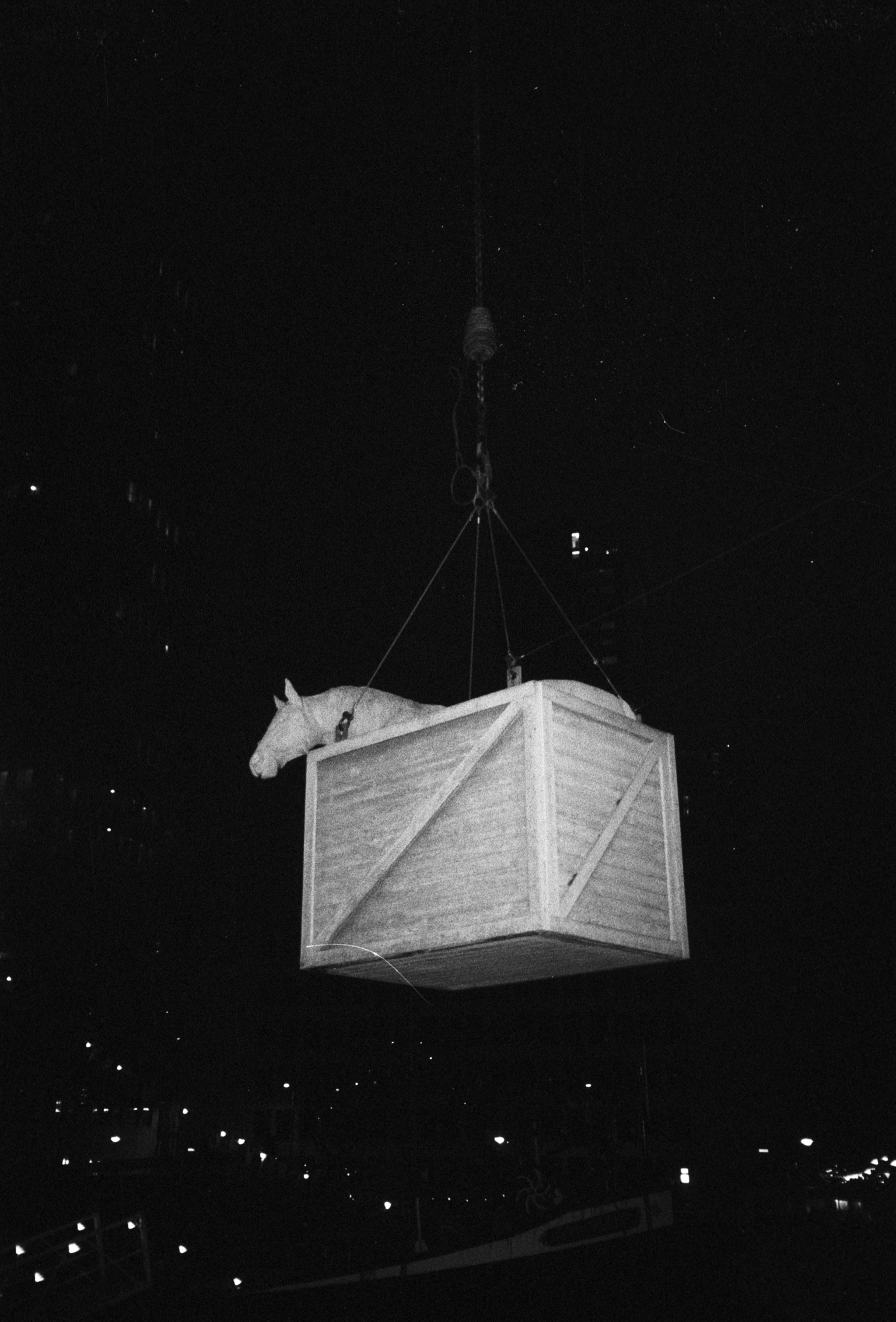
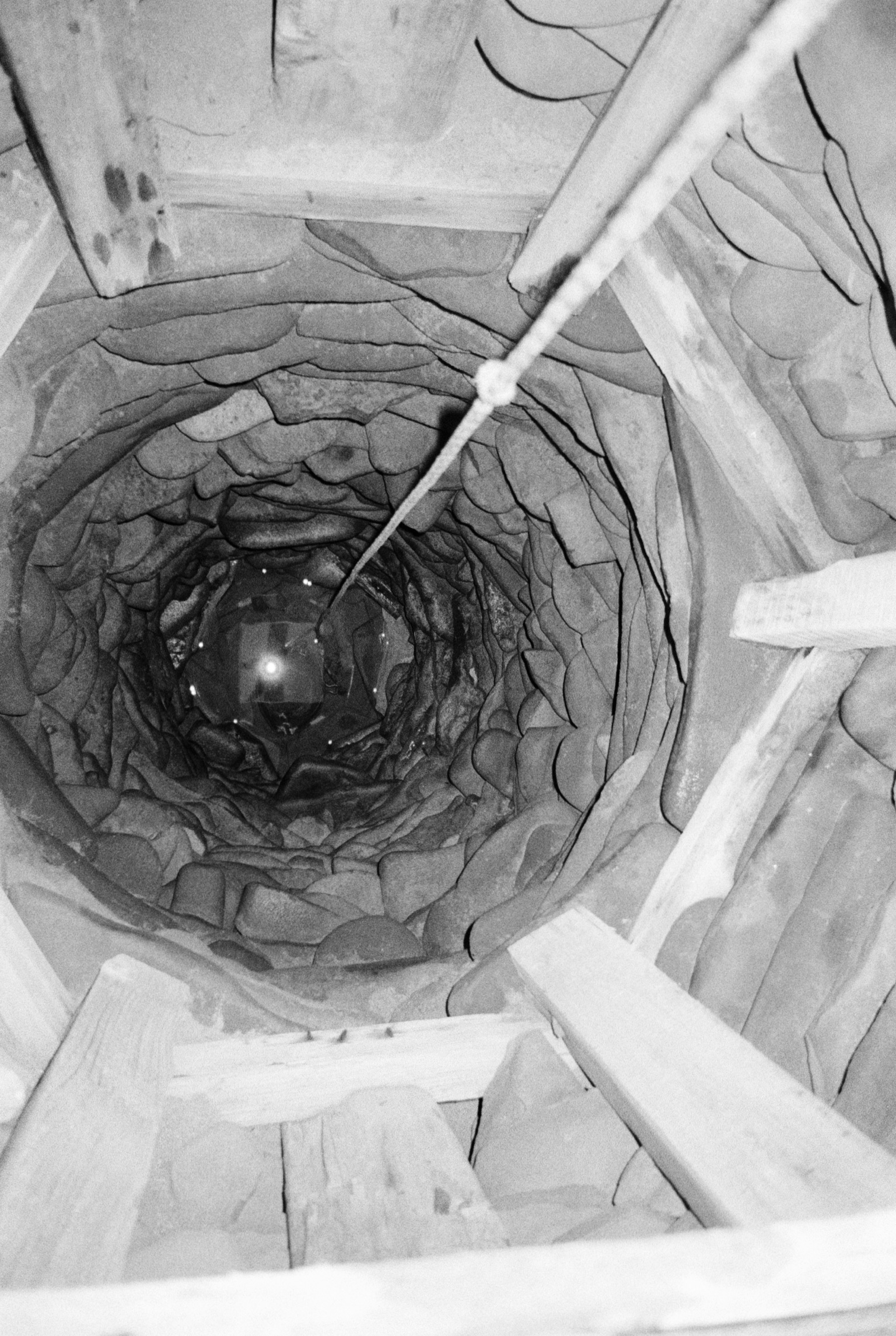
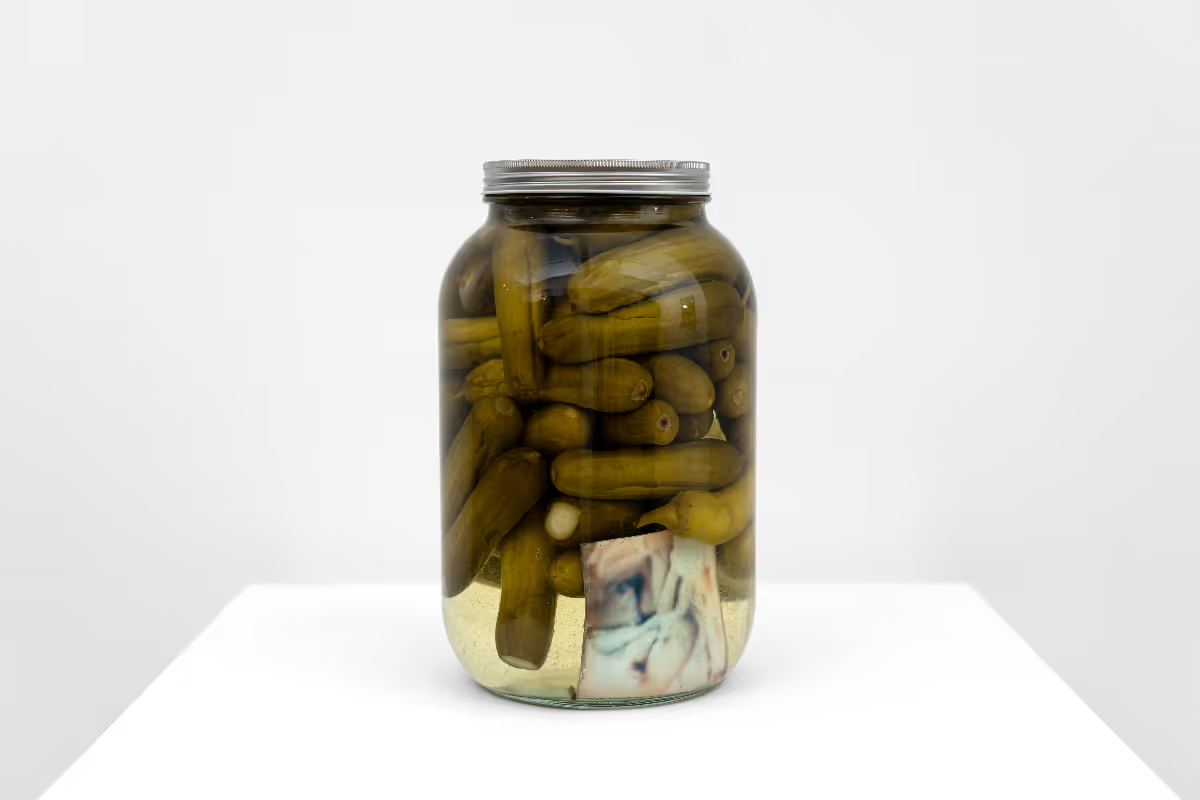
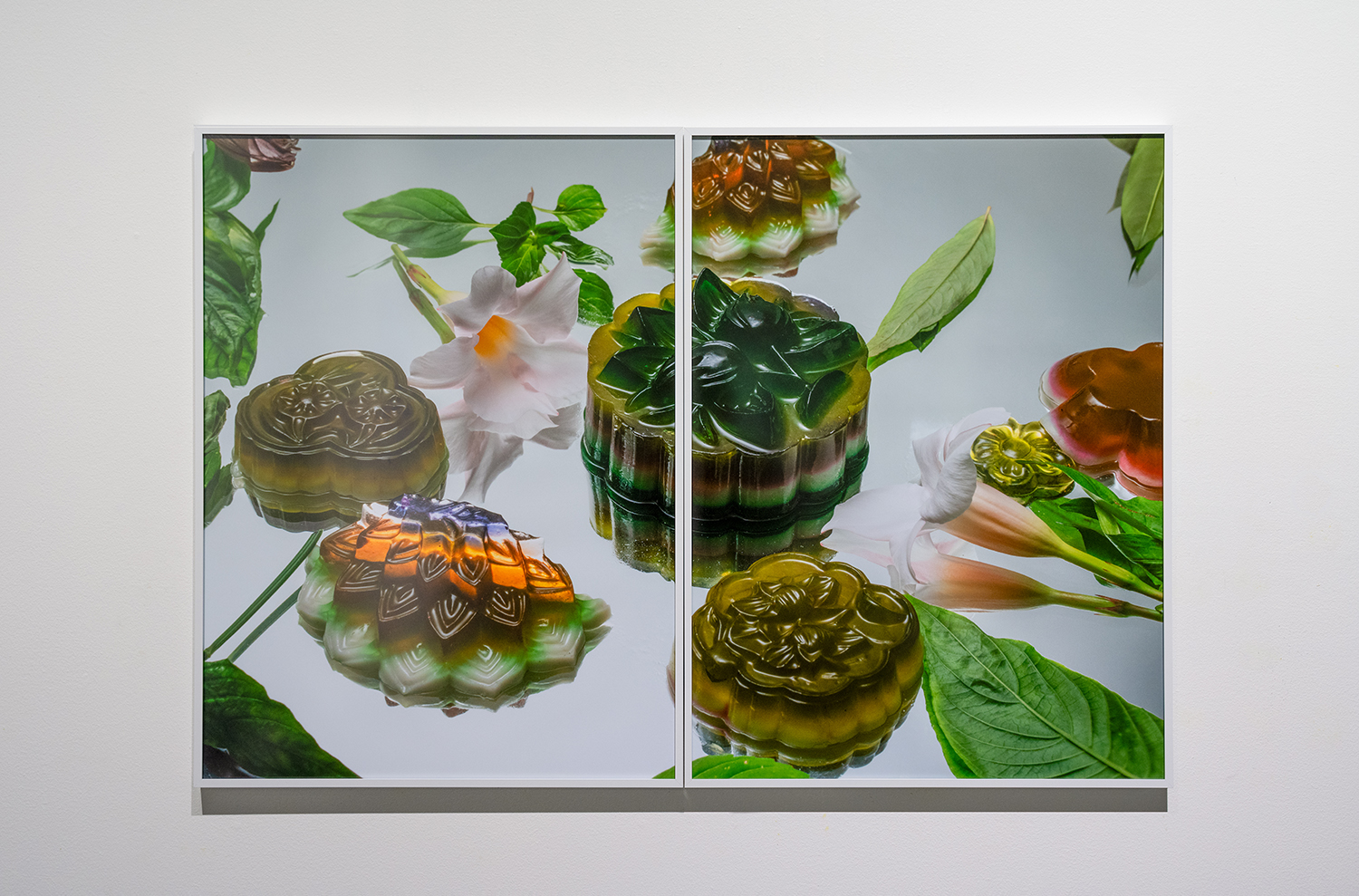
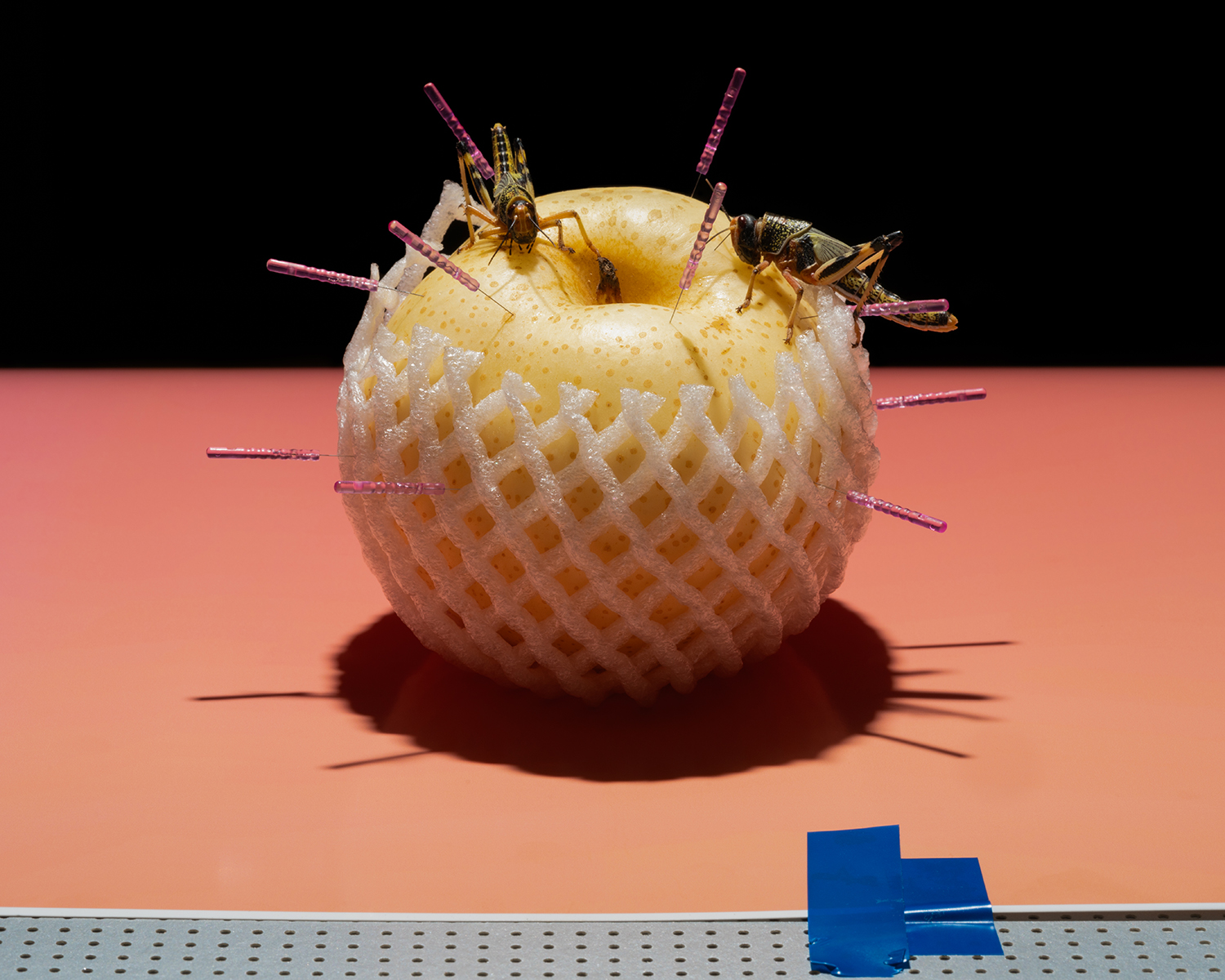
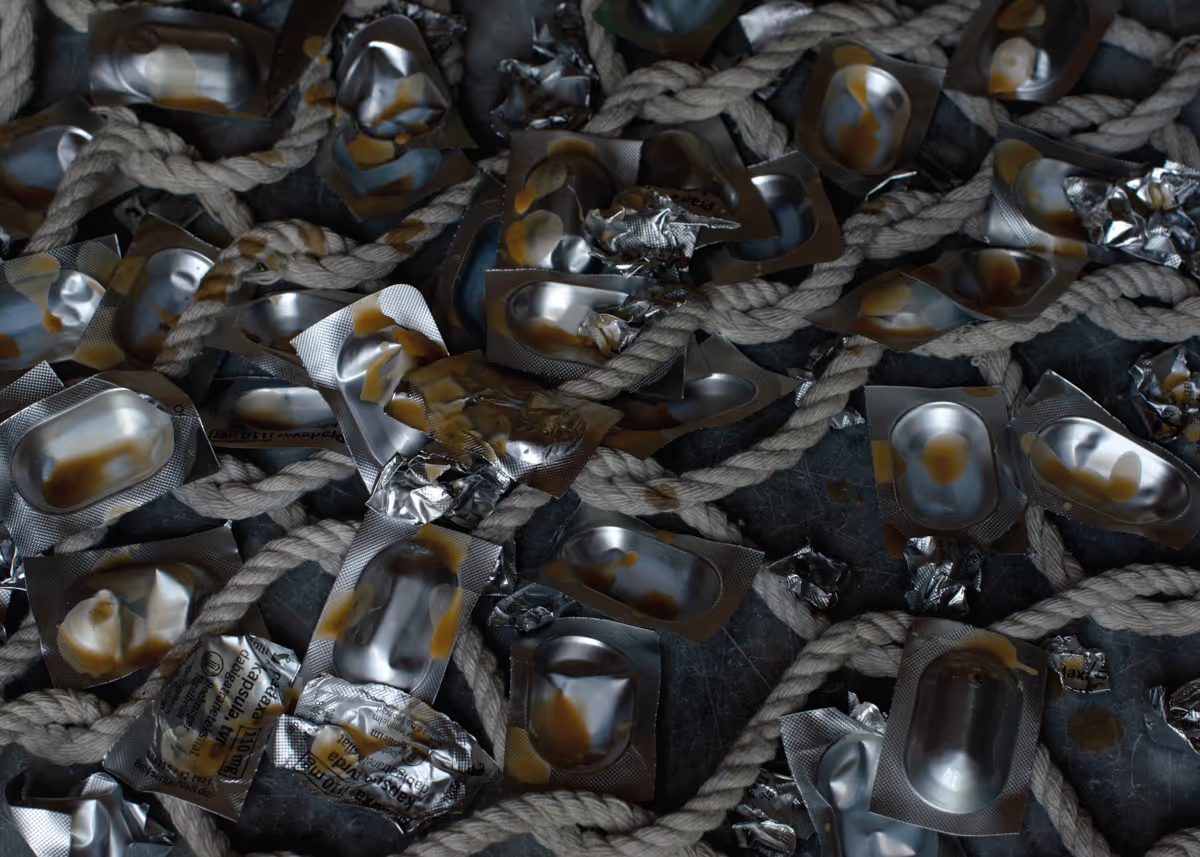
Compared to other life forms, knots display a concerning lack of interest in disguising the conditions of their undoing. Disaster is their trajectory. A totalizing and worldly allergy to integrity and permanence in time (without ulterior, otherworldly motives) that always leads to a series of asymmetrical exchanges: rewind and destination, discipline and supervision, precariousness and security, explicit and prudish, letting loose and holding together. Their bodily counterparts can be easily spotted: fabrics, subjection and subjectification, tangled hair, lapsus, crossed fingers, the folding of protein, DNA, crossroads, intercourses, crossed eyes, a barely choreographed eternal return (you know that image of the snake channeling the dog inside of itself and biting its own tail? something similar to that). The “true” knot is a topology without allegiance to its host, a machinic hermeticism that treats matter as an interchangeable substrate. Rope, the hair, the chain — only the soft tissue of its embodiment. Its loops are not “forms” but encrypted instructions. The knot does not so much exist as it executes itself, performing a series of operations whose end-state is already written into their inception. Each (knot) stages a micro-extinction event, where the end is not a catastrophe but a banal unbinding into other forms. Considered under this half-gnostic, half-winterly light, the knot is not the solution but a fleeting condensation of a problem that is older than life and will outlast it — the problem of how to hold together what will inevitably come apart. Edited extracts of a text by Davide Andreatta
Pavle Nikolić
was nominated by
Organ Vida
in
2026
Show all projects
Each year every member of the FUTURES European Photography Platform nominates a set of artists and projects to become part of the FUTURES network.

Glorija Lizde’s I Swallowed My Dream revisits nineteenth-century psychiatric photography, exposing the power relations embedded in medical archives of hysteria. By re-enacting historical images and positioning herself as both photographer and subject, Lizde disrupts the authority of the clinical gaze reclaiming suppressed female histories. If Lizde interrogates the institutional archive, Hana Selena Sokolović turns to the fragile, familial one. In Dear Orchid, she departs from a family diary written during the Bosnian War, the only remaining record of her sisters’ displacement. Returning to the places traced in the diary, Sokolović treats the archive as something embodied and transmitted across generations.

Nik Erik Neubauer’s White Smoke, Brown Glare observes New York City as a site of aspiration and inequality. Through street photography and diaristic wall texts, the work captures everyday life shaped by gentrification and hyper-capitalism, while foregrounding small communities as spaces of resistance, warmth, and survival.

Tjaša Kalkan is equally interested in different urban dynamics visible in the orchestrated environment of a construction site. Her focus remains on a single case study - voyeuristic observation of construction of a new residential building in her area. In the work DUET she juxtaposes the construction of a new residential building with the decay of her own modernist high-rise. Through this parallel documentation, the work reflects on impermanence, labor, and time, resisting linear narratives of progress.

Kalkan's poetic tale of impermanence resembles the conceptual framework of Pavle Nikolić's project Knots. His work observes creation and decay from a more abstract and material register. Knots appear here not as metaphors but as operations - sites where tension, dependency, and collapse are staged in miniature. Refusing ideals of integrity or permanence, the knot exposes its own conditions of undoing. It binds and incubates, accumulating residue, memory, and excess.

The members of the jury:

Barbara Gregov

Lovro Japundžić

tjLea Vene

Tia Čiček, curator

Natalija Paunić, curator
Newsletter