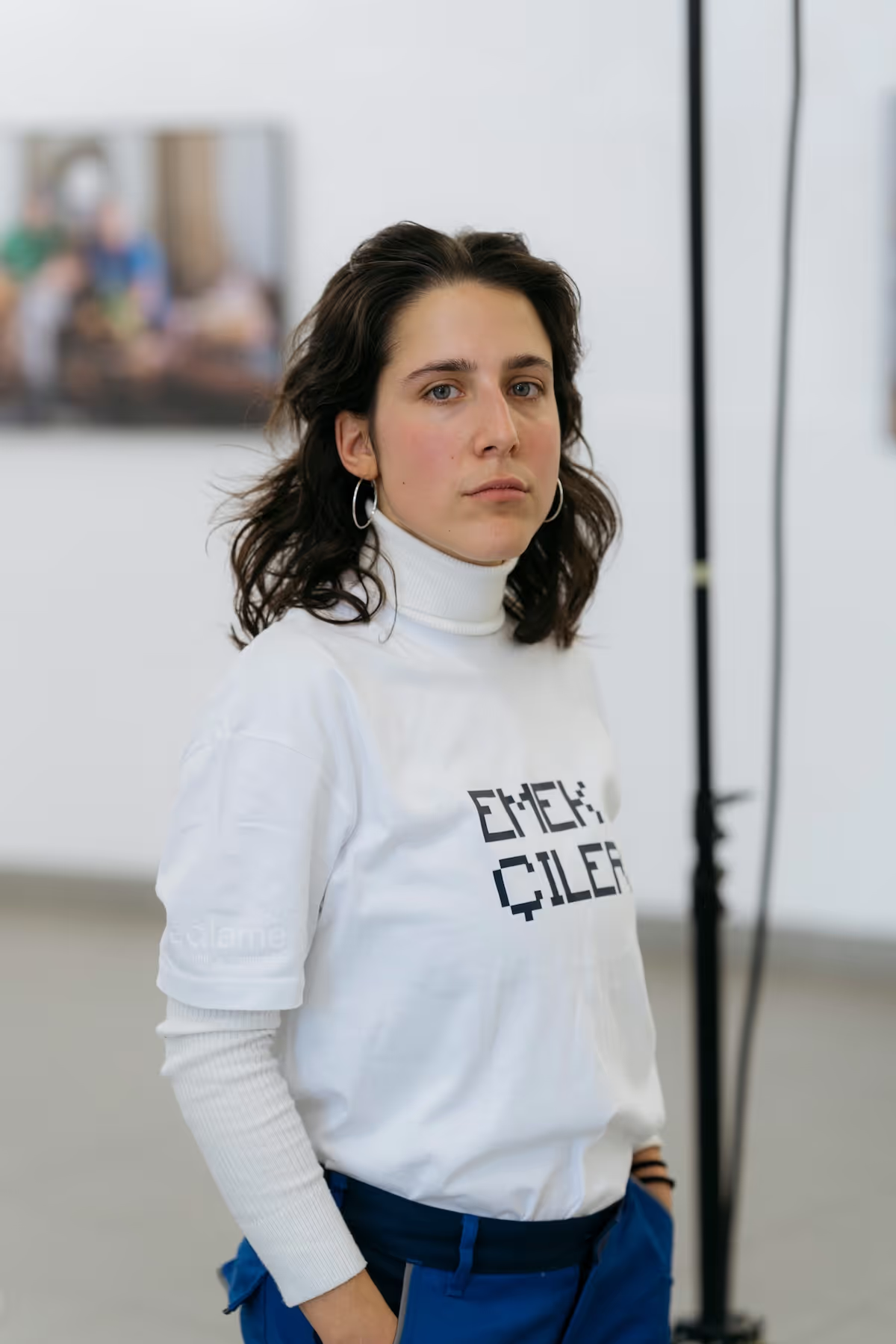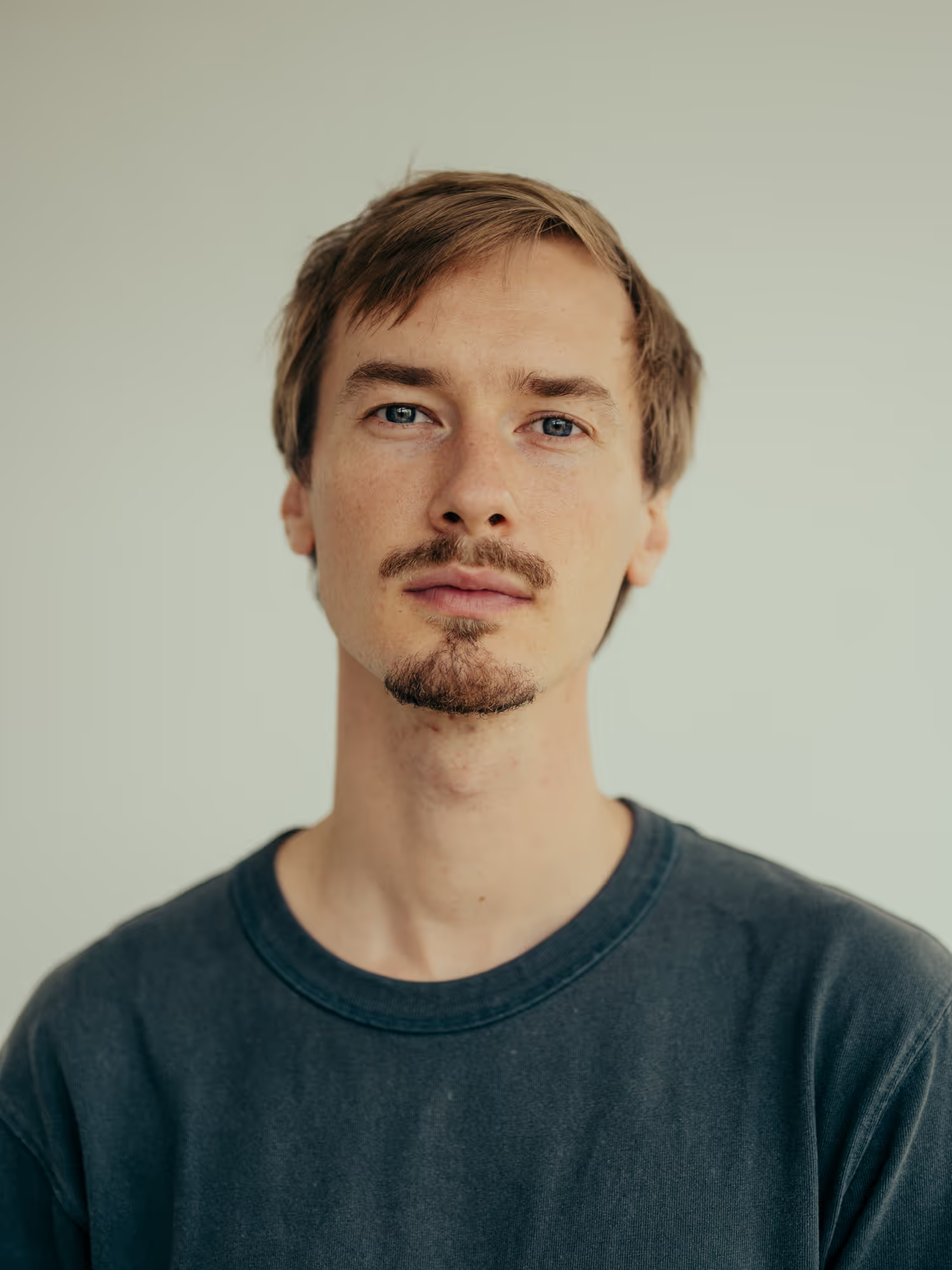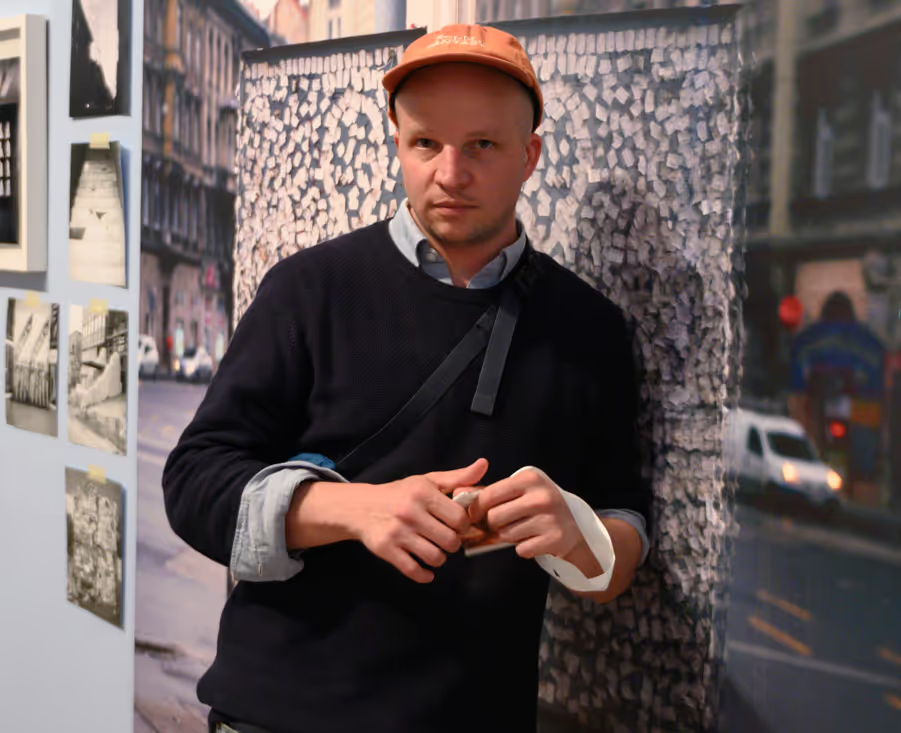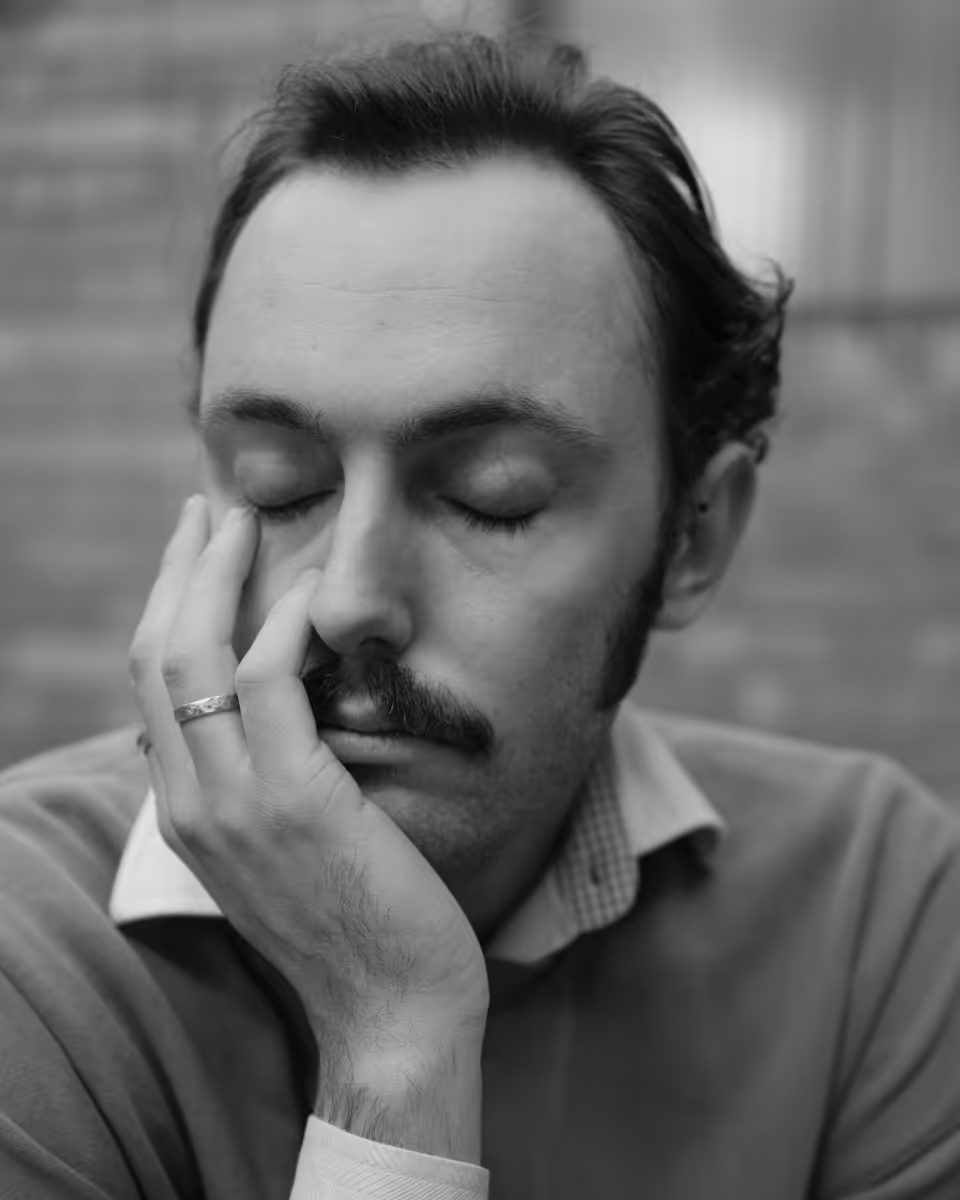
Artist
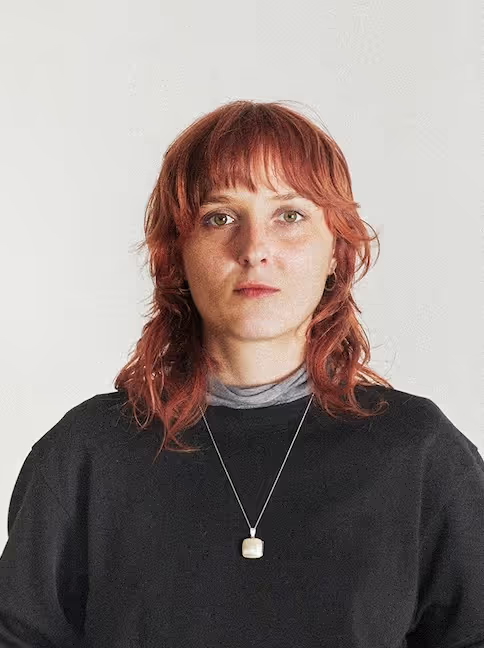
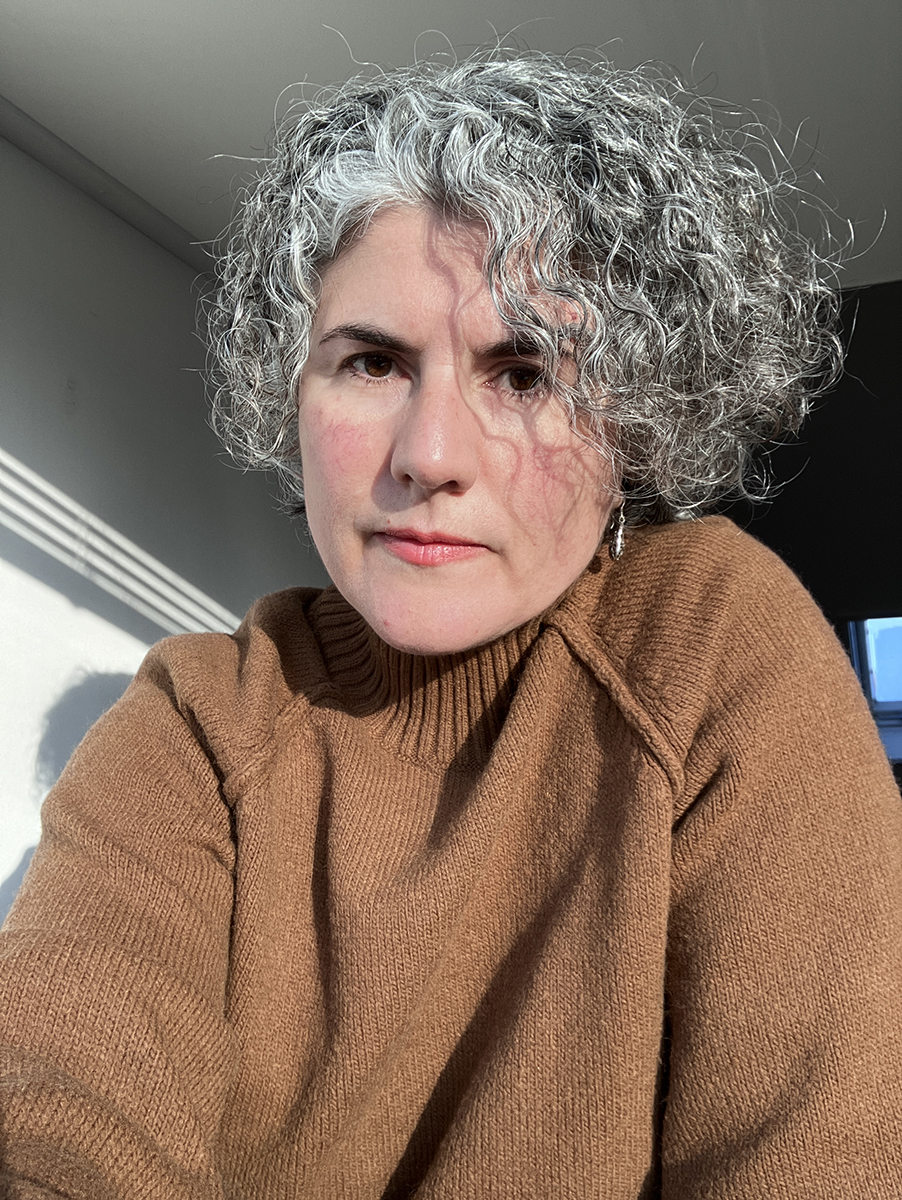
Camille Poitevin
Puzzling
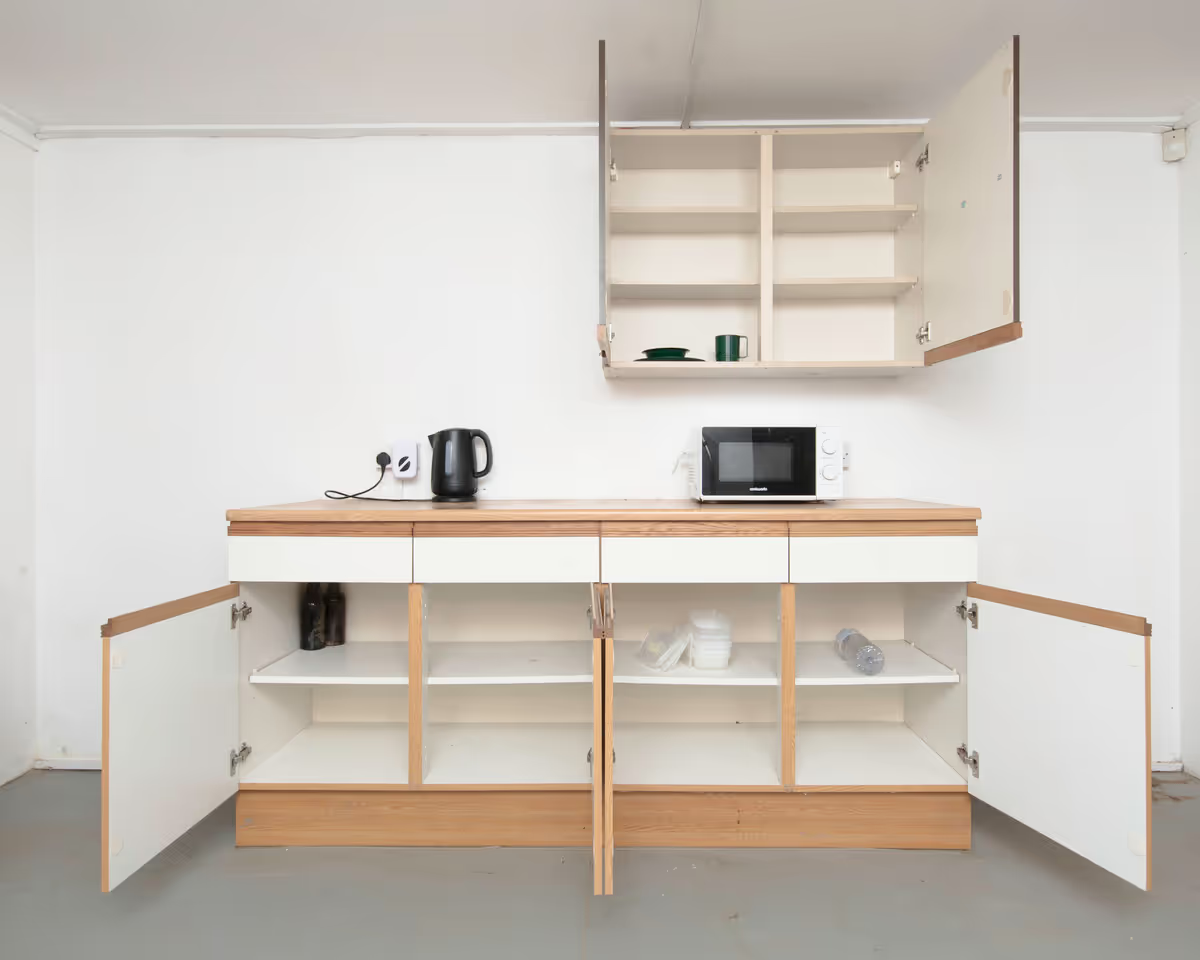
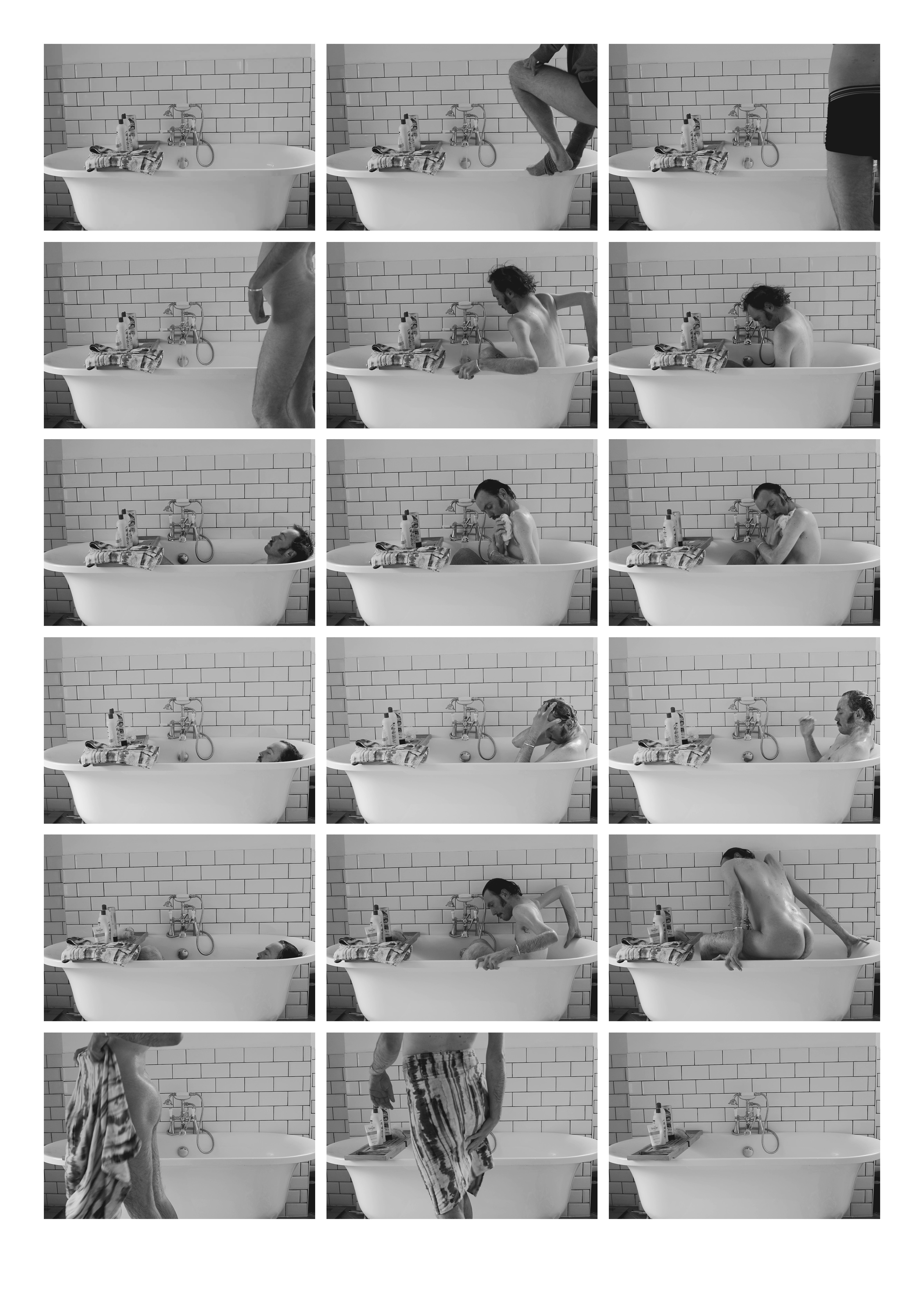
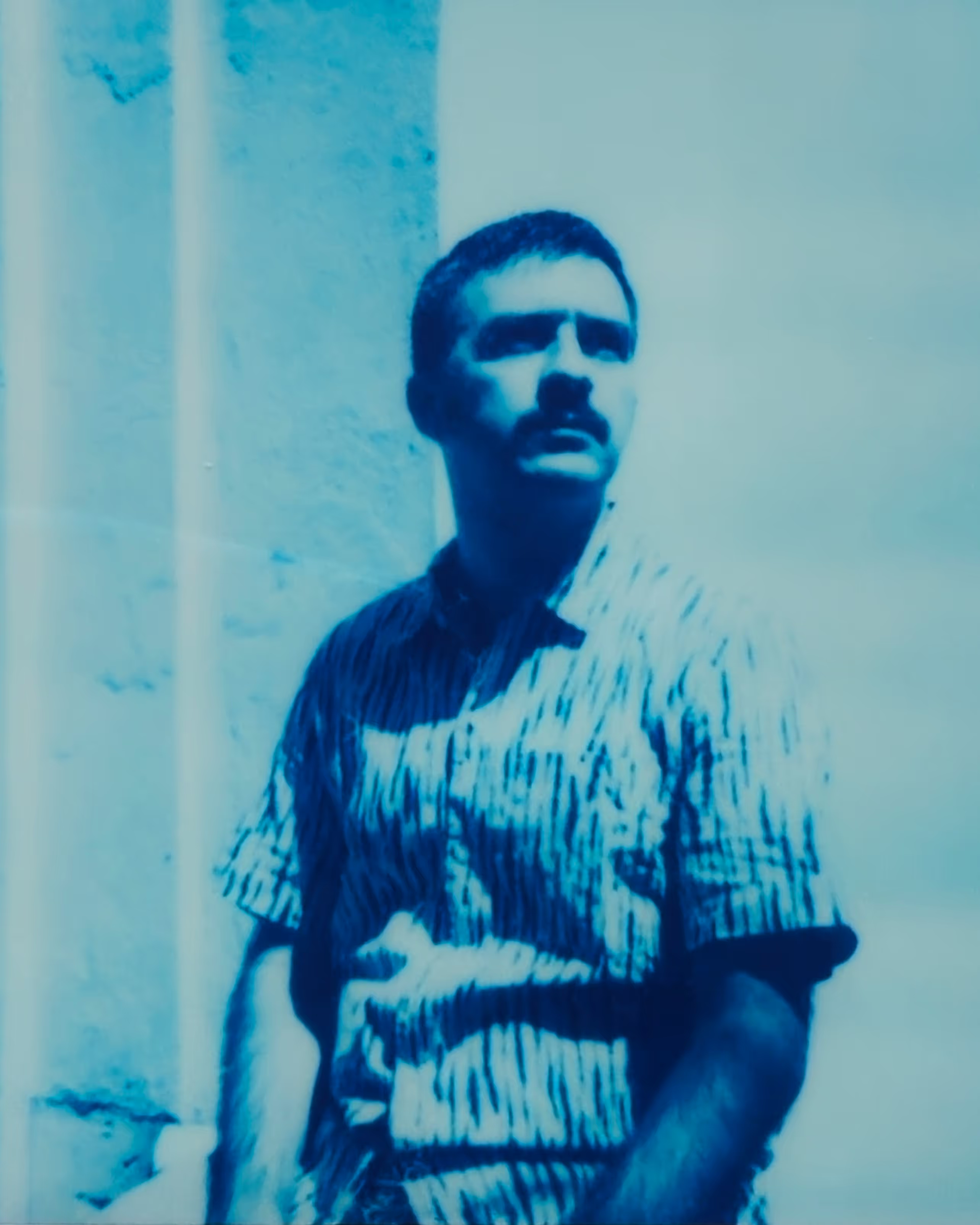
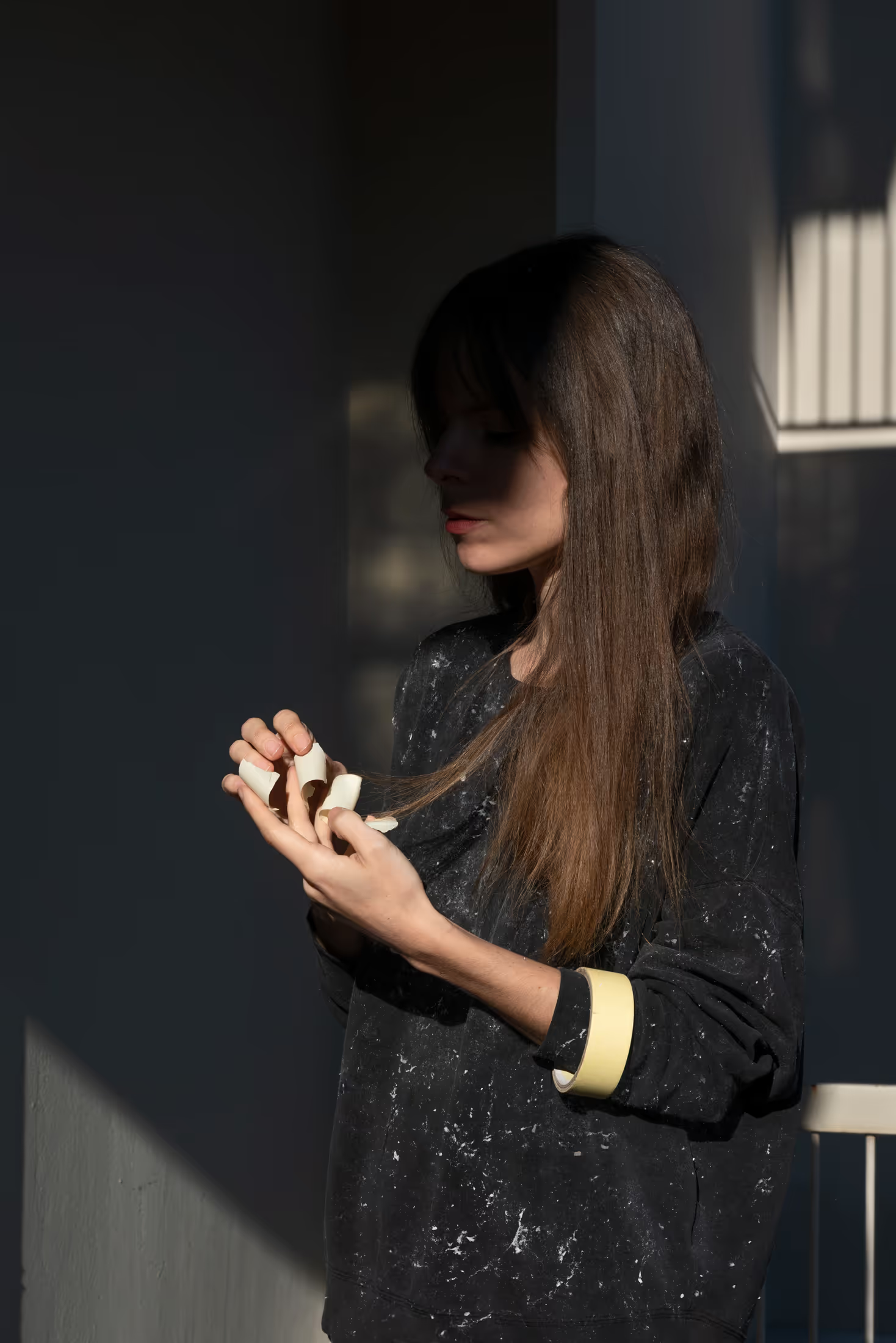
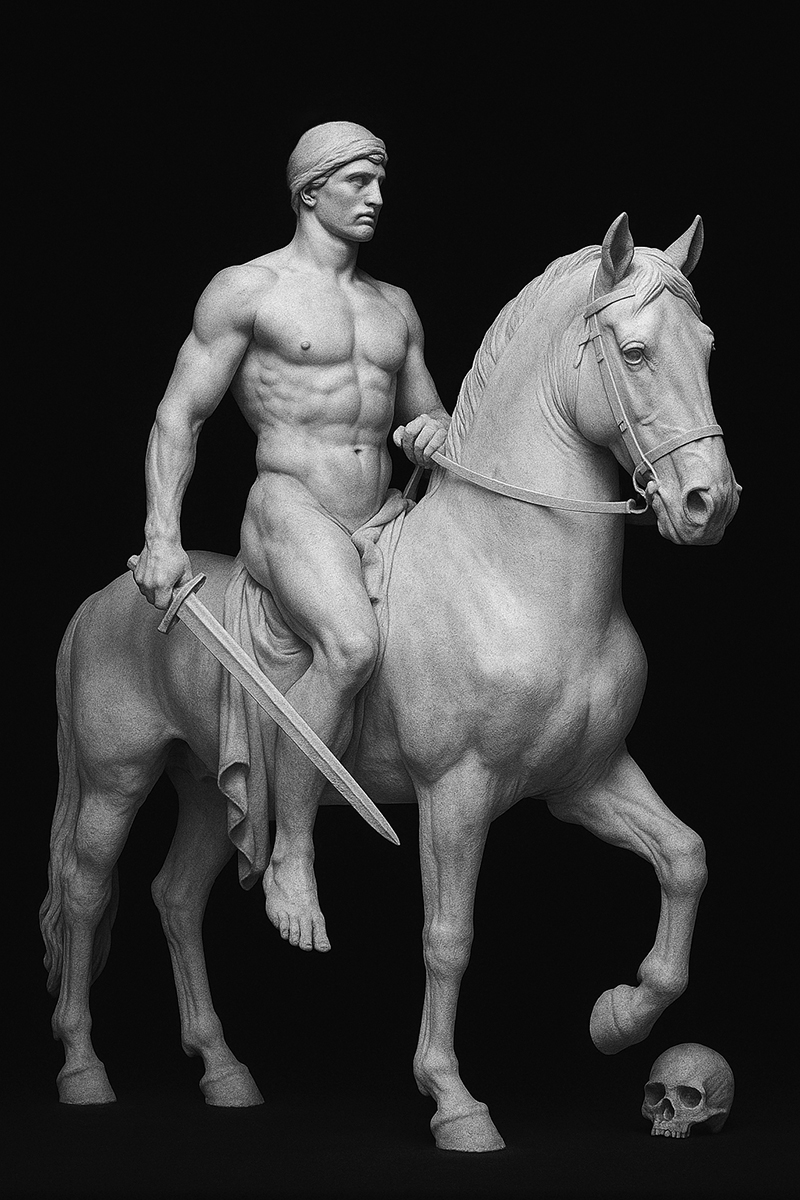
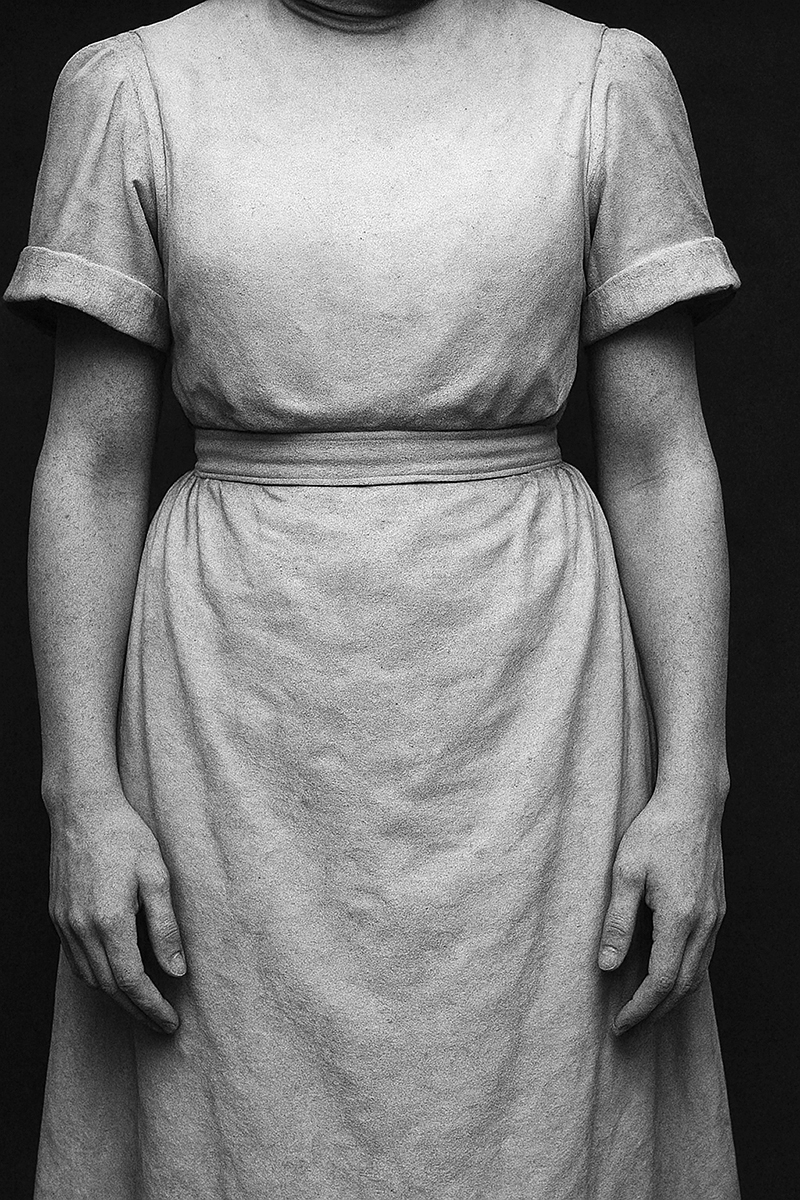
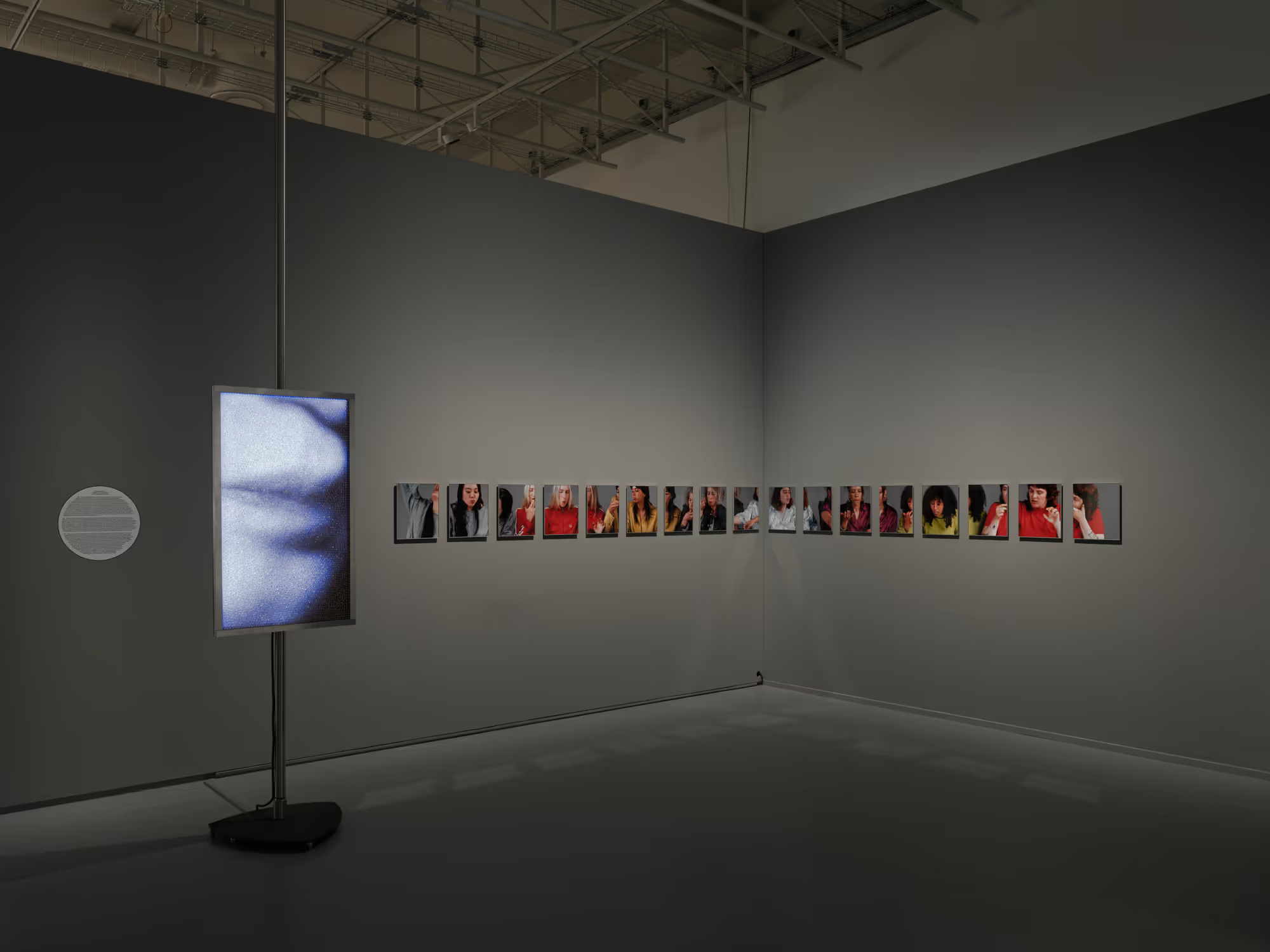
Driven by the desire to provoke introspection rather than satisfy a need for contemplation, Camille Poitevin seeks to tame and subvert various techniques and mediums in order to use them in a personal and critical way. Drawing from sociological and feminist theories, her approach aims to reveal the invisible structures that shape our perceptions and behaviors, particularly under the influence of what sociologist Zygmunt Bauman terms the "liquid society" – a world dominated by consumption and immediacy, where everything becomes unstable. Her work sheds light on the emotional, relational, and identity-related contradictions and tensions that result, often exacerbated by social norms and collective pressures. It also raises questions about the value attributed to objects and images in a society where excess is normalized and drowned in the mass. Through her art, Camille Poitevin invites a critical pause, a moment of reflection on the ephemeral and the invisible, on what is seen and what remains hidden, while also questioning the durability of that which, nevertheless, dissolves quickly.
Picture Element
States of an Eating Self
FOMU invites three external jurors to help select the artists. This year’s jury consisted of Laure Cottin Stefanelli (artist and .tiff 2019 participant), Bindi Vora (curator, Autograph in London) and Koi Persyn (curator and artistic director at Jester in Genk).
The jury made the selection based on the Fomu criteria:
1. Contemporary relevance
Everything we do is topical and relevant to modern society. We deliberately choose historical and contemporary subjects and projects that are interesting and relatable to a modern audience. We encourage reflection on societal issues and contribute to the prevailing social discourse.
2. Multivocality
We opt for subjects and projects that offer a multifaceted perspective on photographic imagery and the world. We also actively seek out and hold space for different views and perspectives and encourage the representation and involvement of creators from underrepresented communities and backgrounds.
3. Critical reflection on the medium and its evolution
Photography and reality have a multifaceted relationship. We are interested in the mechanisms of photography and deliberately work with photographers who critically engage with the medium or its history and are aware of artistic-conceptual positions and visual language.
4. Ethical position
Due to its complex relationship with reality, photography inevitably raises ethical questions. We are keenly aware of the context in which images emerge and exist. As a result, we always consider the intention and impact of images. We approach all images with the necessary caution and contextualise them within their historical context.
Fomu invited fellow Futures members to be part of the jury that would pick four artists from ten to join the Futures program. The jury consisted of Angel Luis Gonzales & Julia Gelezova of Photo Ireland and Daria Tuminas & Yusser al Obaidi of Fotodok.