Artist
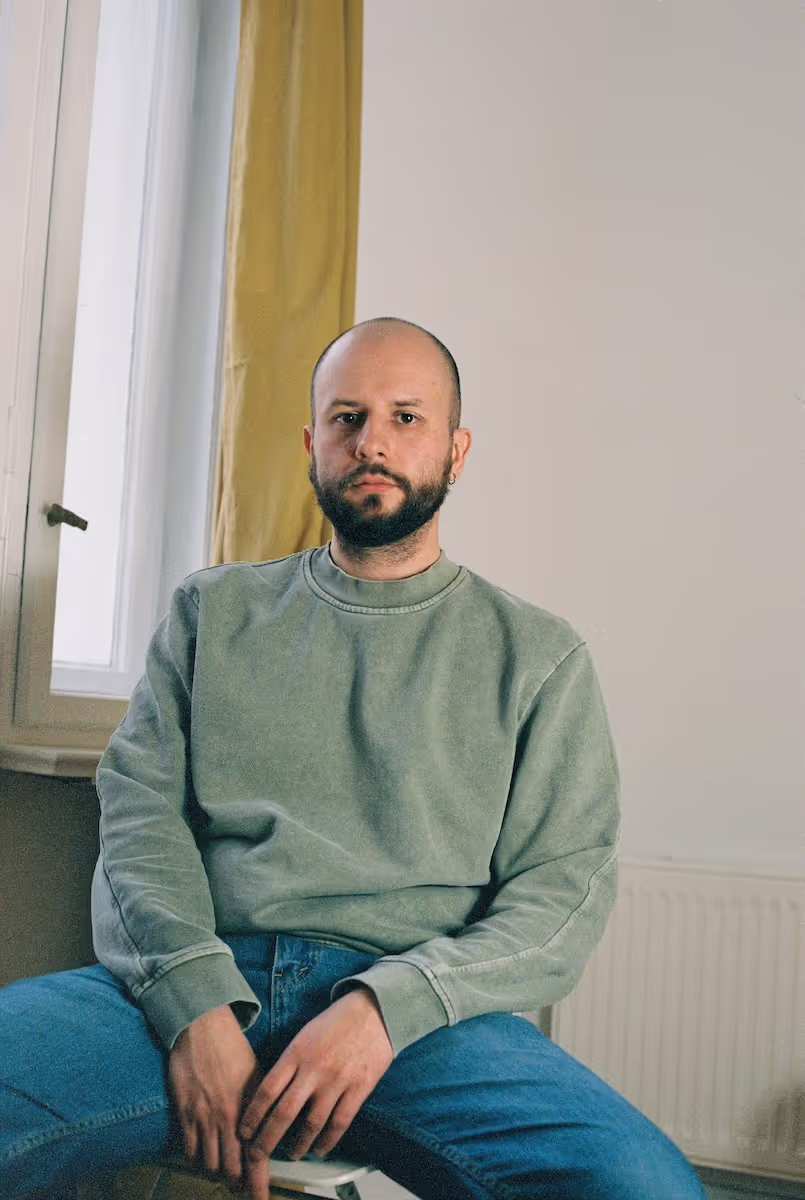
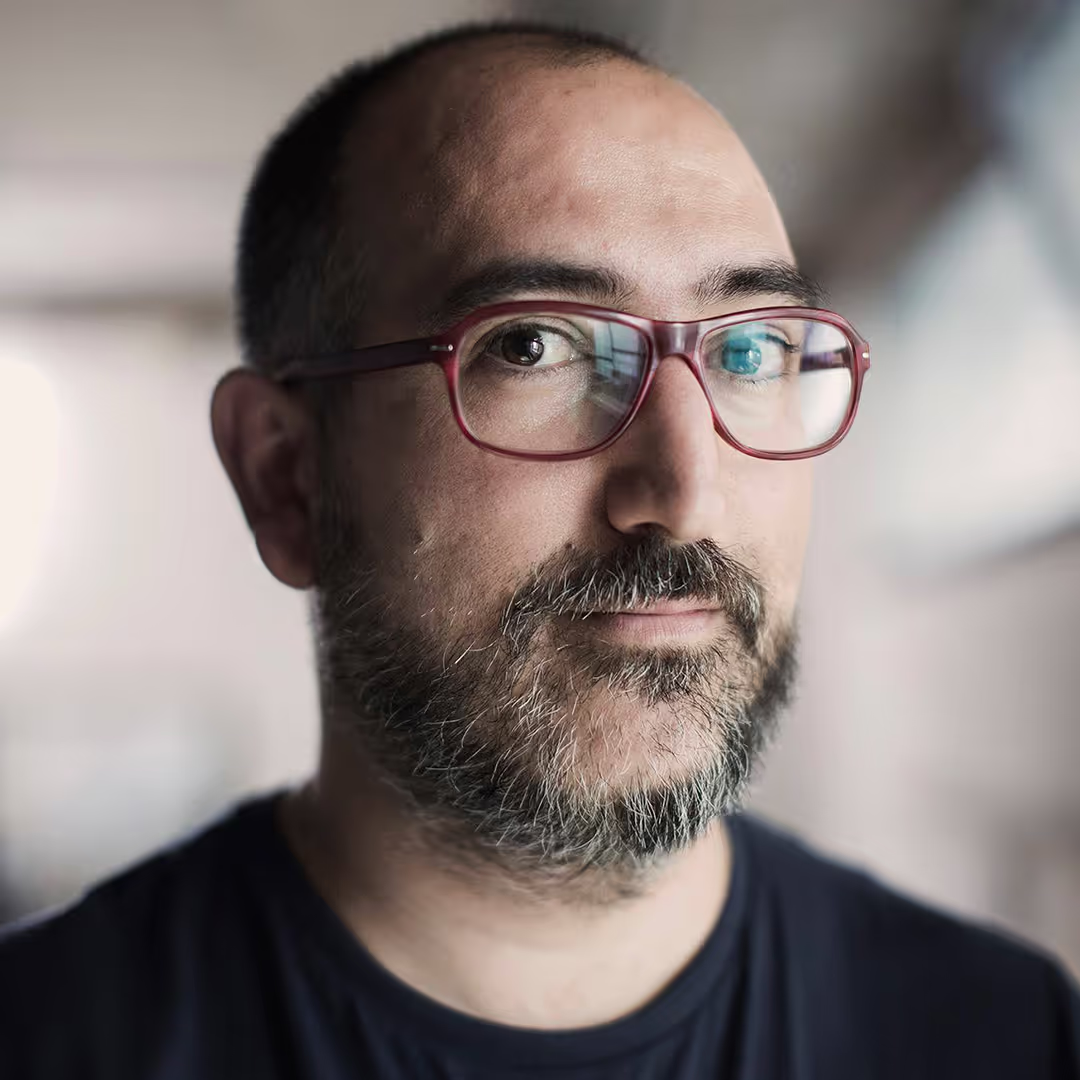
Anton Shebetko
His work has been exhibited internationally, including at FOAM Museum (Amsterdam), Schwules Museum and nGbK am Alex (Berlin), Q21 (Vienna), Photo Elysée (Lausanne), CENTQUATRE-PARIS, BWA Studio (Wroclaw), Württembergischer Kunstverein (Stuttgart), and PinchukArtCentre and Mystetskyi Arsenal (Kyiv). He participated in the Kyiv Biennial (2023) and was a nominee for the PinchukArtPrize (2025). Shebetko has curated exhibitions and film programs for Schwules Museum, Melkweg Expo, and WORM Rotterdam, and has lectured at Maastricht University, Gerrit Rietveld Academie, and Between Bridges Gallery. He holds a BA from Gerrit Rietveld Academie.
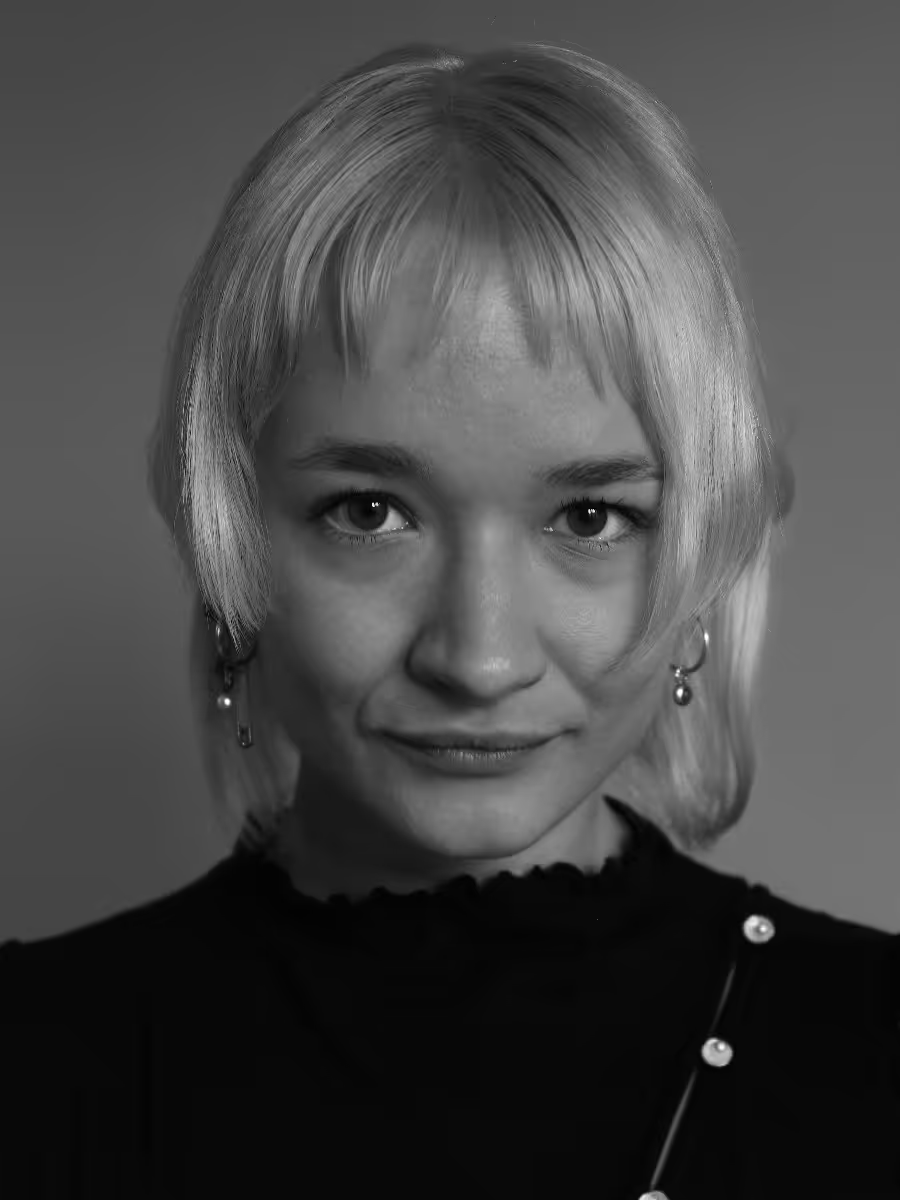
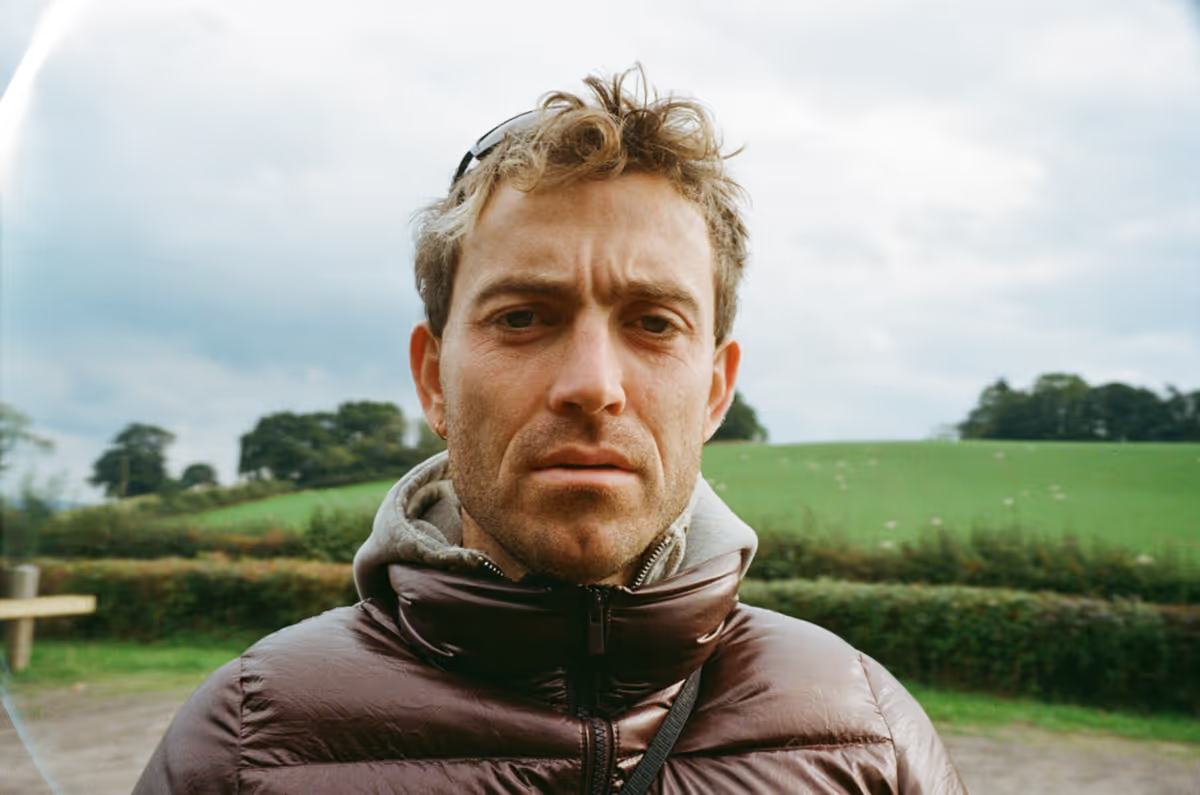
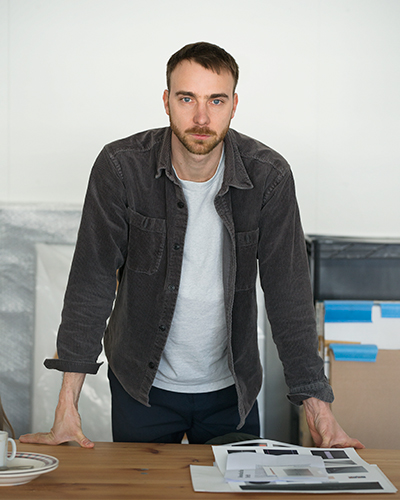
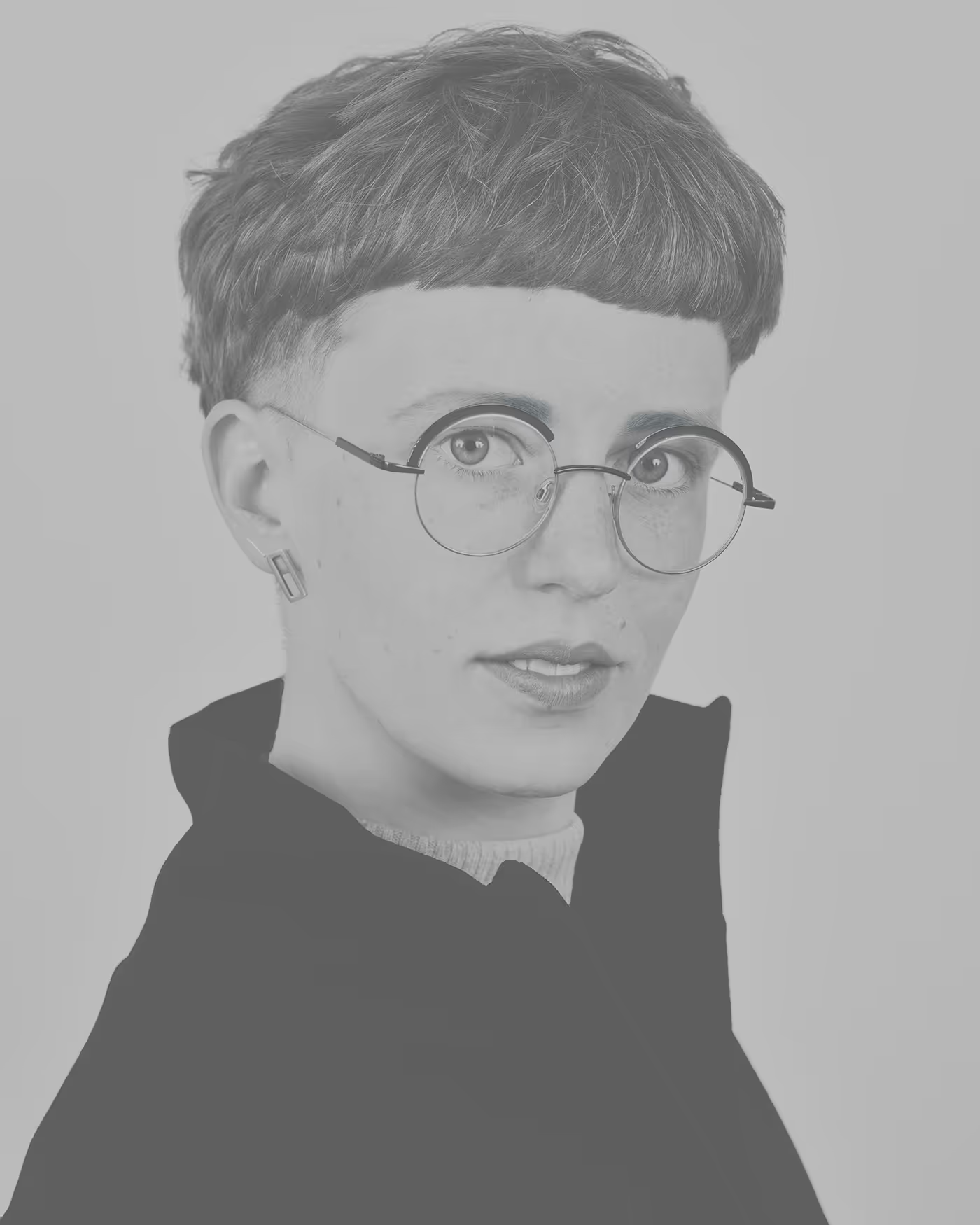
Portrait of Anton Shebetko by James Barnett
Simeiz
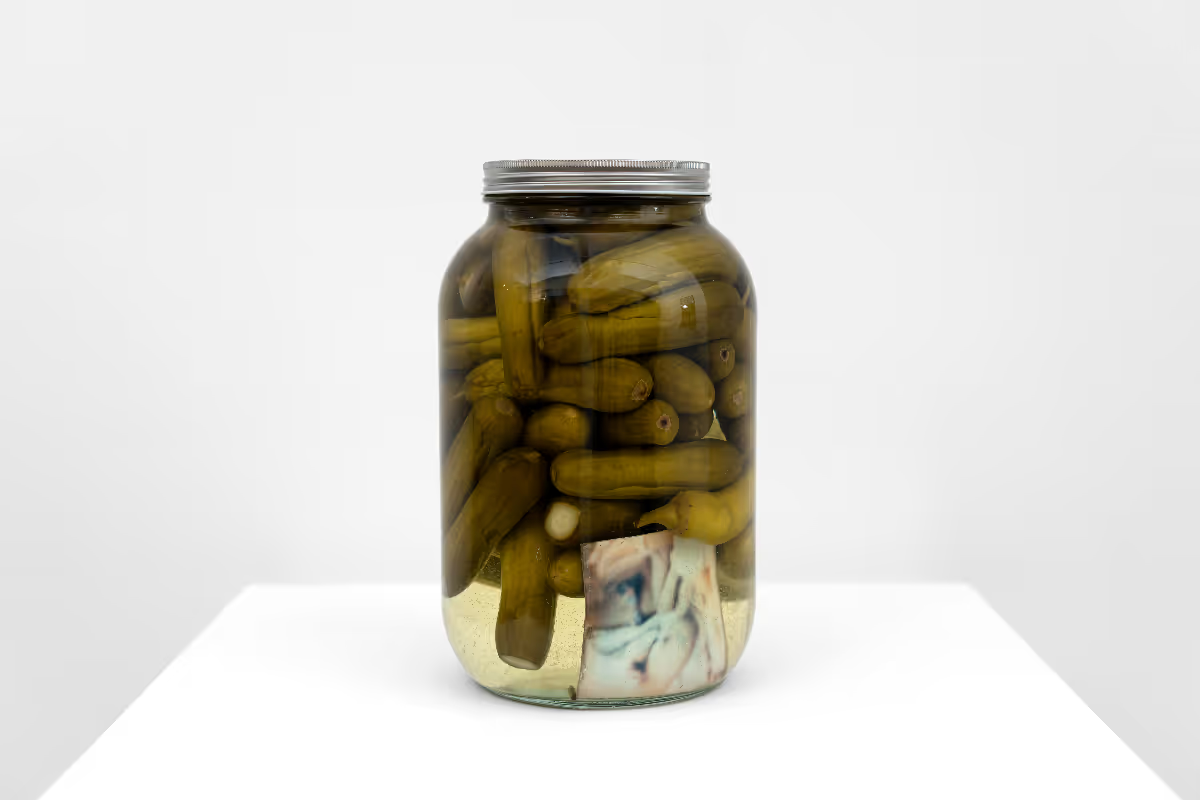
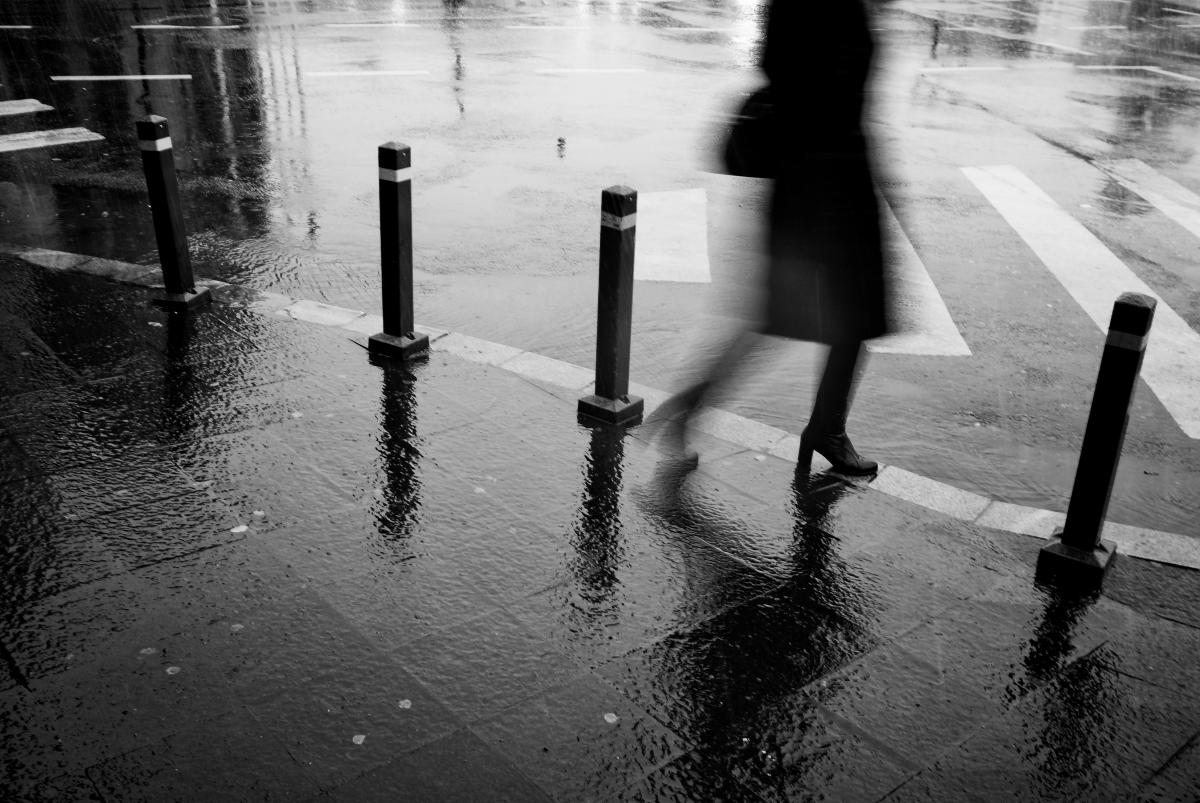
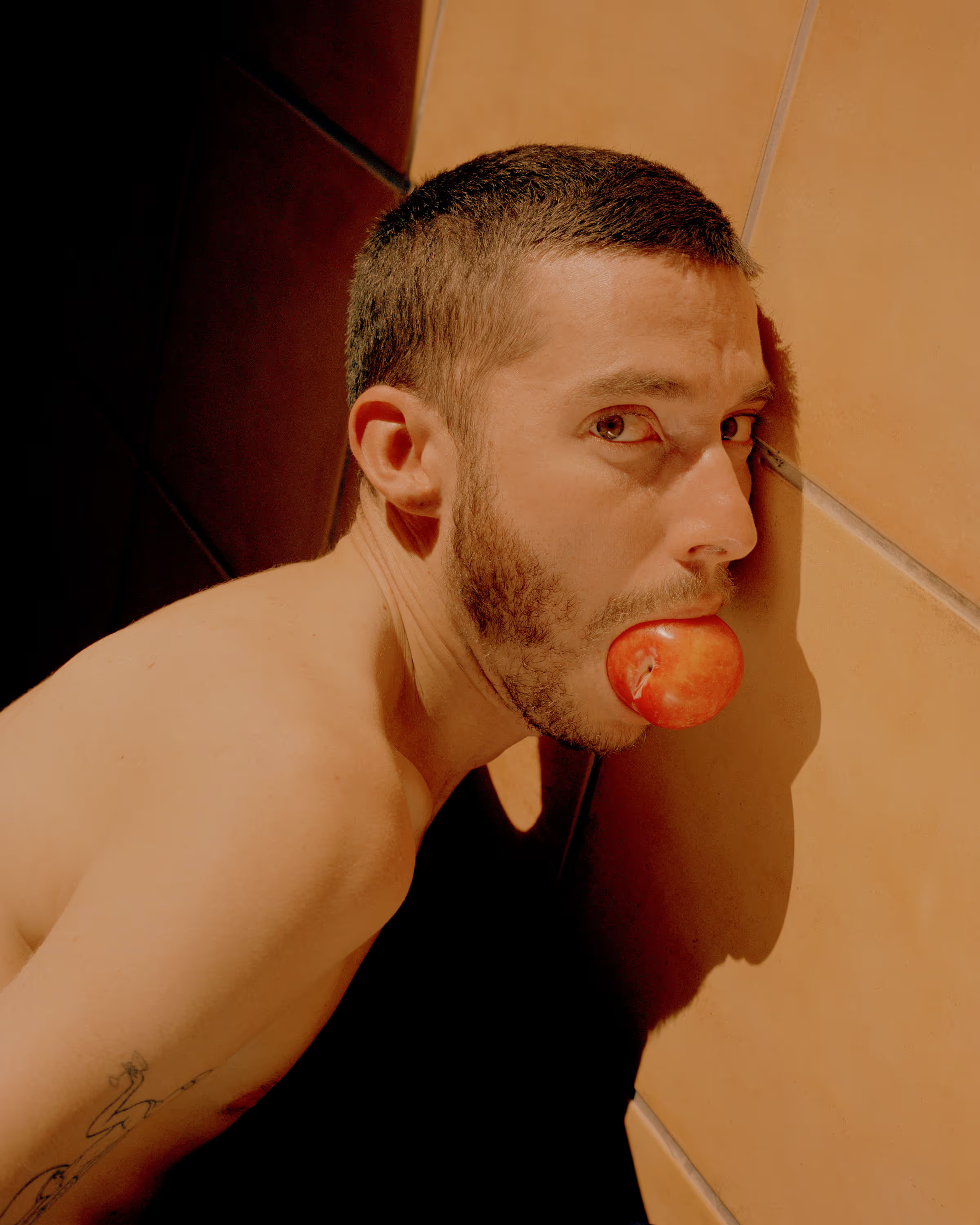
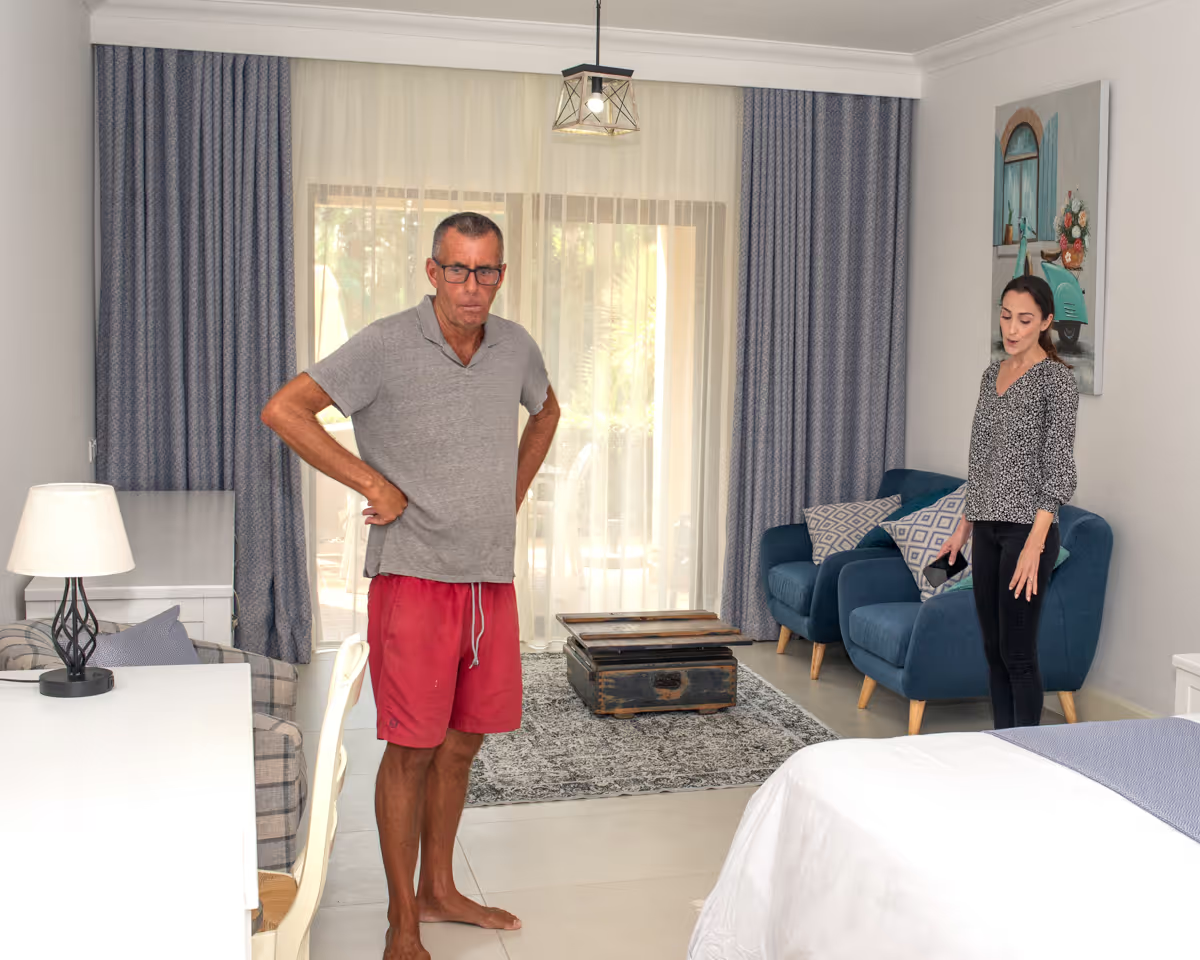
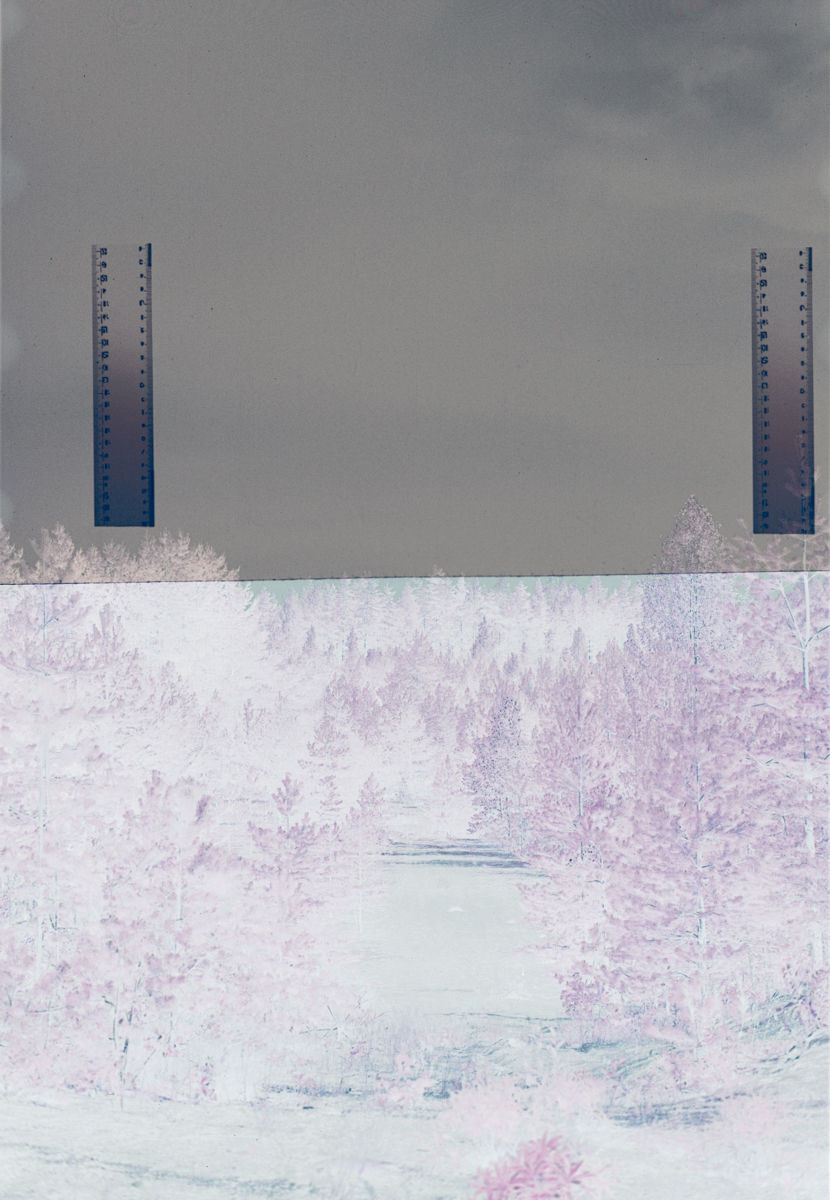
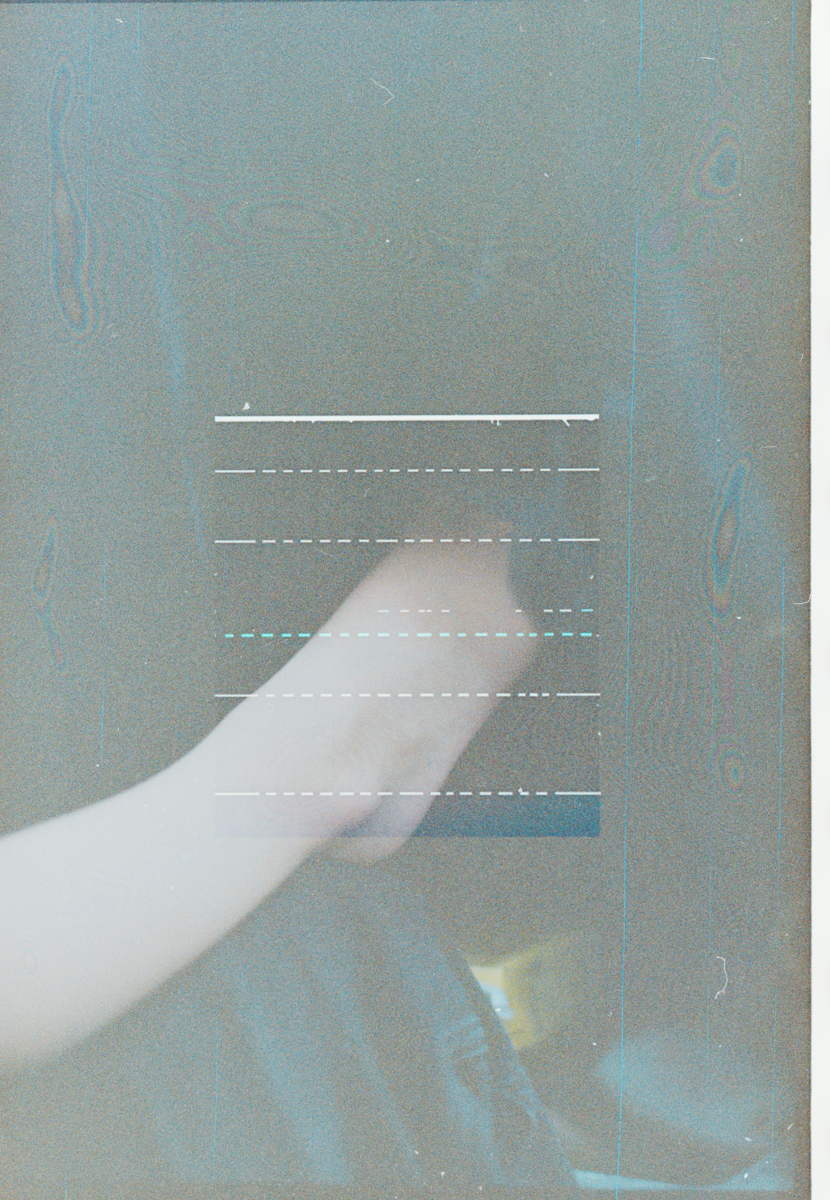
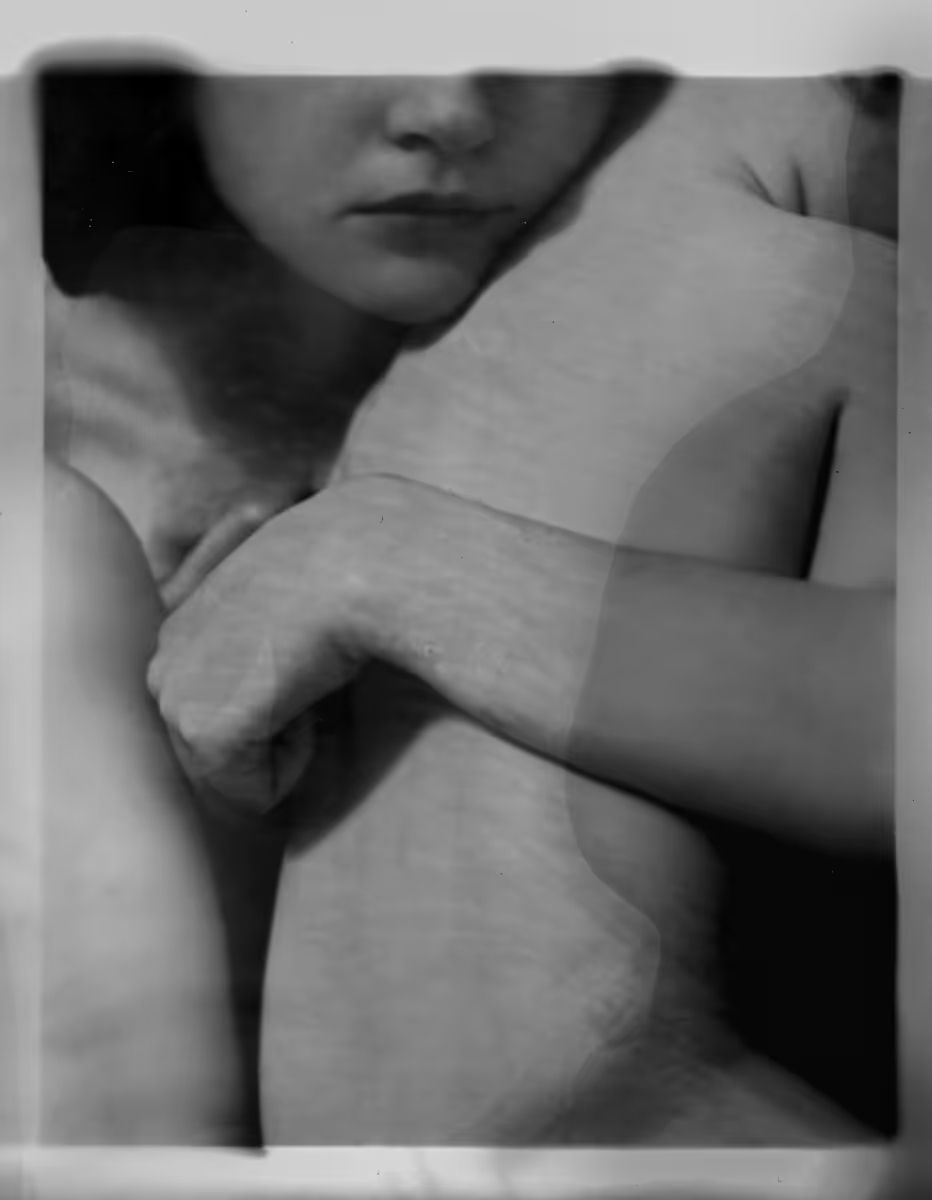
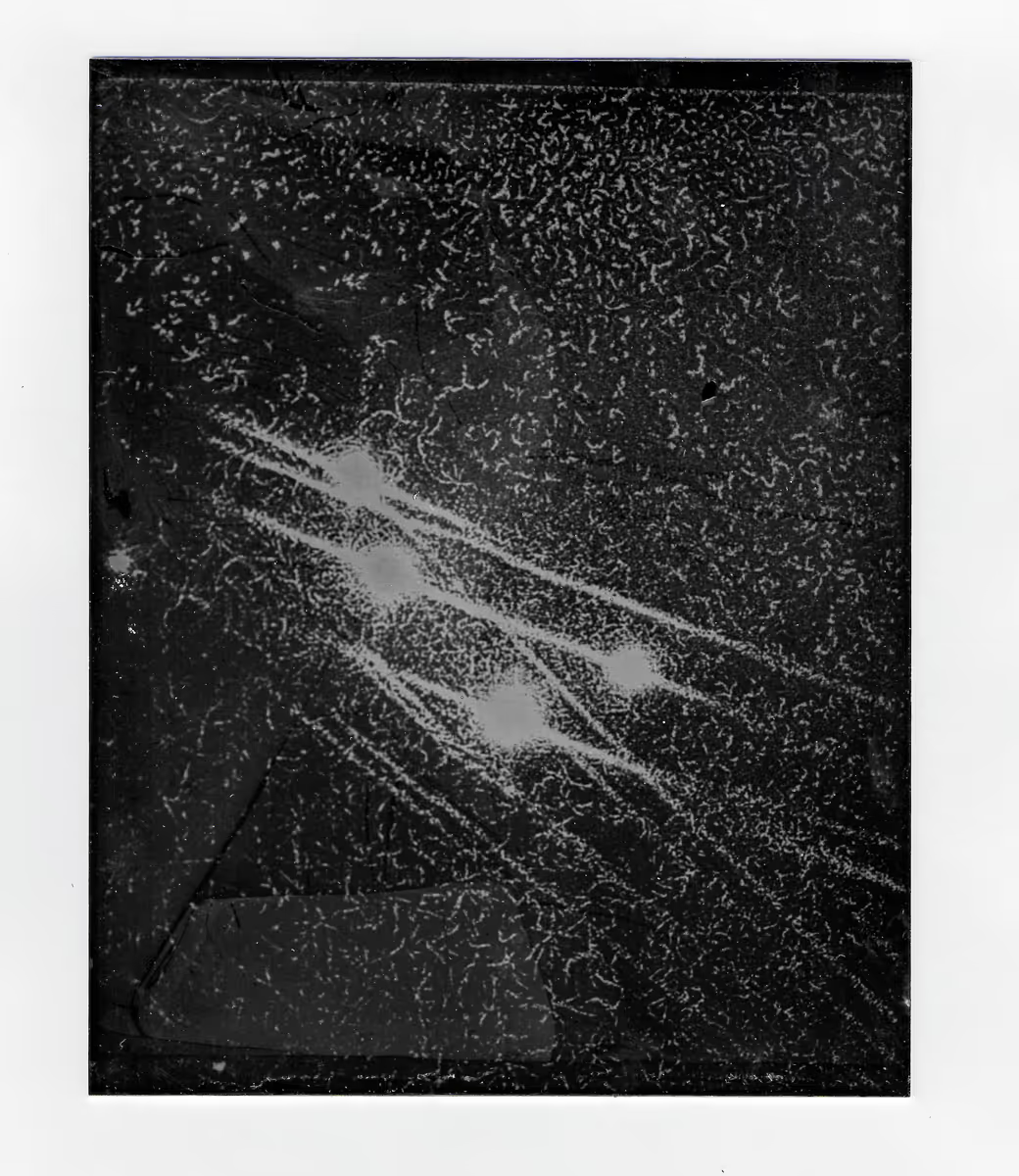
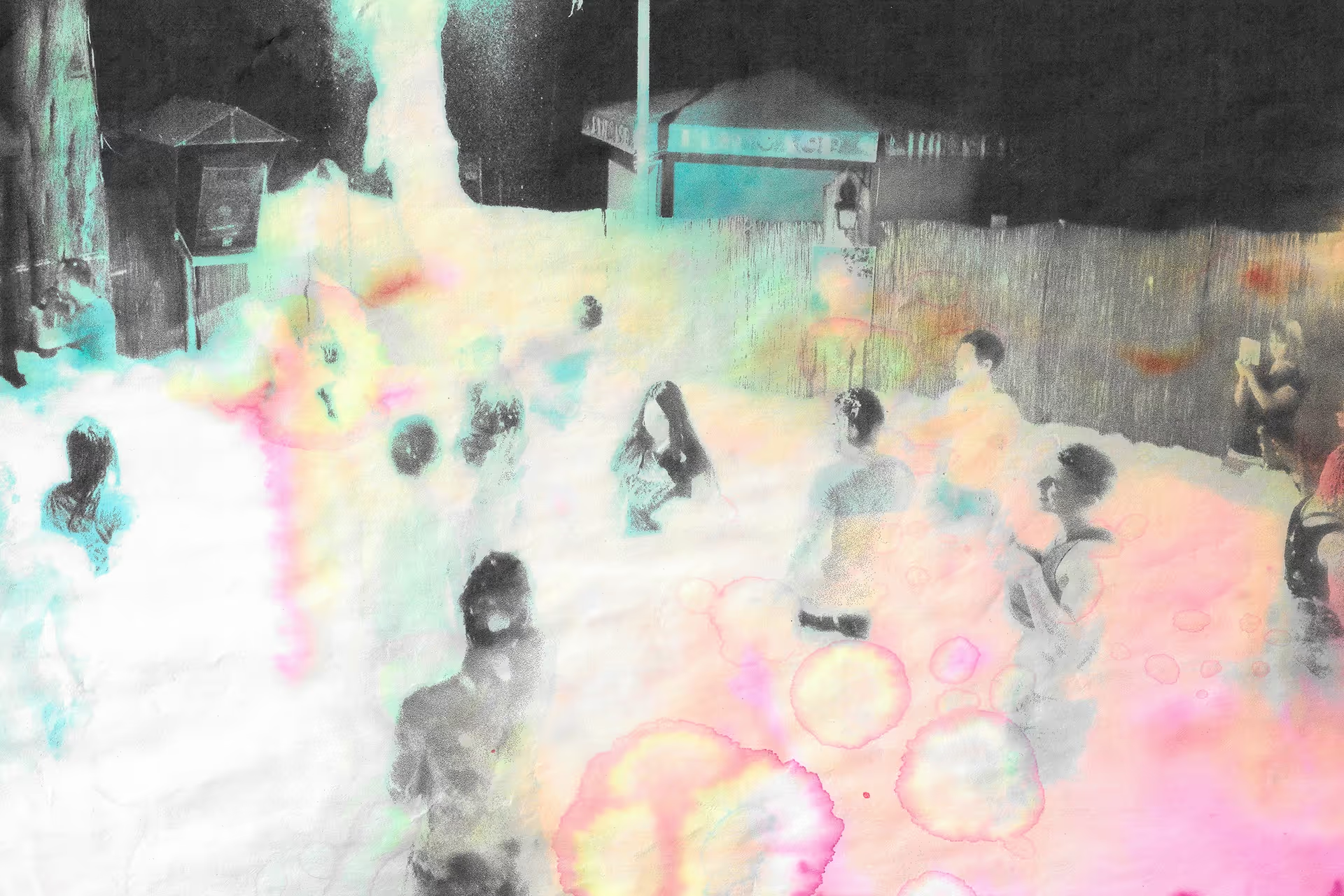
Today, Simeiz’s queer history is being erasured under the homophobic legislation of the Russian Federation. If this process is completed, photographs and amateur video recordings may remain the only traces of both its existence and its disappearance. The project 'Simeiz' (2022-ongoing) takes multiple forms and is based in oral histories alongside reworked found footage, including archival video and photography. It forms part of the long-term research project 'A Very Brief and Subjective Queer History of Ukraine', which traces invisible, unrecorded, and forgotten queer narratives existing outside state archives and dominant historical frameworks. Through a series of interconnected works, the research examines how colonial legacies, Soviet occupation, and the rise of post-Soviet capitalism have shaped queer communities and artistic practices in Ukraine.
We congratulate the selected artists on their nominations.
We carefully reviewed all submitted materials from the shortlisted artists. Our evaluation considered both the artists’ overall practice—its urgency, innovation, uniqueness, and trajectory of development—and a recent project highlighted in their application.
We assessed the social and cultural relevance of the work, its political dimensions as embedded in everyday relations and infrastructures, the articulation of artistic language and voice, research-based and conceptual approaches, and a critical awareness of the photographic medium. We also considered the potential of the work to expand into installation or spatial presentation.
Additionally, we reflected on the momentum of each practice and what joining the FUTURES platform at this particular moment in 2026 could bring. For some artists, this aligned with a newly released project that could be shared with the community of artists and members; for others, with a clearly articulated motivation or proposal.
While not decisive, we also noted the relevance of combined practices, such as curatorial or educational work, and considered how each artist would contribute to the FUTURES community. Finally, we sought a balance of perspectives and stories, and the conversations these practices would bring forward. We want to highlight additionally that the selection includes artists with both formal art education backgrounds and self-taught paths.
In total, we discussed 18 applications, all of which were very strong. The selection process offered an opportunity to engage deeply with the practices of many remarkable artists. Artists who were not nominated this year will automatically remain on the shortlist for FOTODOK’s next nomination cycle. We wish them continued success in their work and in future nominations.”
FOTODOK’s nomination followed a two-step process, beginning with internal nominations by FOTODOK team members, who compiled a shortlist of artists. The final selection was then made by an external jury consisting of Astrid Hulsmann, curator at BredaPhoto (Breda), Guinevere Ras, curator at the Nederlands Fotomuseum (Rotterdam), and Tom Viaene, coordinator of the Trigger - a publication for reflection on photography (FOMU - Museum of Photography, Antwerp), with Daria Tuminas, artistic advisor and curator at FOTODOK, being the secretary of the process.