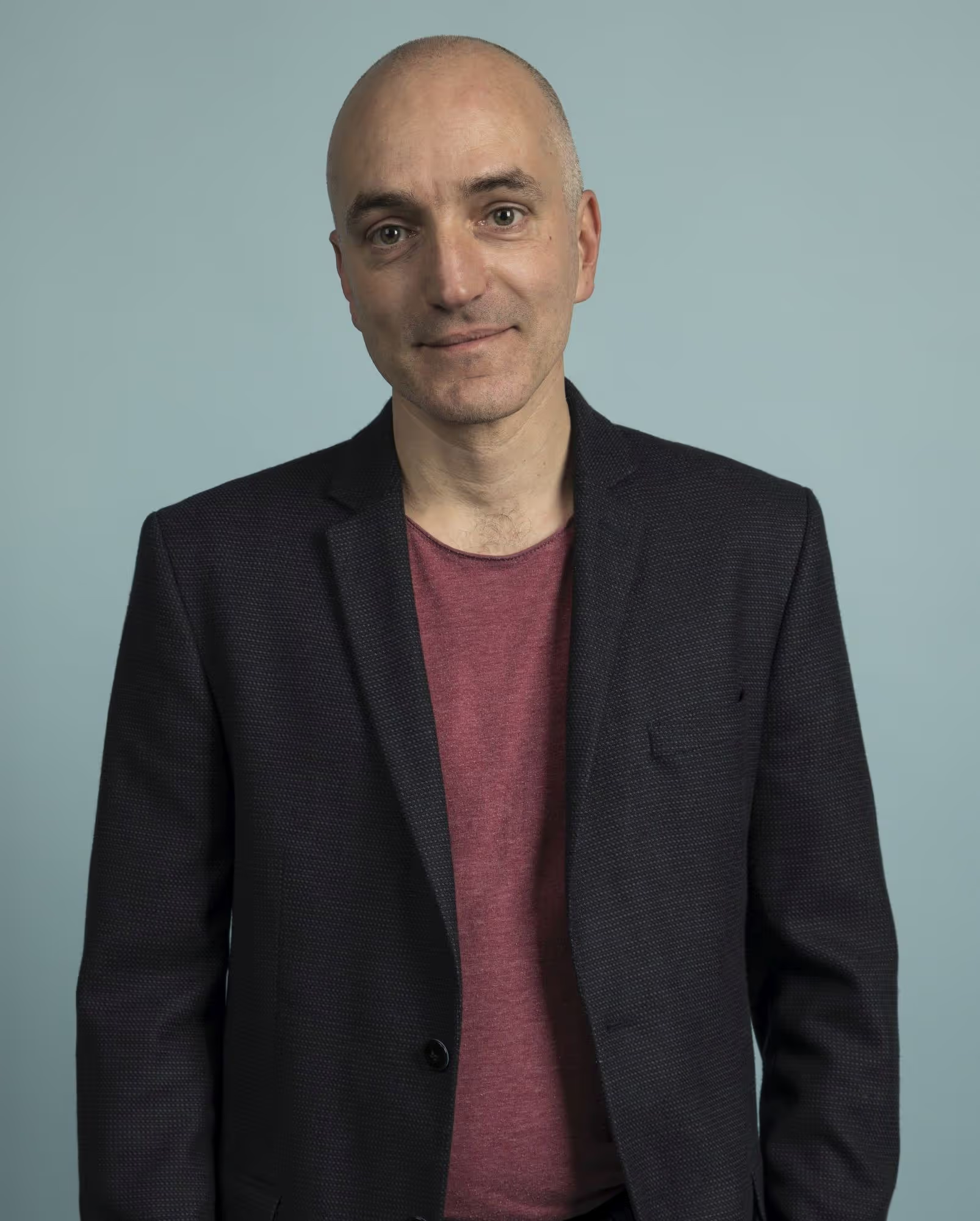
Artist
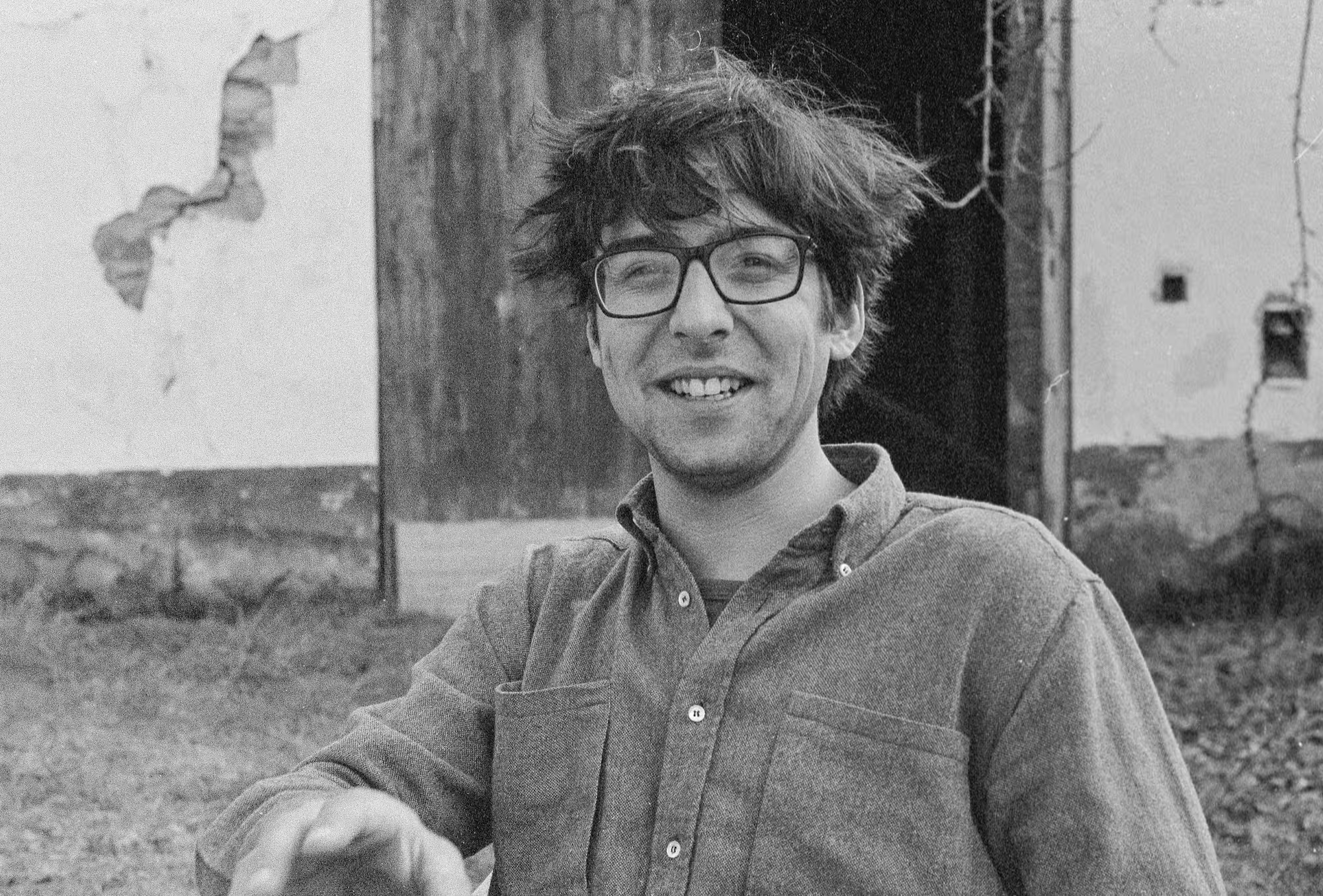
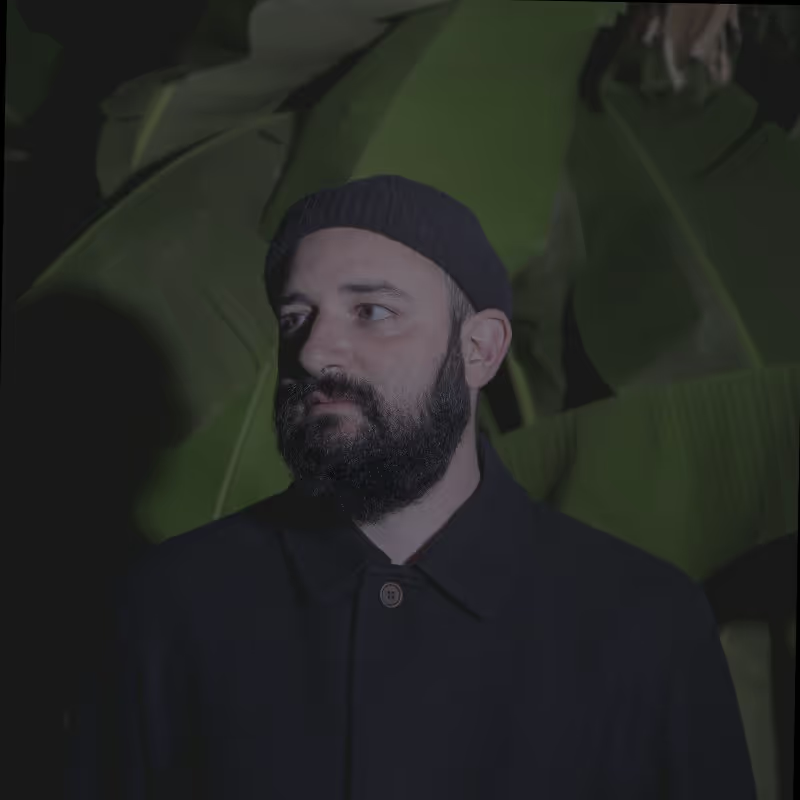
Jakub Tulinger
Extension
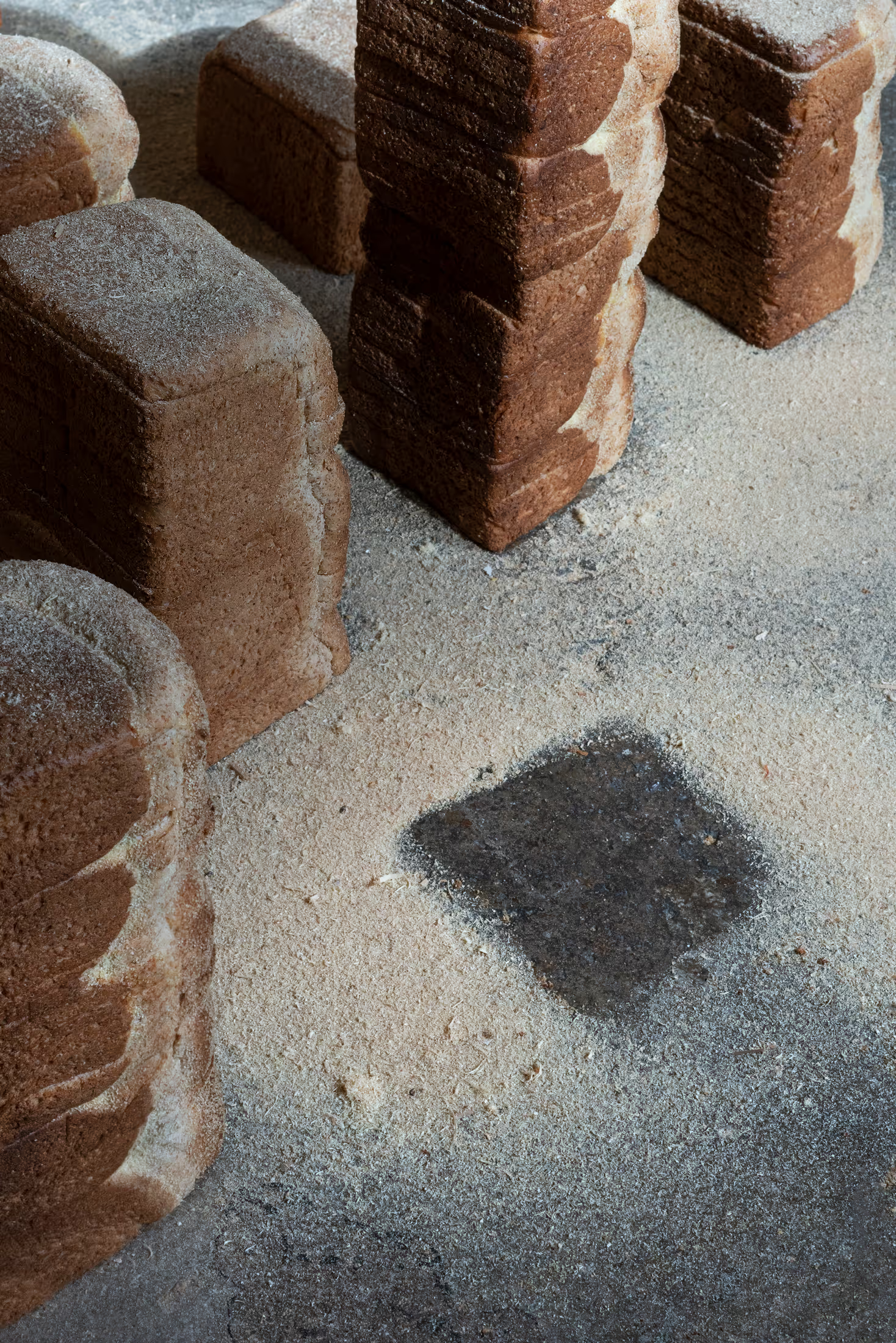
Sorry I am late, I was dealing with something in the valley (Assembly of Things)
The selection process builds on the long-term collaboration between artists and the Fotograf Zone platform and Fotografmagazine. Publishing and exhibition activities thus function as a natural filter through which talents from the Czech Republic are further selected for the FUTURES platform. The nominations are decided by the Fotograf Zone programme board consisting of Markéta Kinterová, Světlana Malina, Barbora Vanická Čápová, and Viktorie Vítů.
The four projects move along the boundary between personal experience and attentive observation of the world, where intimate encounters intersect with broader social and environmental questions. The artists work with photography, installation, and moving image as means that allow perception to slow down, reality to fragment, and meanings to be reassembled. A shared emphasis lies on process, openness, and the acceptance of unresolved questions.
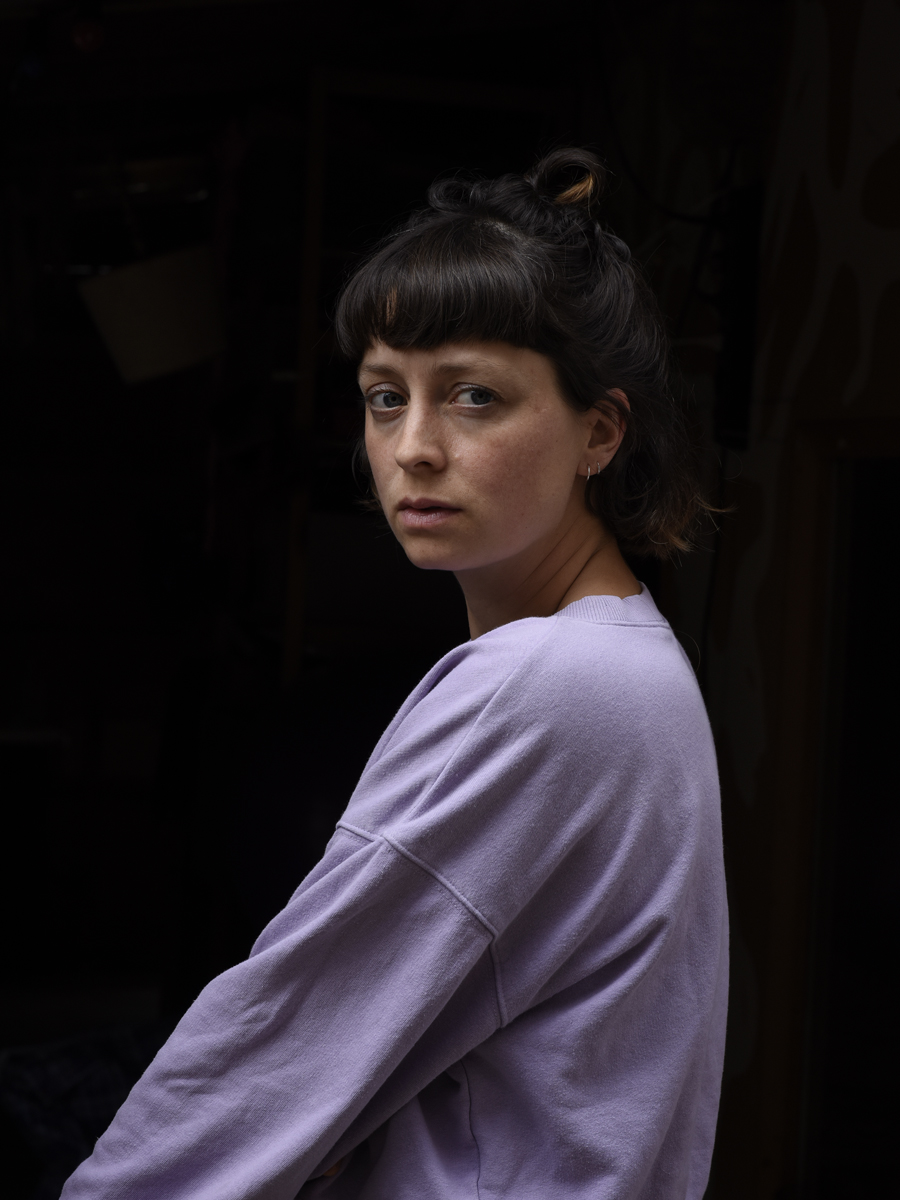
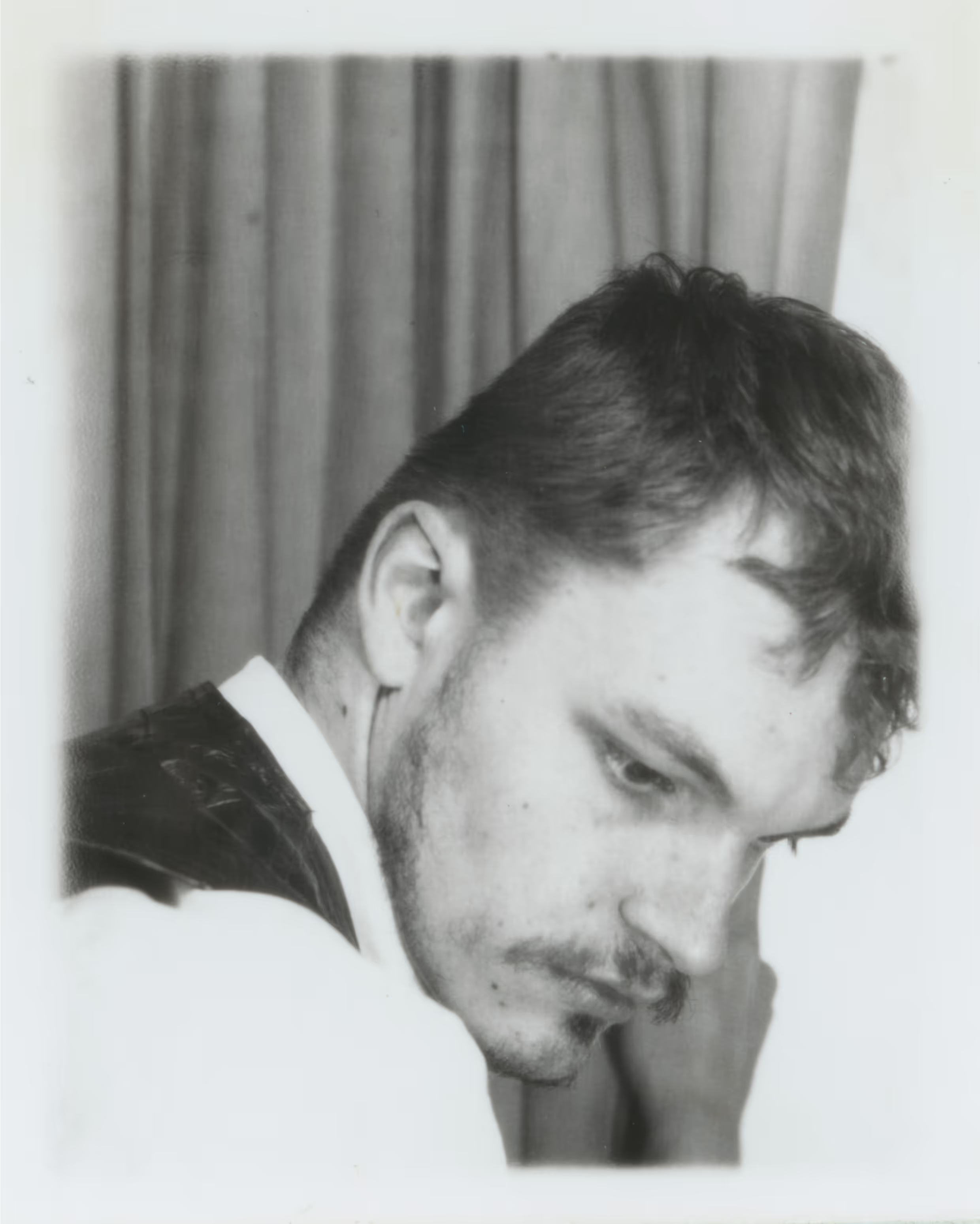
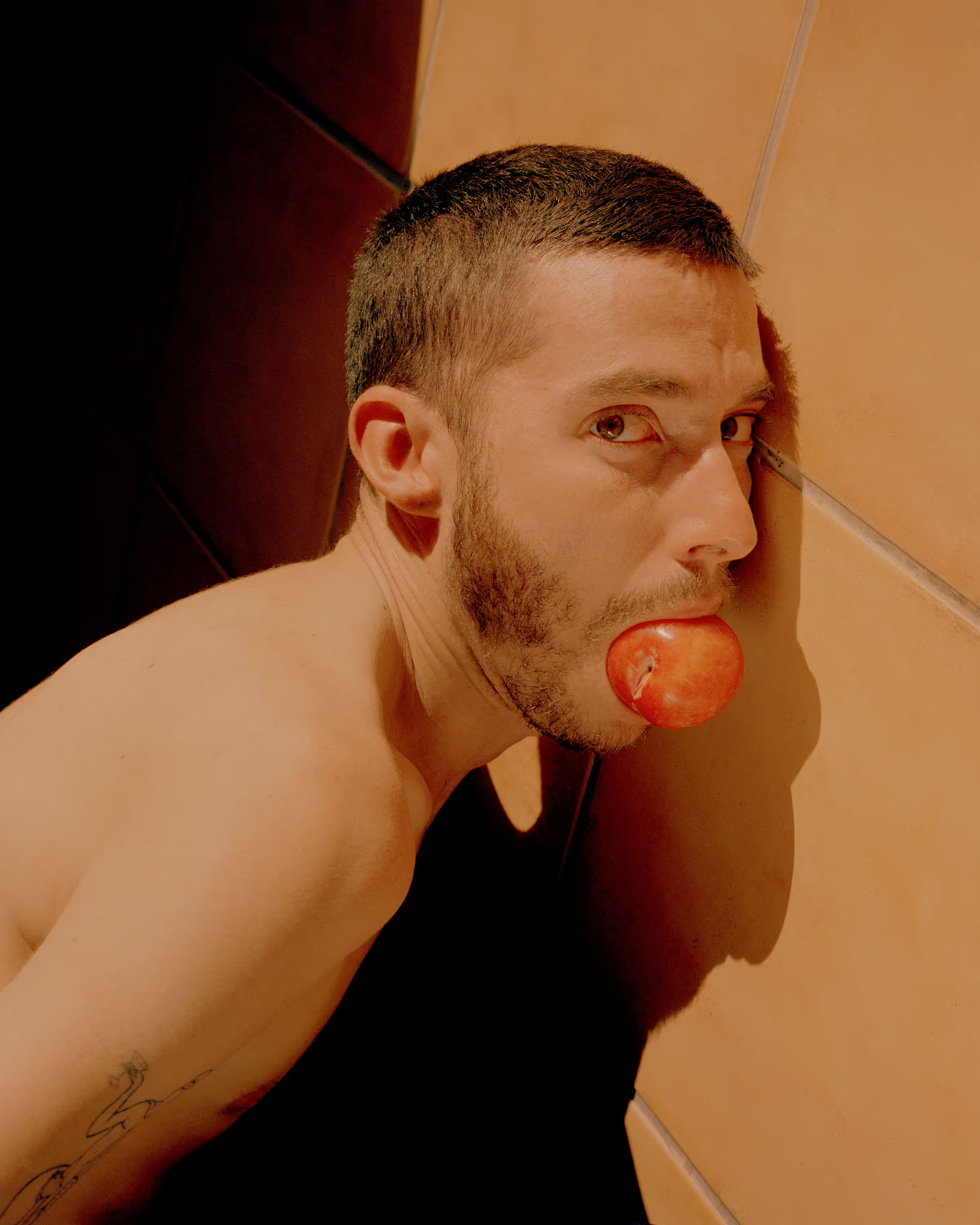
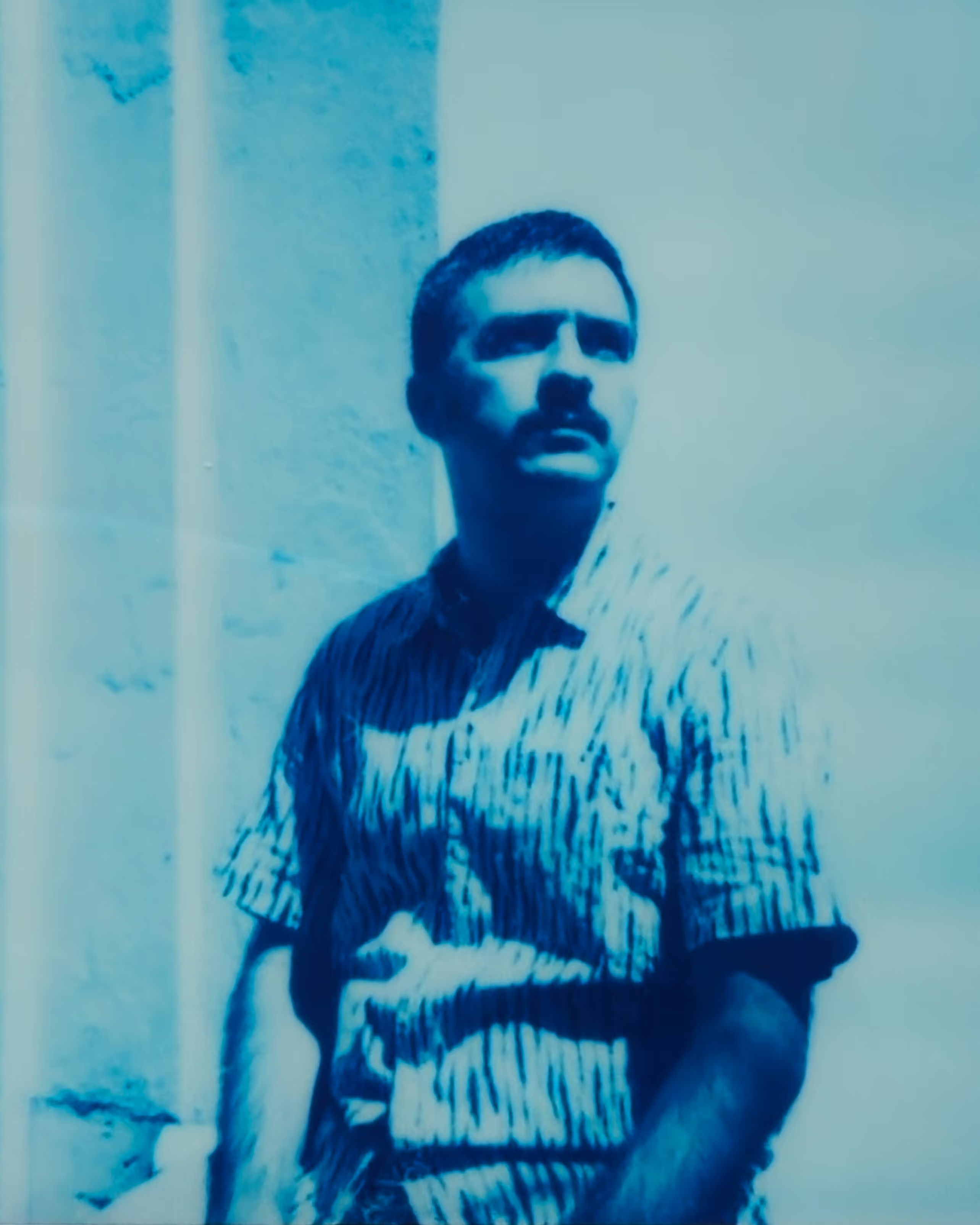
In Fracture of the Sun, Ondřej Kubeš explores the body, memory, and self-perception through light as a formative force. Fragmented corporeality, nudity, and solitude are interwoven with archival materials and family memory, revealing how social norms shape personal experience. A leather cord threading through the installation becomes a metaphor for systems that simultaneously bind and restrict. Questions of queerness are not articulated explicitly but are rather lived through, as if they were a process the artist primarily observes within himself, allowing only partial insight into his inner world.
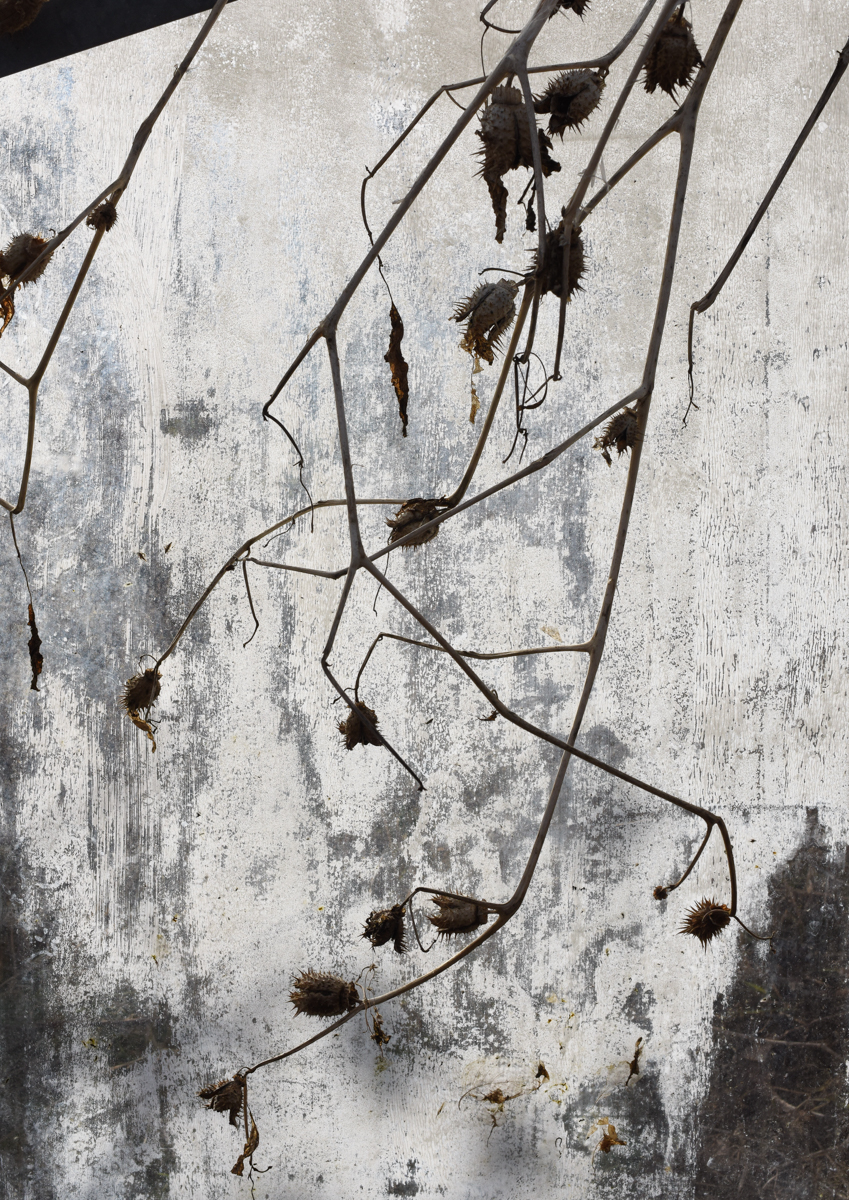
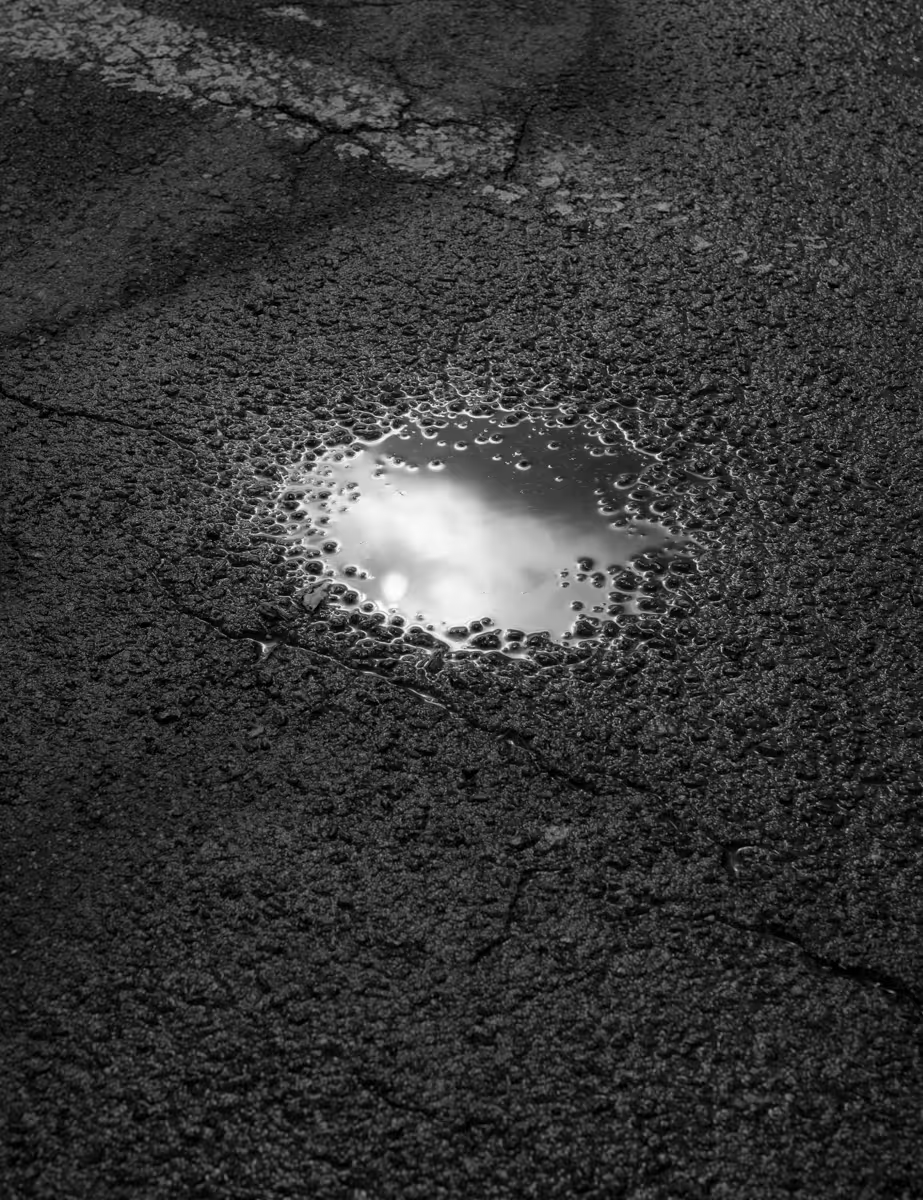
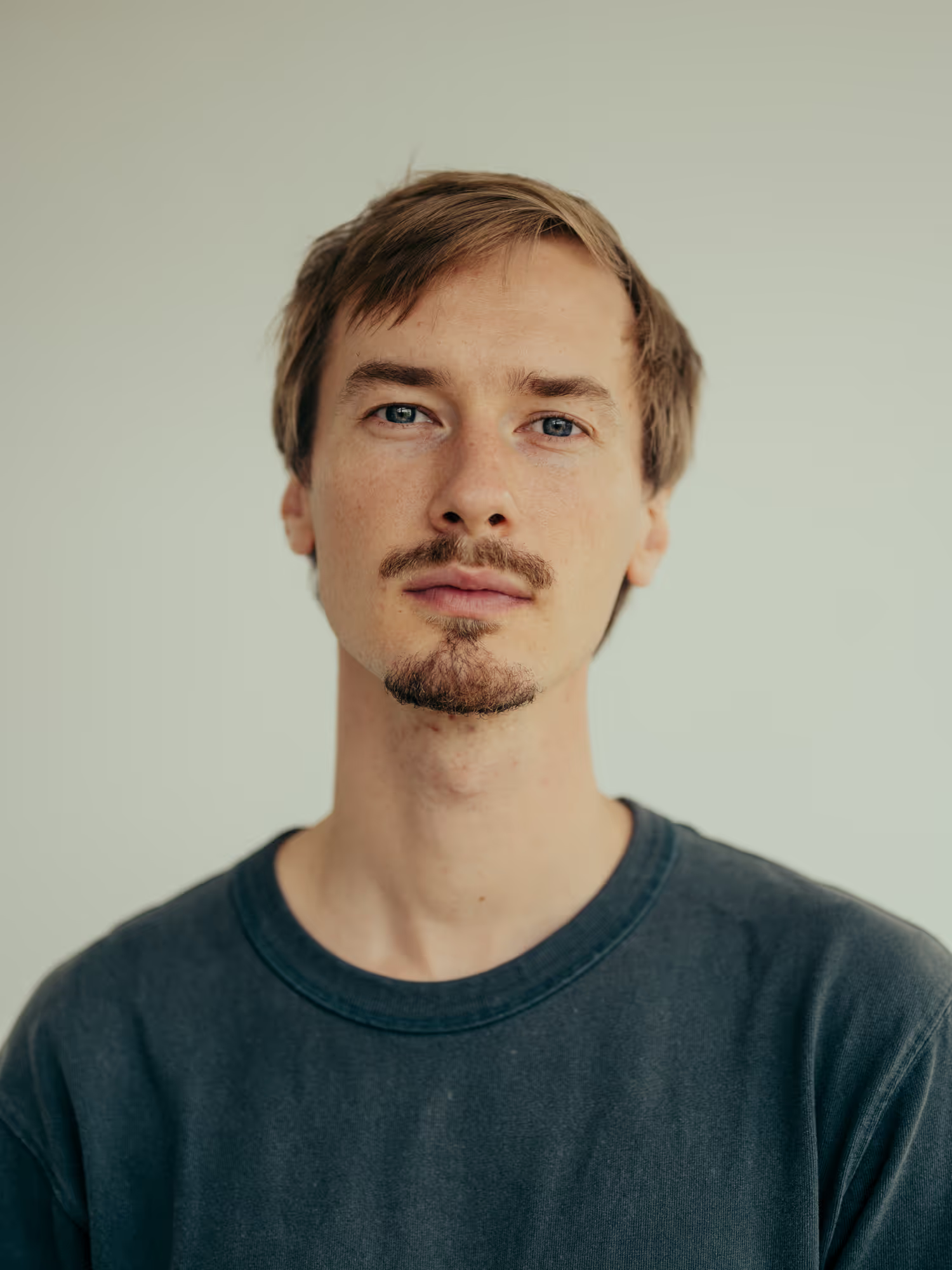
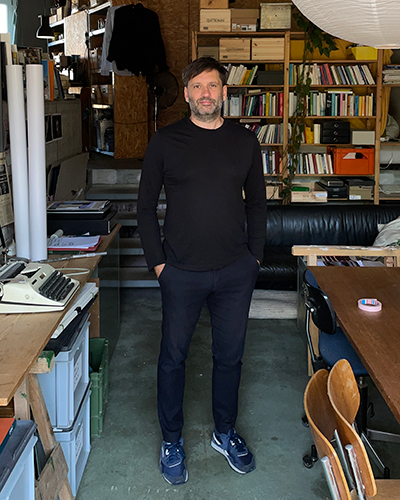
Jakub Tulinger has long focused on landscape in its various forms, whether natural or urban, and experiments with 3D video and laser scanning technologies. In Extension, peeling walls are transformed into detailed micro-landscapes that carry traces of time and spatial memory. His broader practice combines documentary observation and field research with virtual environments, most notably in the video essay Sorry I am late, I was dealing with something in the valley (Assembly of things). Recurring motifs of travel, arrival, and departure, as well as a long-term engagement with the tourist landscape of Králický Sněžník, reveal his layered approach that blends personal experience, found material, and subtle irony.
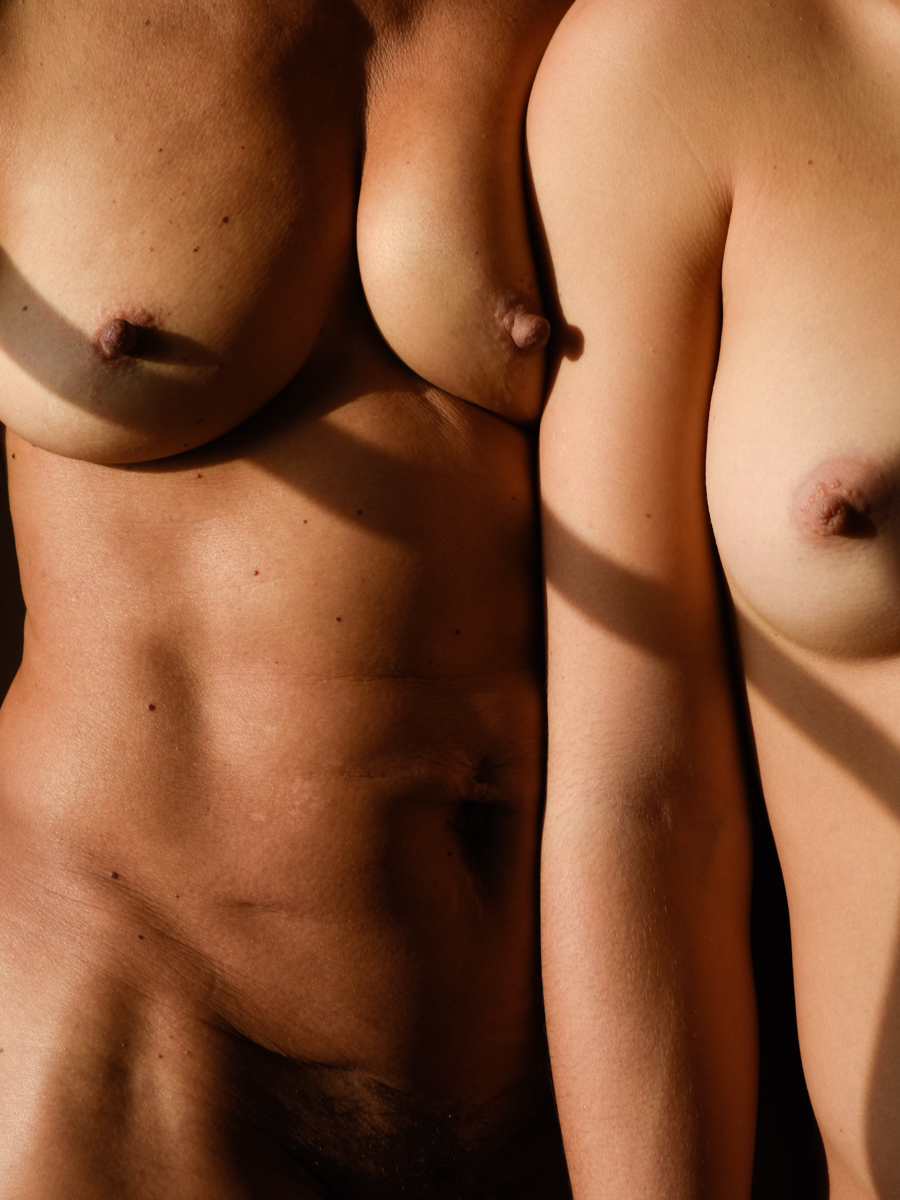
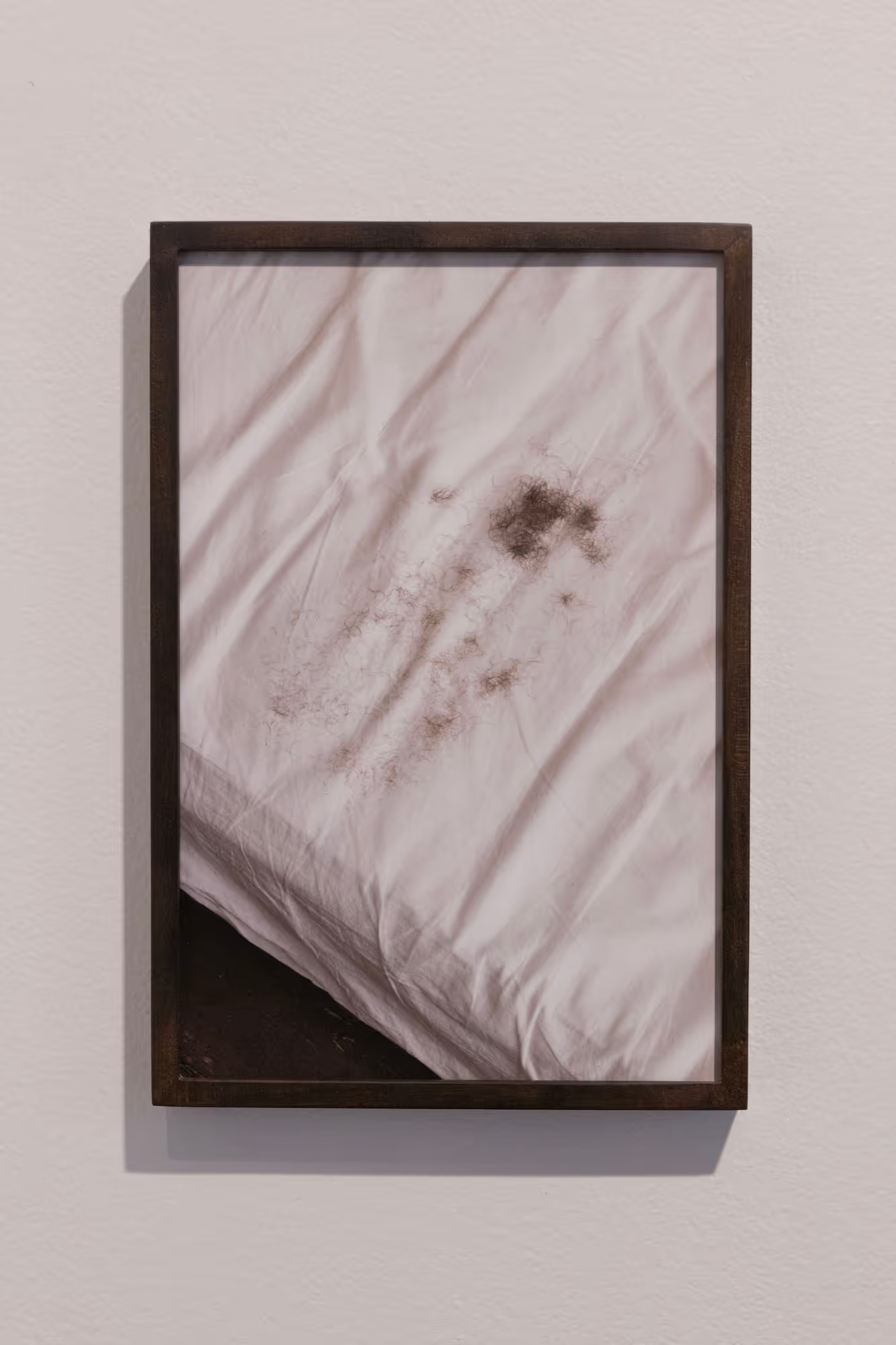
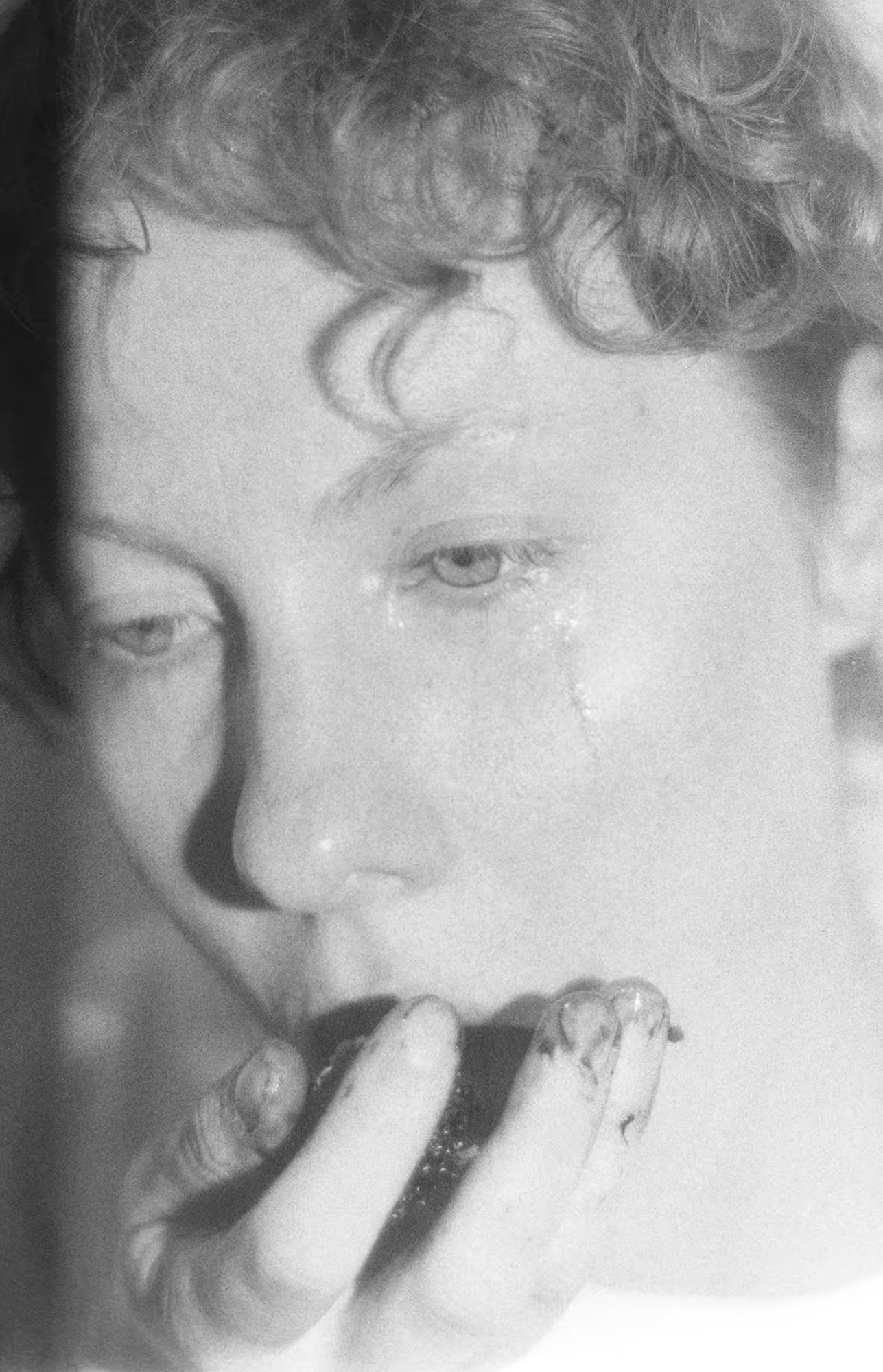
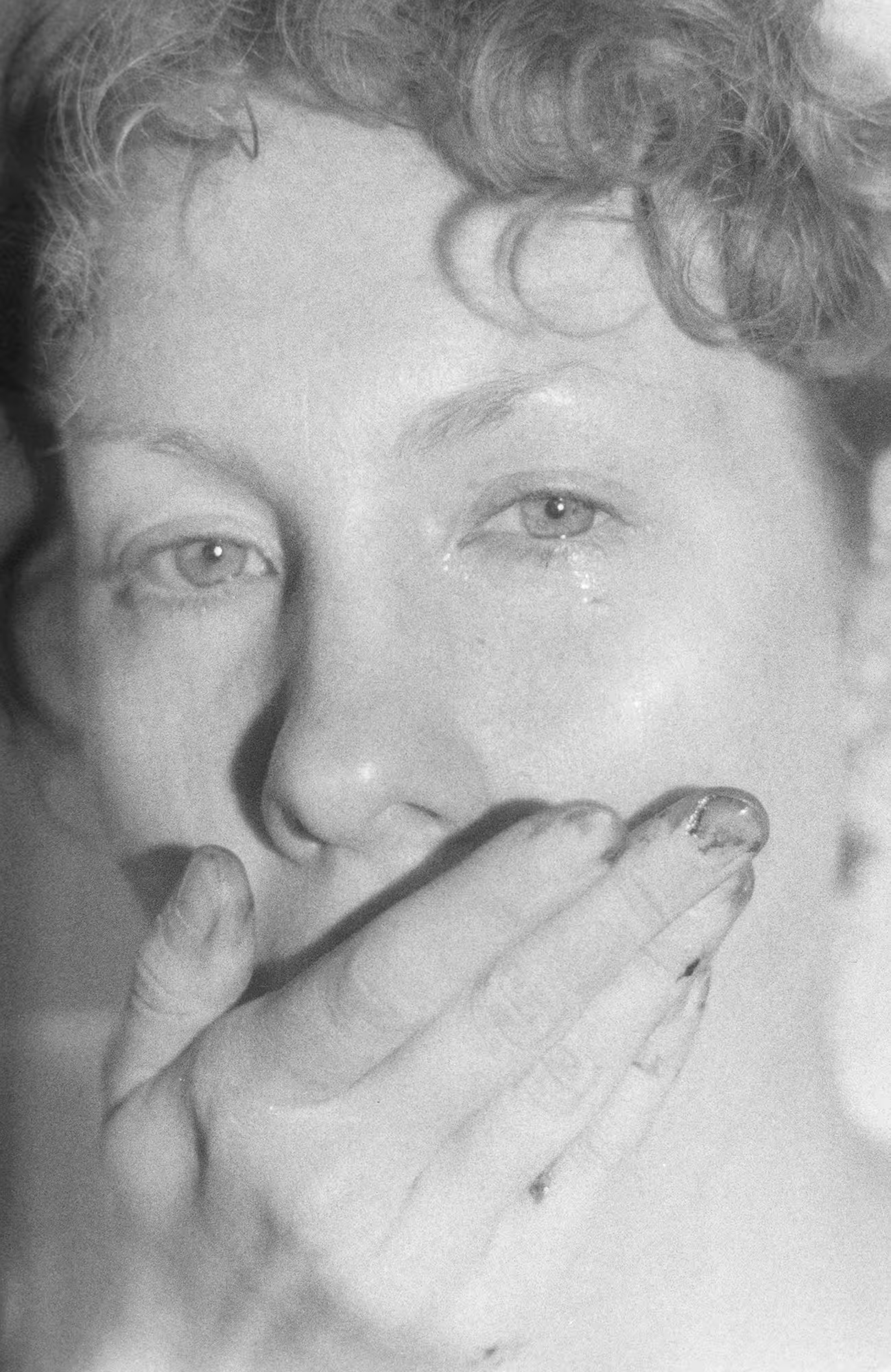
Miriam Pružincová’s cycle Everyday is the most beautiful offers a fragile, poetic record of family life during a period of emotional and generational reckoning. Through intimate bodily fragments and domestic scenes, she addresses separation anxiety, mental health, and the search for safety, suggesting that the path to understanding oneself is never straightforward, but unfolds through constant transformation, searching, and rediscovering meaning in small, seemingly banal situations of daily life and through an emphasis on presence.
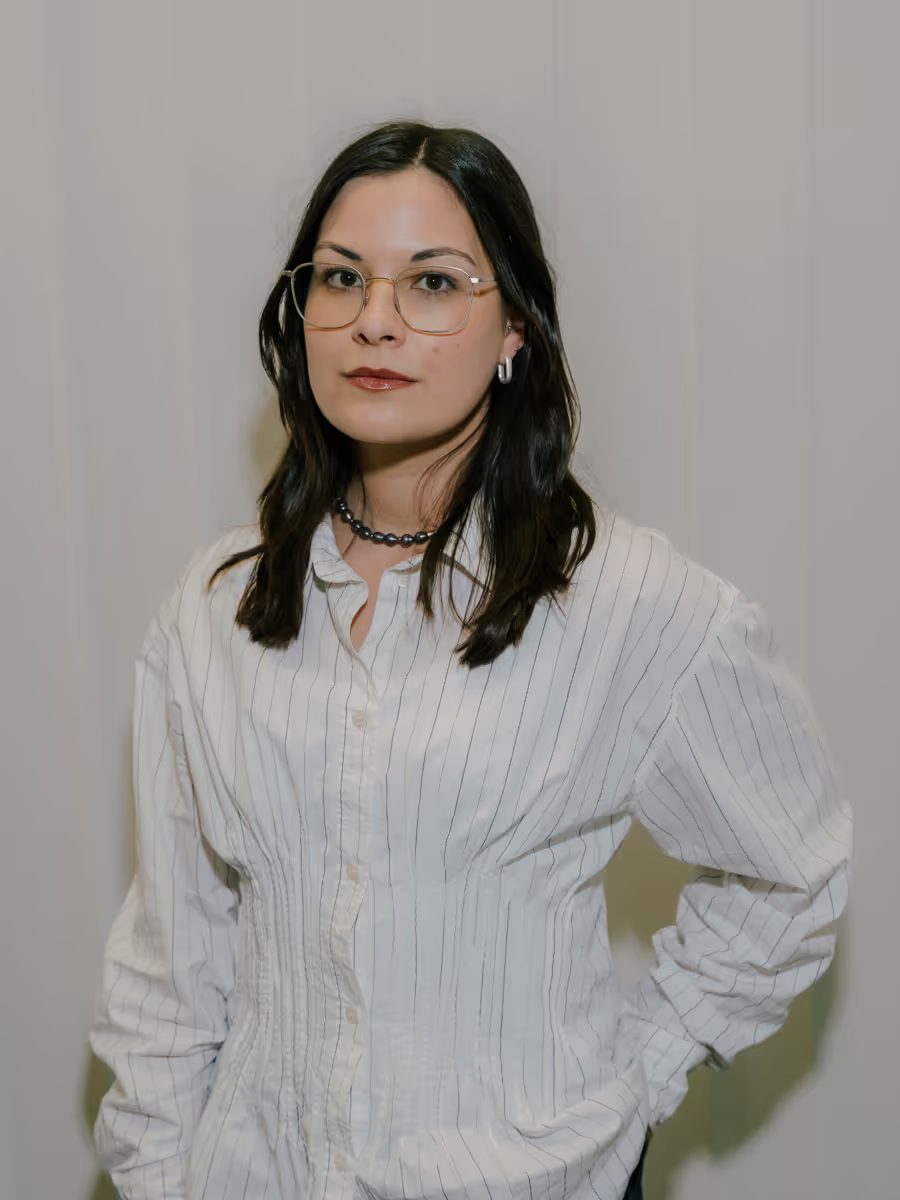
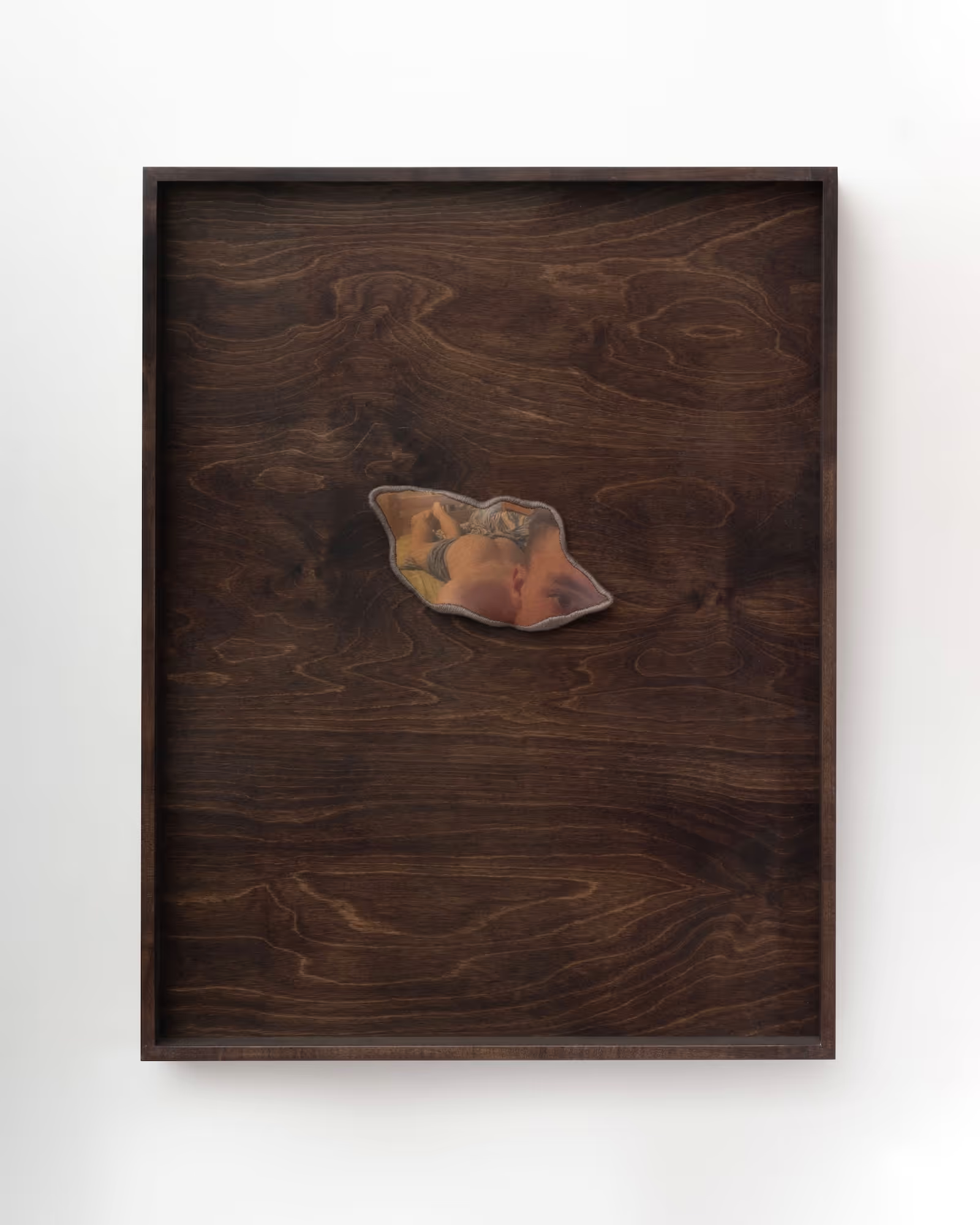
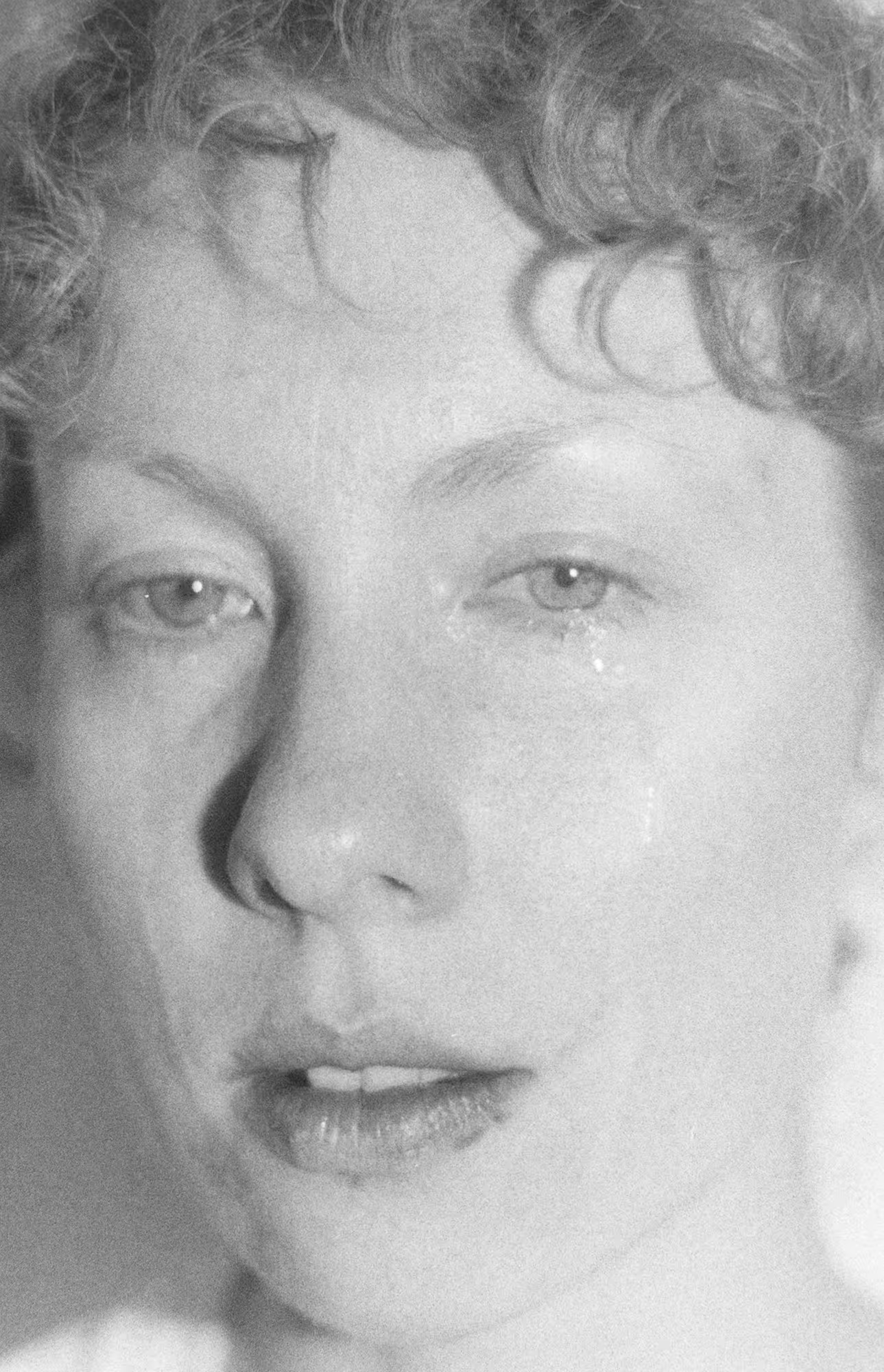
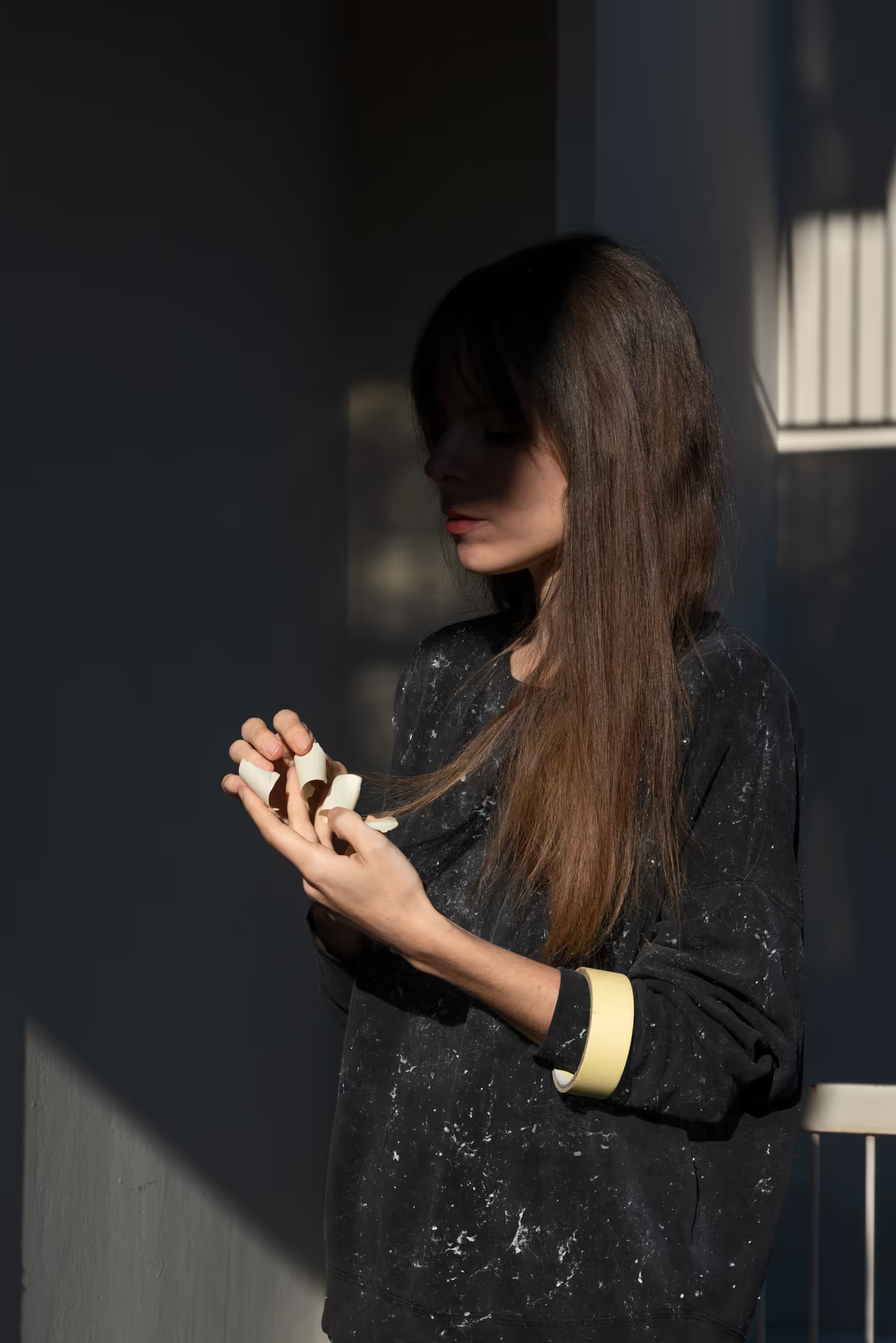
In Maybe, Happiness Is…, Linda Zhengová returns to one of the most universal yet most difficult questions: what happiness actually means. The work draws on personal experience from a relationship-wise complicated period marked by change, relocations, and turbulence, in which people come and go and certainties fall apart. Working between documentary and staging, and returning to analogue photography as a means of slowing down, she questions authenticity, memory, and the possibility of capturing fleeting moments of human closeness.
Together, these projects form a diverse picture of contemporary artistic practice in which personal experience becomes a starting point for broader reflections on the world, relationships, and the environments we inhabit. They collectively show that attentiveness and openness to process can lead to forms that are not closed statements, but invitations to a careful and slow reading of reality.
Markéta Kinterová