Edit profile
The

Artist

Nominated in
2026
By
Fotofestiwal Lodz
Lives and Works in
Amsterdam
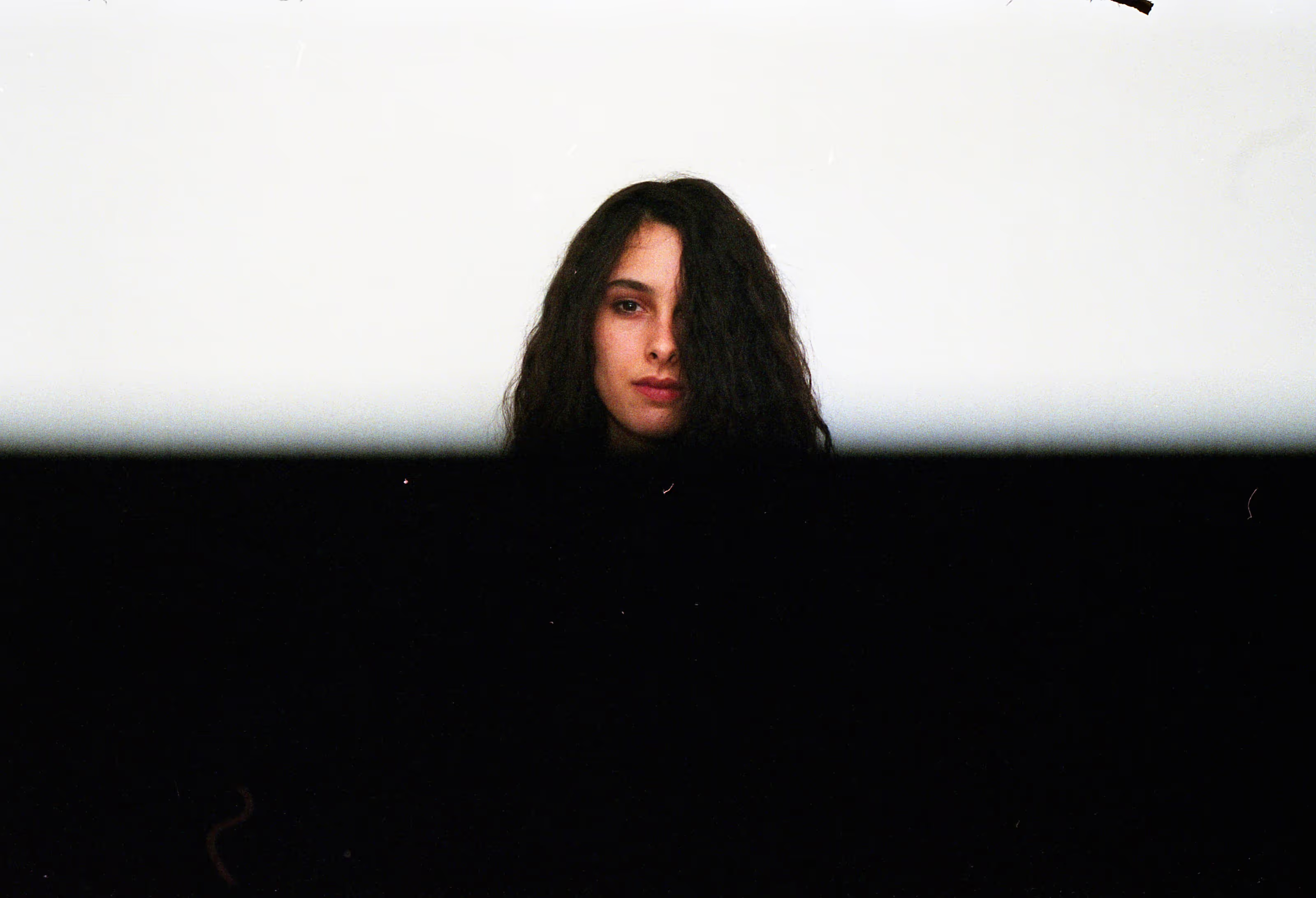
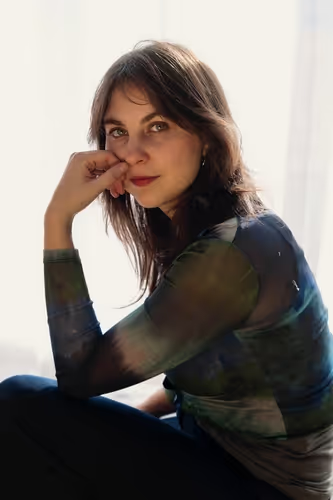
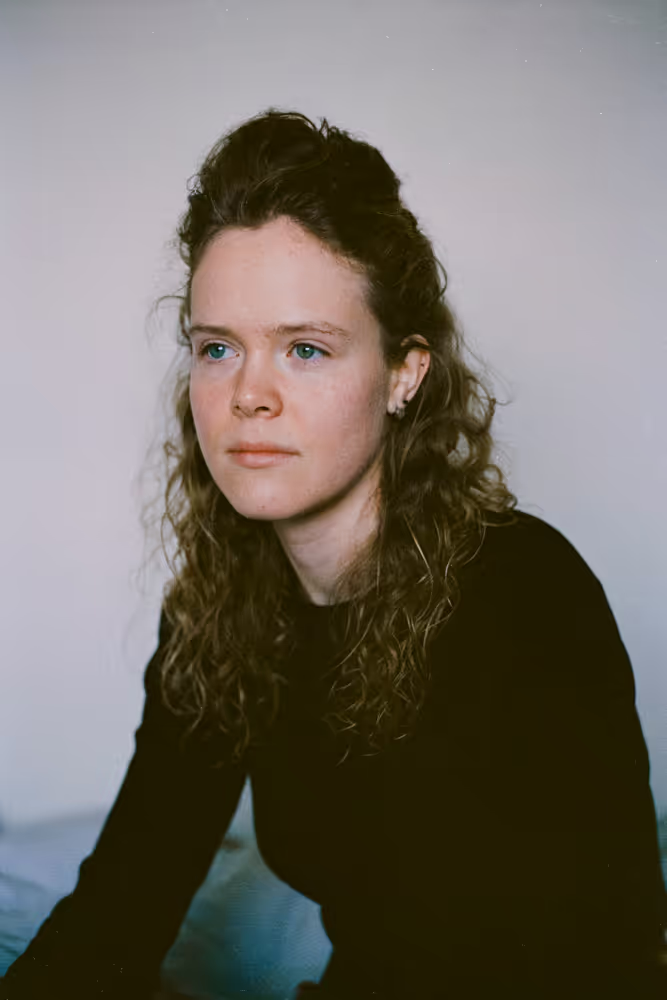
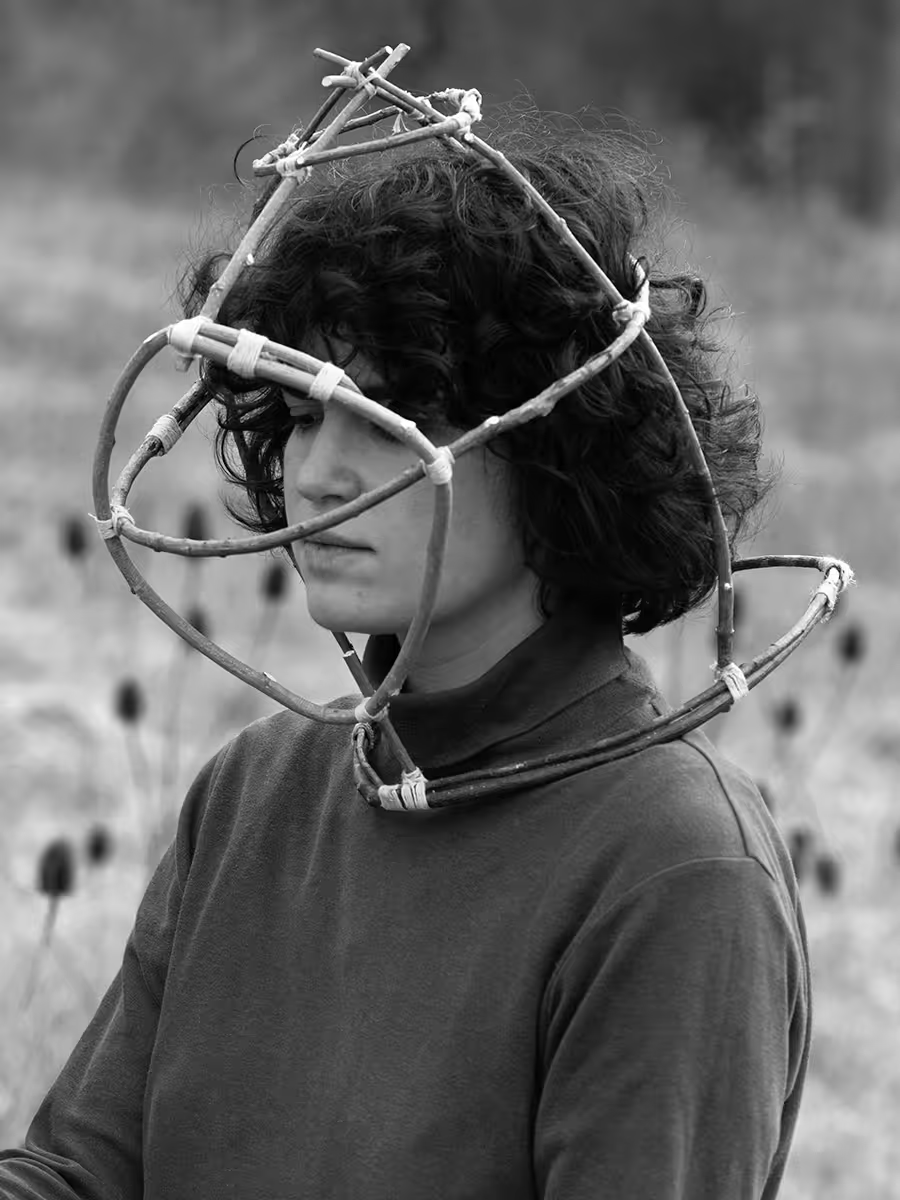
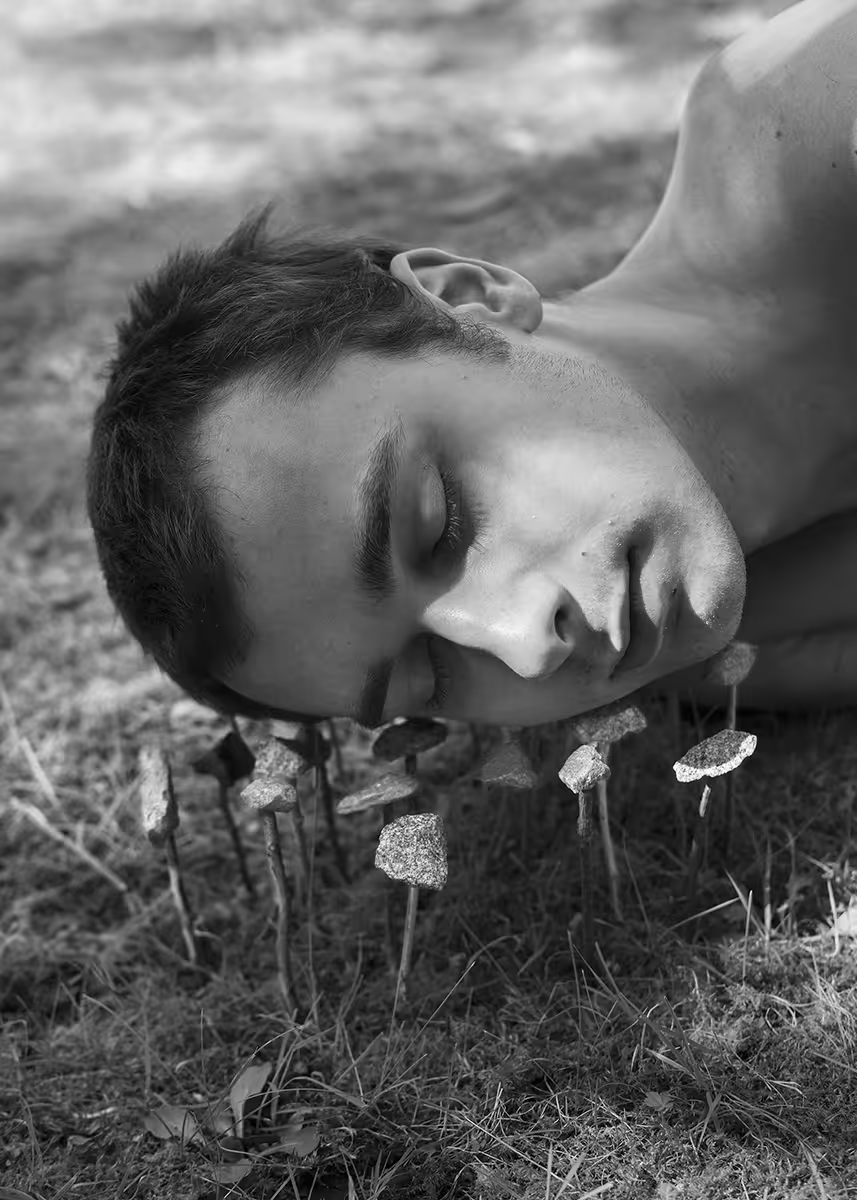
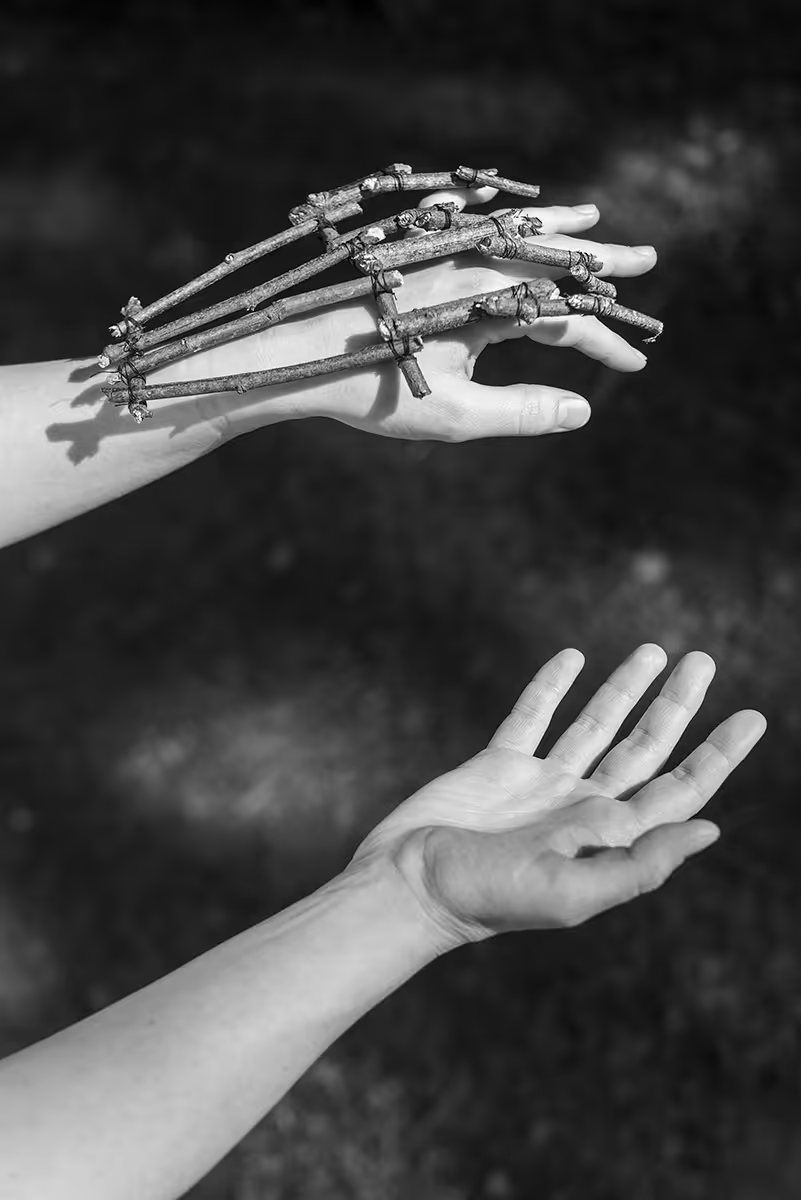
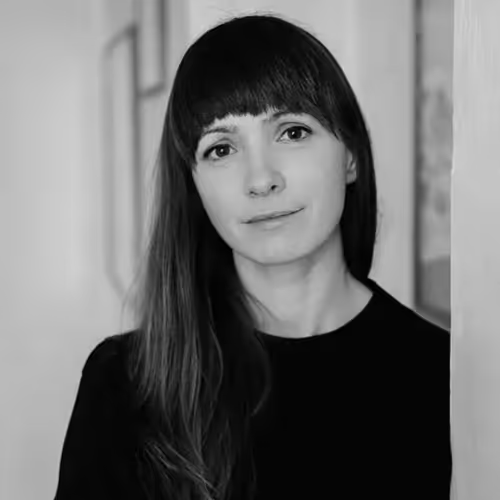
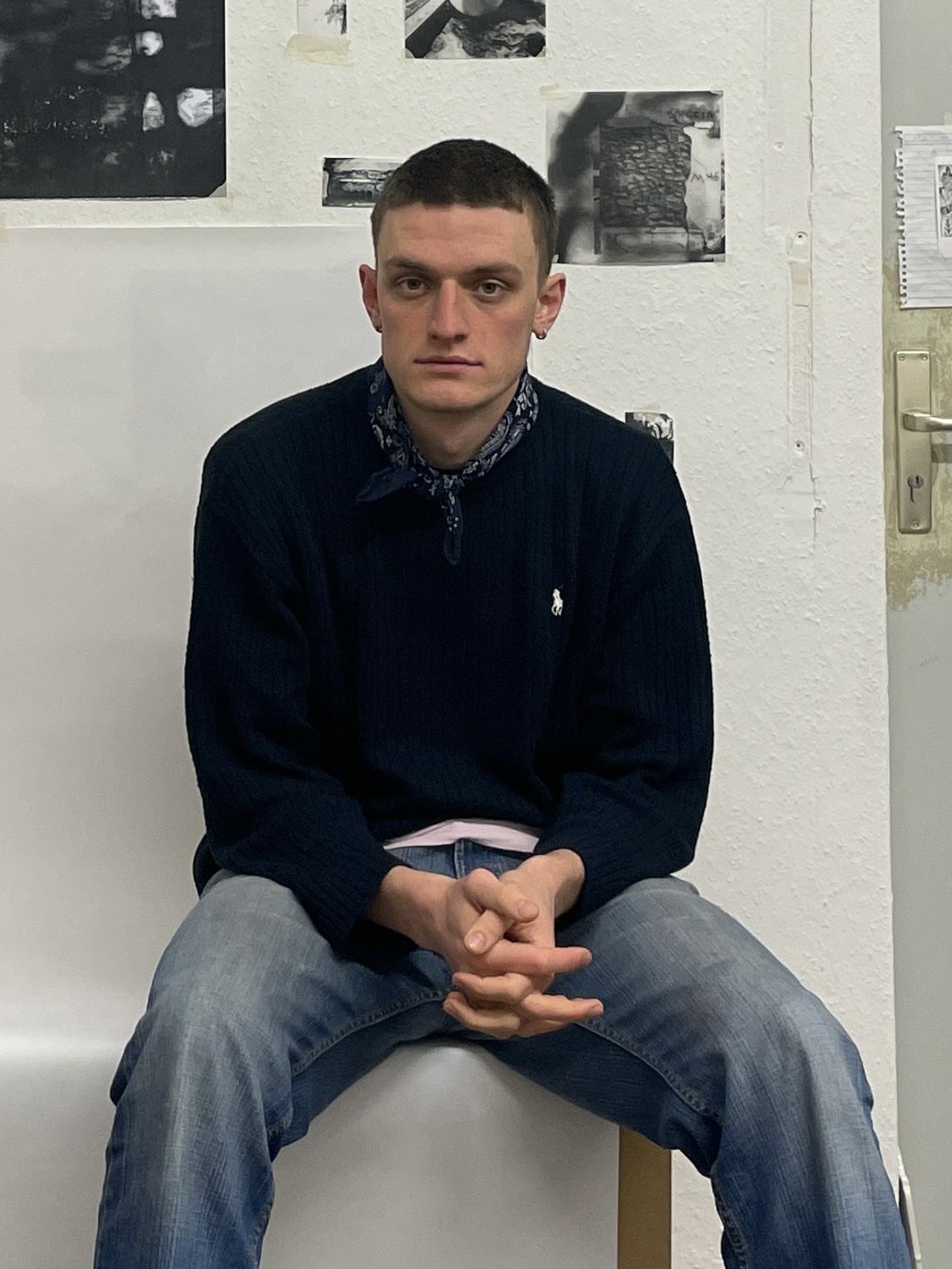
Anna Kieblesz is an artist based in Amsterdam. Working across photography, performance, light, installation, and textile, her practice moves between image-based thinking and tactile, material processes. She explores bodily experience, vulnerability, and the role of photography in both artistic and personal contexts. Her work investigates how identity, memory, and subjectivity are shaped through embodied experience. The relationship between inside and outside is in constant flux: as the body mediates experience, it becomes both the center and the creator of action. Approaching her practice from an existential perspective, Kieblesz translates research into material form and brings questions back to the body. Moving between slow and immediate gestures, she combines material experimentation with the reworking of photographic images, often using materials that change over time. Through these methods, she examines discomfort, shame, trauma, and transformation. Anna Kieblesz holds a Bachelor’s degree in Photography from the Royal Academy of Art (KABK), The Hague (2018), and graduated from the Master Fine Art programme at the Piet Zwart Instituut, Rotterdam (2024).
Projects
2023

Traces of Support

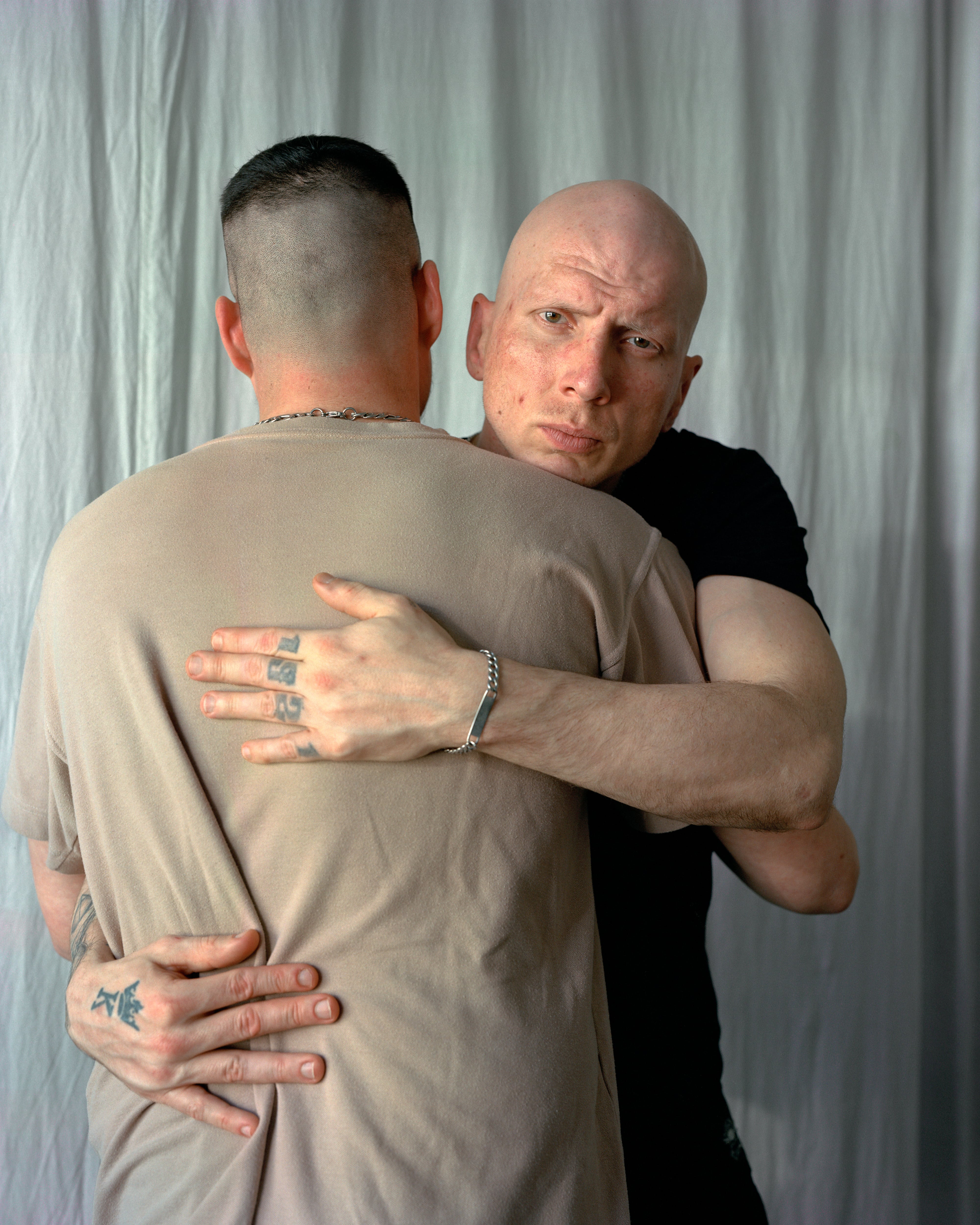
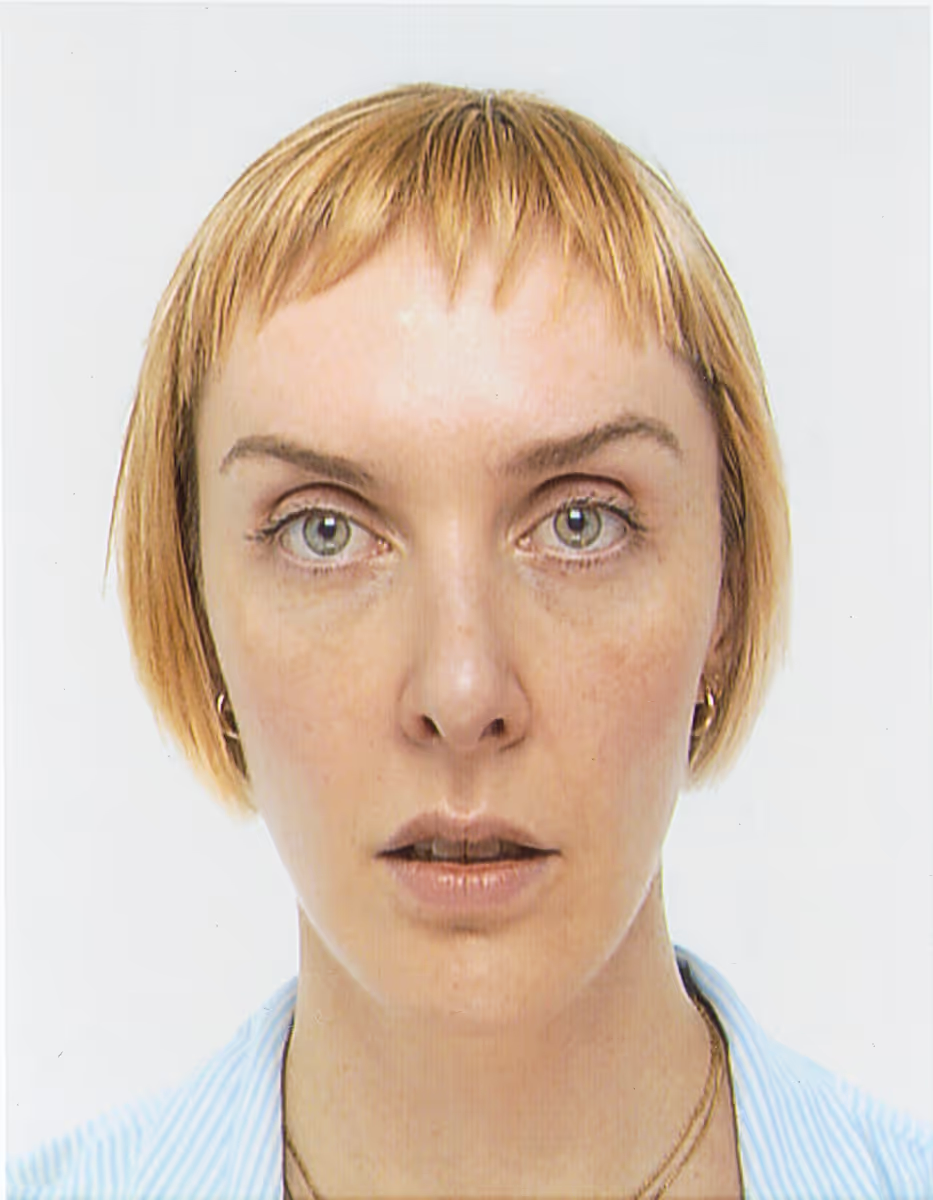
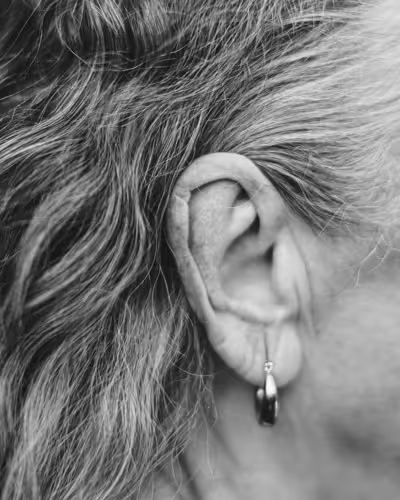
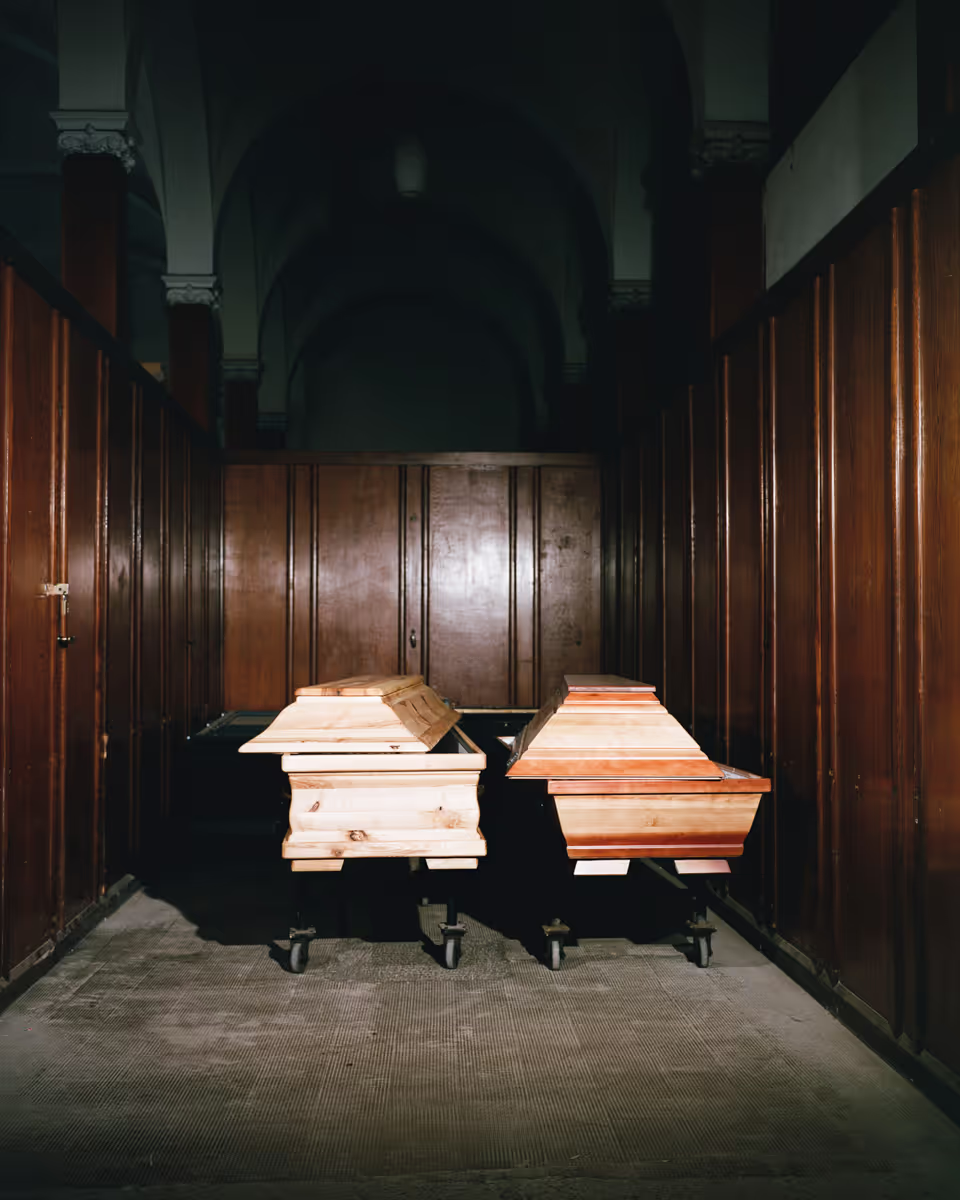
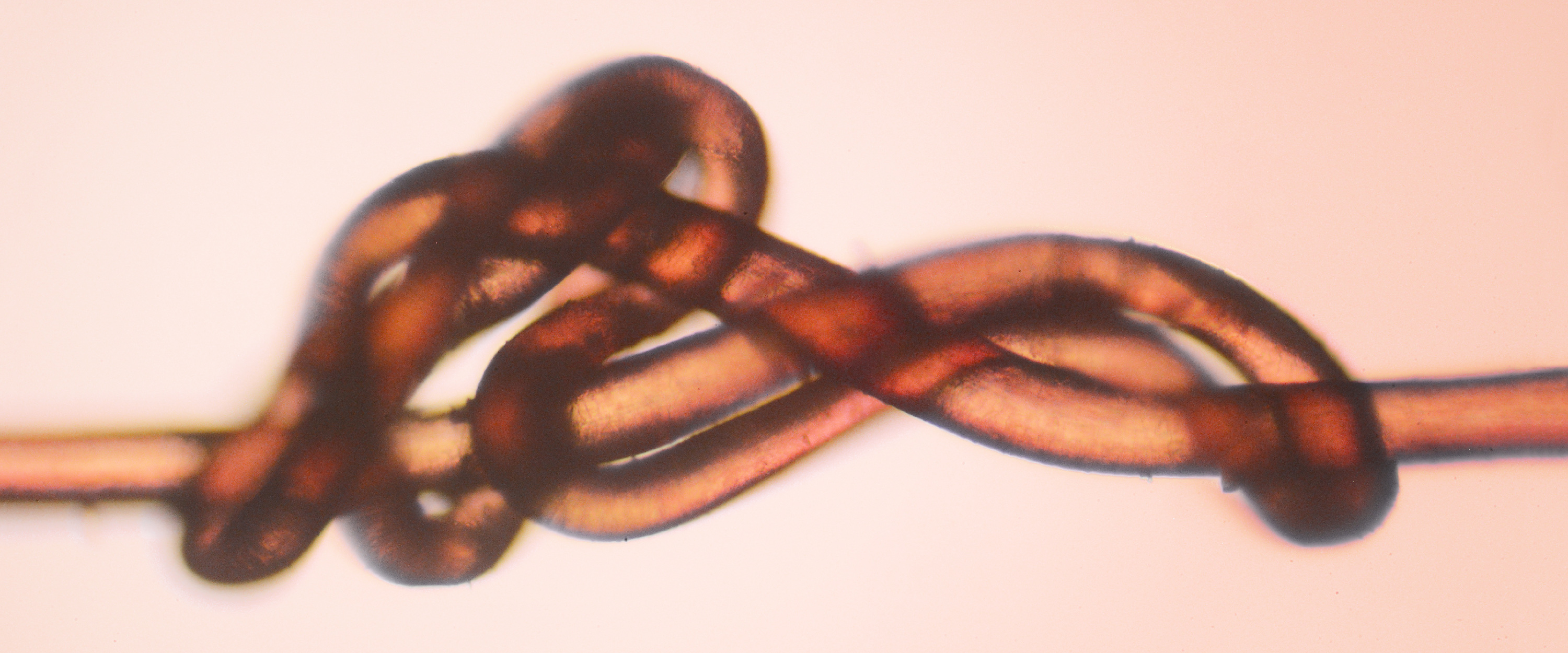
The selection of works revolves around hair as a relic of the body - a material that is intimate, already detached, and continuously produced. Hair operates here as a medium: an extension of the self that moves outward into surfaces, images, and structures. It belongs to the body and no longer belongs to it. It carries memory without intention. Across the works, hair is organized through forms associated with folklore, ornament, and craft, as well as through minimal, functional knots such as the single perfection loop or the handcuff knot, connecting two strands of hair from different bodies. These knotting systems point to shared, learned techniques rather than personal expression. They are precise, patient, and difficult to execute, especially at a scale that resists direct perception. Some works lean toward ornamental composition and repetition, while others isolate a single knot within the image. In one instance, the physical material appears alongside its photographic counterpart, opening a question of what memory is. Object and image exist in parallel, subtly destabilizing each other rather than resolving into an origin. The works suggest a disaster with some form of holding it together. Is it really rescuing anything? It’s just trying to. What is held is not a center, but a surface - skin, pattern, structure - sustained through tradition and repetition. These hair works do not form a single linear project, but operate as part of an ongoing practice in which separate bodies of work remain in conversation, overlap, and align.
2023

Traces of Support

The selection of works revolves around hair as a relic of the body - a material that is intimate, already detached, and continuously produced. Hair operates here as a medium: an extension of the self that moves outward into surfaces, images, and structures. It belongs to the body and no longer belongs to it. It carries memory without intention. Across the works, hair is organized through forms associated with folklore, ornament, and craft, as well as through minimal, functional knots such as the single perfection loop or the handcuff knot, connecting two strands of hair from different bodies. These knotting systems point to shared, learned techniques rather than personal expression. They are precise, patient, and difficult to execute, especially at a scale that resists direct perception. Some works lean toward ornamental composition and repetition, while others isolate a single knot within the image. In one instance, the physical material appears alongside its photographic counterpart, opening a question of what memory is. Object and image exist in parallel, subtly destabilizing each other rather than resolving into an origin. The works suggest a disaster with some form of holding it together. Is it really rescuing anything? It’s just trying to. What is held is not a center, but a surface - skin, pattern, structure - sustained through tradition and repetition. These hair works do not form a single linear project, but operate as part of an ongoing practice in which separate bodies of work remain in conversation, overlap, and align.
Anna Kieblesz
was nominated by
Fotofestiwal Lodz
in
2026
Show all projects
Each year every member of the FUTURES European Photography Platform nominates a set of artists and projects to become part of the FUTURES network.

When searching artists for Futures Talents, we focus on artists living and creating in the region, of Polish origin, or based in Poland, who are at a pivotal moment in their careers—ready to benefit from and contribute to the international Futures community. We look for artists with a strong, distinctive visual language and a clear artistic vision. And all artists joining the platform in 2026 demonstrates a highly individual and recognizable approach to the medium.

Sasha Velichko, a Belarusian artist living and working in Poland, grounds her practice in the socio-political realities of her country of origin. Working across photography, analogue and digital archives, artificial intelligence, and textile, she constructs layered narratives that interrogate memory and power. She is also the recipient of the first Fotofestiwal Grant, with her exhibition scheduled for Fotofestiwal 2026.

Anna Kieblesz works at the intersection of media. Photography, performance, light, installation, and textiles are all tools for her experiments. The body in her works is both a subject and a material presence.

Irena Kalicka has long been active within the Polish photography scene, developing a consistent and unmistakable visual language rooted in grotesque aesthetics, self-made scenography, and performative elements.

Artur Pławski, a self-described late debut artist, constructs nuanced narratives around masculinity, marked by sensitivity and a distinctive perspective.

Mateusz Pecyna creates multi-layered, often multisensory installations that combine found footage, documents, AI-generated imagery, and objects, addressing contemporary questions surrounding image credibility and perception.

The members of the jury:

Julia Klewaniec - photographer, visual artists, curator, member of Picterdoc Foundation, FUTURES Talent 2022

Grażyna Siedlecka - independent curator, Poland

Marta Szymańska - curator of Fotofestiwal Lodz, Poland
Newsletter