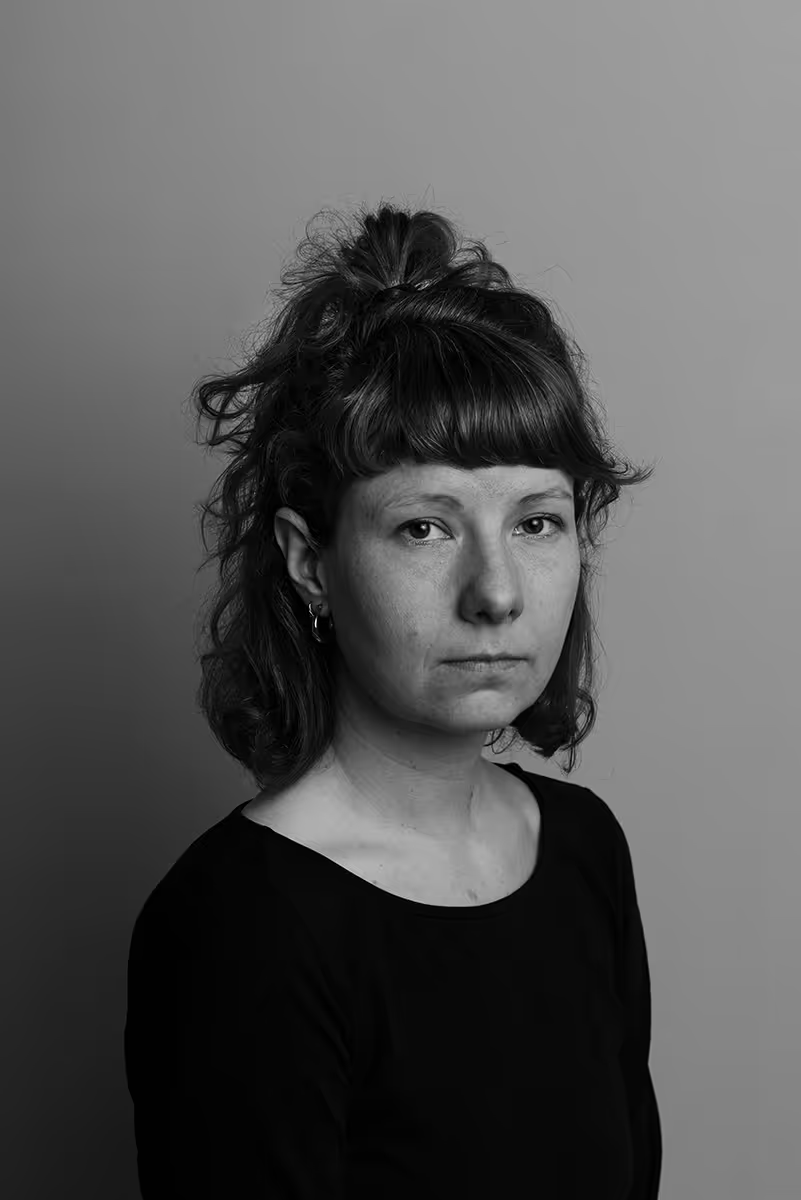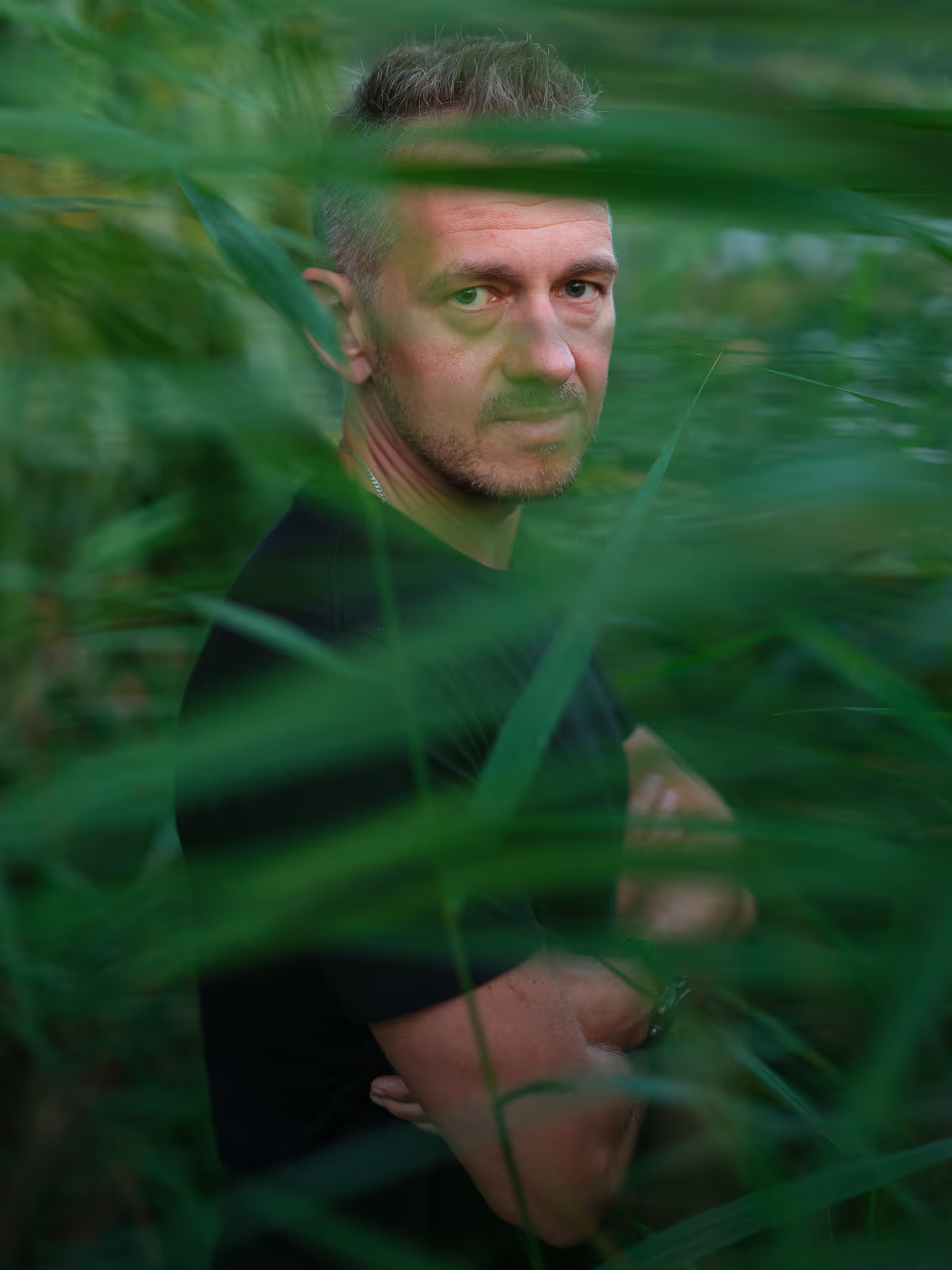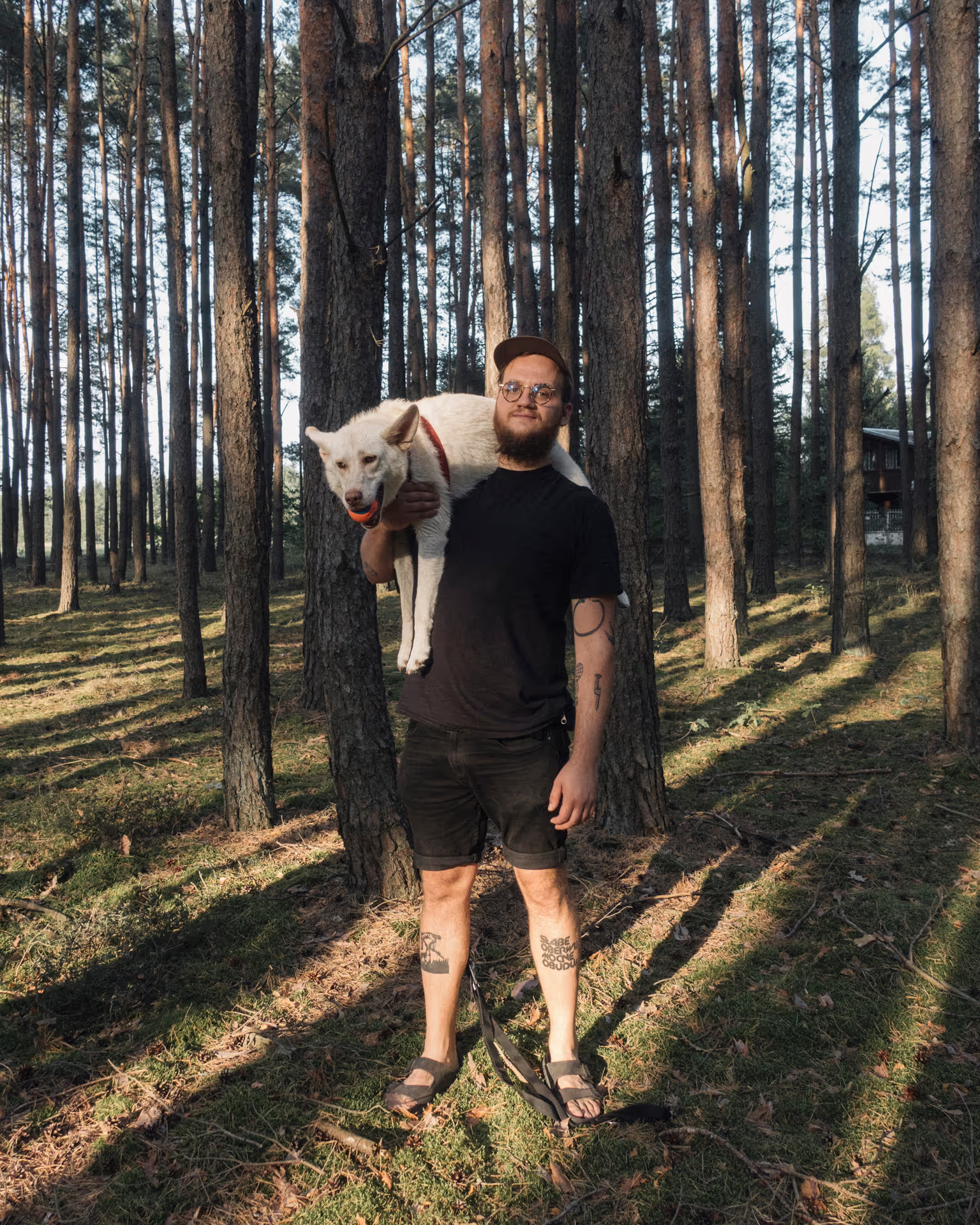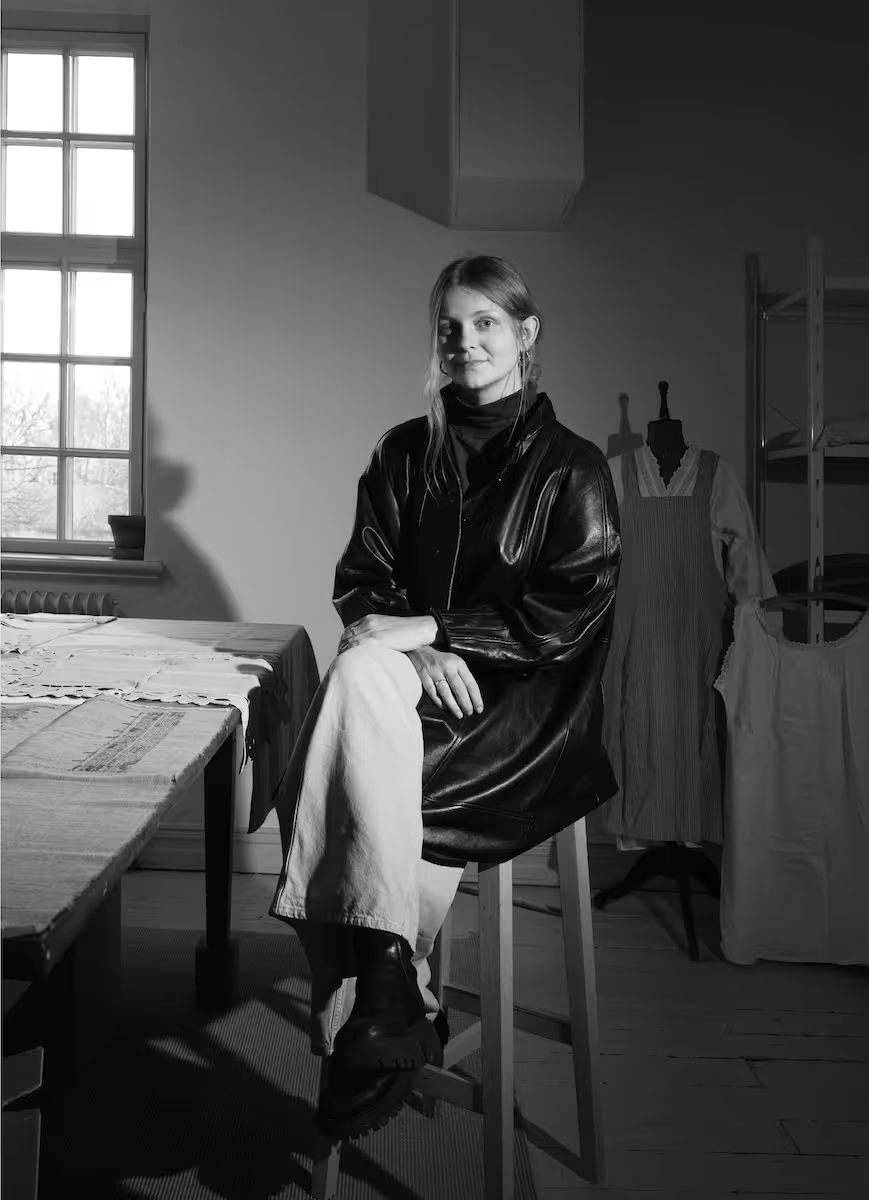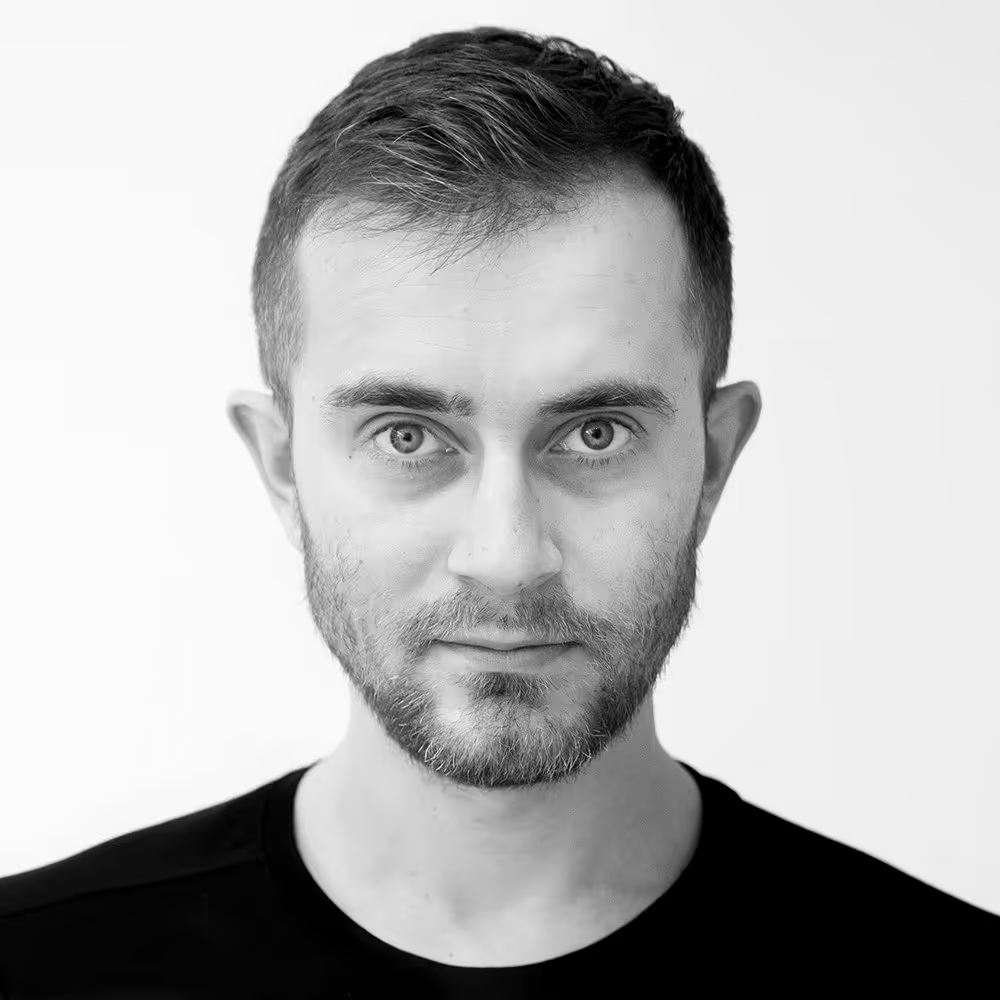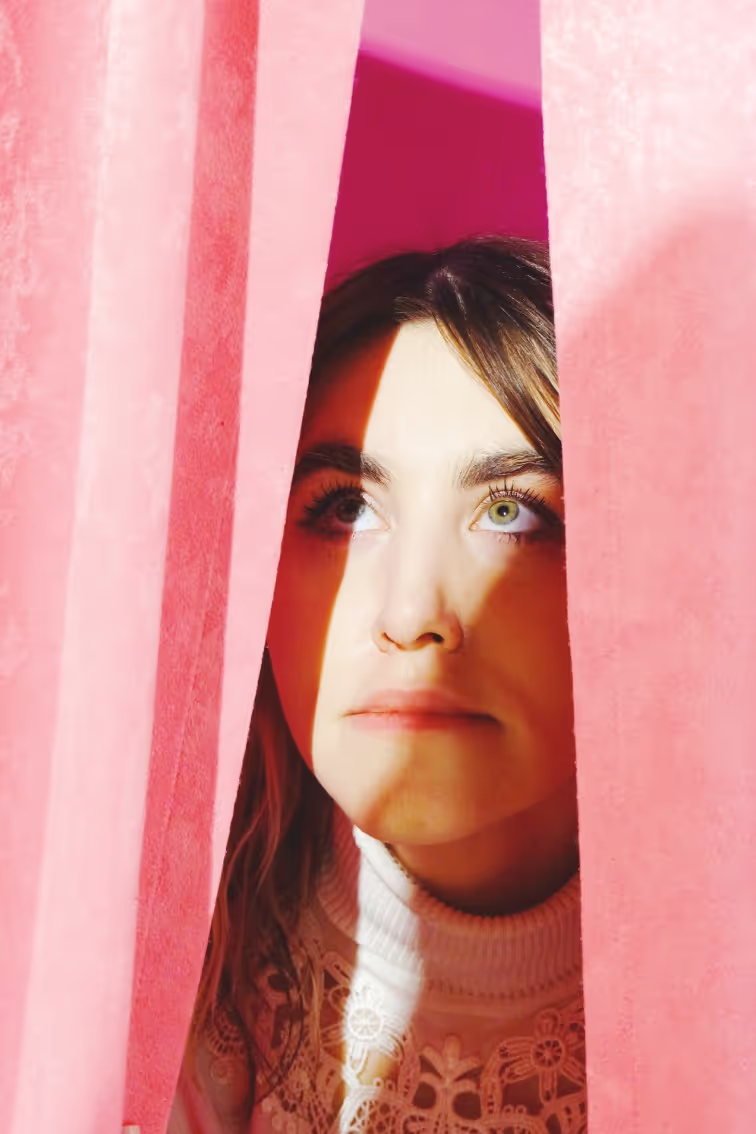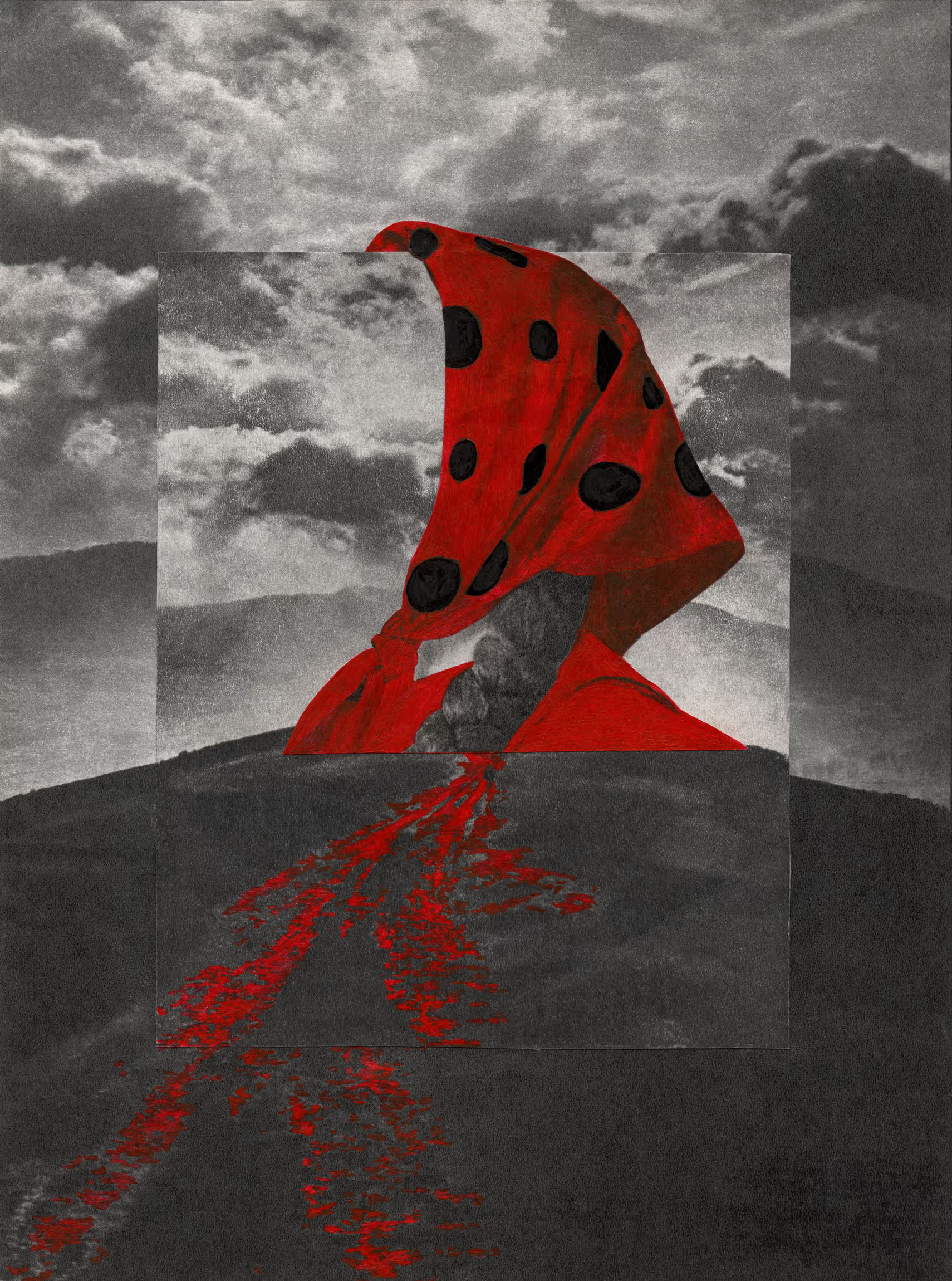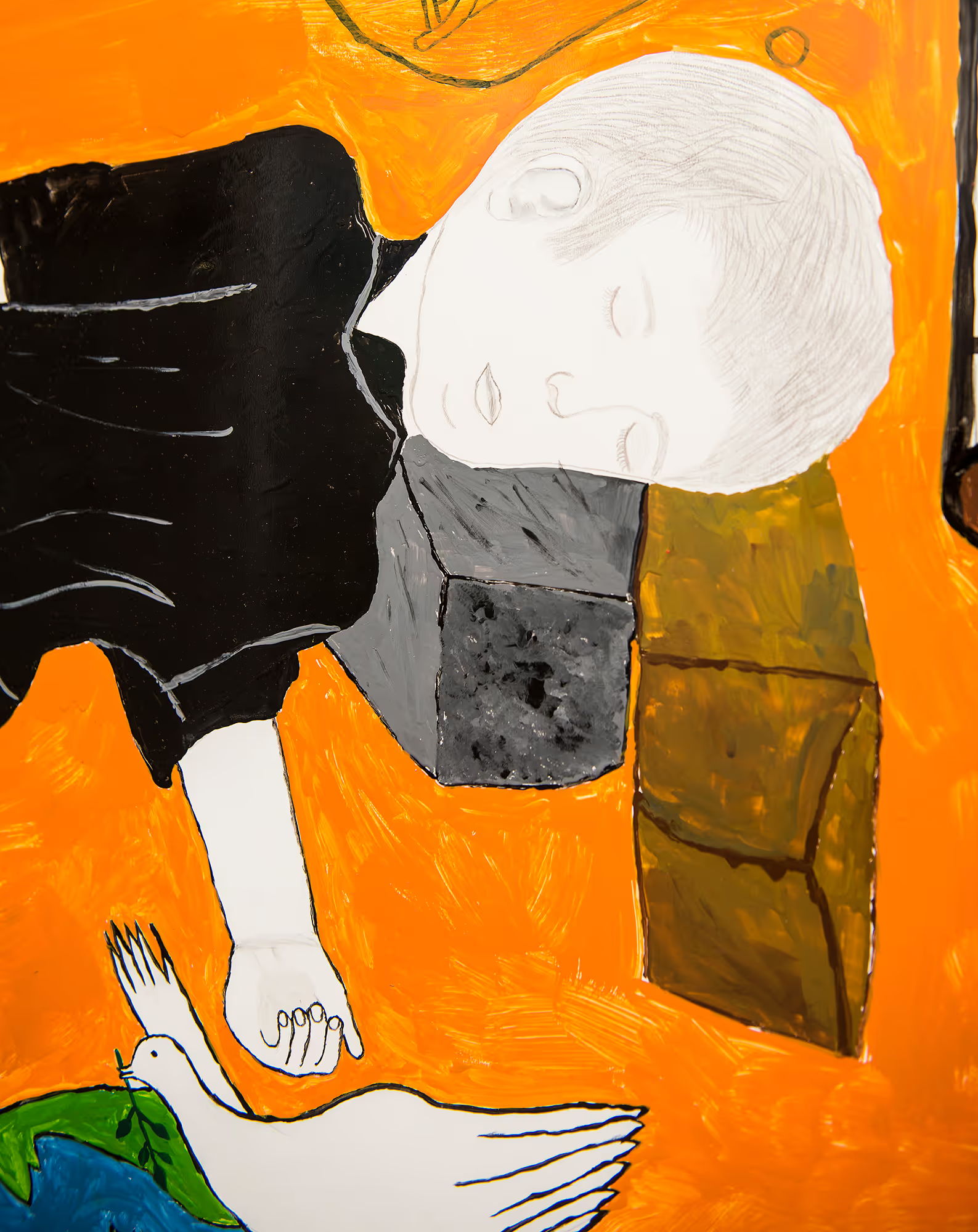
The artists nominated by

Fotofestiwal Lodz
in
2026

For 25 years, Fotofestiwal has served as a platform for artistic presentation, inspiration, and exchange. Alongside its curated program, the festival’s Open Program—based on an international open call—remains a vital component of its structure. In 2026 the first edition of the Fotofestiwal Grant was launched. It is dedicated to supporting the production and exhibition of a new project by an artist from Poland or living in Poland. Together, these two initiatives allow us to closely observe current developments in photography—emerging tendencies, formal experiments, and urgent thematic concerns. They also formed the basis for selecting artists to join the Futures platform. The selection process unfolded in two stages: first, the Fotofestiwal team created a shortlist based on submissions to the Open Program and the Fotofestiwal Grant. In the second stage, an expert panel composed of Julia Klewaniec (visual artist, curator, member of Picture Doc Foundation, and Futures Talent 2022), Grażyna Siedlecka (independent curator), and Marta Szymańska (Fotofestiwal curator) made the final nominations.

When searching artists for Futures Talents, we focus on artists living and creating in the region, of Polish origin, or based in Poland, who are at a pivotal moment in their careers—ready to benefit from and contribute to the international Futures community. We look for artists with a strong, distinctive visual language and a clear artistic vision. And all artists joining the platform in 2026 demonstrates a highly individual and recognizable approach to the medium.

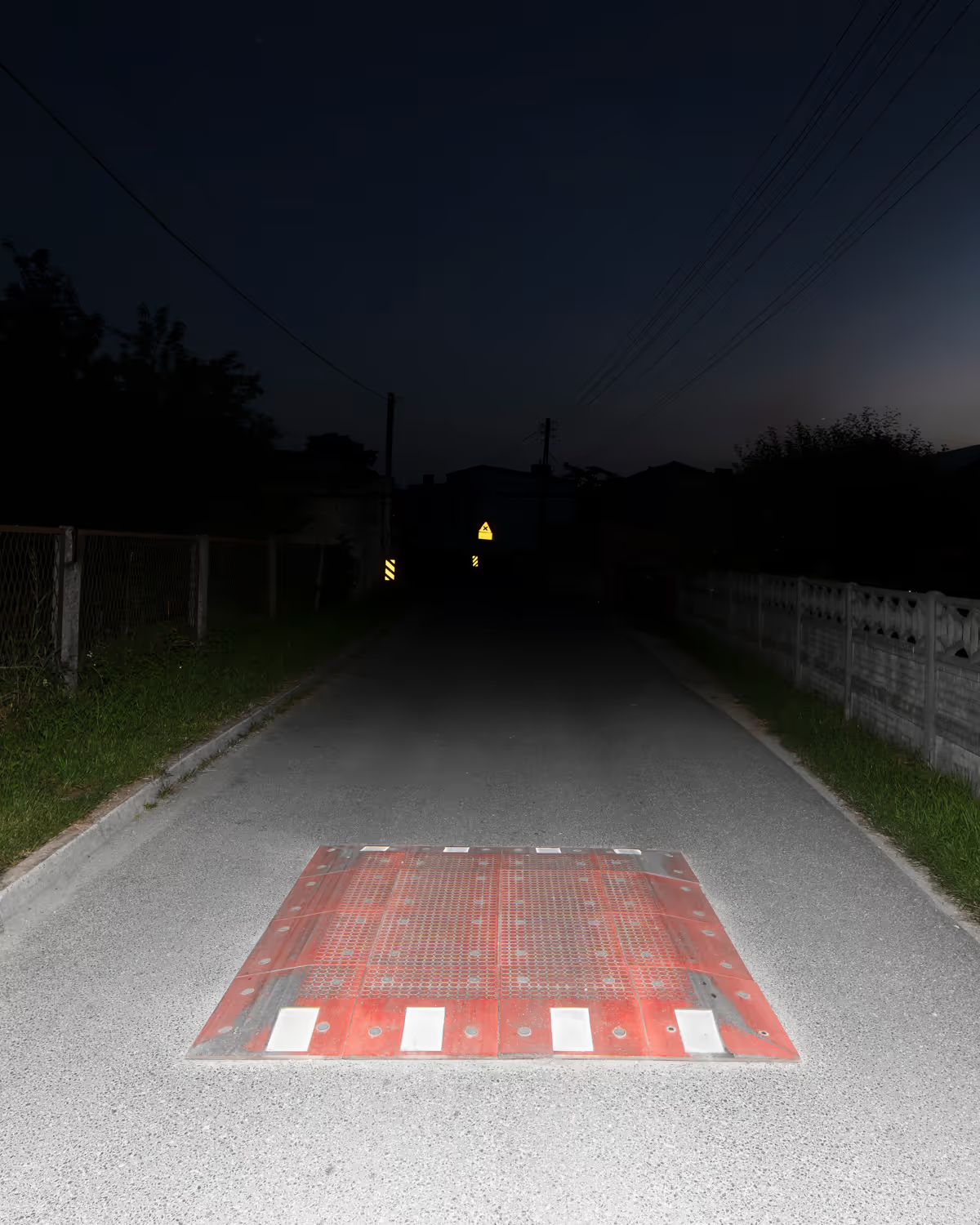
Sasha Velichko, a Belarusian artist living and working in Poland, grounds her practice in the socio-political realities of her country of origin. Working across photography, analogue and digital archives, artificial intelligence, and textile, she constructs layered narratives that interrogate memory and power. She is also the recipient of the first Fotofestiwal Grant, with her exhibition scheduled for Fotofestiwal 2026.

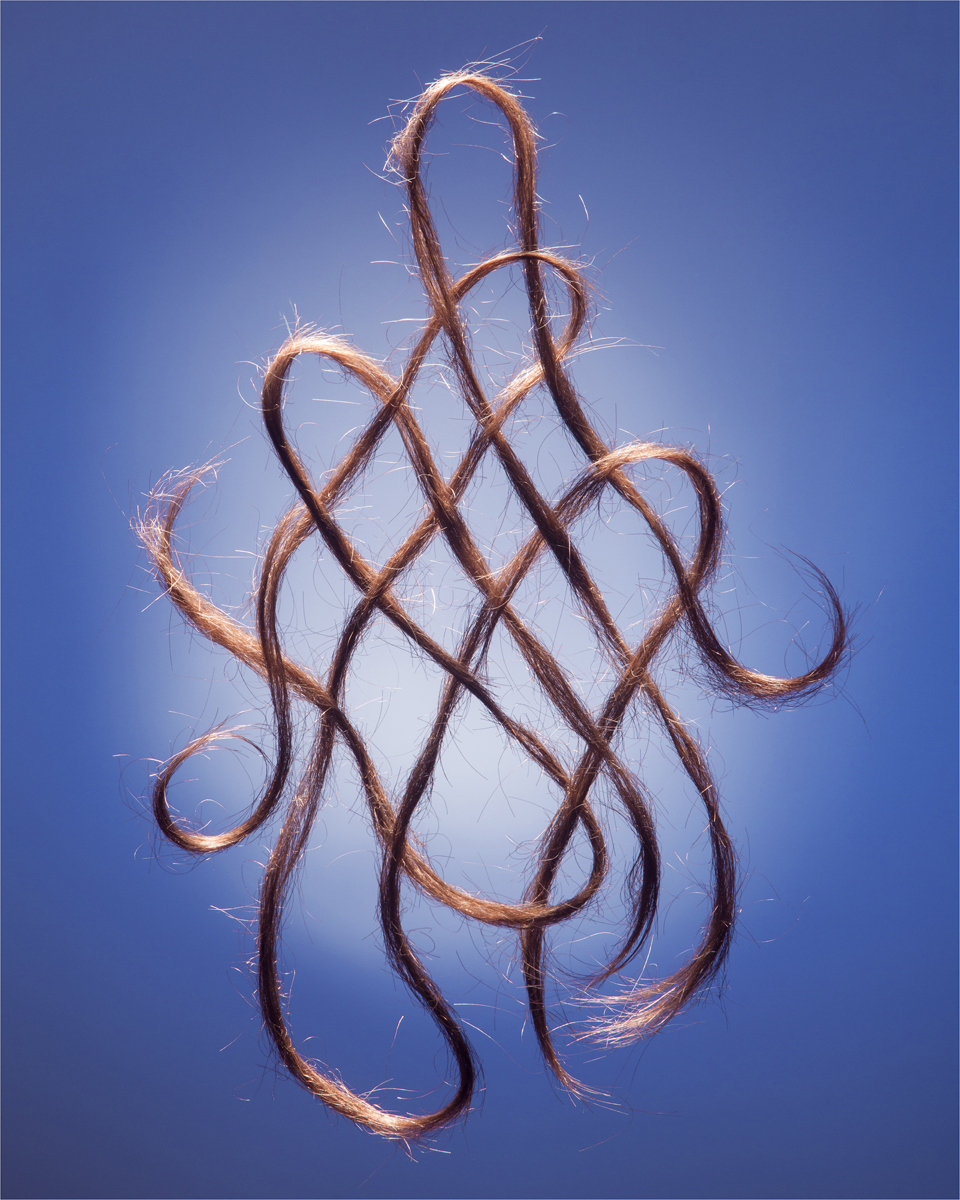
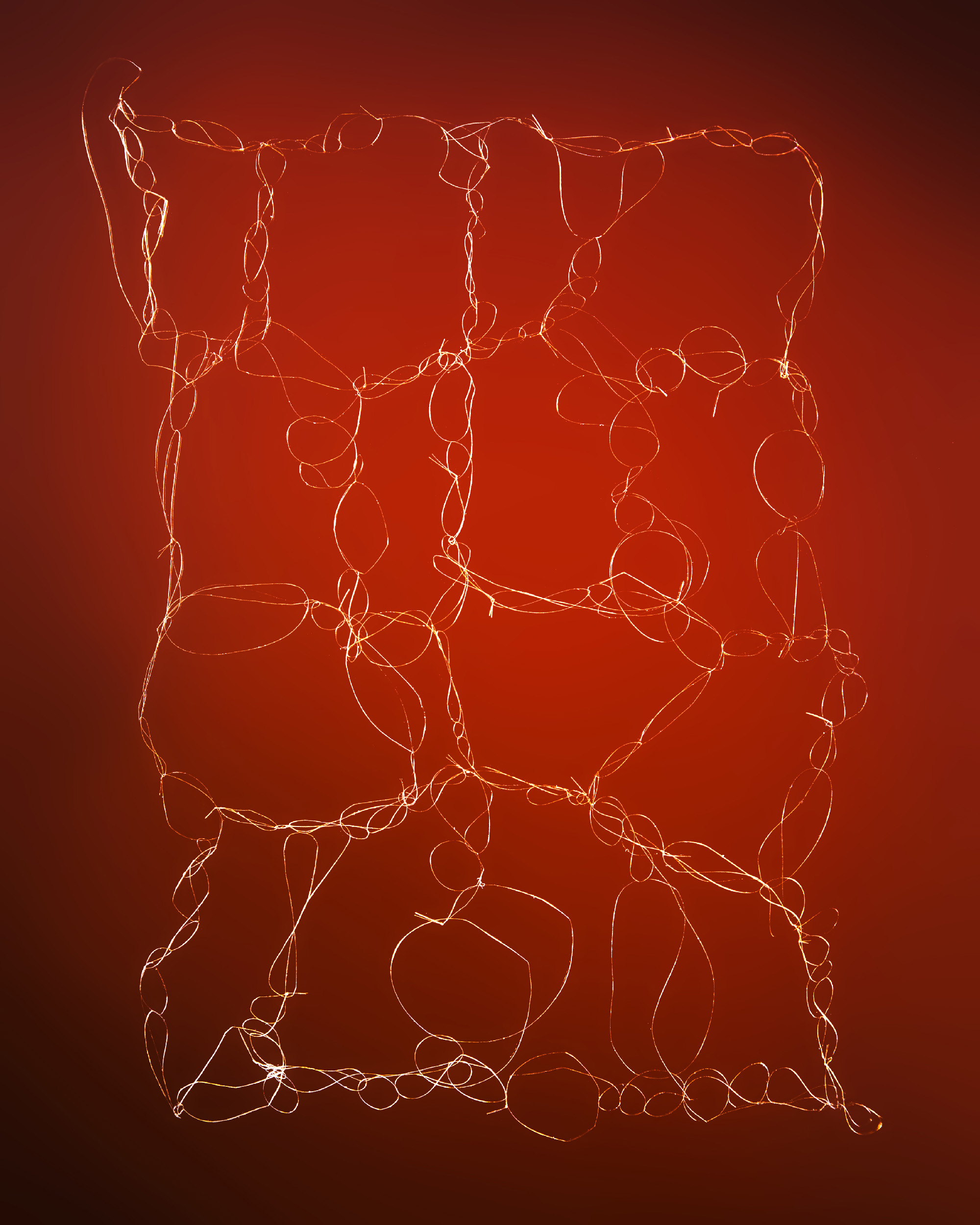
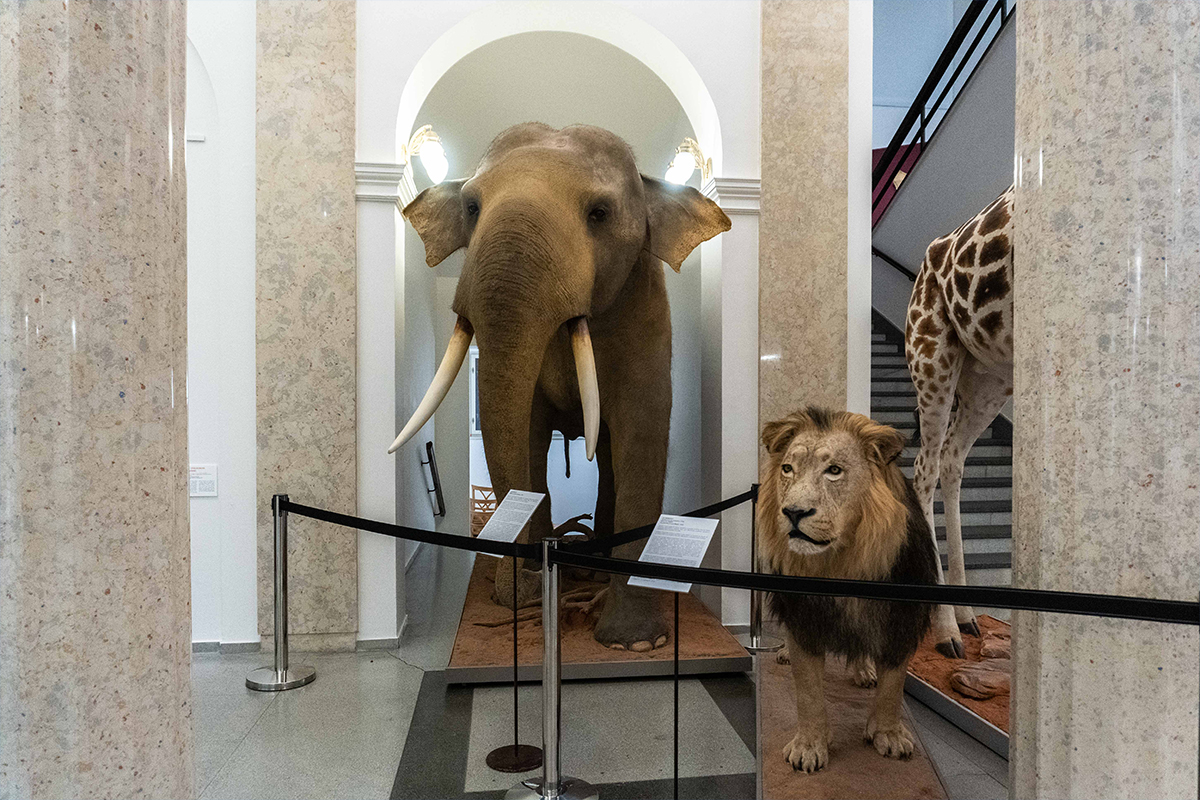
Anna Kieblesz works at the intersection of media. Photography, performance, light, installation, and textiles are all tools for her experiments. The body in her works is both a subject and a material presence.

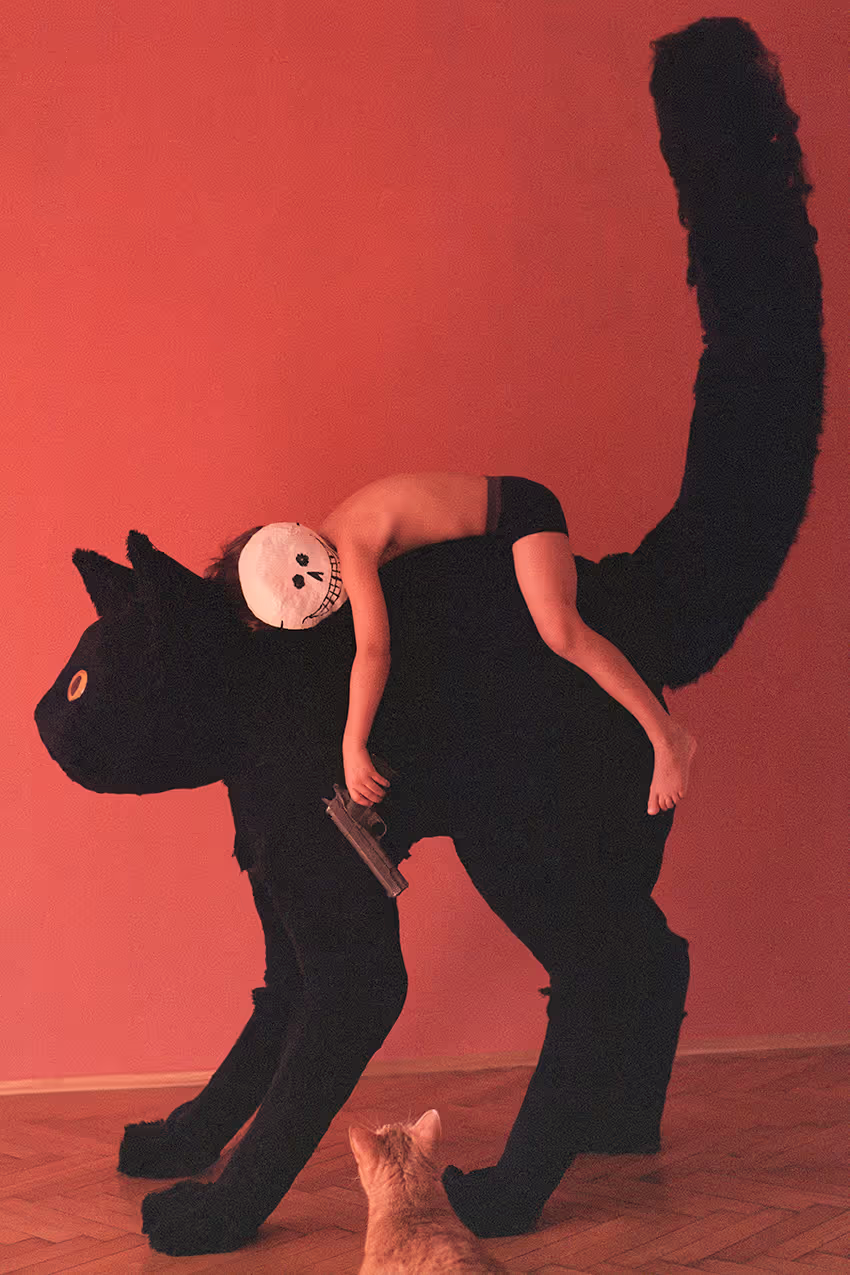
Irena Kalicka has long been active within the Polish photography scene, developing a consistent and unmistakable visual language rooted in grotesque aesthetics, self-made scenography, and performative elements.

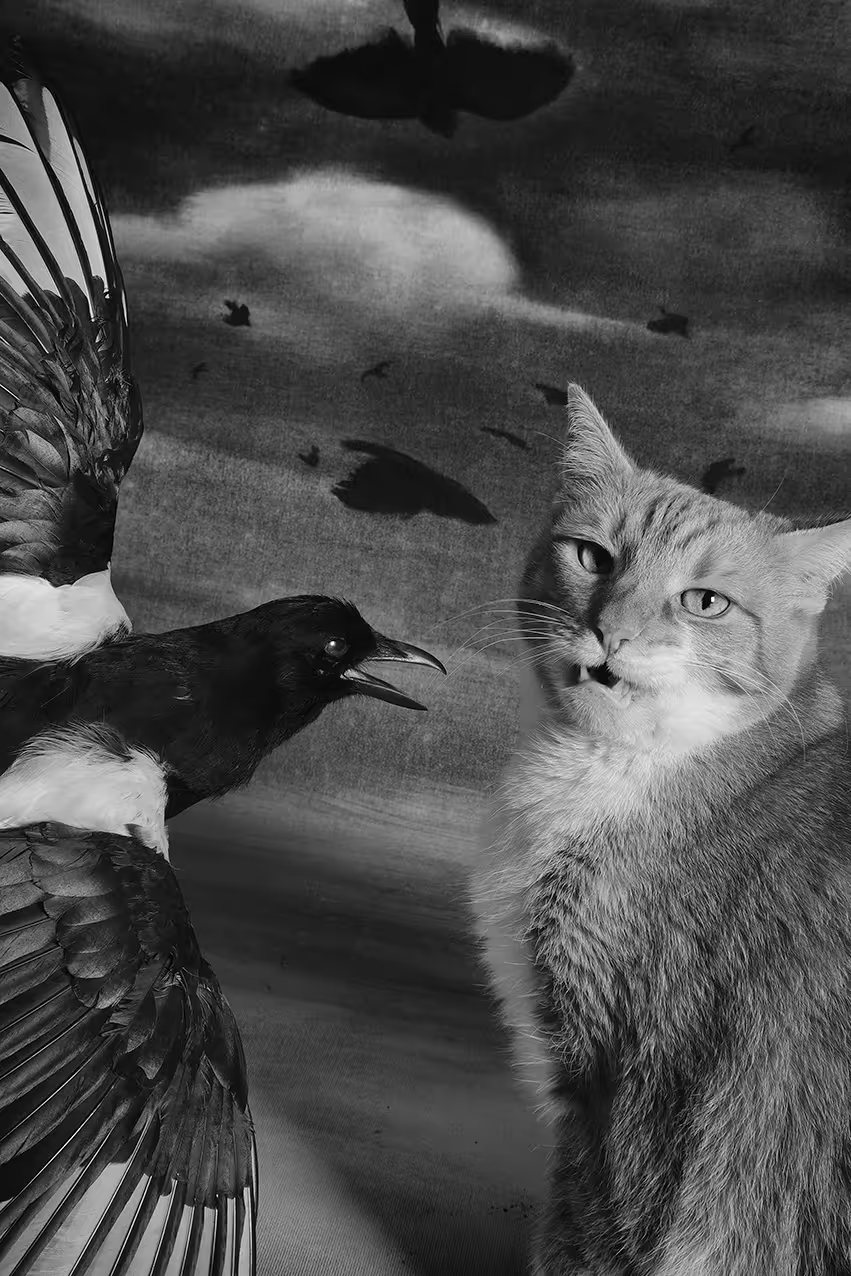
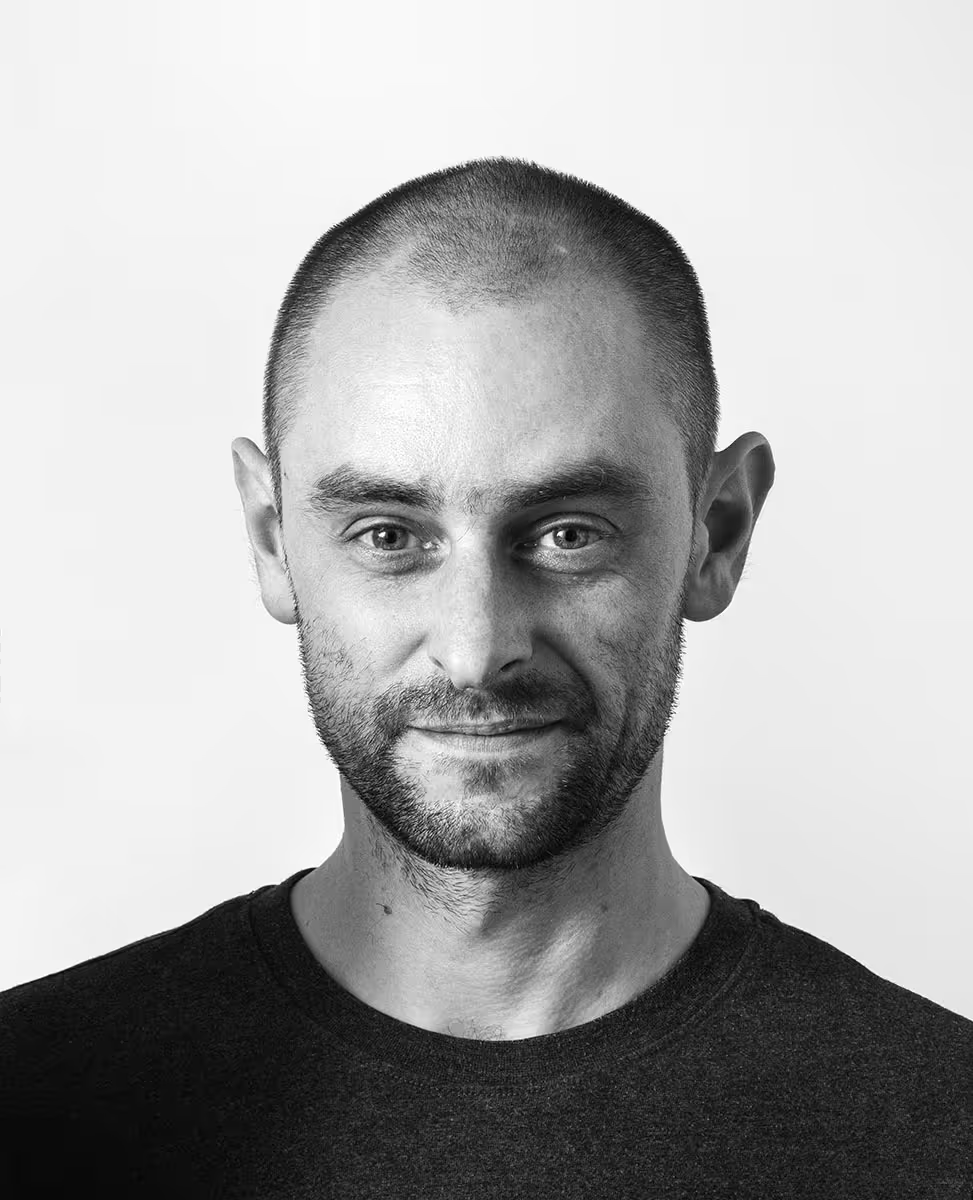
Artur Pławski, a self-described late debut artist, constructs nuanced narratives around masculinity, marked by sensitivity and a distinctive perspective.

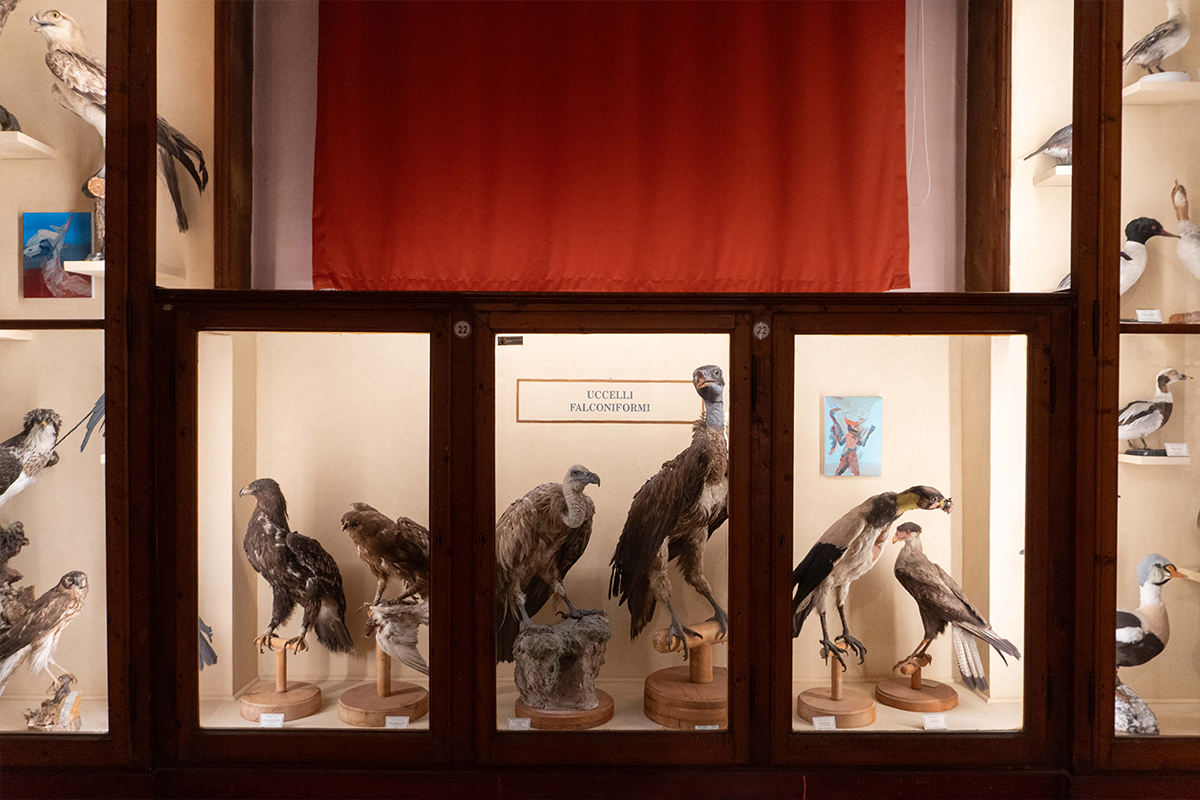
Mateusz Pecyna creates multi-layered, often multisensory installations that combine found footage, documents, AI-generated imagery, and objects, addressing contemporary questions surrounding image credibility and perception.

The members of the jury:

Julia Klewaniec - photographer, visual artists, curator, member of Picterdoc Foundation, FUTURES Talent 2022

Grażyna Siedlecka - independent curator, Poland

Marta Szymańska - curator of Fotofestiwal Lodz, Poland

Projects nominations
Sasha Velichko
Sasha Velichko (b. 1993, Slonim, Belarus) is a research-based artist whose practice spans photography, installation and new media. Her work investigates propaganda, post-truth, manipulations and trauma. Trained in radiophysics, she integrates scientific logic and analytical methods into her artistic process. After being politically convicted and persecuted in Belarus, she was forced to flee the country(2021) and has lived in political exile in Warsaw. Her projects have been exhibited internationally: Zachęta – National Gallery of Art in Warsaw, Circulation(s) Festival, Singapore International Photography Festival. She is the recipient of numerous awards, including the Grand Jury Prize at Les Boutographies(2025), Photo Essay Award at SEEEU Festival in Tokyo (2025), finalist of the Star Photobook Dummy Award (2025), shortlisted for the Images Vevey Book Award(2025). Sasha is represented by Jednostka Gallery.
Anna Kieblesz
Anna Kieblesz is an artist based in Amsterdam. Working across photography, performance, light, installation, and textile, her practice moves between image-based thinking and tactile, material processes. She explores bodily experience, vulnerability, and the role of photography in both artistic and personal contexts. Her work investigates how identity, memory, and subjectivity are shaped through embodied experience. The relationship between inside and outside is in constant flux: as the body mediates experience, it becomes both the center and the creator of action. Approaching her practice from an existential perspective, Kieblesz translates research into material form and brings questions back to the body. Moving between slow and immediate gestures, she combines material experimentation with the reworking of photographic images, often using materials that change over time. Through these methods, she examines discomfort, shame, trauma, and transformation. Anna Kieblesz holds a Bachelor’s degree in Photography from the Royal Academy of Art (KABK), The Hague (2018), and graduated from the Master Fine Art programme at the Piet Zwart Instituut, Rotterdam (2024).
Irena Kalicka
Irena Kalicka is a visual artist and photographer whose work delves into themes of violence, exclusion, and the human body through carefully staged, often grotesque images. Blending dark humor with elements of masquerade, she explores issues of intolerance and the stigmatization of minority groups. Her practice draws inspiration from mythology, literature, and classical art. A graduate of the Łódź Film School, Kalicka has exhibited her work at many of the country’s leading contemporary art institutions and collaborates with the Profile Foundation in Warsaw.
Artur Pławski
Artur Pławski is a photographer with a late debut. A graduate of Philosophy at Adam Mickiewicz University in Poznań, Poland, he participated in the Sputnik Photos Mentoring Program for photographers. He works in the field of documentary photography, drawing on the critical potential of imagination and subjective forms of meaning-making. In his work, he focuses on moments when facts lose their apparent obviousness, the image reveals its subjective nature, and emerging meanings point to a broader contextual framework. He explores the relationship between the individual and urban space, as well as the influence of ideology and language on perception. He is particularly interested in images that resist closure. Artur is the winner of the Photography Publication of the Year Award (Poland, 2023) and received an honourable mention at the PhMuseum Photobook Award 2025.
Mateusz Pecyna
Mateusz Pecyna is a Polish visual artist working with installation, moving image, objects and sound. His practice explores how technological systems and environmental stress reshape contemporary culture, especially through regimes of visibility, interfaces and synthetic forms of nature. Rather than treating technology as a neutral tool, he approaches it as a cultural agent: something that produces aesthetics, behaviours and power relations. Combining research with speculative narration, he builds layered situations that test the boundaries between documentary evidence and constructed scenarios.

Pecyna holds an MA in Photography and Multimedia from the Academy of Fine Arts in Łódź, Poland. He has presented work widely in solo and group exhibitions in Poland and internationally, across museums and festival contexts. He currently participates in the international Heritage Lens programme, focusing on how climate change and environmental catastrophe reorganise cultural heritage, public imaginaries and the conditions of living. He was awarded the Artistic Scholarship of the City of Łódź (2025).
Newsletter