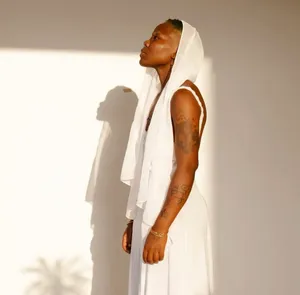
DeLovie Kwagala (aka Papa De) is the first openly non-binary queer photographer from Uganda. An award winning visual artist and film maker, their art is a defiant stance against the colonial gaze, aiming to dismantle stereotypes around beauty, gender identity, and the fetishisation or victimisation of Black and queer bodies. Through self-taught, multi-disciplinary visual storytelling, Kwagala documents and archives African queer youth, exploring themes of identity, belonging, migration, displacement, and climate justice.
Their mission is to preserve dignity, reclaim marginalised African queer histories, and provoke questioning of patriarchal and colonial narratives. Projects like The Quingdom ~ In Transition and Love(r)ships celebrate queer joy, intimacy, and resistance, asserting that "to be visibly queer is a political statement in itself." Kwagala’s work, featured in TIME, The Guardian, and Vogue, strives to evoke relatability and inspire unlearning, ensuring their community is seen not as victims, but as glorious outliers: resilient, beautiful, and unapologetically present.