

Krysha
Marina Istomina
Krysha
Nominated by The Calvert Journal, 2021
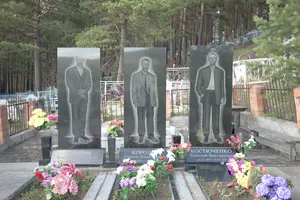
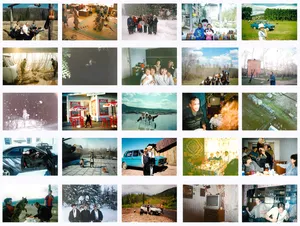
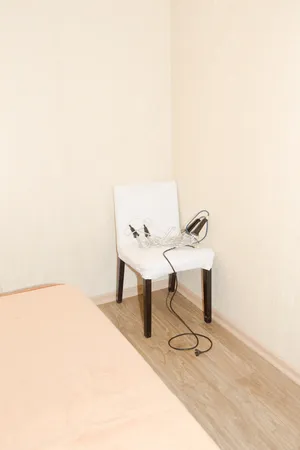
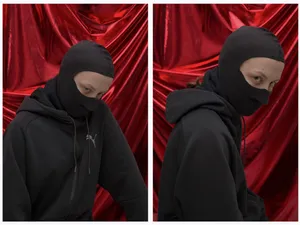
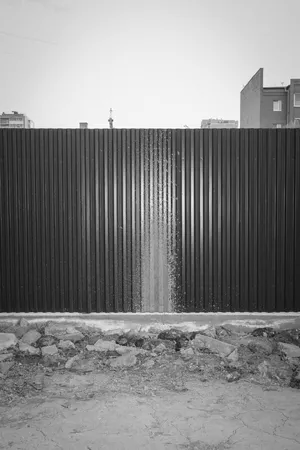
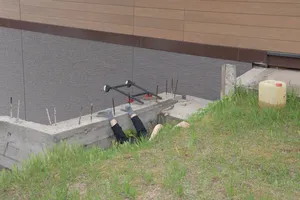
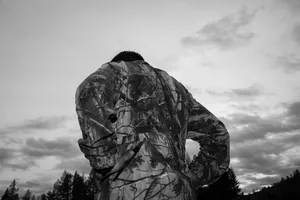
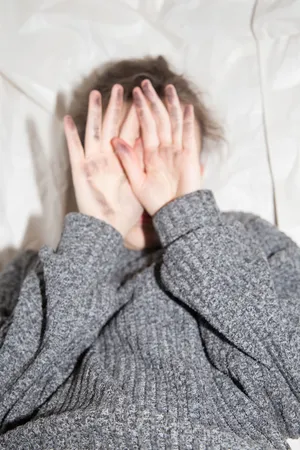
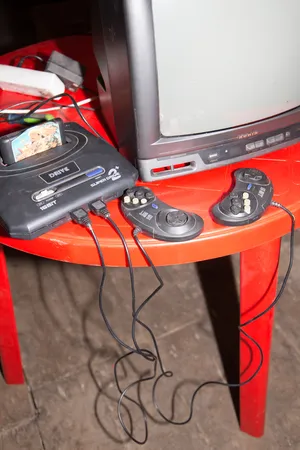
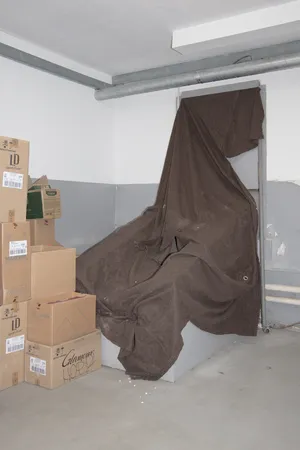
Ust-Kut, Siberia. Spring 2003. I'm 10 years old. A phone rings and we learn that a day earlier several men were killed on a suburban highway as a result of a fire opened on two cars. One of the victims was the leader of a local organised crime group nicknamed the King. Same evening I started looking for my own private sniper. *** At that time, in Russia it was virtually impossible to conduct business without protection of and from criminals, and in our small Siberian city, the King was krysha of many private entrepreneurs, including my stepfather. With his death, the authority lost its corporeality, and the law got reduced to a symbol referring to its own structural lack, to the error within the system and to the absence of a protective mechanism. Everything about the surrounding —the quiet conversations of the adults behind the half-open doors, the anxious look captured on their faces, and the streets that seemed to be emptied at once—let my fear out, which was spreading out in space like a sticky foul-smelling substance. I used to be a regular guest at the King’s place, I remember the old-fashioned stove in the corner and the big icons on the walls, I would easily recognise the arch where his brother had disappeared in the dark, I could still hear his mother's frantic crying and I had never seen such high tombstones. Fear was nagging at me, crawling under my skin. At home, I would meticulously research the best shooting location from where it would have been possible to attack me, and as a consequence search for the hideout. I was preparing, I thought that what had happened would leave its mark on me, or perhaps it already did, and I just couldn't figure it out. One crime inevitably leads to another, and I felt like a witness, who had to be gotten rid of. What did I see and what did I know?


Suffocation
Marina Istomina
Suffocation
Nominated by The Calvert Journal, 2021
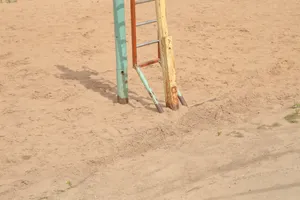
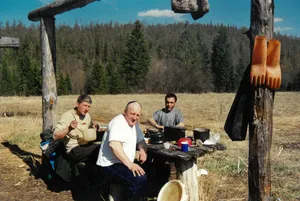
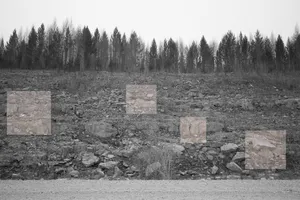
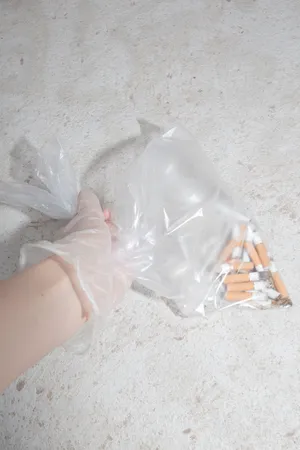
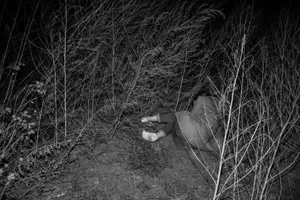
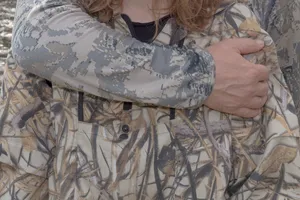
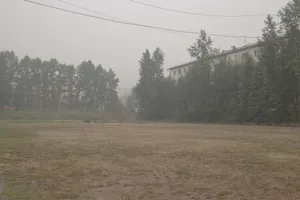
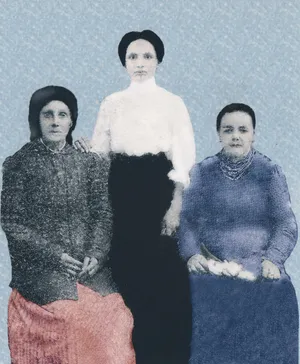
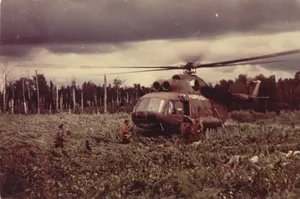
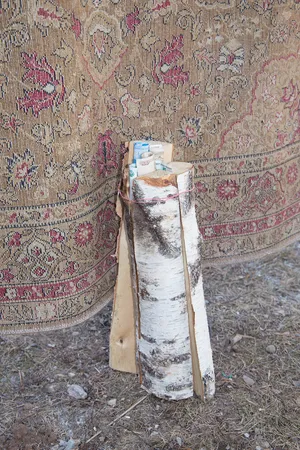
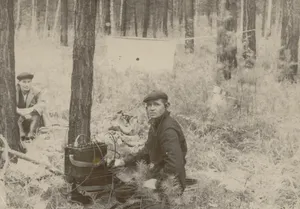
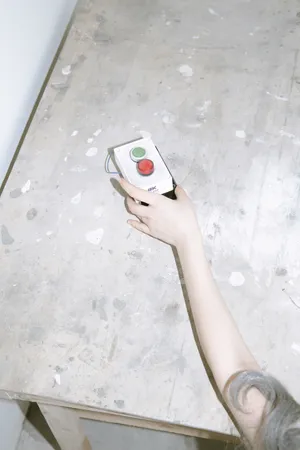
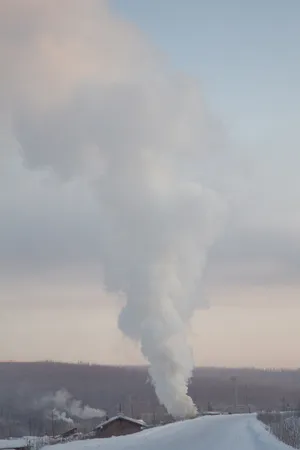
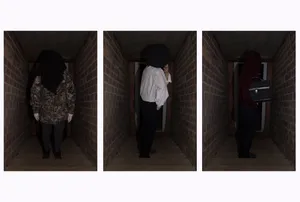
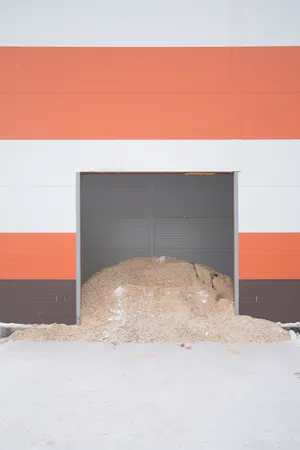
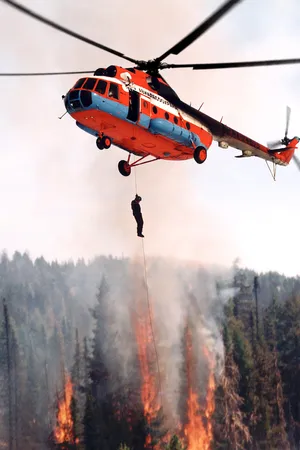
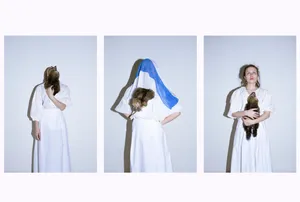
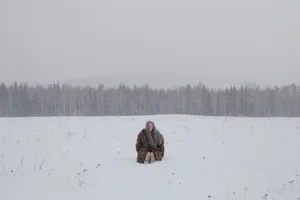
Be fertile, be laughing, train a good hunter for God, take care of your husband (originally: ‘hold him in your arms’), bring up your child well, let him have plenty of fire. A Tungusic shaman incantation, XVIII century Be happy, always be young and cheerful, your lifetime never to end. God save you. In your dignity and prosperity ascend. Hug your husband, bring up your children to kindness, and let love between you be like fire. A Tungusic shaman adapted incantation We would wake up and not see a thing. The smell of burning filled my nose. Helicopters were hovering in the air like wagtails, I was gathering dead insects. It seemed to me that the city was like them – struggling to breathe, yet somehow still alive. In 2019 more than 14,000 wildfires occurred in Russia. By the end of the season, 277 criminal investigations had been initiated. One-fifth of the fires spread through Siberia and Irkutsk region where the forest that belonged to nobody was turned into a political game board. The photos in the news depict green wood burst by red flames, but they almost never show particular individuals responsible for setting the forest on fire, supporting illegal deforestation and seizing the seemingly untouched area. Media photography, being in charge of representing the problem worldwide, becomes the evidence of concealed incidents where the key figures are men: legislators, ministers, hunters, foresters, firefighters and criminal groups leaders. Turning conventional masculine roles upside-down, imparting the strength, that is normally stays unseen, into feminine, I am confronting rational with emotional, religious with scientific, real and imaginary. Three women – a scientist, a shaman and a wildfires witness – are playing out a common situation as masterful tricksters. A situation where one can find archetypes of potential malefactors who have something to do with bureaucracy, politics and mythology. Connecting a number of time periods and historical contexts, three heroines explore on different levels the issue of intentional burning, taking the attention back not only to the problem and consequences of wildfires, but also to the hidden reasons of their emergence.
Marina Istomina
Marina Istomina (b. 1993, Ust-Kut, Irkutsk Oblast) is a visual artist working with studies of memory, trauma and particularly with traumatic experience. Her practice is often based on interviews and archives, embodied through visual images. In her projects she suggests her own narrative, combining different types of images – self portraits, archival images, staged and documentary photography, still lives.
In 2015 she graduated in Cultural Studies from the Higher School of Economics (Moscow) and in 2019 she completed the course Experiences of Contemporary Photography at Docdocdoc School of Contemporary Photography (St. Petersburg). Exhibitions include: In the N apartment, all tricks are taken seriously, ZGA Gallery, St. Petersburg (2019); MoS Photo Prize, Art of Omsk City Museum (2019); Young Artists That Oksana Budulak and Sanya Zakirov Liked This Winter, Ploshchad Mira Museum Center, Krasnoyarsk (2020); and Young Photographers of Russia 2020, Innovative Cultural Center, Kaluga; Exhibition Hall, Tula (2020), Assuming the Distance: Speculations, Fakes and Predictions in the Age of the Coronacene (Garage Museum of Contemporary Art, Moscow). She is a winner of The Calvert Journal Makers of Siberia Special Jury Prize (2019), the New East Photo Prize (2020), and the competition Krakow Show OFF at Photography Month in Krakow (2021). She lives and works in Moscow.
ProfessionVisual Artist
IdentityWoman
LocationRussian Federation
PracticeDocumentary, Still Life, Archives
TopicsIdentity, Post-memory
Nominated byThe Calvert Journal
Year2021
Contactistomina.marinaaa@gmail.com
Close

Address
Isaac Titsinghkade 6A-B
1018 CA Amsterdam
The Netherlands
Address
Isaac Titsinghkade 6A-B
1018 CA Amsterdam
The Netherlands
© 2026 FUTURES Foundation
© 2026 FUTURES Foundation
Close