2024
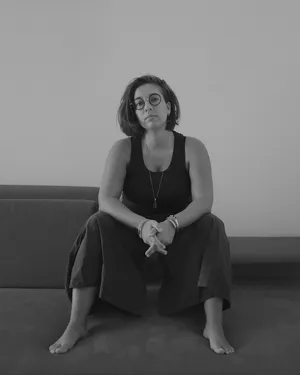


Member from 2022.Located in Munich, Germany
“The quality of light by which we scrutinize our lives has direct bearing upon the product which we live, and upon the changes which we hope to bring about through those lives. [...] This is poetry as illumination, for it is through poetry that we give name to those ideas which are - until the poem - nameless and formless, about to be birthed, but already felt.” – Audre Lorde. In art, we can reconnect with our humanity and purpose. In light of the major shifts in the world the past two years we are pleased to select five emerging photographic voices that engage with social issues through their different artistic and collaborative modes of making. Der Greif is an organisation for contemporary photography that was born and built on the foundations of collecting and collective making. Our annual publications testify to the potential of single images and image-pairings to spark and create new narratives. We investigate the sites and spaces of image production, distribution and reception. In this sense, we are continually reflecting on and questioning the roles images play in how we create and process our environment and our respective positions and responsibilities within it. This year’s selected artists share a fascination for how natural and cultural environments shape our identities, our bodies, our voices, our stories, and our selves. What kind(s) of social, political, and emotional engagement and awareness can photography help foster? How can we more effectively engage critically with our audiences? How has the pandemic affected the values of photography and how we operate within these? How can photography connect us more deeply? Ultimately, the question remains: how and where do photographs touch us?
Nominations
2024
2023
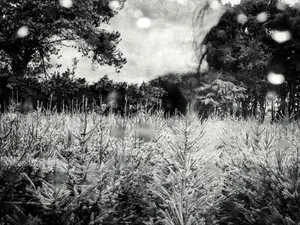
In Monika Orpik's work titled Stepping Out Into This Almost Empty Road, we are invited to engage with migration and transience with her stark black-and-white photographs that document various states of impermanence along the Polish-Belarus border. The Białowieża National Forest is the center of Orpik’s meditation on life at a time of political oppression and transformation.
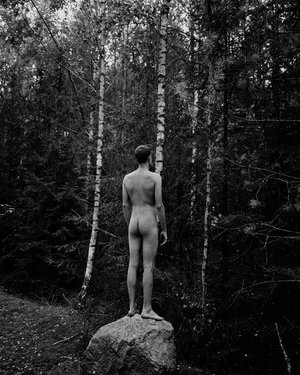
Peter Pflügler’s work Now is not the right time equally begins with a forest and a deep desire to use photography as a means to investigate and render previously hidden secrets visible. Strikingly coherent and honest in his approach, Pflügler’s work intimately instigates a conversation about suicide, secrecy, and the suddenness of time’s ongoing passing.
Raisan Hameed focuses on the materiality of images in his work, Zer-Störung which, as the name suggests, looks at the processes of destruction, and what remains are documents formed by various layers of time as open questions and scars. Starting with the combination of personal and archival imagery from his hometown Mosul, Hammed’s work engages with the photograph’s power to obscure time and meaning.
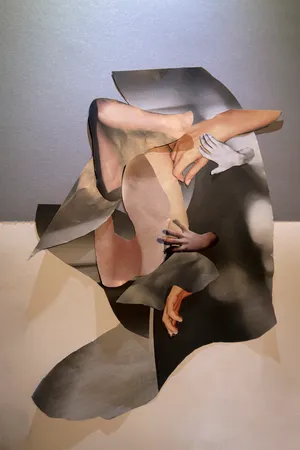
Bärbel Reinhardt’s work draws from photographic stratification. Working across various modes of presentation, Reinhardt’s work plays with the imaginary quality of the photograph, looking at the contemporary cut-and-paste visual queues as signposts for a recyclable iconography. In her project, again still erratics perhaps, the artist gathers, deconstructs, cuts, assembles, photographs, re-photographs, and repurposes these to create a dense visual space where different times and techniques collaborate.
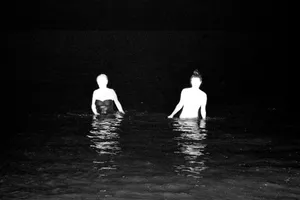
In artist and author Marie Hervé’s work, history is both completed and open-ended – her tendency to work with a combination of archival and personal imagery anchors her narratives into past, present, and future. Her project The island on the island is a meditation on the Mediterranean territory’s beauty and transience. The act of researching and retracing the past, becomes a means through which to engage with the unstable nature of the present.
2022
Thana Faroq’s most recent work How Shall We Greet The Sun comprises a series of portraits and writing that reflects on the photograph’s ambiguity, power, and inabilities, offering viewers an unprecedented insight into the inner lives of women in exile. Faroq is also nominated by FOTODOK.
Gita Cooper-van Ingen’s work is informed by (female) subjective perspectives and how they relate to larger cultural, and aesthetic discourses. Her Models of Being an Accessory project traces patterns in the visual representation of women posing with iconic handbags.
Tina Faritfeh’s research engages with stories of migration, empathy, borders and bodies. In The Flood, a 4-channel video installation, Faritfeh questions how metaphorslinked to water have been used to dehumanise migrants and refugees.
Mafalda Rakoš’ Stop and Go project looks into Europe and its future through the highway system. Her practice spans film, still photography and text - but is also marked by performative and anthropological methodologies.
Finally, Cooking Potato Stories by Ana Nuñez Rodriguez asks: What can a potato tell us about ourselves? Through a mixture of delicately layered photography and archival media, Nuñez Rodriguez invites her viewers into the rich and entangled history of the potato plant.
Isaac Titsinghkade 6A-B
1018 CA Amsterdam
The Netherlands
Isaac Titsinghkade 6A-B
1018 CA Amsterdam
The Netherlands
© 2026 FUTURES Foundation
© 2026 FUTURES Foundation