

Licking War Wounds
Andrii Dostliev
Licking War Wounds
Nominated by The Calvert Journal, 2020
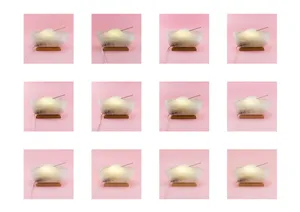
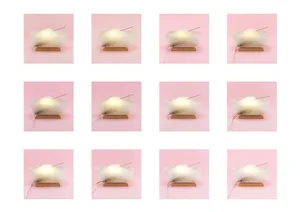
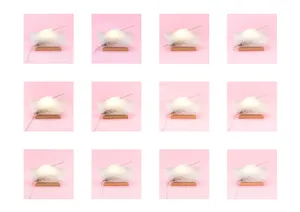
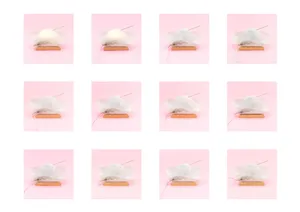
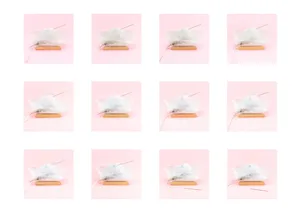
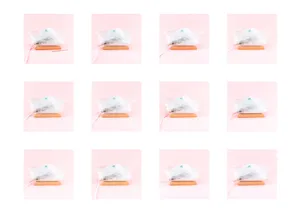
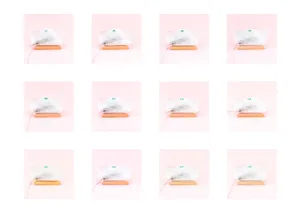
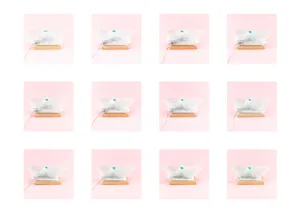
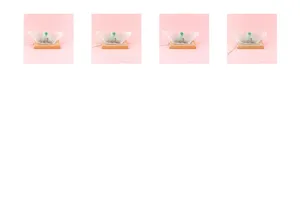
This tank-shaped salt lamp was purchased from a souvenir shop in Bakhmut in late 2016. Bakhmut (formerly Artemivsk) is a city in Eastern Ukraine famous for its salt mines. For a short period of time in 2014, the city was under occupation by Russian terrorists from the so-called DPR. Various salt lamps always were a large part of city's souvenir industry, but this particular kind, in the shape of a tank, has only appeared recently, after the city was liberated by the Ukrainian army. These tank-shaped souvenirs are only a minor aspect of general traumatisation of the Ukrainian society caused by the war lasting since 2014. This traumatisation is yet to be overcome by the Ukrainians, a very long and complex process that might take many years. One of the many war wounds that we have yet to lick. And we're literally licking (yes, physically licking this salt tank with our tongs) this particular one, day by day, bit by bit. This slow and quite painful process demonstrates the slow and not necessarily successful re-shaping of the object of trauma. Follow the project's weekly progress in real-time on Instagram: https://www.instagram.com/lickingwarwounds/.



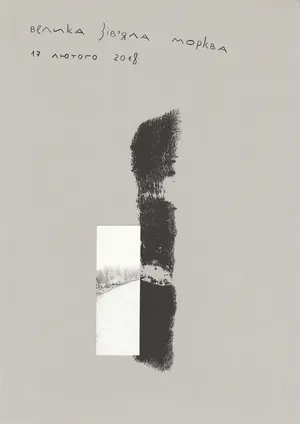
I still feel sorry when I throw away food — Grandma used to tell me stories about the Holodomor
Andrii Dostliev
I still feel sorry when I throw away food — Grandma used to tell me stories about the Holodomor
Nominated by The Calvert Journal, 2020
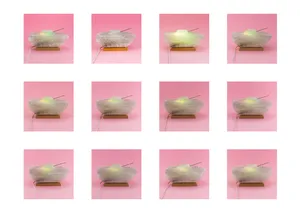
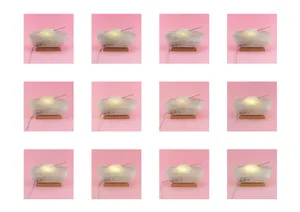
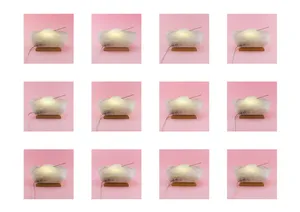
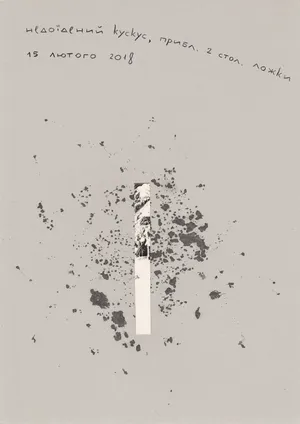
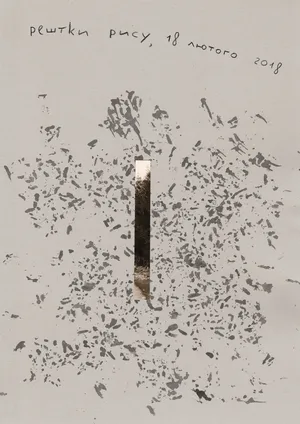
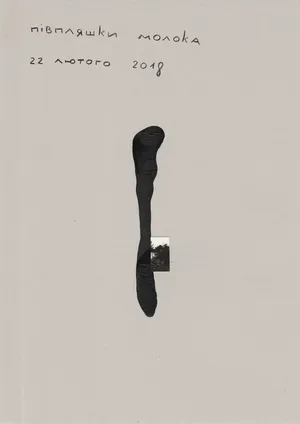
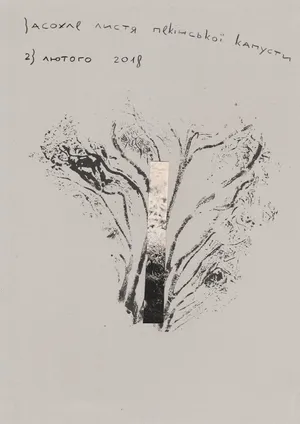
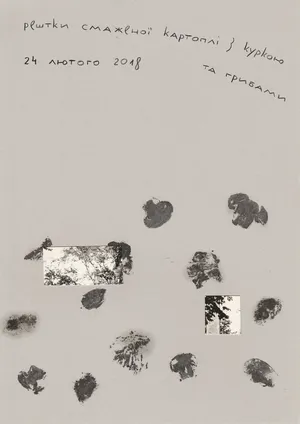
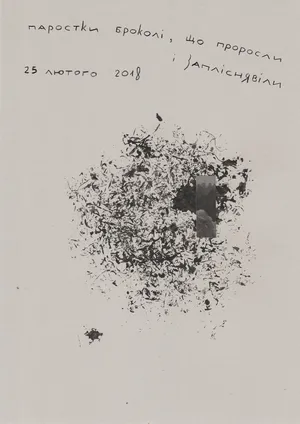
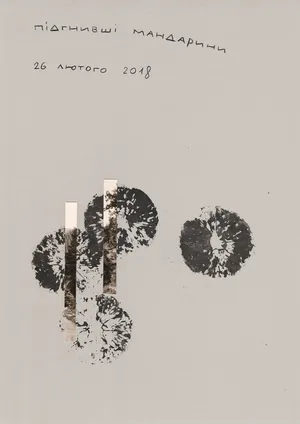
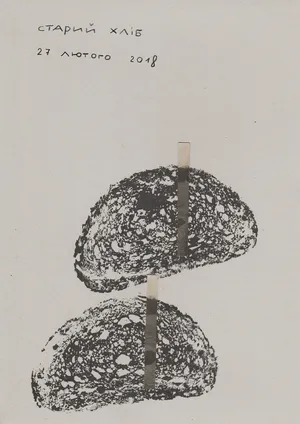
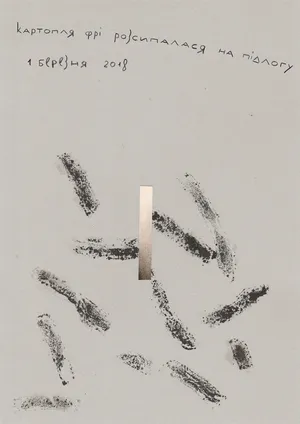
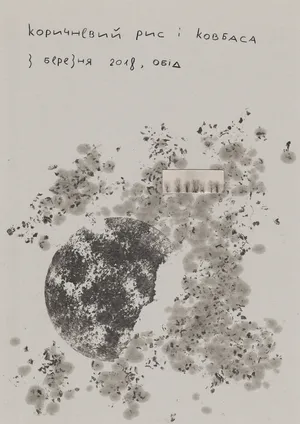
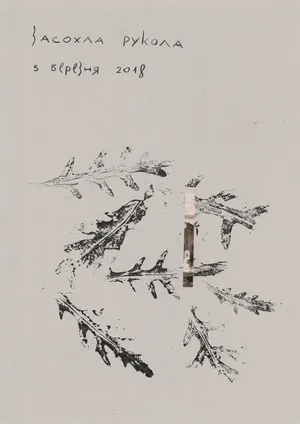
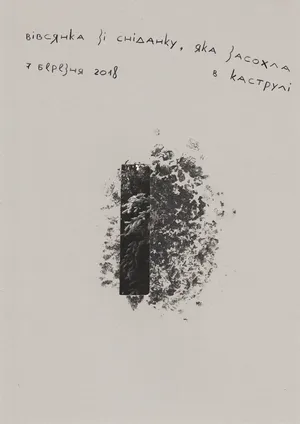
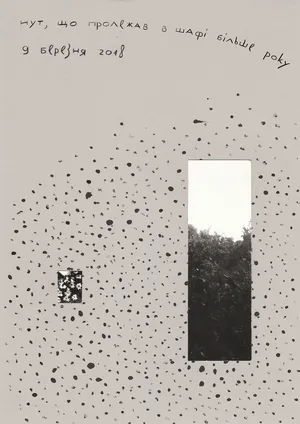
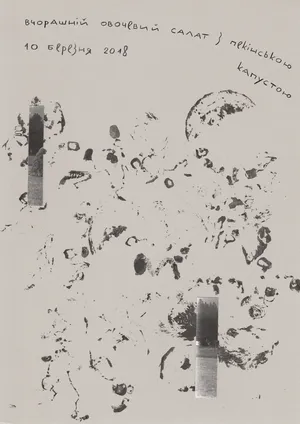
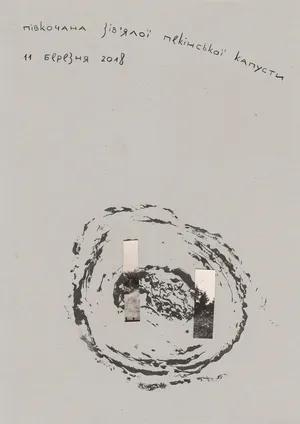
Every time I throw away (for any of the reasons) potentially good food I subconsciously feel sorry for doing so. There are no logical reasons behind this sense of guilt — by all means, I can afford not to eat the food I don’t want to eat. These are only leftovers on the plate — and yet I feel so sorry. This sense originates not in reason but rather in my post-memory (using the term coined by Marianne Hirsch). When I was a kid, my grandma would share with me memories from her childhood and sometimes among them were memories from the early 1930s — the times of the man-made famine of 1932-33 in Soviet Ukraine (called the “Holodomor“ — derived from “to kill by starvation” in Ukrainian), which killed, by various estimates, between 2.4 and 7.5 million people. And the guilt I feel now for the thrown-away food takes its origins there, in these stories about my family surviving this hunger. To illustrate and to better understand this sense of guilt, I started recording the traces of all the food I’ve been throwing away with this sense. These prints were later collaged with small pieces of found photos depicting fragments of anonymous and unrecognisable landscapes. Landscape here is used as a direct opposite of the Holodomor’s traces in post-memory of subsequent generations, since mass deaths by hunger leave no traces in the landscape — unlike many other massive collective traumas which have their exact geographic locations and their traces can still exist in the landscape in the form of ‘places of memory’.
Occupation
Andrii Dostliev
Occupation
Nominated by The Calvert Journal, 2020
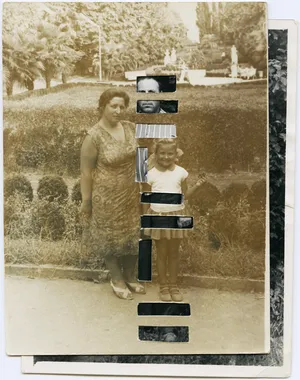
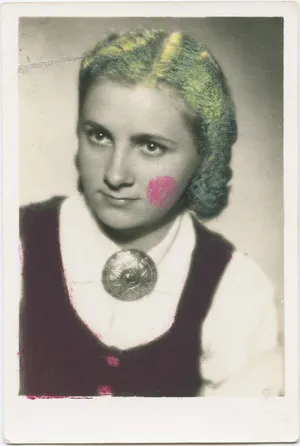
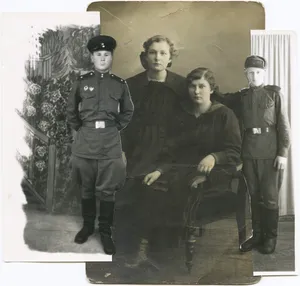
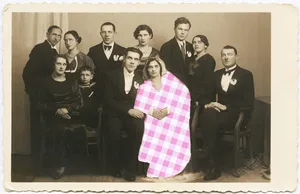
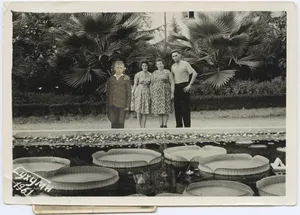
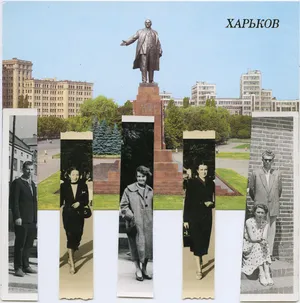
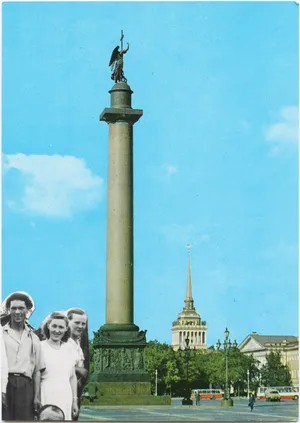
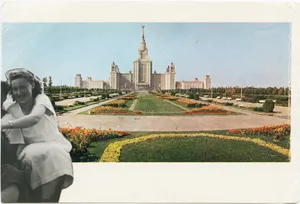
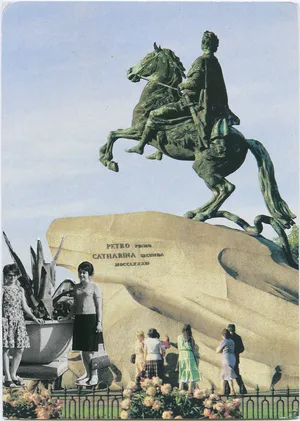
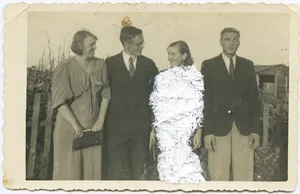
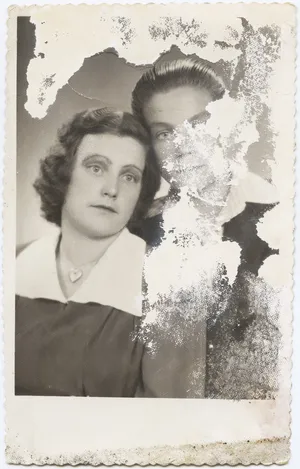
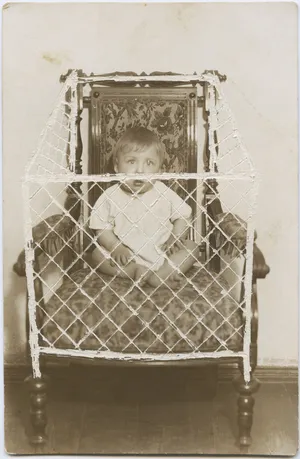
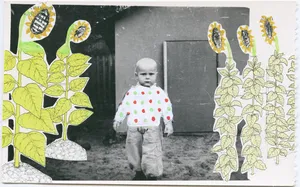
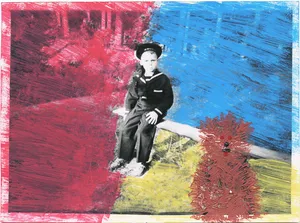
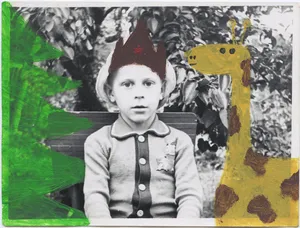
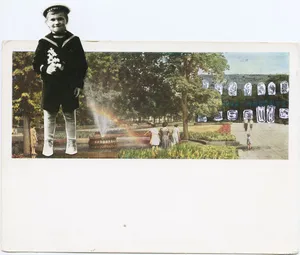
In spring 2014 the Russian military, assisted by local collaborationists occupied part of Eastern Ukraine, including the largest city of the region – Donetsk. The occupied territory immediately became a dangerous place for any pro-Ukrainian individual. I was last in Donetsk, my hometown, in January 2014. I could never have expected then that this visit would be my last one. My family photo archive is still there in my flat. I may never see it again. It may no longer exist as I write this text or when you will be reading it. Attempts to retrieve it may entail unnecessary risks for those who would assist me. All I can do to preserve my family's visual history is to reconstruct at least those photos that I still remember. To reconstruct them using any available materials and photos of other people no longer needed by their previous owners. To occupy somebody else's memorabilia exactly the same way my own were occupied.
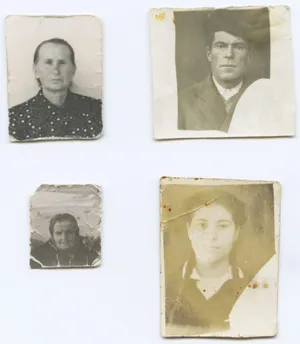
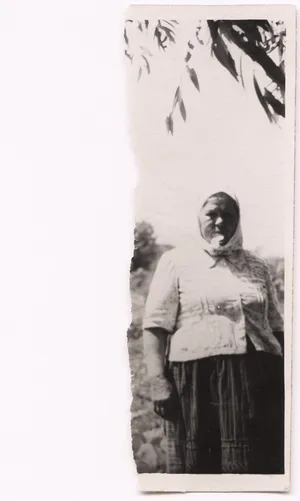
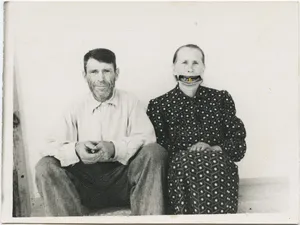
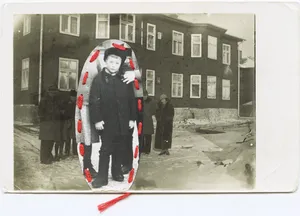
Fairy Castles of Donetsk
Andrii Dostliev
Fairy Castles of Donetsk
Nominated by The Calvert Journal, 2020
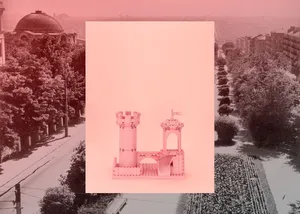
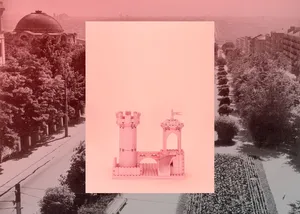
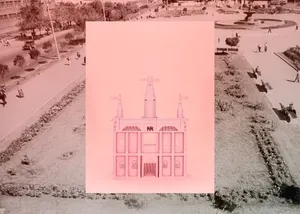
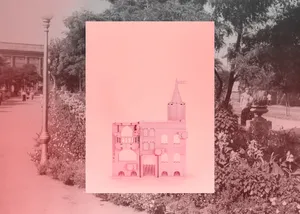
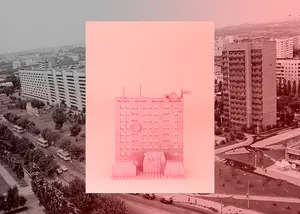
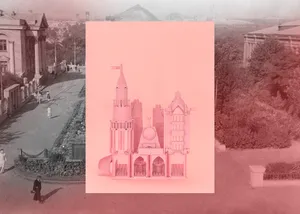
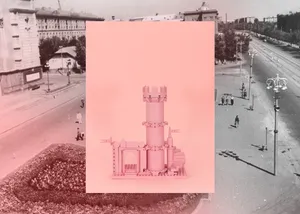
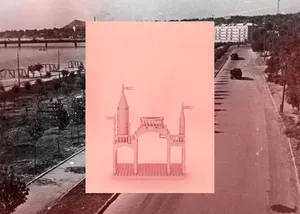
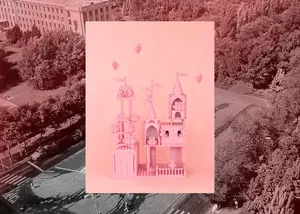
Remember how in the nineties we had cockroaches at home, and when you lit the stove the floor turned red from them? I once stole money that you were saving up for winter boots and bought Snickers bars for all my friends, and then was too scared to go home and you had to go looking for me. And remember when the two of us lugged home eight bags of apples? We laughed the whole time, it was such great fun, and everyone was still alive back then. And the time someone was shot in the courtyard. The shots woke me up and I lay there in unbearable silence. I could hear them downstairs whispering about throwing the body in a lake. “Take his legs, I said take his legs, fuck.” And then silence again. Everyone around me was asleep so nobody else heard it. I was really scared, and you weren't there anymore to tell you about it. Thinking about Donetsk in the nineties is like looking at the sun from deep in the water: the light shifts and disappears, blurry shadows move above your head and you don't know if what's approaching are fishing boats or sea monsters and dragons that have risen from their mythical depths, ready to black out the sun and eat you up. Mythologizing a place distant in time and space, and your own experience associated with this place, isn't something unique to us, it happens one way or another with everyone. To analyze this process more deeply, we invited friends, acquaintances, and strangers to share their personal stories about Donetsk in the '90s, the way they remember it. Lego bricks were used to make models of the places from their stories. These models aren't perfect representations, but they help create an emotional and material connection with the past, serving as both a symbol and a tool of that connection.
Andrii Dostliev
Andrii Dostliev (b. 1984) is an artist, curator, and photography researcher from Ukraine, currently based in Poland. Has degrees in IT (MA in 2006) and graphic design (BA in 2015). His primary areas of interest are memory, trauma, identity — both personal and collective, and limits of photography as a medium. His art practice works across photography, video, drawing, performance, and installation.
He has published several books with his photographic series. His work is held in a number of private collections nationally and internationally. In 2019, Andrii Dostliev was awarded the 3rd prize at the II Ukrainian Biennale of Young Art for his project examining the mythologization of memories of a territory lost due to a military conflict.
ProfessionCurator, Researcher
IdentityMan, White
LocationEastern Europe, Poland, Ukraine
PracticeMixed Media, Installation
TopicsIdentity, Politics, Post-memory
Nominated byThe Calvert Journal
Year2020
Contacta.dostlev@gmail.com
Close

Address
Isaac Titsinghkade 6A-B
1018 CA Amsterdam
The Netherlands
Address
Isaac Titsinghkade 6A-B
1018 CA Amsterdam
The Netherlands
© 2026 FUTURES Foundation
© 2026 FUTURES Foundation
Close