Artist
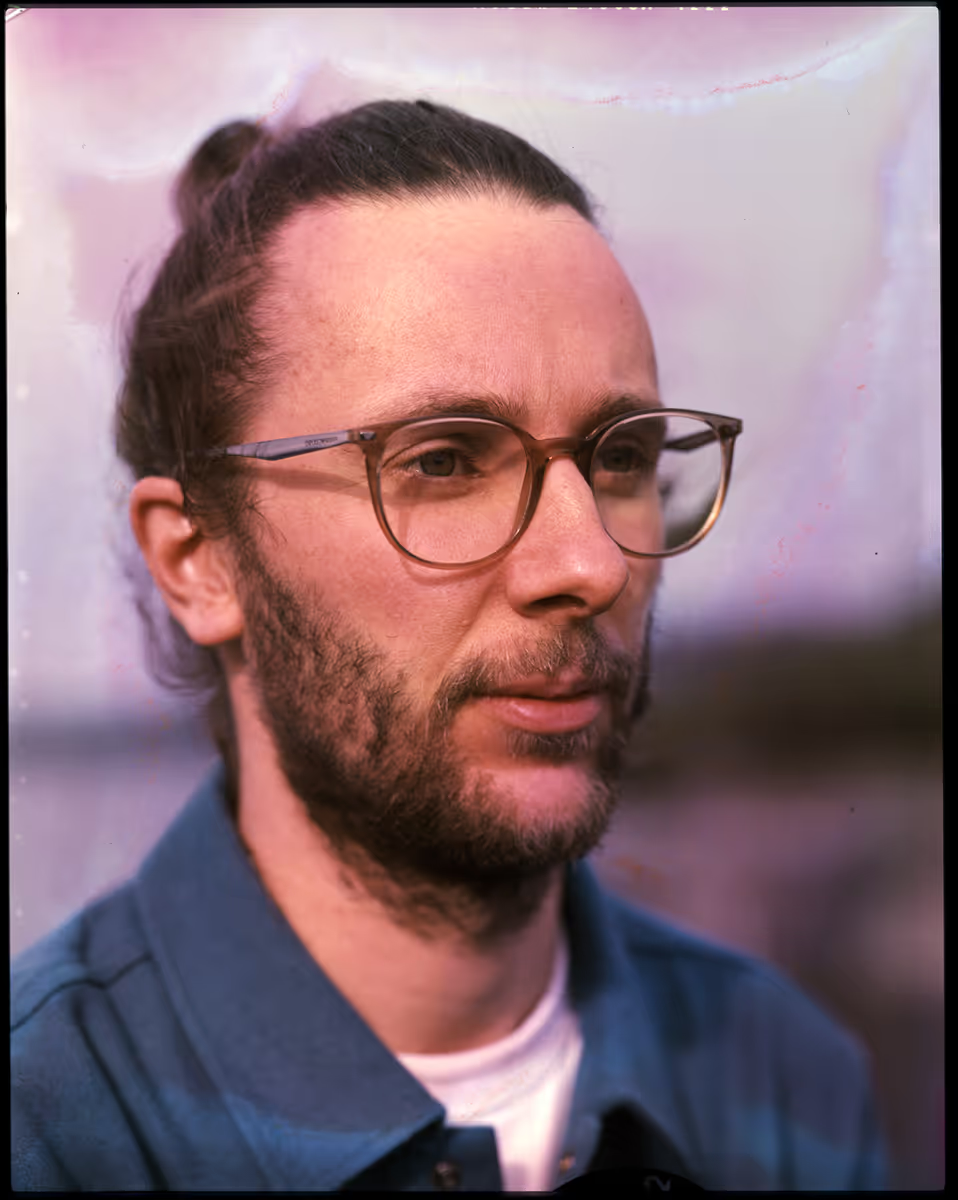
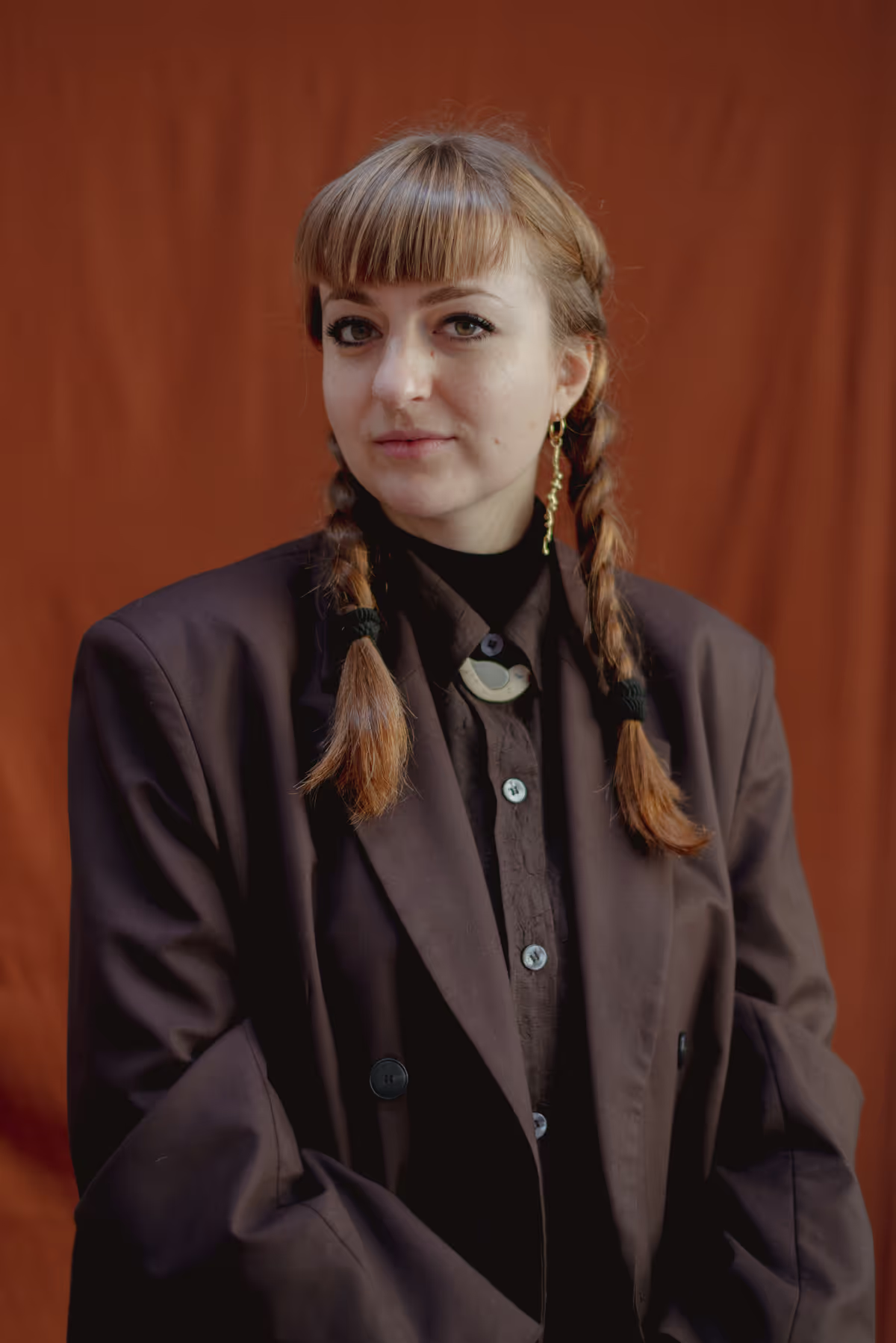
Téo Becher
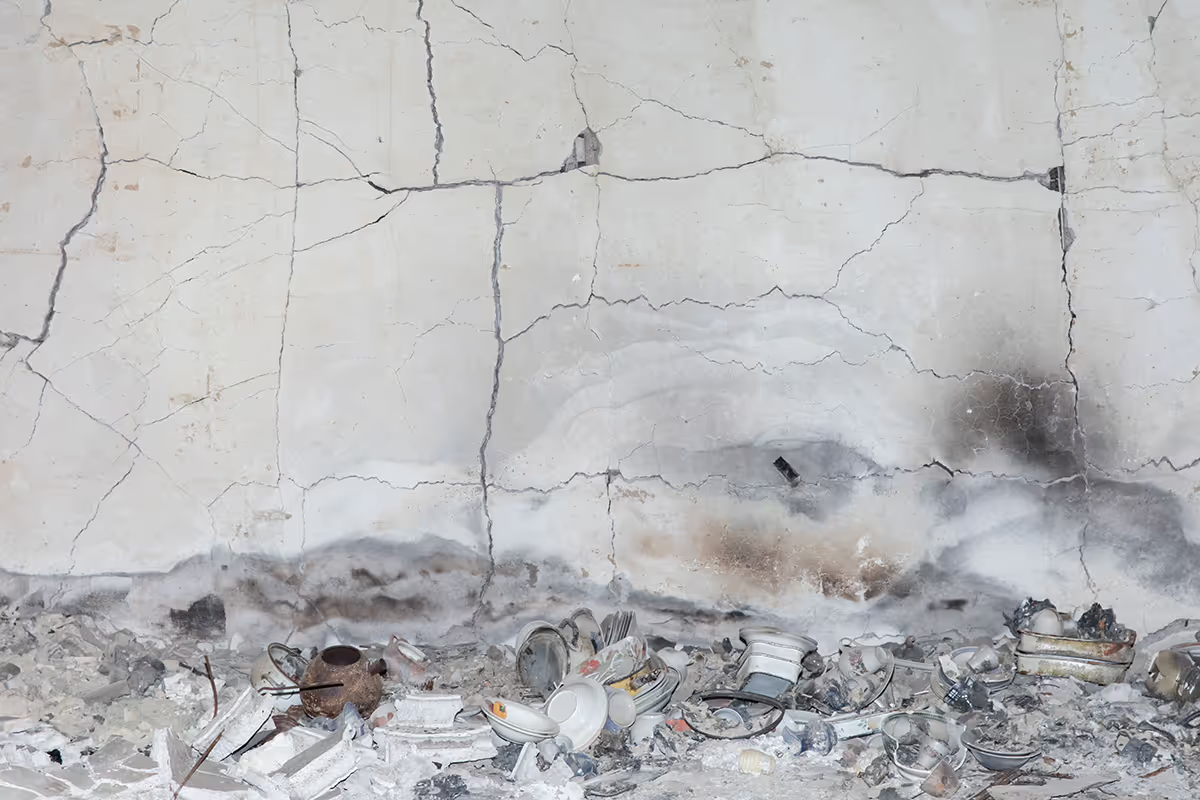
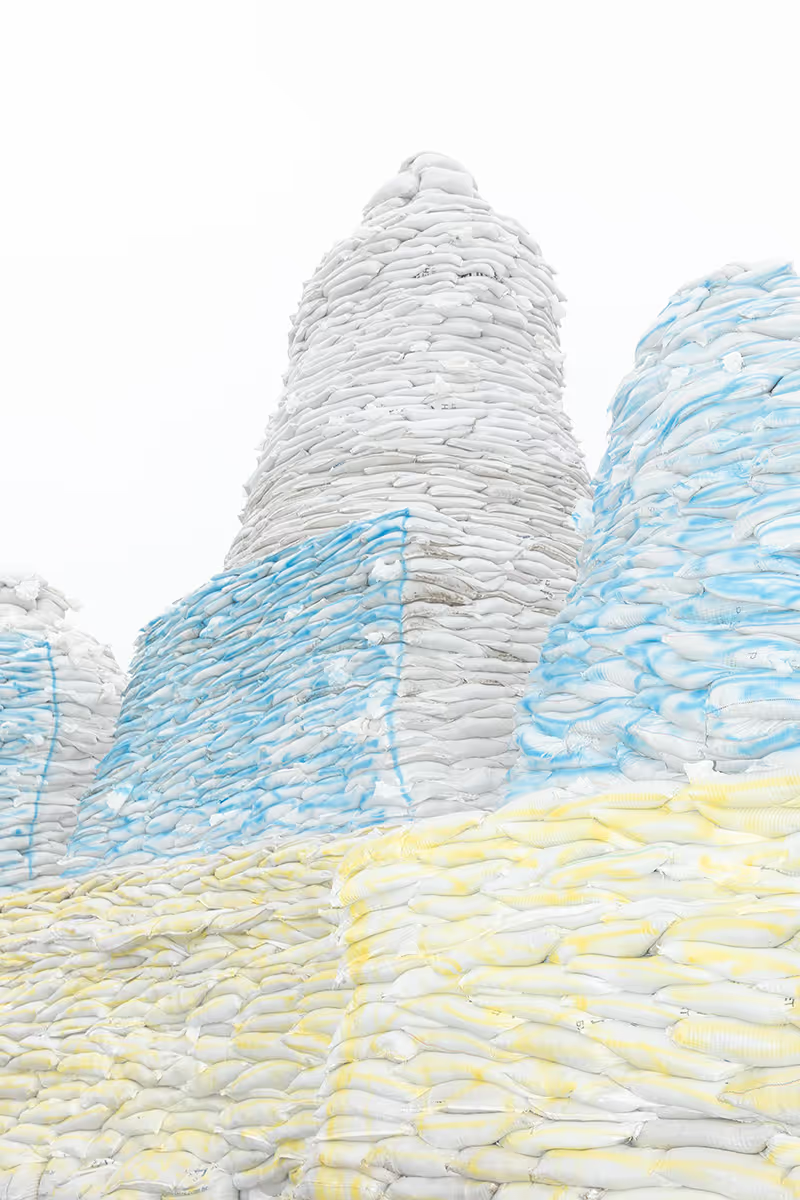
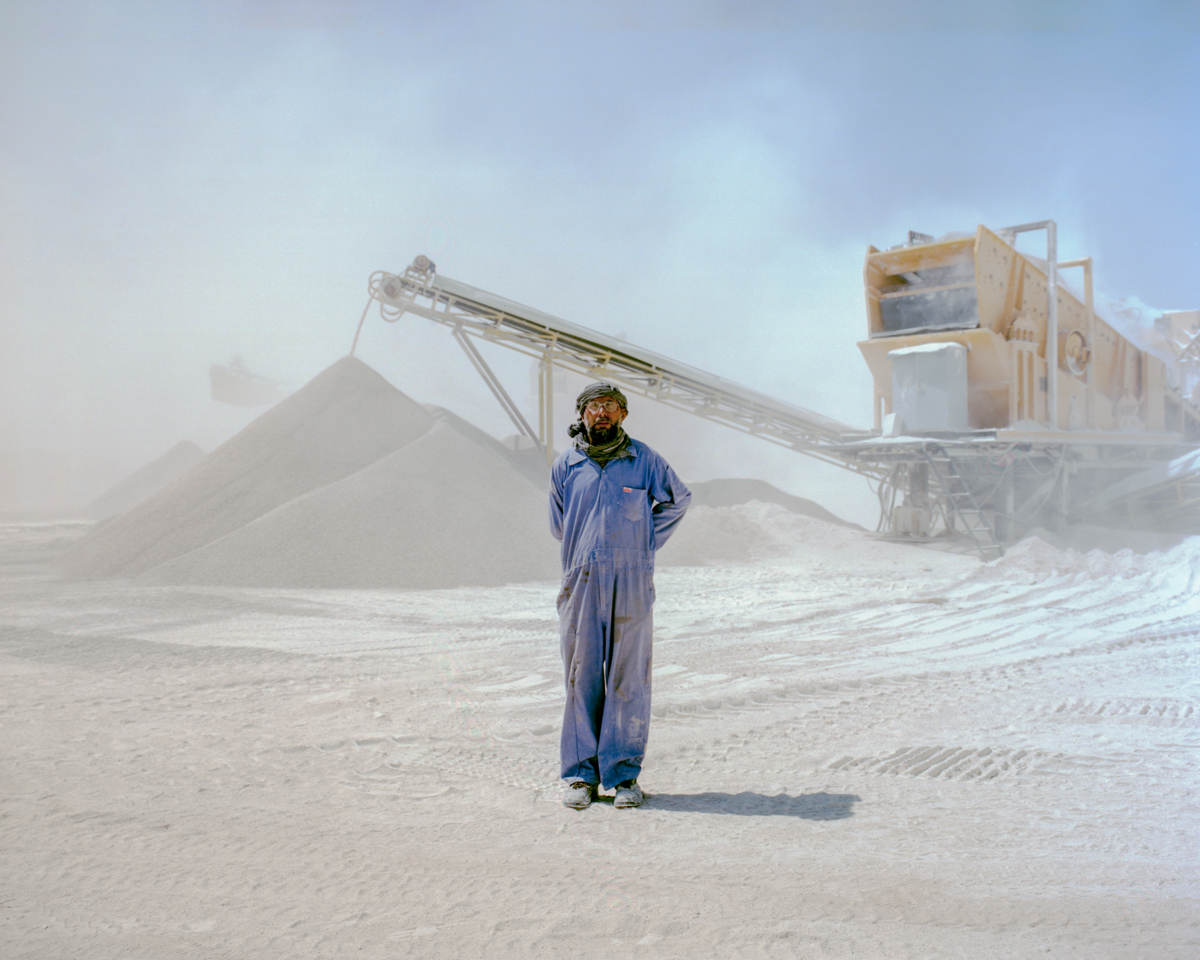
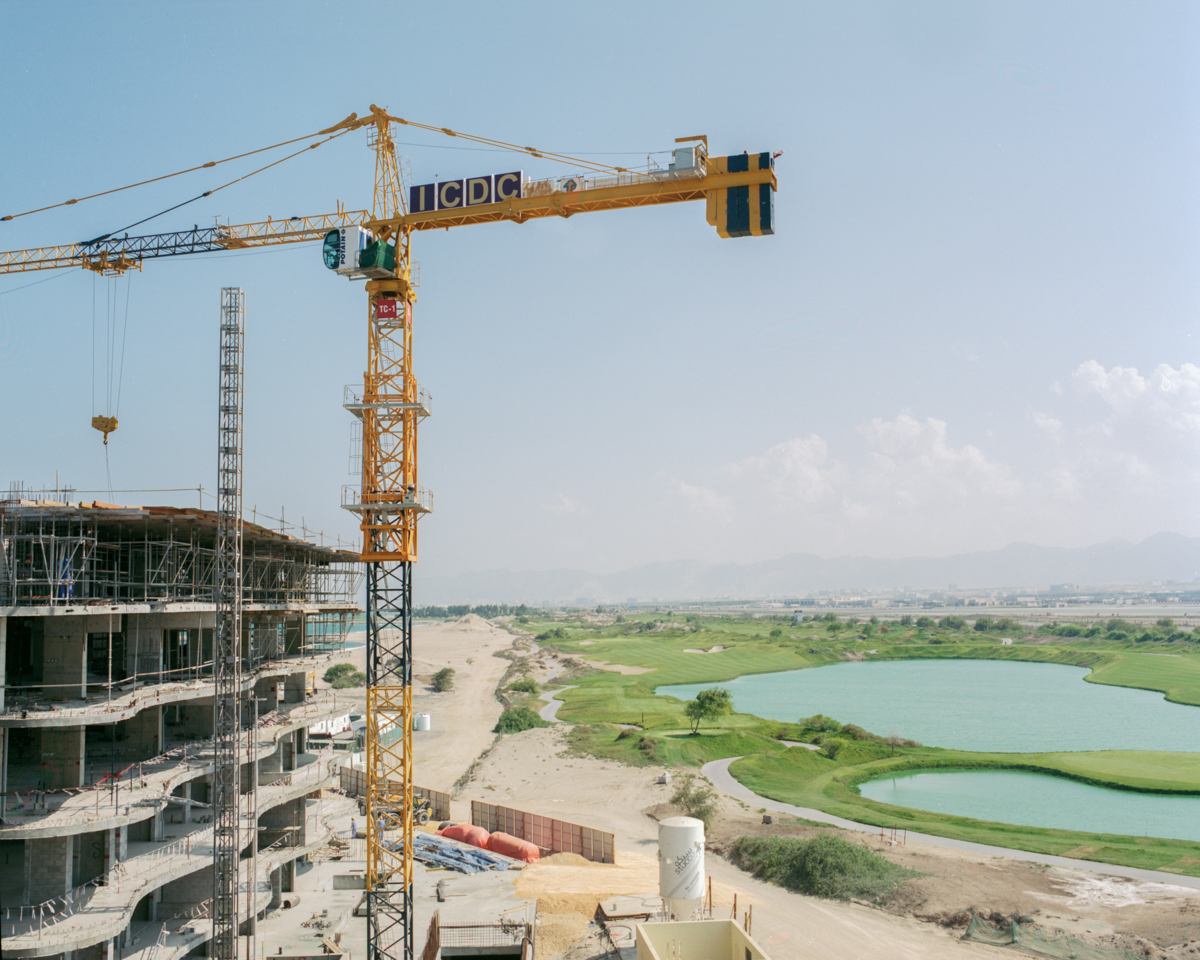
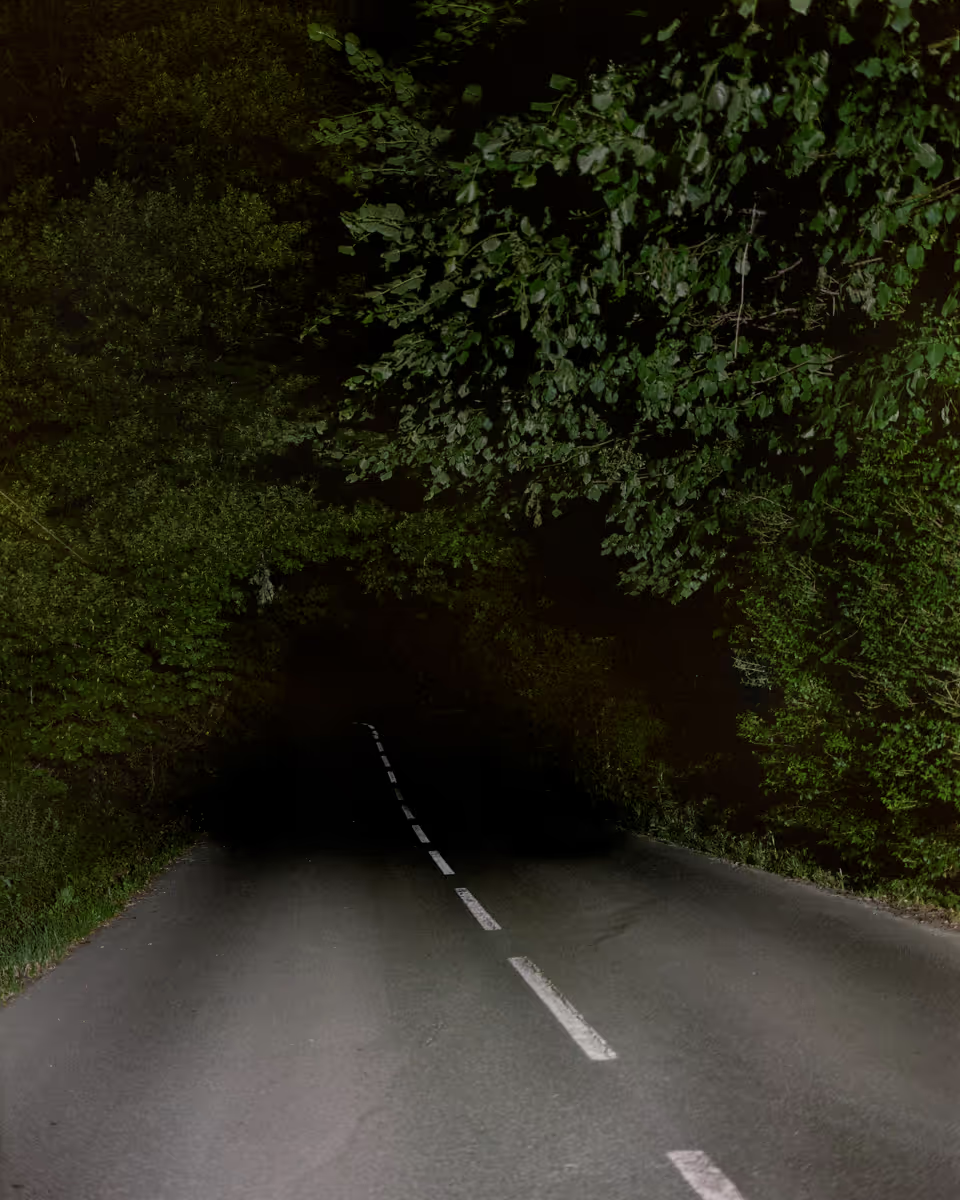
My practice focuses on landscape and questions revolving around its use, exploitation and representation. Through my projects, I attempt to reflect on our relationship with what we call nature and to offer a different understanding of it.
In Brussels, in 2020, I co-founded the collective La Nombreuse, composed of eight photographers and an art historian. We opened a multifaceted space, part studio, part exhibition space, conference venue, workshop space, etc.
The monograph Charbon blanc was published in October 2021 by Le Bec en l'air. Since 2017, my work has been exhibited at various festivals and galleries in France and Belgium in particular.
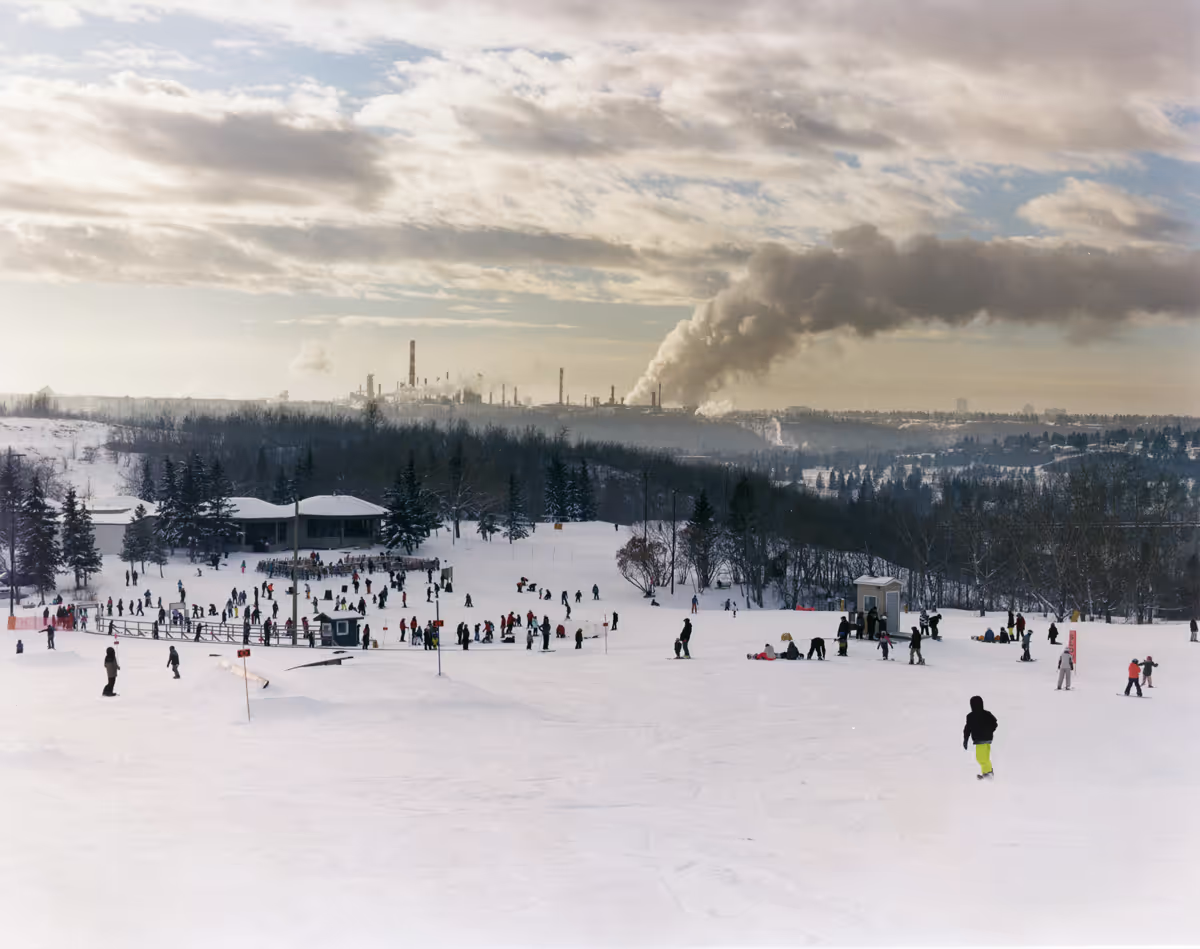
Alberta Crude
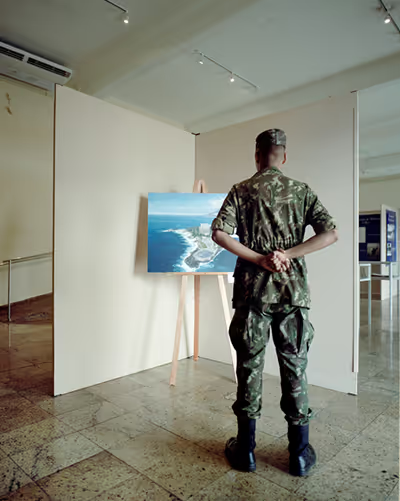
Here, the Canadian landscape and the relationship maintained with it appear as an extreme case of the ambivalence between protecting nature and exploiting it. Gradually, the idea of working around the two cities of Edmonton and Calgary emerged because they represent a system of relationship to the extractivist world that is in total contradiction with the history of the territory that is now Canada and the indigenous cosmologies that inhabit it.
Canada is a colonial state founded on the exploitation of resources (fur trade, mining, timber, oil, gas, uranium, etc.) which, at the same time, served to justify the presence of settlers and still serves today to consolidate the foundations of a cultural pride that is constitutive of Canadian identity. The presence and power of representations related to oil in Alberta culture is striking, and this is part of what lies at the heart of this project. The idea is to trace these different threads (oil, settler colonialism, the relationship to history) to see how they have shaped Canada today and to try to read transparently what this says about our relationship to the nature world.
FOMU invites three external jurors to help select the artists. This year’s jury consisted of Youqine Léfevre (artist and .tiff 2021 participant), Magali Elali (founding artistic director of The Constant Now) and Cale Garrido (curator of the Triennial of Photography Hamburg).
The jury made the selection based on the Fomu criteria:
1. Contemporary relevance
Everything we do is topical and relevant to modern society. We deliberately choose historical and contemporary subjects and projects that are interesting and relatable to a modern audience. We encourage reflection on societal issues and contribute to the prevailing social discourse.
2. Multivocality
We opt for subjects and projects that offer a multifaceted perspective on photographic imagery and the world. We also actively seek out and hold space for different views and perspectives and encourage the representation and involvement of creators from underrepresented communities and backgrounds.
3. Critical reflection on the medium and its evolution
Photography and reality have a multifaceted relationship. We are interested in the mechanisms of photography and deliberately work with photographers who critically engage with the medium or its history and are aware of artistic-conceptual positions and visual language.
4. Ethical position
Due to its complex relationship with reality, photography inevitably raises ethical questions. We are keenly aware of the context in which images emerge and exist. As a result, we always consider the intention and impact of images. We approach all images with the necessary caution and contextualise them within their historical context.
Fomu invited fellow Futures members to be part of the jury that would pick four artists from ten to join the Futures program. The jury consisted of Caroline von Courten & Simon Lovermann of Der Greif and Katalin Kopin & Emese Mucsi of Robert Capa Contemporary Photography Center.