The
Artist
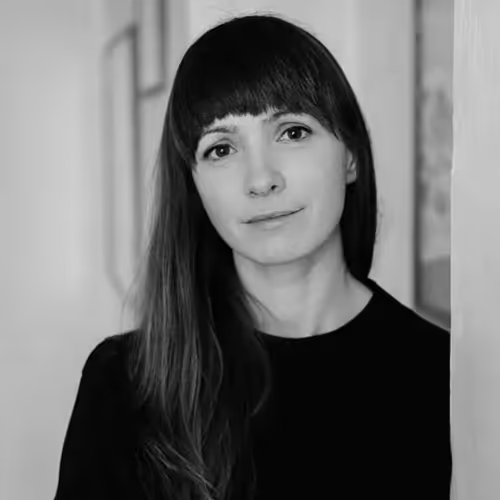
Julia Gaisbacher
Lives and Works in
Vienna
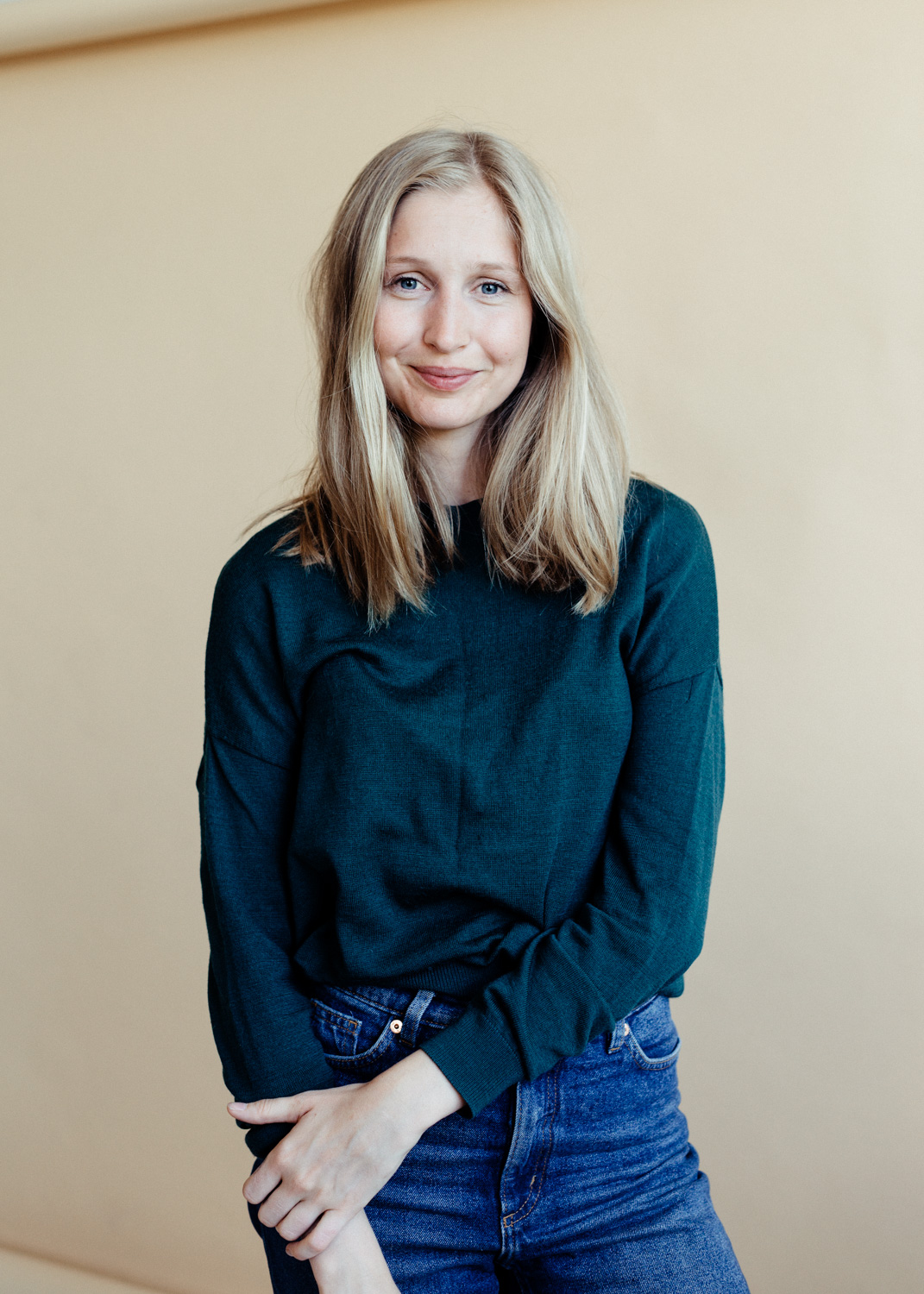
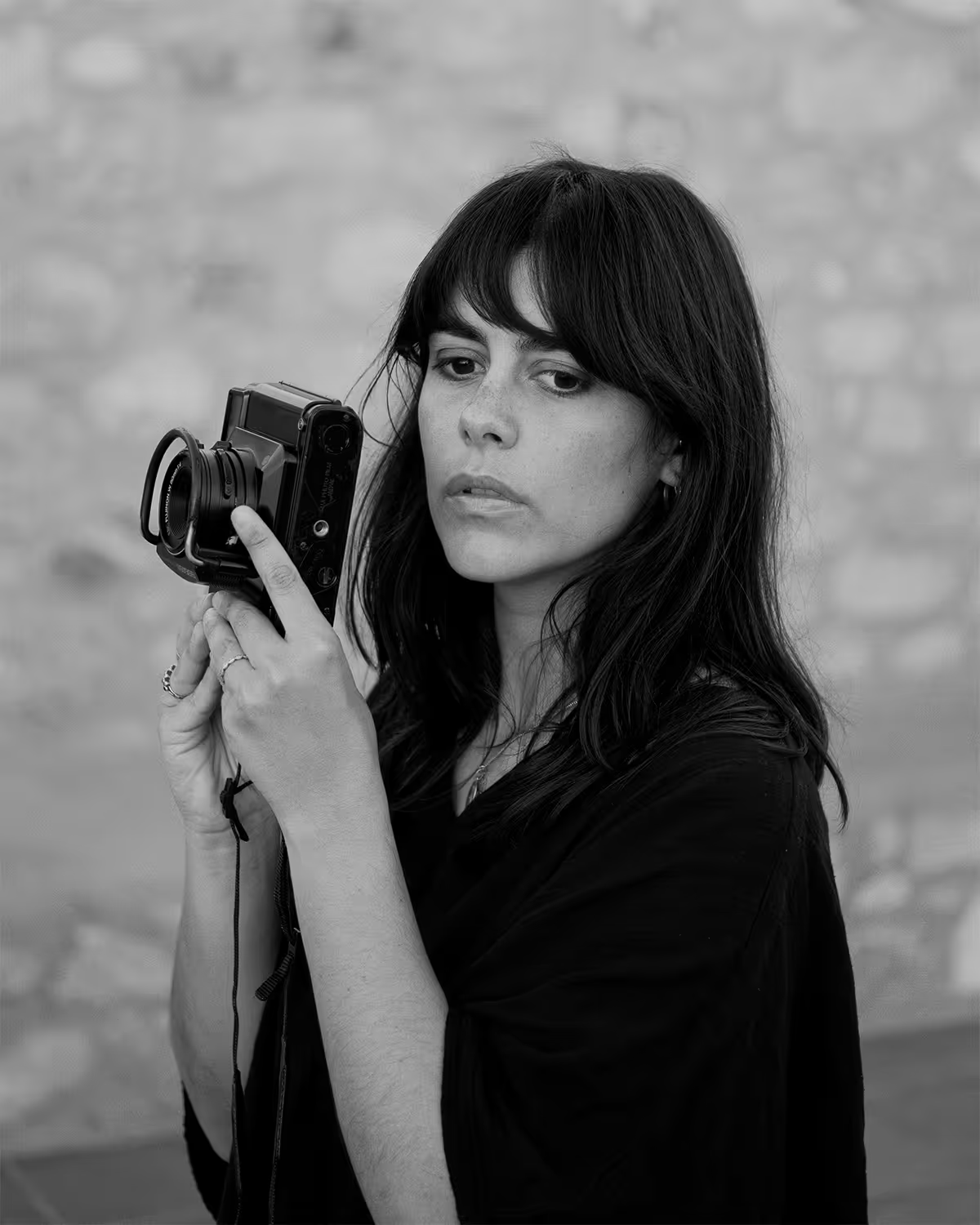
Julia Gaisbacher (*1983) lives and works in Vienna (AT). She studied art history at the University of Graz (AT) and sculpture at the Dresden University of Fine Arts (DE), as well as the Sint-Lukas School of Arts in Brussels (BE).
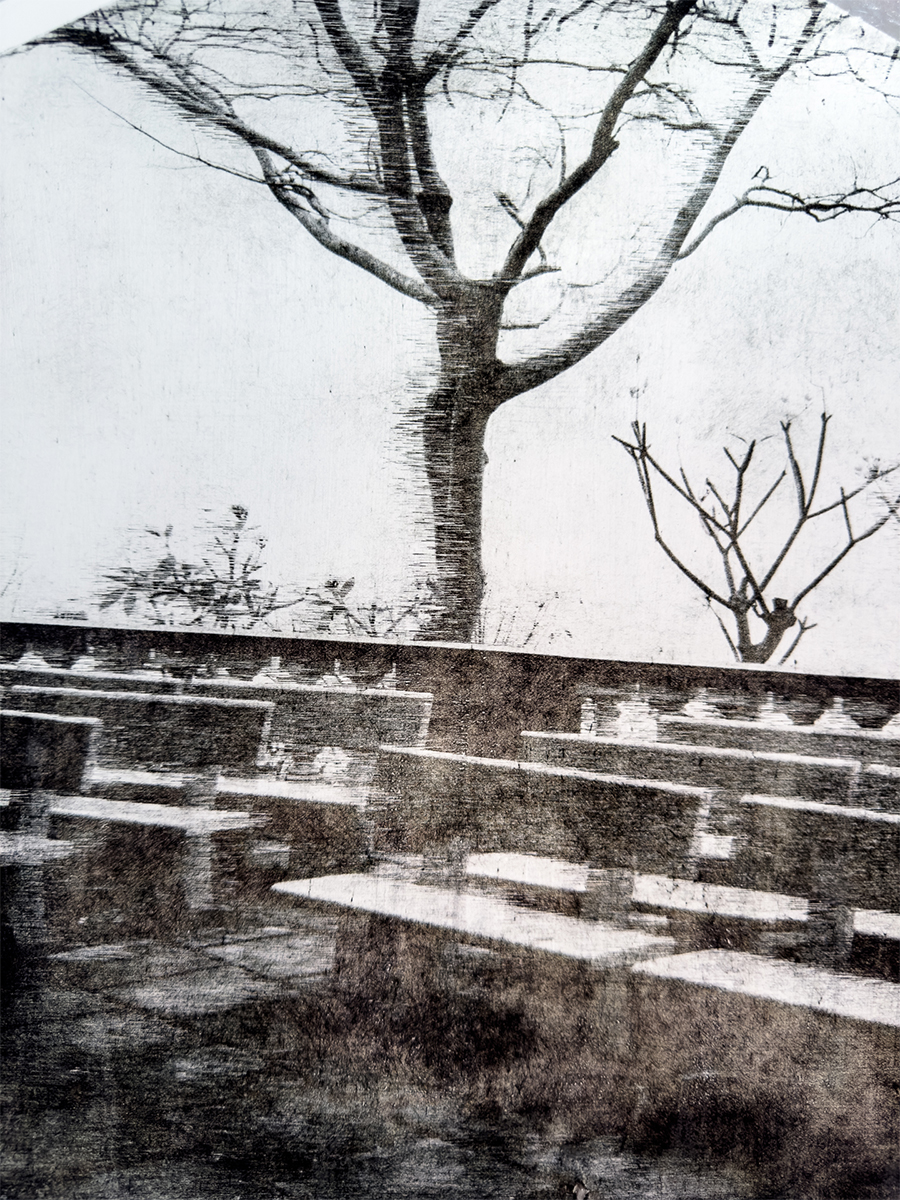
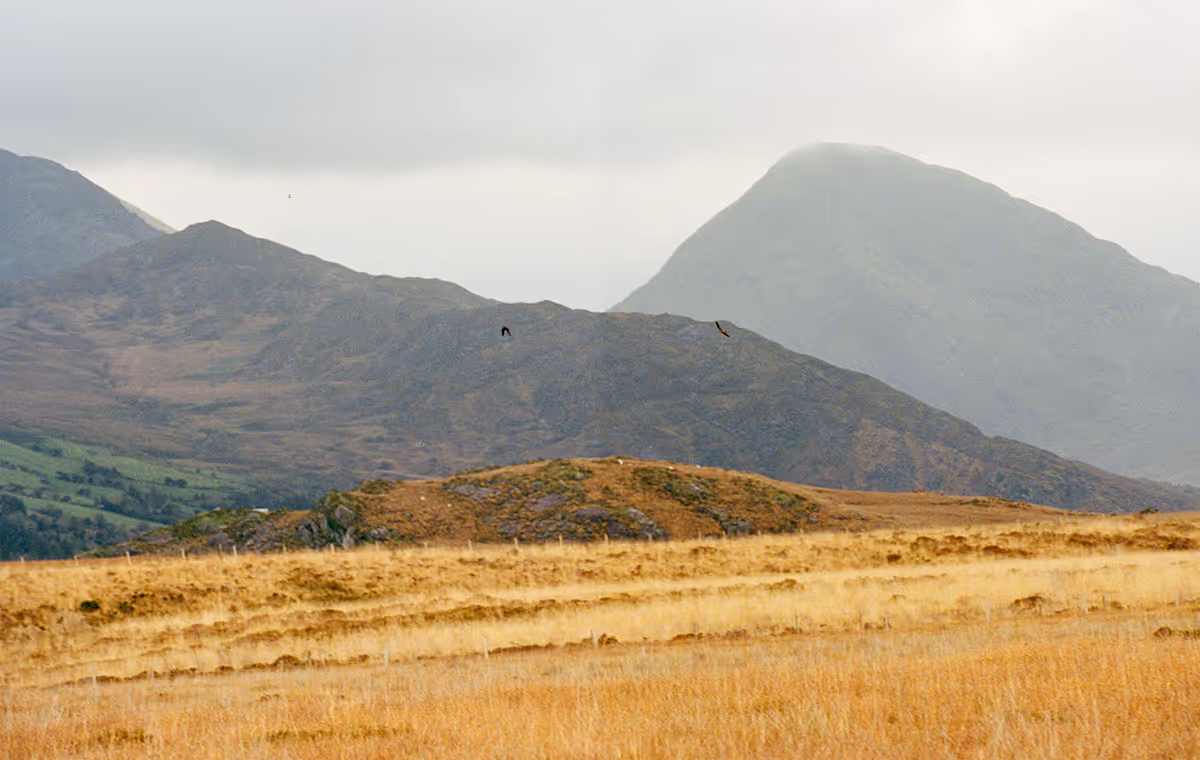
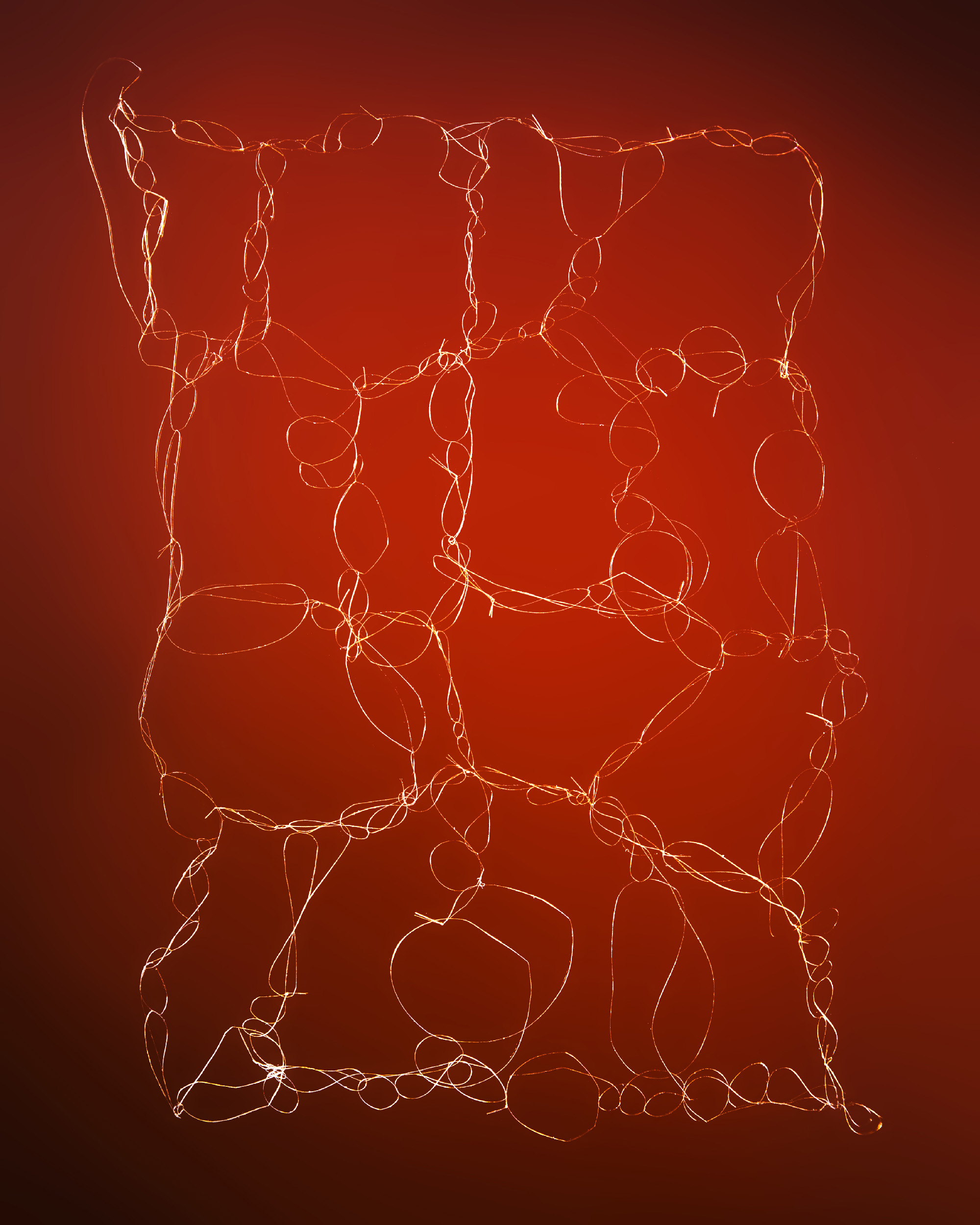
At the center of her working method are extensive research and long-term observations that focus on the urban landscape as a human living environment. The starting point is always photography.
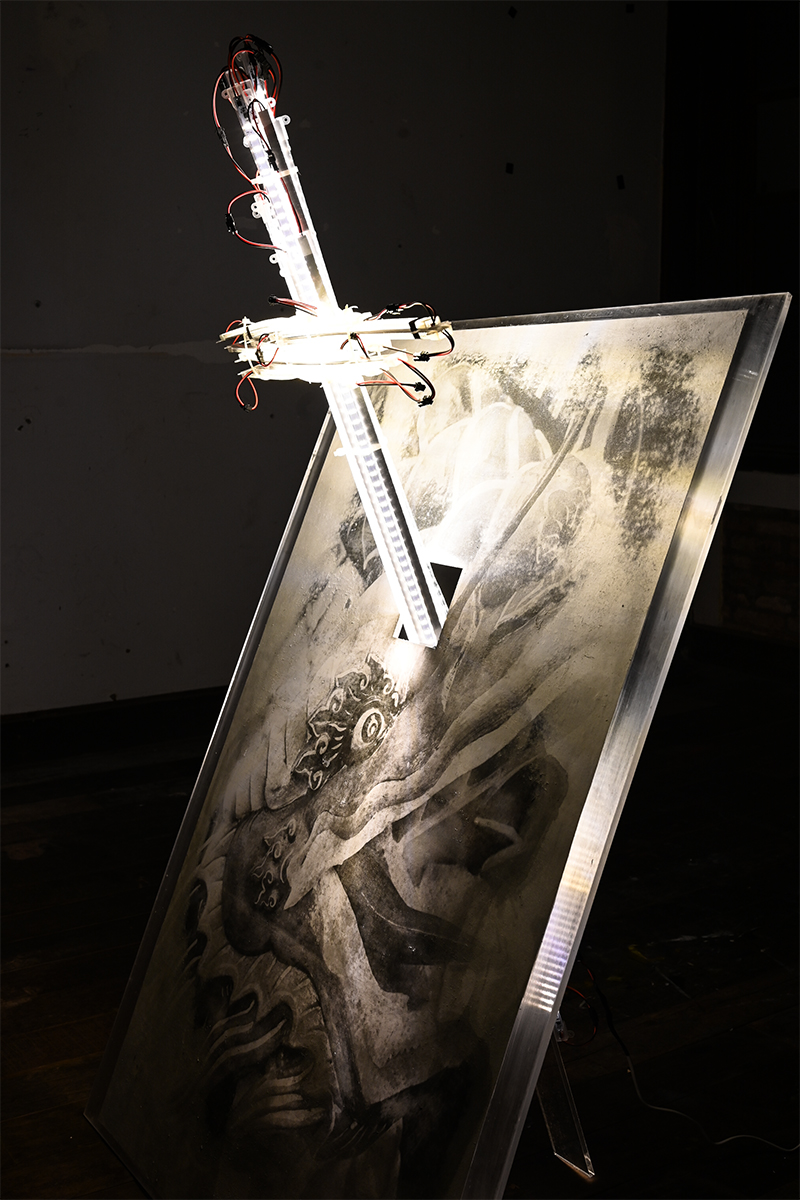
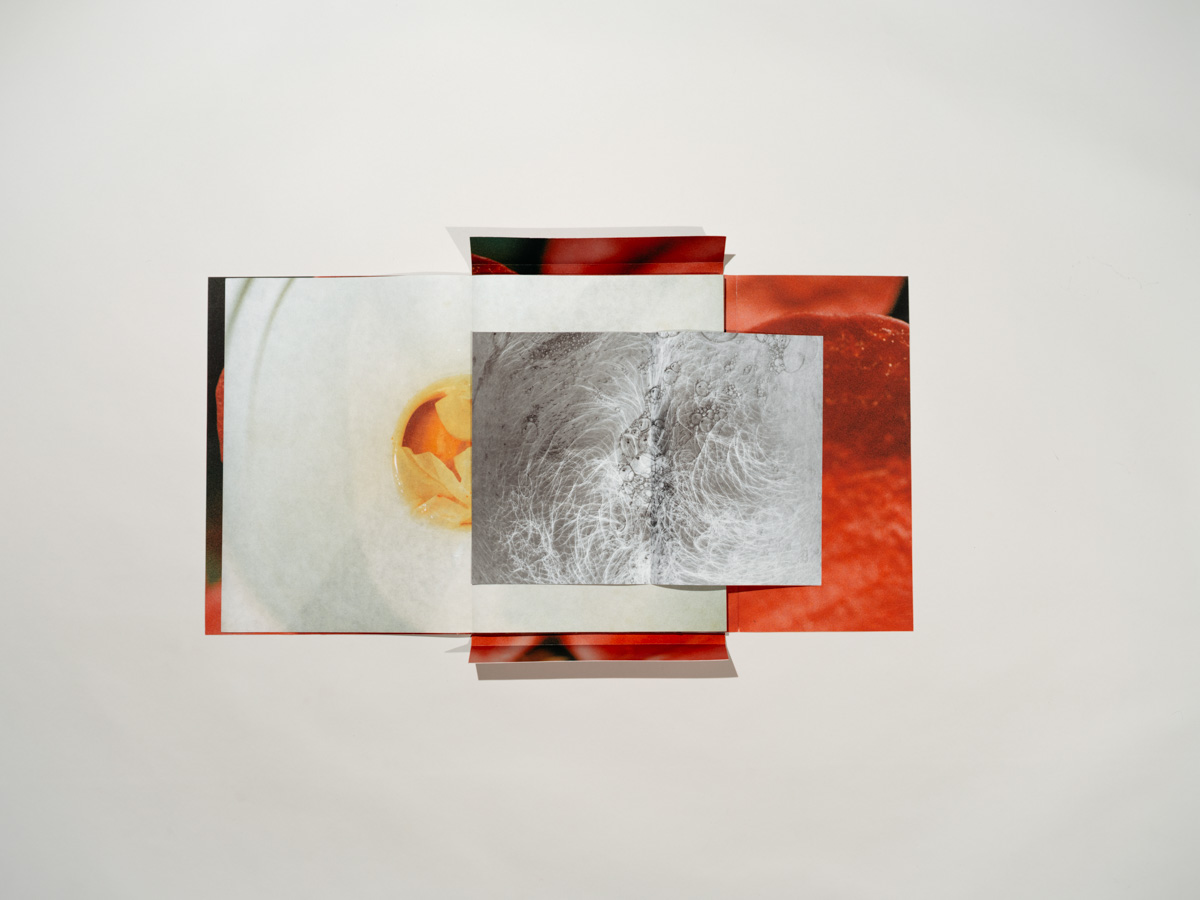
Her final works manifest in the forms of prints, installations, films and photobooks, with the latter having become an important part of her artistic practice. Her latest book, “Hanne Darboven. Am Burgberg”, was published by Hatje Cantz in 2025.
Projects
2023
Hanne Darboven. Am Burgberg
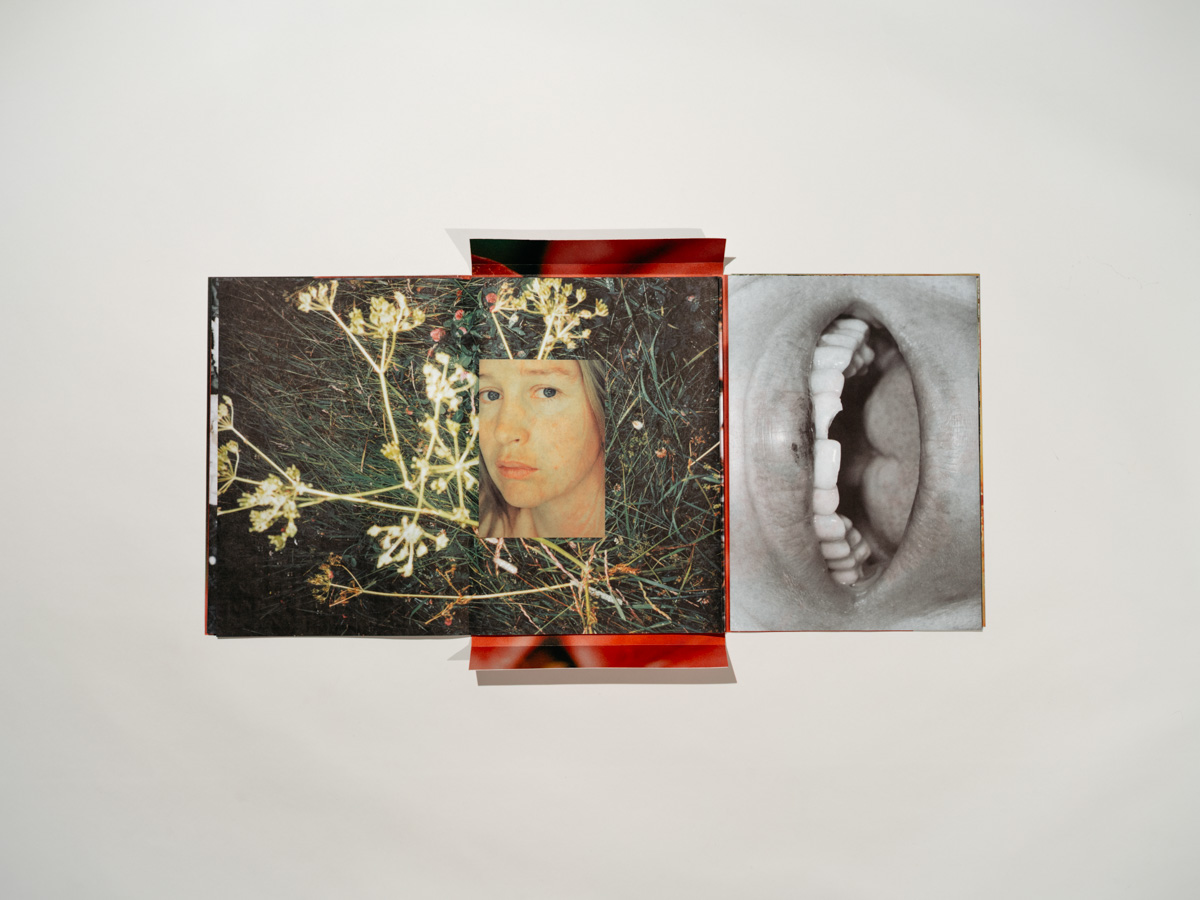
"Hanne Darboven. Am Burgberg" is a long-term exploration by Julia Gaisbacher of Hanne Darboven's home and workplace at the address "Am Burgberg" and, at the same time, continues Gaisbacher's own work on "dream houses."
The Viennese artist's photographs offer insights into Darboven's studios in the south of Hamburg (DE), which have remained unchanged since her death in 2009. The five houses on the unique estate served as her living and working space for 40 years. The central structure is the studio building that Darboven designed herself, embedded in a historic homestead. To this day, the ensemble also functions as a treasury for thousands of objects and artworks.
Gaisbacher's precisely composed black-and-white photographs of the rooms, whose seemingly chaotic abundance contrasts sharply with the strict order of Darboven's works on paper, create a compelling artistic dialogue about time and space between the generations.
Hanne Darboven (1941–2009) lived and worked in Hamburg and is one of the most prominent conceptual artists of the 20th century. In the 1960s, she was among the earliest proponents of this groundbreaking international movement; she was also an attentive observer of her time and the historical and contemporary currents in politics, culture and society.
Julia Gaisbacher
was nominated by
FOTO ARSENAL WIEN
in
Show all projects
Each year every member of the FUTURES European Photography Platform nominates a set of artists and projects to become part of the FUTURES network.
Related artists
More artists that you might
like to explore
All artistslike to explore

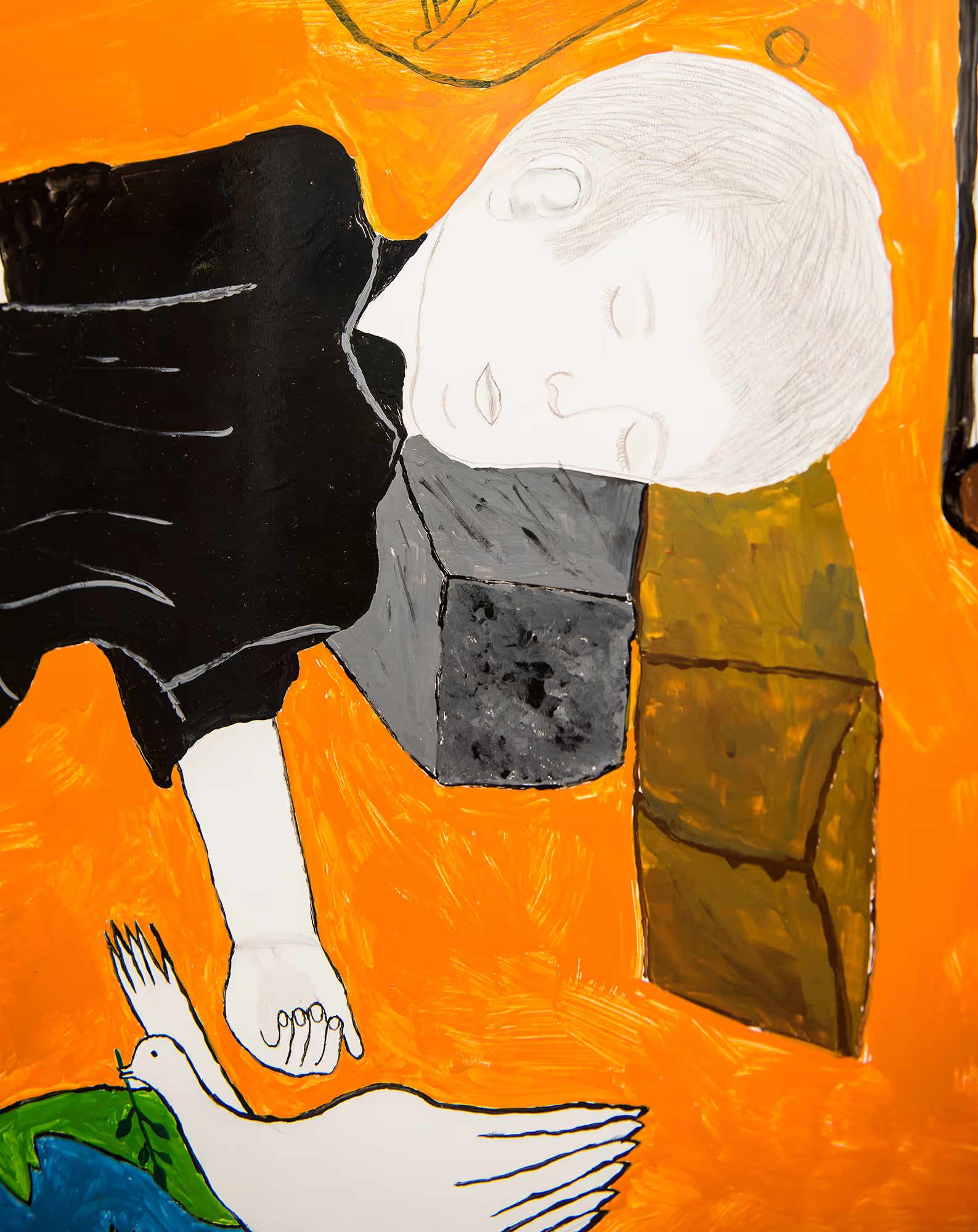
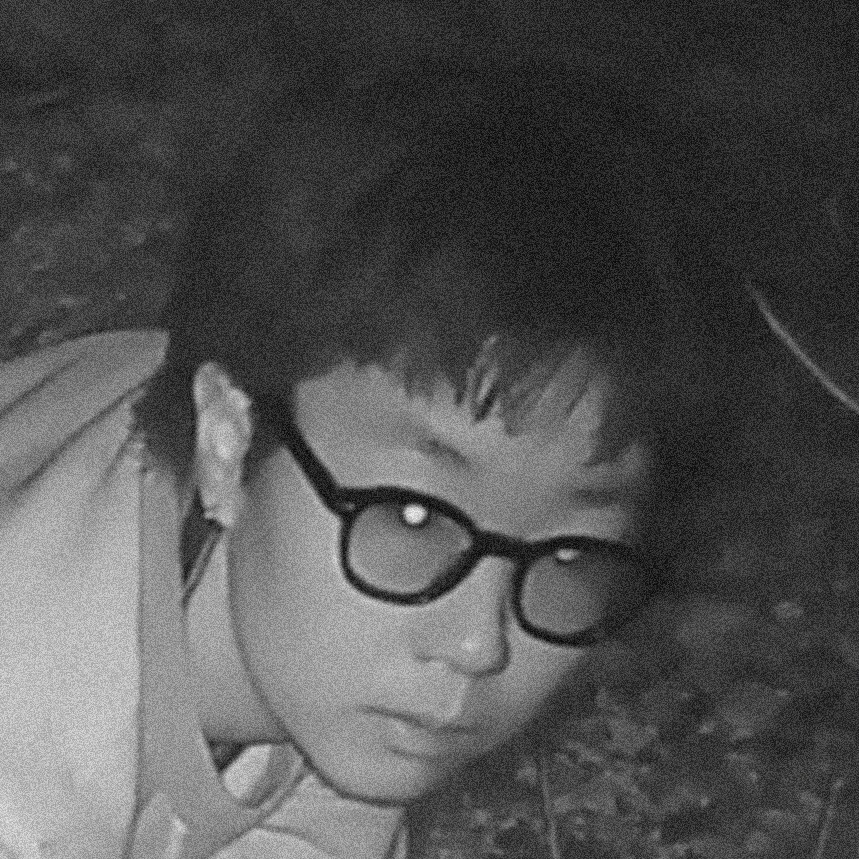
Jeroen De Wandel uses photography as a starting point to create new images from all sorts of material (photographic or otherwise), using his own photography in different shapes, contexts and meanings.
His artistic work often starts from a personal need to react within a social context / our society. A common thread is the functioning of our brain: how we deal with zeitgeist, with information, with manipulation, with technology and how all this reflects back on our psychological well-being.
Depending on the angle and location, he uses different techniques, from photography and collages to installations, sculptures and spatial interventions. He showed work in FoMu (BE) and Circulations (FR) and recently had his first solo show (2024).
Follow at @jeroen_de_wandel for recent work


Laureta Hajrullahu (b. 1997, Preshevë) is a Prishtina-based multimedia artist exploring privacy, gender, intimacy, digital ecosystems, video games, and (im)possible futures. Her work critically examines the boundaries between virtual and physical worlds, offering diverse perspectives on ‘reality.’ Hajrullahu’s art has been presented at numerous national and international exhibitions in the past, including Manifesta 14 Biennial, Gjon Mili at the National Gallery of Kosovo, Bazament Art Space in Tirana, FORUM STADTPARK in Graz, Tallinn Art Hall, Art Quarter Budapest, Toplocentrala in Sofia, and the Museum of Contemporary Art Montenegro. She is currently artist in residence at The Academy of Arts in Szczecin and she will have a solo exhibition at Vänersborgs Konsthall.


Zoé Aubry (1993) develops a practice of critical, feminist, and experimental visual research through photography, within installations that unfold in space. Her work aims to reveal the mechanisms of visibility, and invisibility of dominant media narratives, notably through the use of poor images, inverting the logics of the attention economy.
Holder of a Bachelor’s degree in Photography from ECAL - École cantonale d’art de Lausanne and a Master’s degree in Contemporary Artistic Practices from HEAD - Haute école d’art et de design de Genève, her book #Ingrid (2022), co-published by RVBBOOKS and Gato Negro Ediciones, was shortlisted for the Autor Book Award at the Rencontres d’Arles and won the Most Beautiful Swiss Books award.
Her work has been exhibited in group and solo exhibitions, including « The Lure of the Image » at Fotomuseum Winterthur, «LES RESISTANTES» in Paris, « Concerned » at the International Red Cross and Red Crescent Museum, at the Musée des beaux-arts du Locle or in Arles, and several festivals including Athens Photo Festival, Biennale de l’image tangible Paris, Guernsey Photography Festival or Les Rencontres de la Photographie de Marrakech. She was the laureate of the Photographic Survey of the City of Geneva in 2021, and of the Swiss Federal Design Awards in 2018.
Converging or in parallel, she fights within collective and associative projects and co-founds several initiatives where cultural work and political commitment meet to militate both towards utopias and direct field perspectives.


Milena Soporowska is a visual artist based in Poland. Her work explores, among other things, the intertwining of everyday life with magic and the occult, questioning the concept of home as a safe, familiar haven. She is interested in the combination of alternative medicine and psychoanalysis, and the overlap between Christianity, esotericism and folk spirituality.She graduated in Art History, presenting her master's thesis on the influence of spiritualistic and mediumistic photography on art in the light of Freud's category of unheimlich. She also studied photography, museology and psychotronics. Moreover, Milena is a graduate of the Sputnik Photos mentoring programme.Read more

Máté Bartha (1987) is a Budapest-based visual artist working in the intersection of
photography and theory-fiction. His practice is driven by a mission to reenchant
the world through world-building, impersonation and constructing personal and
collective mythologies. His work proposes new narratives by blending symbolic and
subjective interpretations of his usual field of observation, the metropolis, treating
urban spaces as arenas for imaginative transformation. Bartha’s works often combine
staged and documentary imagery, archival material, and speculative narrative forms,
and have been published and exhibited widely.
Bartha holds Master’s degrees in Photography (Moholy-Nagy University of Art and
Design, 2011) and Documentary Filmmaking (University of Theatre and Film Arts, 2016), and is currently a doctoral student at MOME. His first photobook, Common Nature (2014), explored the ambivalence of urban space as a mirror of the unconscious. Kontakt (2018), a coming-of-age portrait of Hungarian military youth camps, was awarded the Louis Roederer Discovery Award at the Rencontres d’Arles (2019). His recent project Anima Mundi, a fictional urban encyclopedia of cosmic order, received the Main Jury Prize at Les Boutographies, Montpellier (2024). His ongoing work, The Dice Man, is a chance-based photographic pilgrimage through grief, memory, and city space.


Sara Perovic’s photography begins with the personal,
drawing from her own experiences and memories, and
expands into broader themes of repetition, abstraction,
and identity. Her work explores how personal moments
shape perception and emotional expression. In Palmeral
(2017), Perovic uses texture, repetition, and the fragility
of nature to reveal the unseen complexities of plants.
My Father’s Legs (2020) blends personal reflection with
artistic exploration, confronting memory and healing
through repetitive gestures, navigating emotional
expression and abstraction. TWO (2024) explores
human relationships, visualizing emotional connections
with metaphorical imagery and a poetic “hugs ballad.”
In Home Mirror I, Perovic catalogs her belongings to
explore identity as both a collection of material and
memory.
Her book My Father’s Legs was shortlisted for the
Les Rencontres d’Arles Prix du Livre d’Auteur and the
Aperture/Paris Photo First Book Award. Perovic also
founded aTree, a fanzine promoting young photographers,
available at MoMA Library in New York. She works as a
photographer and architect in Berlin.


Peter Pflügler (b. 1987) is an Austrian visual storyteller based in the Netherlands. He holds a BA in Photography from the Royal Academy of Art, The Hague. Pflügler’s work centres on the dynamics of secrets, intergenerational trauma and silence. With the help of photography, video and text, he aims to resurrect the unseen, the unknown and the hidden. His Now is not the right time project has been shown at numerous festivals and exhibitions throughout Europe, whilst the dummy was nominated for several international prizes, including the Kassel Dummy Award.Website: peterpflugler.com


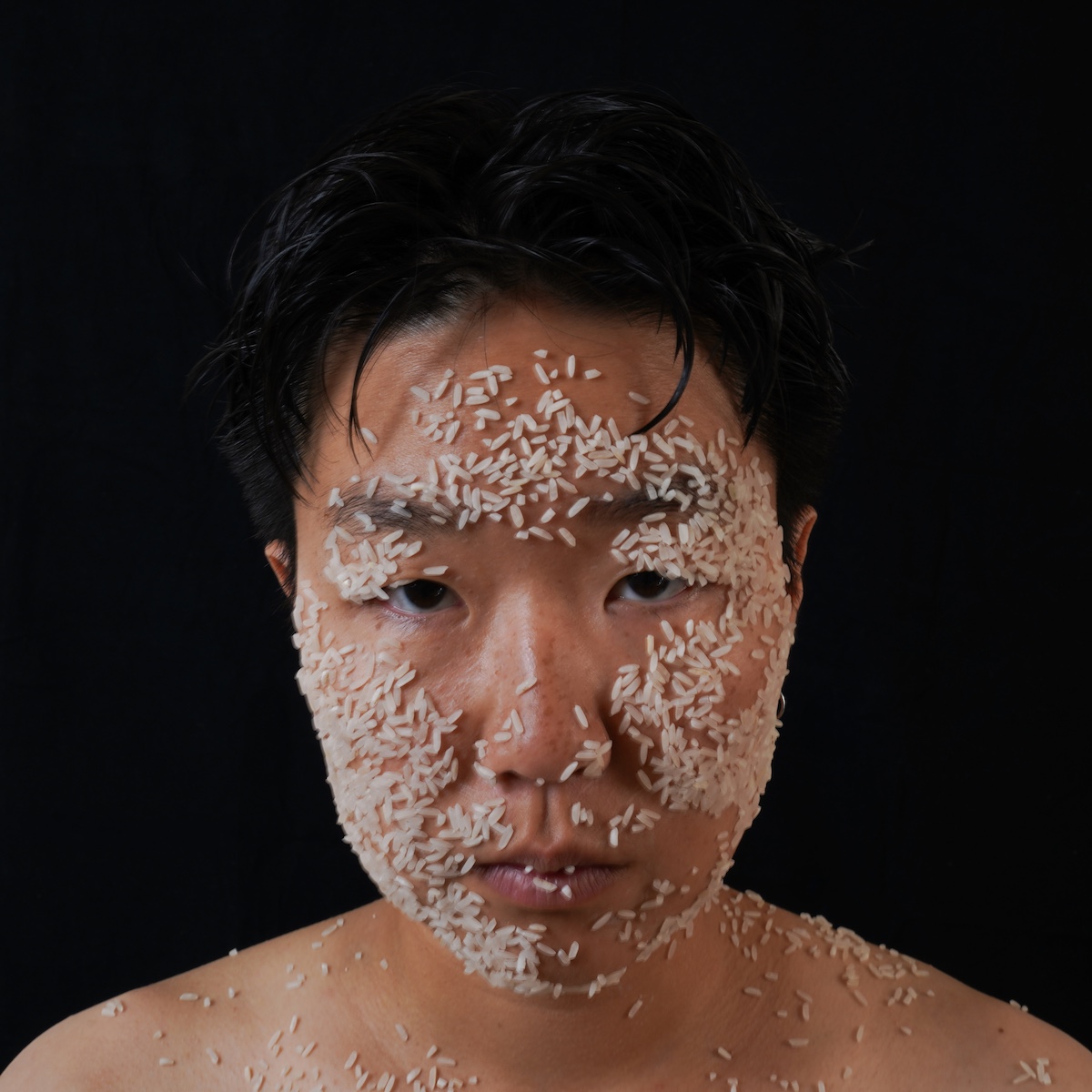
ROXANA RIOS *1994 (they/them) currently based in Leipzig, Germany. In 2017 Roxana picked up a double study at HGB Leipzig and AdBK Nuremberg and studied in the classes of Heidi Specker and Juergen Teller. After graduating in 2020 Roxana joined Isabel Lewis' class of the performing Arts.They received their Diploma in July 2023. Roxana's work has been shown at Museum Folkwang Essen, DEICHTORHALLEN Hamburg, Museum of Contemporary Art Leipzig, Fotomuseum Winterthur and FOTOHOF Salzburg. Roxana was nominated for the Federal Prize for Art Students in 2020 and won the Contemporary German Photography Grant in 2024 Roxana's current practice engages in critical discussions concerning the development of (hegemonial) narratives, as well as the relations between image- and knowledge-production. Roxana examines ‘the’ body as a construct, material and representative within social orders.In this function, the work understands itself as an exercise in utopian thinking, seeing and speaking – a contribution to contemporary, social and aesthetic discourses.


Benjamin Li is a conceptual artist based in Rotterdam. His work pushes on questions of identity, representation, displacement, everyday life, foodways and a sense of home. He currently approaches these questions centrally through an exploration of the Chinese-Indonesian restaurant.
Since 2014, Benjamin has visited over 1.200 Chinese-Indonesian restaurants across the Netherlands in an endeavour to build an archive of this restaurant. During these visits he has collected menus, pieces of tableware and written memories of his encounters. Importantly, he has also taken photographs of over 250 unique Chinese-Indonesian dishes at these restaurants. Throughout the years Benjamin also traced back and collected many sugar packs, postcards, beer glasses and other objects all linked to (defunct) Chinese-Indonesian restaurants.
Benjamin finds beauty in the Chinese-Indonesian restaurant, but for him it is also a way to come to understand his Chinese roots and family history. Many of his family members, including his parents, have worked in the restaurants as way to survive and integrate into Dutch society. With his work Benjamin tries to honour the restaurant, where others at times mock it. Today he sees the significance of his work in straddling the tension between bringing out the absurdity of certain stereotypes and fostering a reappraisal of the beauty and heritage of the Chinese-Indonesian restaurant.
Since 2014, Benjamin has visited over 1.200 Chinese-Indonesian restaurants across the Netherlands in an endeavour to build an archive of this restaurant. During these visits he has collected menus, pieces of tableware and written memories of his encounters. Importantly, he has also taken photographs of over 250 unique Chinese-Indonesian dishes at these restaurants. Throughout the years Benjamin also traced back and collected many sugar packs, postcards, beer glasses and other objects all linked to (defunct) Chinese-Indonesian restaurants.
Benjamin finds beauty in the Chinese-Indonesian restaurant, but for him it is also a way to come to understand his Chinese roots and family history. Many of his family members, including his parents, have worked in the restaurants as way to survive and integrate into Dutch society. With his work Benjamin tries to honour the restaurant, where others at times mock it. Today he sees the significance of his work in straddling the tension between bringing out the absurdity of certain stereotypes and fostering a reappraisal of the beauty and heritage of the Chinese-Indonesian restaurant.


Visual artist, burned-out climate activist, educator. Born in 1987 in Warsaw, Poland. Graduate of the University of Arts in Poznań , majoring in Photography. She heads the Second Studio of Photography (together with Dr. Mariusz Filipowicz) and the Studio of Photography Basics at the Faculty of Graphics of the Academy of Fine Arts in Warsaw. A member of the Pracownia Wschodnia Association, the Program Council of the Pracownia Wschodnia Gallery, and the P.H.U. Sitex collective. She is interested in grassroots practices of self-organisation and resistance. She navigates the conceptual realm that exists both within and beyond the binary oppositions foundational to the construction of Western civilization (‘culture versus nature’ and ‘art versus science’). She employs various strategies – visual art, academic research, activist experience – to transcend, deconstruct and rethink these binaries, bringing seemingly heterogeneous fi elds of knowledge to life. Although her practice is based on abstract ideas, the artist always remains close to material reality, focusing on ways of understanding (and feeling) how parts of the ecosystem live and die and how they affect each other.


Related professionals
Other professionals that might be interesting
All professionals
Descriptiondd112333

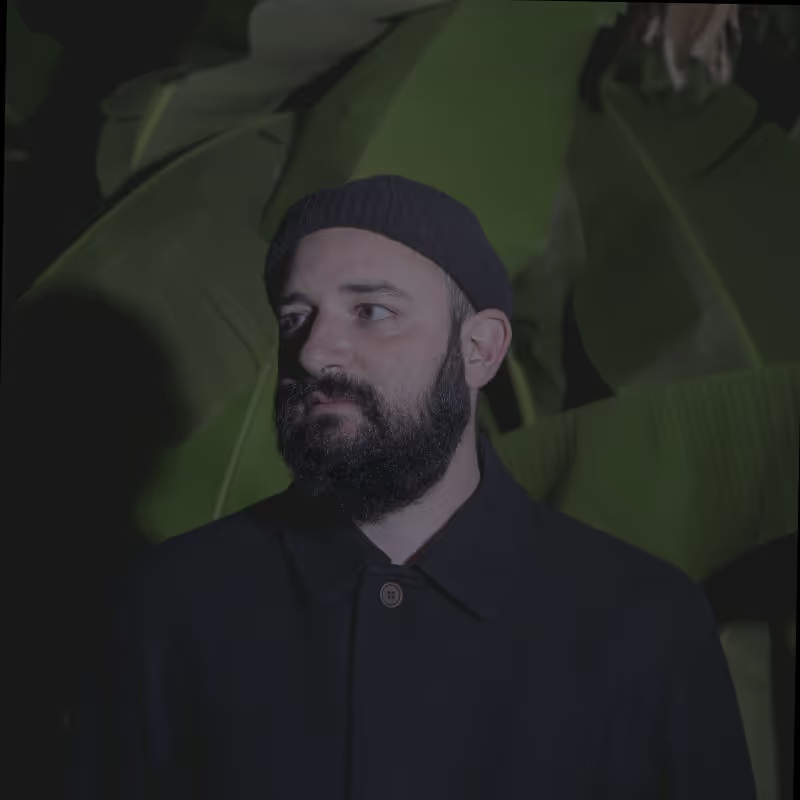
Salvatore Vitale (b. 1986, Palermo, Italy) is a Swiss-based artist, director, and professor whose work explores the complexity of contemporary societies. Using expanded and speculative storytelling through mixed media techniques, he focuses on the politics of systems that regulate modernity and the impact of technological transformations.
Vitale is the Artistic Director of EXPOSED Torino Foto Festival and FUTURES Photography, both international platforms dedicated to contemporary photography. He also serves as a Professor at Lucerne University of Applied Sciences and Arts, where he leads the Transmedia Storytelling Programme. Previously, he was the co-founder and editor-in-chief of YET magazine, an international photography publication.
Vitale’s work has received international awards. It is featured in several public and private collections and has been widely exhibited in museums and at festivals worldwide.

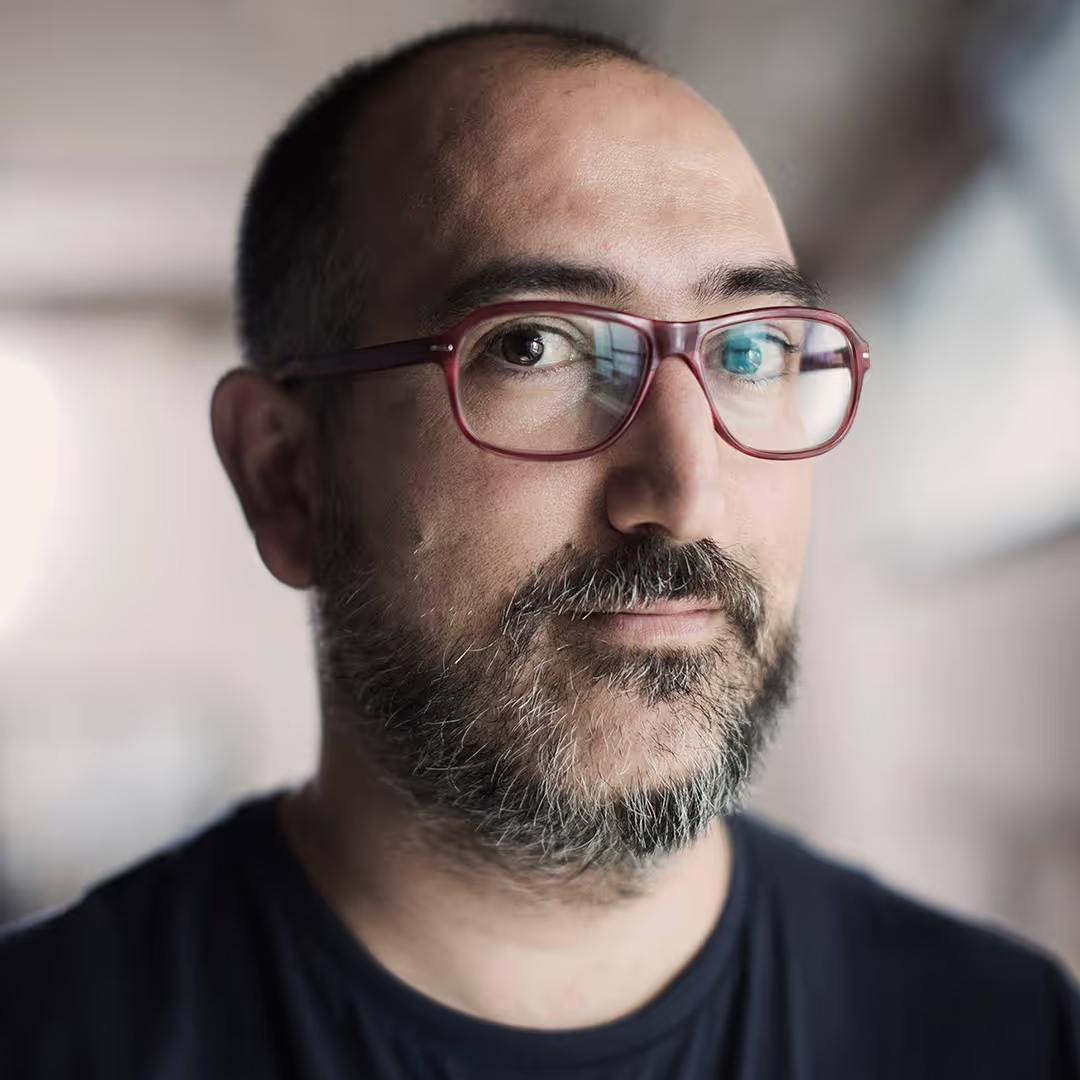
Ángel Luis González Fernández is a designer, artist, and curator supporting engaging visual arts practices, winner of Business to Arts David Manley Emerging Entrepreneur Awards 2011.
His work manifests through PhotoIreland, which he founded in 2010 to stimulate a critical dialogue on Photography. He devises curatorial projects placing conversations in the public realm around visual culture, critical thinking. These include events (PhotoIreland Festival, Halftone Print Fair, arts residency How to Flatten a Mountain, and New Irish Works), a cultural hub (The Library Project: Ireland’s Art bookshop, host to a unique resource library of photobooks and a productive arts programme), publishing projects that distribute inexpensive access to local practices, research projects (Critical Academy: examining contemporary art practices). He works collaboratively with a growing network of organisations, noticeably through ambitious Creative Europe partnerships.
During the Summer 2020 lockdown he launched the critical publication OVER Journal, now distributed globally. He received the Arts Council of Ireland’s Visual Arts Bursary to deepen research on the broad historical and specific artistic context of Photography in Ireland, to curate an ambitious survey exhibition in PhotoIreland Festival 2022 and to publish a series of publications on the matter. He regularly contributes to publications such as the forthcoming The Routledge Companion to Global Photographies, edited by Lucy Soutter, Duncan Wooldridge.
See some of his Graphic and Web Design work in the 100 Design Archive.

Iveta Gabaliņa (1979) is a curator, artist and educator. She has studied photography at the studio of Andrejs Grants, at Bournemouth Art Institute, and in the MA programme at Alto University in Helsinki. Her work has been exhibited in Latvia and internationally, including at C/O (Berlin, Germany), GESTE (Paris), and Williams Tower Gallery (Houston, USA). Gabaliņa has participated in photography festivals in Singapore, Hanover, and elsewhere. Her work is included in the collections of the Victoria & Albert Museum, Geste Paris, and the Deutsche Börse Art Collection.
Since 2008 she has been part of ISSP team, responsible for numerous educational and curatorial projects. In 2018 she founded ISSP Gallery - an exhibition space dedicated to contemporary photography.

I’ve always loved photography, even if it sounds like a cliche. The first photos I took, I did without knowing how to do that, without paying any attention to framing, subject or composition. After a while, I began to understand what is happening in the space between me as a photographer and the subject I was photographing. And many years later, I also understood why I love to photograph. To communicate. A message, a concept, an emotion.
Newsletter
Want to stay up to date with the latest news and events of FUTURES?
Each month we share articles and interviews, upcoming Open Studios and educational opportunities.
By signing up, you'll join our community of artists and professionals committed to contemporary photography.
Thank you! Your submission has been received!
Oops! Something went wrong while submitting the form.