Artist
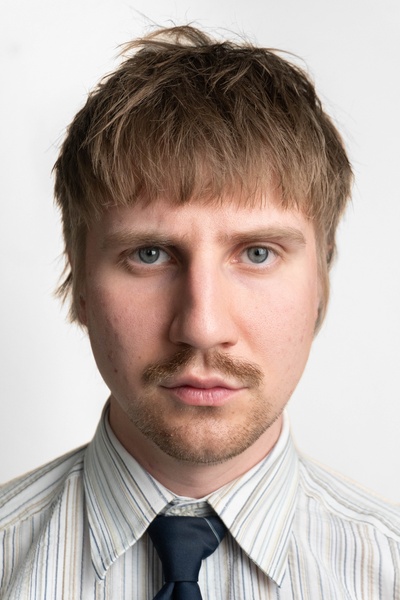
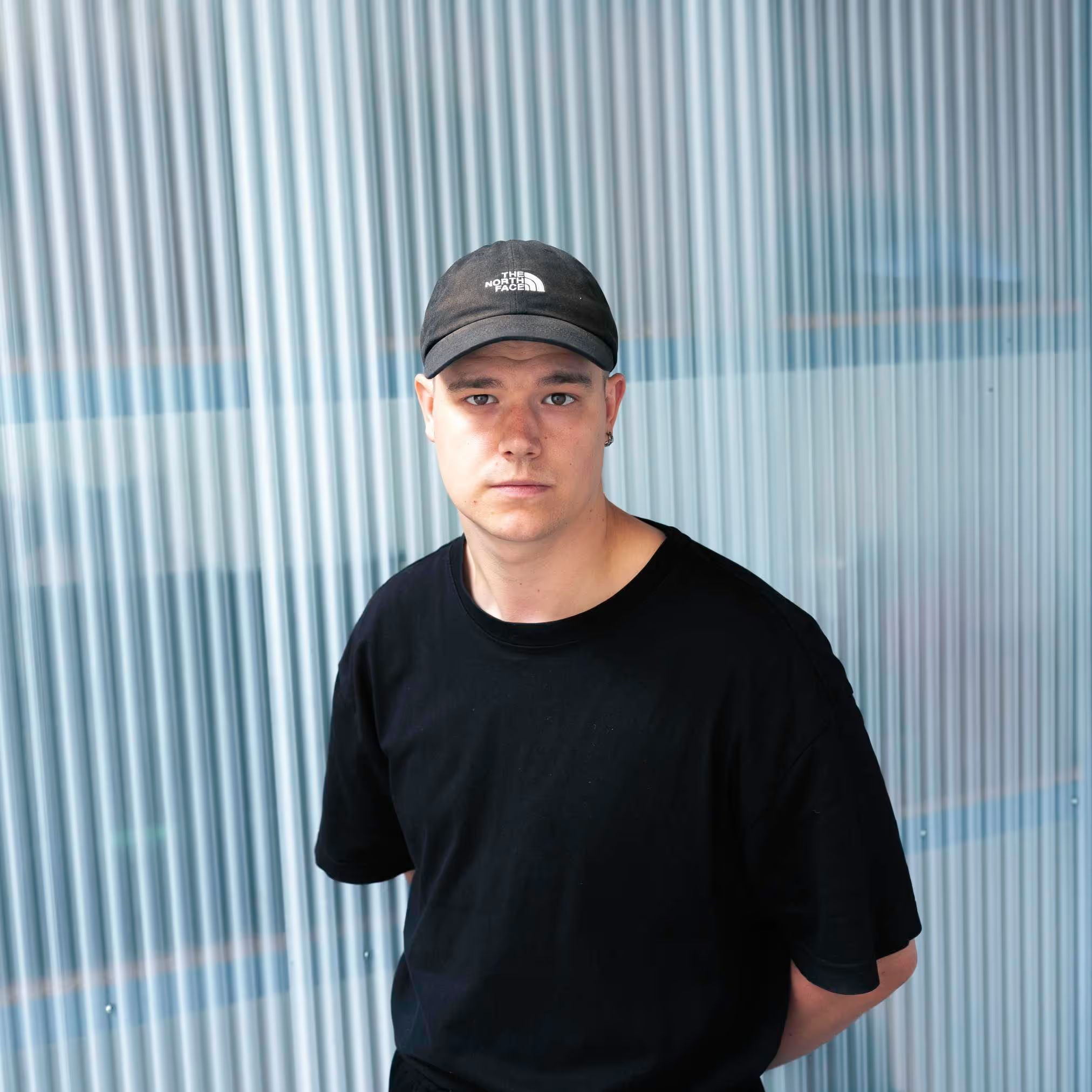
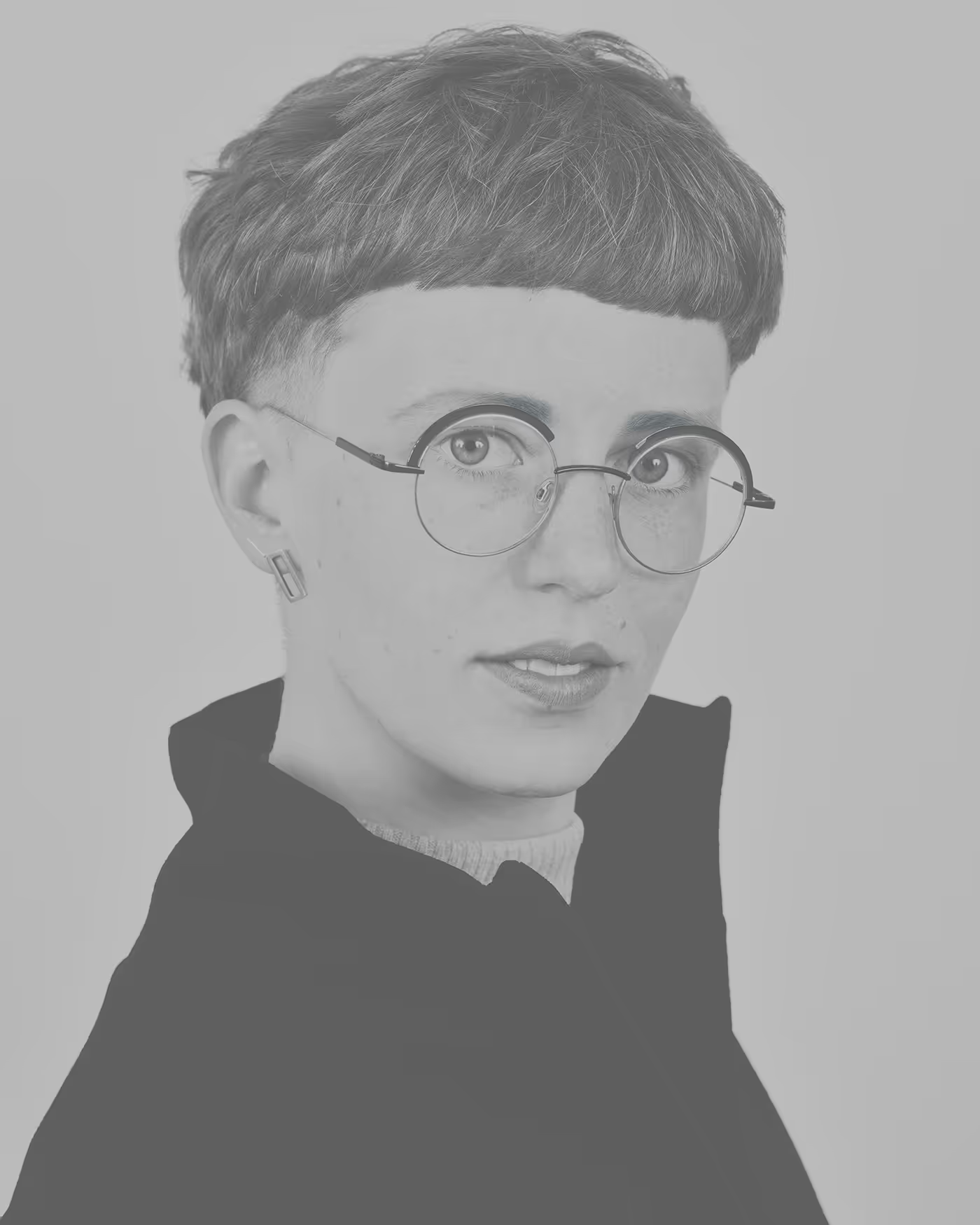
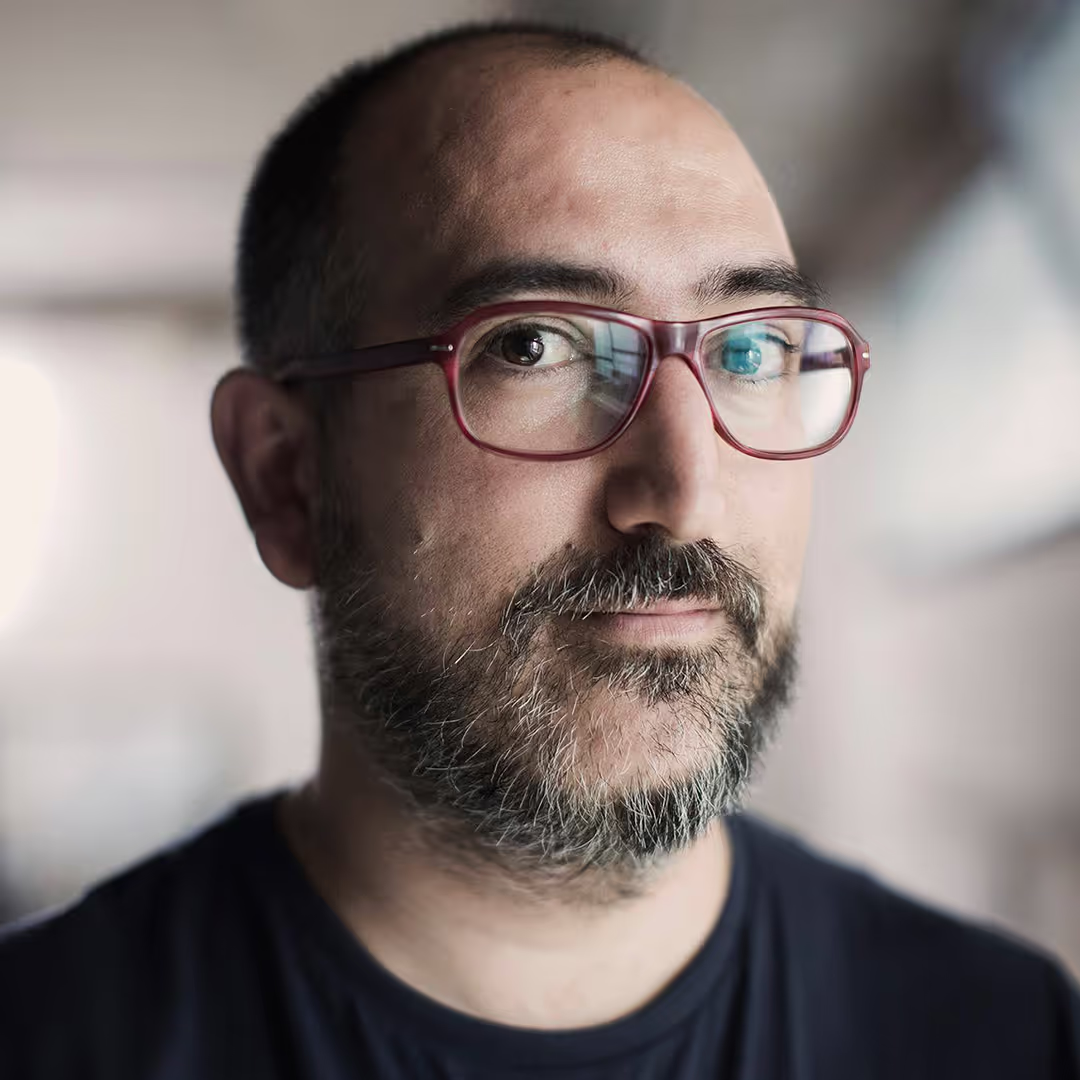
Mateusz Pecyna
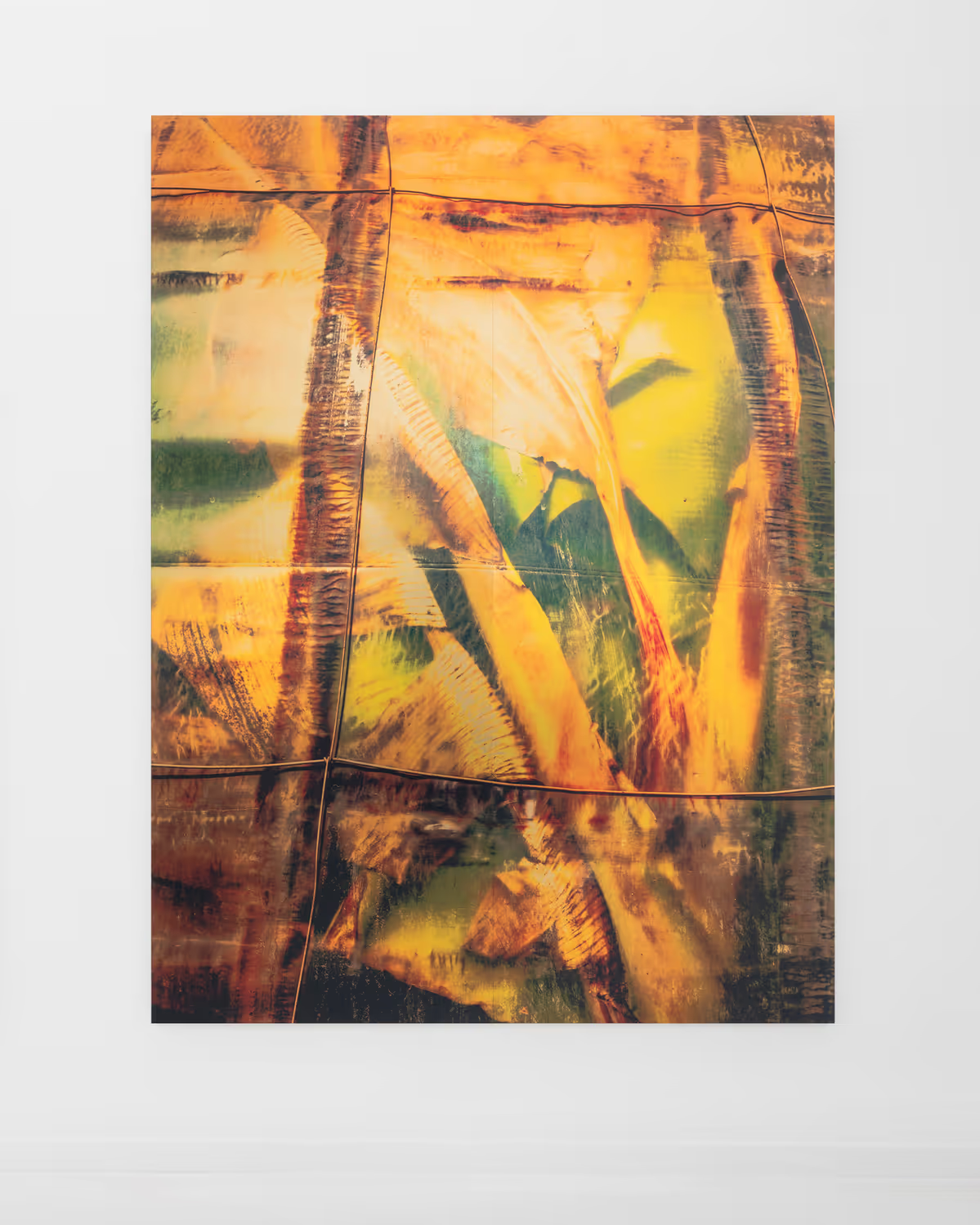
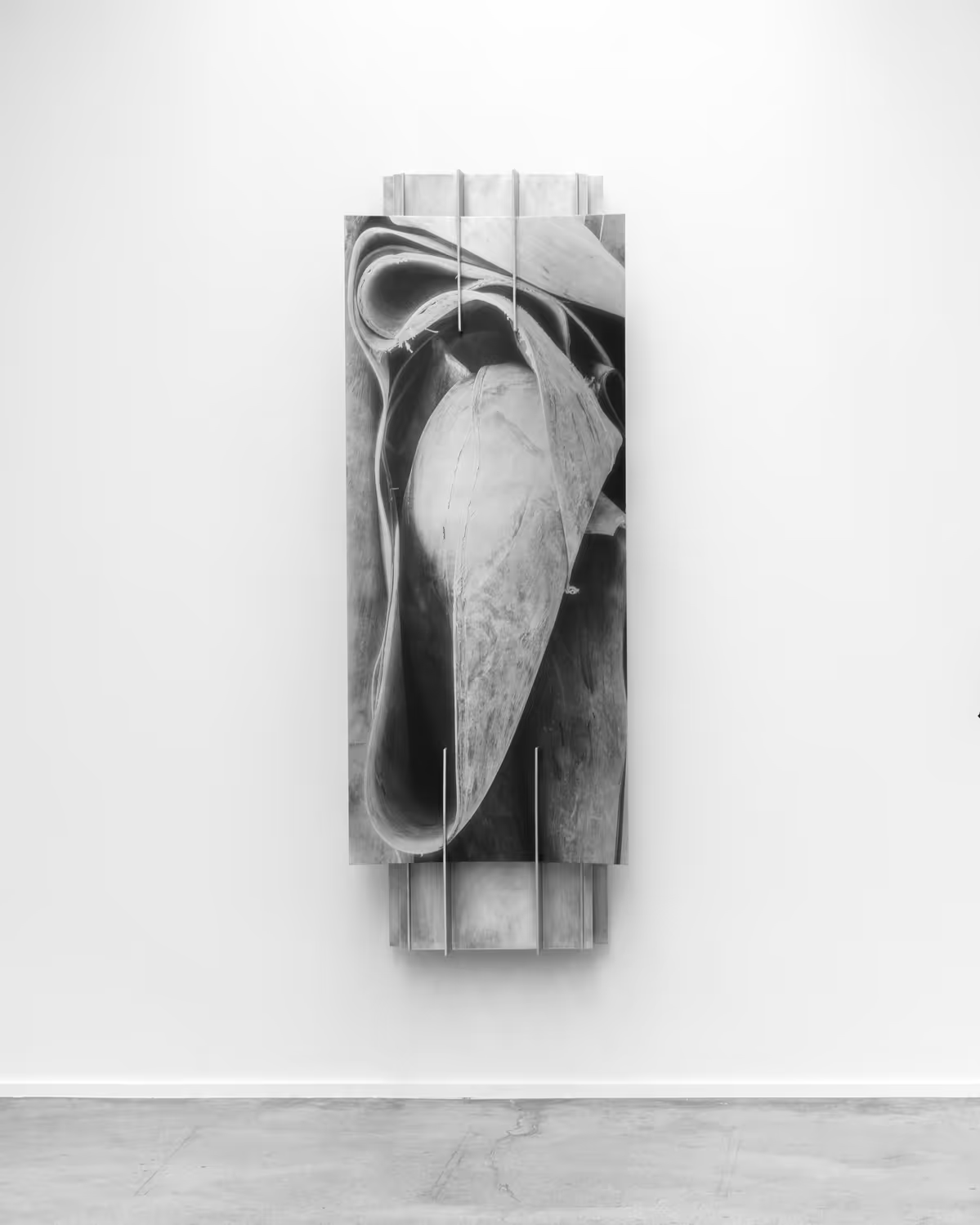
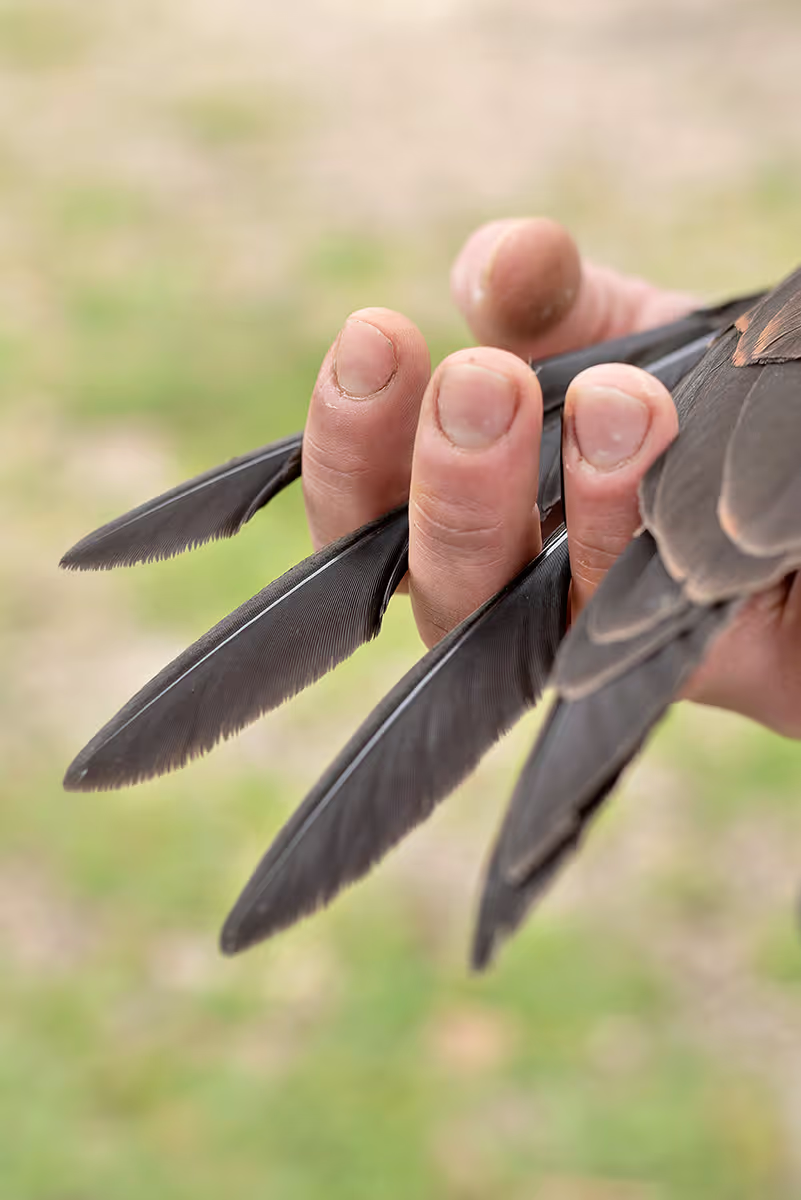
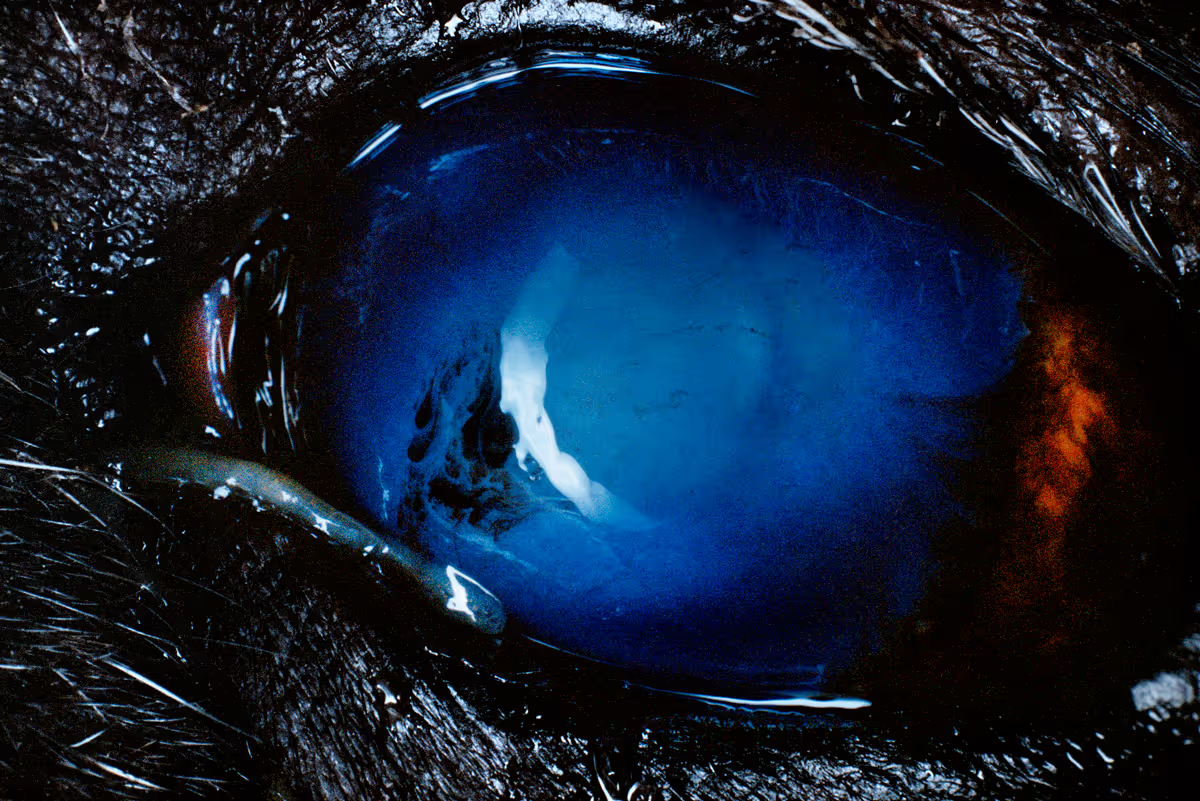
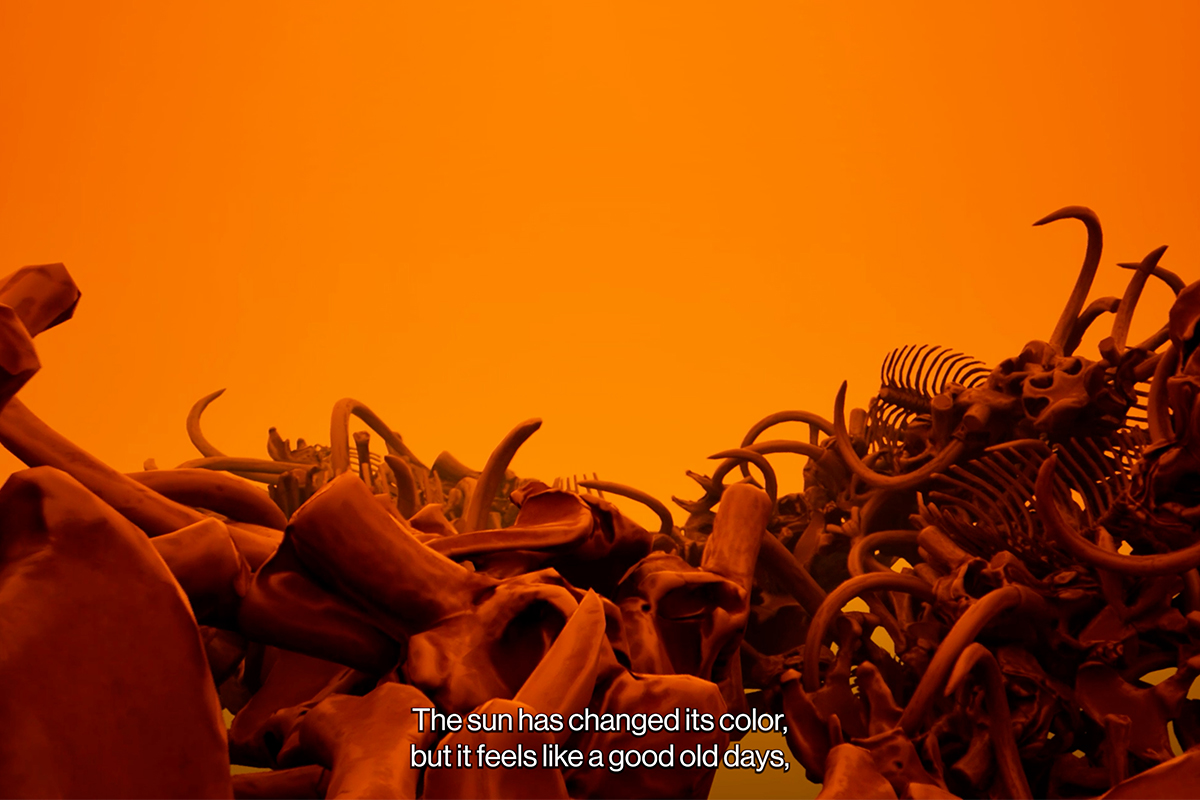
Ex Utero
Ex Utero explores these tensions by moving between documentary traces and speculative narratives, where extinct animals reappear as mediated images, reconstructed sensations, or collectible relics circulating between science, entertainment, and commerce. Rather than presenting de-extinction as an act of repair, the project suggests it continues the same logic of control that contributed to ecological collapse in the first place. By confronting viewers with animals suspended between absence and technological return, the exhibition questions the desire to engineer solutions while avoiding responsibility for the catastrophe, revealing how extinction itself risks becoming another spectacle shaped for human consumption.
When searching artists for Futures Talents, we focus on artists living and creating in the region, of Polish origin, or based in Poland, who are at a pivotal moment in their careers—ready to benefit from and contribute to the international Futures community. We look for artists with a strong, distinctive visual language and a clear artistic vision. And all artists joining the platform in 2026 demonstrates a highly individual and recognizable approach to the medium.
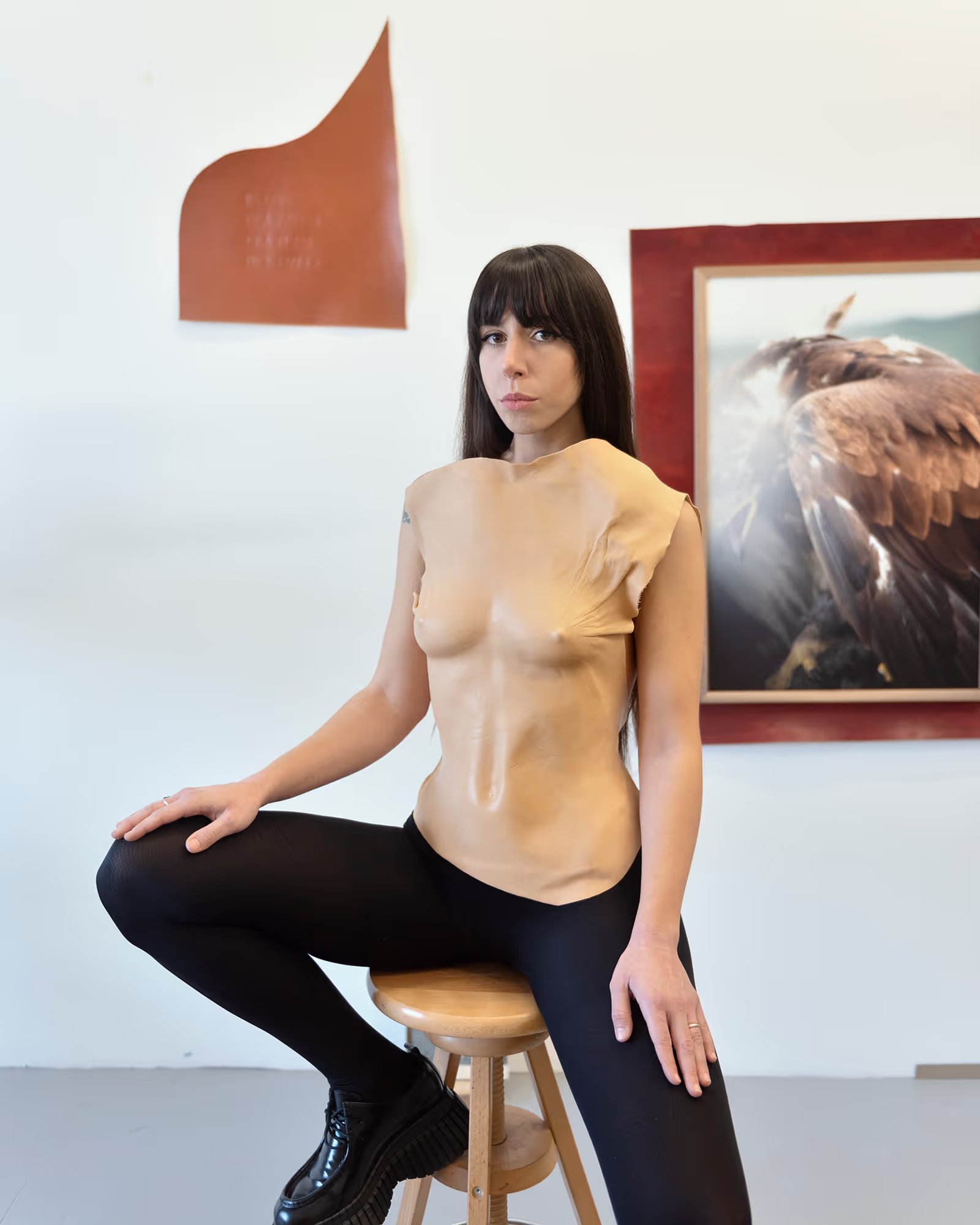
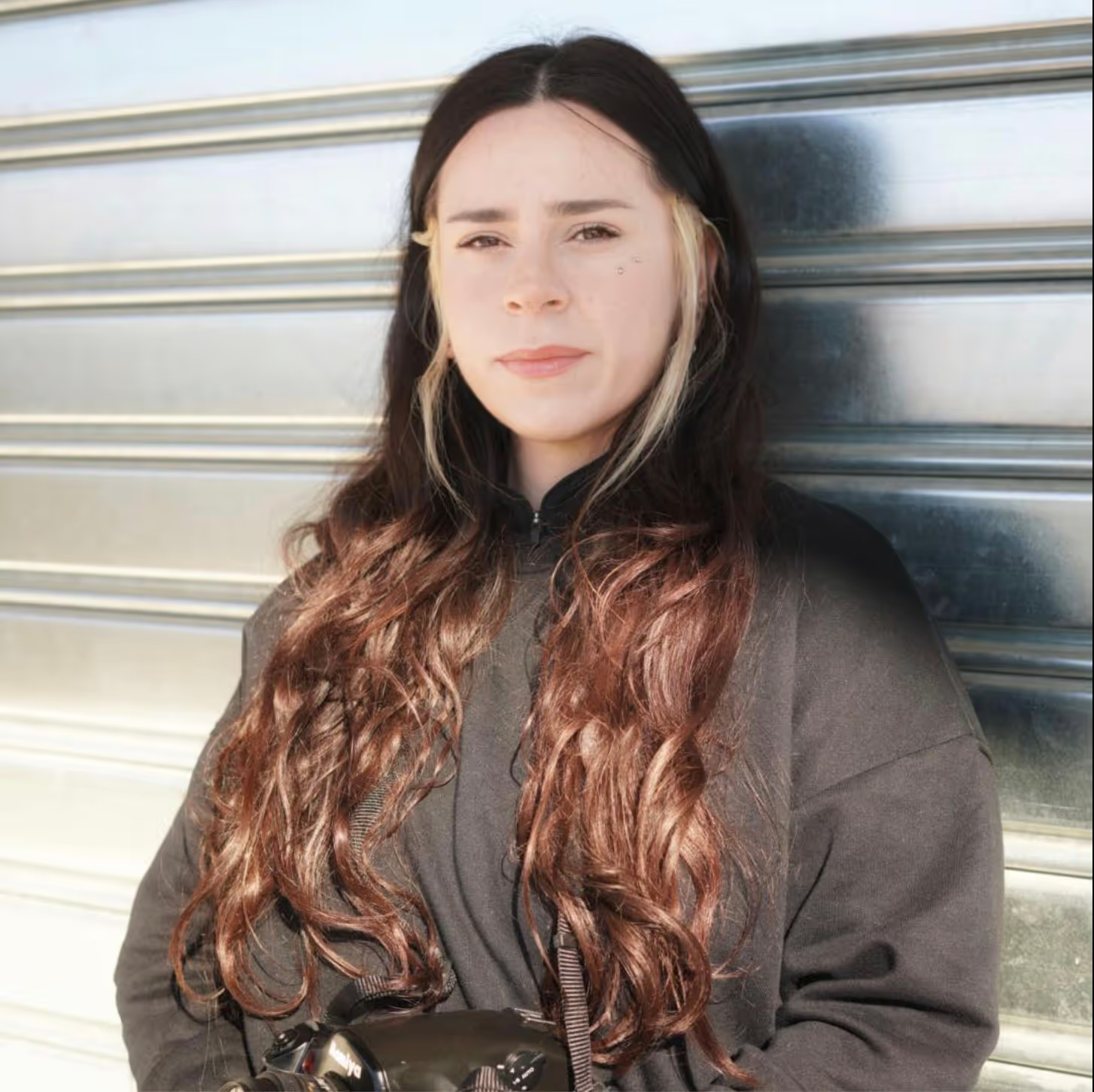
Sasha Velichko, a Belarusian artist living and working in Poland, grounds her practice in the socio-political realities of her country of origin. Working across photography, analogue and digital archives, artificial intelligence, and textile, she constructs layered narratives that interrogate memory and power. She is also the recipient of the first Fotofestiwal Grant, with her exhibition scheduled for Fotofestiwal 2026.
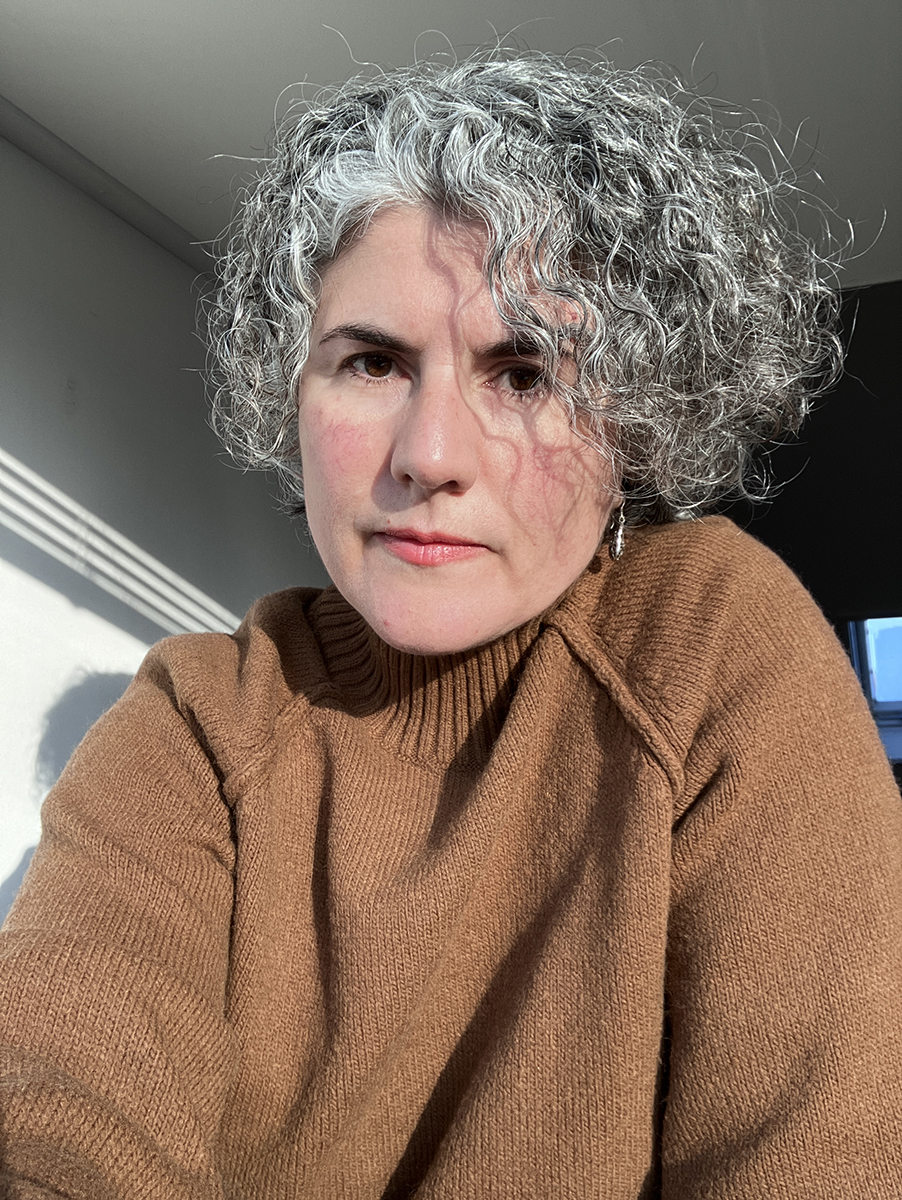
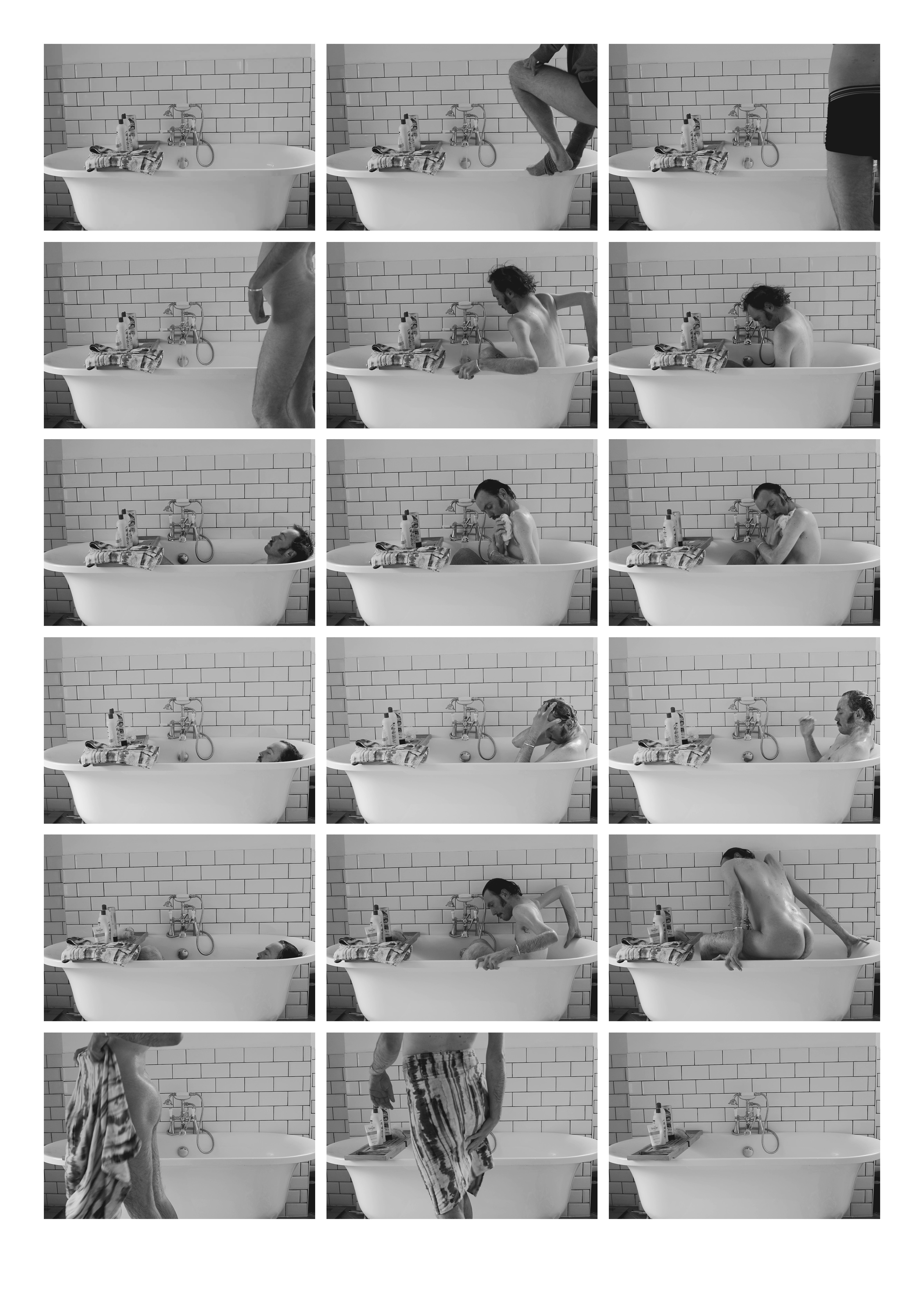
Anna Kieblesz works at the intersection of media. Photography, performance, light, installation, and textiles are all tools for her experiments. The body in her works is both a subject and a material presence.
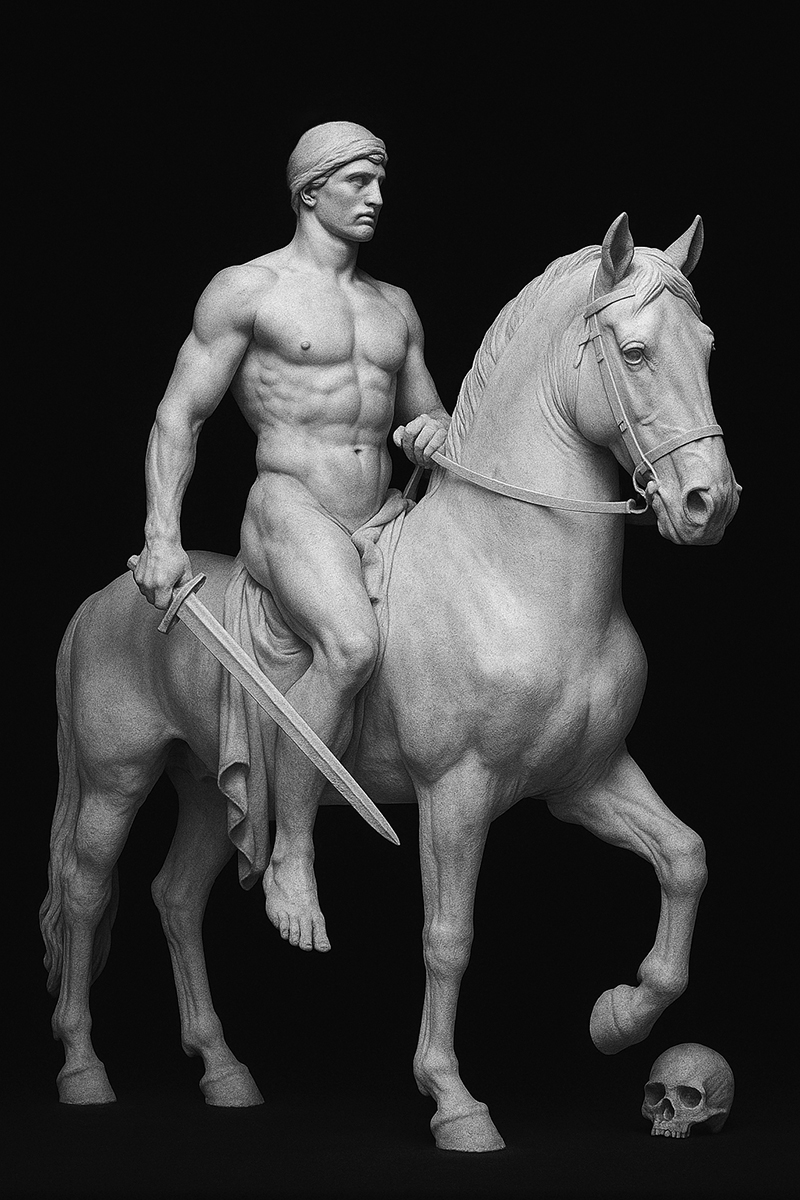
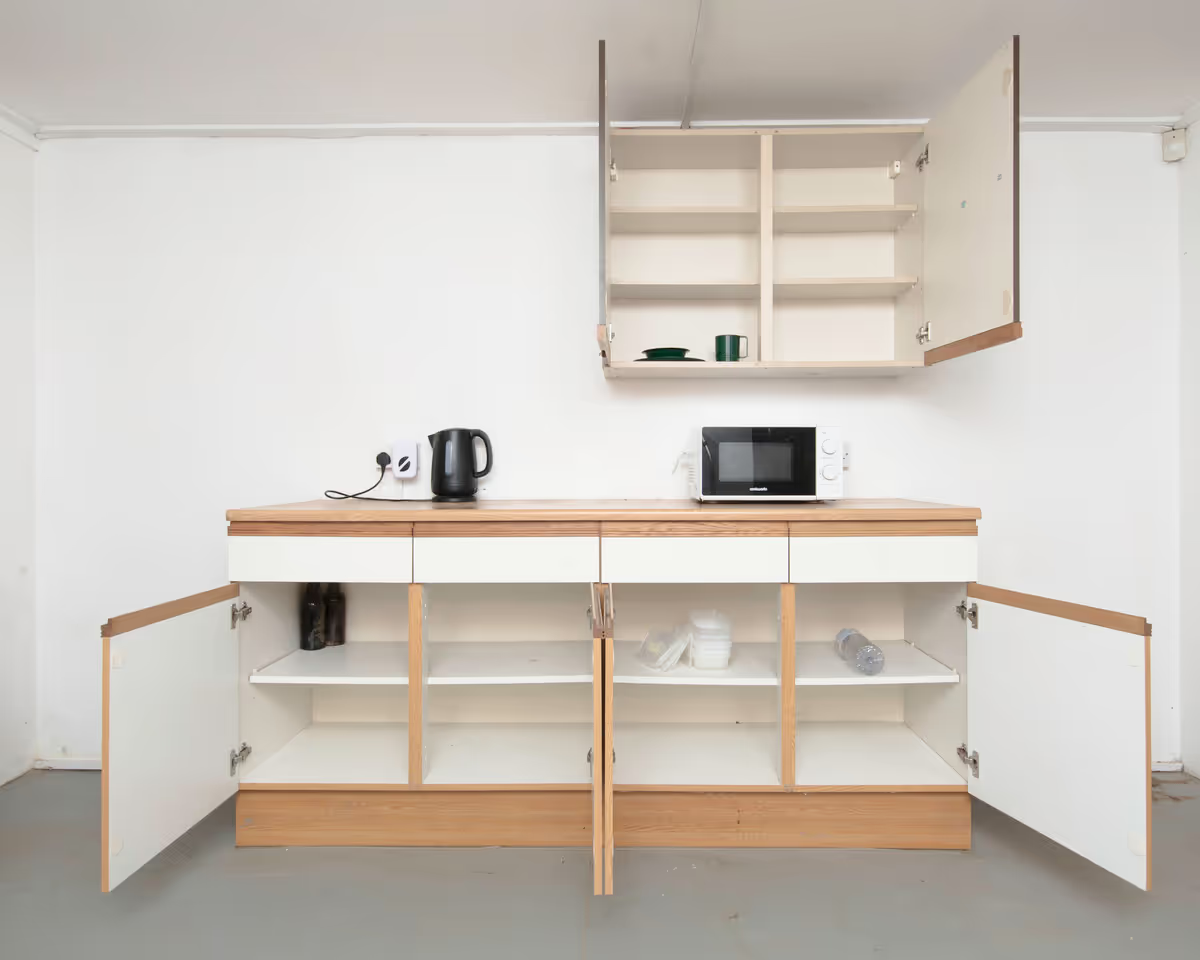
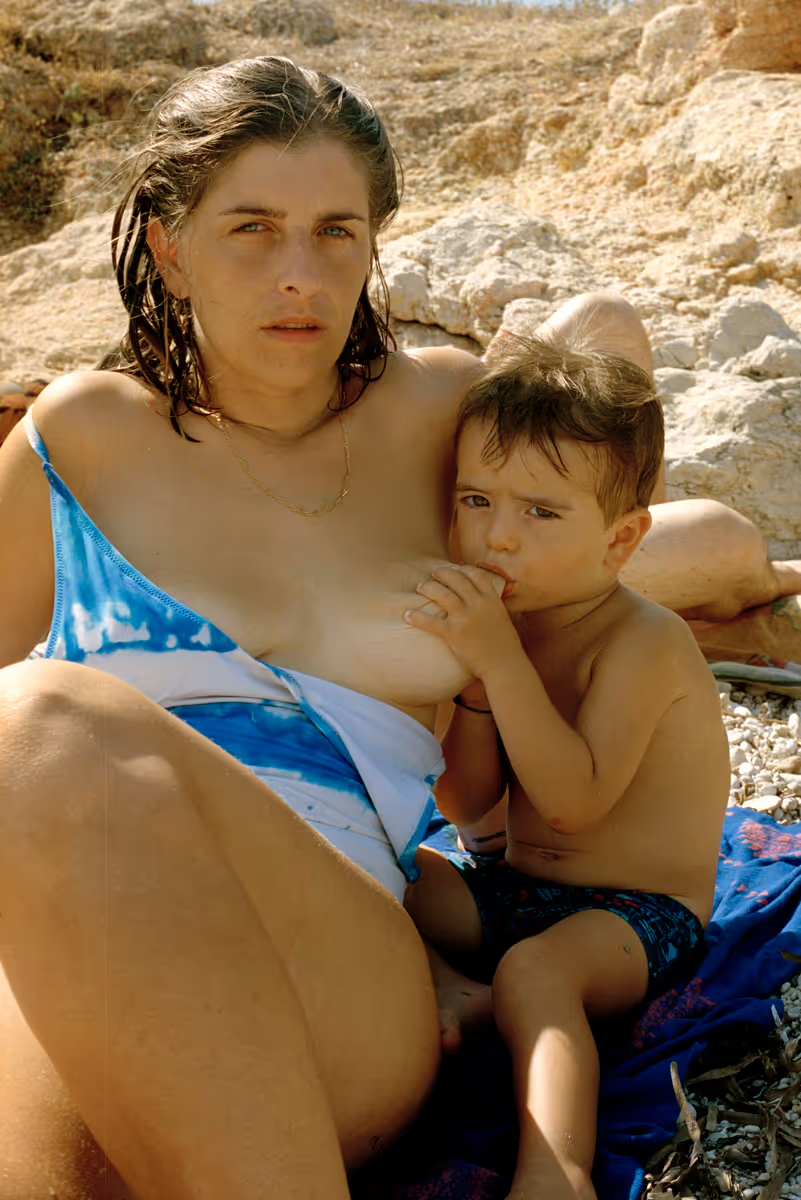
Irena Kalicka has long been active within the Polish photography scene, developing a consistent and unmistakable visual language rooted in grotesque aesthetics, self-made scenography, and performative elements.
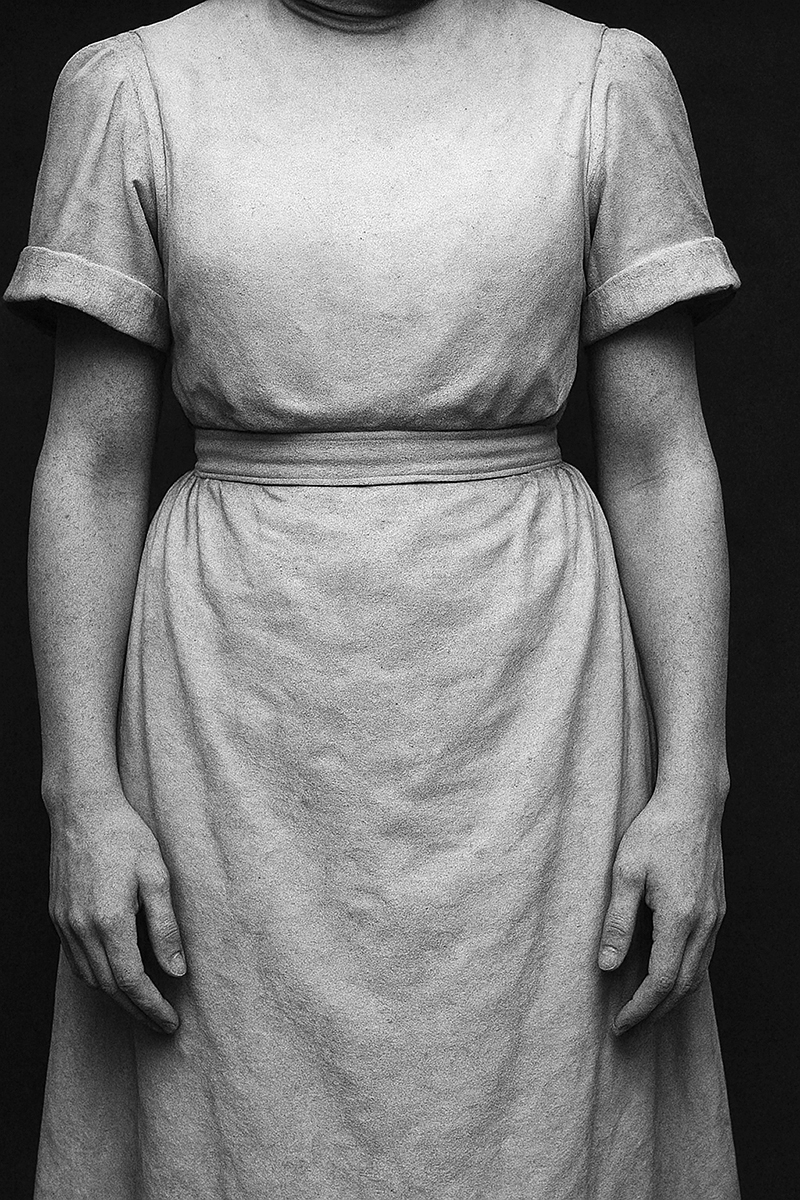
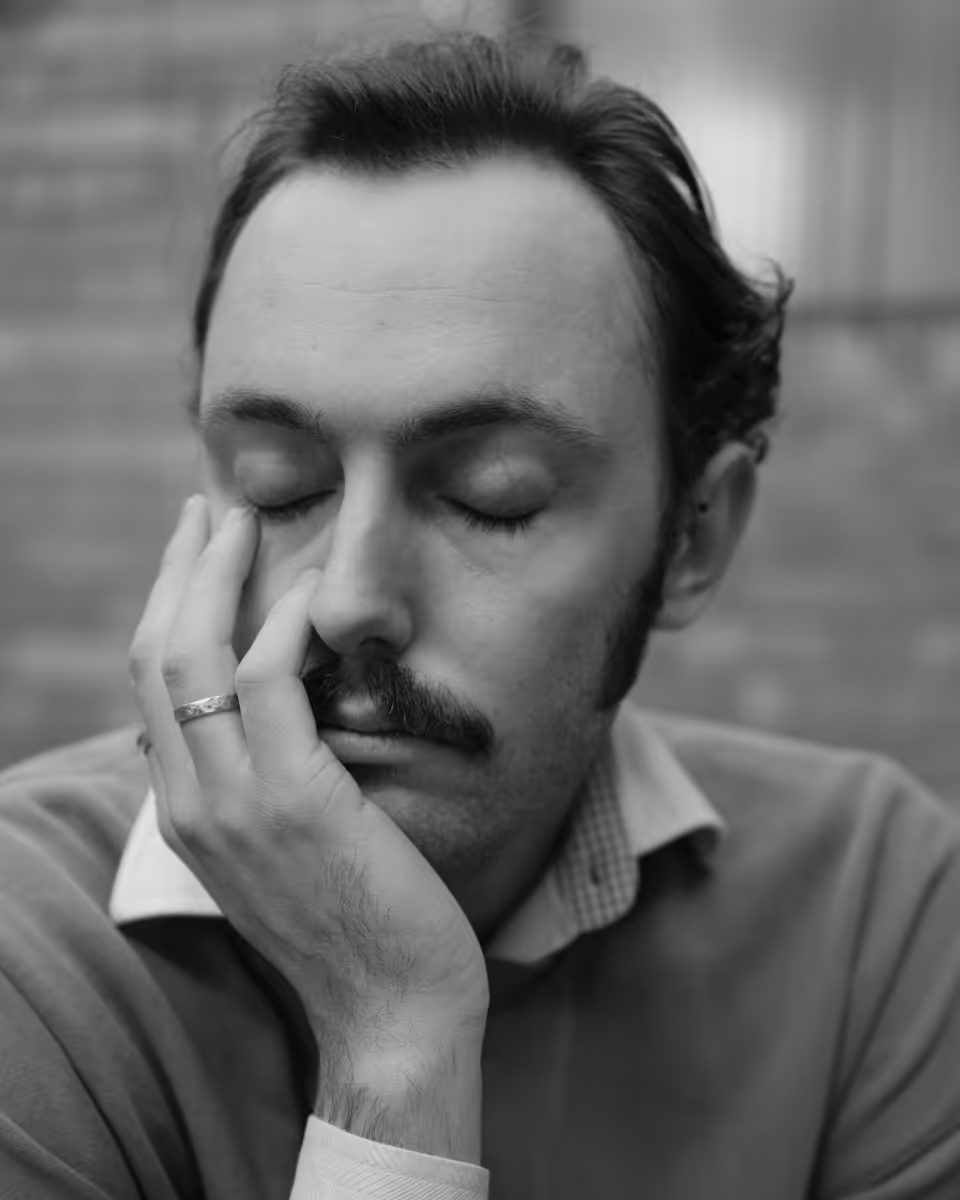
Artur Pławski, a self-described late debut artist, constructs nuanced narratives around masculinity, marked by sensitivity and a distinctive perspective.
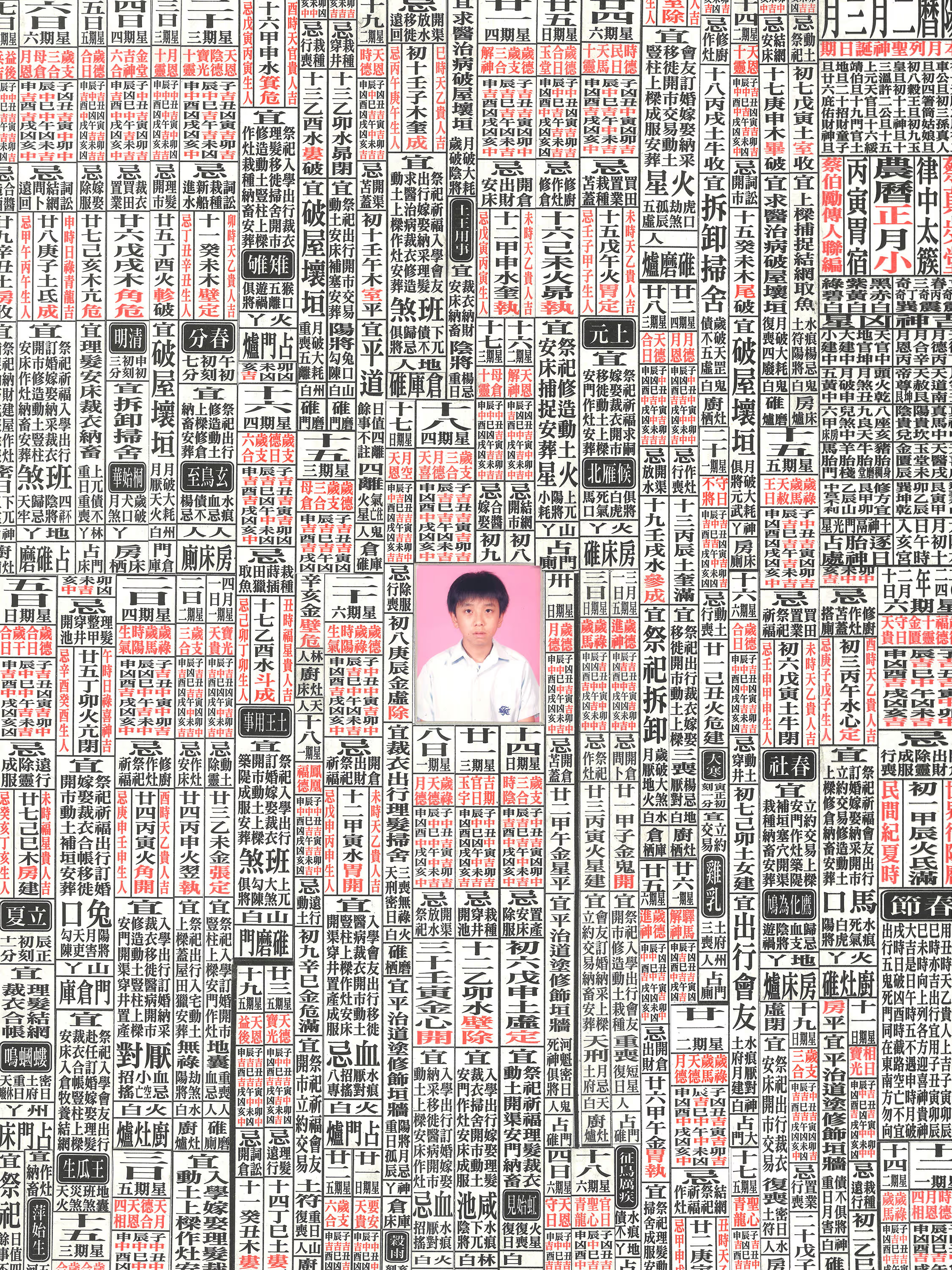
Mateusz Pecyna creates multi-layered, often multisensory installations that combine found footage, documents, AI-generated imagery, and objects, addressing contemporary questions surrounding image credibility and perception.
The members of the jury:
Julia Klewaniec - photographer, visual artists, curator, member of Picterdoc Foundation, FUTURES Talent 2022
Grażyna Siedlecka - independent curator, Poland
Marta Szymańska - curator of Fotofestiwal Lodz, Poland
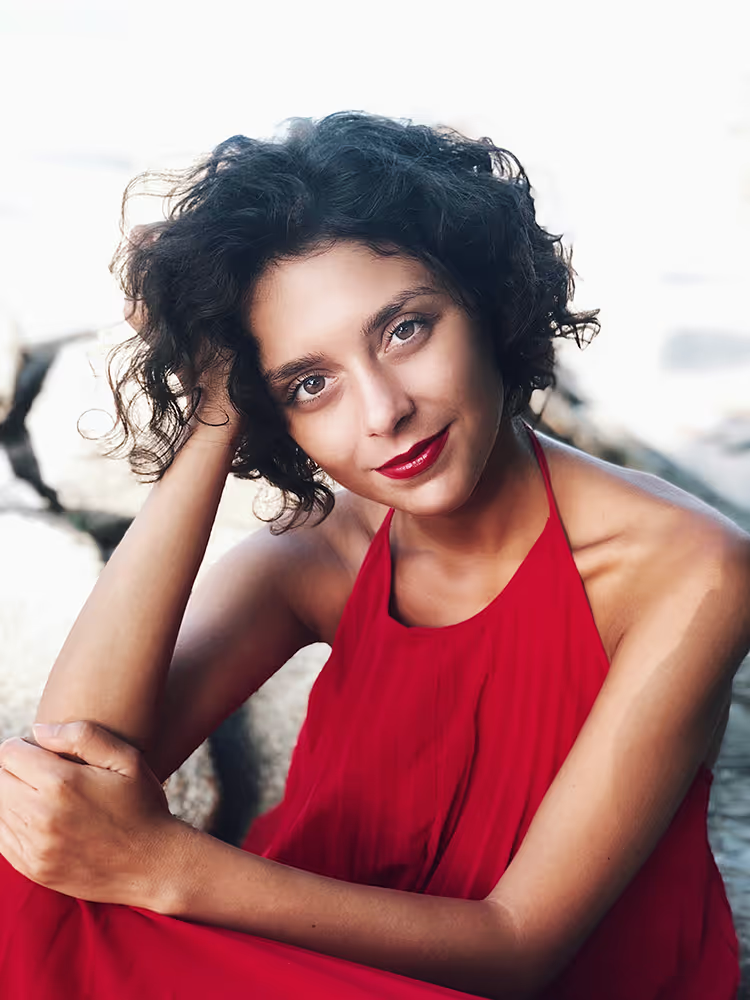
Faces%252520of%252520Predictions_003.avif)