Artist

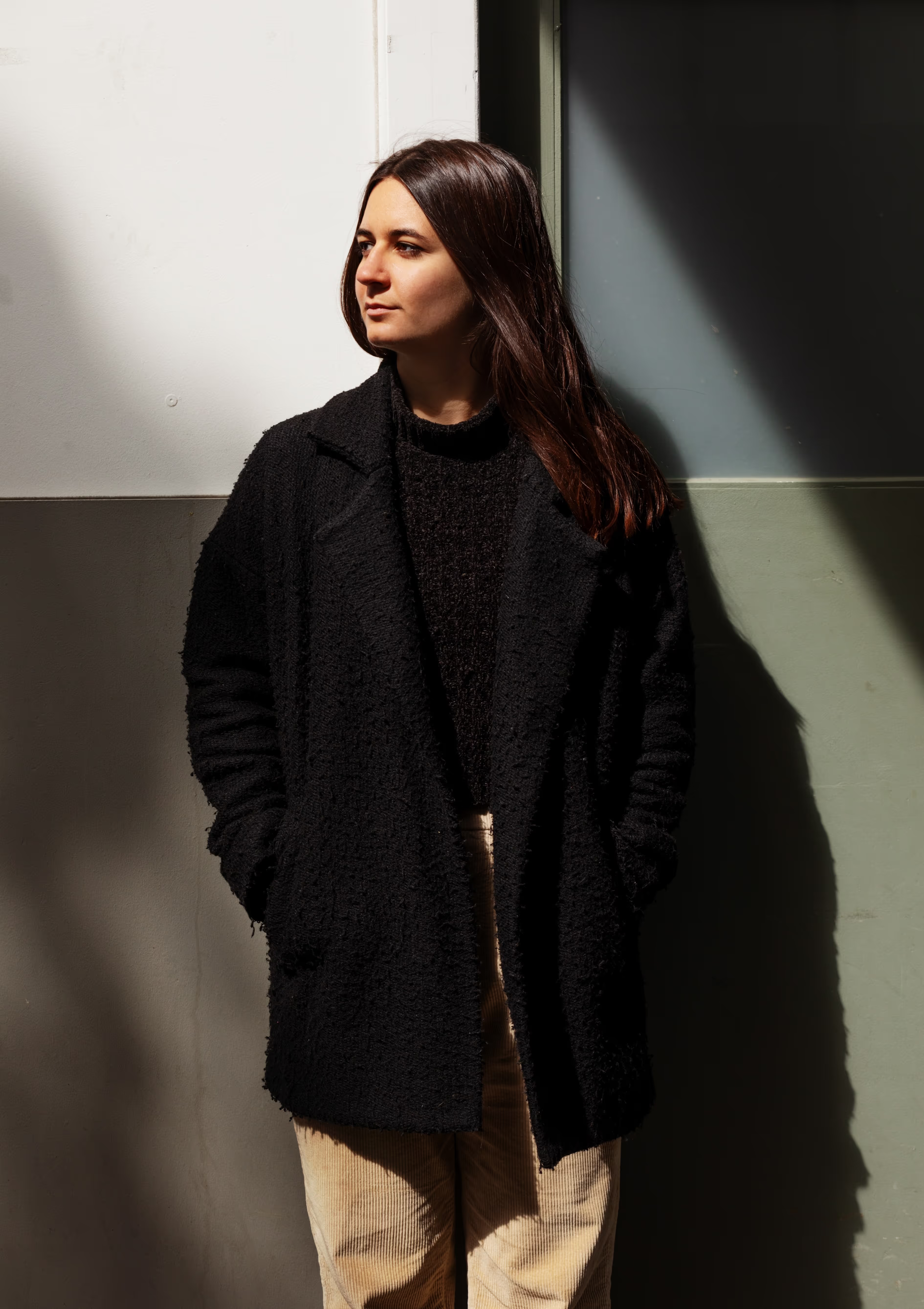
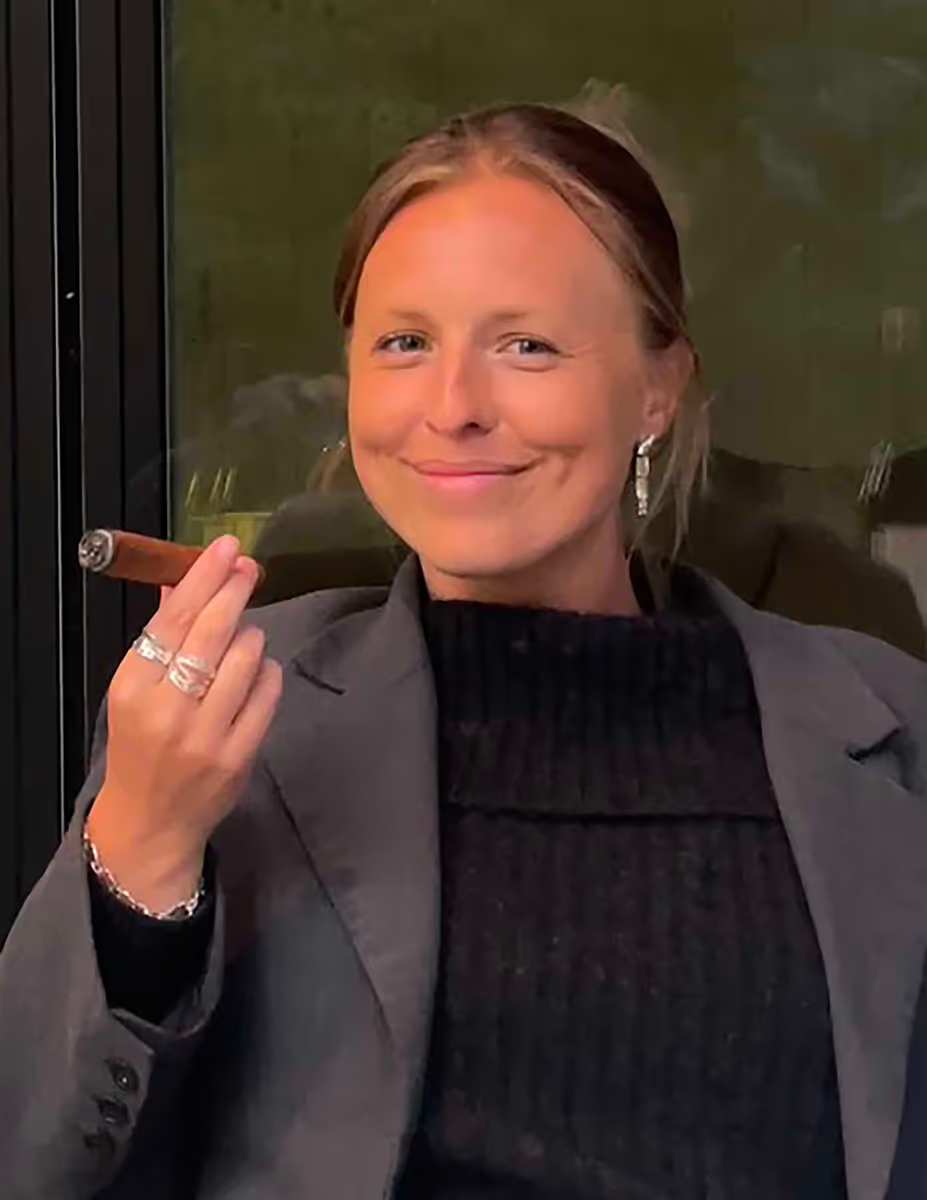
Alexis Anaci
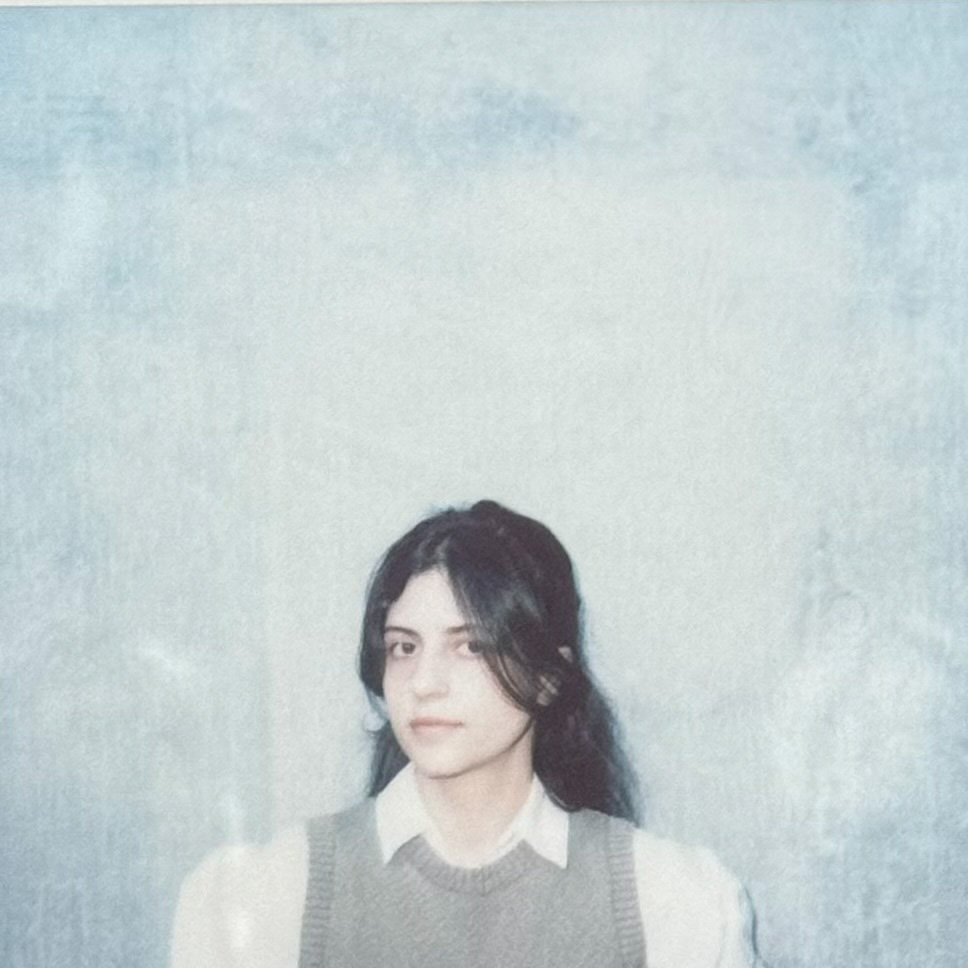
Alexis Anaci is an interdisciplinary artist and researcher working across photographic, sculptural, and textual forms. Her practice explores how identities are shaped, imagined, and sensed, particularly through approaches that blur personal reflection with theoretical and material investigation. Situated at the intersection of contemporary art and psychological inquiry, Alexis is drawn to the subtle spaces between perception and interpretation, between what is shown and what is felt.
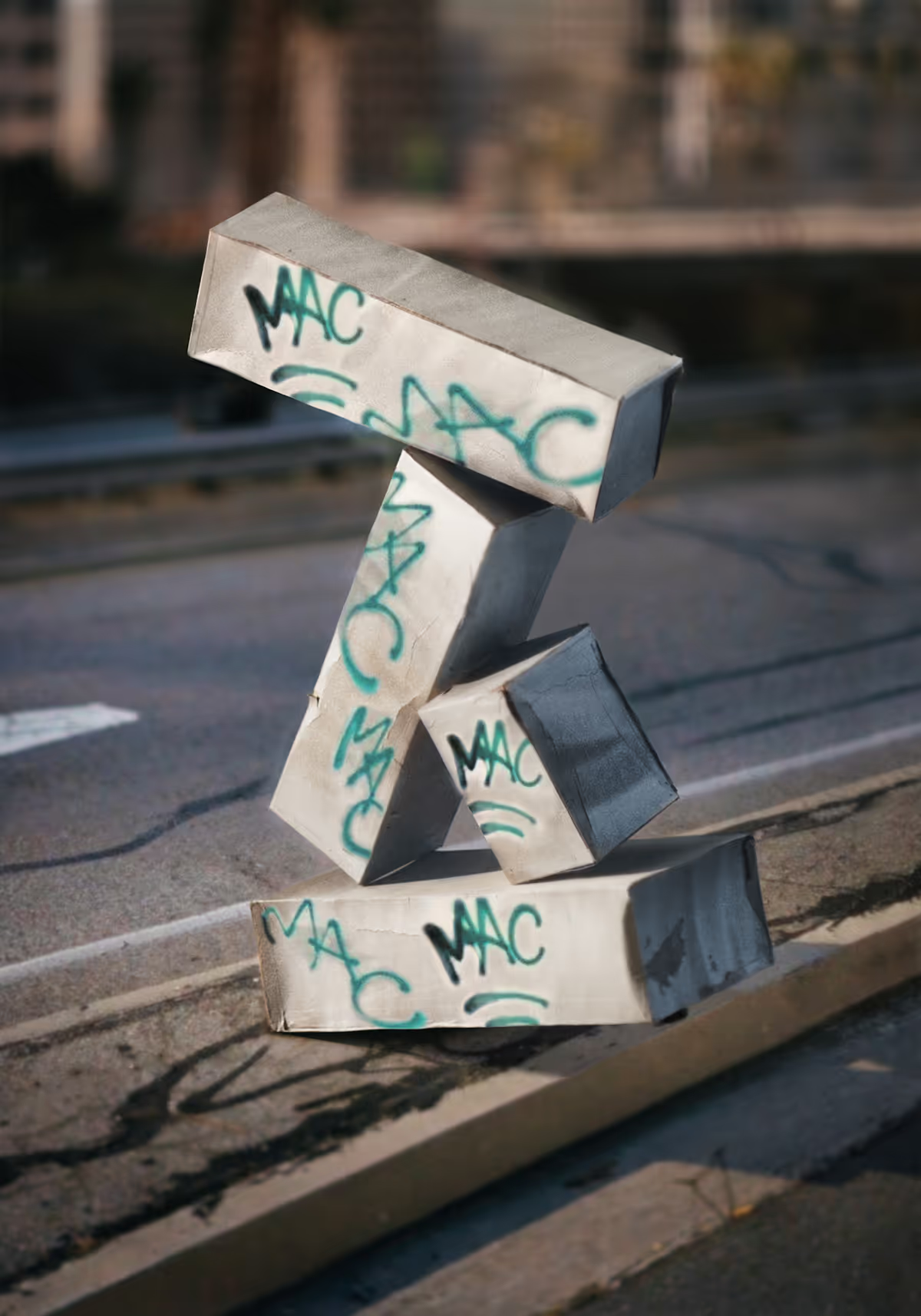
Guided by a commitment to experimentation, her work embraces ambiguity and unresolved states: a gesture half-formed, a thought not fully grasped. Through material processes—photographic interventions on film, polaroids, and light-sensitive paper, alongside sculptural
experimentation with plaster and paint—Alexis examines what lies beneath awareness, the unspoken and elusive, investigating the limits of representation and the ways inner worlds are experienced and partially shared.
Research-led and process-driven, her practice moves between introspection and communication, engaging both personal reflection and relational encounters. By questioning how selves are made visible, to oneself and to others, Alexis navigates the tension between intimacy and distance, creating space for moments of wonder, doubt, and speculative reflection.
Her work situates the material, the conceptual, and the experiential in dialogue, inviting viewers to inhabit the partially known and the unknowable.
TANGERINE
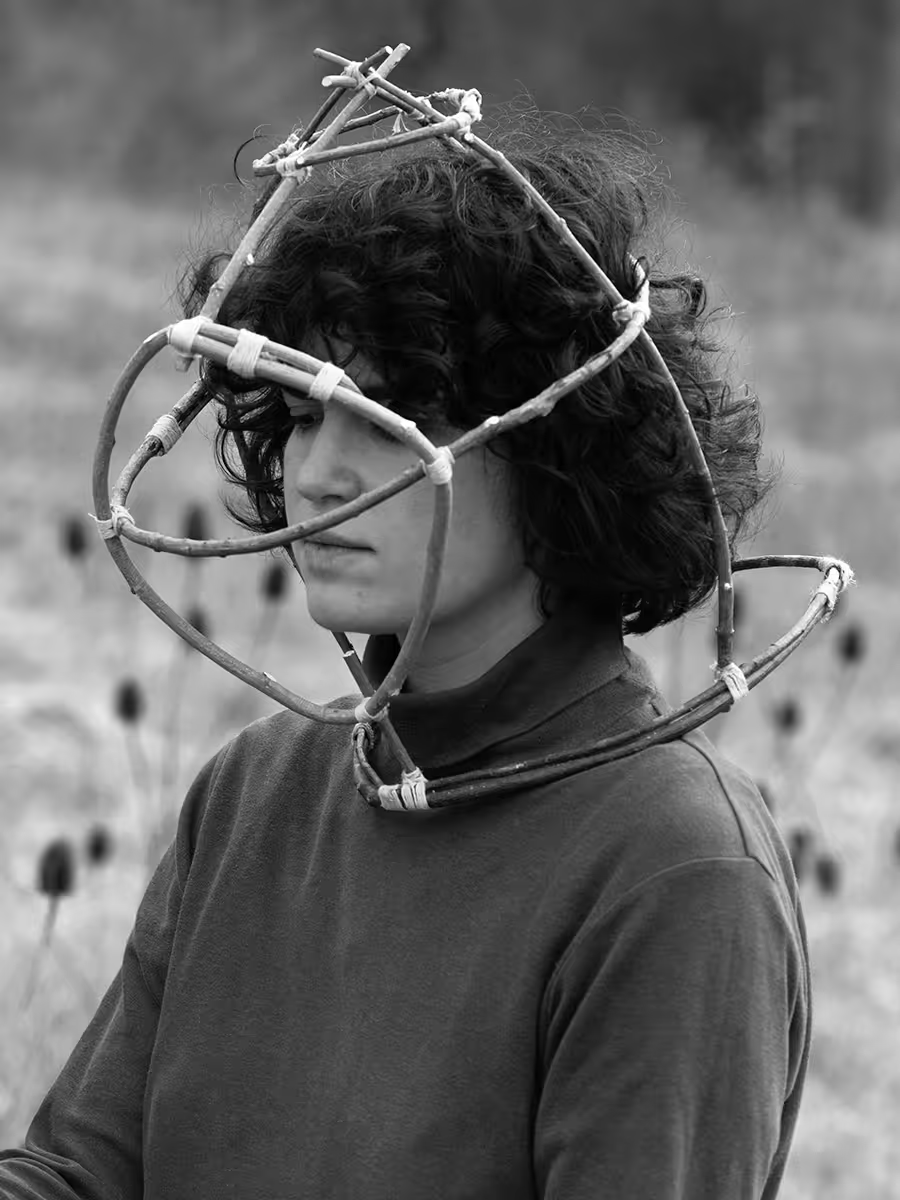
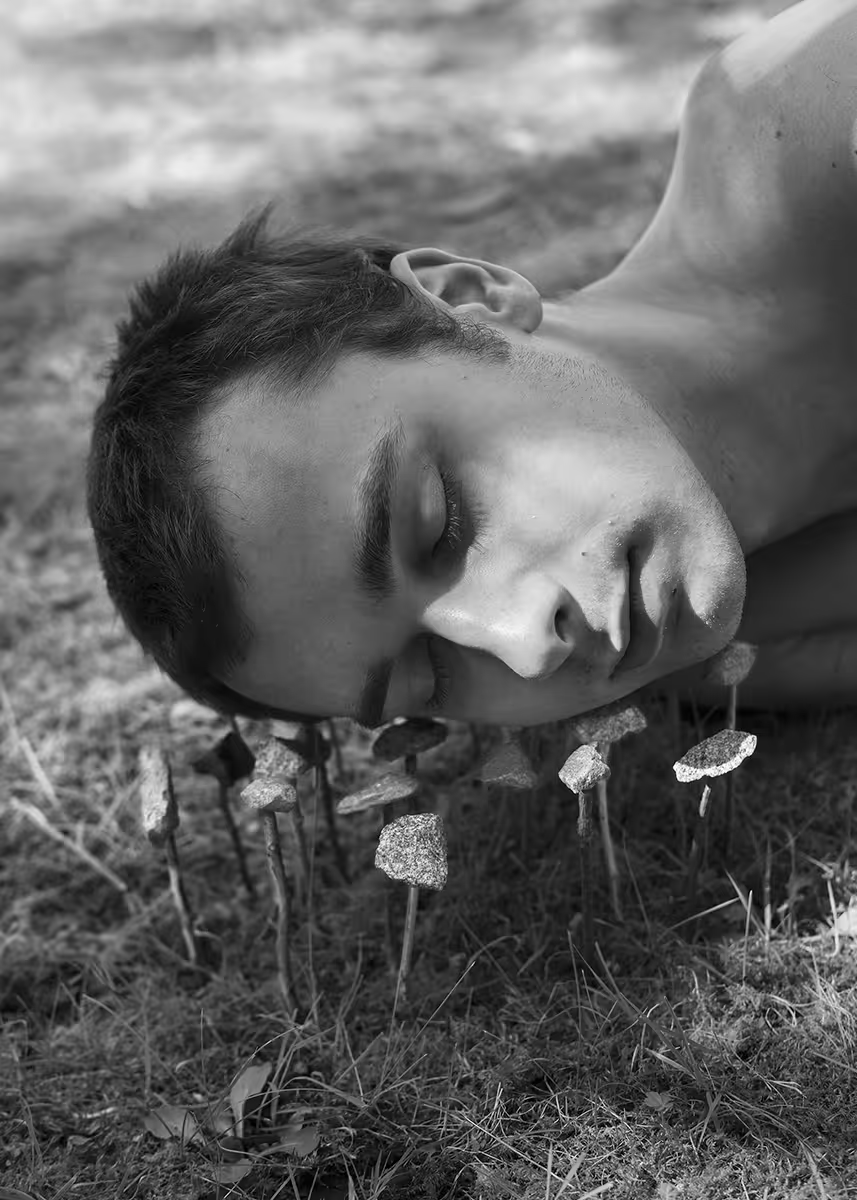
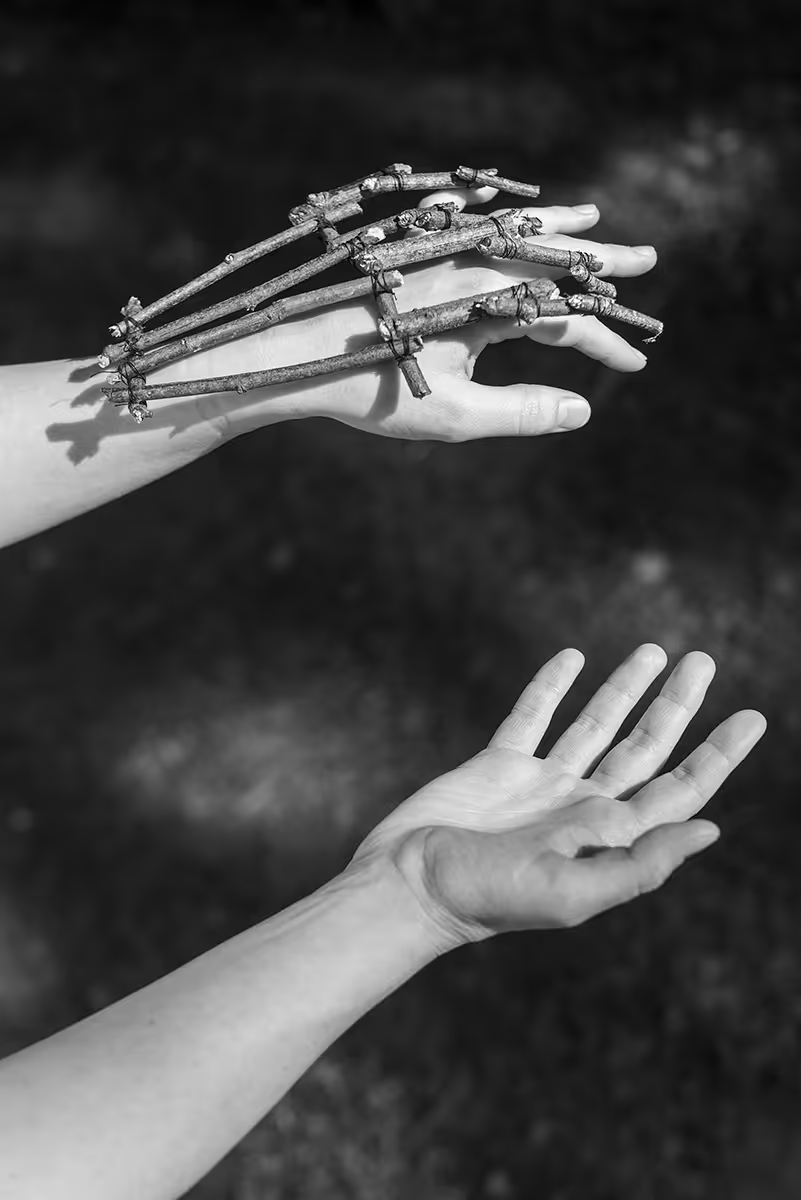
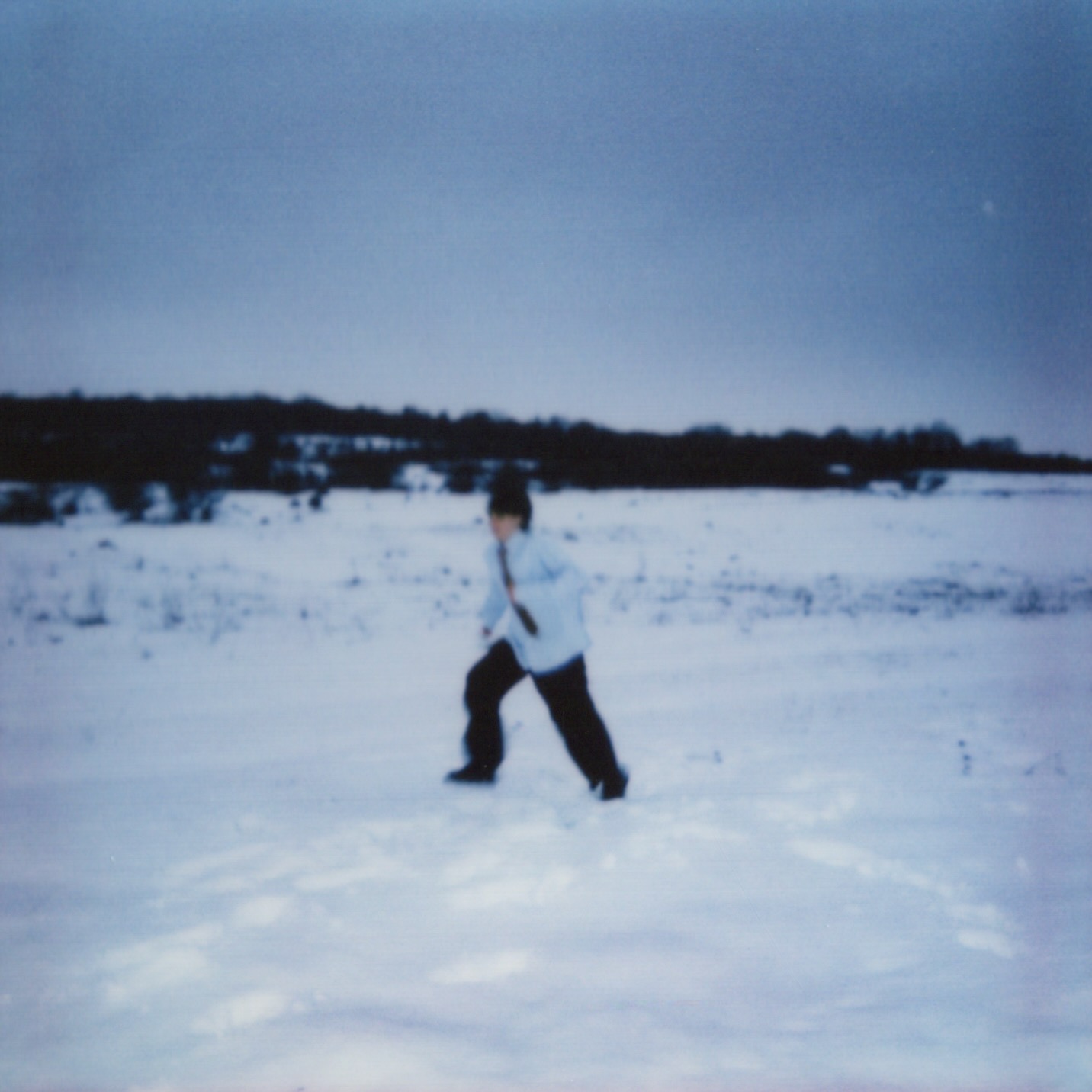
Tangerine is a photographic project that examines how representation attempts, and fails, to stand in for a person. The work emerges from a longer trajectory concerned with selfhood and the limits of what images can hold.
The project marks a return to photography after a sustained period of working with sculptural and material forms. This return is not nostalgic or reconciliatory. It comes after a growing disillusionment with photography’s claim to representation, particularly when confronted with intimacy, friendship, and the impossibility of fully sharing inner worlds. Tangerine approaches photography with full awareness of its insufficiency. The camera is no longer asked to reveal; it is allowed to fall short.
The work centres on a friendship marked by distance (geographical, temporal, and emotional) and by the persistent awareness that inner worlds cannot be merged or fully accessed. The photographed subject is not treated as a model to be captured, but as someone whose presence already exceeds the image. Photographing this person is not an attempt at documentation, but an acknowledgement of failure in advance.
The subtitle — you keep a photo and I wear your clothes — names two gestures of care. Keeping a photograph suggests containment and symbolic possession; wearing someone’s clothes implies bodily proximity through residue and trace. Neither gesture succeeds in holding the person. This is not a question of who loves more, but of what kinds of closeness are possible through representation. Is an image ever enough, once a body has existed?
The title Tangerine points to a third, absent term. Referencing an object that never appears, it gestures toward desire formed through absence rather than presence. Like the pantomimed tangerine in Lee Chang-dong’s Burning (2018), what matters is not imagining the object’s presence, but forgetting that it is not there. Absence becomes structurally productive: not a lack to be resolved, but a condition that generates projection and meaning.
Tangerine accepts that photography, like language, produces distance even as it seeks connection. The more precise the attempt to represent, the further it moves from the person it tries to hold. This is not an argument against images, but a diagnosis of them. The photographs are intentionally quiet, allowing space for stillness and prolonged looking, where the viewer’s own projections can begin.
What remains is not the person, but the space their absence makes possible.
Katarina Radović: The Performative Anthropologist
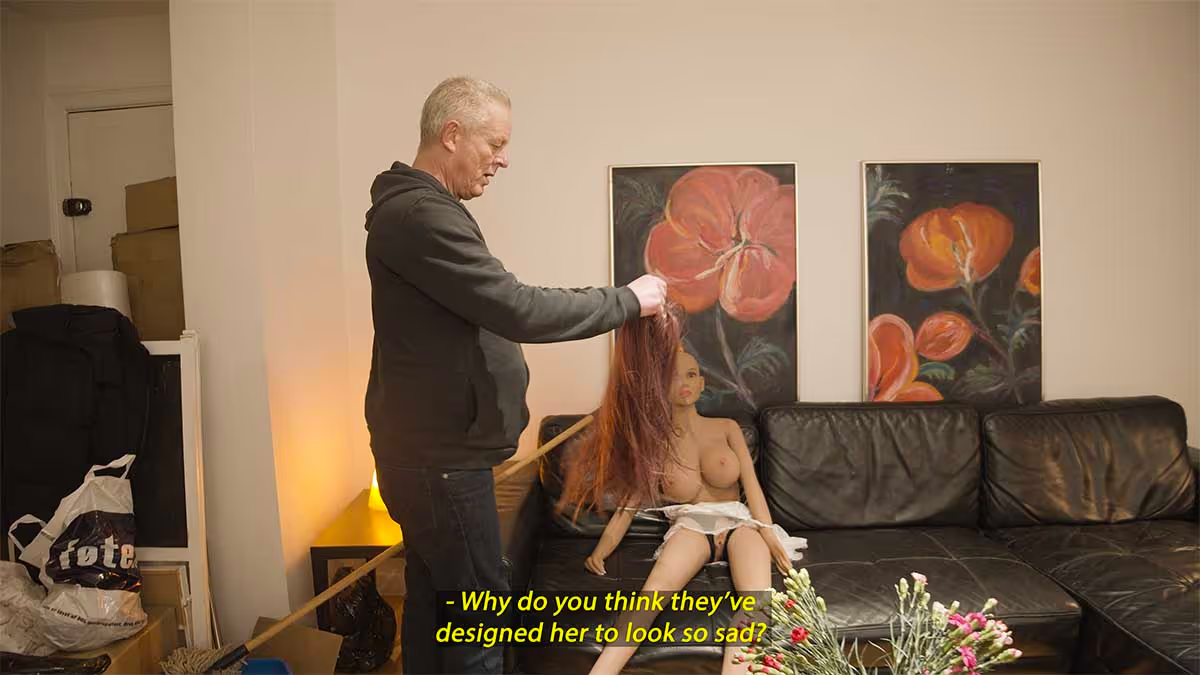
Katarina Radović is selected for her unique ability to blend documentary photography with a sharp, performative, and often witty anthropological lens. Her work investigates the "theatre of the everyday", focusing on social rituals, gender roles, and the construction of identity within specific cultural frameworks.
- Why she fits Futures: Radović’s practice is essential for the platform because it critiques contemporary social structures through a sense of irony and deep empathy. Whether exploring the kitsch of wedding rituals or the performative nature of the "selfie" culture, her work invites viewers to question the authenticity of the roles we play in society. Her established yet evolving voice provides a bridge between traditional social commentary and contemporary conceptual practice.
Vera Hadzhiyska: The Guardian of Memory
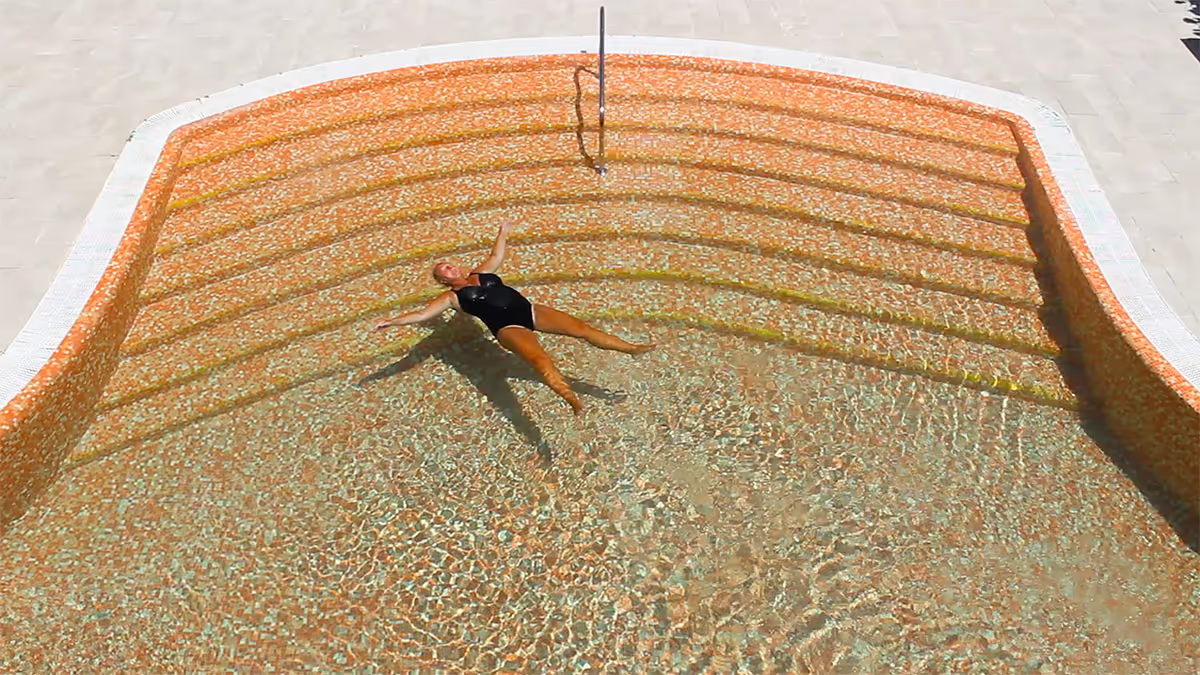
Vera Hadzhiyska is a multidisciplinary photographer whose work is deeply rooted in research, archival intervention, and the politics of identity. Her projects, most notably those dealing with the "Names Process" in Bulgaria and the forced displacement of minority groups, demonstrate a profound commitment to uncovering silenced histories.
- Why she fits Futures: Hadzhiyska represents the "research-as-art" movement that is vital to the future of photography. Her ability to weave personal family narratives with broader geopolitical traumas makes her work both deeply moving and politically urgent. By selecting Vera, the project highlights the importance of photography as a tool for reconciliation, historical preservation, and the exploration of "belonging" in a post-migration Europe.
Alexis Cismas: The Poetic Documentarian
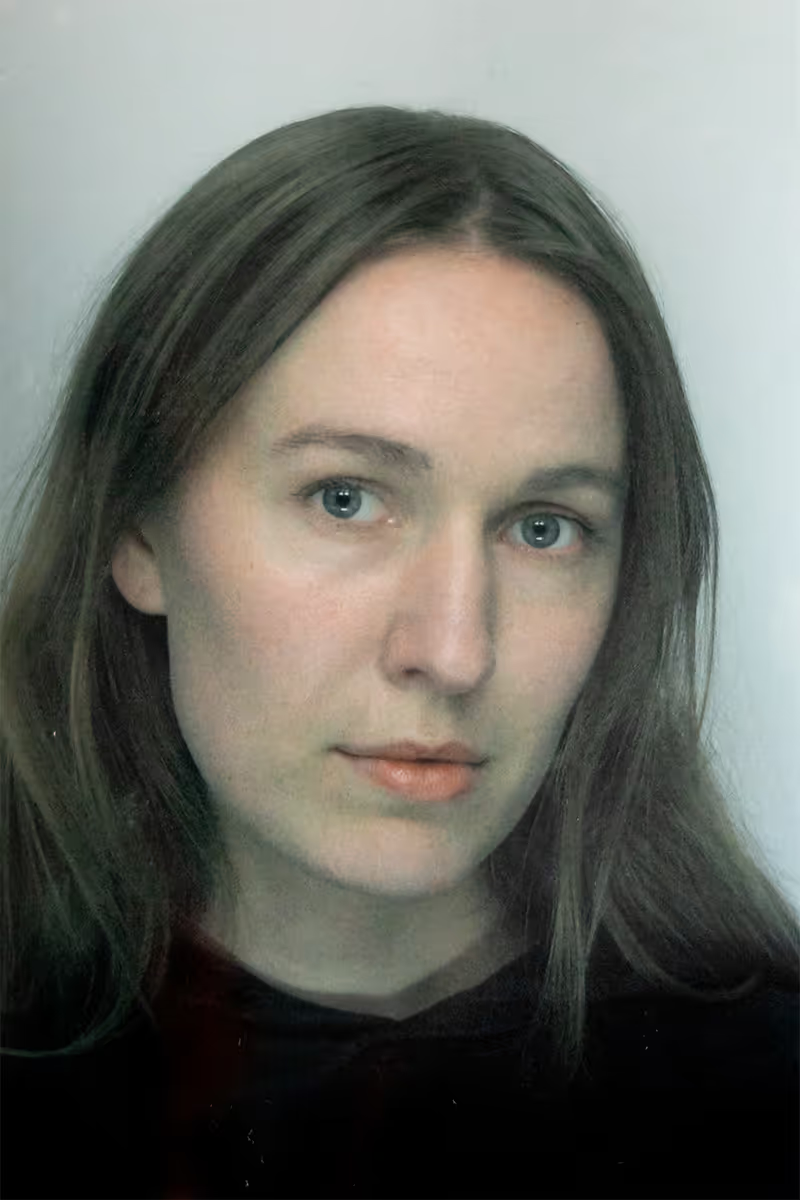
Alexis Cismas is chosen for her sensitive, tactile, and highly psychological approach to the image. His work moves away from the grand narrative to focus on the "micro-moments", the fragility of human connection, the emotional residue of domestic spaces, and the quiet tension between presence and absence.
- Why she fits Futures: Alexis brings a cinematic and lyrical quality to the selection. Her projects display a sophisticated understanding of light, texture, and the "unspoken" aspects of photography. She represents a generation of artists who use the camera not just to see the world, but to feel it. Her inclusion ensures the project encompasses the interior, psychological landscapes that define the contemporary human experience.
The synergy between these three artists creates a powerful narrative arc for the Futures Photography project. From Radović’s extroverted social critiques and Hadzhiyska’s archival depth to Cismas’s introverted psychological portraits, this selection offers a comprehensive look at the state of contemporary photography: an art form that is simultaneously a witness to history, a mirror to society, and a map of the human soul.
The members atof the jury:
Andrei Budescu, photographer and university professor, former dean of UAD (University of Art and Design), Cluj-Napoca, Romania
Panagiotis Papoutsis, photographer and former artistic director of Ioannina Photo Festival, Greece
Dorel Găină, photographer and university professor, former dean of UAD (University of Art and Design), Cluj-Napoca, Romania
Sebastian Vaida, photographer and artistic director of Photo Romania Festival, Cluj-Napoca, Romania