Edit profile
The

Artist

Nik Erik Neubauer

Nominated in
2026
By
Organ Vida
Lives and Works in
Ljubljana
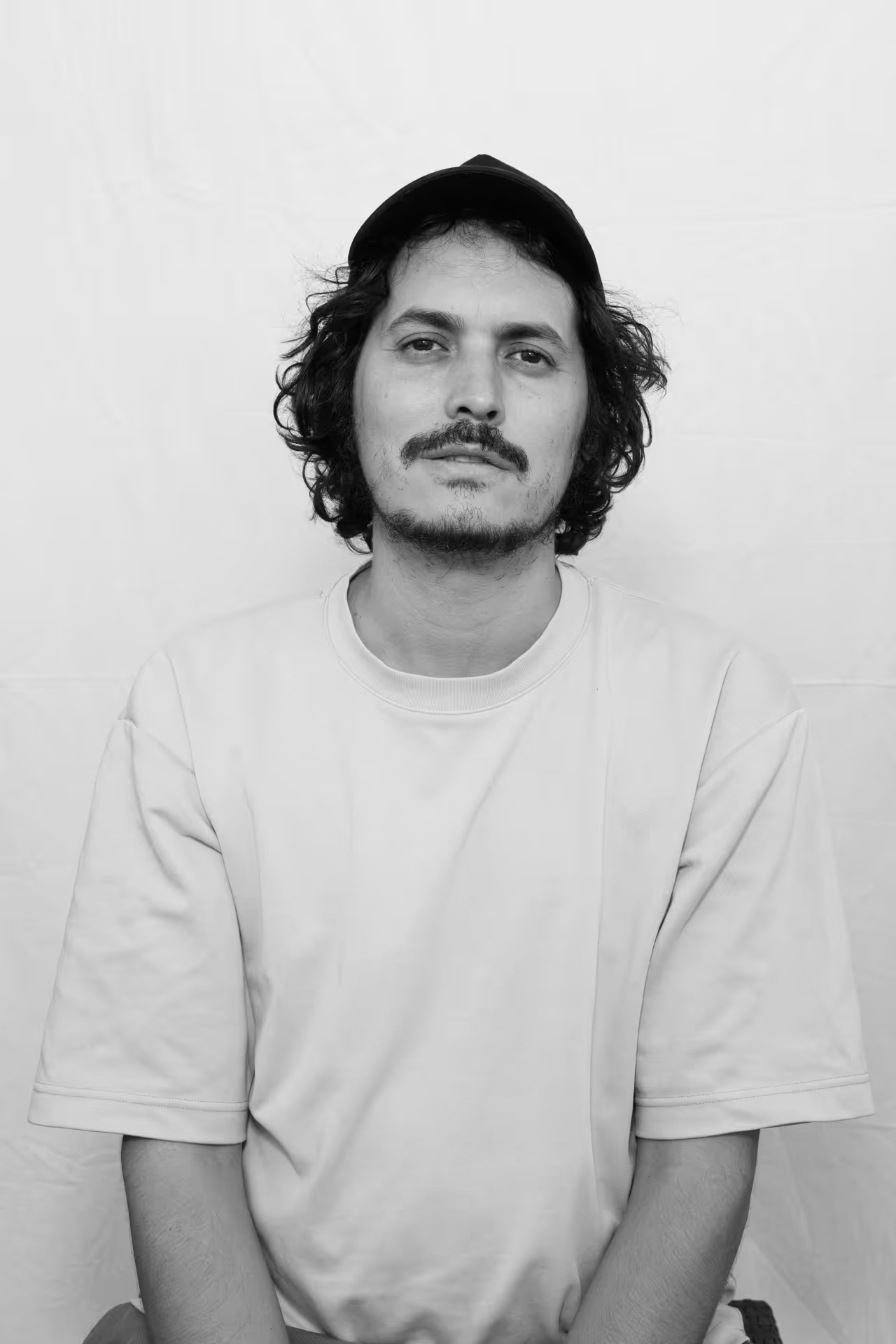
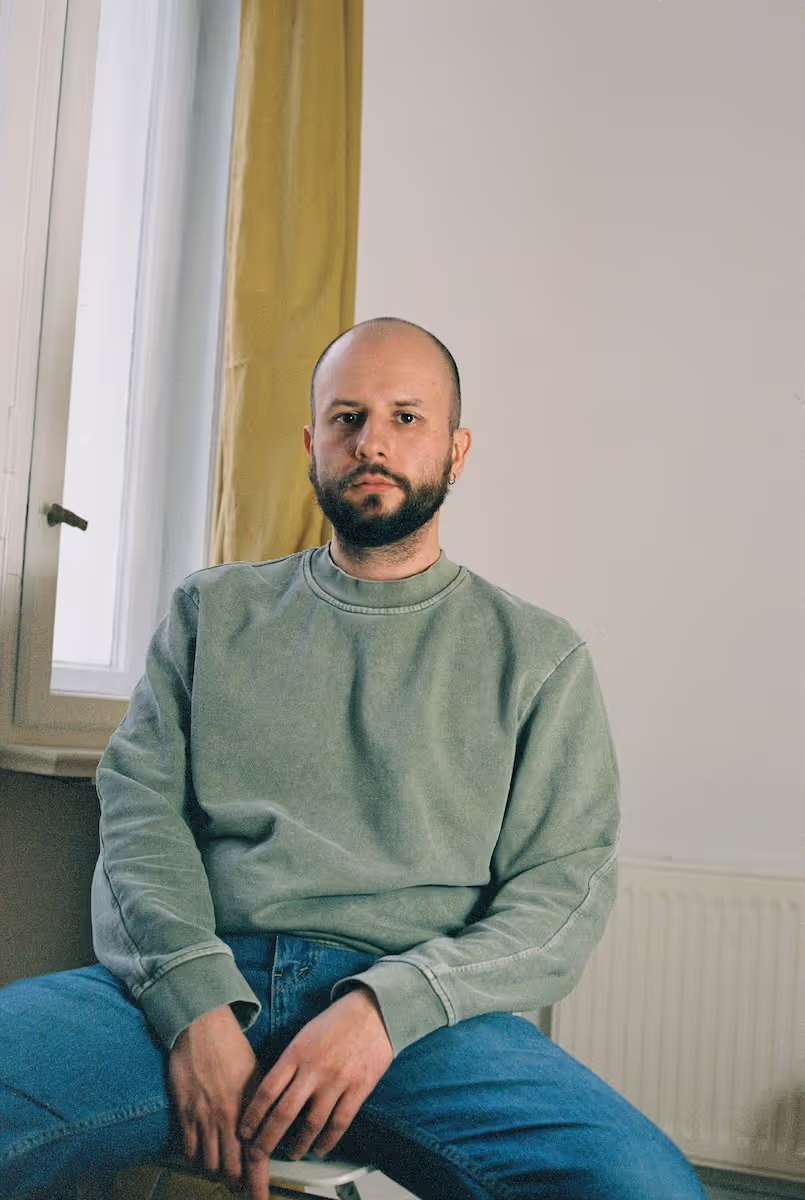
Nik Erik Neubauer (1994) is a visual artist and photographer from Ljubljana, Slovenia. His work explores intimate social issues of everyday life through a contemporary documentary approach. He earned a master’s degree in photography from the Academy of Fine Arts and Design in Ljubljana in 2021. In the same year, Neubauer was nominated for the Leica Oskar Barnack Newcomer Award and he received the Watchdog Award from the Slovenian Association of Journalists for his long-term project documenting anti-government protests in Slovenia. In 2022, he was one of the winners of the Belfast Photo Festival in the photobook category. The following year, in 2023, Neubauer was nominated for the OHO Award, Slovenia's leading national prize for young visual artists. His second photobook, Where’s the Afters?, published by the National Museum of Contemporary History, was shortlisted for the Rencontres d’Arles Book Awards and, as of 2024, is also available at Printed Matter Inc., New York City. In 2025, he received second place in the Life category at the Sarajevo Photography Festival. He is also the co-editor of Henrik – Journal of Contemporary Photography.
Projects
2024

White Smoke, Brown Glare

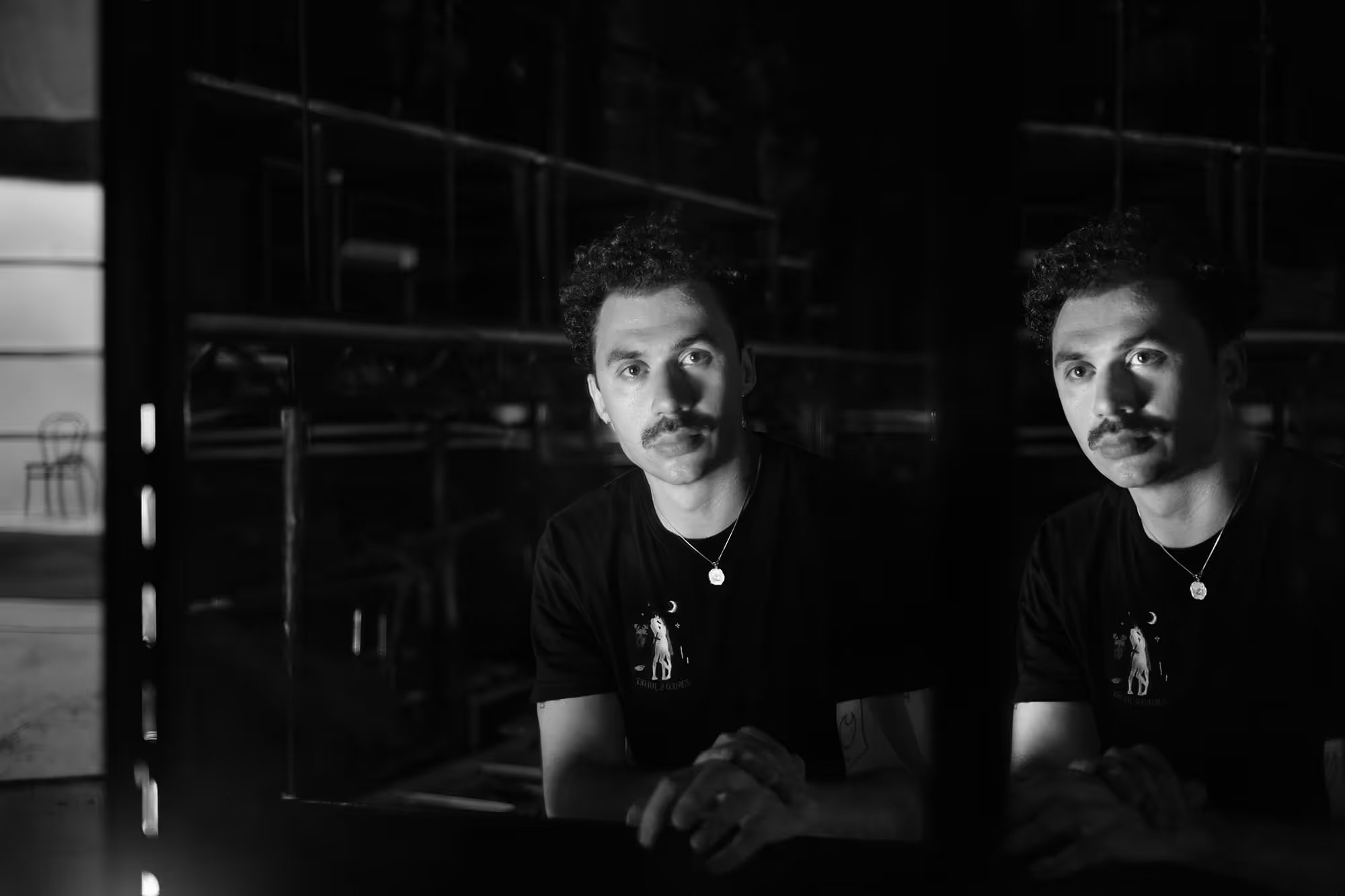
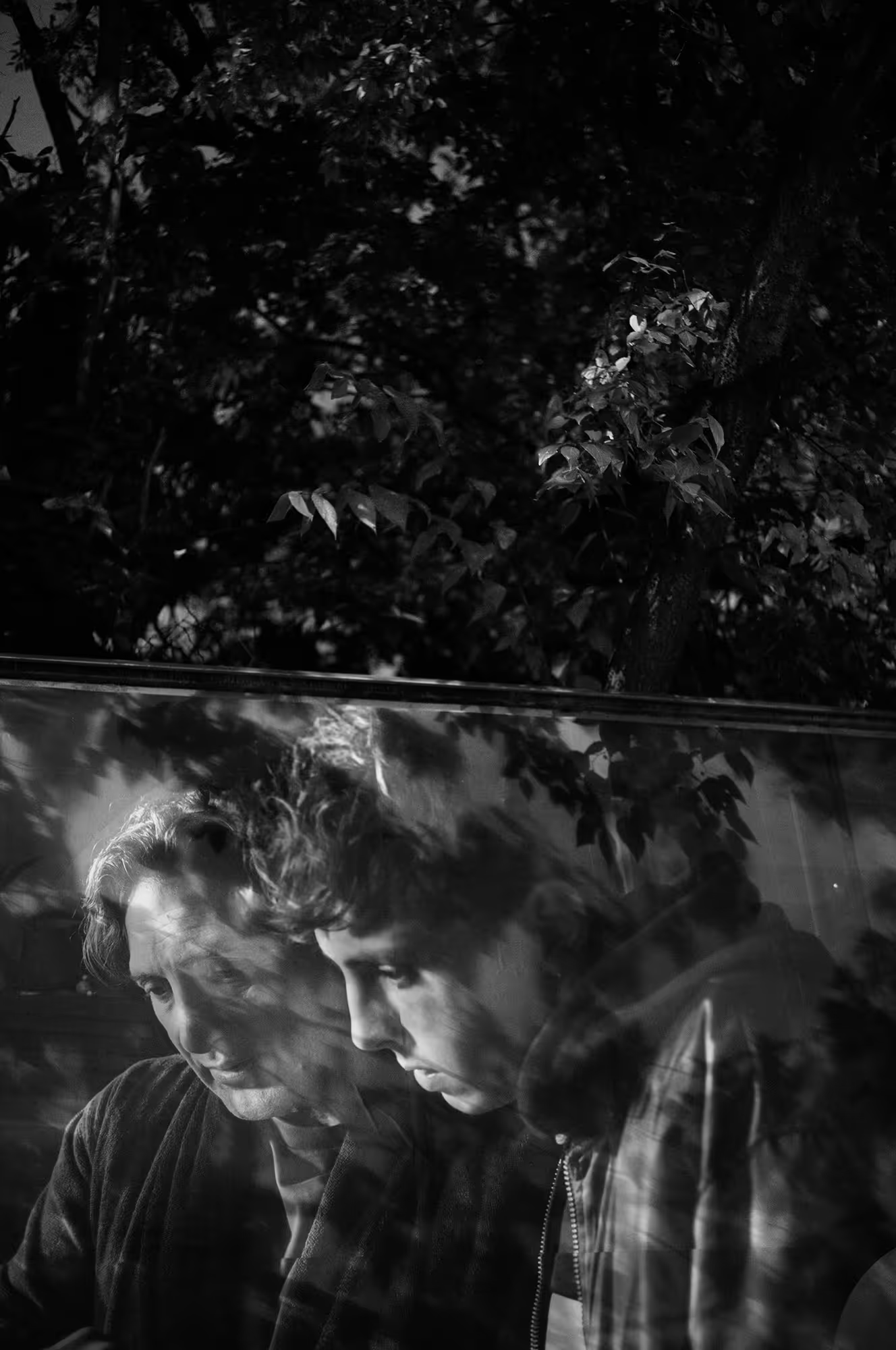
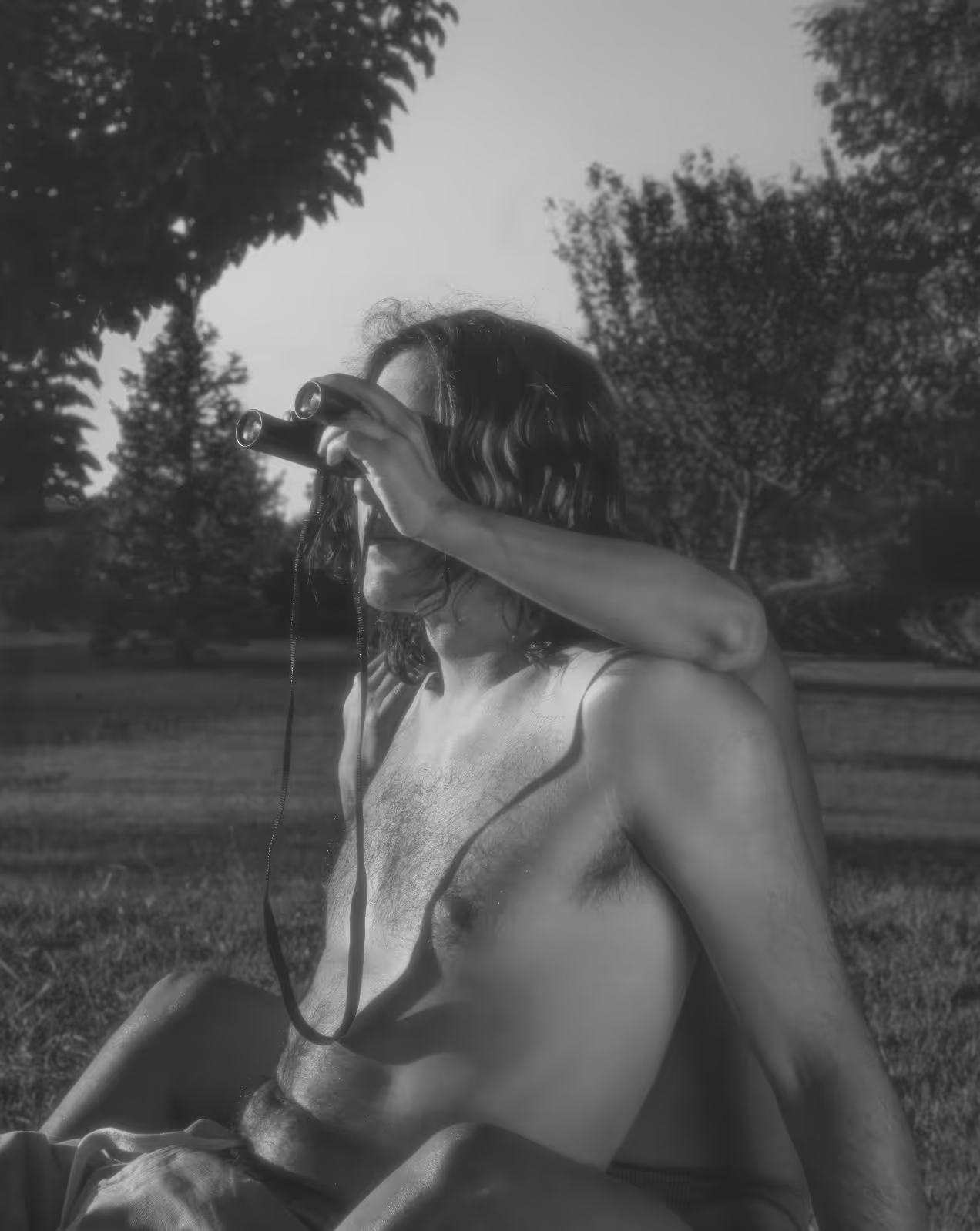
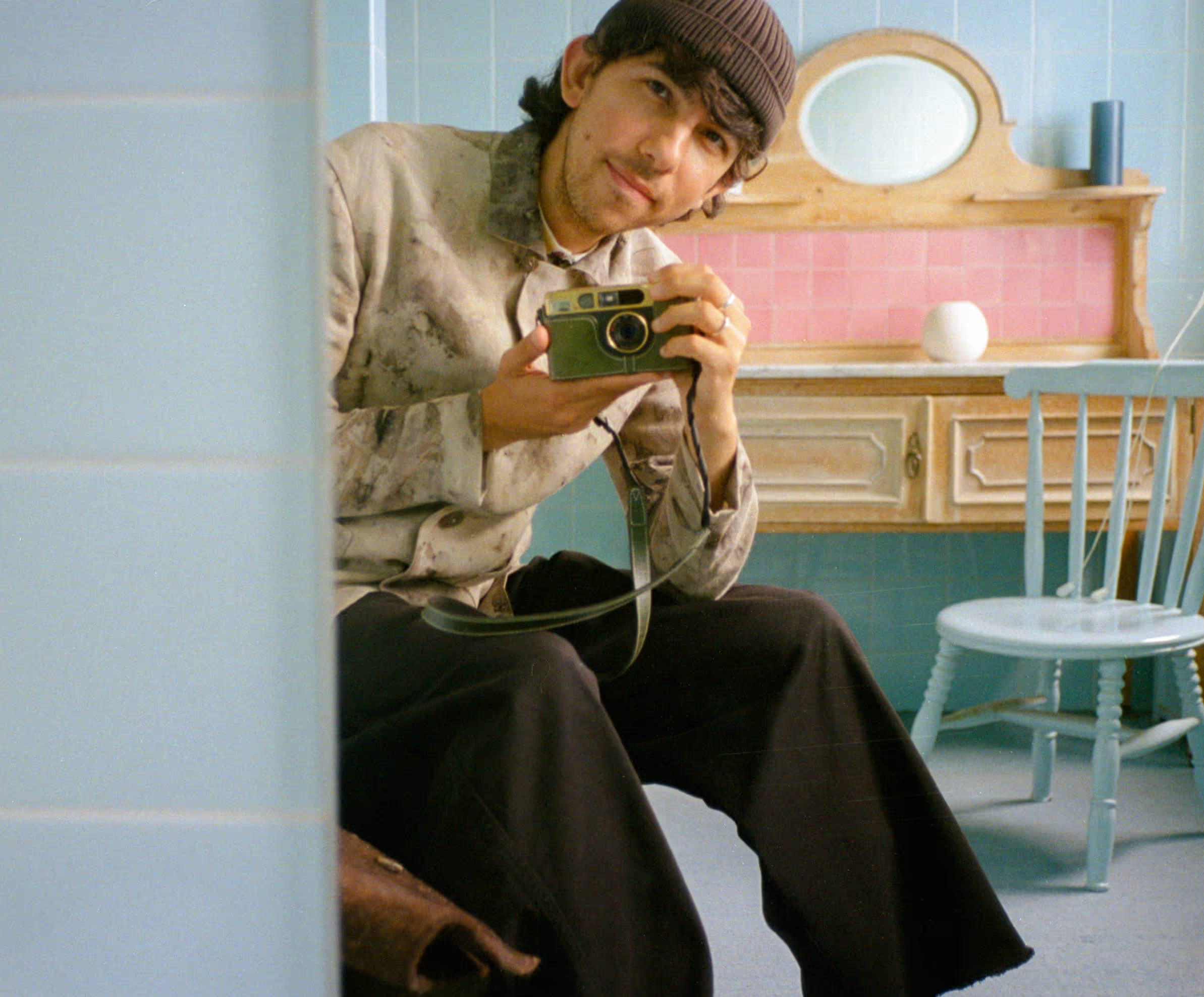
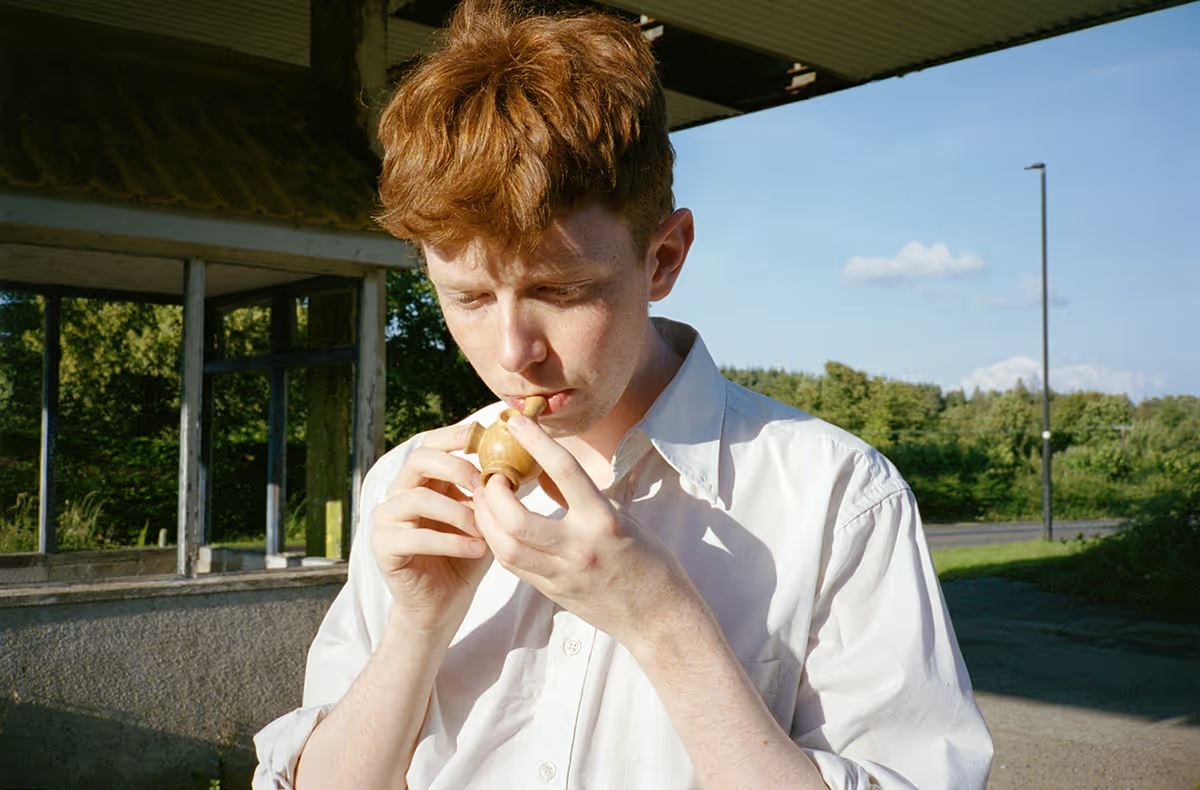
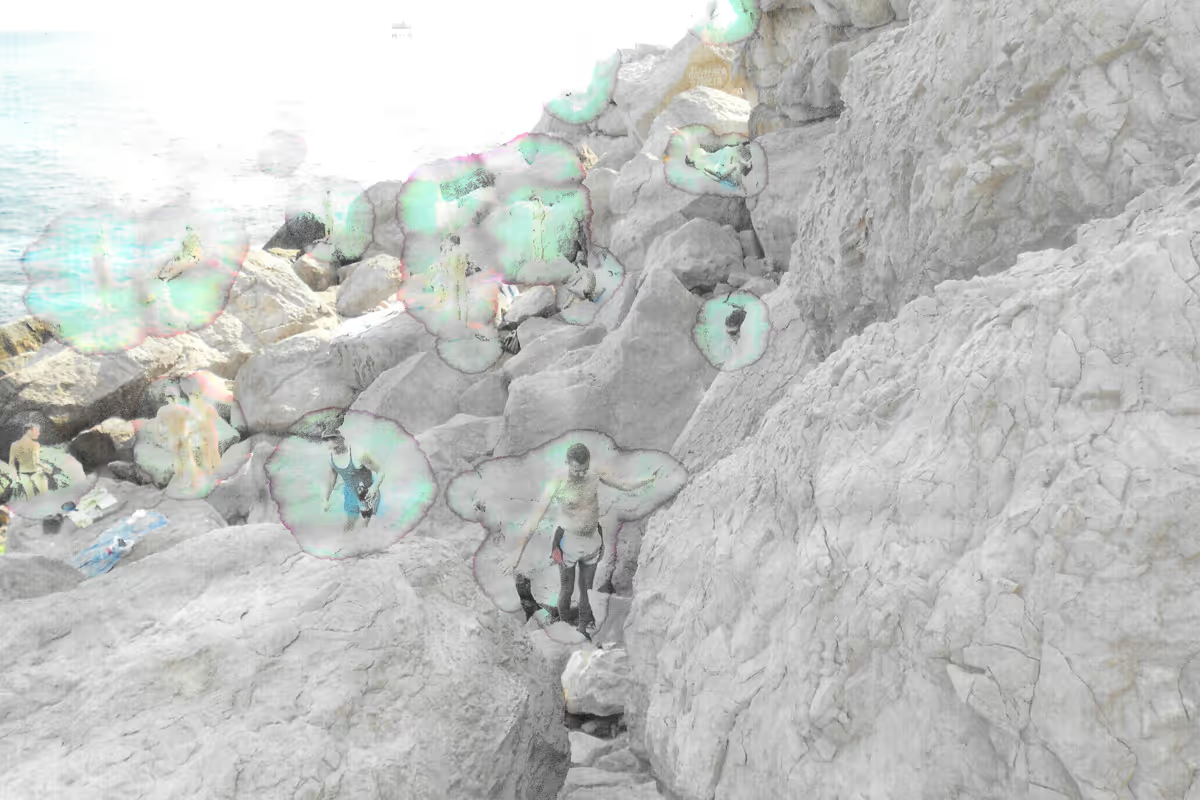
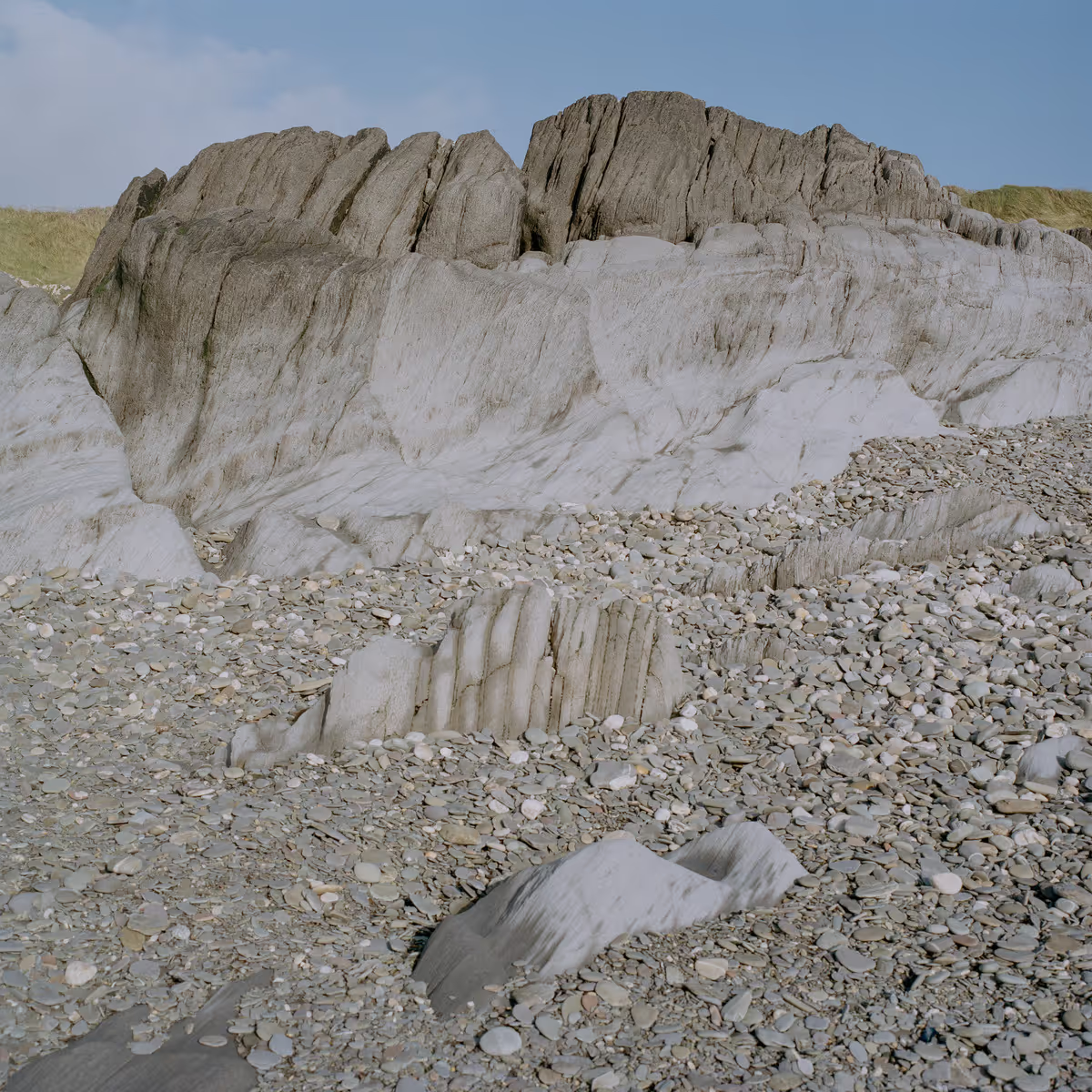
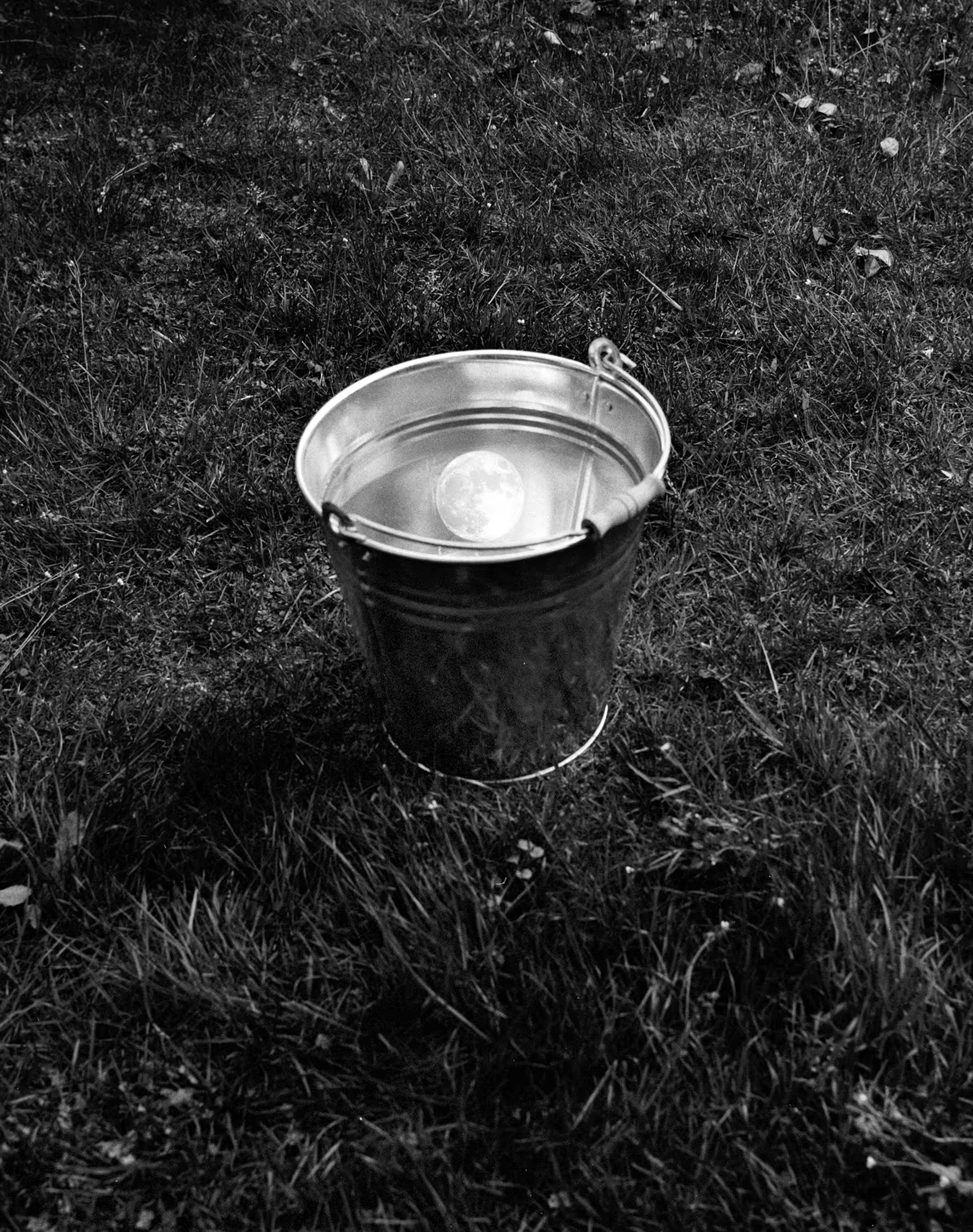
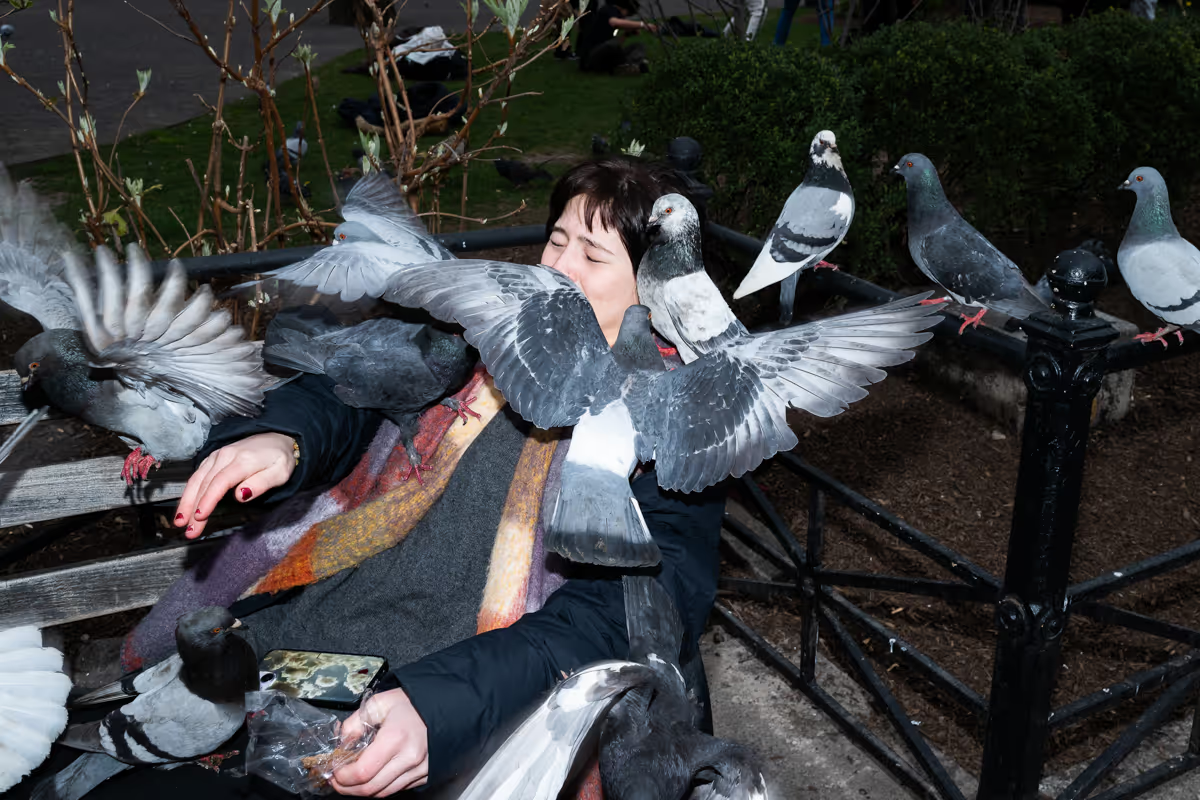
The series of photographs White Smoke, Brown Glare (2024) explores the city of promised dreams and how these promises of success often remain out of reach. The artist spent a month at an art residency in New York City, the urban jungle that never sleeps, using his camera to capture its pulse. His photographs belong to the tradition of documentary and street photography but with a distinct personal touch. The series observes the inhabitants’ pursuit of the American Dream while reflecting on the artist’s own experience through diary notes, thoughts, and haikus written in charcoal directly on gallery walls. His photographs witness the rather positive aspects of brutal gentrification and stratification of the city; one of the few weapons against its hyper-capitalistic rhythm are strong communities that provide belonging and shelter. The photographs reveal the city’s fabric, where harshness and warmth intertwine; they capture moments when people resist inequality, showing how small communities enable survival and preserve humanity in a demanding environment. Neubauer documents everyday life, blending individual experience with broader social reality. The city becomes both a stage for ambition and a space where challenge meets hope, mirroring brutality and compassion.
Nik Erik Neubauer
was nominated by
Organ Vida
in
2026
Show all projects
Each year every member of the FUTURES European Photography Platform nominates a set of artists and projects to become part of the FUTURES network.

Glorija Lizde’s I Swallowed My Dream revisits nineteenth-century psychiatric photography, exposing the power relations embedded in medical archives of hysteria. By re-enacting historical images and positioning herself as both photographer and subject, Lizde disrupts the authority of the clinical gaze reclaiming suppressed female histories. If Lizde interrogates the institutional archive, Hana Selena Sokolović turns to the fragile, familial one. In Dear Orchid, she departs from a family diary written during the Bosnian War, the only remaining record of her sisters’ displacement. Returning to the places traced in the diary, Sokolović treats the archive as something embodied and transmitted across generations.

Nik Erik Neubauer’s White Smoke, Brown Glare observes New York City as a site of aspiration and inequality. Through street photography and diaristic wall texts, the work captures everyday life shaped by gentrification and hyper-capitalism, while foregrounding small communities as spaces of resistance, warmth, and survival.

Tjaša Kalkan is equally interested in different urban dynamics visible in the orchestrated environment of a construction site. Her focus remains on a single case study - voyeuristic observation of construction of a new residential building in her area. In the work DUET she juxtaposes the construction of a new residential building with the decay of her own modernist high-rise. Through this parallel documentation, the work reflects on impermanence, labor, and time, resisting linear narratives of progress.

Kalkan's poetic tale of impermanence resembles the conceptual framework of Pavle Nikolić's project Knots. His work observes creation and decay from a more abstract and material register. Knots appear here not as metaphors but as operations - sites where tension, dependency, and collapse are staged in miniature. Refusing ideals of integrity or permanence, the knot exposes its own conditions of undoing. It binds and incubates, accumulating residue, memory, and excess.

The members of the jury:

Barbara Gregov

Lovro Japundžić

tjLea Vene

Tia Čiček, curator

Natalija Paunić, curator
Newsletter