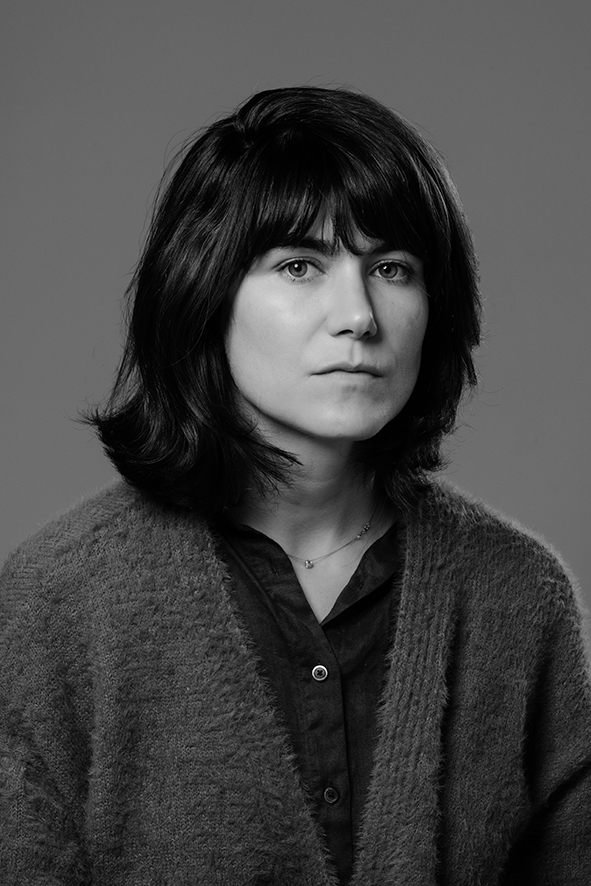
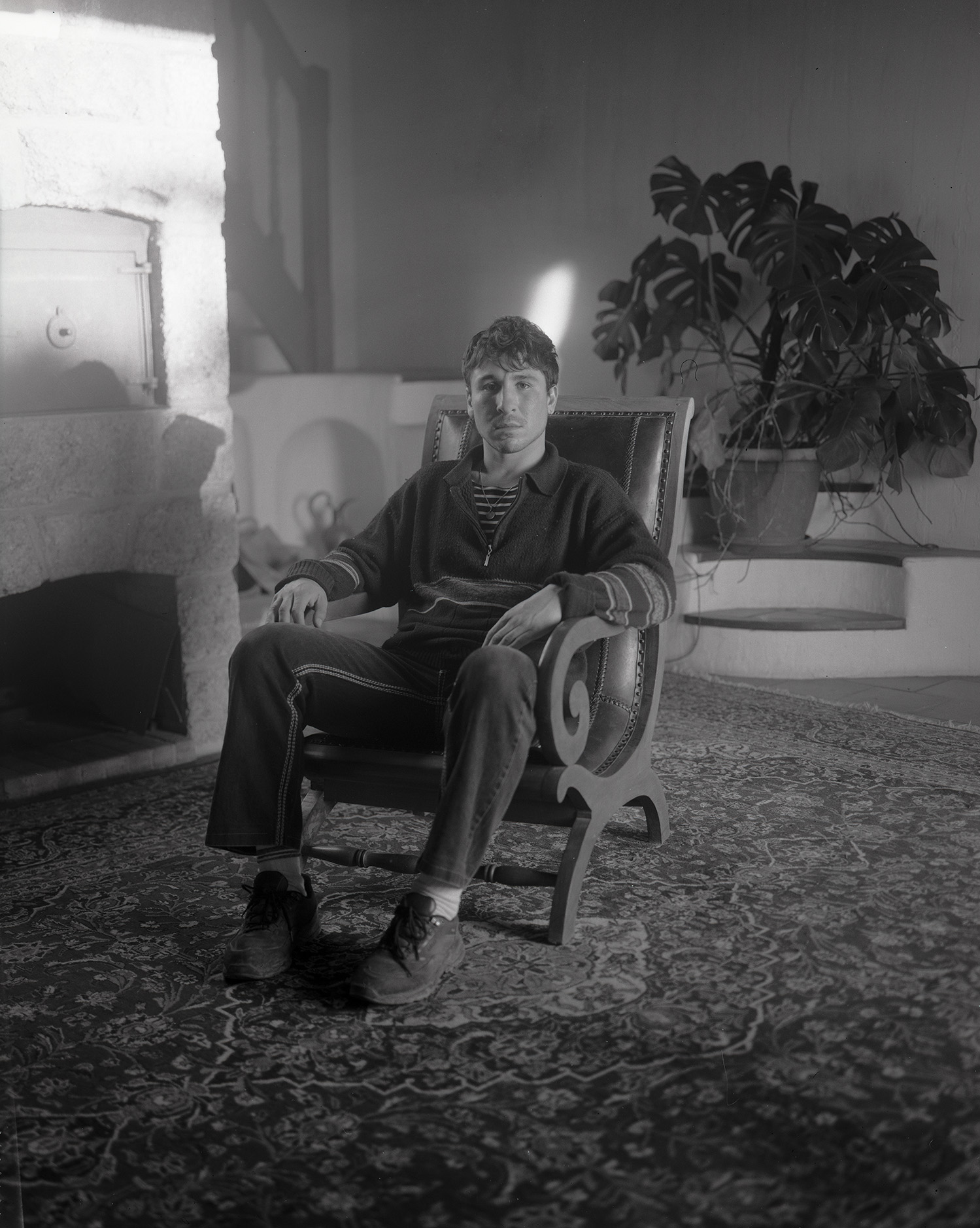
The artists nominated by

Centre photographique Rouen Normandie
in
2026

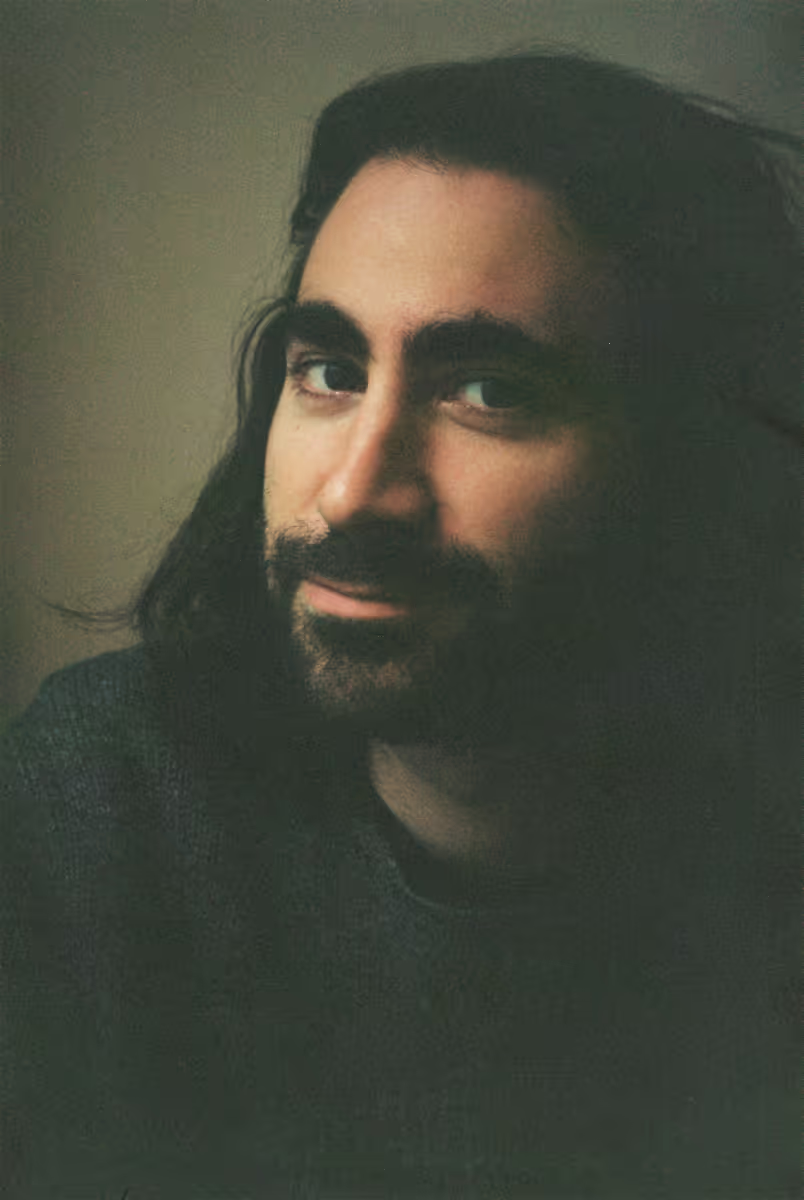
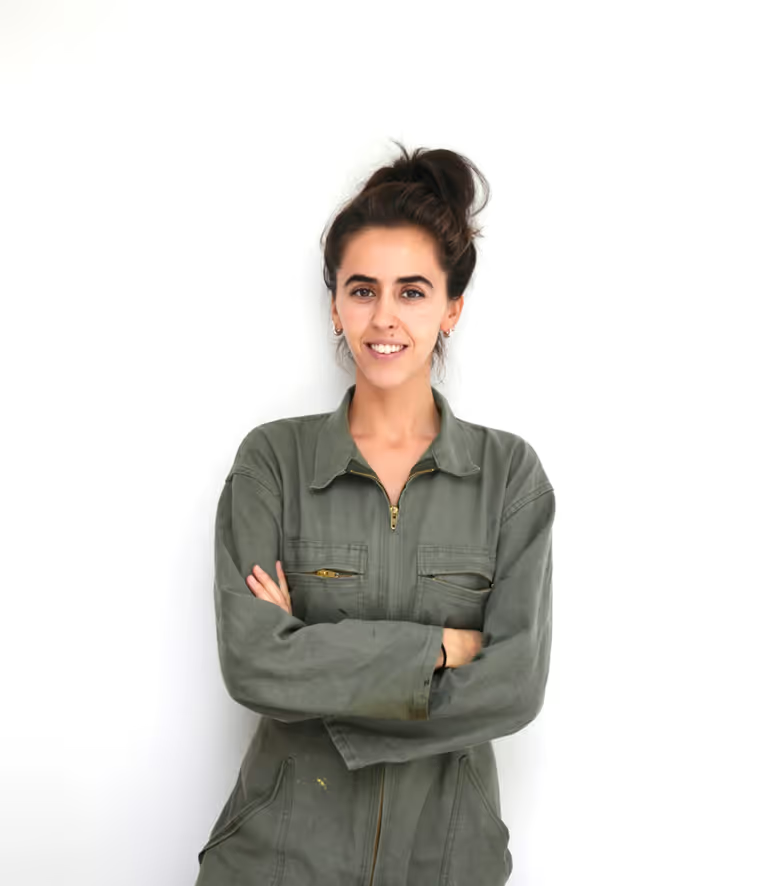
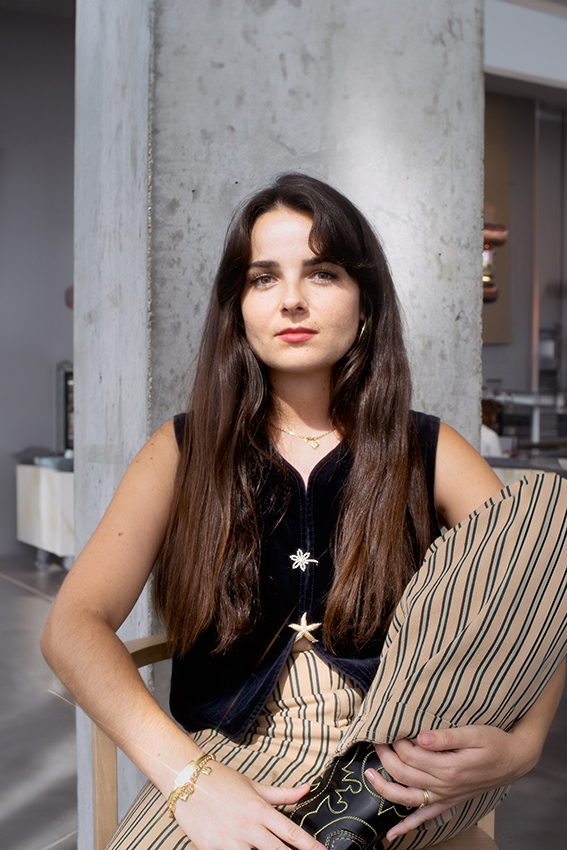
Following the selection process, four artists were chosen for the uniqueness of their research and artistic achievements: Gaëlle Delort (1988), Lívia Melzi (1985), Emma Tholot (1994) and Valentin Valette (1994). While each artist has their own specific approach, they all address the question of the document and the photographic image as a place of memory or even belief.

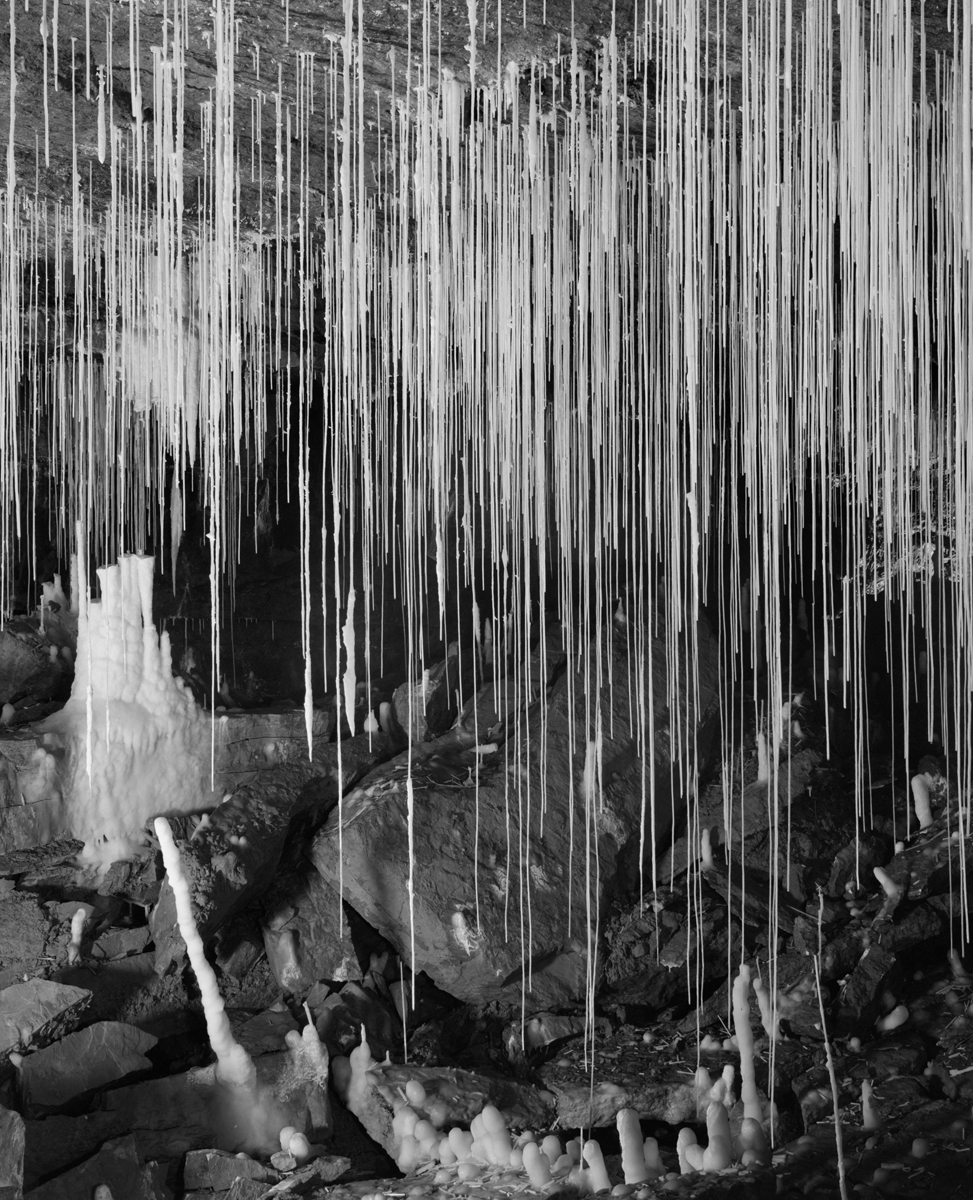
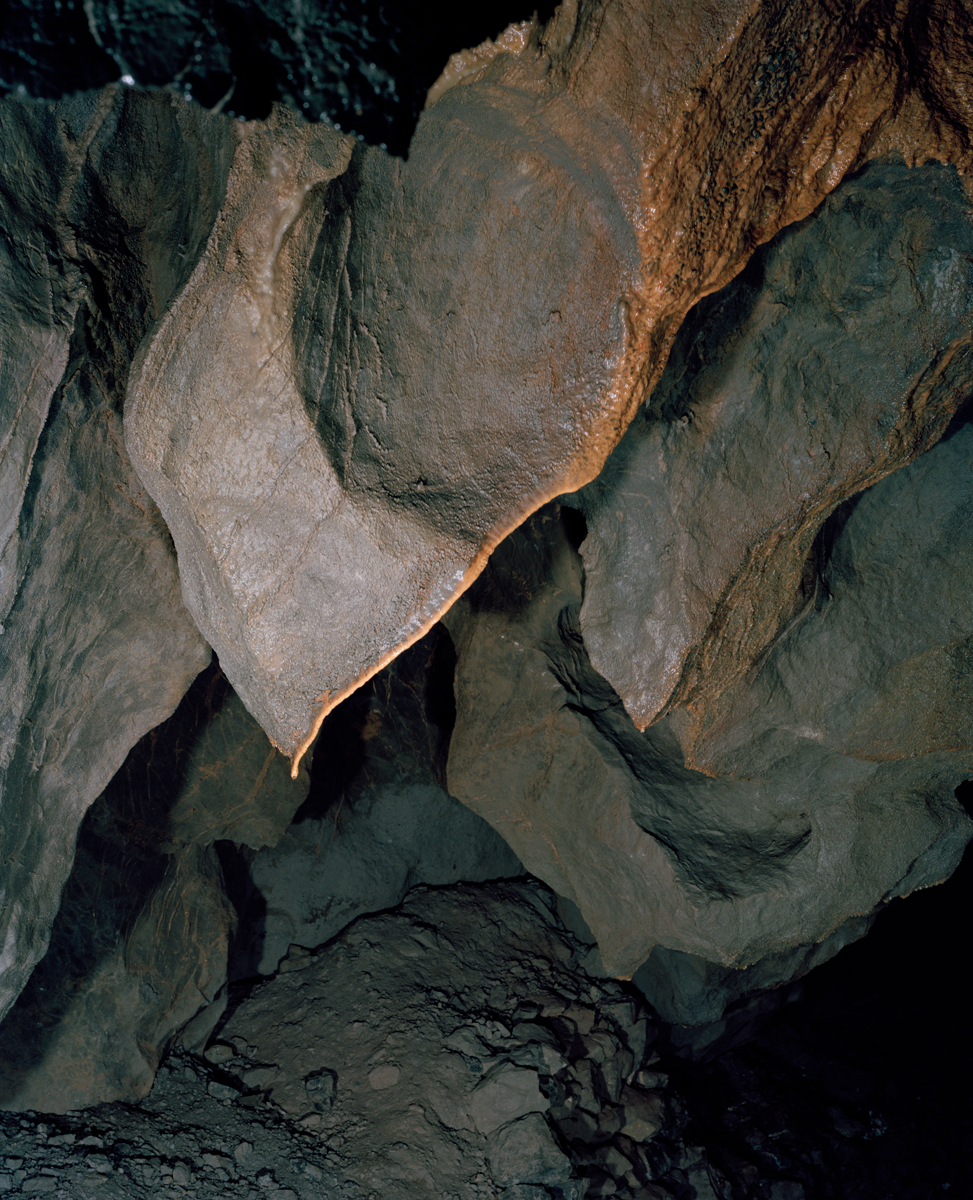
With Gaëlle Delort, it is the landscape of the Causses, where she lives, that is revealed through a long-term exploration using a view camera. Combining speleology with her photography practice, she captures the geomorphology of the region in striking underground landscapes. Venturing into places beneath the ground we walk on, she methodically probes and records the other side of the world, where the archives of the earth lie.

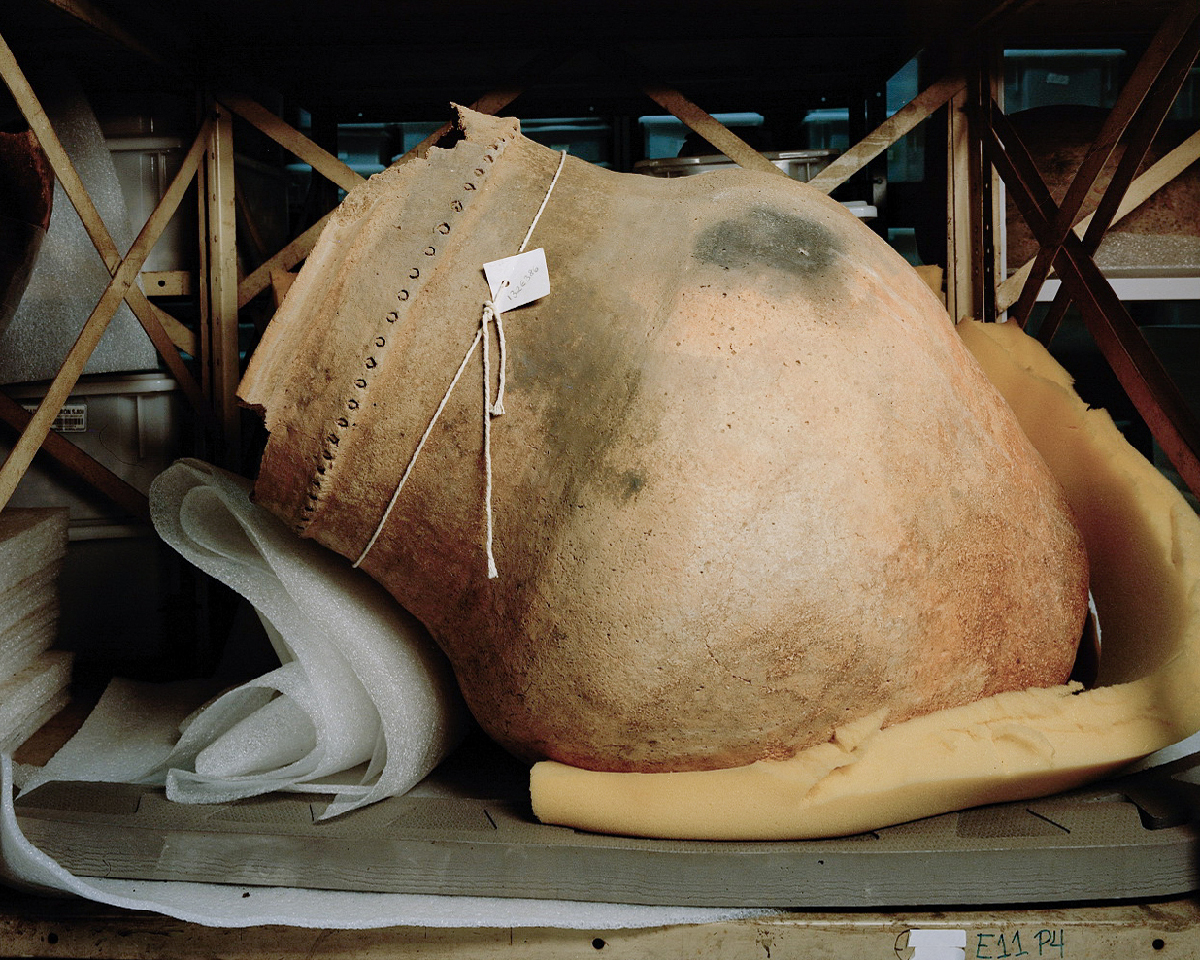
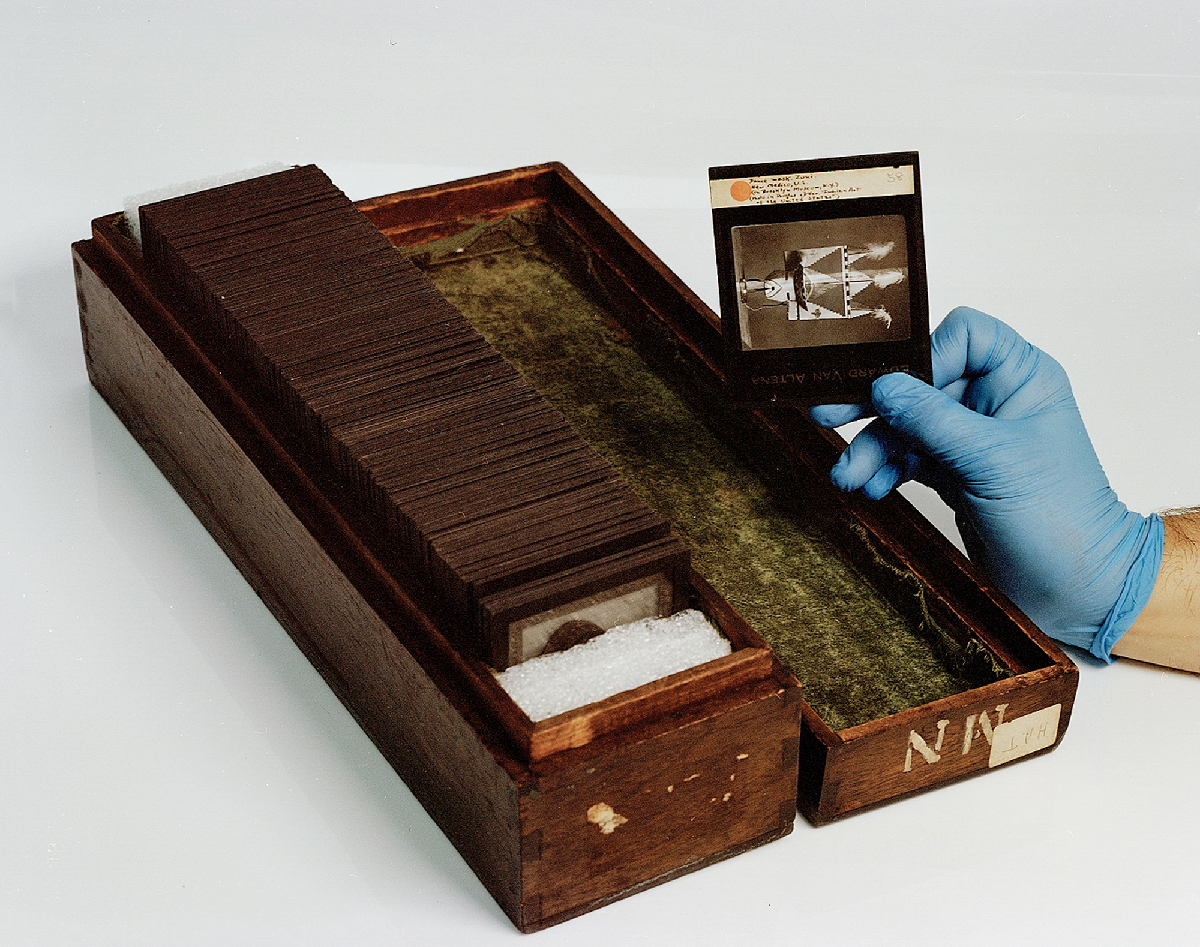
It is the memory of human beings and their artefacts that Lívia Melzi seeks to highlight. Starting with the archives of the National Museum of Rio de Janeiro, destroyed by fire in 2018, she is also pursuing a long and extensive project of gathering material from the reserves of ethnographic museums. Based on these traces of the past, the Franco-Brazilian artist questions the future of their photographic collections.

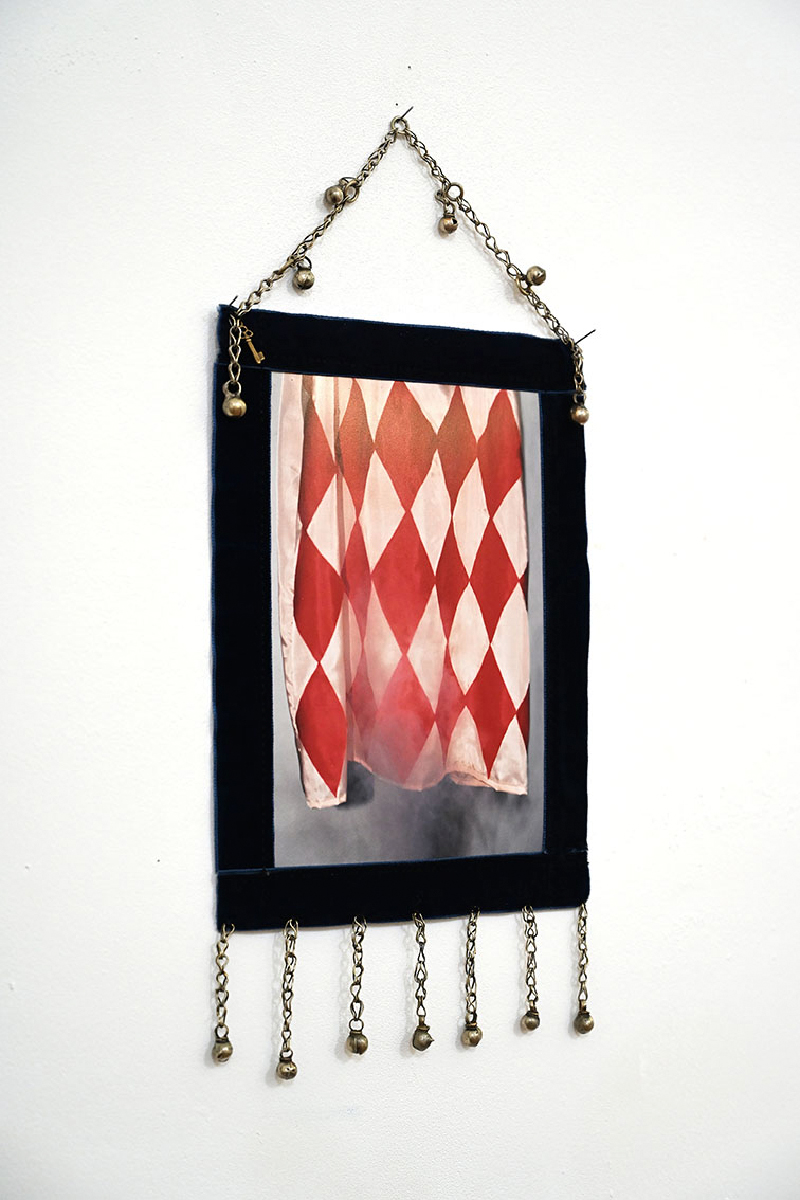
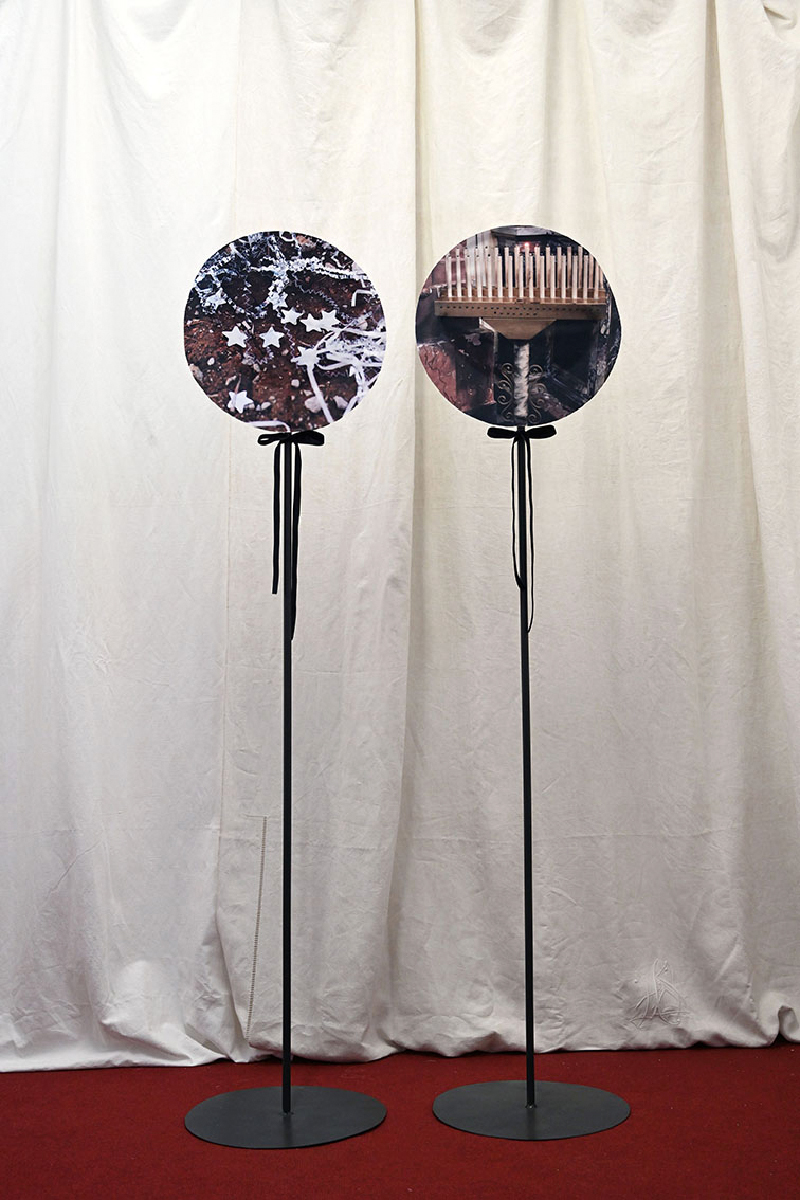
Sediments of beliefs, the photographic image gains a range of forms borrowed from the field of popular Mediterranean tradition in Emma Tholot's work. Her installations blend theatrical elements from religion, carnival and the circus. Migrating onto fabric, embellished with ribbons, bells, wax ex-votos, cushions and satin, the photographic image is the crucible of a collective memory with a baroque accent.

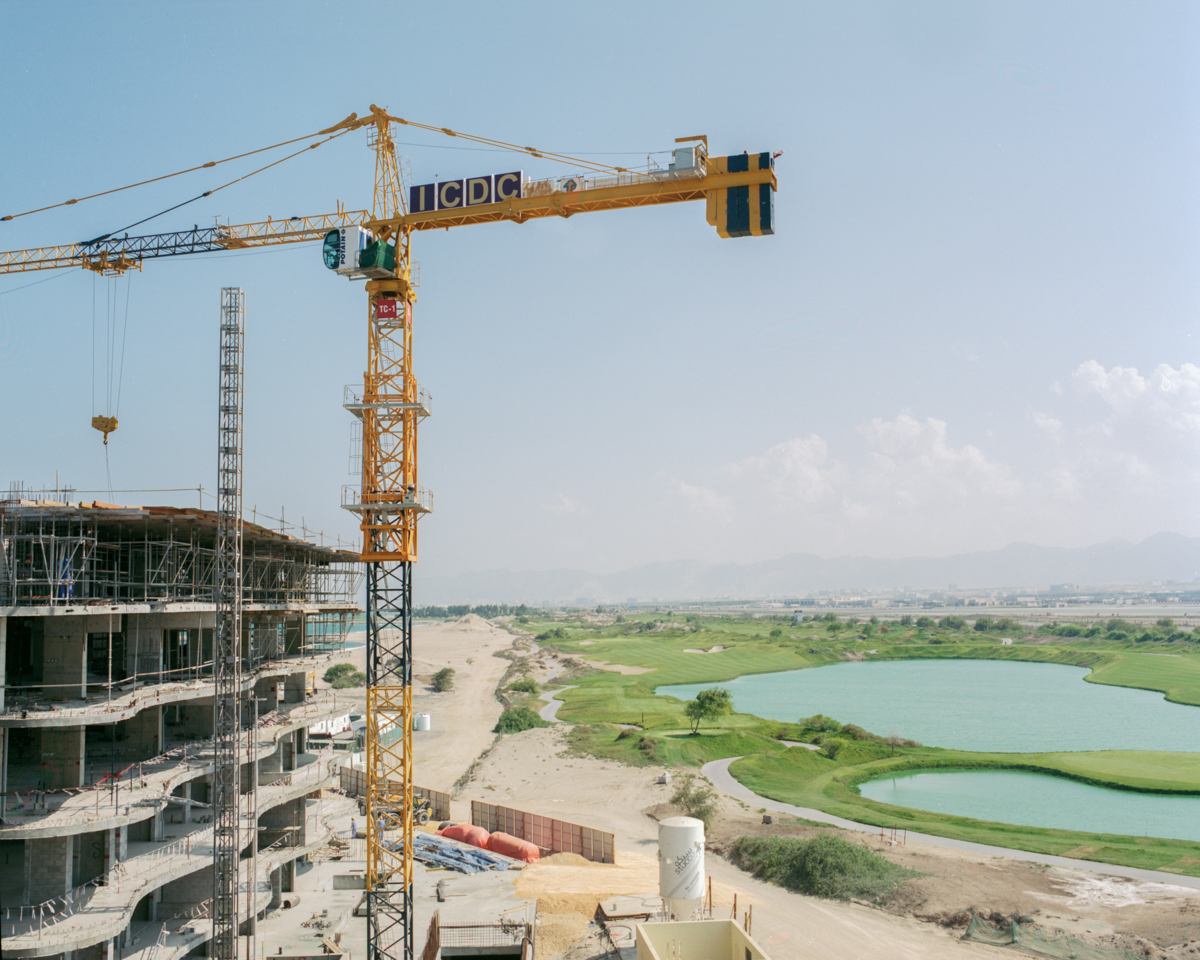
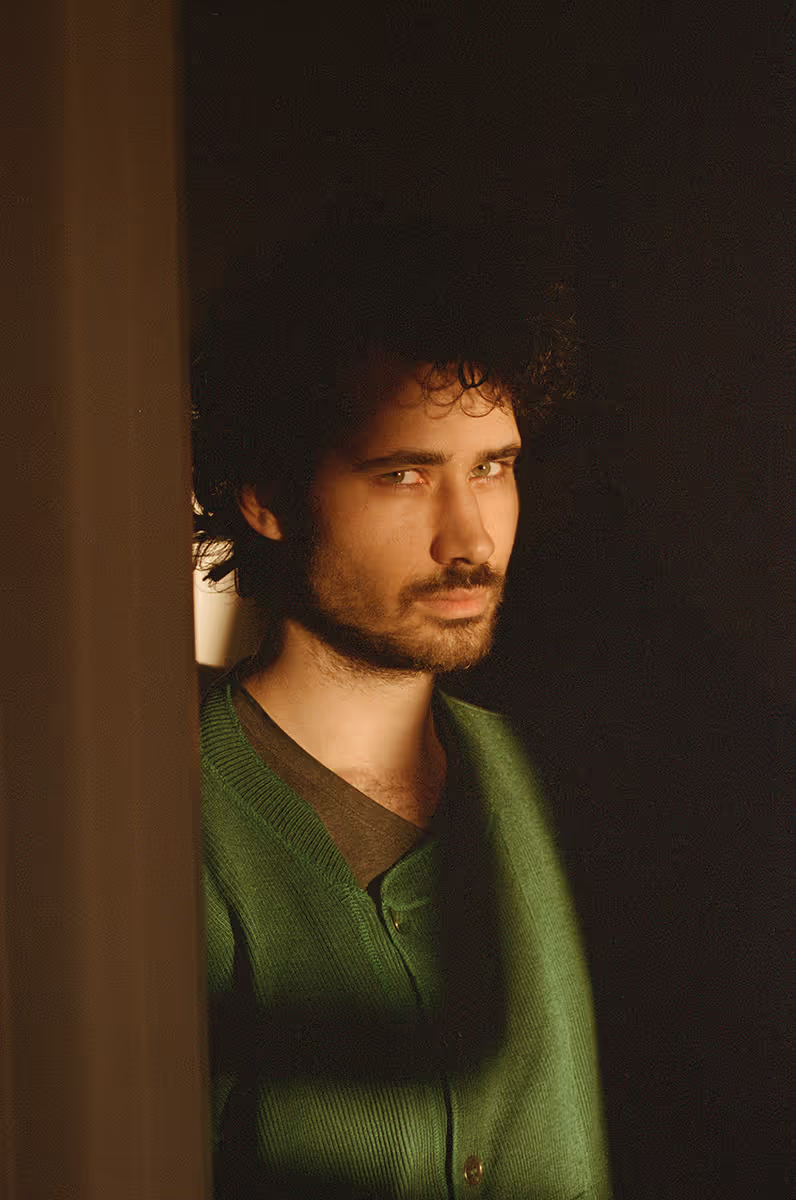
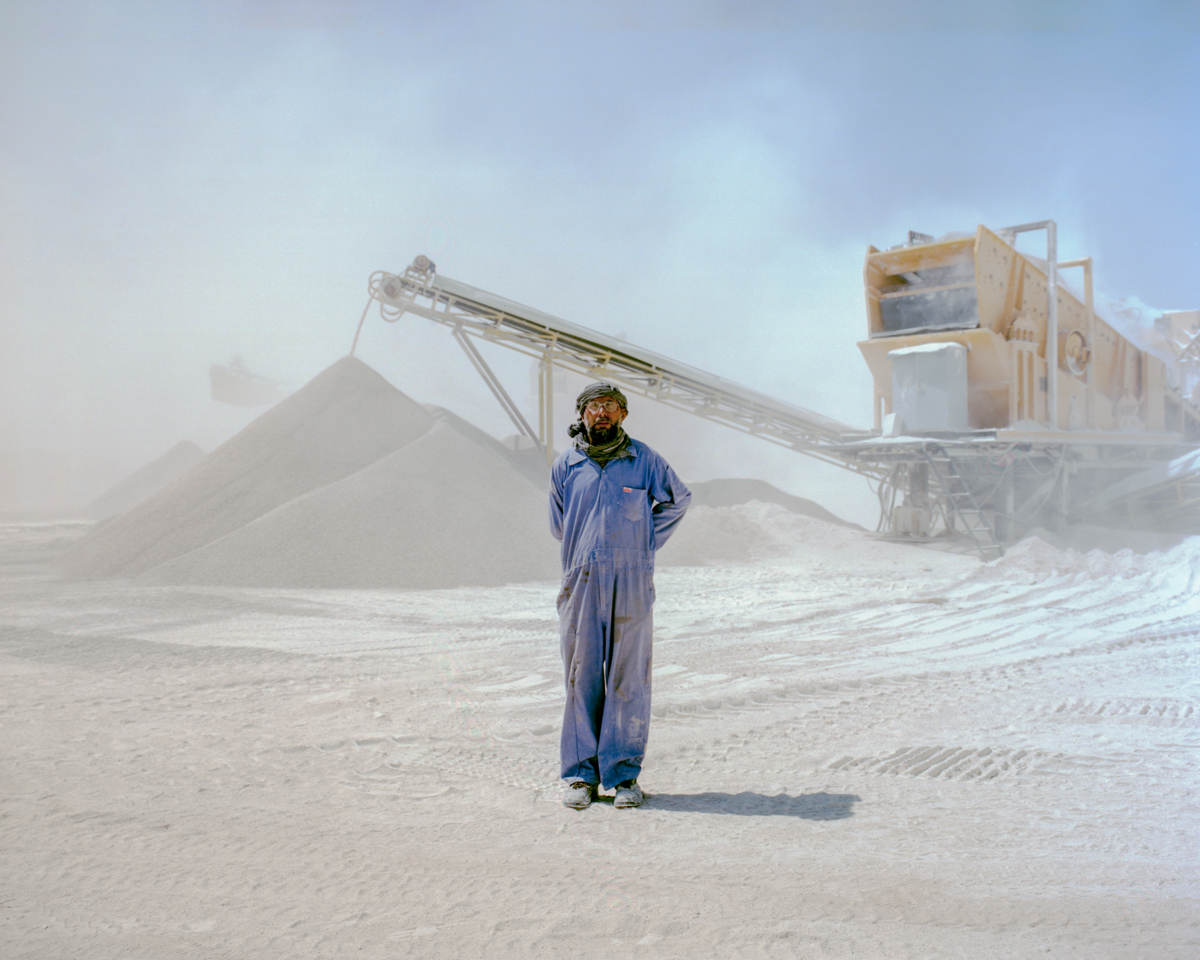
Finally, the photographic document as deployed by Valentin Valette is shaped by his background in visual anthropology. The Franco-Algerian artist carries out photographic projects in the Gulf countries and is particularly interested in present-day Oman. In a large fresco combining documents, sound and photographs, he portrays migrant builders and entrepreneurs, and, isolated in vast desert landscapes, architectures that could be from the distant past or far-off future. Capturing faces and traces, he depicts a territory in transition, criss-crossed by migrations whose embodied lives are often erased, and patiently builds an archive of the time that once existed beneath these infrastructures of concrete and solar panels.

The members of the jury:

Marie Magnier, Director of Filles du Calvaire gallery

Valérie Cazin, Director of Binome gallery

David Benassayag, Co-director of Le Point du jour art center

Fannie Escoulen, Independent curator, co-founder of Le Bal, Paris

Nathalie Giraudeau, Director of Centre Photographique d’Ile-de-France

Claire Tangy, President of Centre photographique Rouen Normandie
Projects nominations
Valentin Valette
Valentin Valette is a Franco-Algerian visual artist, photographer, and researcher in visual anthropology, based between the Gulf, the Maghreb, Paris, and the Pyrenees. Bridging artistic creation and research in the social sciences and humanities, Valentin Valette focuses on environmental transformations and the social, political, and economic dynamics that influence local practices and experiences. His work also examines processes of movement, whether voluntary or forced, and their impact on community ties, individual and collective memory, and the construction of territories. Valentin Valette employs various to explore these complex situations and reveal the temporalities shaping these spaces. His approach combines research and creation, remaining attentive to human stories and the contexts in which they unfold. Born in 1994 in Pau (France), he holds a Research Master’s in International Relations – North Africa and the Mediterranean (CIFE) and a Master’s in Political Science – Political Dynamics and Societal Transformations (Sciences Po).
Emma Tholot
Emma Tholot is a visual artist and photographer. Her multifaceted practice combines photography, video, textile, wax, and metal, exploring how images, materials, and objects connect intimacy with collective staging. Her work draws on daily and ancestral rituals as well as a family heritage, intertwining the memory of heterotopic spaces, the materiality of desire, and systems of belief. From costumes to ex-voto, through references to theater, carnival, circus and their archetypal figures, everything points toward the baroque idea of a display of affects that puts into crisis the established order. Through stratification, veiling, and photographic transfers, her work presents images in a fragile, ghostly state, suspended between appearance and disappearance. Born in Saint-Étienne in 1994, she graduated from the École nationale supérieure des Arts Décoratifs, Paris (2020), the Accademia di Belle Arti di Roma (2018), and the École d’art d’Annecy (2016).
Lívia Melzi
Lívia Melzi is a visual artist based between Arles and Paris. Her practice relies on photographic and archival research to question the role of European imagery in shaping Brazilian identity and history. She addresses themes of representation, museology, and anthropology through a decolonial approach. She has exhibited at the Salon de Montrouge where she received the Grand Prix (2021), Palais de Tokyo (2022), the Musée de Grenoble (2023), Maison de l’Amérique Latine (2025) and various international festivals. Born in 1985 in Ribeirão Preto, Brazil, Lívia holds a master’s degree in oceanographyfrom the University of São Paulo (2012) and a master’s in photography and contemporary art from Paris 8 University (2018).
Gaëlle Delort
Gaëlle Delort's photographic work is based on field research, informed by geomorphology, anthropology, literature and architecture. By collecting clues that make up the depth of a place and its landscapes, she explores the resonances between human and geological temporalities, playing on the tension between the depth of the world and the surface of images. Working mainly with a large-format camera, her practice echoes the temporalities of the geological phenomena she observes. She describes her approach as photographic infiltration, indicating a way of working with the territory. Since 2020, she has been combining her practice with caving. Her photographic, editorial and installation work explores the conditions under which images appear and the perception of landscapes. Gaëlle Delort was born in Aurillac in 1988 and graduated with honours from the École Nationale Supérieure de la Photographie in Arles in 2022. She lives in Causse Méjean, in Lozère (France).
Newsletter