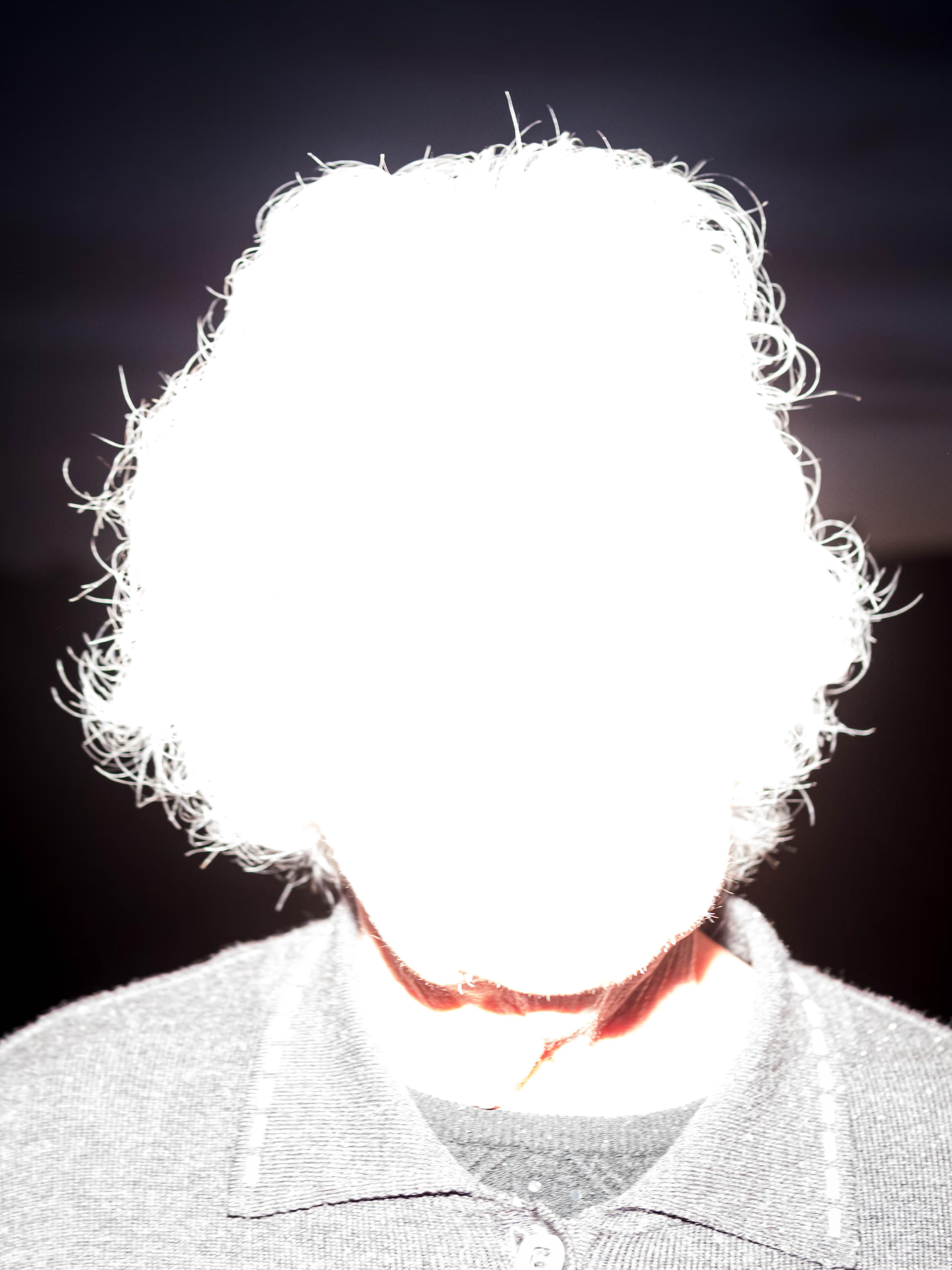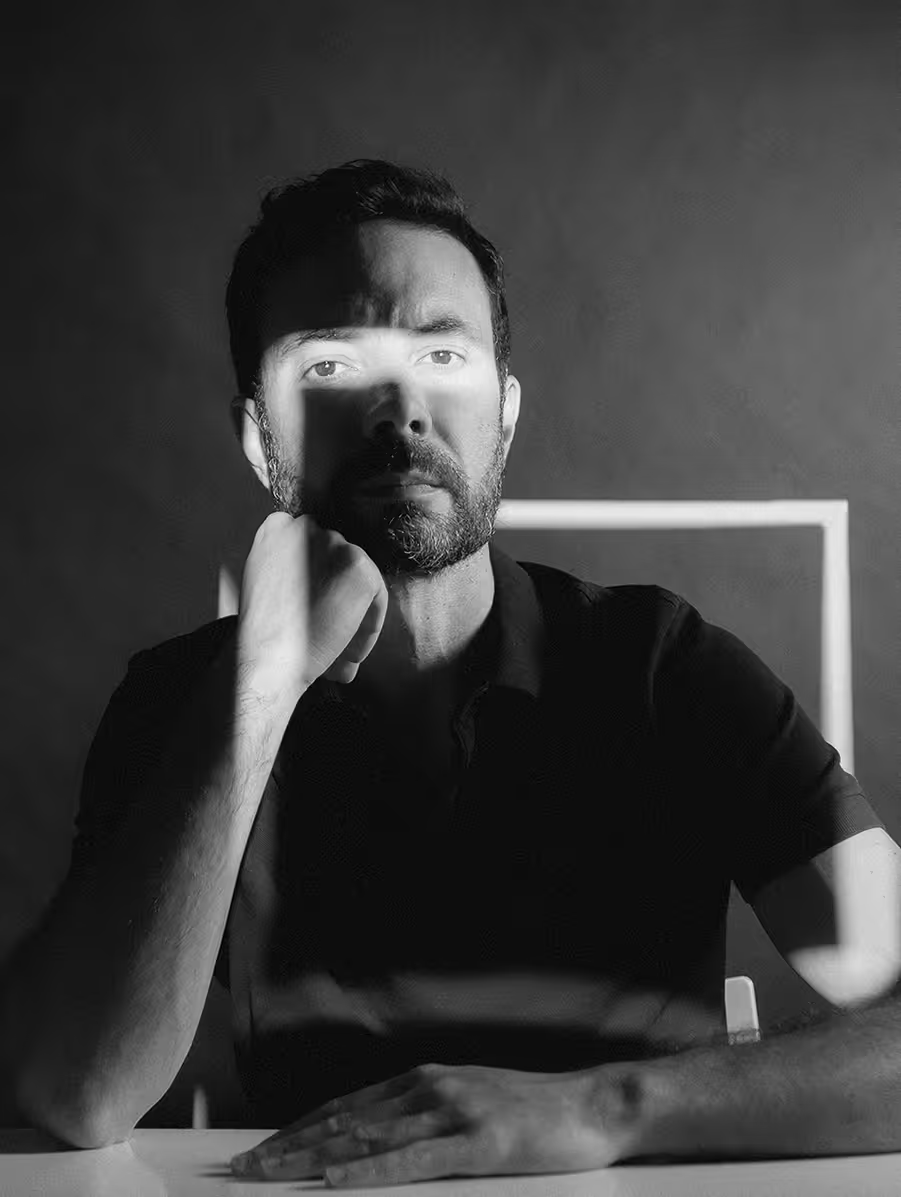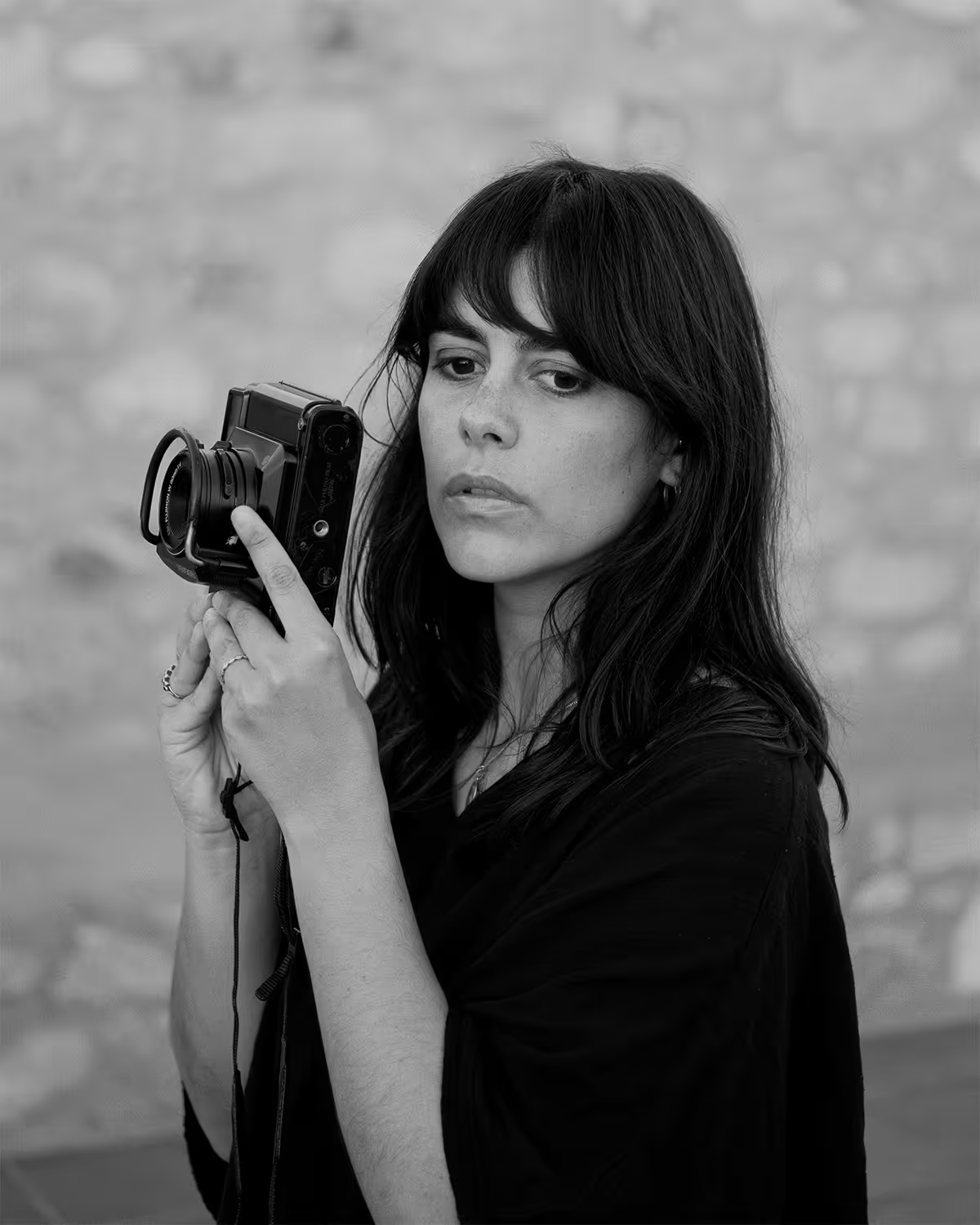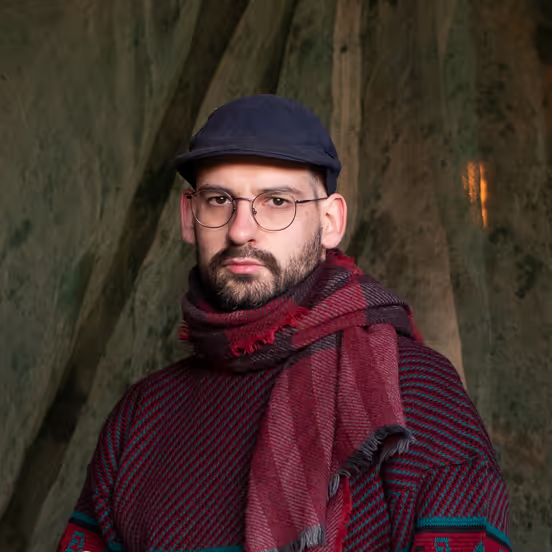


The artists nominated by
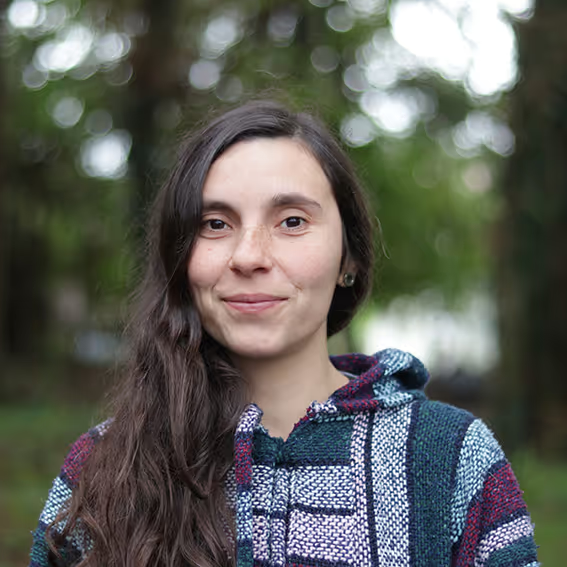
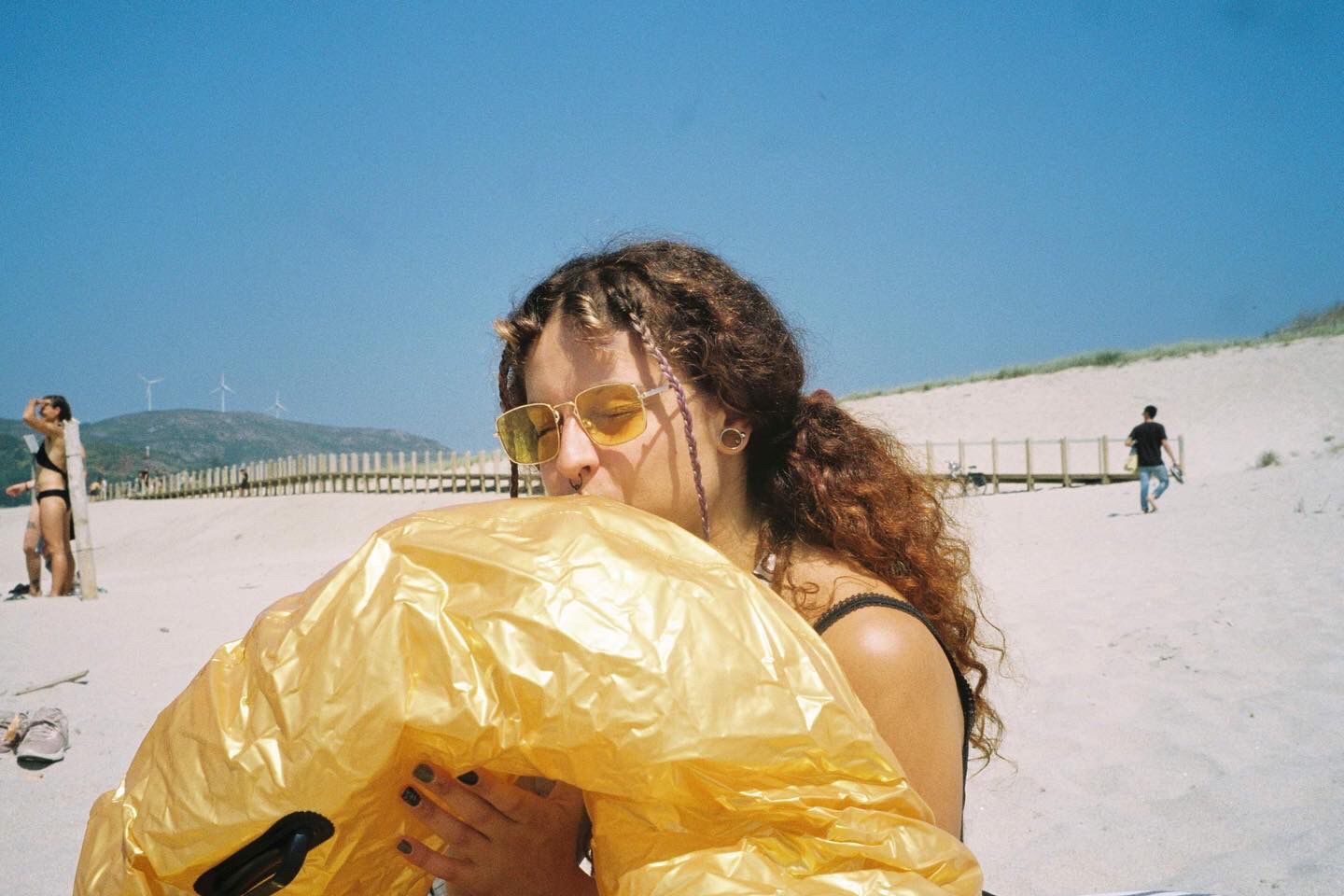
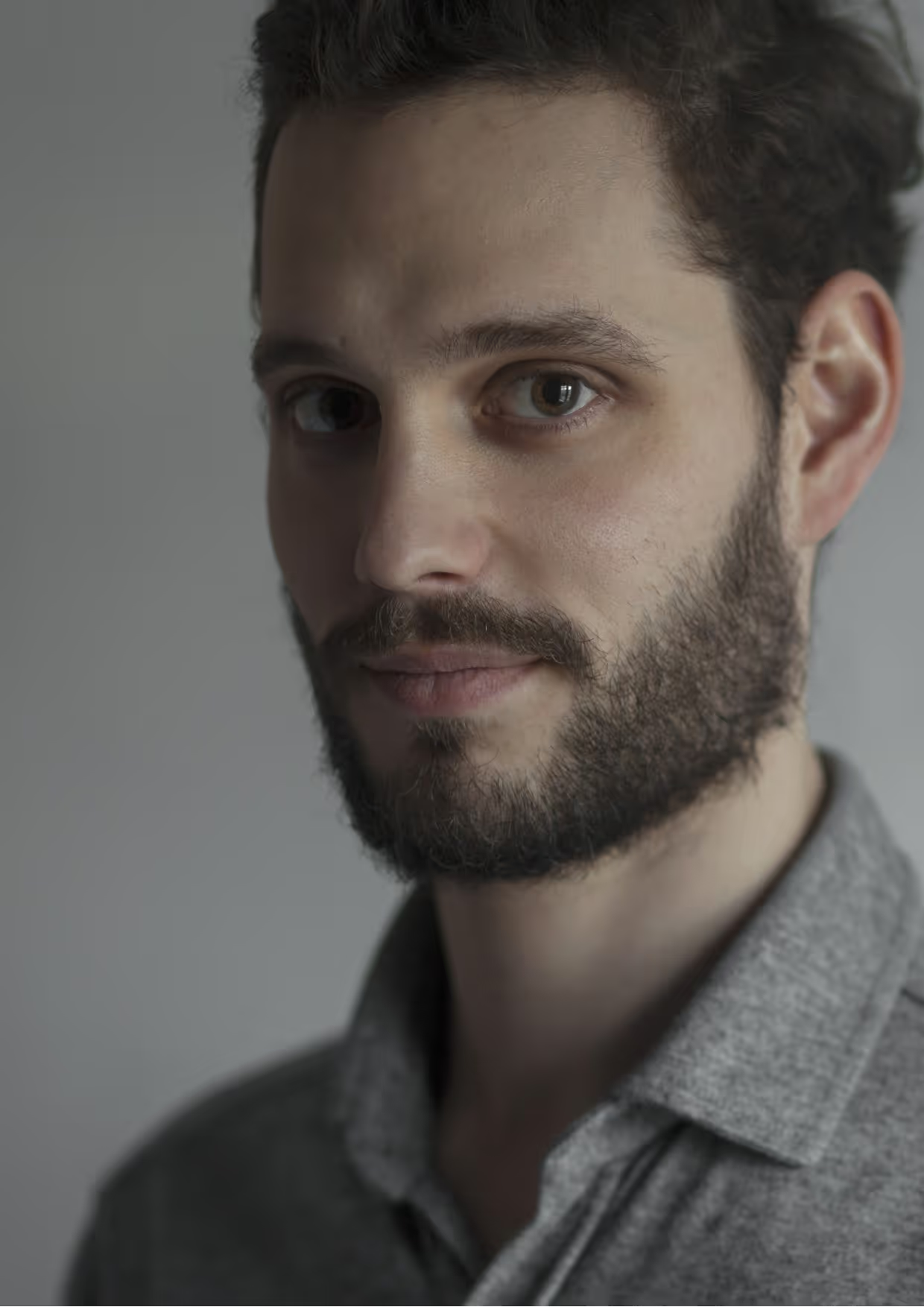
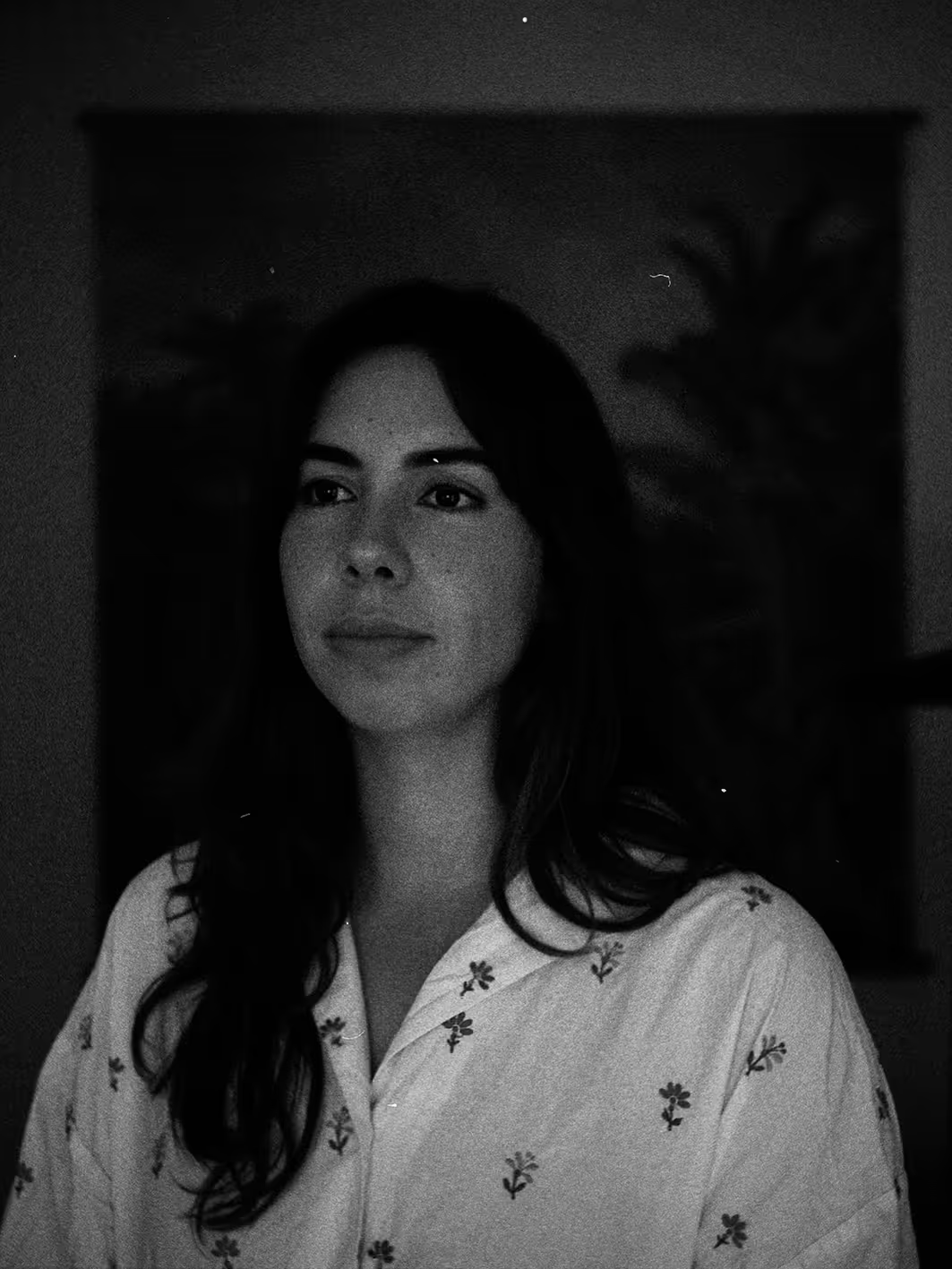
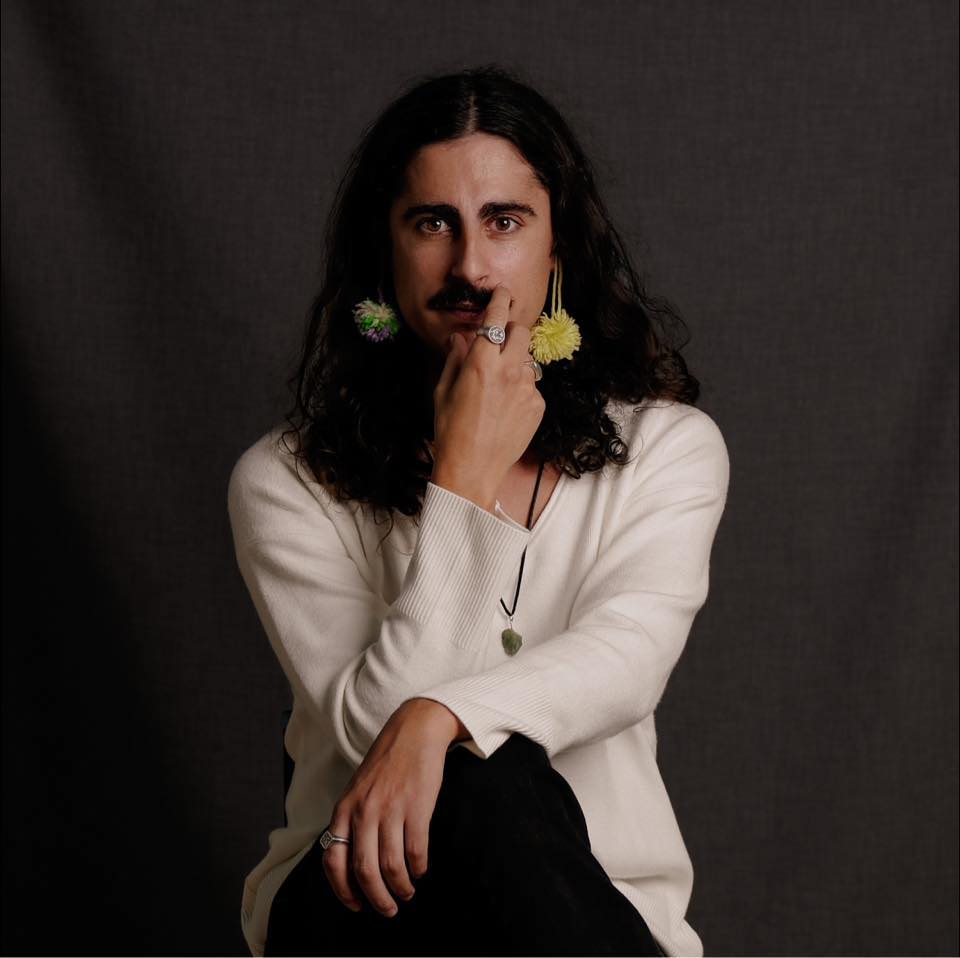
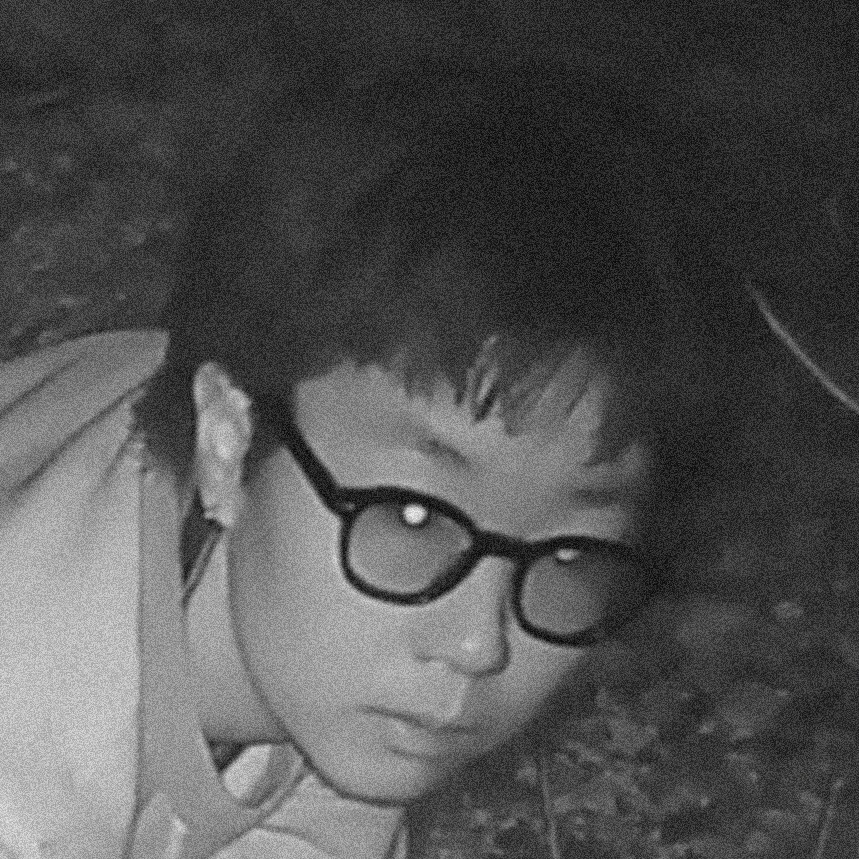
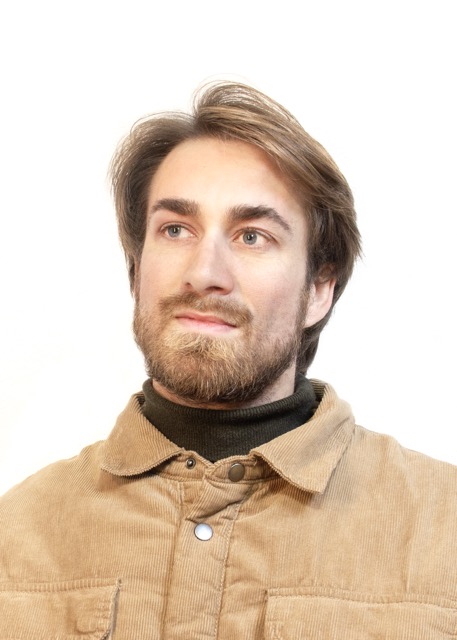
The Ci.CLO Plataforma de Fotografia / Bienal Fotografia do Porto nominations for the FUTURES Platform bring together five emerging artists: Eunice Pais (Mozambique/Portugal), Francisco Menezes (Portugal), Guillermo Vidal (Venezuela/Portugal), Jungeun Lee (South Korea) and Maria Peixoto Martins (Portugal).
Coming from distinct cultural backgrounds and artistic trajectories, the selected artists develop independent practices within the expanded field of photography and moving image. Their work engages critically with contemporary conditions shaped by visibility, displacement, materiality and power, addressing social, political and affective dimensions of the present. Through diverse methodologies, including documentary and archival strategies, performative gestures and image appropriation, these practices question how reality is constructed, mediated and inhabited, forming a constellation that foregrounds ethical positions of looking and reflects on the role of images in shaping our relationship with the contemporary world.
Eunice Pais develops a practice that brings together photography, video, sound and material processes as forms of listening and relation, operating in contexts where ecology, memory and labour intersect. Working across liminal spaces between archive and lived experience, her work resists closed narratives and extractive modes of representation, proposing an ethics of care through gestures of containment, opacity and material transformation.
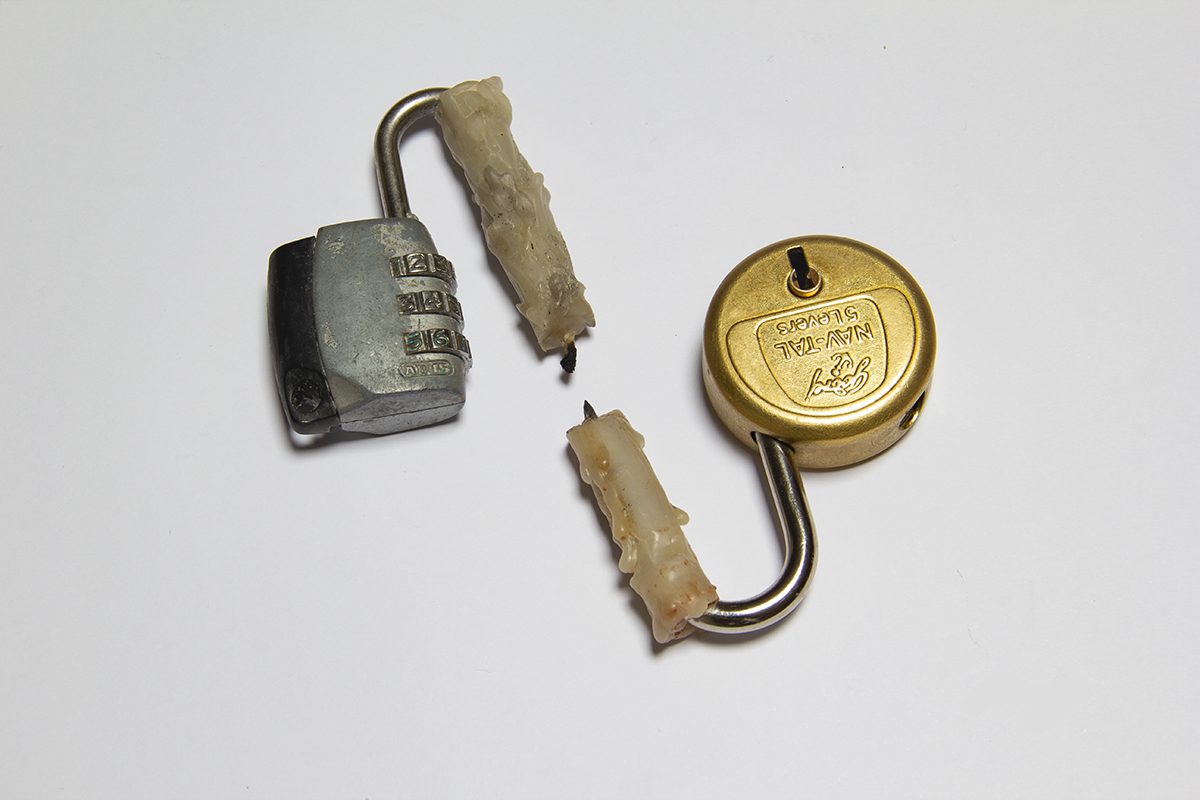
Francisco Menezes works across photography, installation and sculpture to question the role of objects in the material and symbolic organization of the contemporary world. Situated between representation and presence, his practice exposes mechanisms of accumulation and fixation, using minimal formal operations to reveal the invisible infrastructures that shape everyday life.
Guillermo Vidal develops a photographic practice rooted in experiences of social invisibility, working in close relation with contexts marked by precarity and structural absence. Rejecting both spectacle and distance, his images operate at the threshold of visibility, proposing a sustained ethics of looking grounded in proximity, presence and continuity.
Jungeun Lee explores experiences of displacement, care and unstable belonging, using photography in dialogue with performance and gesture. Her work brings together intimate and structural dimensions, family, domestic labour, migration and cultural inheritance, to trace processes of transformation and silent resistance, where the body becomes a site of memory and care.
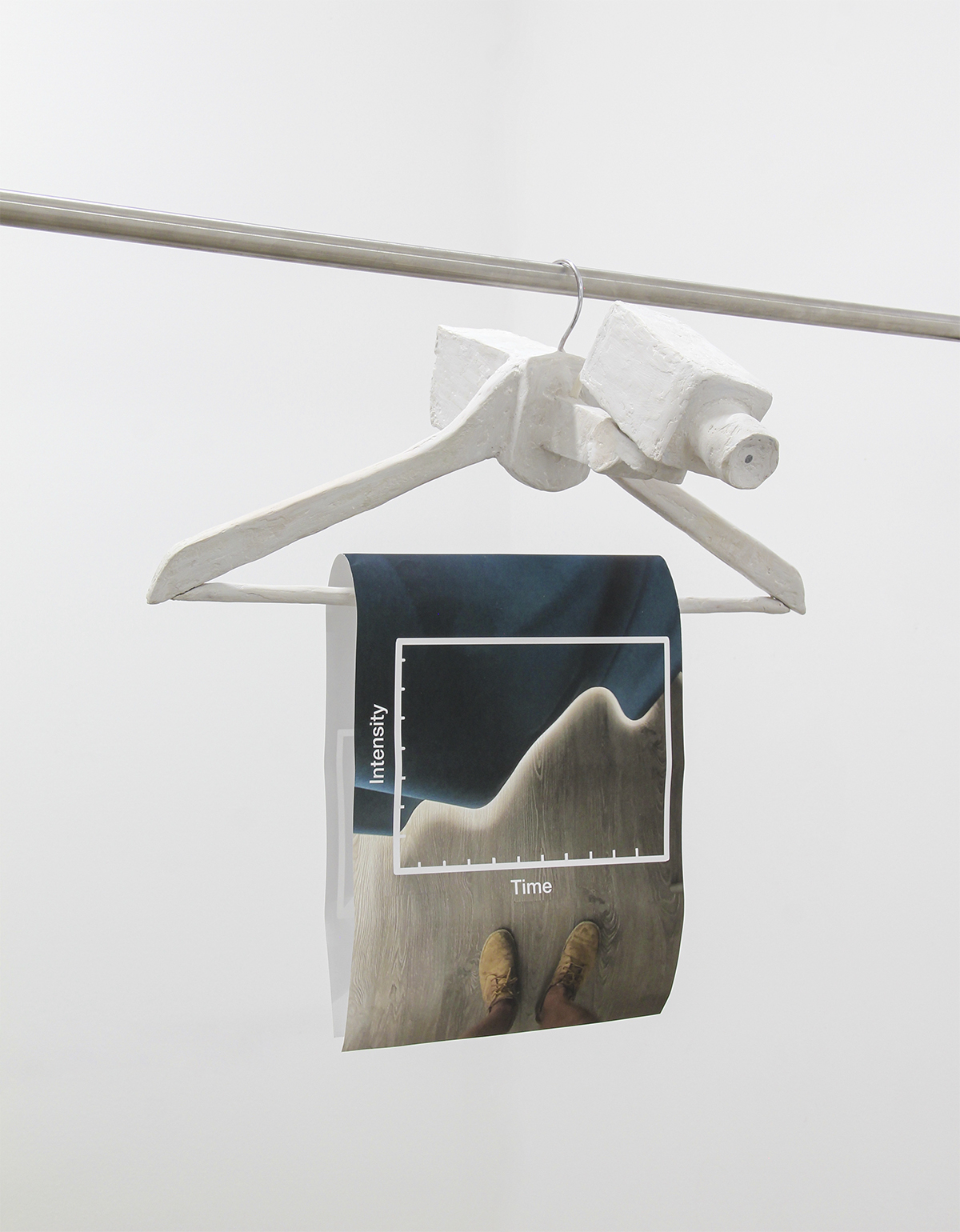
Maria Peixoto Martins interrogates surveillance as a defining condition of contemporary life, working with appropriated and degraded images captured in contexts of control. Through irony and discomfort, her practice exposes the normalization of the vigilant gaze and places the viewer in an ambivalent position, revealing systems in which continuous exposure has become the norm.
Members of the jury:
Jayne Dyer - co-artistic director of the Bienal Fotografia do Porto
Virgílio Ferreira - founder and art director of the Photography Platform Ci.CLO and of the Bienal Fotografia do Porto
Vera Carmo - independent curator, lecturer and researcher
Eunice Pais is a Luso-Mozambican artist who works with video, photography, sound, and sculpture—particularly metal and textiles—to investigate themes of visibility, invisibility, ecology, memory, and labour as dissident and counter-colonial strategies. Her practice operates within speculative and post-nature frameworks, engaging material, spatial, and sonic forms to unsettle extractive logics, imperial modes of knowledge production, and fixed archival methodologies.
Rather than offering resolution, Pais is interested in opacity, porosity, and the productive space of the non-answer, allowing meaning to remain embodied, fragmented, and relational. Through gestures of repetition, contamination, and material transformation, her work foregrounds forms of rebellion that emerge within—and against—histories of extraction and coloniality embedded in everyday structures, landscapes, and bodies.
Her practice is shaped by transnational histories between Portugal and Mozambique, approached not as identity markers but as sites of tension, inheritance, and refusal.
In 2020, she founded PAIS Agency, a photography studio and production agency focused on the intersection of environmental and social justice. Since 2023, her work has been exhibited across the United Kingdom, France, Italy, and the Netherlands, with recent and forthcoming exhibitions in Portugal and across Europe.
She is a recipient of the Alumni Exchange Innovation Fund from the U.S. Embassy in Portugal, and her project Sargassum is supported by Directorate-General for the Arts (Portugal).


Francisco Menezes (b. 1993) is a multidisciplinary artist based in Lisbon, Portugal. He studied photography at Ar.Co, completed his studies at the Faculty of Fine Arts of Lisbon and attended the Maumaus Independent Study Programme. Comprising installation and photography, Menezes’ practice interrogates objecthood alongside the original notion of the ‘absolute’ — from ab (off) + solver (to loosen) — or as philosopher Hent De Vries puts it, ‘that which tends to loosen its ties to existing contexts’. This serves as an entrance point to poke at our current systems of emplacement of the Capitalocene age. It’s the detours around this very emplacement occurring between the delocalized and the hyperlocalized that constitute his body of work. Selected exhibitions in the past include the ‘Paula Rego Prize’ at CHPR (2017, 2018), ‘Lovers’ and ‘Our Slice of Time’ at Zaratan (2022), ‘Paródia Cega’ (2024) at Museu Bordalo Pinheiro, ‘Poetics of Approximation’ at Budapest Galéria (2025), among others. In 2025, Menezes was awarded the Lisbon City Council Grant for an artistic exchange in Budapest. He is currently part of the applied research group ‘Organismo’ from Museo Thyssen-Bornemisza/TBA21.
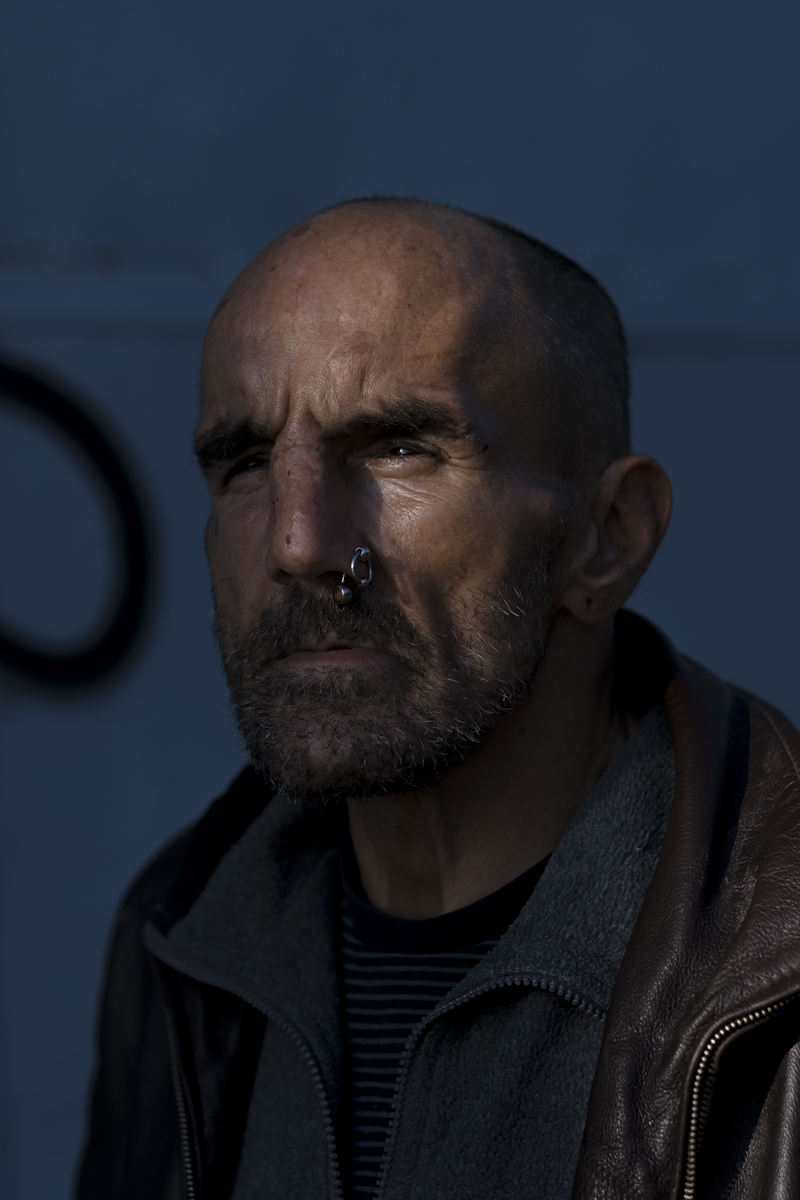
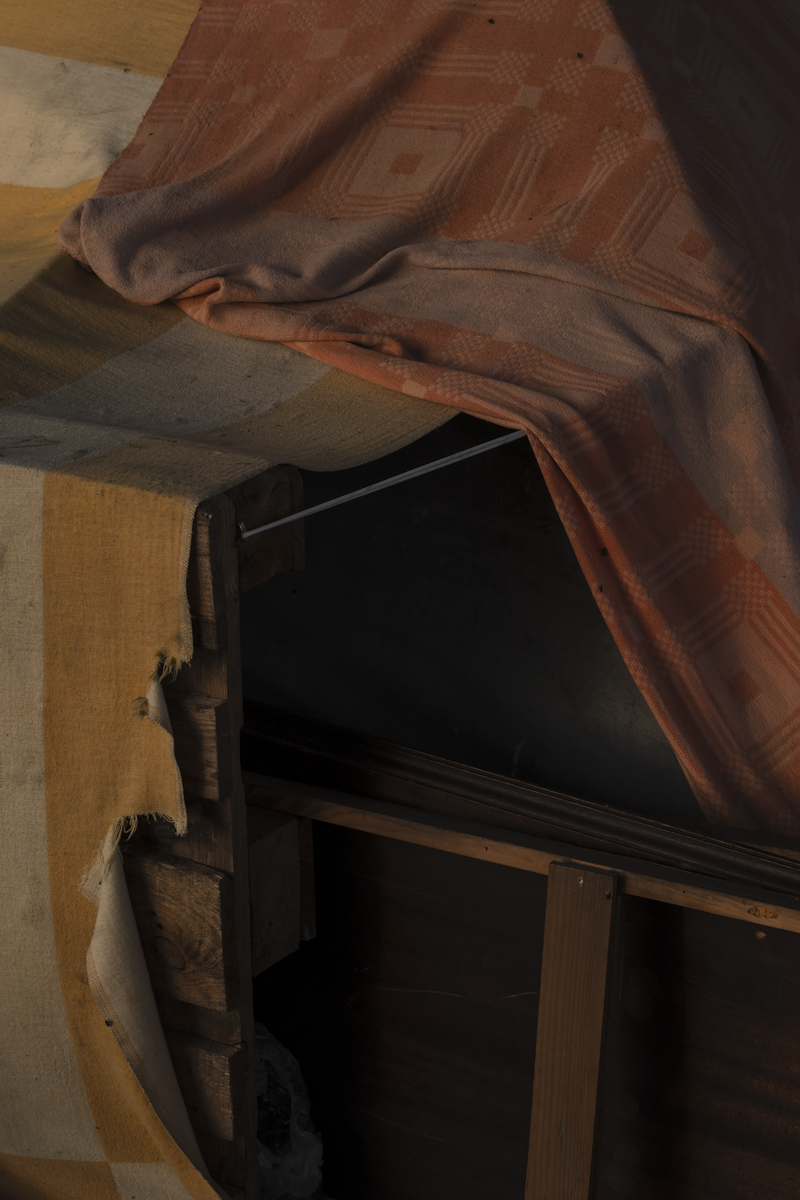
Guillermo Vidal (b. 1989) is a Portuguese photographer whose perspective was shaped by the transition between Caracas, where he was born, and Murtosa, a coastal town where he grew up. This experience of displacement fuels his interest in social invisibility and in the ways human beings inhabit fragile or transitional contexts.
His work focuses on long-term projects, combining the rigour of documentary practice with a restrained, poetic, and reflective visual language. Through close attention to gestures, rituals, and silences, Vidal examines how political and economic structures shape everyday life, exploring resilience and faith as ways of relating to the world. His practice privileges time, listening, and an ethical commitment to the people he photographs.
His trajectory includes publications in PÚBLICO newspaper and an exhibition at Narrativa atelier in Lisbon, as part of the Narrativa Masterclass.
Currently based in Lisbon, he develops projects in the city where he lives as well as in South Asia, particularly in Nepal.
Jungeun Lee (b. 1993) is currently based in Lisbon and Seoul. Her practice explores how experiences of identity and belonging can be translated into visual and performative forms through photography, video, performance, and sound.
After relocating to Germany in 2019, Lee initiated Belonging Nowhere (2020–2022), a project shaped by the lived condition of a fluid and provisional identity as a Korean woman, immigrant, and queer subject. The work focused on developing artistic strategies for sharing narratives that emerge from displacement and social precarity.
In Becoming One, Being Plural (2021–2022), Lee expanded this inquiry toward ecological contexts by collecting traces from spaces where different forms of life and material intersect. Through the construction of ecospheres, the project examined layered and relational forms of identity beyond a human-centered perspective.
This research into perception and presence continued in Step Back Closer (2022–2025), which addressed invisible yet persistent phenomena embedded in everyday life through sensory-based approaches.
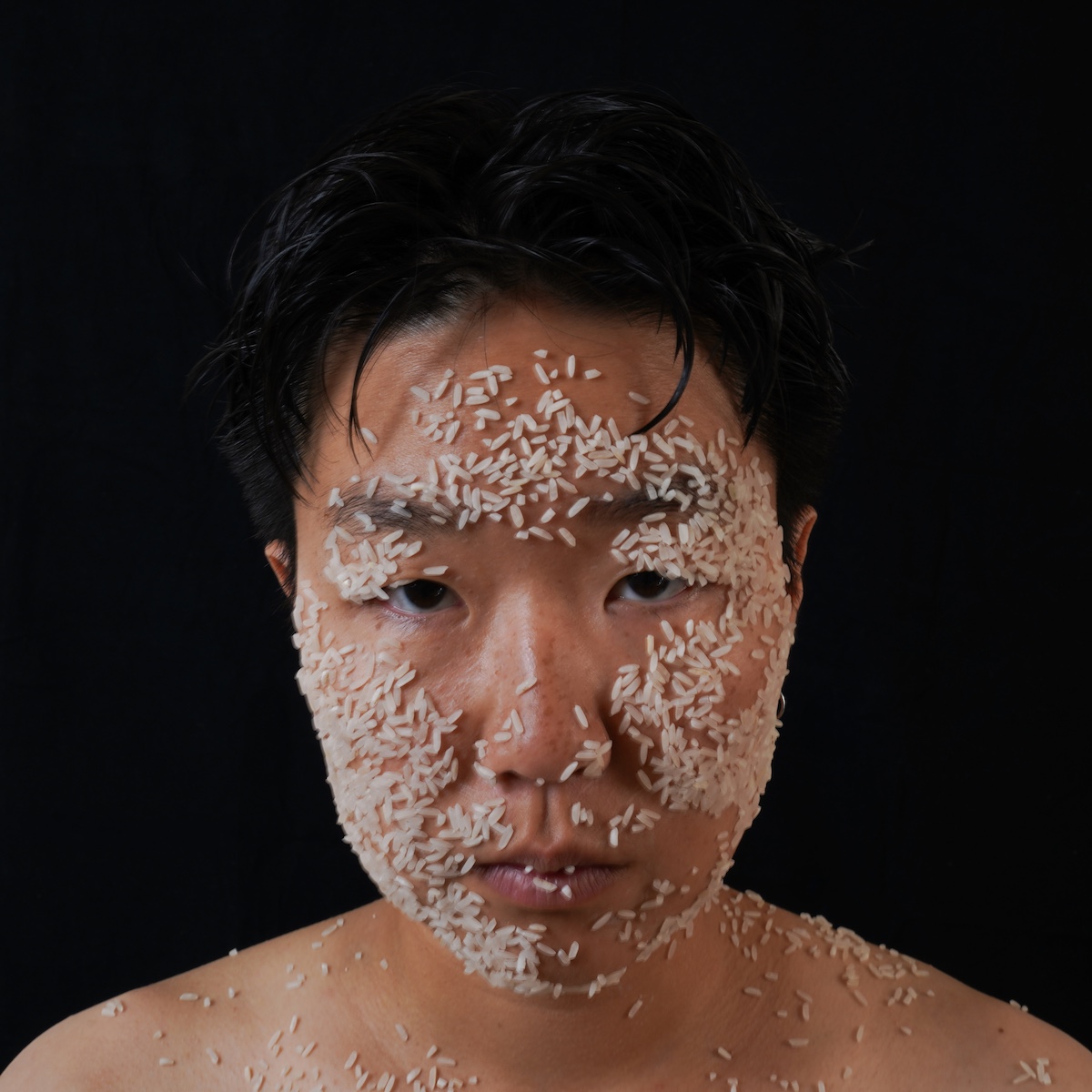
Lee’s current project, Folded Bird (2025), originates from the forced departure from a long-term family home caused by familial rupture, economic instability, and rising housing costs in Seoul. The project documents the emotional residues left behind through displacement and examines the family as a site shaped by memory, labor, and power relations. Through performative actions and material elements such as folded paper cranes, rice, and kimchi, Lee reflects on gendered domestic labor, intergenerational care, and embodied memory, seeking alternative ways to reimagine inherited structures of belonging.

In 2014, she began studies in Cinema, Video and Multimedia Communication, and in 2018 she completed a Bachelor’s degree in Photography at Universidade Lusófona. In 2023, she enrolled in a Master’s degree in Communication and Multimedia at IADE, which she completed the following year.
In her artistic practice, she primarily explores photography, video and installation. Her work focuses mainly on social issues, often using humor, with the human body occupying a prominent place. Questions of surveillance, representation and self-representation are central to her projects. She investigates the deconstruction and limits of the digital image, such as pixelation and chromatic aberrations.
Since 2022, she has held solo exhibitions including ON: Smile! You’re on camera, Livraria Zé dos Bois, Lisbon (2026); Eyes on You, Centro de Artes e Cultura de Ponte de Sor (2024); and The King of the Rood, as part of Segundas na Z, Zé dos Bois, Lisbon (2024). She has also participated in group exhibitions since 2017, such as Imagination – Tools to Think About the Future, organized by Lisbon Art Weekend at Mono, Lisbon (2025), and Random, Azan Contemporary Art, Lisbon (2024).
She took part in the Serra do Açor Artistic Residency under the mentorship of photographer Jem Southam, as well as the Inter.meada artistic residency in Alvito. She was a finalist at the 2022 Vila Franca de Xira Photography Biennial and received the Duplacena Incentive Award at the FUSO – Video Art Festival in 2023.