Edit profile
The

Artist

Glorija Lizde

Nominated in
2026
By
Organ Vida
Lives and Works in
Zagreb
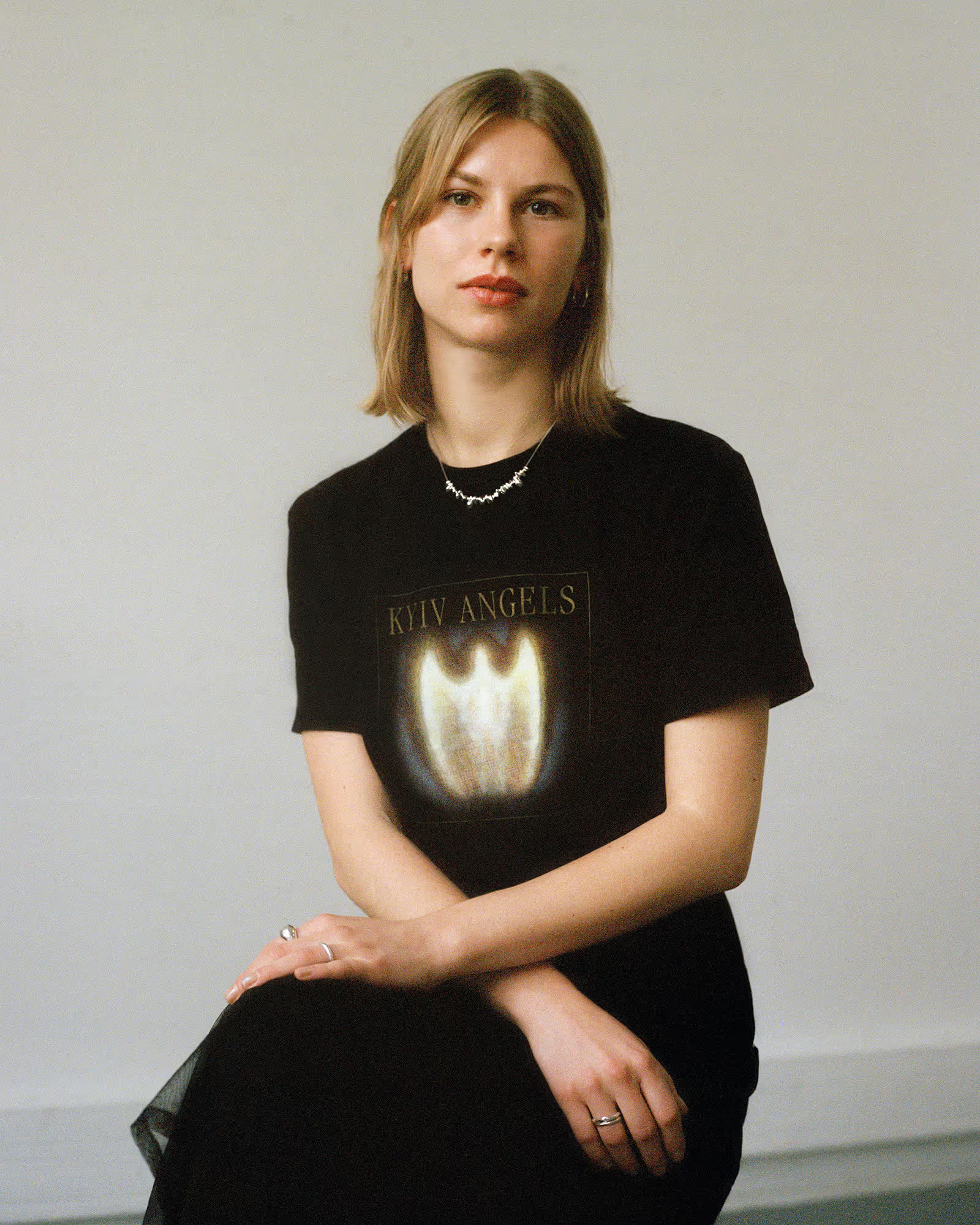
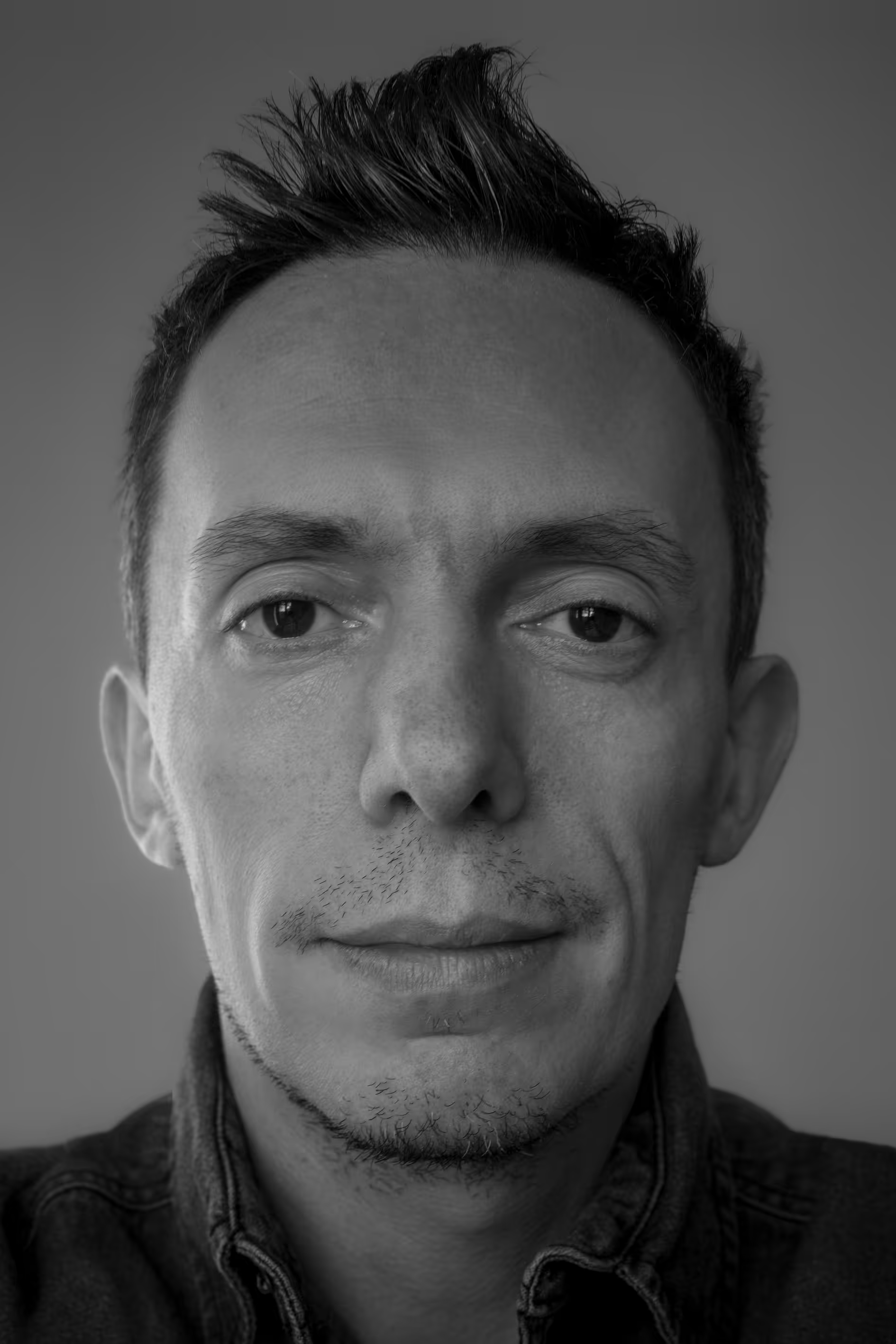
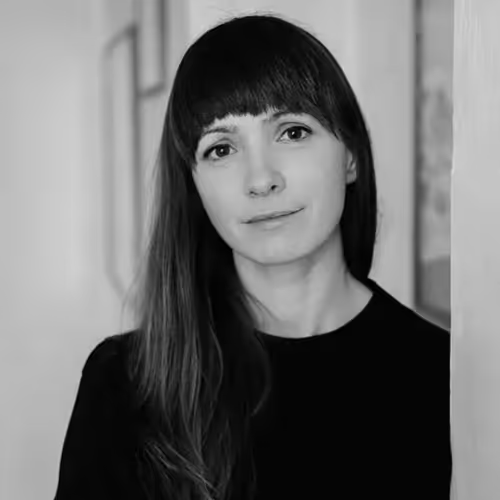
Glorija Lizde (b. 1991, Split) holds an MA in Photography (Academy of Dramatic Art in Zagreb) and a BA in Film and Video (Arts Academy Split). Her practice focuses on recreation and reinterpretation of the archives and memory interweaving documentary and staged photography, text and objects. She has had several solo exhibitions and participated in numerous group shows in Croatia and internationally, including the O21 OSTRALE Biennale, She Who Starts the Song (17th Gjon Mili International Exhibition of Photography and Moving Image), Familiar Fantoms (Residency Unlimited, New York), Of This World – Envisioning Alternative Cartographies (Robert Capa Contemporary Photography Center), Being/Seeing (QUAD Gallery), Athens Photo Festival (Benaki Museum), In-between (The Bridge and Tunnel Gallery, New York), Floodlit Room – Women’s Photographic Practices in Croatia, among others. Her works are included in the collections of the Museum of Arts and Crafts in Zagreb and the Kiyosato Museum of Photographic Arts in Japan. Lizde was selected for the international emerging artists program Parallel – European Photo Based Platform in 2018 and 2021. She received the Dr. Éva Kahán Foundation Scholarship and Residency in 2022 and was awarded the Radoslav Putar Award the same year, recognizing her as the best young visual artist in Croatia.
Projects
2025

I Swallowed My Dream

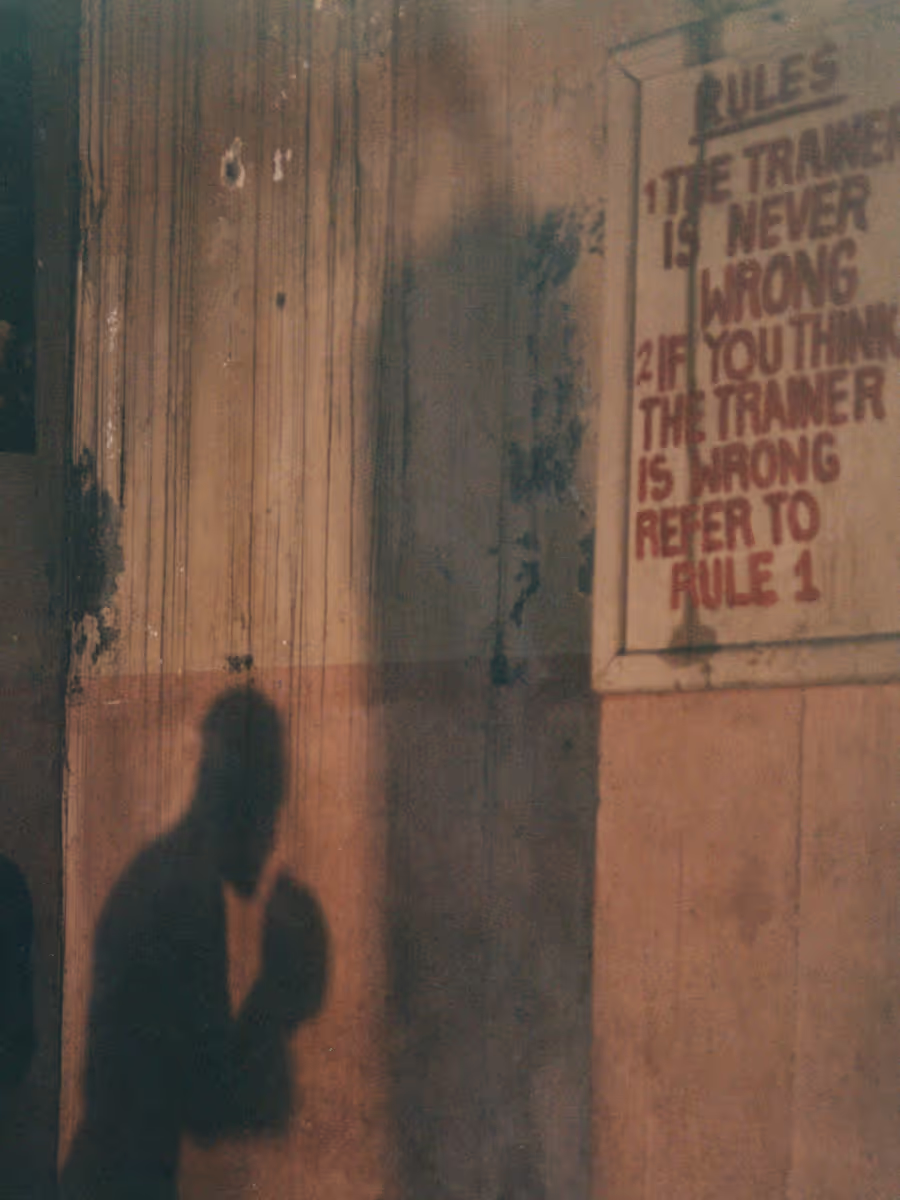
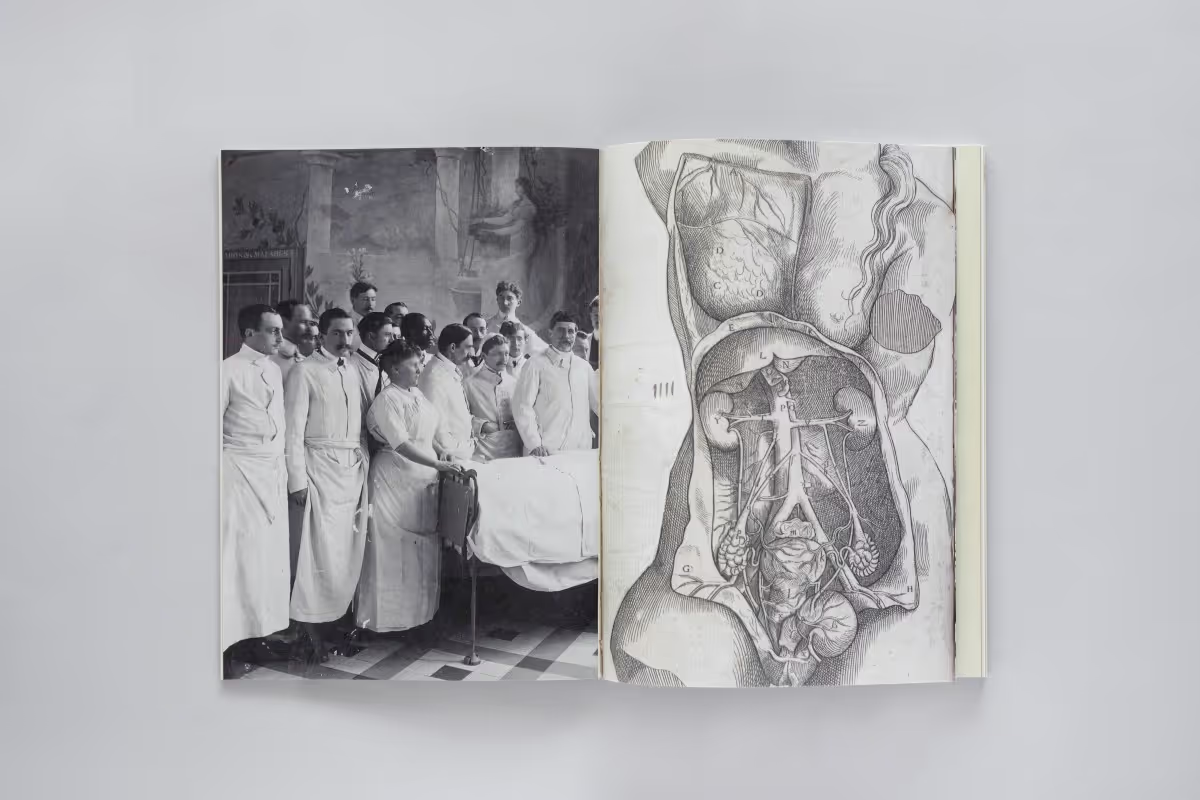
In this work, I examine the photographic representation of women in psychiatric institutions and the power relations between physician-photographer and photographed female patients. The project draws on 19th-century photographic archives, particularly from the Salpêtrière Hospital, which contains an extensive photographic archive of women diagnosed with hysteria. Derived from the Greek hystera (uterus), hysteria was long believed to be a disorder caused by a wandering uterus. Physicians, captivated by the supposed objectivity of photography, often provoked symptoms and seizures during photographic sessions. What was intended as clinical documentation became a choreographed, theatrical spectacle of contorted bodies, with countless repetitions and stagings. By re-enacting archival photographs, I position myself as both subject and operator of the camera, using a visible cable release to disrupt conventional hierarchies between photographer and photographed. Beneath the photographs, I inscribe excerpts from physicians’ case descriptions of photographed women. The accompanying artist’s booklet reframes archival fragments to construct a speculative archive of hysteria, situated between fact and fiction, document and performance, reality and dream. This project examines the enduring impact of institutional practices on contemporary understandings of mental health and the female body, seeking ways to reclaim histories embedded in collective female experience.
2025

I Swallowed My Dream

In this work, I examine the photographic representation of women in psychiatric institutions and the power relations between physician-photographer and photographed female patients. The project draws on 19th-century photographic archives, particularly from the Salpêtrière Hospital, which contains an extensive photographic archive of women diagnosed with hysteria. Derived from the Greek hystera (uterus), hysteria was long believed to be a disorder caused by a wandering uterus. Physicians, captivated by the supposed objectivity of photography, often provoked symptoms and seizures during photographic sessions. What was intended as clinical documentation became a choreographed, theatrical spectacle of contorted bodies, with countless repetitions and stagings. By re-enacting archival photographs, I position myself as both subject and operator of the camera, using a visible cable release to disrupt conventional hierarchies between photographer and photographed. Beneath the photographs, I inscribe excerpts from physicians’ case descriptions of photographed women. The accompanying artist’s booklet reframes archival fragments to construct a speculative archive of hysteria, situated between fact and fiction, document and performance, reality and dream. This project examines the enduring impact of institutional practices on contemporary understandings of mental health and the female body, seeking ways to reclaim histories embedded in collective female experience.
Glorija Lizde
was nominated by
Organ Vida
in
2026
Show all projects
Each year every member of the FUTURES European Photography Platform nominates a set of artists and projects to become part of the FUTURES network.

Rooted in intimate vantage points, the works move between diaristic gestures and close observations of the wider social fabric.

Glorija Lizde’s I Swallowed My Dream revisits nineteenth-century psychiatric photography, exposing the power relations embedded in medical archives of hysteria. By re-enacting historical images and positioning herself as both photographer and subject, Lizde disrupts the authority of the clinical gaze reclaiming suppressed female histories.

If Lizde interrogates the institutional archive, Hana Selena Sokolović turns to the fragile, familial one. In Dear Orchid, she departs from a family diary written during the Bosnian War, the only remaining record of her sisters’ displacement. Returning to the places traced in the diary, Sokolović treats the archive as something embodied and transmitted across generations.

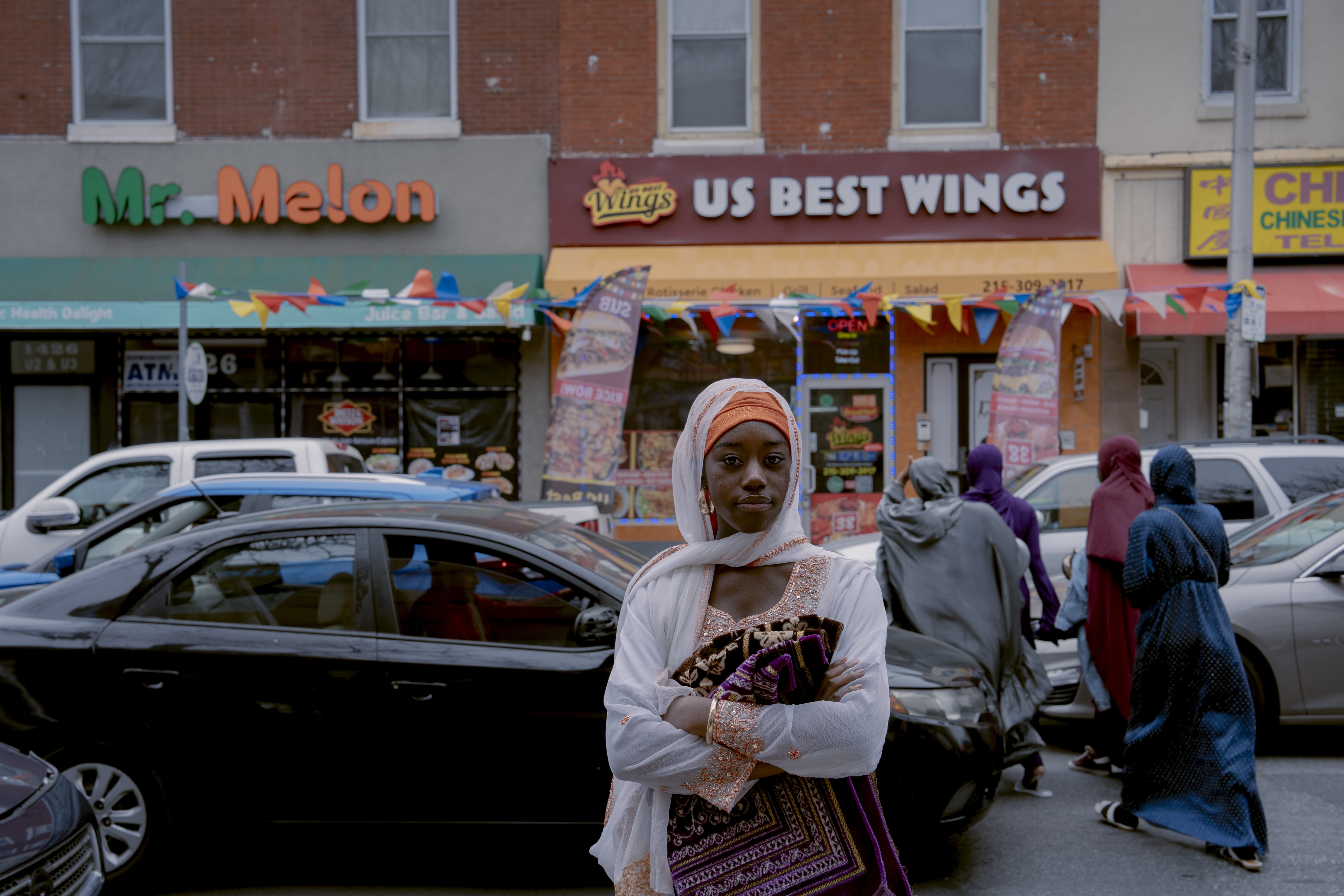
Nik Erik Neubauer’s White Smoke, Brown Glare observes New York City as a site of aspiration and inequality. Through street photography and diaristic wall texts, the work captures everyday life shaped by gentrification and hyper-capitalism, while foregrounding small communities as spaces of resistance, warmth, and survival.

Tjaša Kalkan is equally interested in different urban dynamics visible in the orchestrated environment of a construction site. Her focus remains on a single case study - voyeuristic observation of construction of a new residential building in her area. In the work DUET she juxtaposes the construction of a new residential building with the decay of her own modernist high-rise. Through this parallel documentation, the work reflects on impermanence, labor, and time, resisting linear narratives of progress.

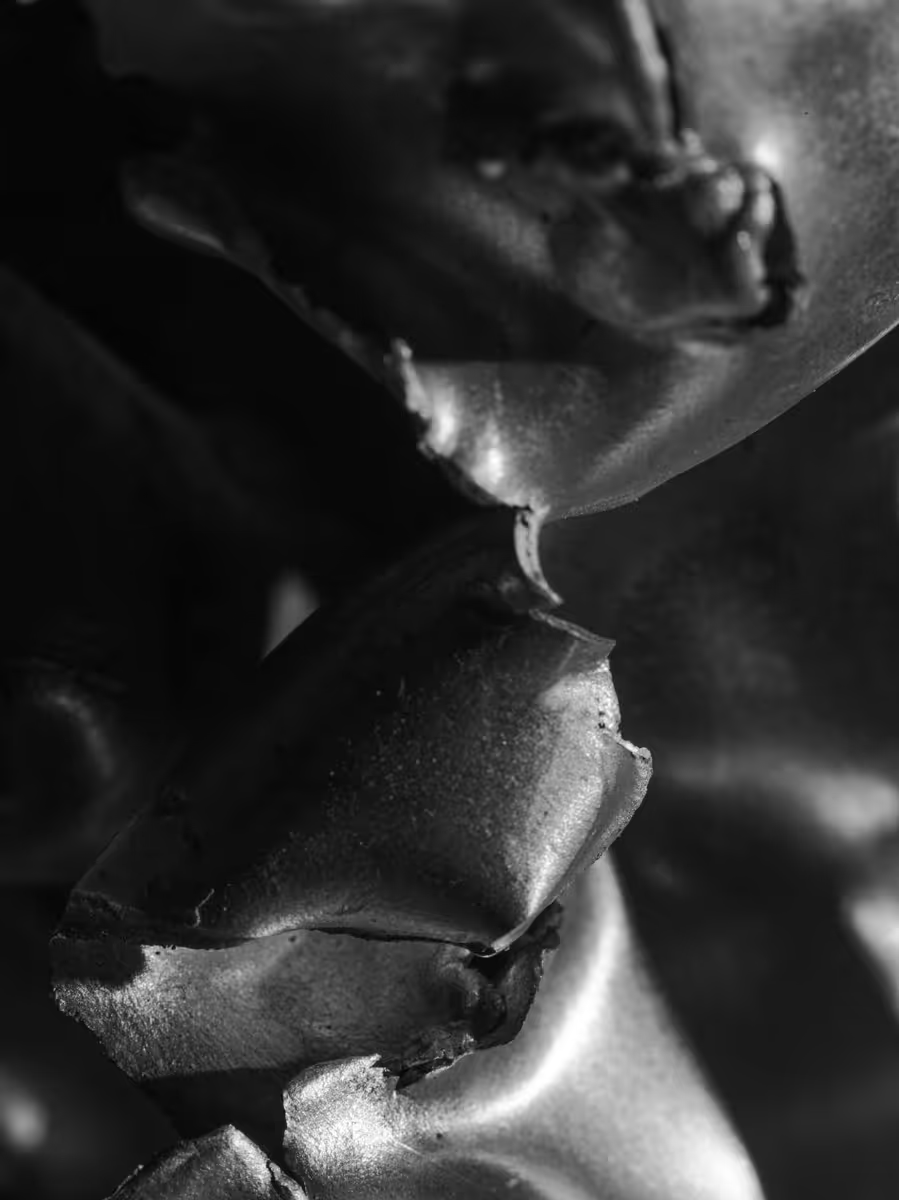
Kalkan's poetic tale of impermanence resembles the conceptual framework of Pavle Nikolić's project Knots. His work observes creation and decay from a more abstract and material register. Knots appear here not as metaphors but as operations - sites where tension, dependency, and collapse are staged in miniature. Refusing ideals of integrity or permanence, the knot exposes its own conditions of undoing. It binds and incubates, accumulating residue, memory, and excess.

The members of the jury:

Barbara Gregov

Lovro Japundžić

Lea Vene

Tia Čiček, curator

Natalija Paunić, curator

Newsletter