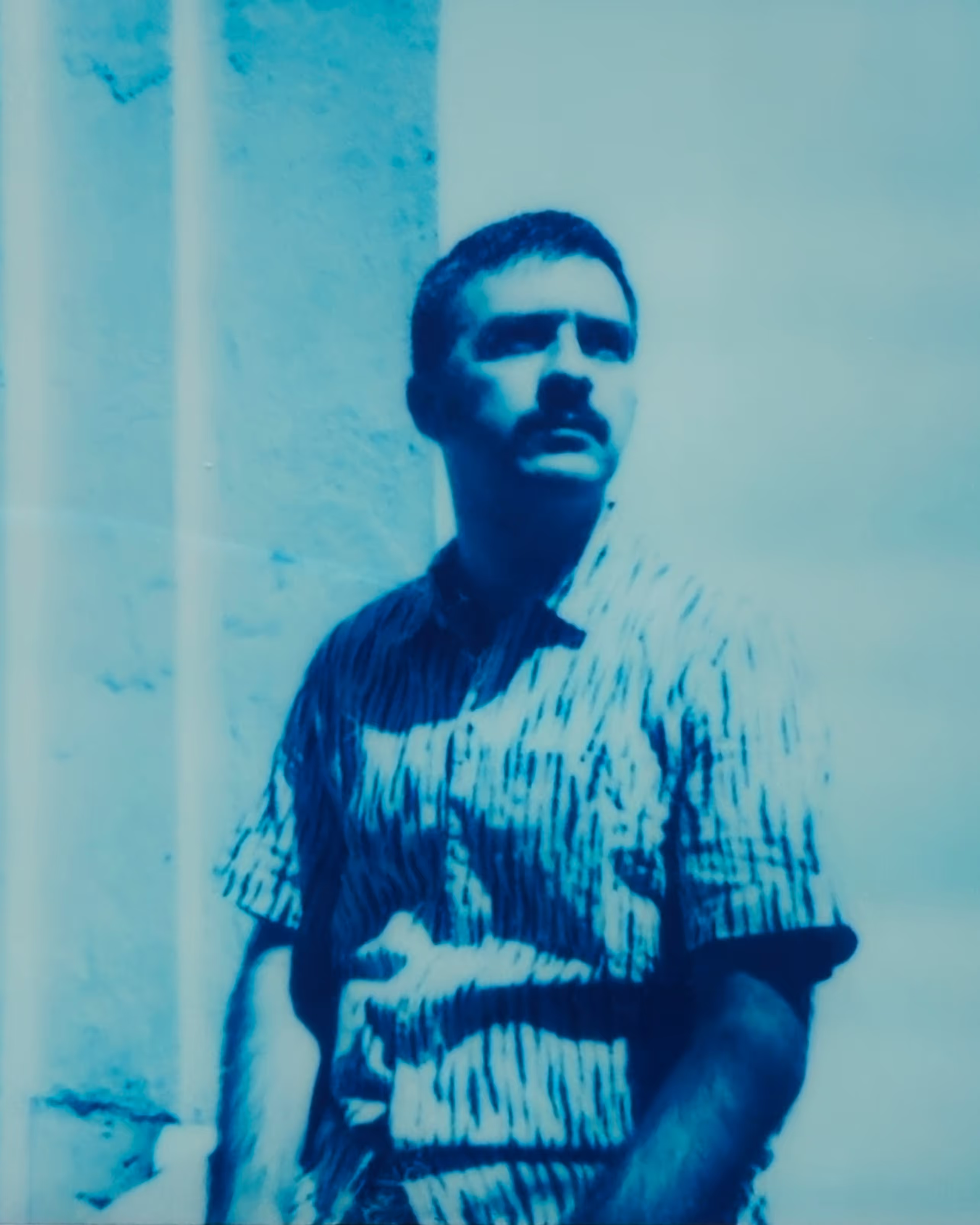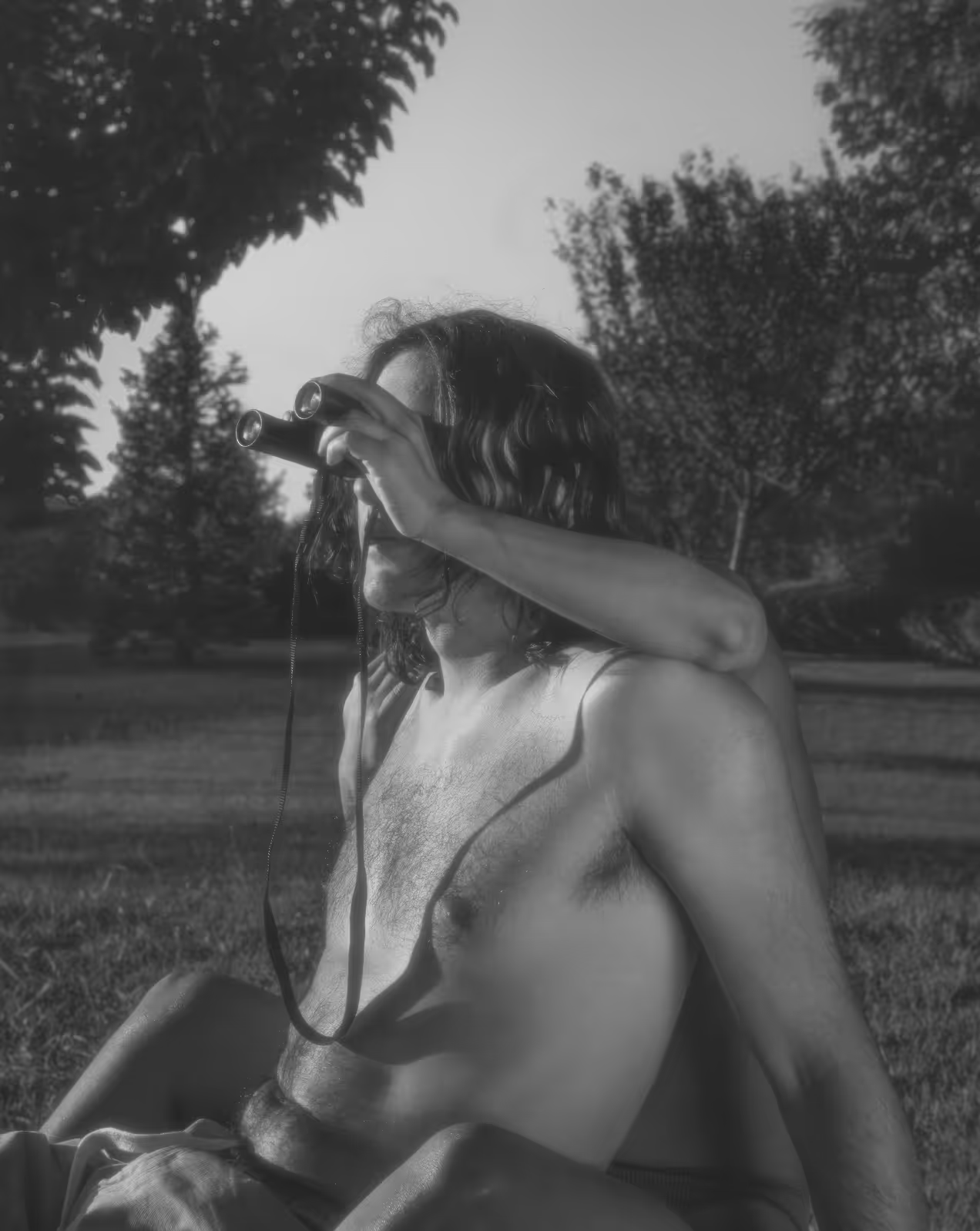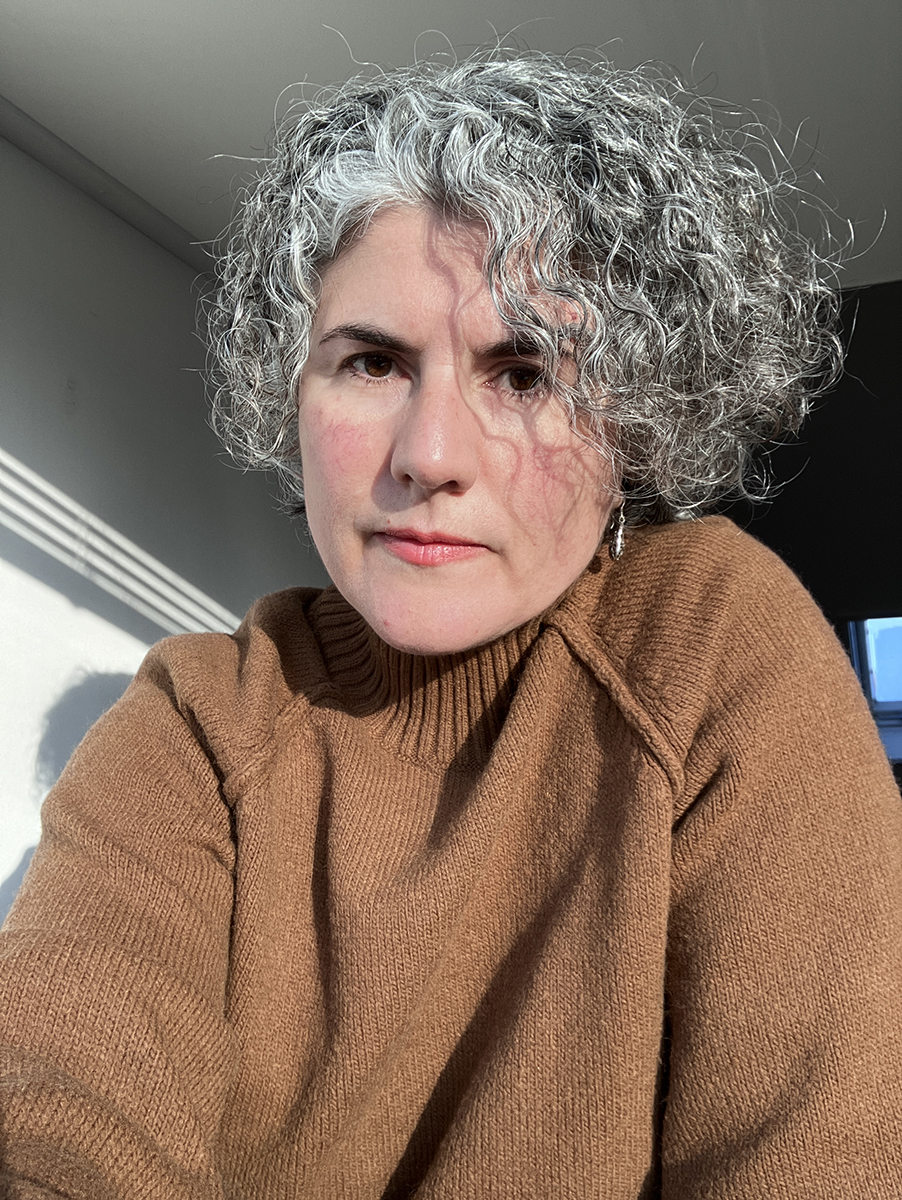
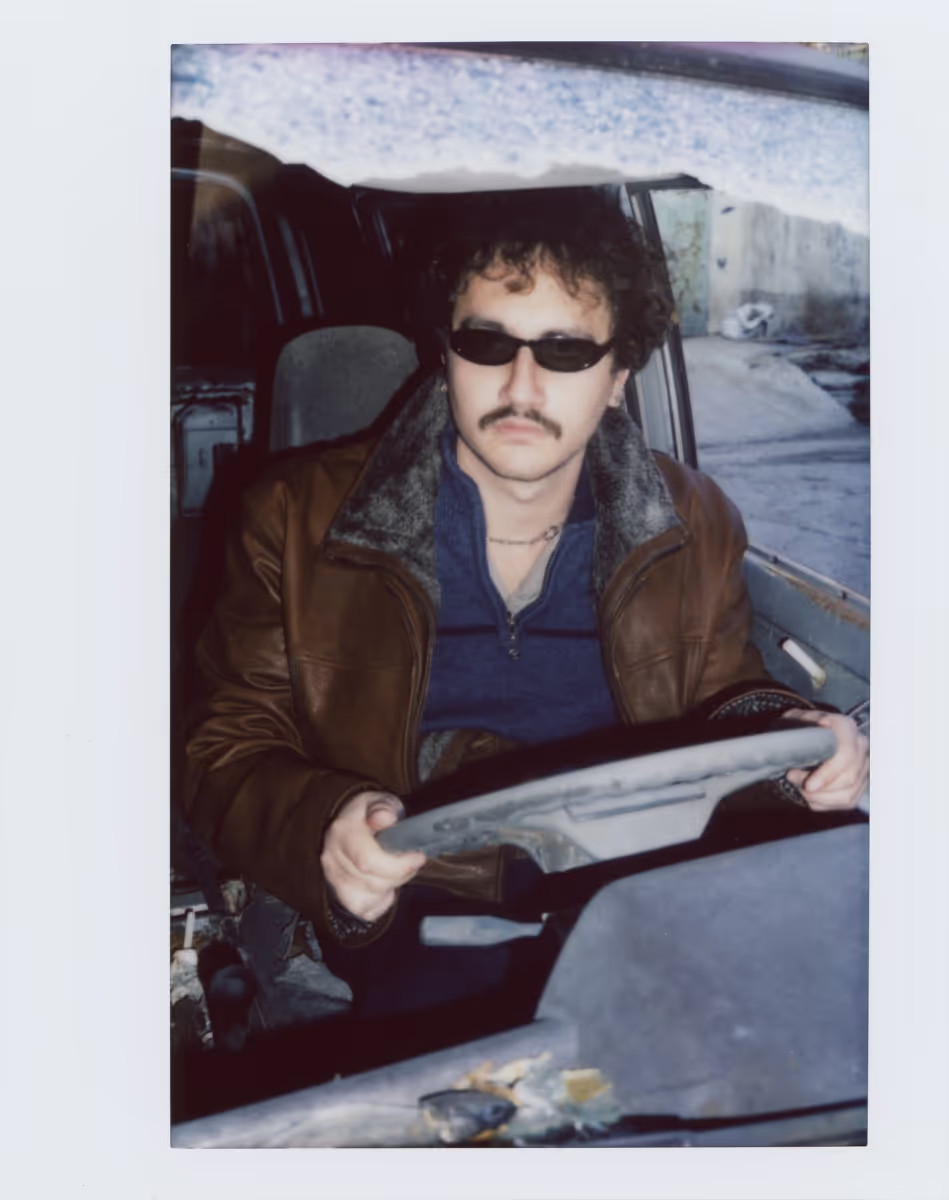
The artists nominated by

Void
in
2026

Discover the three artists nominated by VOID in 2026.

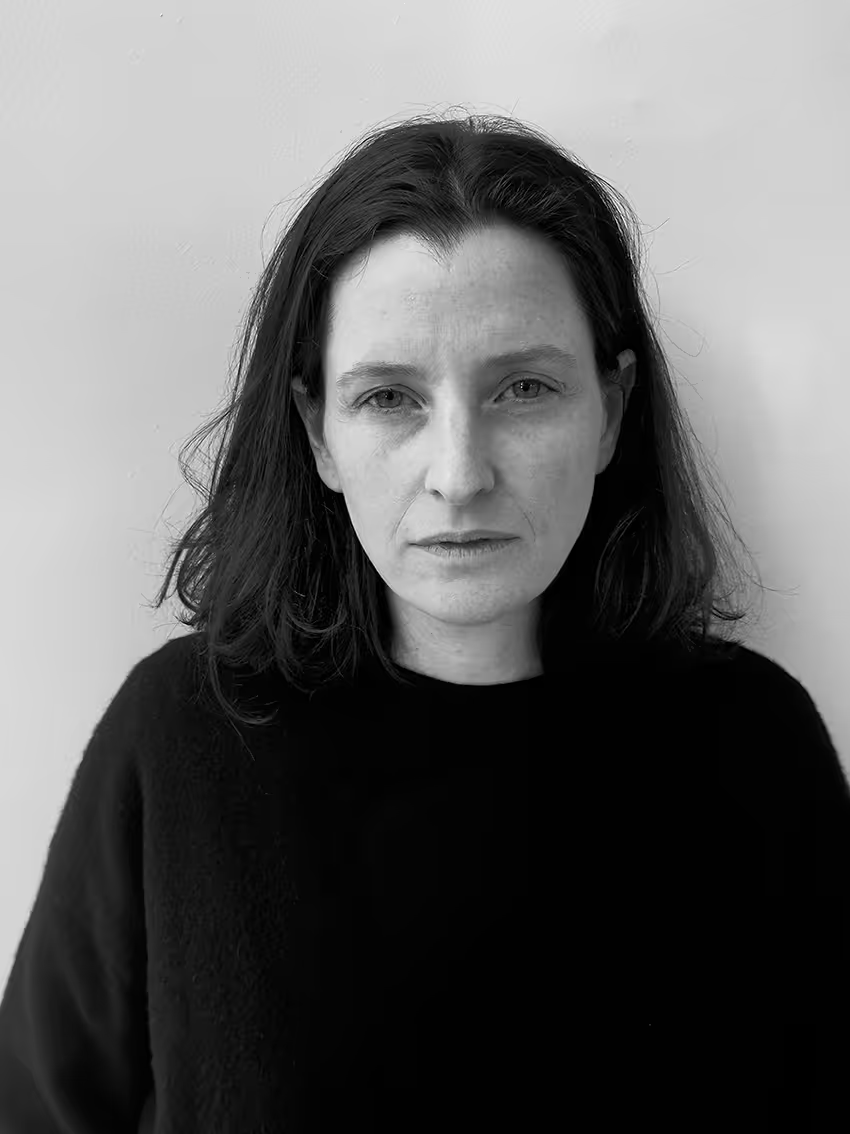
Francesca Giaitzoglou-Watkinson

Void selected Francesca Giaitzoglou-Watkinson for her use of photography as an in-between space of encounter: between the self and the other, the image and the memory, the vulnerability and care. Across long-term, research-led projects, she treats photography as a psychological terrain, where identity, gender, belonging, and trauma are processed through her intimacy. Also very distinguishes her work is her capacity to intertwine her own experiences with a broader cultural framework. Allowing personal histories to resonate beyond the self without losing their intimacy. Her practice proposes photography as a tool for self-understanding and transformation, and a form of accepting healing.

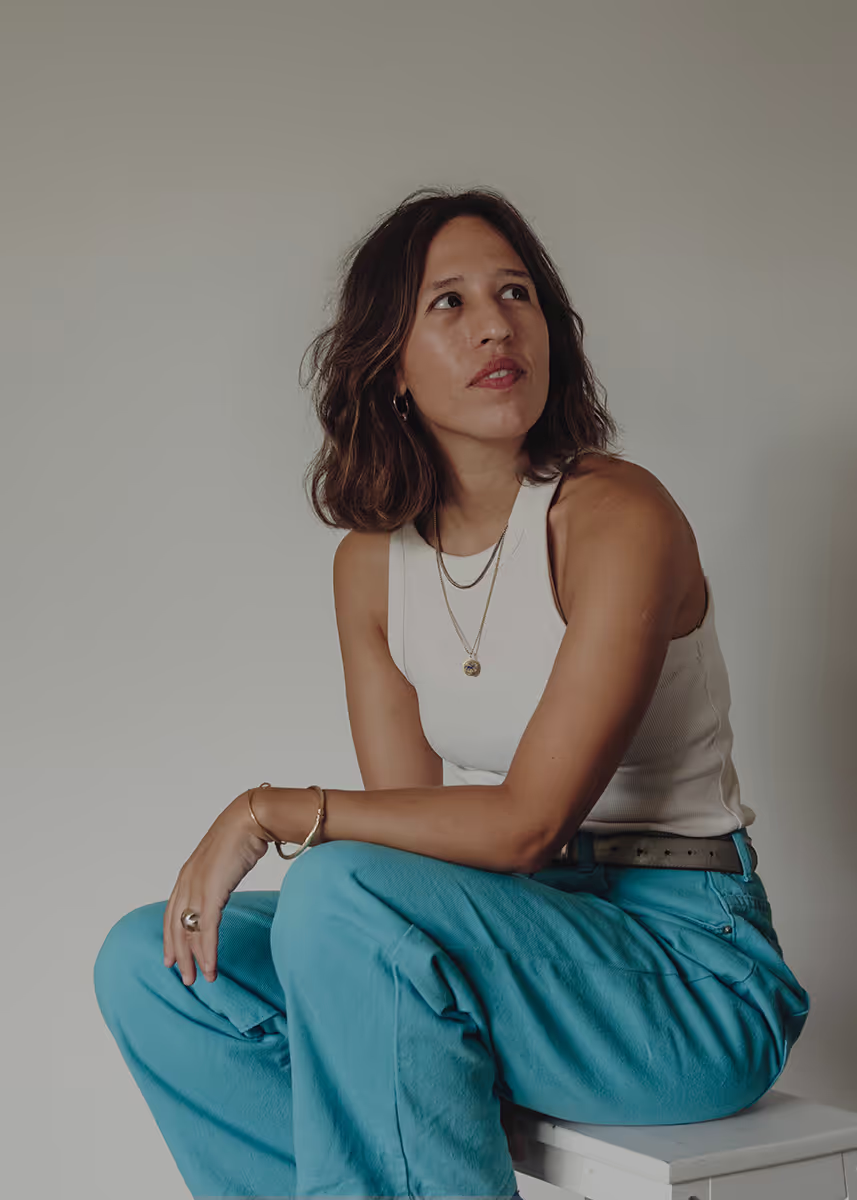
Hristina Tasheva

Hristina Tasheva was selected for her rigorous approach to photography. Using it as a tool for thinking through history instead of trying to illustrate it. Her long-term, research-driven practice moves between personal position and collective memory. We also highlight her plurality: working across photography, archival material, text, and performative gestures. Grounded in lived experience while aware of Europe’s fractured historical landscape, her practice navigates proximity and distance, care and critique. The understanding of historical complexity, combined with her research-based approach, aligns with Futures’ commitment to artists who engage photography as a critical and reflective medium within contemporary realities.

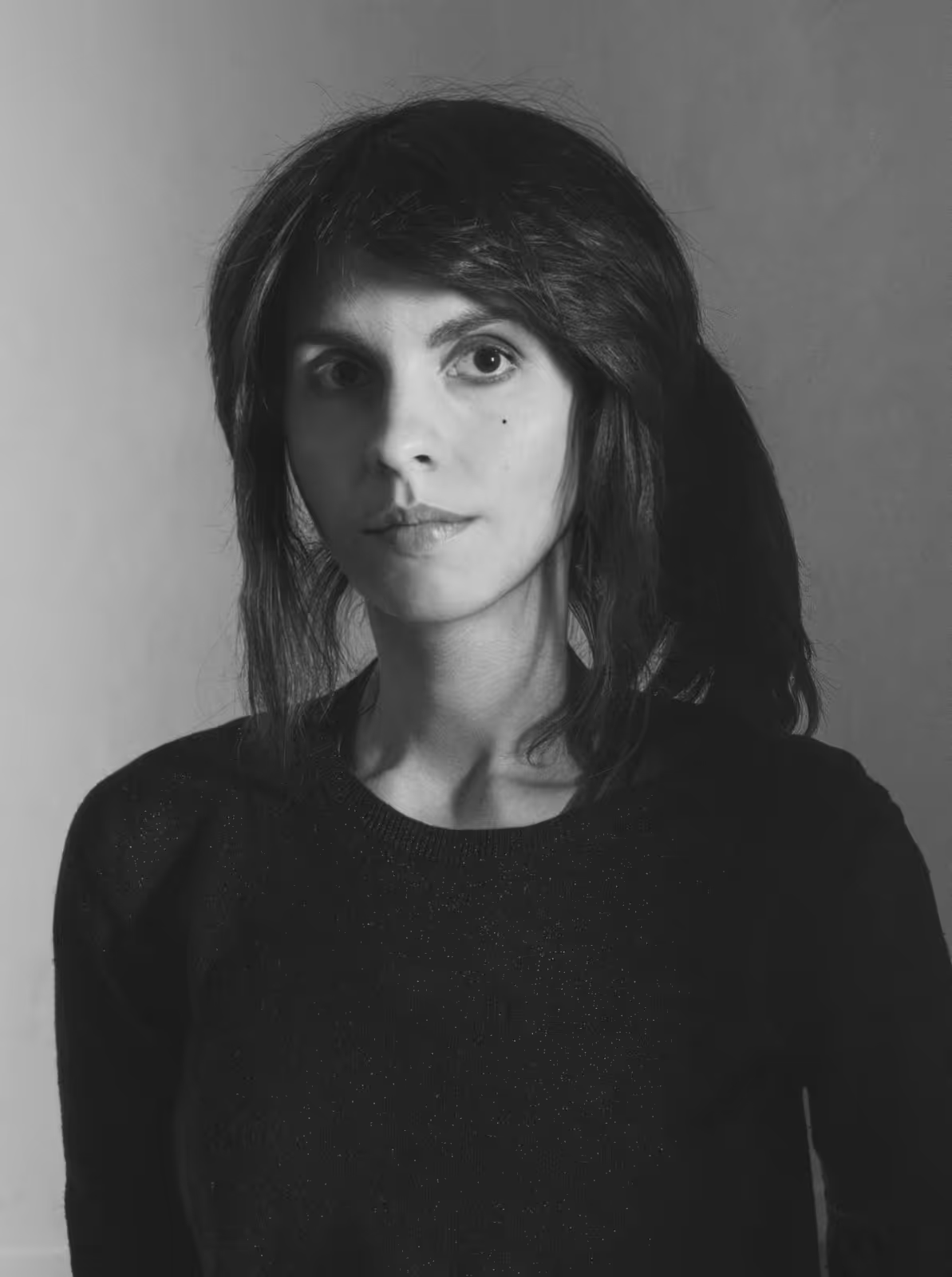
Odysseas Tsompanoglou

Odysseas Tsompanoglou was selected for his searching engagement with photography as a space for reflection. His practice moves between document and fiction, questioning how truth is constructed and experienced in a time shaped by mediation, instability, and perception. Working with loss, melancholy, and the possibility of collective healing, Odysseas incorporate in his practice his experience with Obsessive-Compulsive Disorder, by applying strict technical constraints to his practice, using photography as a therapeutic tool to metabolise the instability of time and perception.

Members of the jury:

Myrto Steirou — Editor and Founder of Void

Kata Geibl — Photographer and Professor in the Moholy-Nagy University of Art and Design BA and MA program

Maria Sturm — Photographer and teacher at HBK Braunschweig
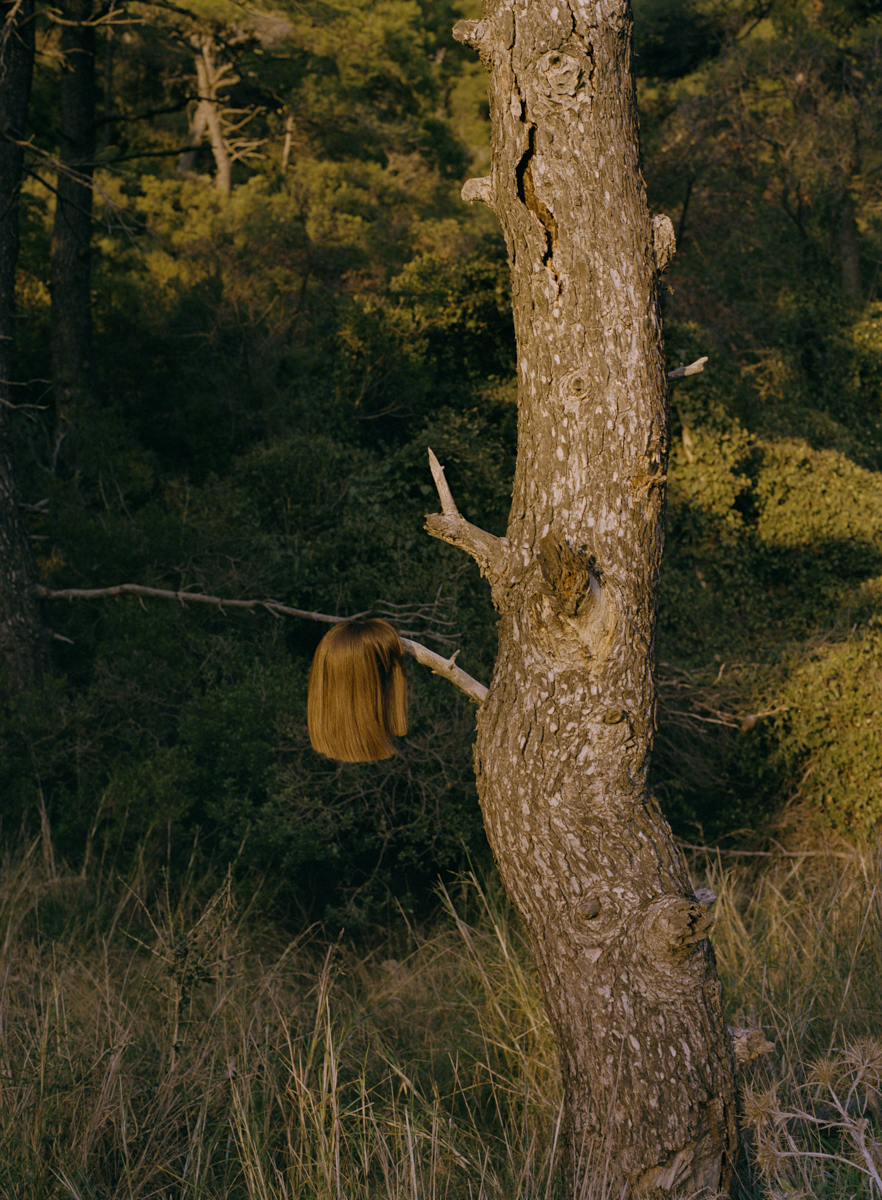
Projects nominations
Francesca Giaitzoglou-Watkinson
She completed her studies in Photography and Audiovisual Arts at the Faculty of Fine Arts and Design in Athens and has been working as a photographer since 2015. Her work tends to explore social issues surrounding identity and gender through photography. Her main aim through portraiture is to capture the essence of the subject, conveying their character and ultimately telling their story. Alongside her socially engaged work, she develops deeply immersive and intensely personal projects that draw from her own experiences of belonging, memory, and trauma. Her practice is rooted in long-term, research-led projects that function as extended acts of introspection, using photography as a psychological and emotional tool through which she examines processes of self-understanding and transformation.
Odysseas Tsompanoglou
Short biography: Odysseas Tsompanoglou (born 1998, Greece) is a photographer based in the Netherlands whose work explores loss, melancholy and collective healing. His practice investigates notions of truth, deterritorialization, hyperreality and postmodernity, often through speculative and situationist strategies that blur the line between document and fiction. Currently pursuing a Master’s in Photography & Society at the Royal Academy of Art, The Hague, he approaches photography as a collaborative process that questions authorship and invites the publics to co‑produce meaning and dialogue around the visual medium. Informed by his experience with Obsessive-Compulsive Disorder, he applies strict technical constraints to his practice, using photography as a therapeutic tool to metabolize the instability of time and perception. By recording the ‘glitches’ of a reality that feels increasingly separated from physical experience, his work ultimately seeks to construct a sense of home within the empty coordinates of the virtual age.
Hristina Tasheva
Hristina Tasheva (1976) is a Bulgarian-born visual artist based in the Netherlands. Her practice unfolds through long-term, research-driven projects that move between personal experience and collective history, examining identity and the politics of memory. Working across photography, archival material, text, and performative strategies, she constructs layered narratives attentive to silences and unresolved historical legacies. Tasheva holds a BA from the Gerrit Rietveld Academie in Amsterdam and an MA in Photography from AKV|St. Joost in Breda. Her recent artist book Far Away From Home reflects on the divergent histories of communism in Bulgaria and the Netherlands. The book won the Kraszna-Krausz Photography Book Award and the Athens Photo Festival Pick:24 Book Award, and was nominated, among others, for the Paris Photo–Aperture PhotoBook Award. She is currently developing FOREVERMORE I love you (A letter to a man), a project exploring how Europe remembers its wars and how memory shapes identity.
Newsletter