Artist

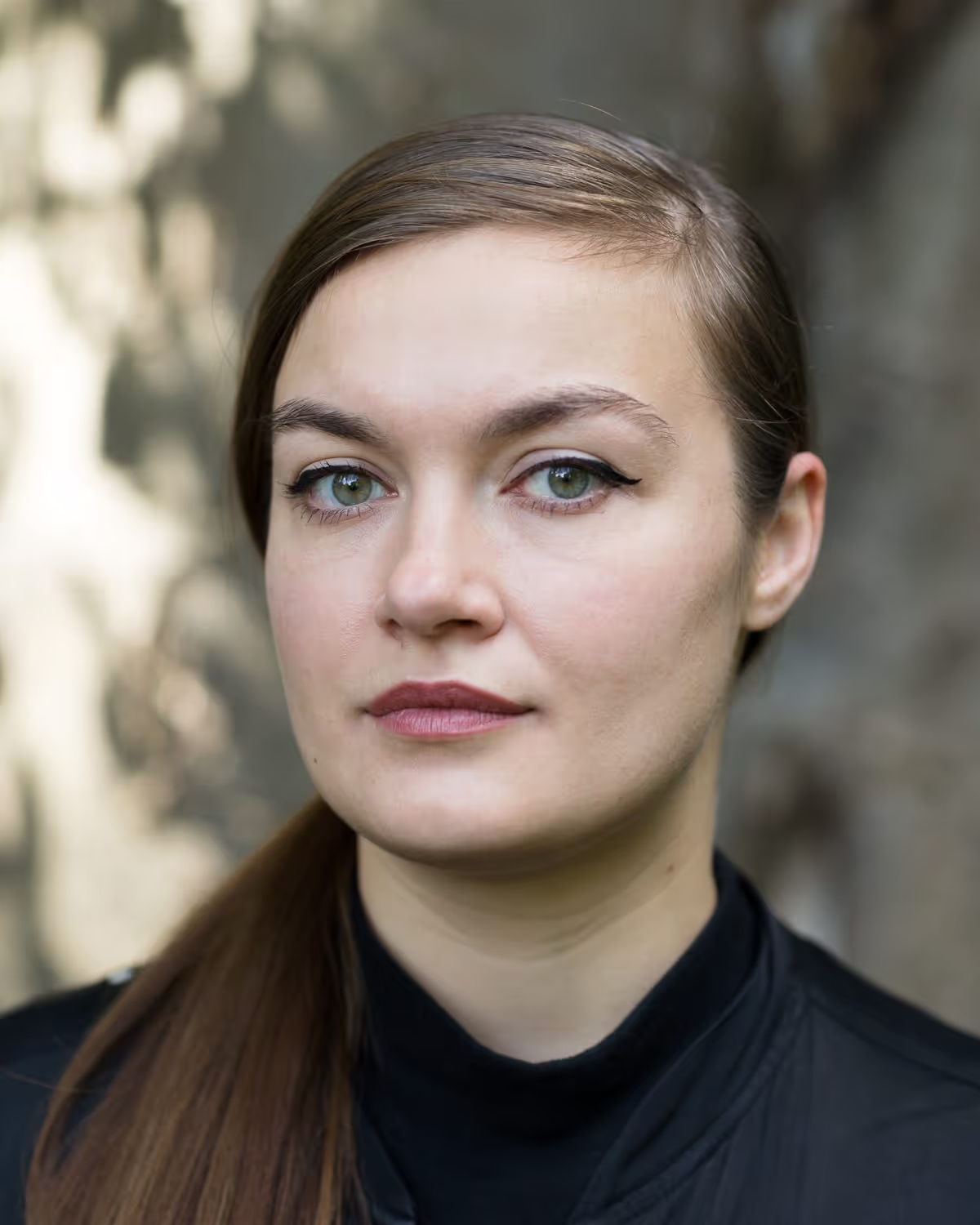
Vanessa Amoah Opoku
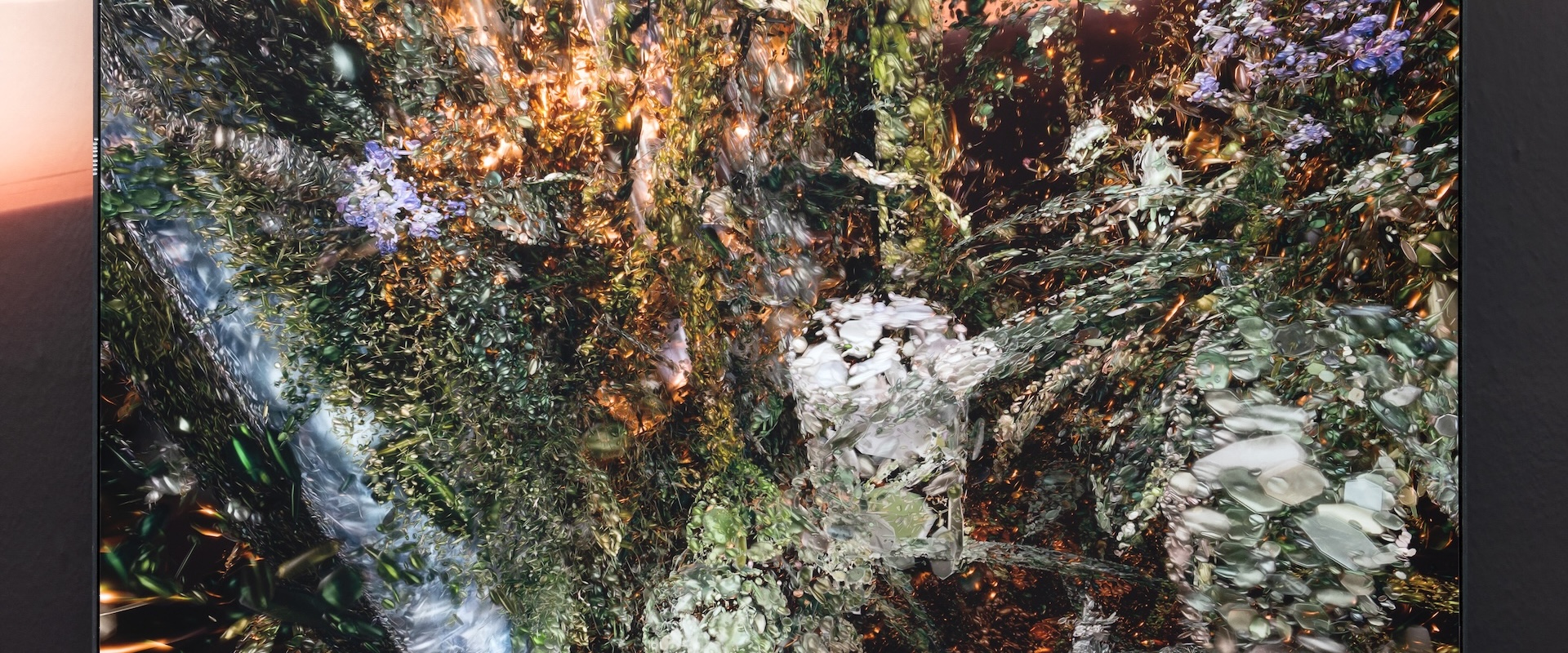
Thresholds of Engineered Life
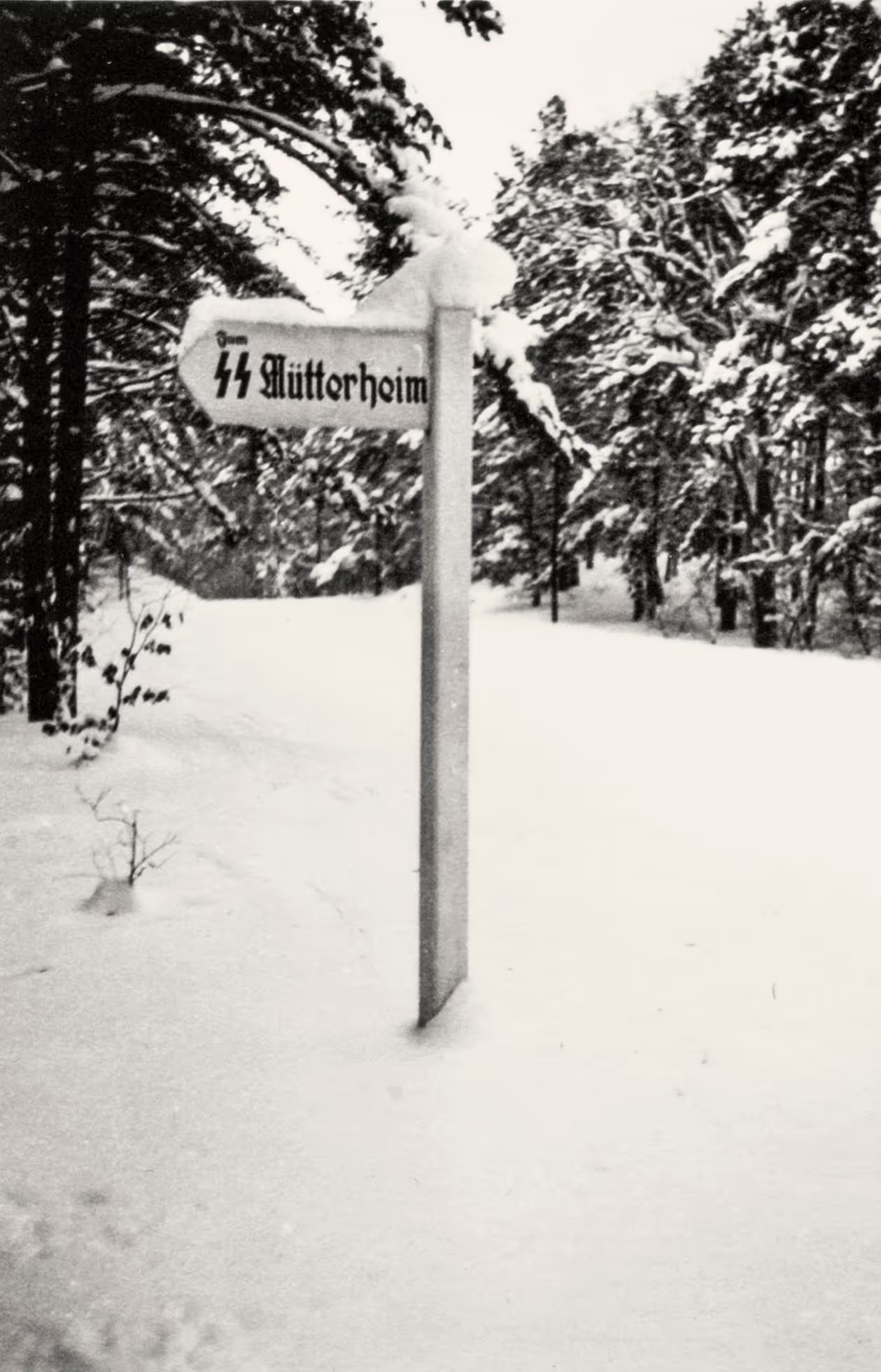
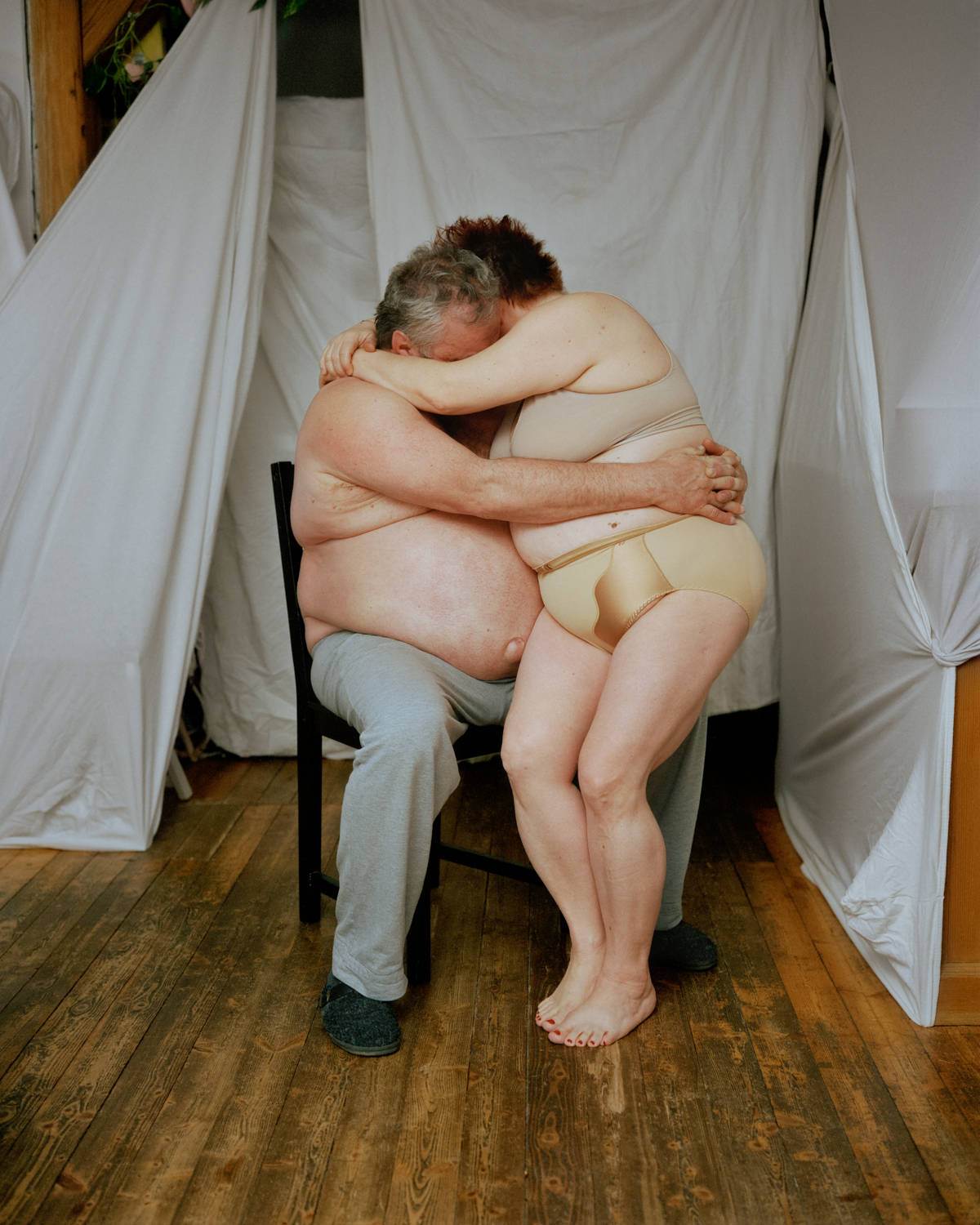
With what happened and never happened, Amelie Sachs engages in a sensitive and layered examination of the long-silenced practice of forced adoption in the former GDR. Developed in close collaboration with photographer Paulina Metzscher as well as author and filmmaker Eva Gemmer, the project combines documentary photography, archival material, and text to explore themes of loss, memory, and absence. By making visible histories that remain unresolved, the work traces fragmented family narratives and their emotional scars within society. Amelie Sachs’ feminist and collaborative approach demonstrates how ethical documentary practice can create space for reckoning and new ways of imagining justice. (Cale Garrido, Curator 9th Triennial of Photography Hamburg 2026)
Anna Perepechai’s work emerges from lived experience, shaped by migration, displacement, and the forced departure from home due to war, as exemplified by the context of Ukraine. Through an intimate and attentive gaze, she reflects on loss, memory, and shifting senses of belonging.
Working across lens-based and cameraless photography, installation, and sculpture, Perepechai expands photography beyond its traditional limits, treating it as a tactile and embodied process. Her practice incorporates everyday objects, objets trouvés, and soil as both subject and material, allowing traces of land, history, and personal experience to enter the image itself. Attentive to the enduring effects of colonial and imperial violence on landscapes, bodies, and objects, her work considers photography as a site where personal and political histories converge.
Through this materially expanded approach, Perepechai creates immersive works in which photography unfolds as a tactile and embodied language, carrying memory, emotion, and lived experience. (Cale Garrido, Curator 9th Triennial & Bettina Freimann, Project Director 9th Triennial)
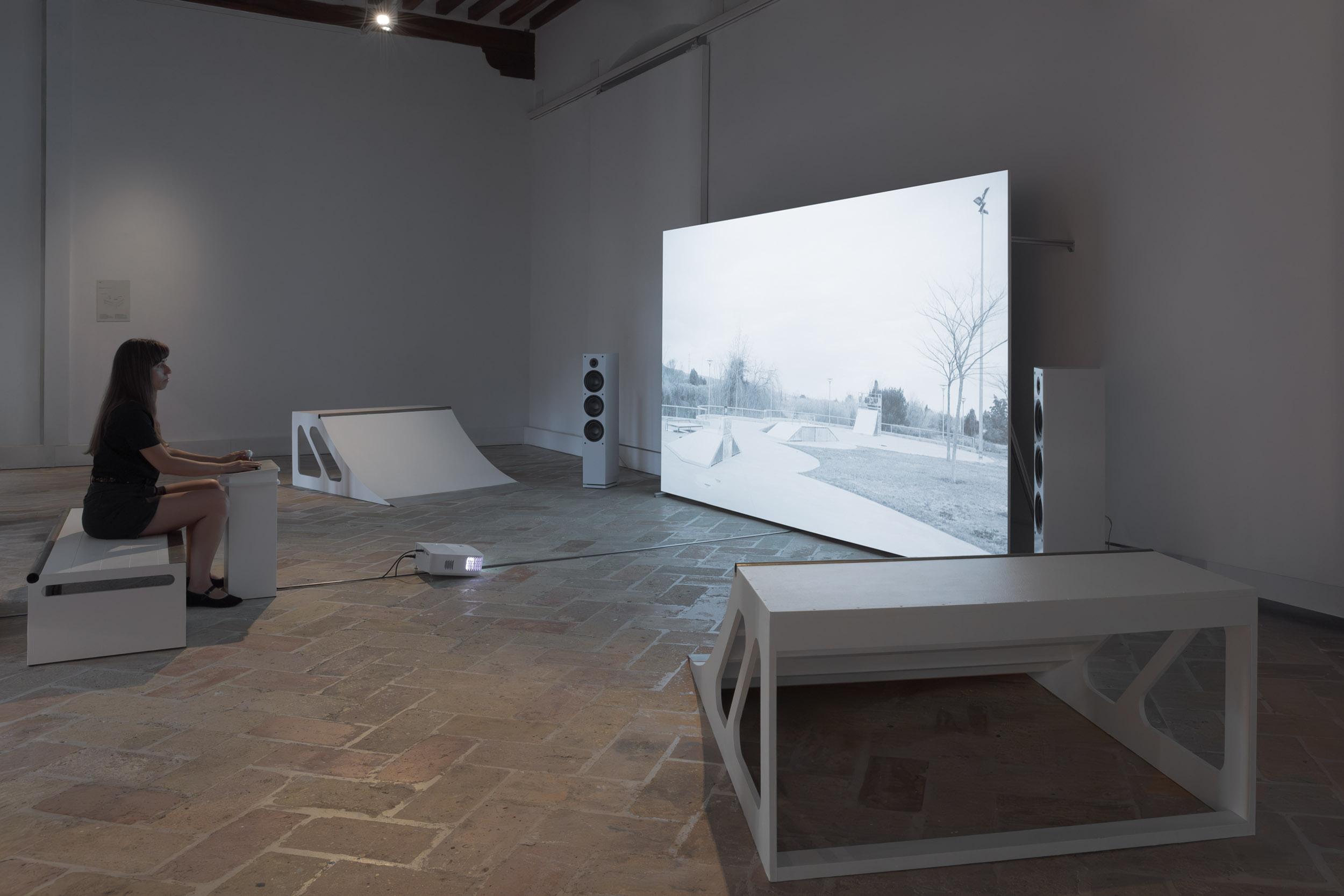
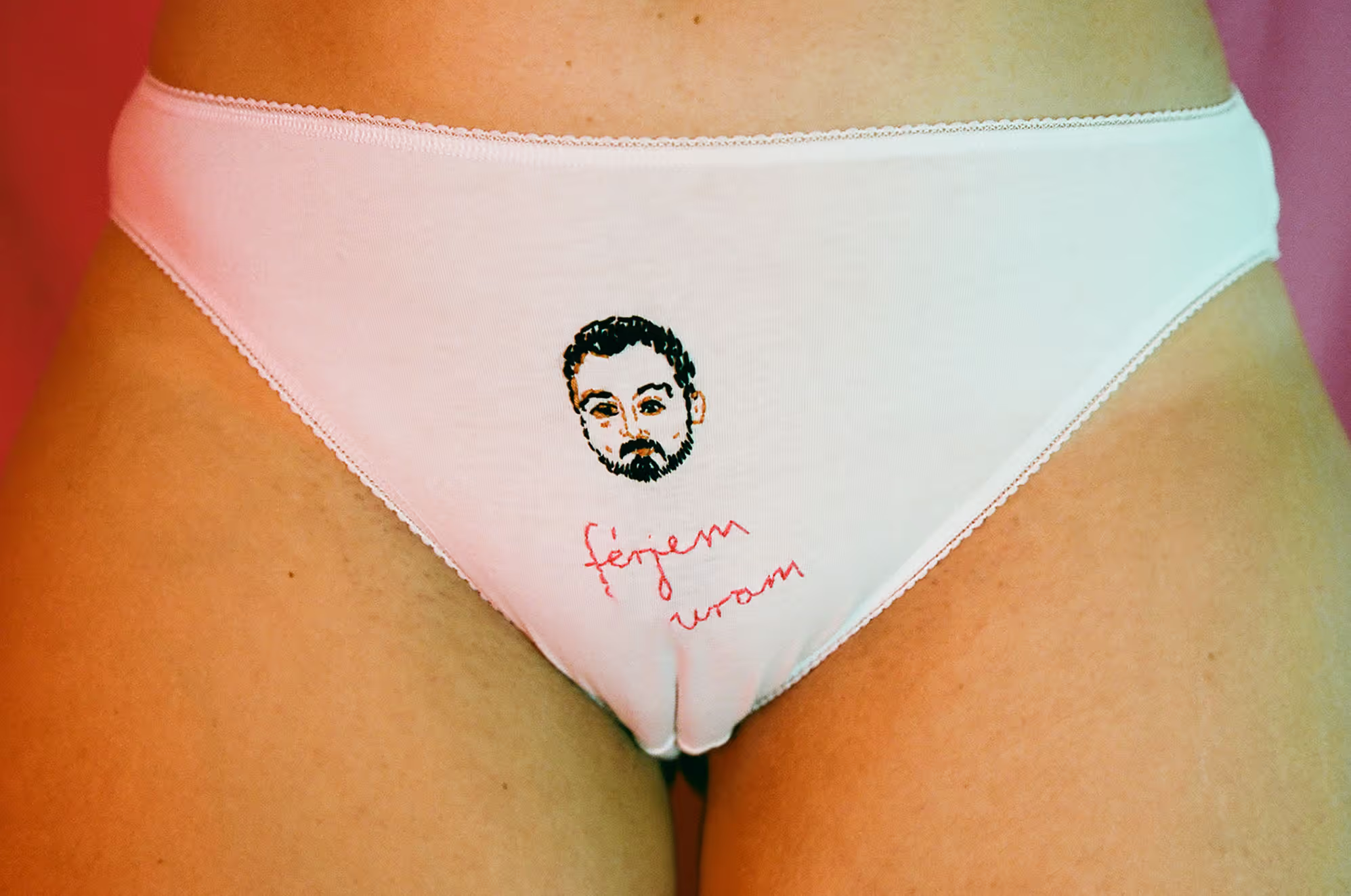
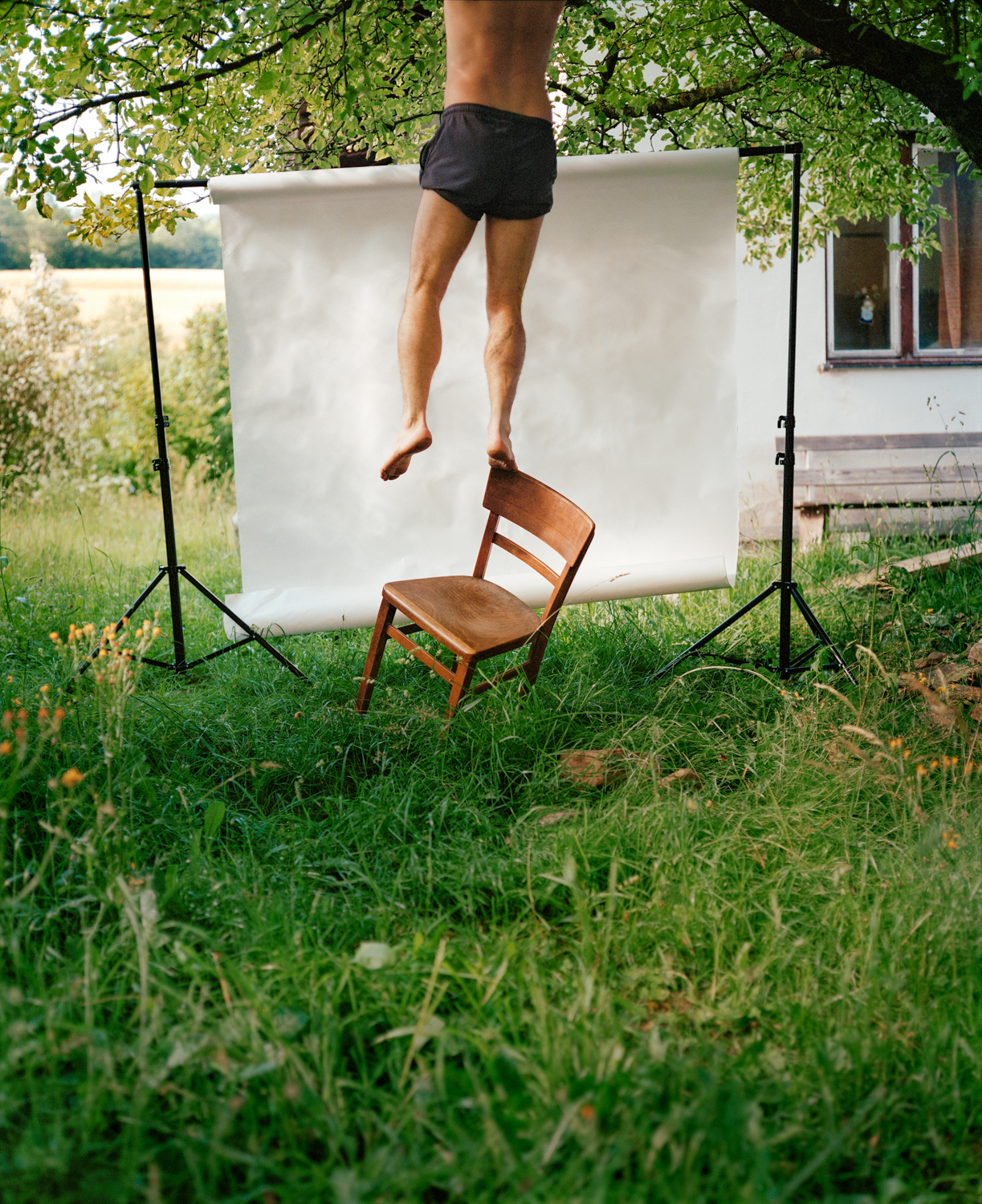
A witty and subversive energy flows through the intermedial spatial installations of Aslı Özdemir, which interweave photographic and bodily memory. Across different series, Özdemir develops a coded play of historical references drawn from art history, personal family archives, and the performative appropriation and reconfiguration of class codes. Her practice is playful, conceptual, critical, and performative. Working with remote control and set-like arrangements, the artist stages relationships and acts between observation and performance. The daily is pictured as scenes of embodied history, re-enactments hint at the transgenerational transmission of experience, as Özdemir explores habitus through continuity, repetition, and rupture. (Nadine Isabelle Henrich, Curator, House of Photography at Deichtorhallen Hamburg)
The artistic practice of Kang Kaiwen focuses on the formats and paradigms of the moving image. Her research-based approach is highly experimental, engaging with the medium itself in order to explore its “ecological” existence.
Through an investigation of modes, qualities, and processes of relation—between humans and the natural world, and between humans and the cosmos—Kang draws on mythologies and legends from both China and the West, extending them into post-human paradigms that speculate on possible futures within and beyond the Anthropocene.
Her distinctive storytelling merges multiple temporal and spatial contexts—spanning different time zones, languages, cultural backgrounds, and belief systems—to create visually striking moving-image works. By layering myths, natural environments, atmospheric conditions, and shifting spatial and temporal frameworks, she develops a unique visual language rooted in cinematic and photographic aesthetics.
In doing so, Kang establishes an innovative trans-cultural visual practice that connects Eastern and Western cultures, cosmologies, and belief systems, bridging ancestral knowledge with speculative thinking and post-human perspectives on humanity’s relationship to the world. (Bettina Freimann, Project Director 9th Triennial)
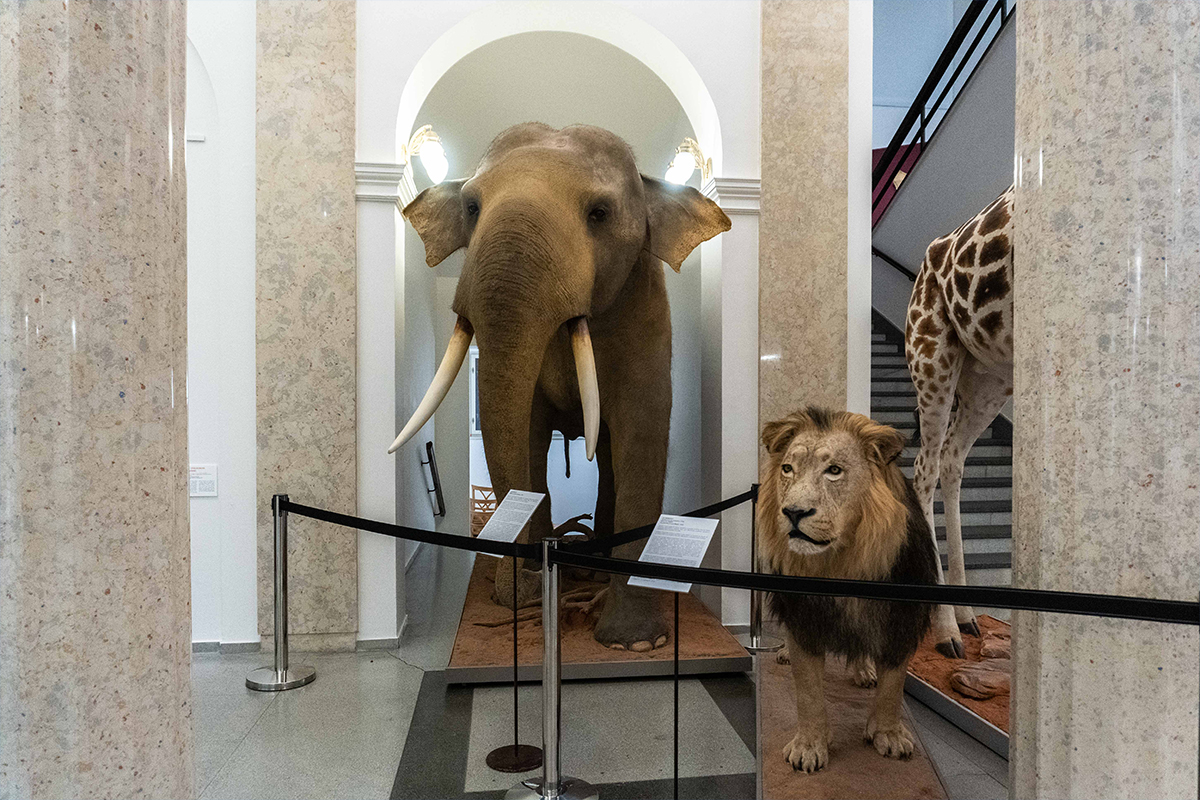
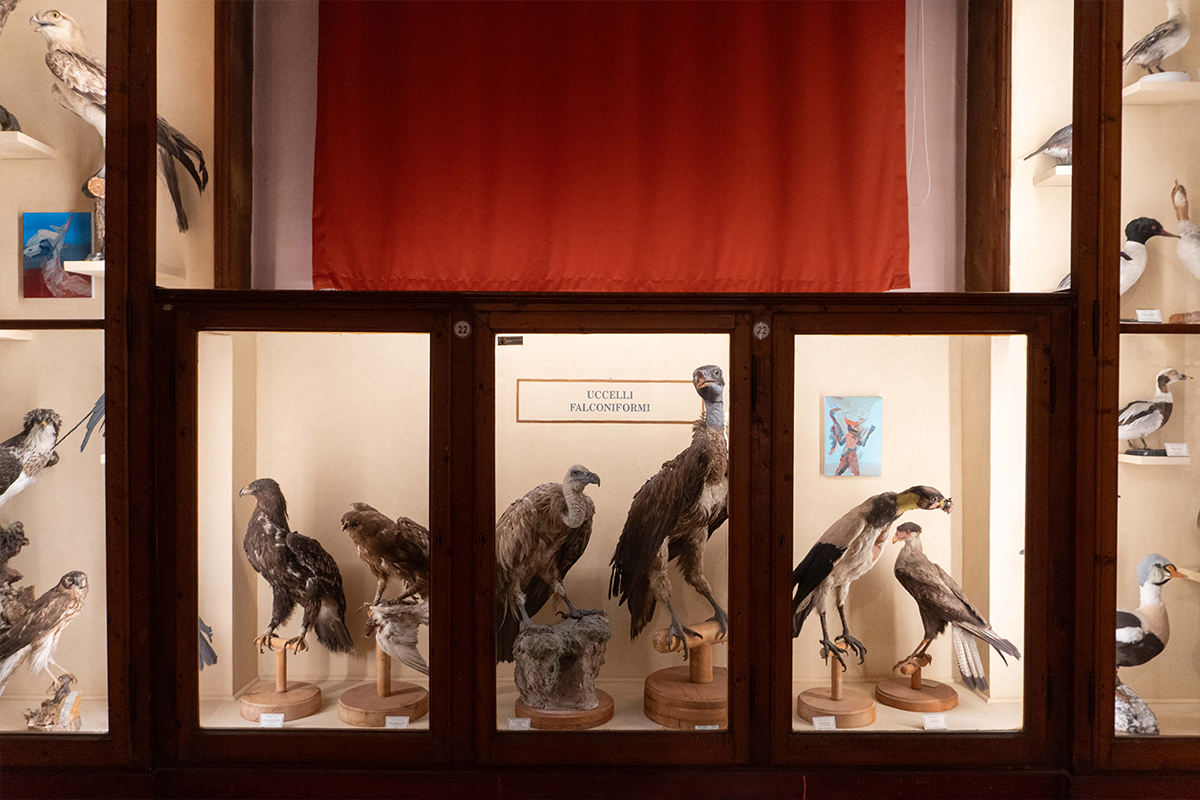
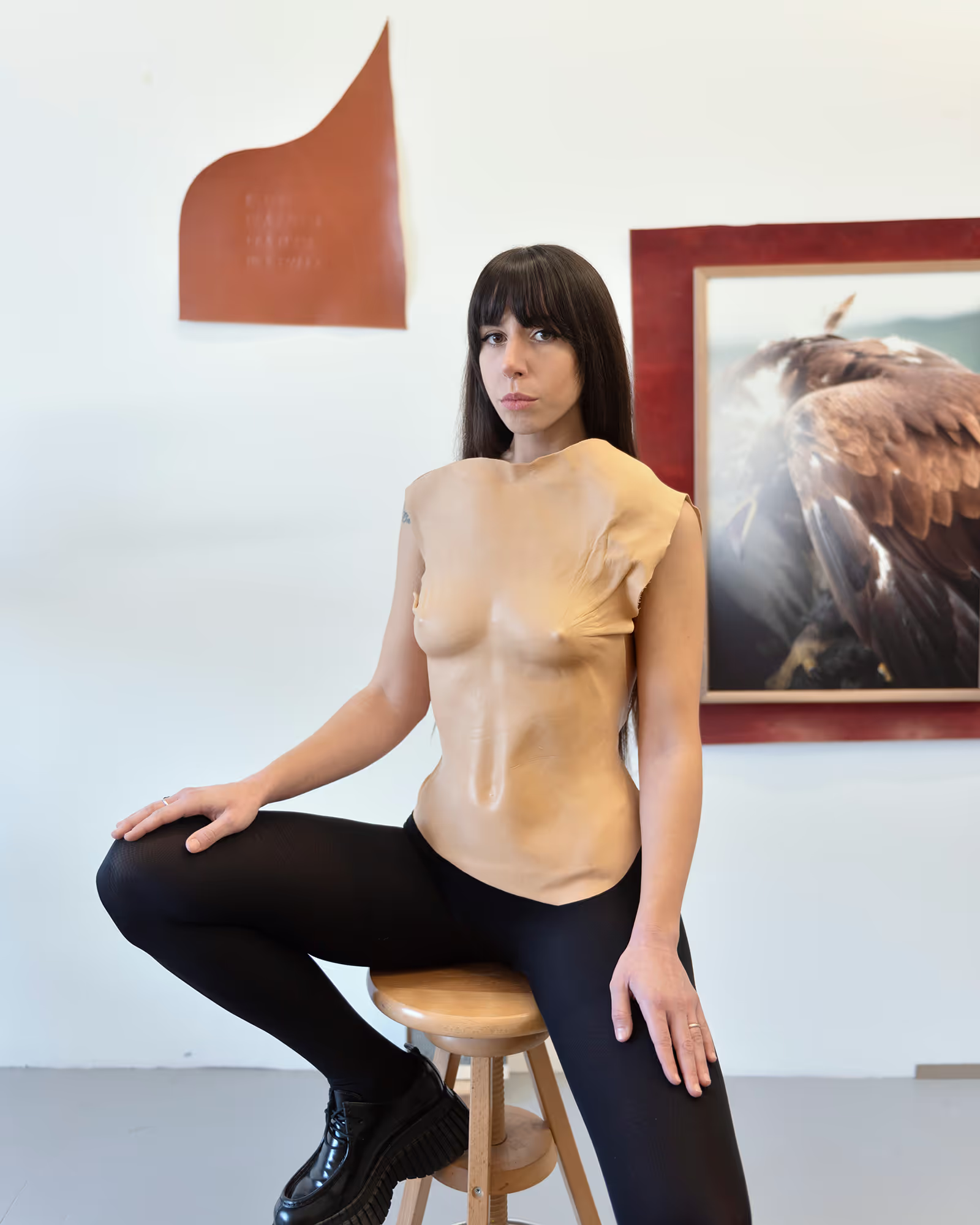
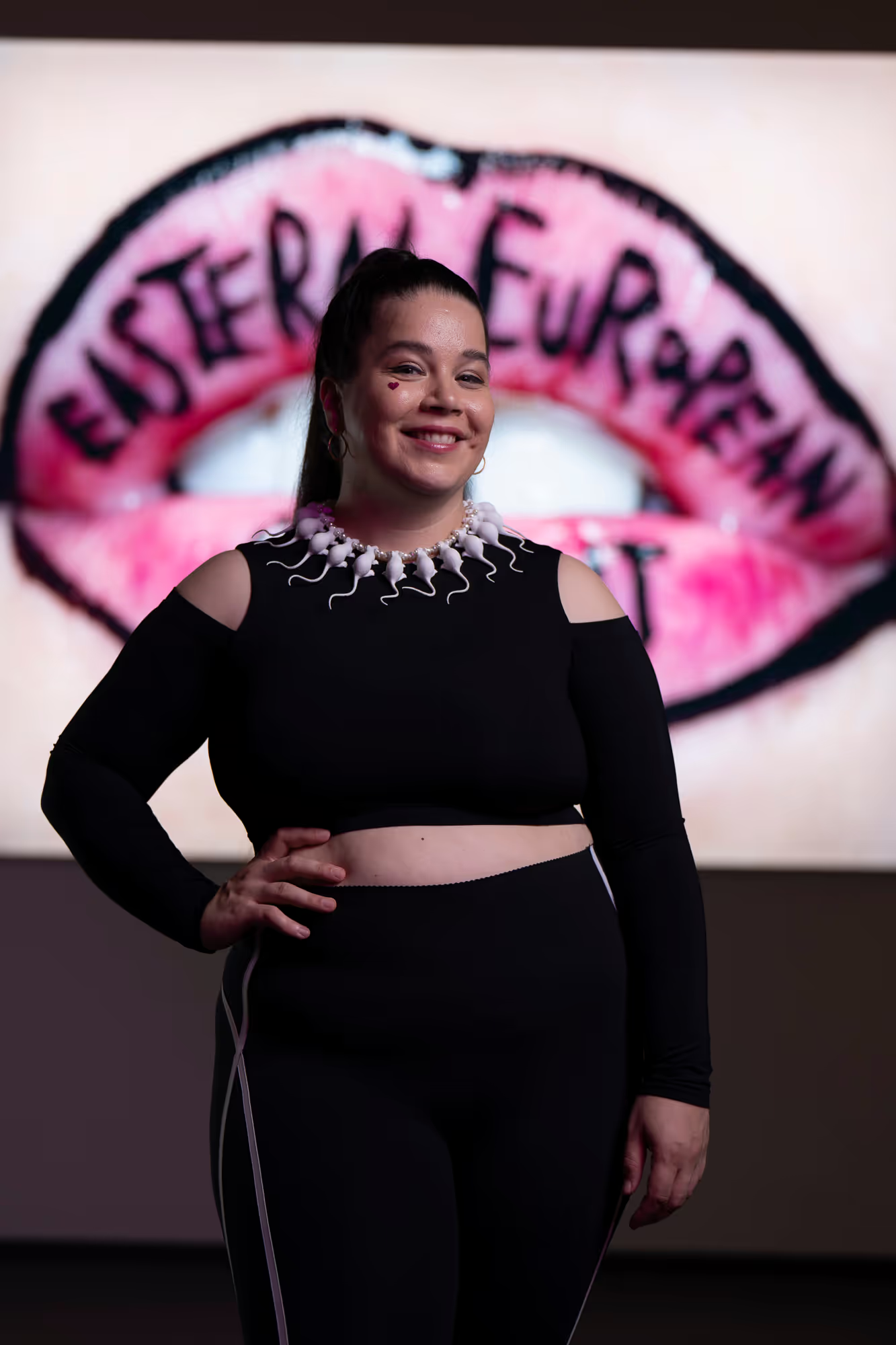
Vanessa Amoah Opoku's photographic and mixed-media works combine to create a material and organic atmosphere in which to bring personal, cultural, and political histories into visibility. There is across her work a turbulent sense of rupture and dis-ease. Yet, at the same time, a sense of wanting to unpack the baggage of colonial heritage is present through the sharing of hybrid frames of memory and technology. Here, old industrial worlds collide with forensic digital processes, the outcome of which weaves back and forth to make new hauntologies of cultural and familial knowledge. The cold lens of applied technologies joined to the fabric of the autobiographical tension of life opens space for a praxis that expands the horizon and evolutionary possibilities of lens-based work. (Mark Sealy, Artistic Director 9th Triennial)
The members of the jury:
Mark Sealy (Artistic Director 9th Triennial of Photography Hamburg 2026)
Cale Garrido (Curator 9th Triennial)
Bettina Freimann (Project Director 9th Triennial)
Nadine Isabelle Henrich (Curator, House of Photography at Deichtorhallen Hamburg)