The Origin (On&On)
João Bragança Gil

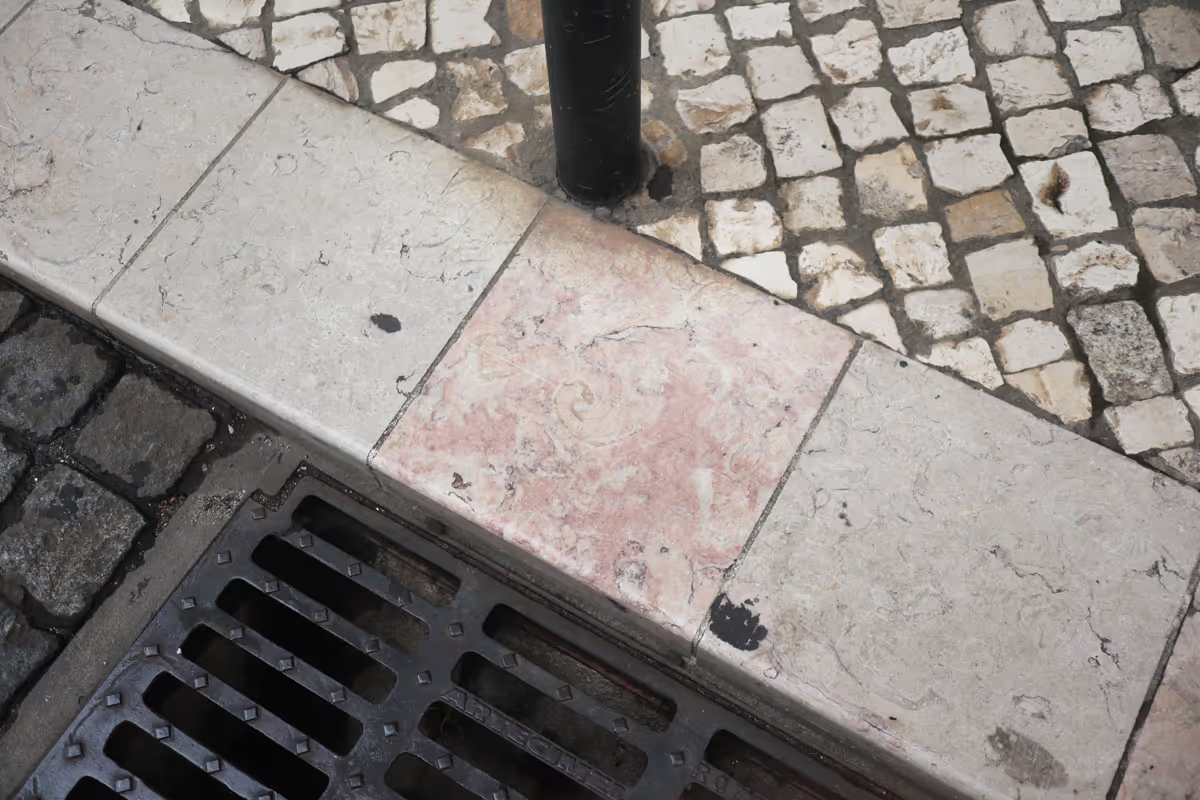
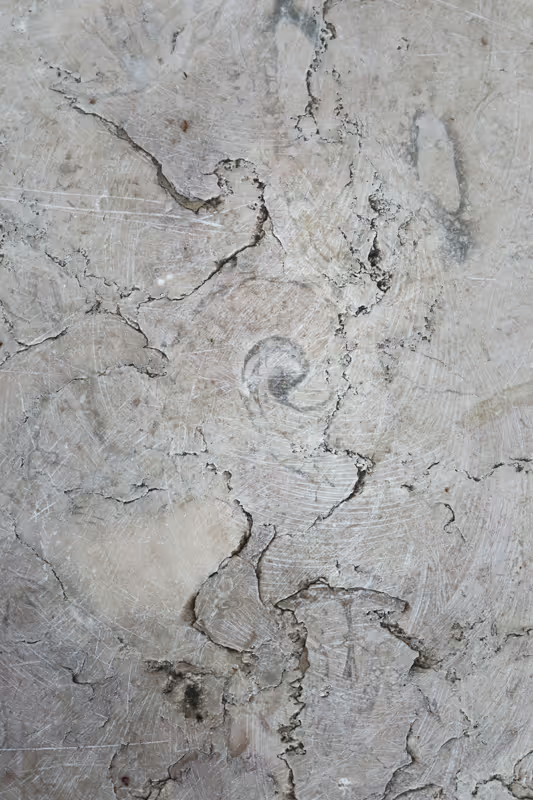
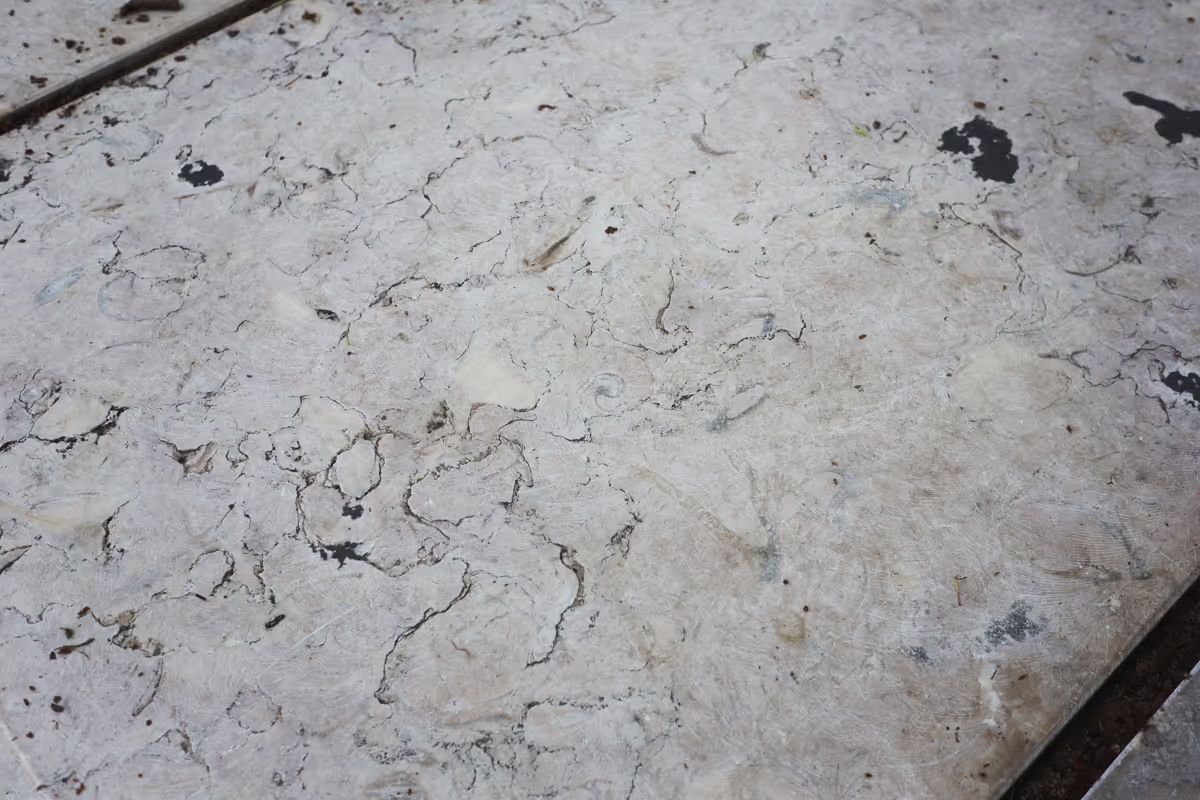
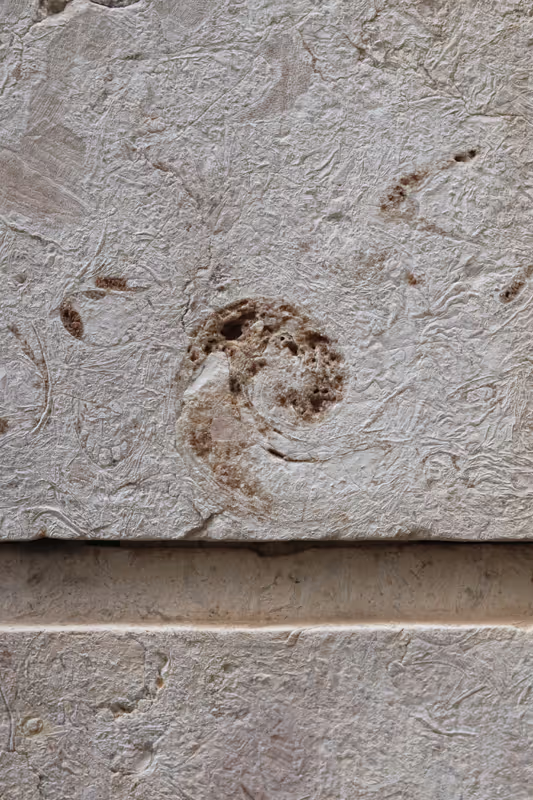
A kind of origin that comes closer and closer and finds and diverges, as João Bragança Gil makes a point of expressing. ⌢’s state had completely changed since the arrival of ↩. I was on a completely different journey. They were travelling at this time to other times. Moments beyond the shadows, or the first representations of them. The ammonites made the representation something else, a chance like the previous blurs, but still, an unplanned representation, an image-journey to a past so distant that we cannot imagine. This process of millions and millions of years ended up being brutally cut in half, or even more than half, after being extracted from the ground. The origin (on and on) brought with it another notion of time in these images. The process identify > shoot > reveal > project > observe brought to their memories the apparatus of the first images they saw projected, but reminded them of how in this circle they always reappeared, reinvented themselves. Time after meeting, so long that the Sun had appeared, ⌢ and ↩︎, embracing the paths they had travelled until then, stopped.
Pedro Huet, 2021 (Excerpt)







(in)Visible
“I try to let the film think. “
— Harun Farocki
The Azores are an archipelago in the ‘middle’ of the Atlantic. Due to their privileged geographical position, these islands have been a place of enormous importance throughout history. This video essay aims to explore the visibilities and invisibilities inherent to the political agendas behind this geographical position through a two-channel video work that juxtaposes images of the magnificent landscapes often portrayed in Tourism advertisements, with media images of Lajes Airport, an important transnational military complex from the First World War to the present day.
The contrast of these two visual sequences composed of ‘found-image’ seeks to reflect on the politics of landscape and its representation, through the simultaneous, although paradoxical, discourses in these locations.
The film is accompanied by the soundtrack “Conquest of Paradise” (1992), by Vangelis, transformed and edited by me, slowing it down more than ten times, transforming it into an almost unrecognizable environment, with about forty-five minutes of duration. Each of these three elements — two videos and a soundtrack — has a different duration, creating asynchronous ‘loops’ and generating endless interactions, combinations and readings, in time.